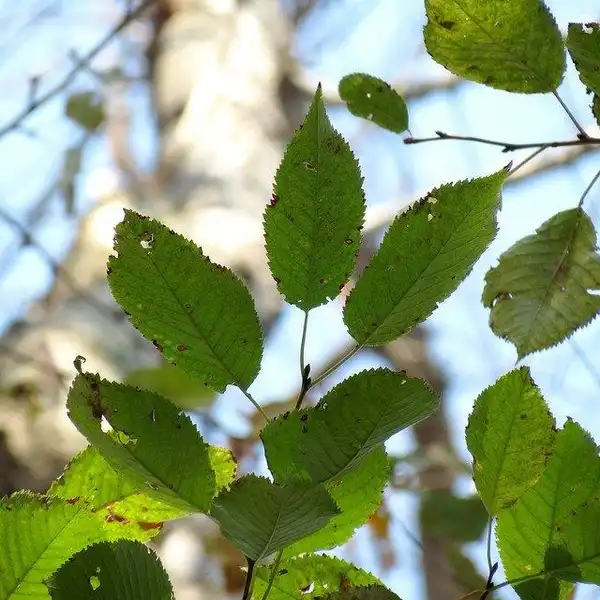
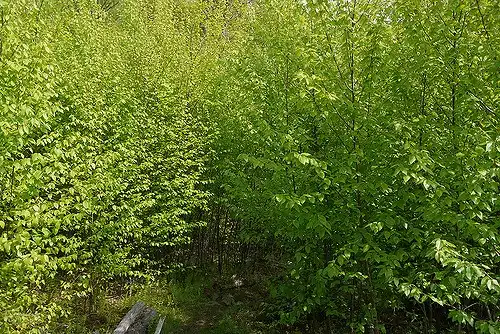
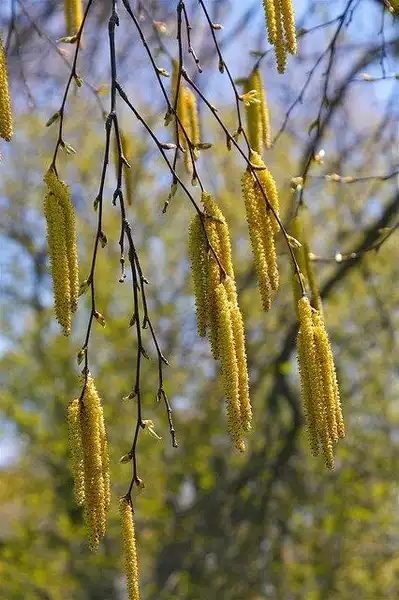
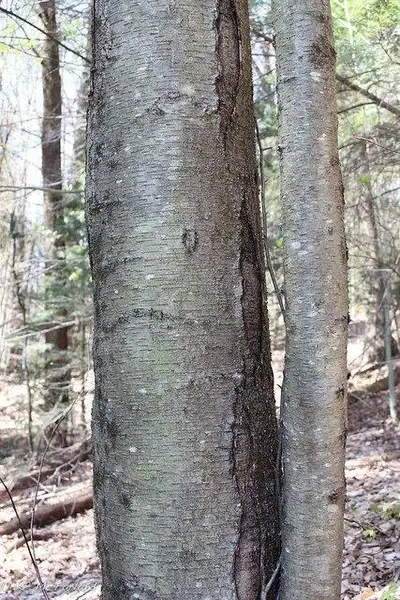
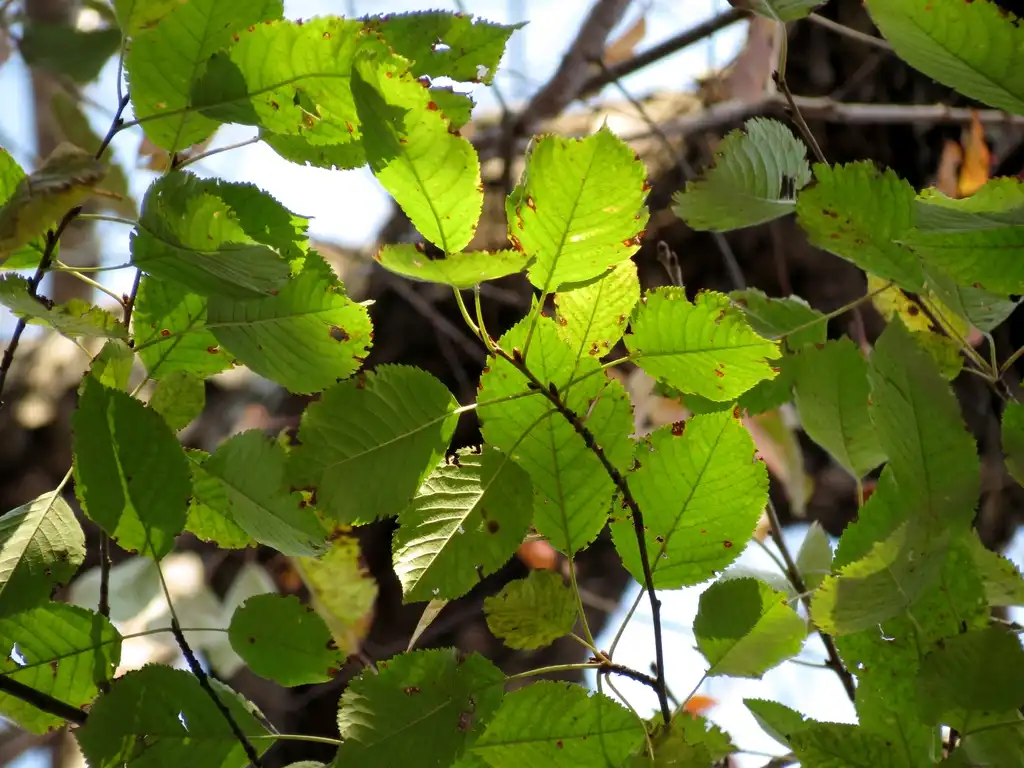
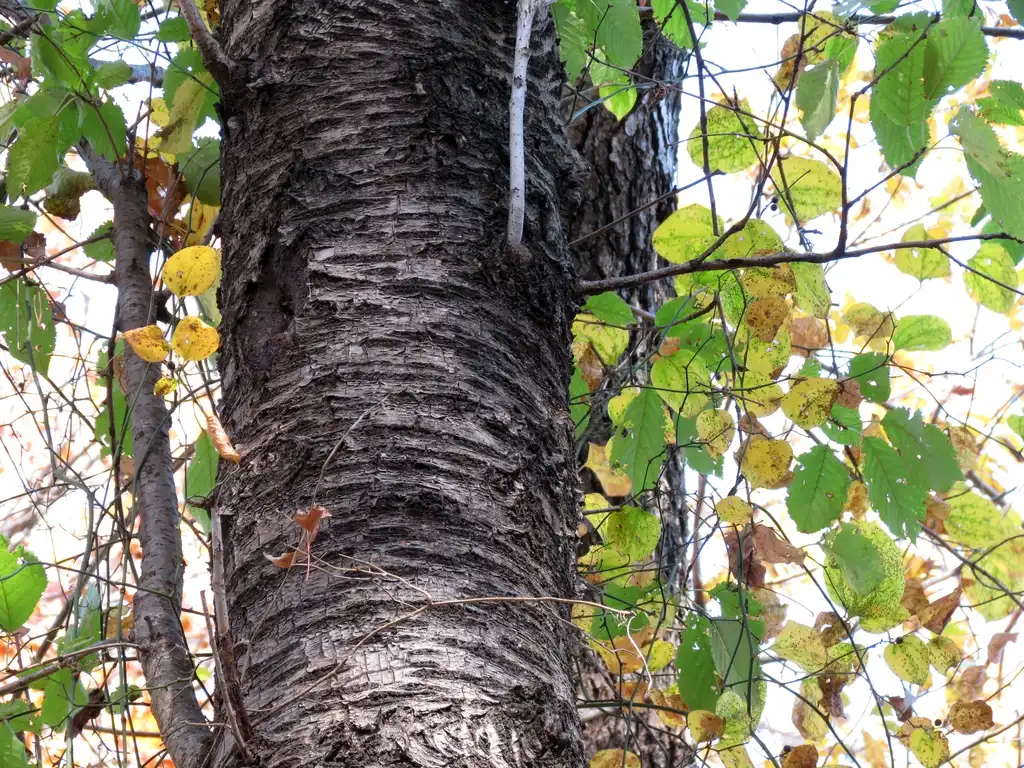
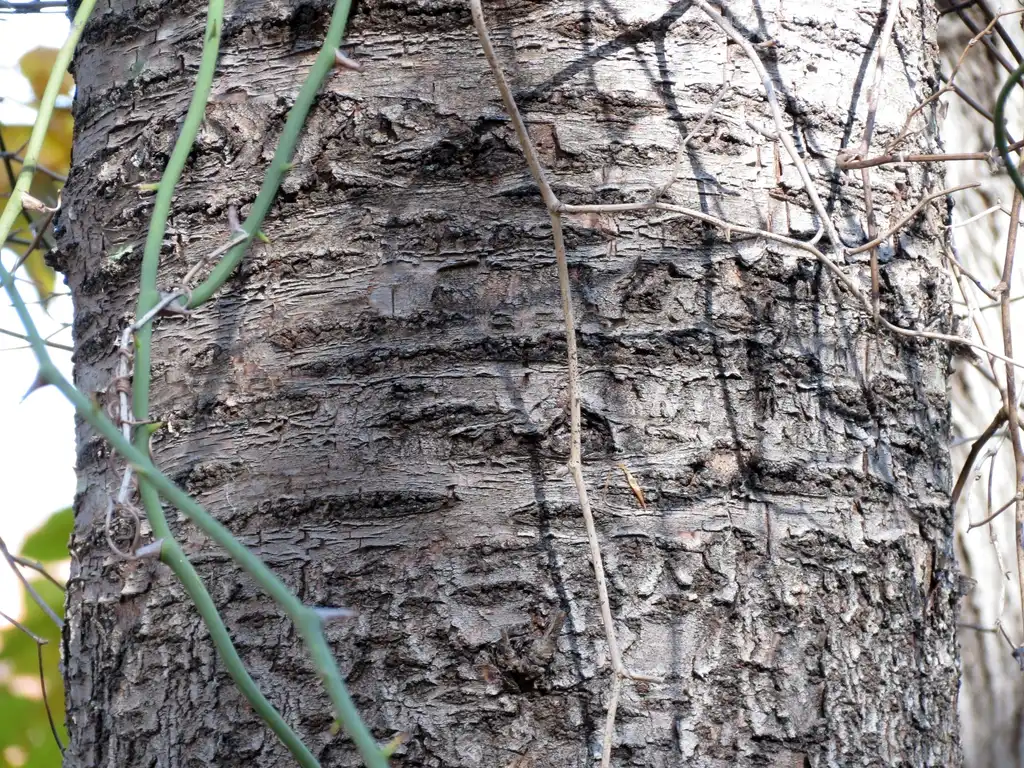
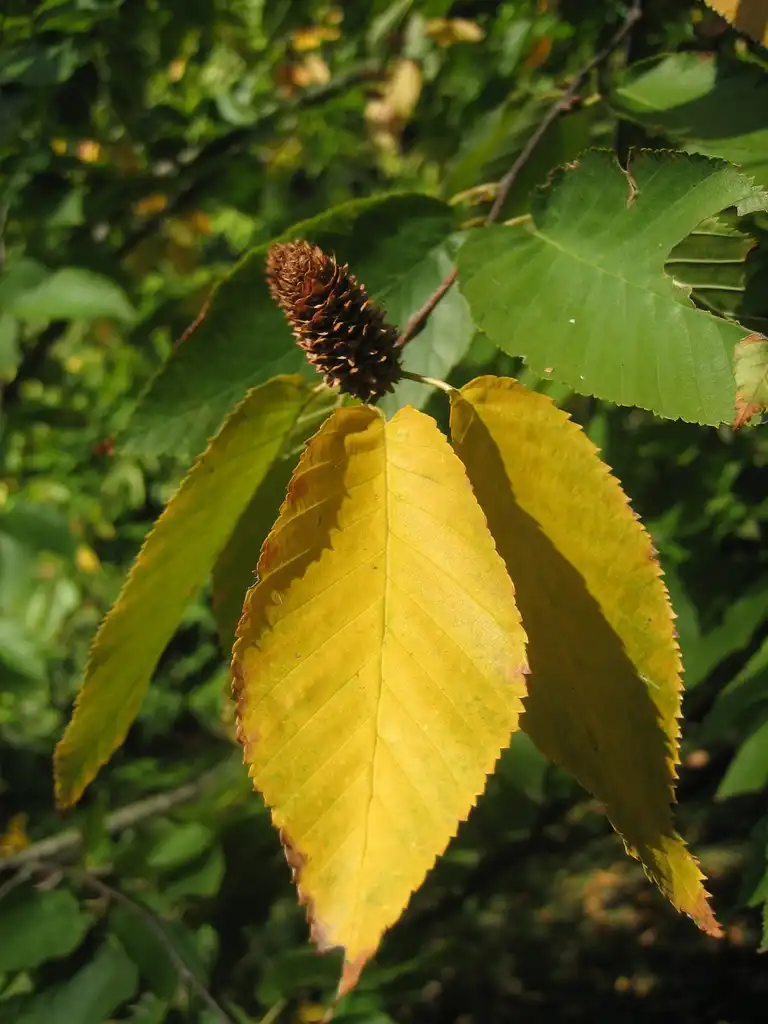
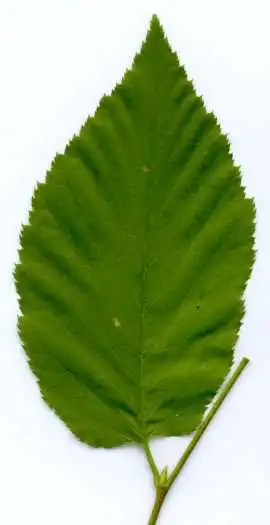
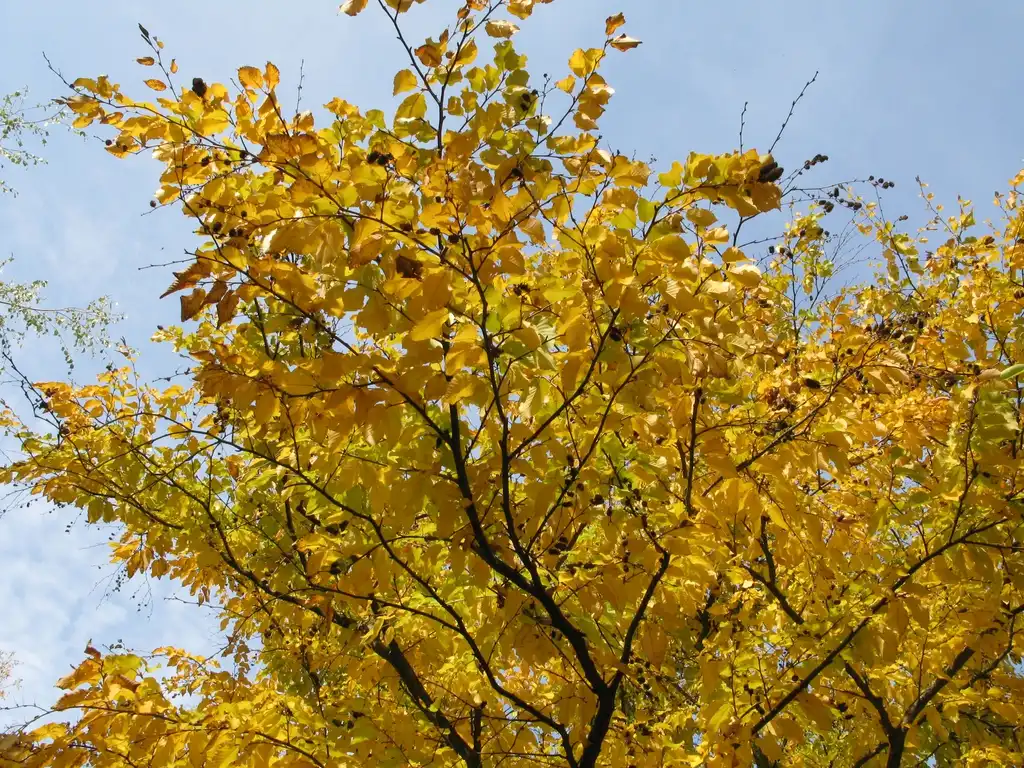
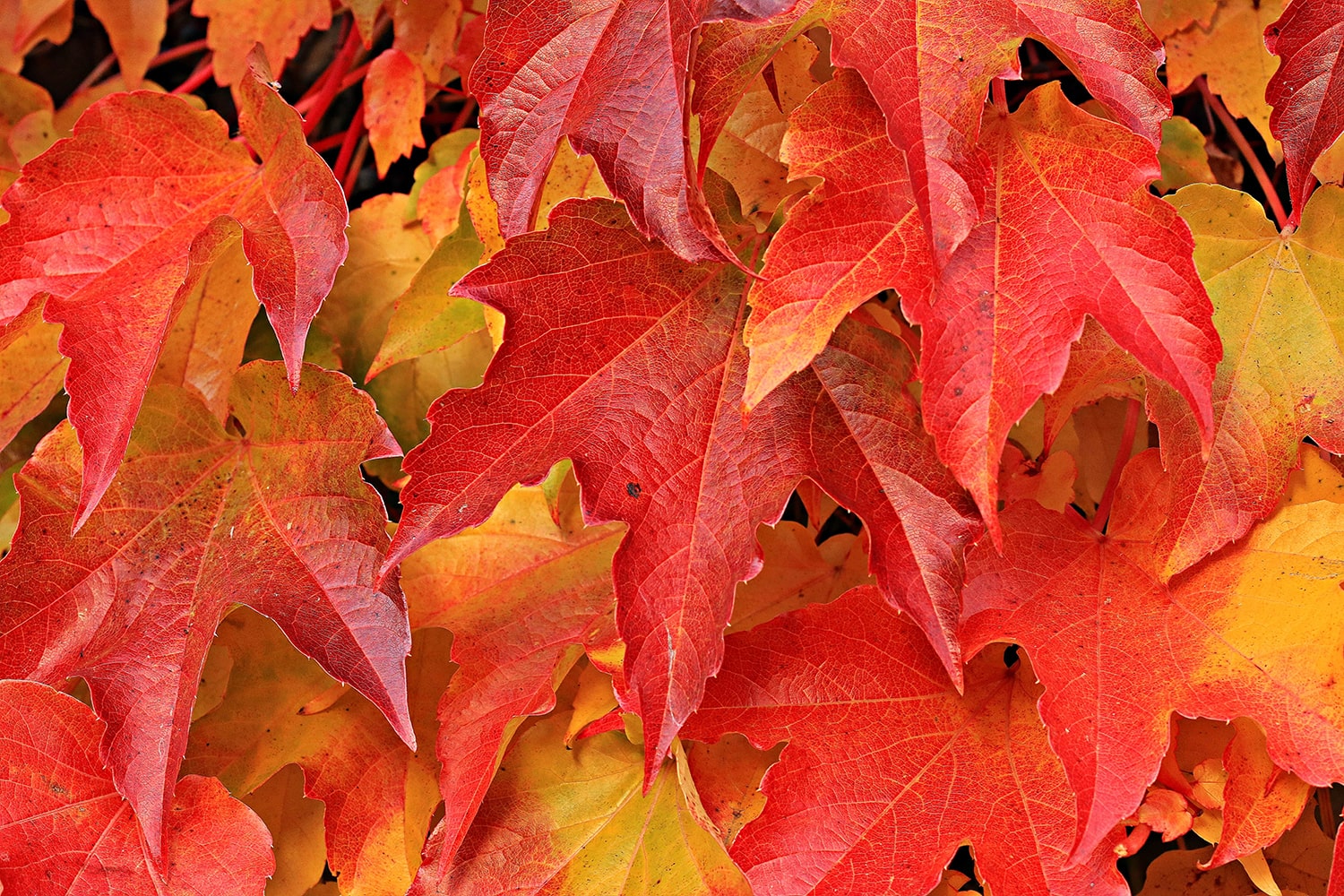
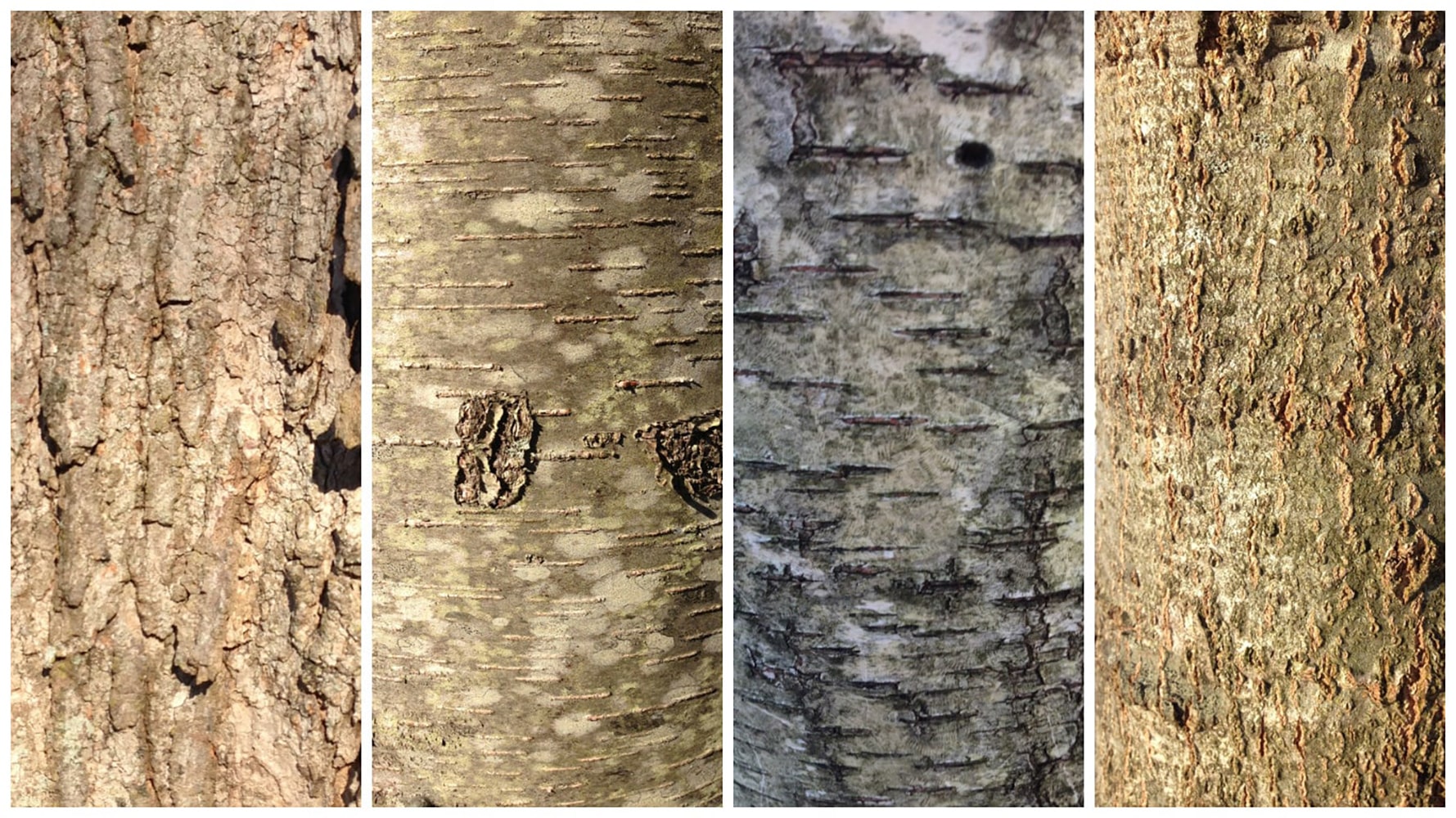
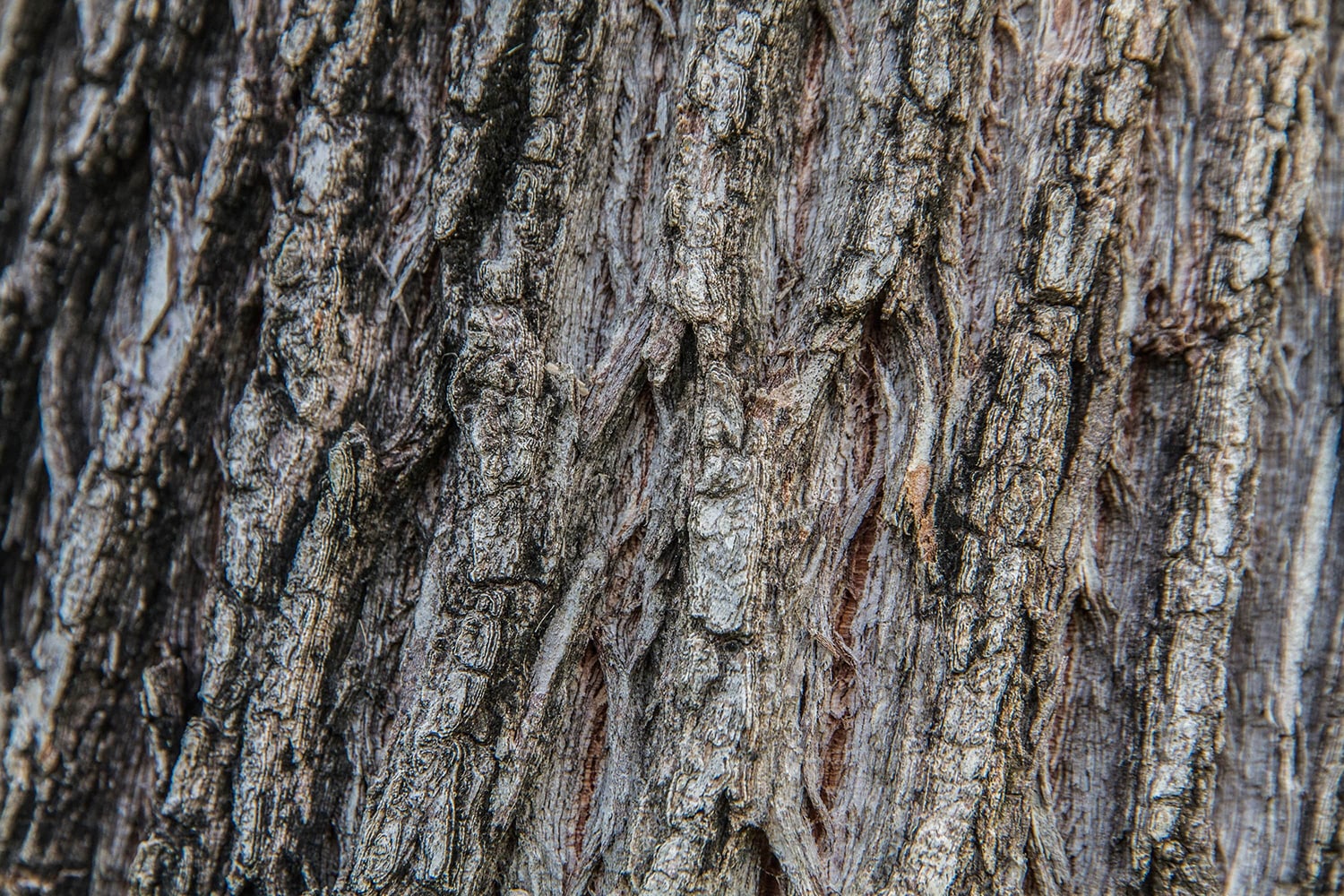
Betula, the Latin term for birch, refers to a genus comprising approximately 60 species of deciduous trees and shrubs that thrive in various gardens and landscapes across the northern hemisphere. One notable species, Betula lenta, commonly known as Sweet Birch, is a deciduous tree characterized by its initial pyramidal shape, which gradually evolves into a more rounded form, reaching heights of 60 to 70 feet. This tree is indigenous to eastern North America, typically found in forests at both low and high elevations, extending as far south as the Georgia mountains. However, it is relatively uncommon in the Piedmont region of North Carolina, except in a few cooler areas, and predominantly grows in the western mountainous regions of the state. The foliage of Sweet Birch is a striking golden yellow, regarded as one of the finest among birch species. Additionally, the wintergreen oil derived from this tree is chemically identical to that obtained from the wintergreen plant.
Sweet Birches thrive best in moist, acidic, sandy, or rocky loams that are well-drained, preferring full sun to partial shade. They are often found in woodlands, particularly on north-facing slopes with moist soils, although they can also adapt to rocky terrains. However, they are sensitive to soil compaction. Optimal foliage color is achieved in full sunlight. To maintain moisture, it is advisable to keep the tree consistently hydrated, potentially using soaker hoses and applying bark mulch to keep the root zone cool and moist. The inner bark emits a pleasant wintergreen aroma. Pruning is minimal, but if needed, it should be done during the dormant season; avoid pruning in winter or spring when sap flow is active, as this can lead to excessive bleeding.
Birches are recognized as "pioneer" species, which means they tend to grow rapidly during their early years.
**Diseases, Insects, and Other Plant Issues:**
Birches may experience stress due to summer heat and humidity. Common pests and issues include aphids, cankers, leaf miners, and birch skeletonizers. It's important to monitor for leaf spot diseases.
#gold
#showy flowers
#deciduous
#fall color
#yellow
#full sun tolerant
#wildlife plant
#native tree
#moths
#colorful leaves
#playground
#seeds
#food source
#low flammability
#NC native
#deer browsing plant
#deer resistant
#children's garden
#native garden
#fire resistant
#catkins
#mourning cloak butterflies
#spring interest
#larval host plant
#food source summer
#food source herbage
#sandy soils tolerant
#clay soils tolerant
#bird friendly
#Duskywing butterflies
#dry soils tolerant
#food source hard mast fruit
#butterfly friendly
#FACU Piedmont Mountains
#FACU Coastal
#partial shade tolerant
#pollinator garden
#audubon
#dreamy duskywing butterfly
#eastern tiger swallowtail butterfly