Betula maximowicziana: Uses (Ethnobotany)
Used for timber in Japan.
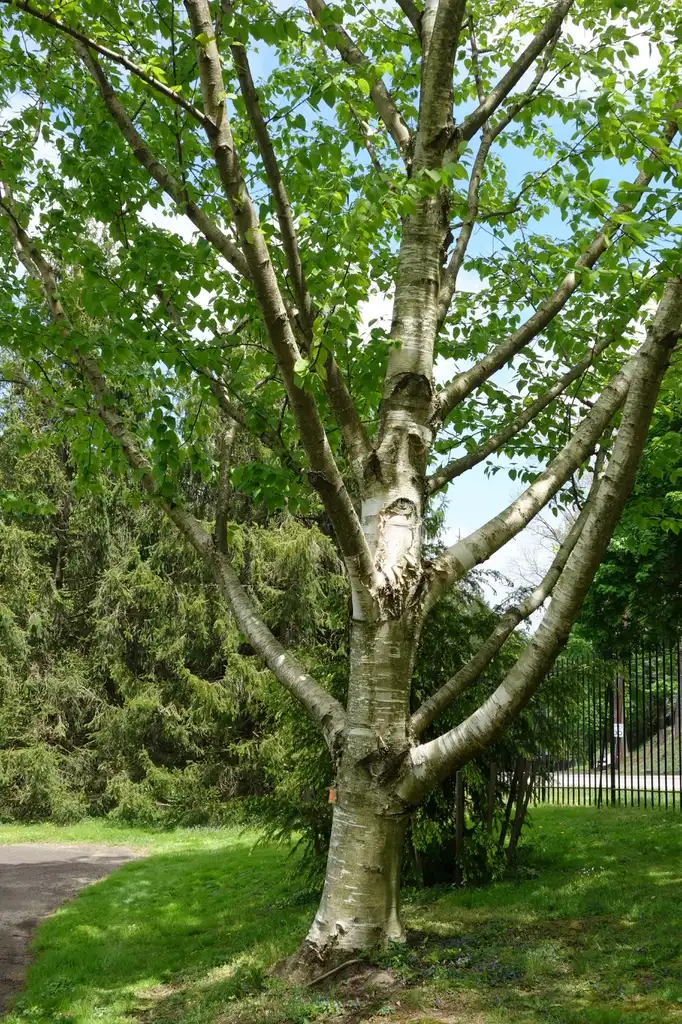
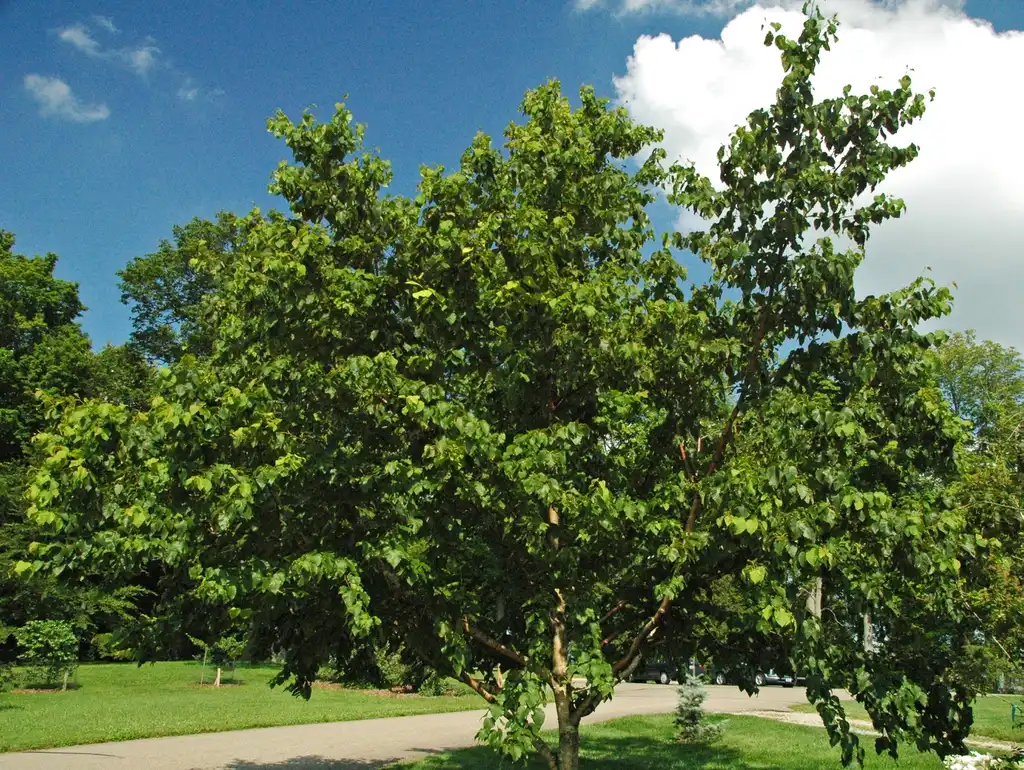
Phonetic Spelling:BET-yoo-luh maks-im-oh-wiks-ee-AY-nuh
Genus:Betula
Species:maximowicziana
Family:Betulaceae
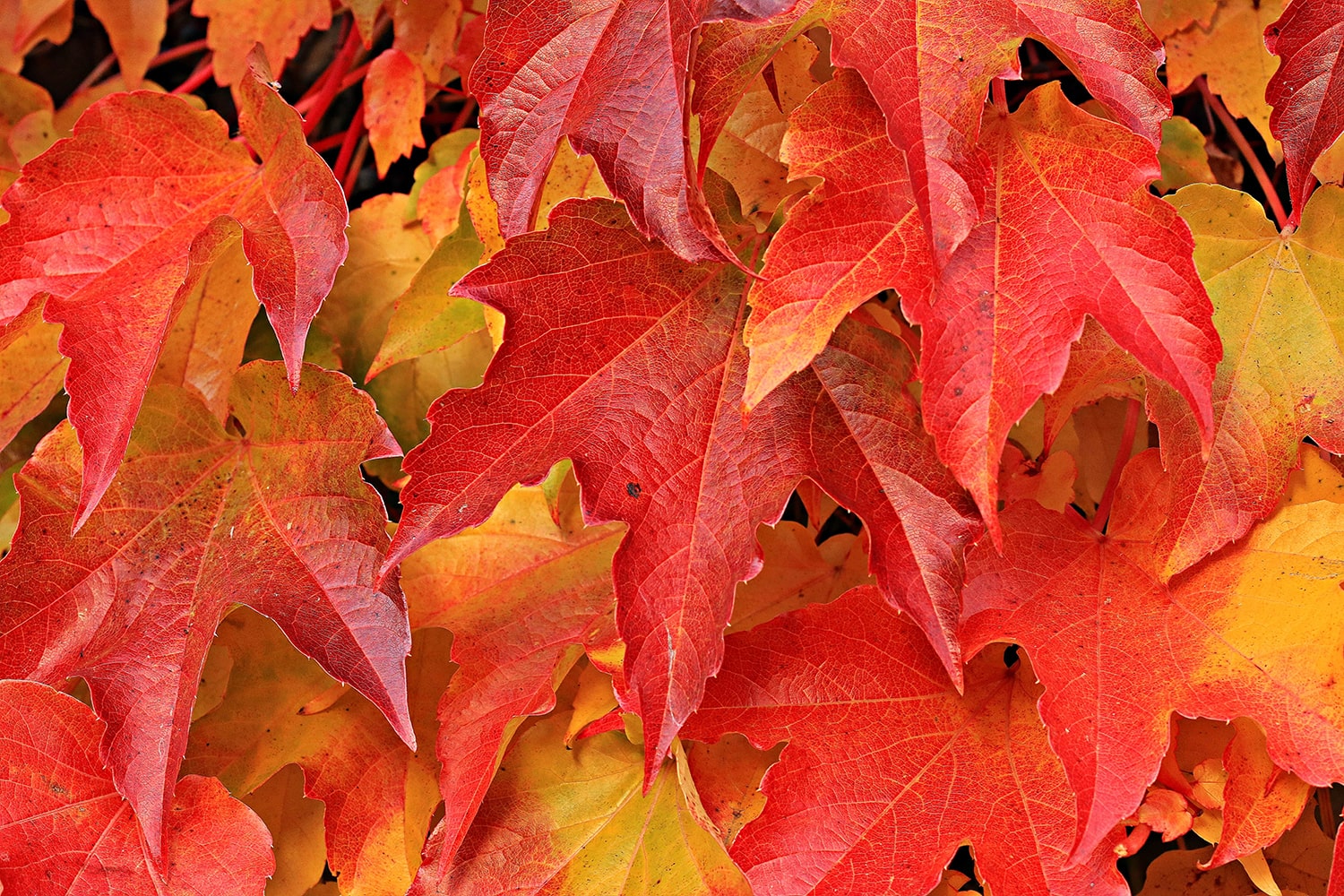
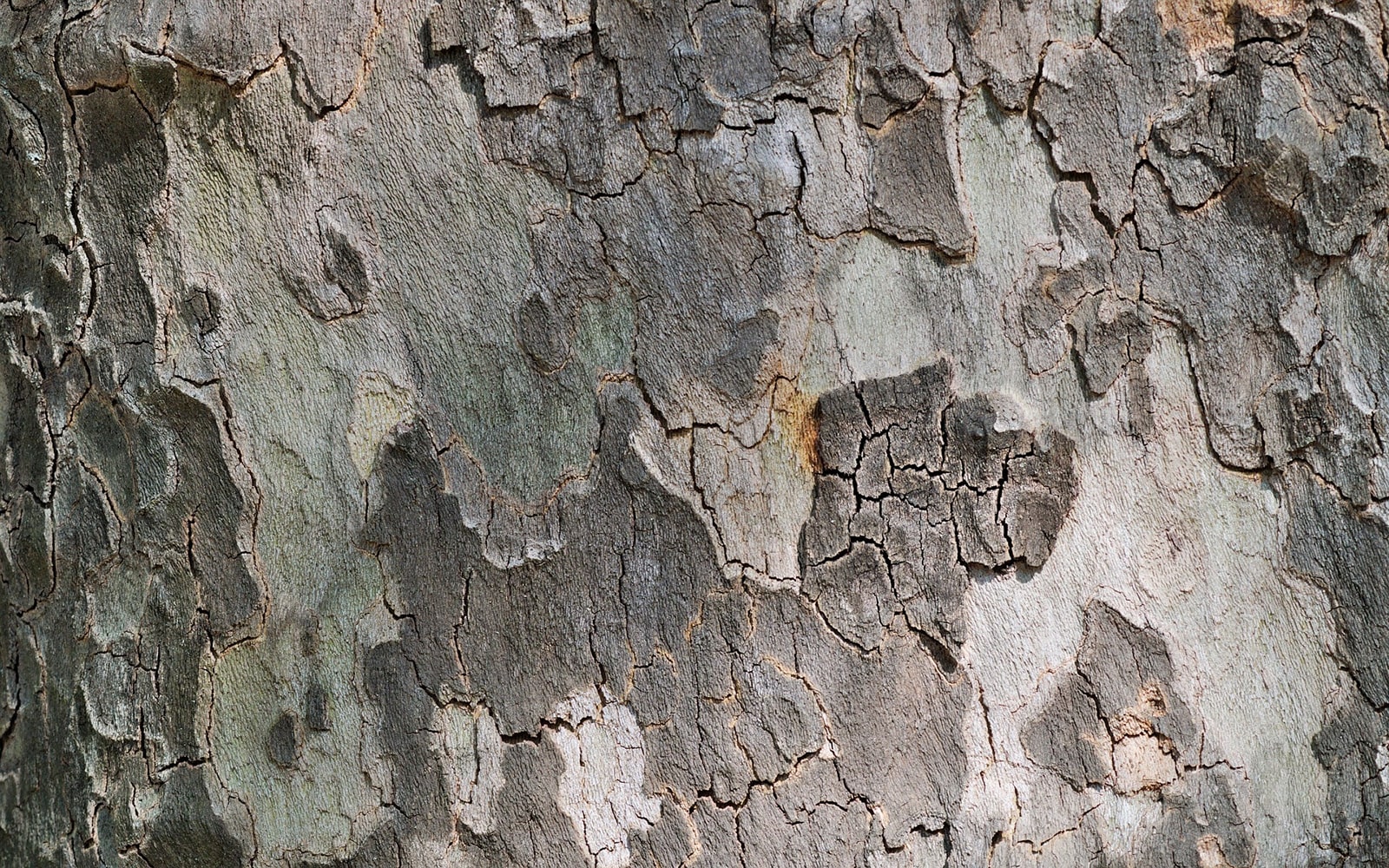
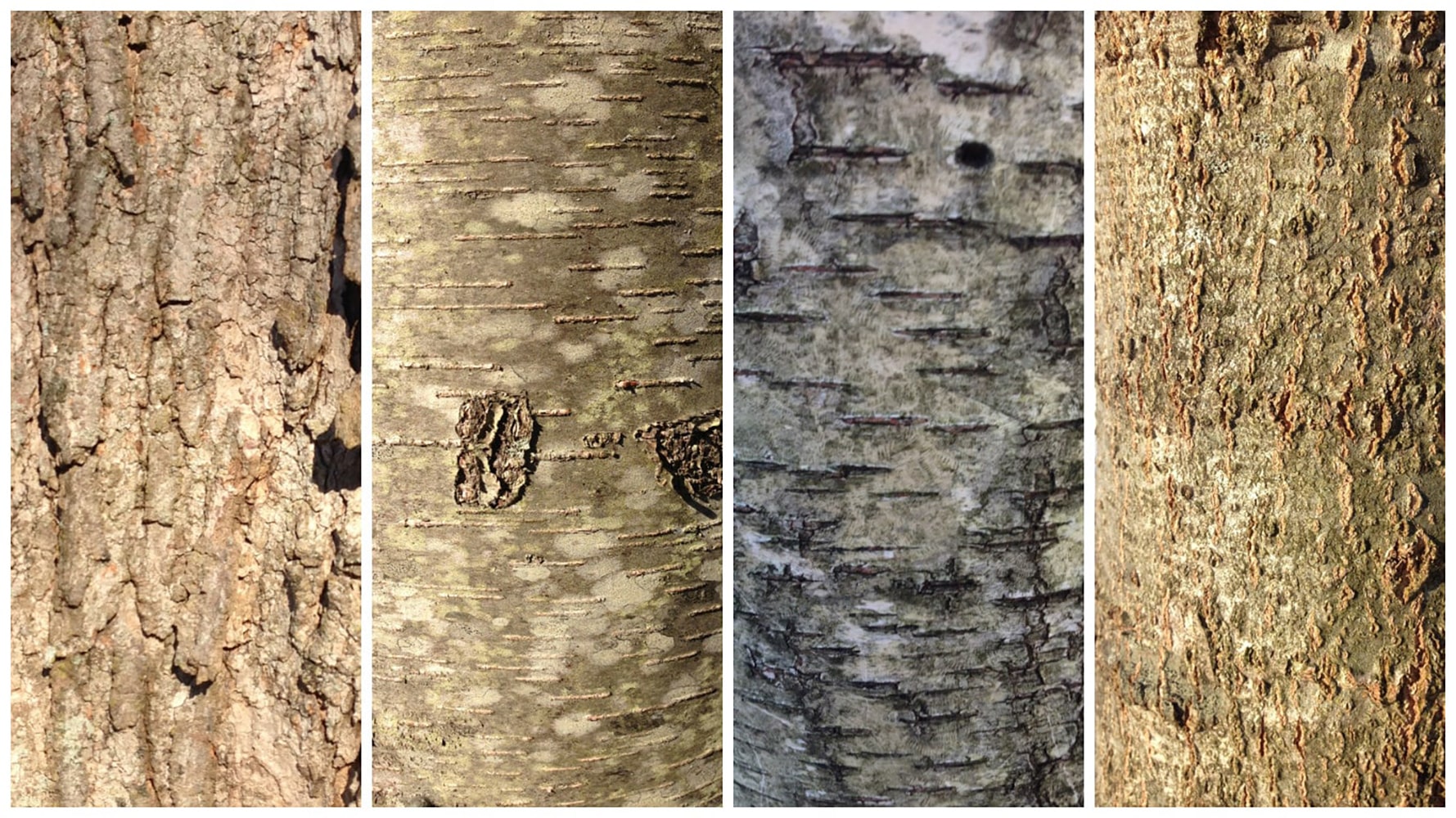
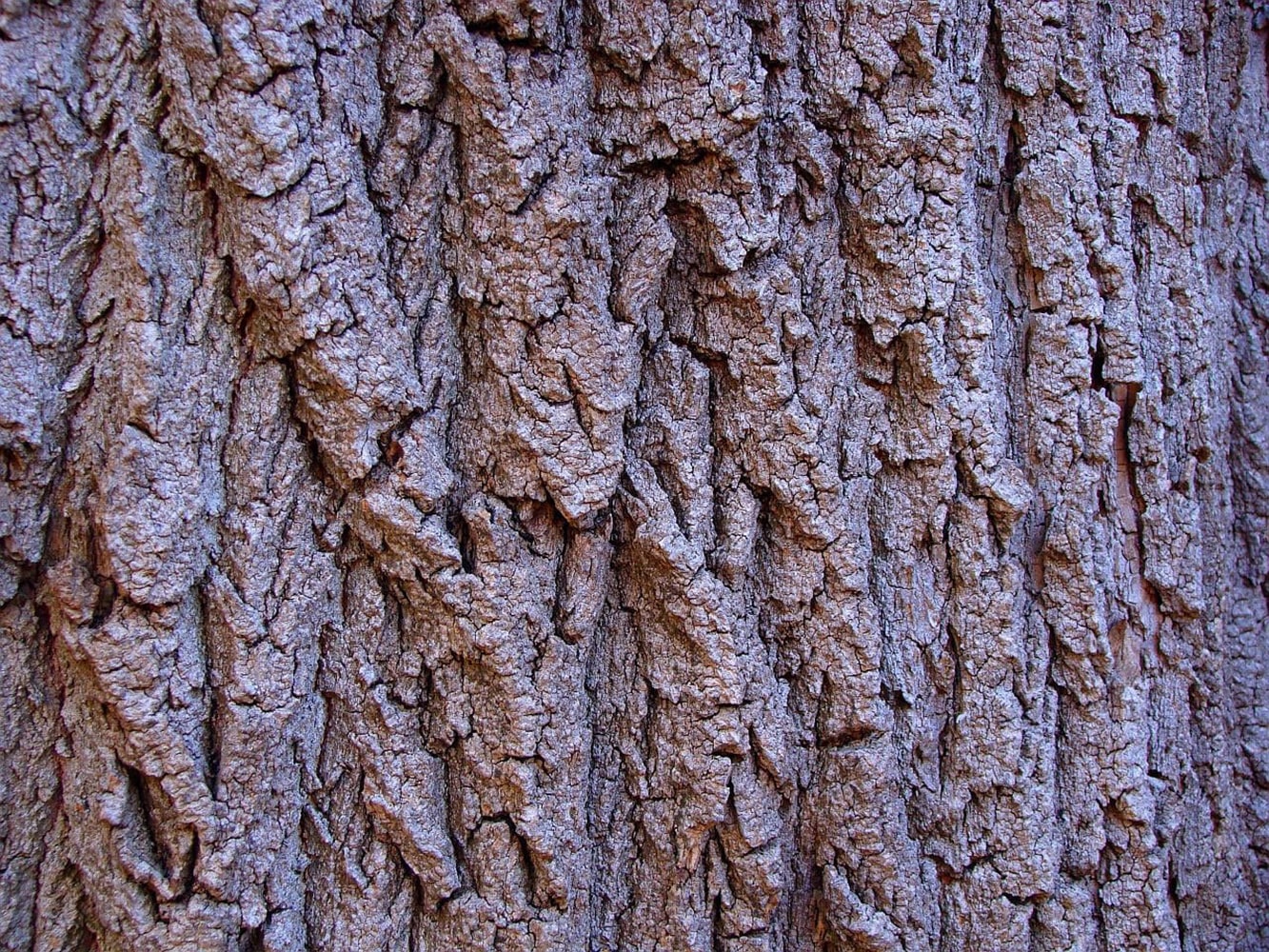
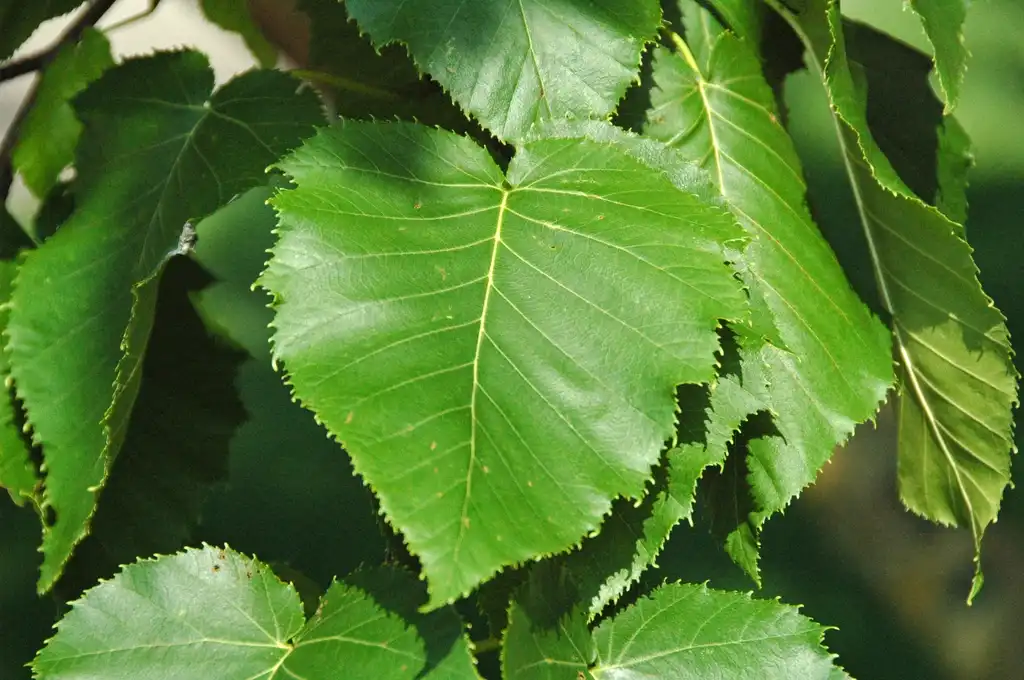
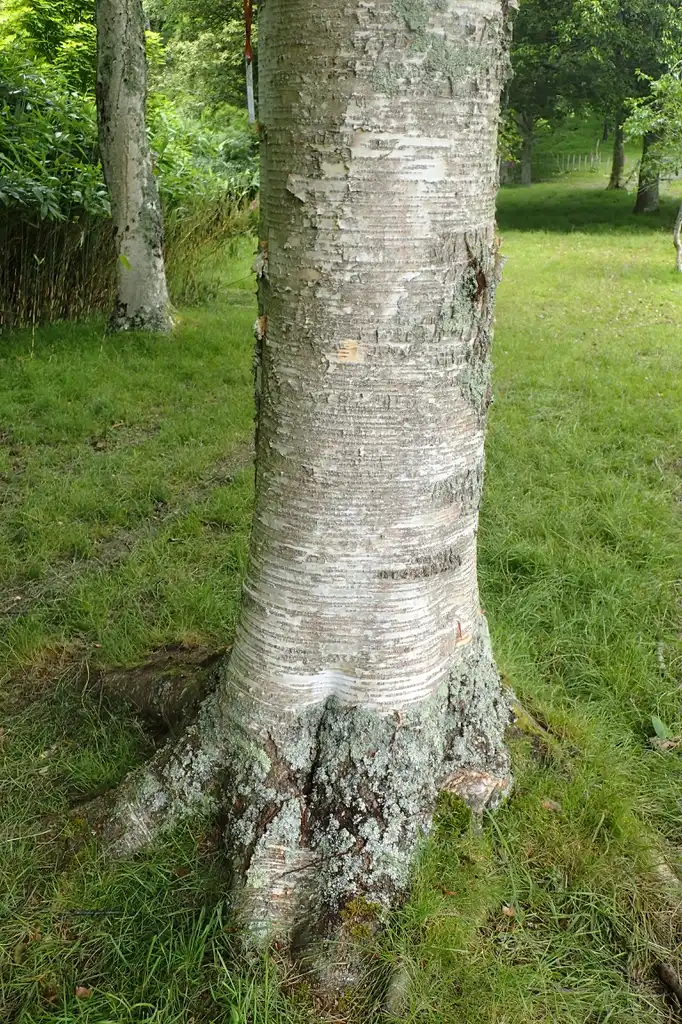
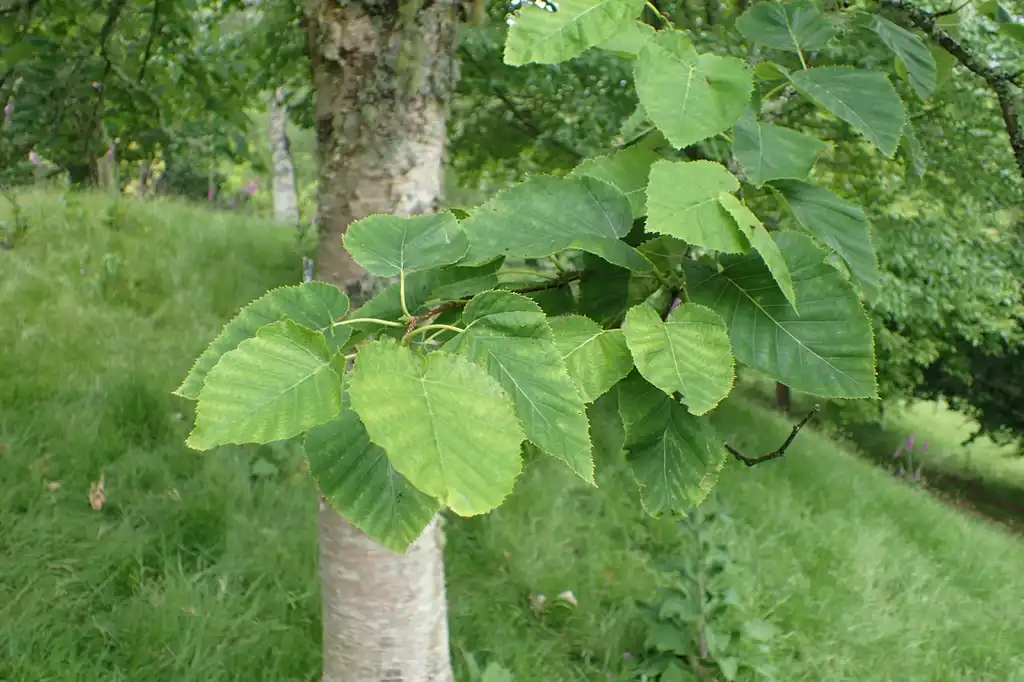
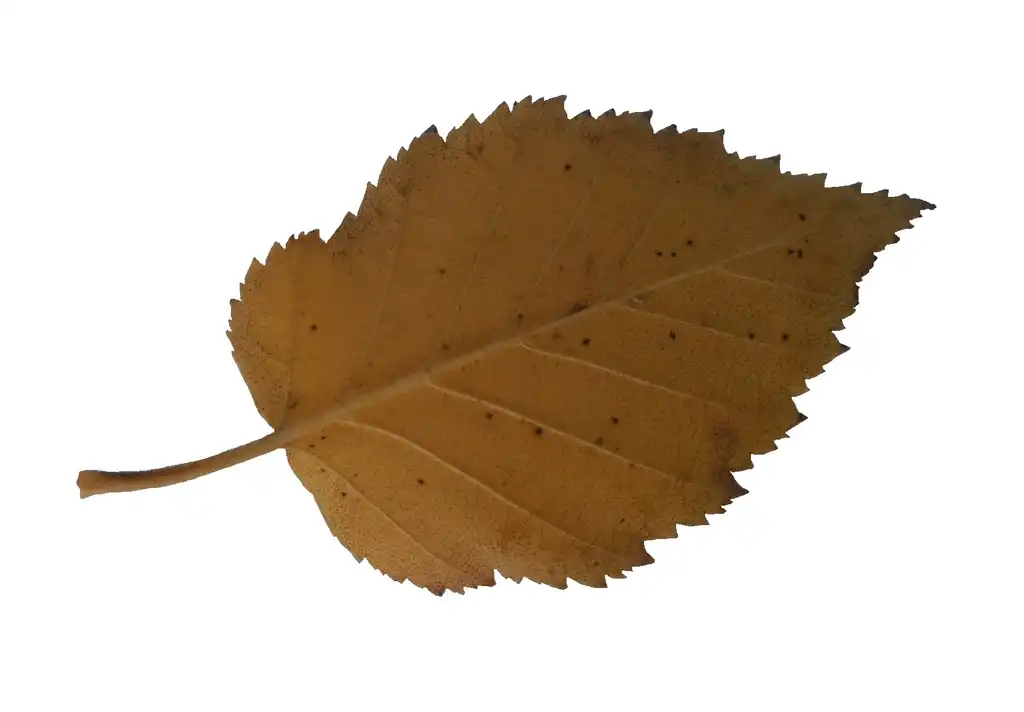
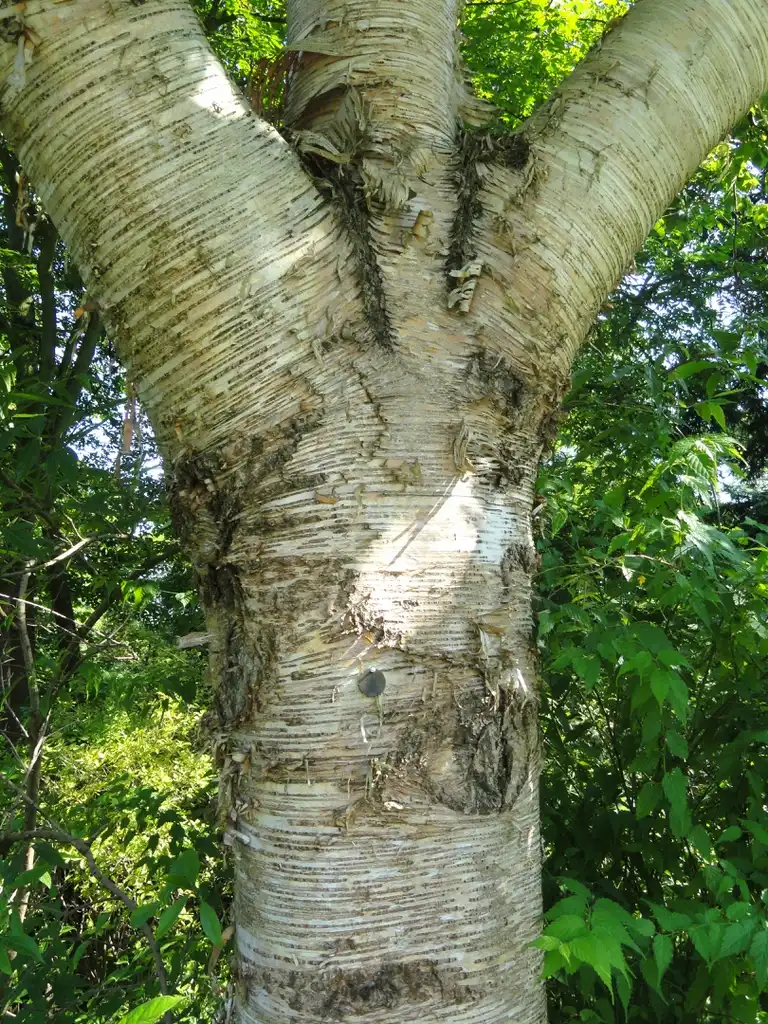
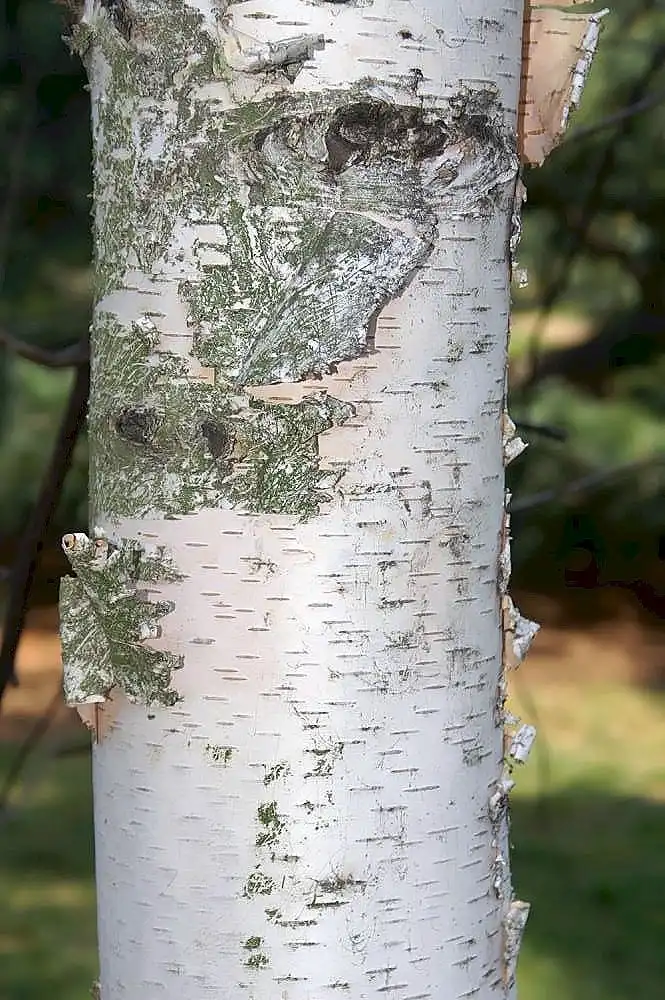
Betula, the Latin term for birch, refers to a genus comprising approximately 60 species of deciduous trees and shrubs commonly found in gardens and landscapes across the northern hemisphere. One notable species is Betula maximowicziana, known as Monarch Birch. This tree typically grows in an upright, pyramidal shape, although it tends to become more rounded and irregular as it ages. While it can reach heights of 80 to 100 feet, it usually measures between 40 and 60 feet when cultivated. The leaves of the Monarch Birch are the largest among birches, measuring up to 6 inches in length and 4 inches in width. The bark starts as reddish-brown on younger branches, transitioning to gray or white as it matures. The quality of the white bark can vary depending on the seed source, and not all specimens will develop the desired white coloration. This tree is also appreciated for its vibrant yellow foliage in the fall.
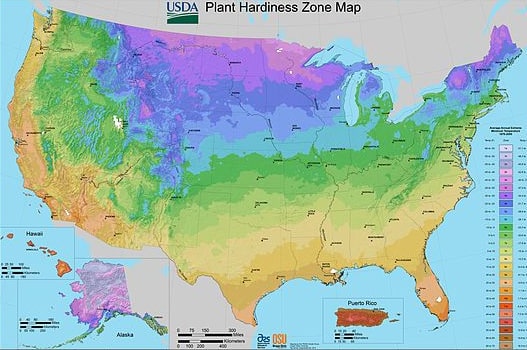
Although Monarch Birch is relatively uncommon, it shows a remarkable ability to adapt to various soil types and urban environments. Like most birches, it thrives best in moist, acidic, sandy, or rocky loams that are well-drained, ideally situated in full sun to partial shade. These trees flourish in cooler northern climates where summer temperatures seldom exceed 75 degrees Fahrenheit and where their root zones are typically blanketed in snow during winter. It is advisable to avoid planting Monarch Birch in regions south of USDA zone 6. To maintain optimal moisture levels, keep the tree consistently hydrated, potentially using soaker hoses and bark mulch to ensure the root zones remain cool and moist. Pruning is minimal, but if necessary, it should be done during the dormant season; avoid pruning in winter or spring when sap is flowing, as this can lead to bleeding.
Birches are recognized as "pioneer" species, which means they tend to grow rapidly in their early years. In early spring, they produce tiny monoecious flowers—both male and female—on separate catkins from the same tree. The greenish female flowers give way to drooping, cone-like fruits that contain numerous small, winged seeds, typically maturing by late summer.
**Diseases, Insects, and Other Plant Issues:**
Unlike many birch species, Monarch Birch shows resistance to the bronze birch borer, a pest that can infect and kill trees. However, it may still be susceptible to aphids, leaf miners, and birch skeletonizers. It's important to monitor for potential leaf spot issues.
Betula maximowicziana Feature Summary
Betula maximowicziana Image Gallery