Betula pendula: Uses (Ethnobotany)
Outer bark has been used as drinking vessels, canoe skins, and roofing tiles.
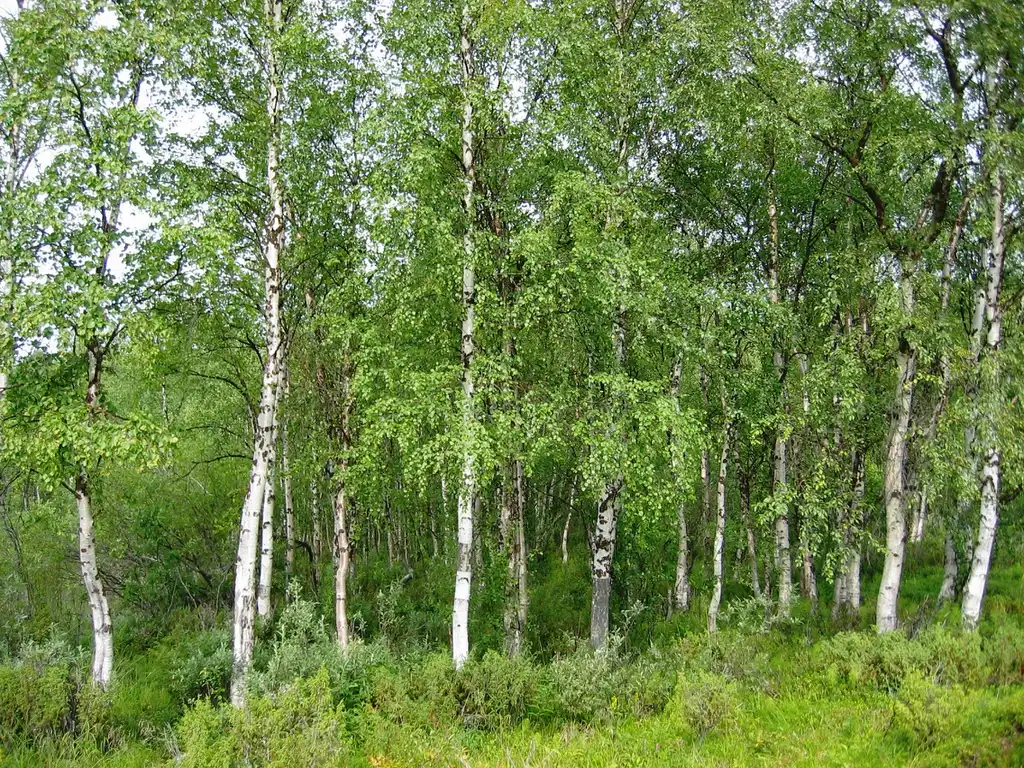
Phonetic Spelling:BET-yoo-luh PEND-yoo-luh
Genus:Betula
Species:pendula
Family:Betulaceae
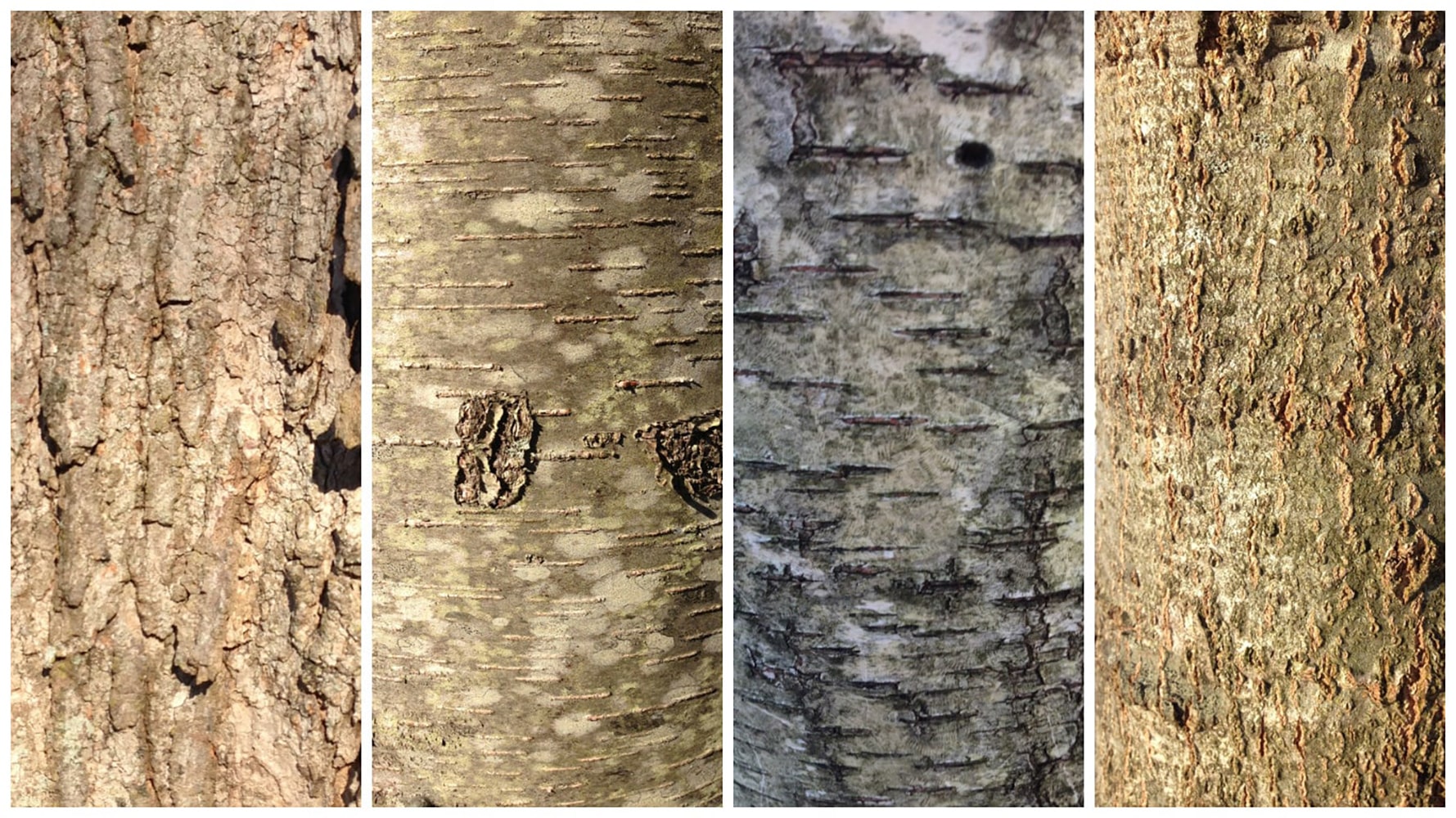
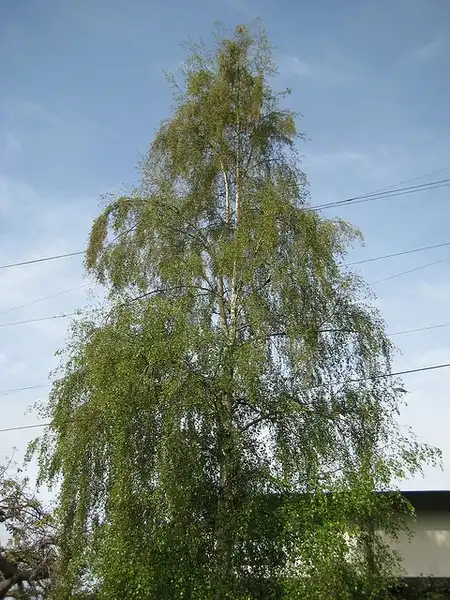
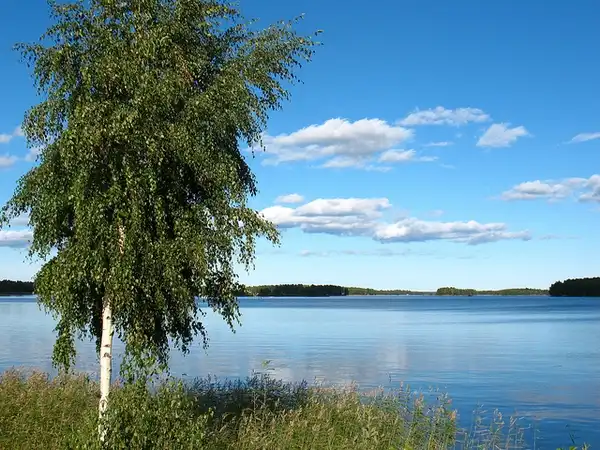
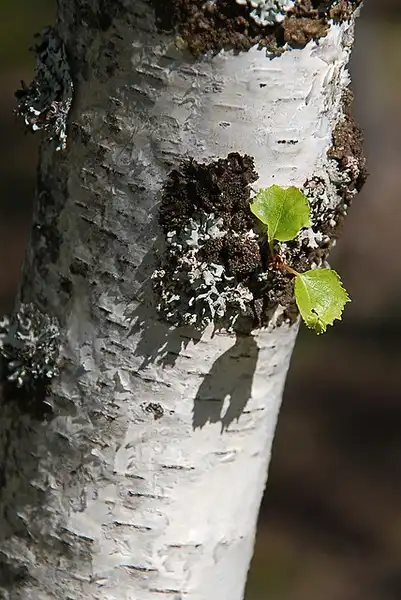
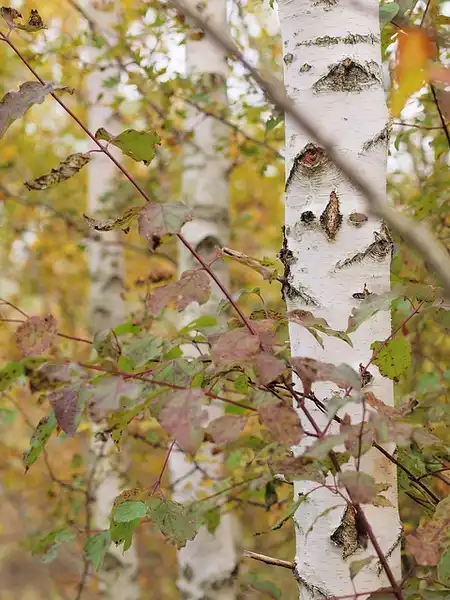
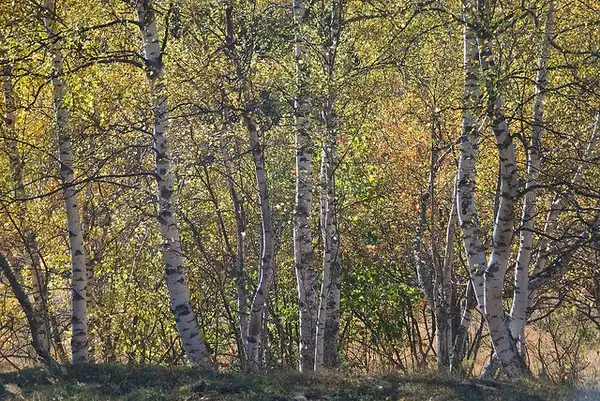
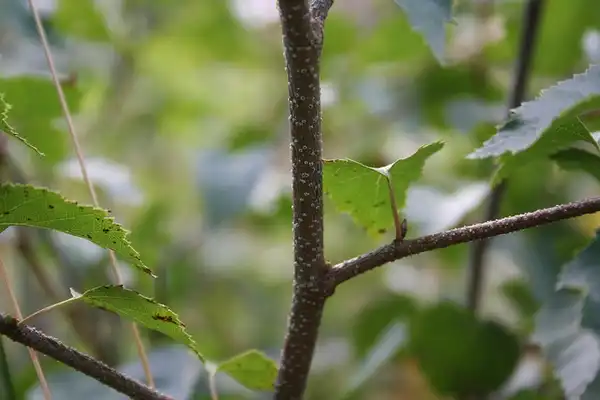
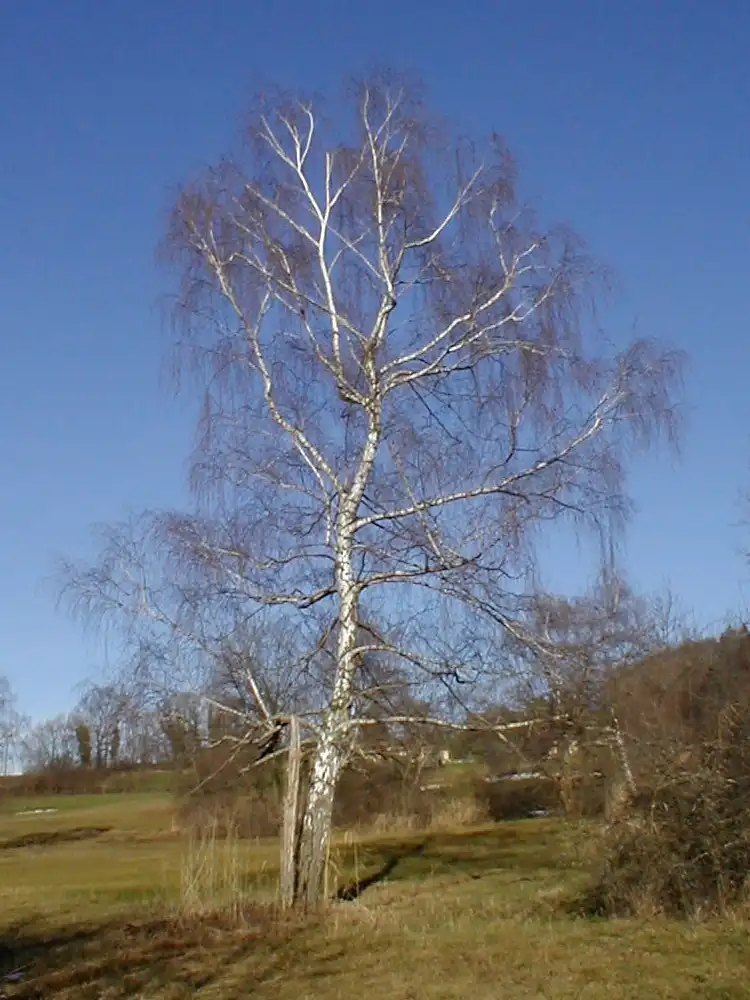
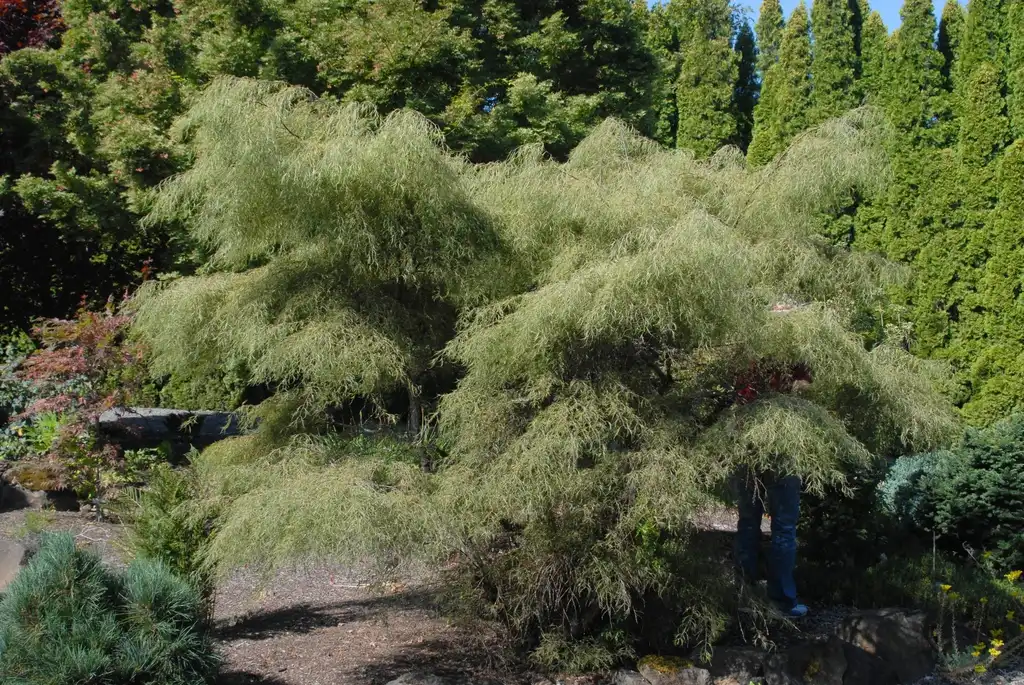
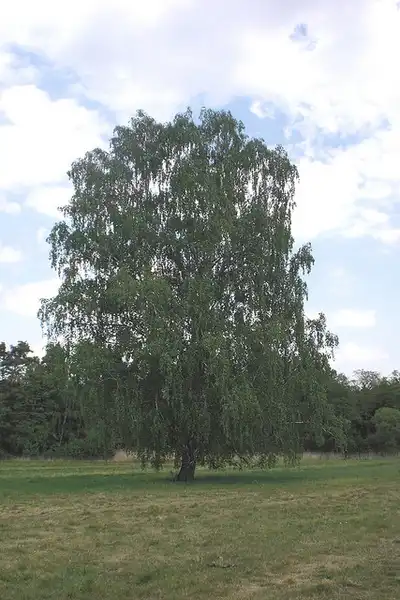
Betula, the Latin term for birch, refers to a genus comprising approximately 60 species of deciduous trees and shrubs commonly found in gardens and landscapes across the northern hemisphere. One notable species, Betula pendula, known as the European White Birch, exhibits a pyramidal shape in its youth, transitioning to a more oval form as it matures. This tree is distinguished by its striking white bark, which peels away in thin, papery layers, and its gracefully drooping branches.
For optimal growth, birches thrive in moist, acidic, sandy, or rocky loams that are well-drained, preferring full sun to partial shade. While the European White Birch can tolerate drier conditions, it achieves its best foliage color when exposed to full sunlight. However, in areas with high summer heat and humidity, it benefits from some afternoon shade. This species flourishes in cooler northern climates where summer temperatures seldom exceed 75°F and where snow typically blankets the root zones during winter. It is suitable for USDA hardiness zones 2-7, but tends to have a shorter lifespan in zones 8-9. To maintain moisture, it is advisable to keep the tree consistently hydrated, potentially using soaker hoses and applying bark mulch to keep the roots cool. Pruning is minimal but can be done during the dormant season; avoid pruning in winter or spring when sap is flowing, as this can lead to excessive bleeding. In spring, birches produce a significant amount of sap, which attracts the sapsucker, a woodpecker species that drills small holes in the bark to feed on the sap.
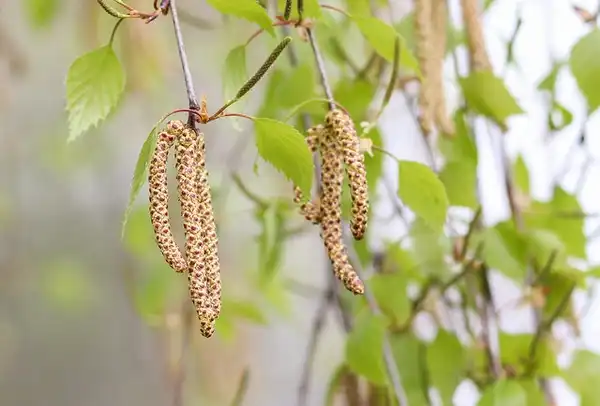
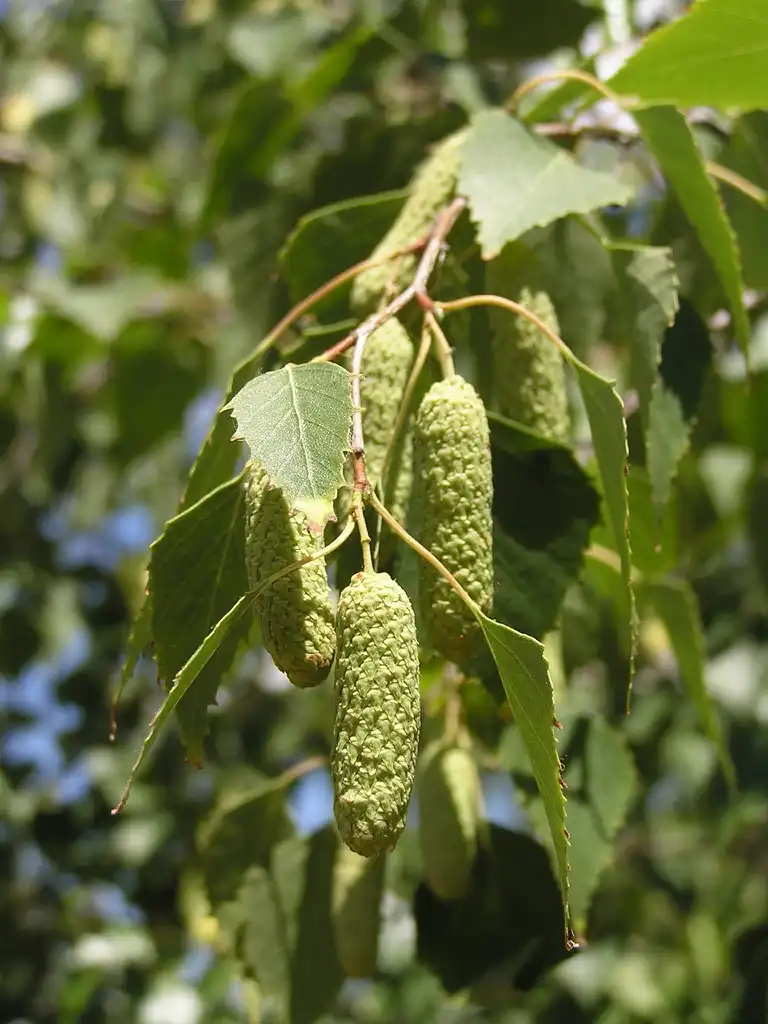
Birches are classified as "pioneer" species, known for their rapid growth in early life stages, though they can be challenging to transplant. In early spring, they produce tiny monoecious flowers, with male and female blooms appearing in separate catkins on the same tree. The greenish female flowers give way to drooping, cone-like fruits that contain numerous small, winged seeds, typically maturing by late summer.
**Diseases, Insects, and Other Plant Issues:**
Birches can experience stress due to summer heat and humidity, making them unsuitable for planting in regions south of USDA Zone 7. The European White Birch is particularly vulnerable to the bronze birch borer, a pest that can infect and kill trees. Other potential issues include aphids, leaf miners, and birch skeletonizers, as well as leaf spot diseases that may arise.
Betula pendula Feature Summary