Brassica nigra: Country Or Region Of Origin
Europe, China, Mediterranean, Ethiopia
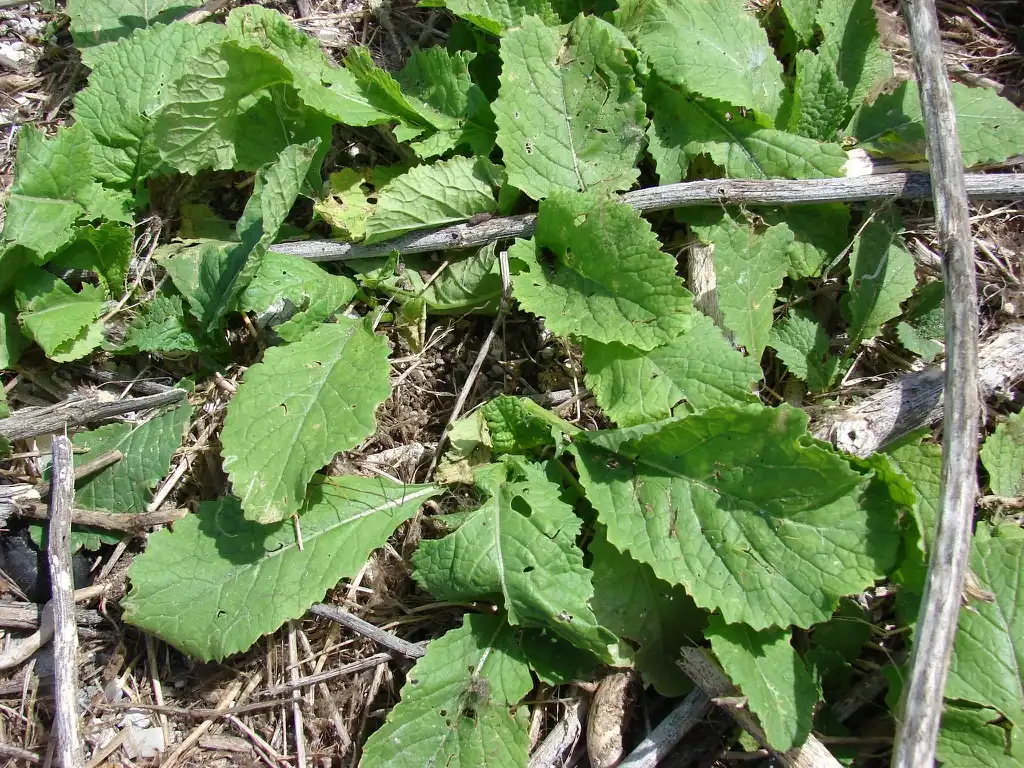
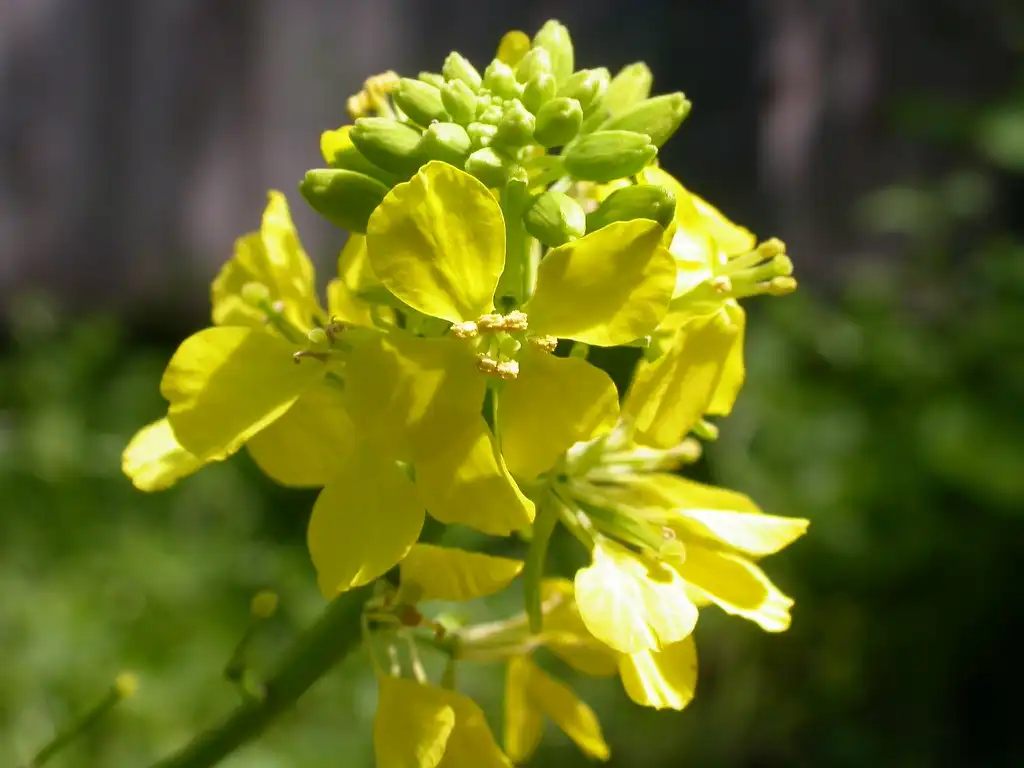
Phonetic Spelling:
Genus:Brassica
Species:nigra
Family:Brassicaceae
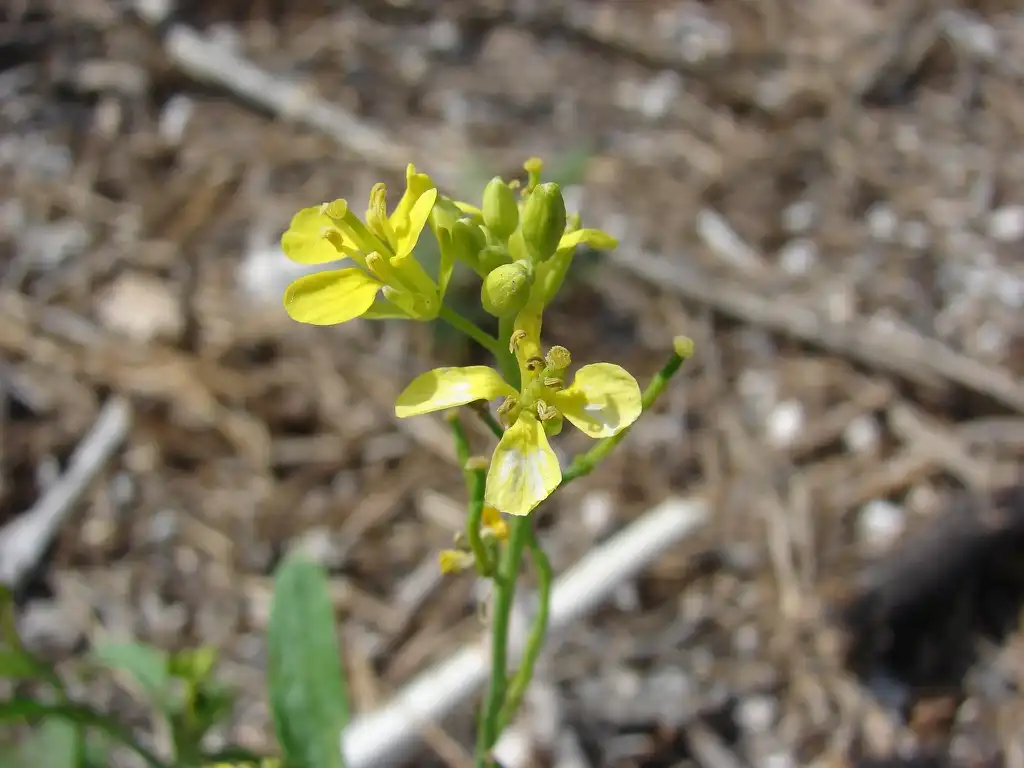
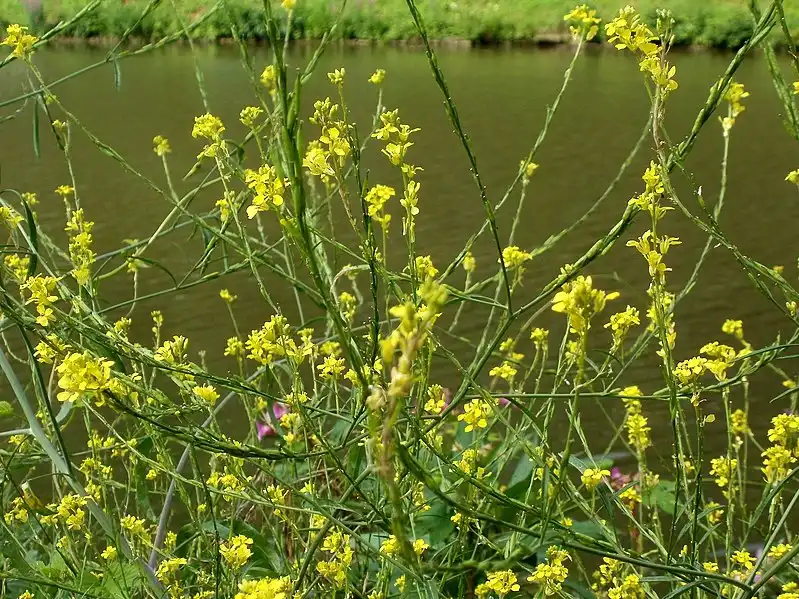
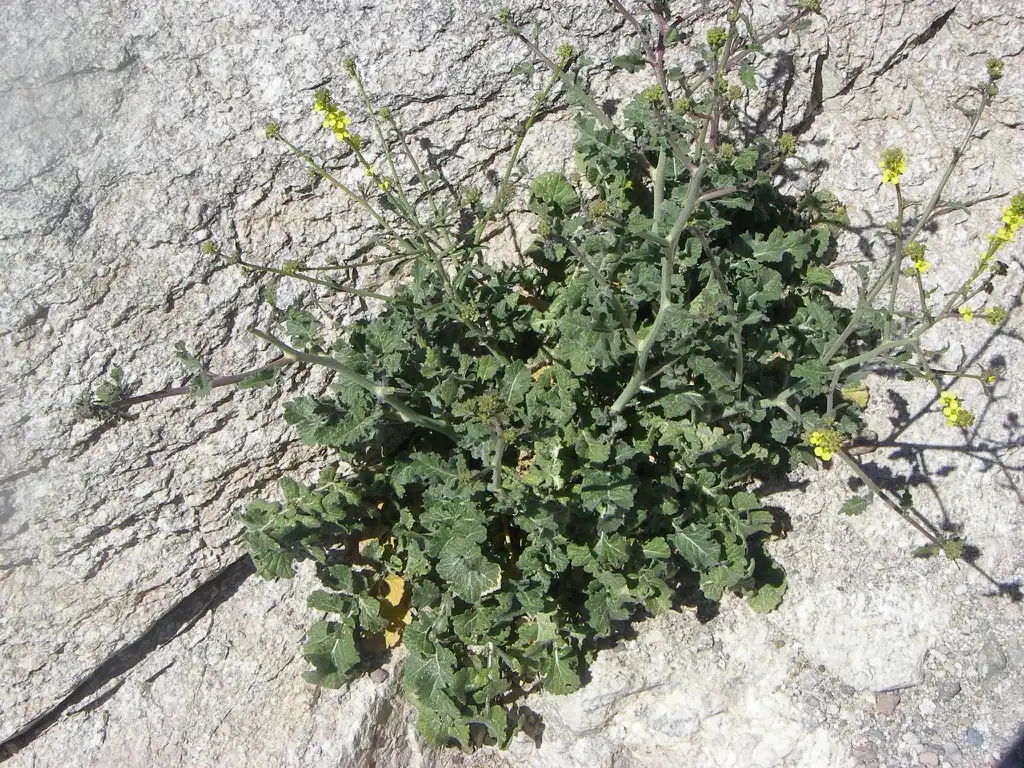
The term "Brassica," derived from Latin, refers to cabbage. Black Mustard, a winter annual weed belonging to the Mustard family, thrives quickly and readily self-seeds, making it a highly prolific weed in open grasslands. It releases allelopathic compounds that inhibit the germination of other seeds, further enhancing its invasive tendencies. This aggressive nature poses a threat to beneficial native plants, and its proliferation can elevate the risk of wildfires in areas dominated by broad-leaved evergreen shrubs, bushes, and small trees. The loss of these native species can ultimately transform the affected ecosystems into annual grasslands.
This plant favors moist environments, but under suboptimal conditions, it may not reach its full growth potential. High temperatures and direct sunlight can lead to wilting of the leaves, although recovery typically occurs during the cooler nighttime hours.
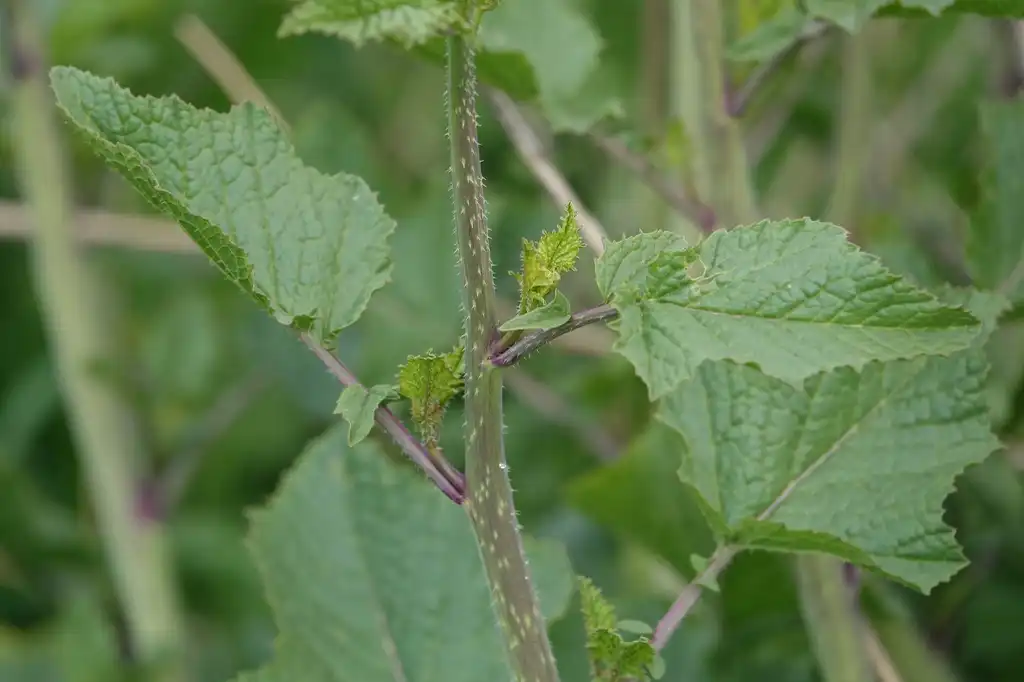
All parts of the Black Mustard plant—leaves, seeds, and stems—are edible. The leaves can be enjoyed either cooked or raw in salads, while the stems can be prepared similarly to broccoli. The seeds can be ground into a powder for seasoning or used as a condiment, such as hot mustard.
Additionally, the oil extracted from the seeds is consumable and can also be utilized in soap production.
In terms of pests and diseases, the invasive nature of Black Mustard not only threatens native flora but can also increase fire risks. While the seeds and pods are not toxic, consuming them in large amounts may trigger allergic reactions, particularly in children and adolescents.
Brassica nigra Feature Summary