Cardamine hirsuta: Country Or Region Of Origin
Eurasia
Phonetic Spelling:kar-DA-mih-nee her-SOO-tuh
Genus:Cardamine
Species:hirsuta
Family:Brassicaceae
Hairy Bittercress is a winter annual broadleaf weed belonging to the Brassicaceae family, commonly known as the mustard family. It is also referred to by several other names, including Bittercress, Flick Weed, Hoary Bittercress, Lamb's Cress, Land Cress, Shot Weed, and Springcress. The genus name, Cardamine, derives from the Greek word "Kardamon," which translates to "cress," while the species name, hirsuta, comes from Latin, meaning "hairy," a reference to the fine hairs present on its leaves and stems.
This plant is originally from Europe and Asia but has spread to nearly every continent, including North America, South America, Africa, and Australia. Hairy Bittercress is often one of the first weeds to emerge in the spring, commonly found in lawns, parks, gardens, and paved areas. It can thrive year-round under favorable environmental conditions, with seeds germinating in the fall or winter. Typically dormant during colder months, the plant resumes growth in spring, producing additional seeds. Its lifecycle spans approximately 12 weeks, and it can rapidly invade sparsely planted lawns or poorly mulched gardens, preferring sunny, moist, or disturbed soils.
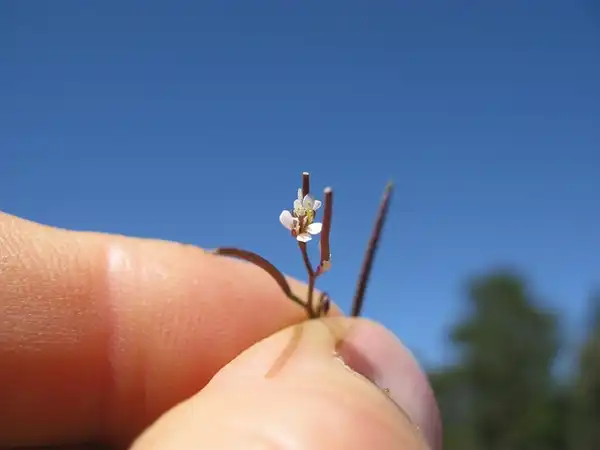
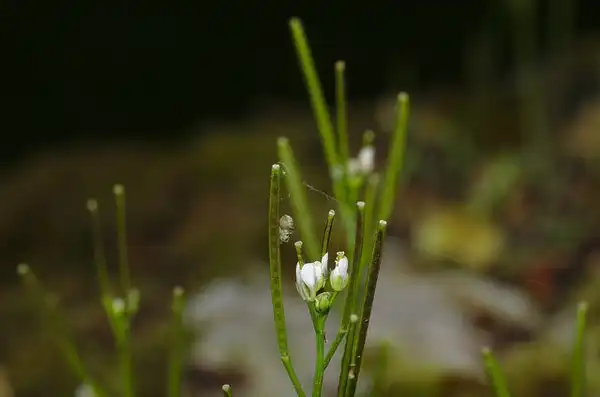
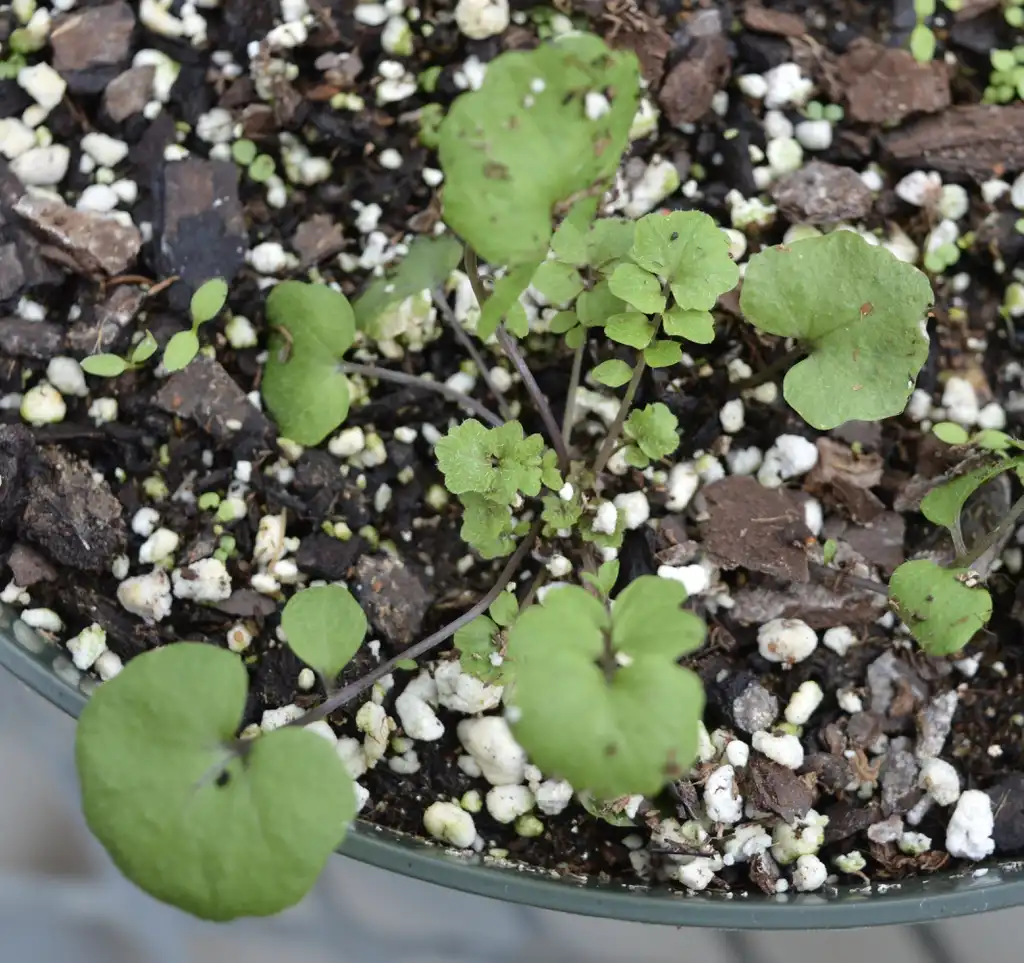
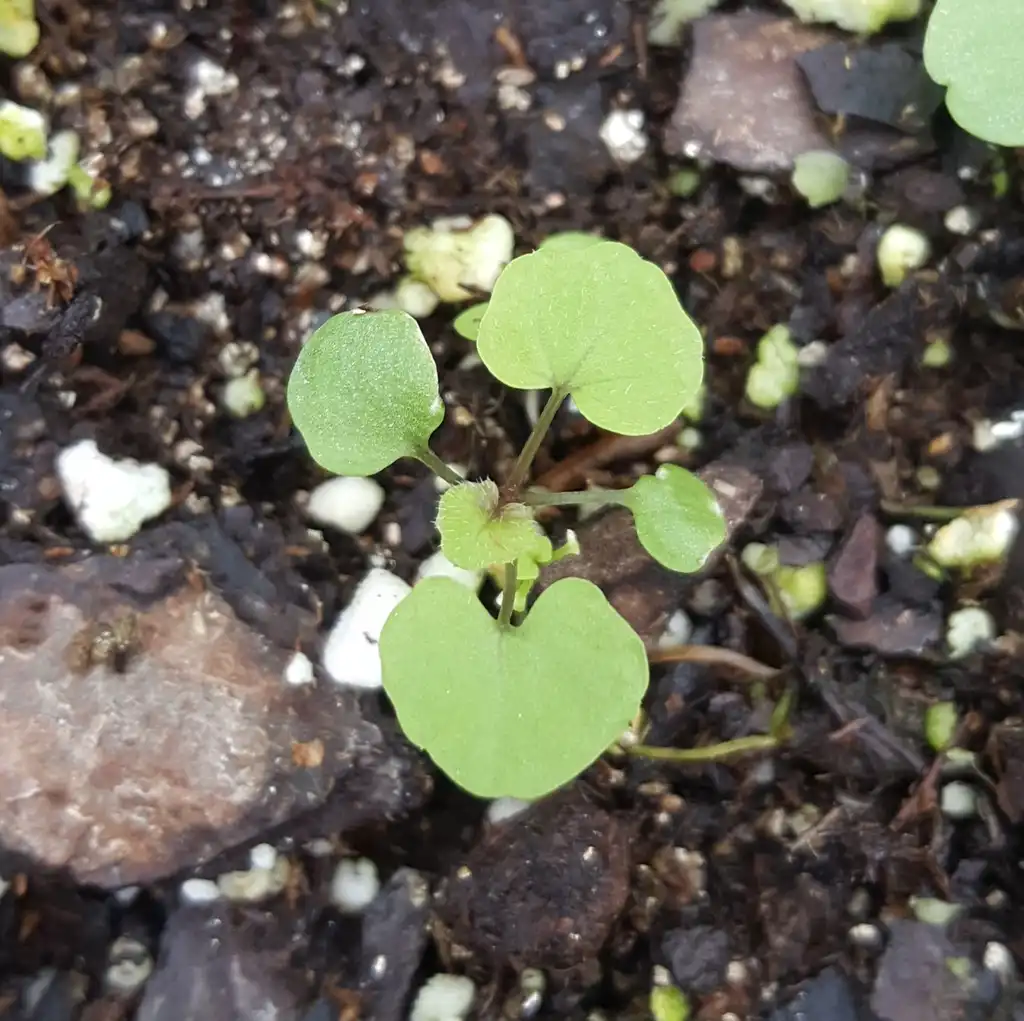
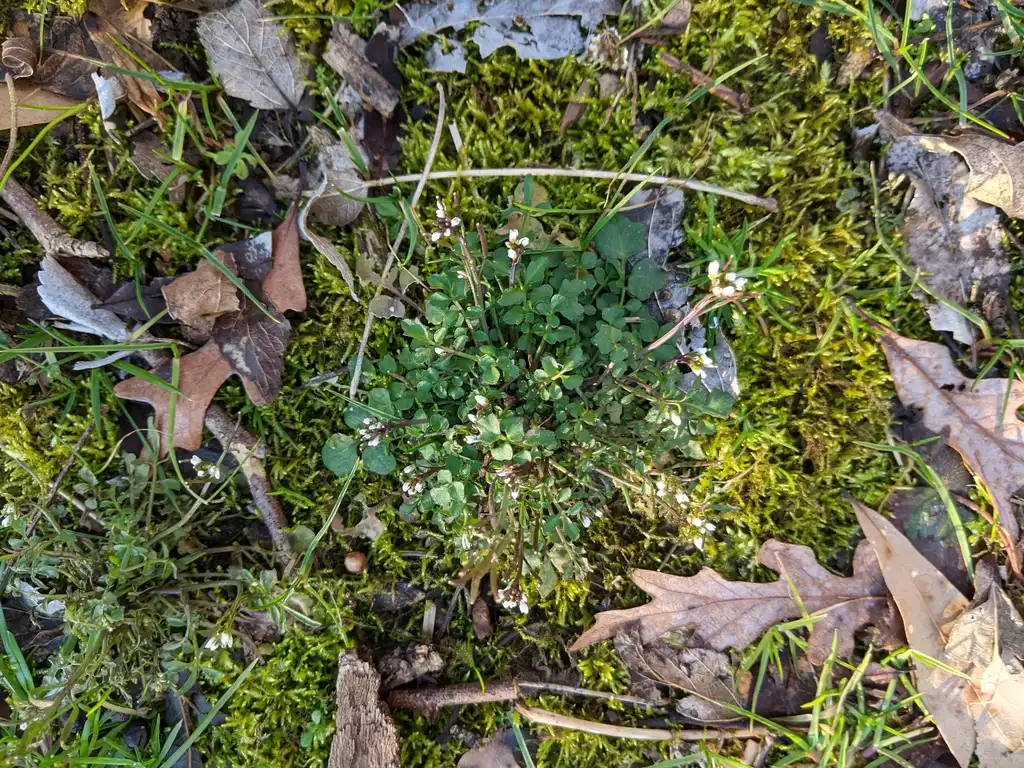
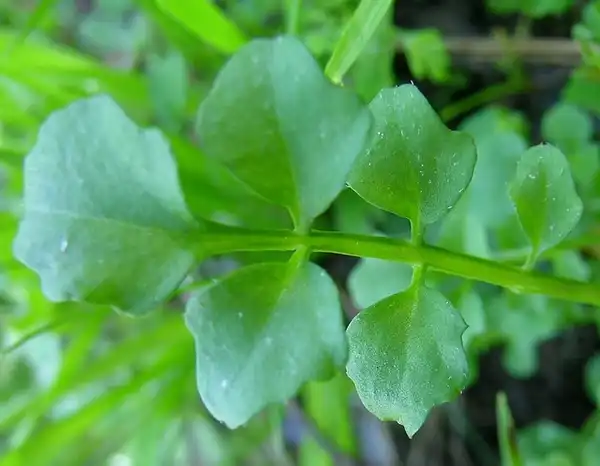
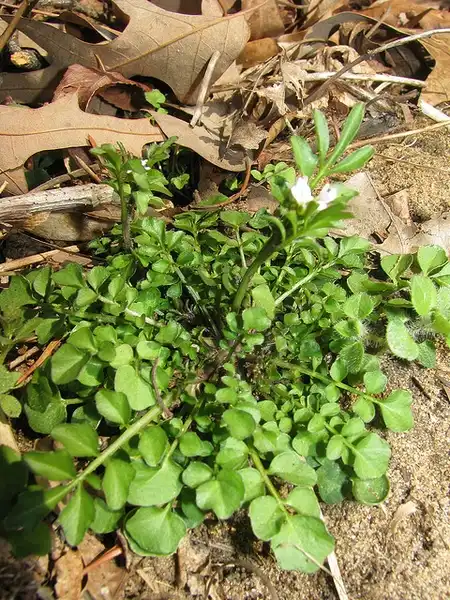
The stems of Hairy Bittercress are upright, branched, and range from 3 to 10 inches in height, with a fibrous and shallow root system. In spring, clusters of small white flowers with cross-shaped petals bloom at the ends of the stems. The small green leaves, primarily located at the lower part of the stem, form a flat rosette and are covered with tiny hairs on both surfaces. The fruits, which appear between March and May, are long, narrow seed pods known as siliquas that stand upright around the flowers. Once mature, the seeds can be dispersed several feet from the parent plant, with each individual capable of producing between 600 and 1,000 seeds.
To manage this potentially invasive weed, prevention is key. Effective strategies include hand weeding and ensuring adequate mulch in garden beds. Regular mowing in early spring can eliminate flowers before they set seed. Choosing the right turf grasses that create a dense ground cover is crucial, along with proper fertilization, mowing, and watering to promote lawn health and minimize weed growth. If these methods prove ineffective, various pre-emergent or post-emergent herbicides may be employed.
Interestingly, the flowers and leaves of Hairy Bittercress are edible and packed with nutrients. Despite its name suggesting a bitter flavor, they actually possess a mild peppery taste, making them a delightful addition to salads, salsas, and pesto, although the flowers can be tougher to chew.
Additionally, Hairy Bittercress serves as a food source for spring azure butterflies (Celastrina ladon) and falcate orange-tip caterpillars (Anthocharis midea). It can also attract pests like aphids, whiteflies, and mites. Bumblebees are drawn to Hairy Bittercress for its nectar and pollen, especially in spring when other floral resources are limited, and early butterflies are similarly attracted to its delicate flowers.
Cardamine hirsuta Feature Summary
Cardamine hirsuta Image Gallery