Stellaria media: Uses (Ethnobotany)
Food source for poultry. Chickweed also has a long history of herbal use in the external treatment of any kind of itching skin condition.
Phonetic Spelling:stell-AR-ee-uh MEED-ee-uh
Genus:Stellaria
Species:media
Family:Caryophyllaceae
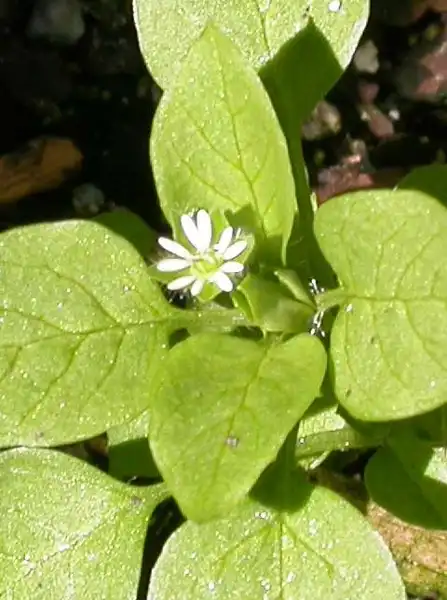
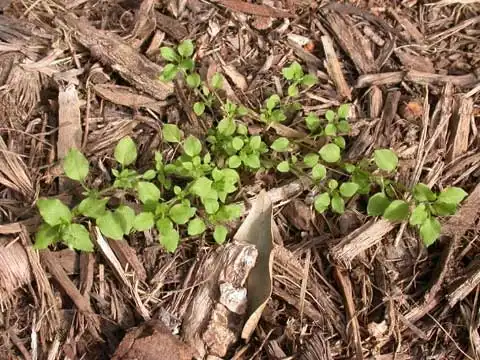
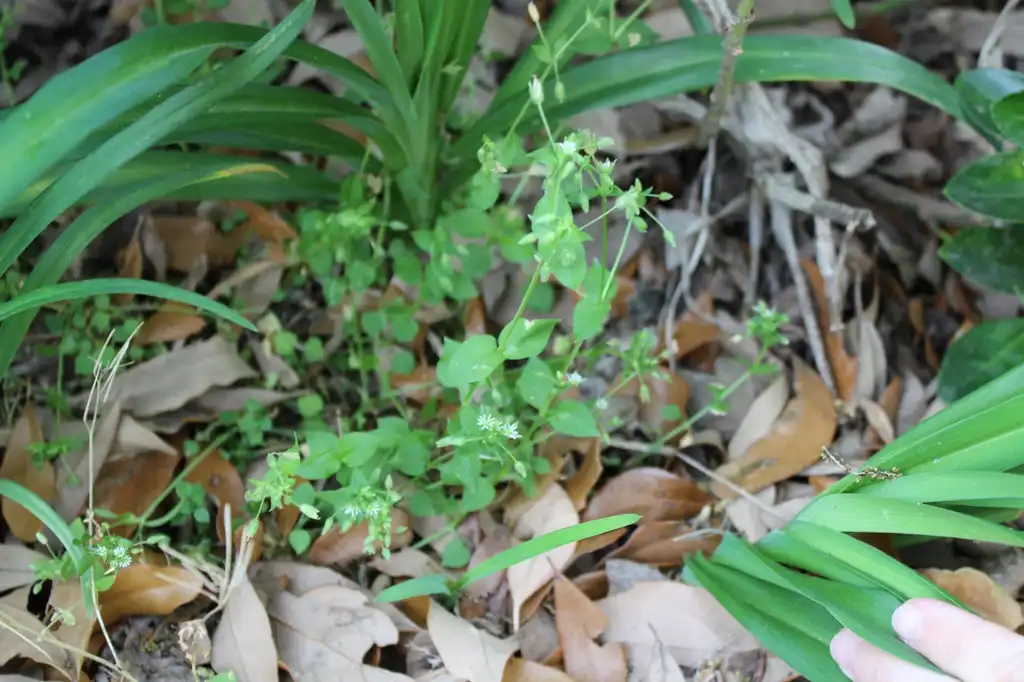
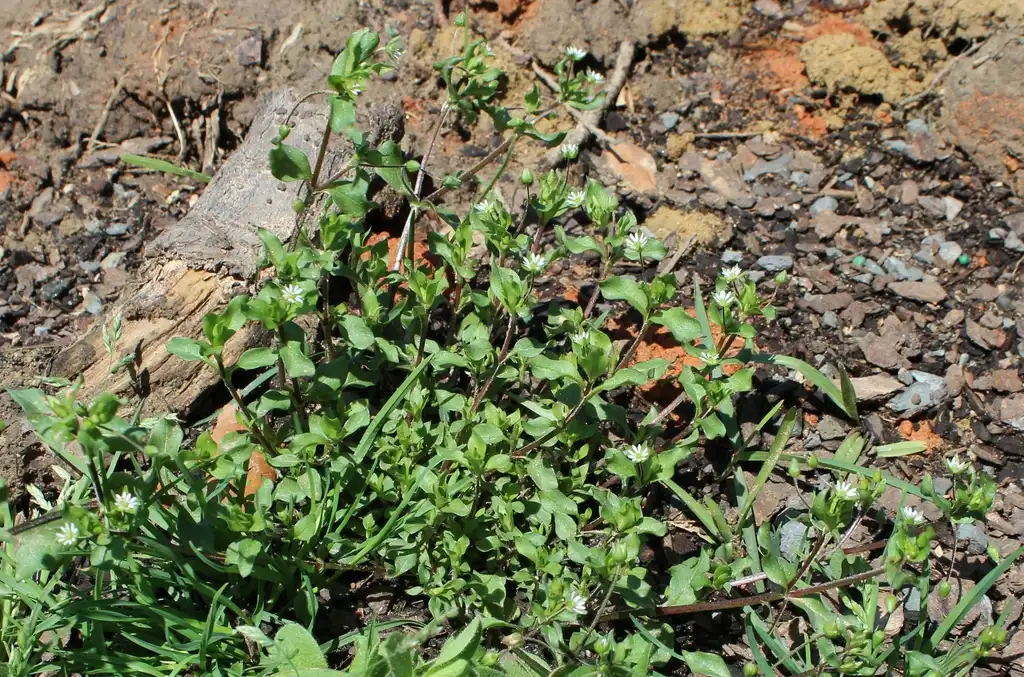
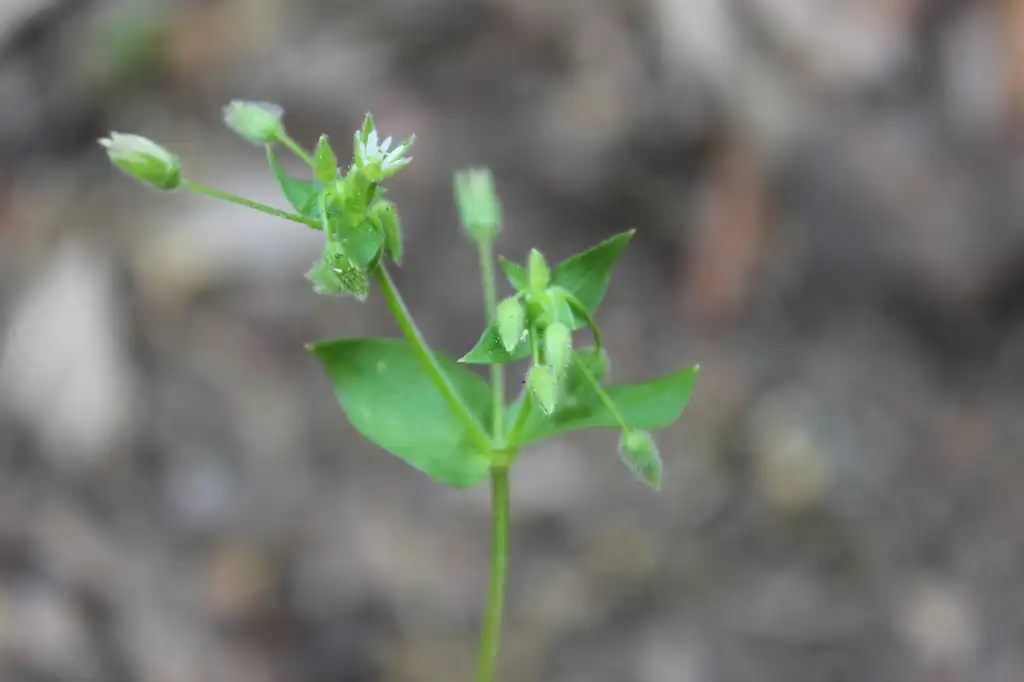
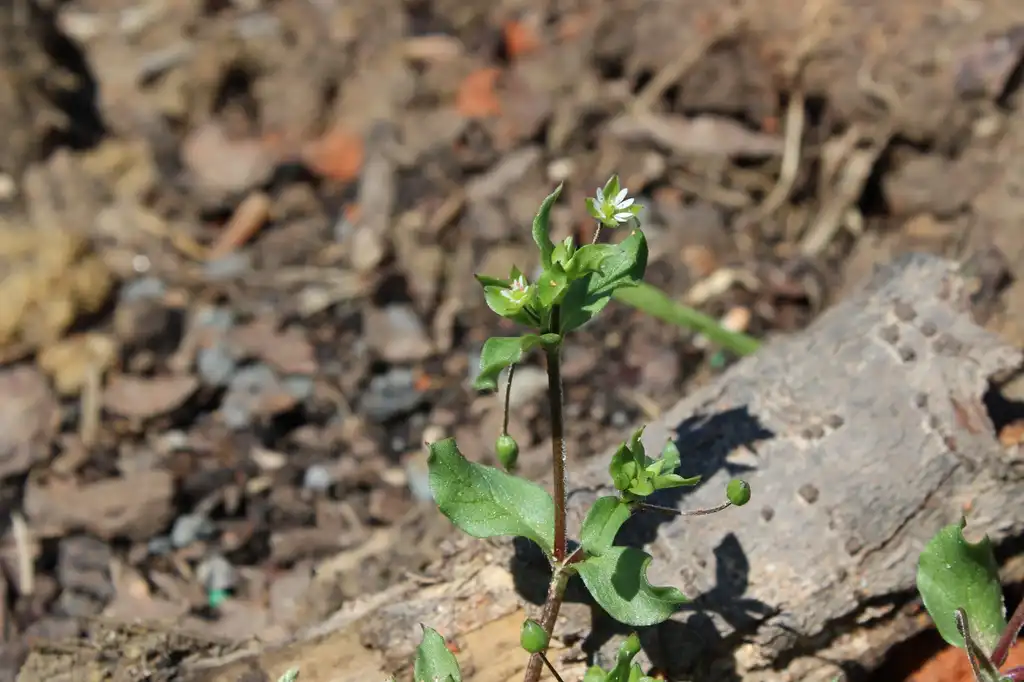
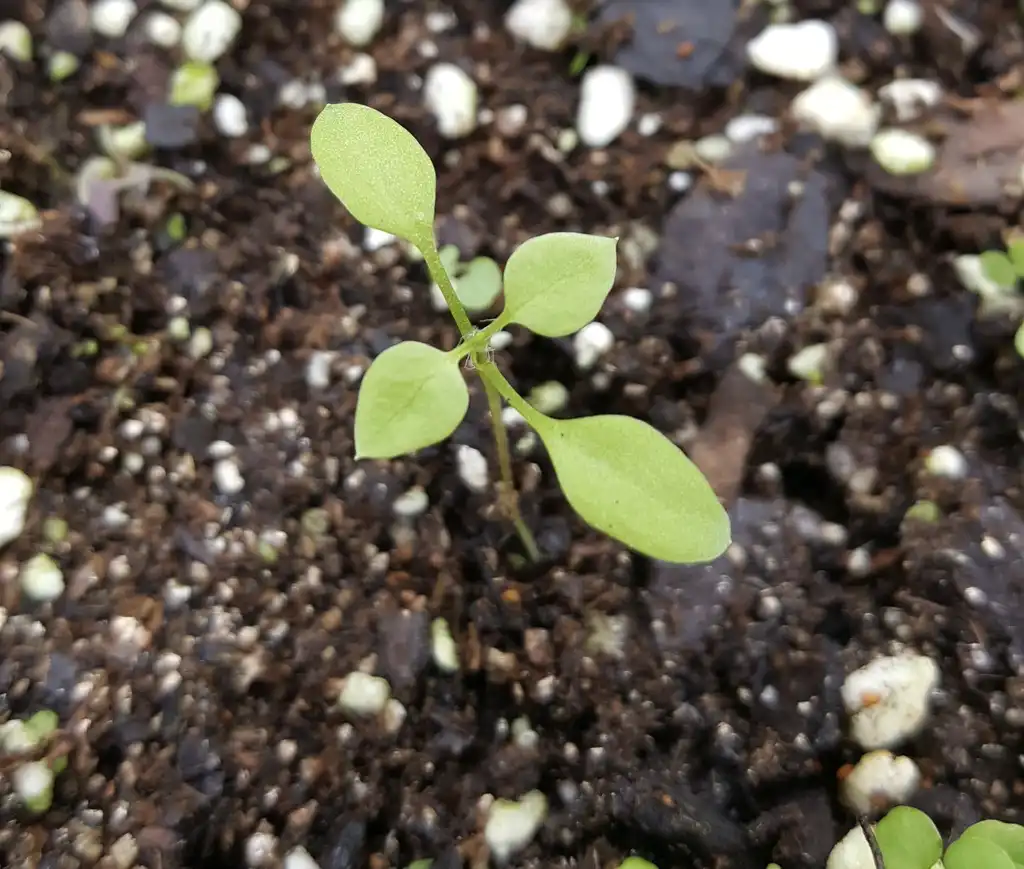
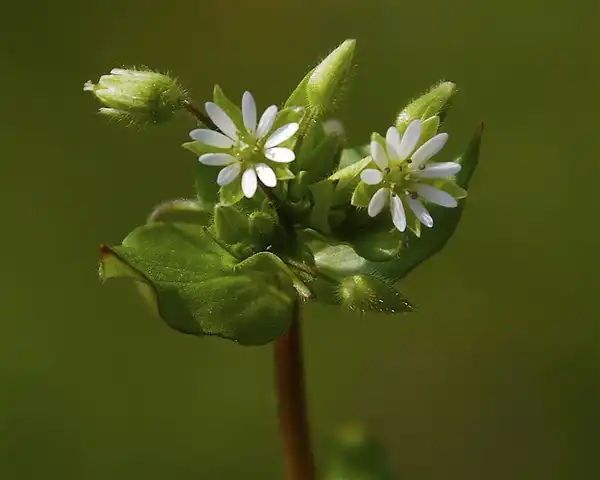
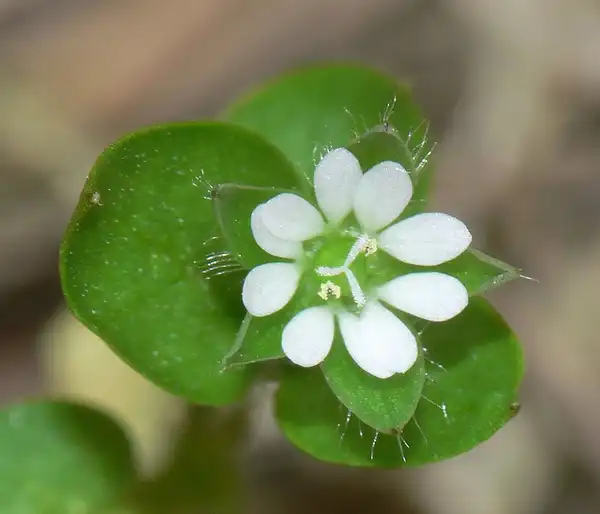
Stellaria media, commonly known as Chickweed, is an annual plant that thrives in cooler seasons and is often regarded as a weed. This plant typically features stems that range from half an inch to an inch in length, sprawling across the ground. While it branches profusely near the base, branching is minimal towards the tips. Along the stems, pairs of opposite leaves appear at regular intervals. Chickweed remains leafy, flowering, and producing seeds throughout the year. For winter annuals, the stems culminate in small white flowers during spring, while summer annuals bloom in summer or autumn. A single plant may sporadically flower for one to two months, with each flower giving way to a cylindrical seed capsule filled with multiple seeds. Its root system is shallow and fibrous, allowing the plant to spread through self-seeding and vegetative propagation by rooting at leaf nodes along the stems. Notably, it can simultaneously produce flowers and seeds, enabling rapid spread.
Chickweed thrives in moist soil and can flourish in full sun or partial shade. When cultivated in fertile soil, it grows lush and vigorous; however, in less nutrient-rich soils, it may flower and set seeds while still quite small. As a prevalent garden weed, chickweed grows, flowers, and seeds year-round. The flowers open in the morning and remain open for about 12 hours, closing in overcast conditions. At night, the leaves fold up, protecting the delicate buds of new shoots.
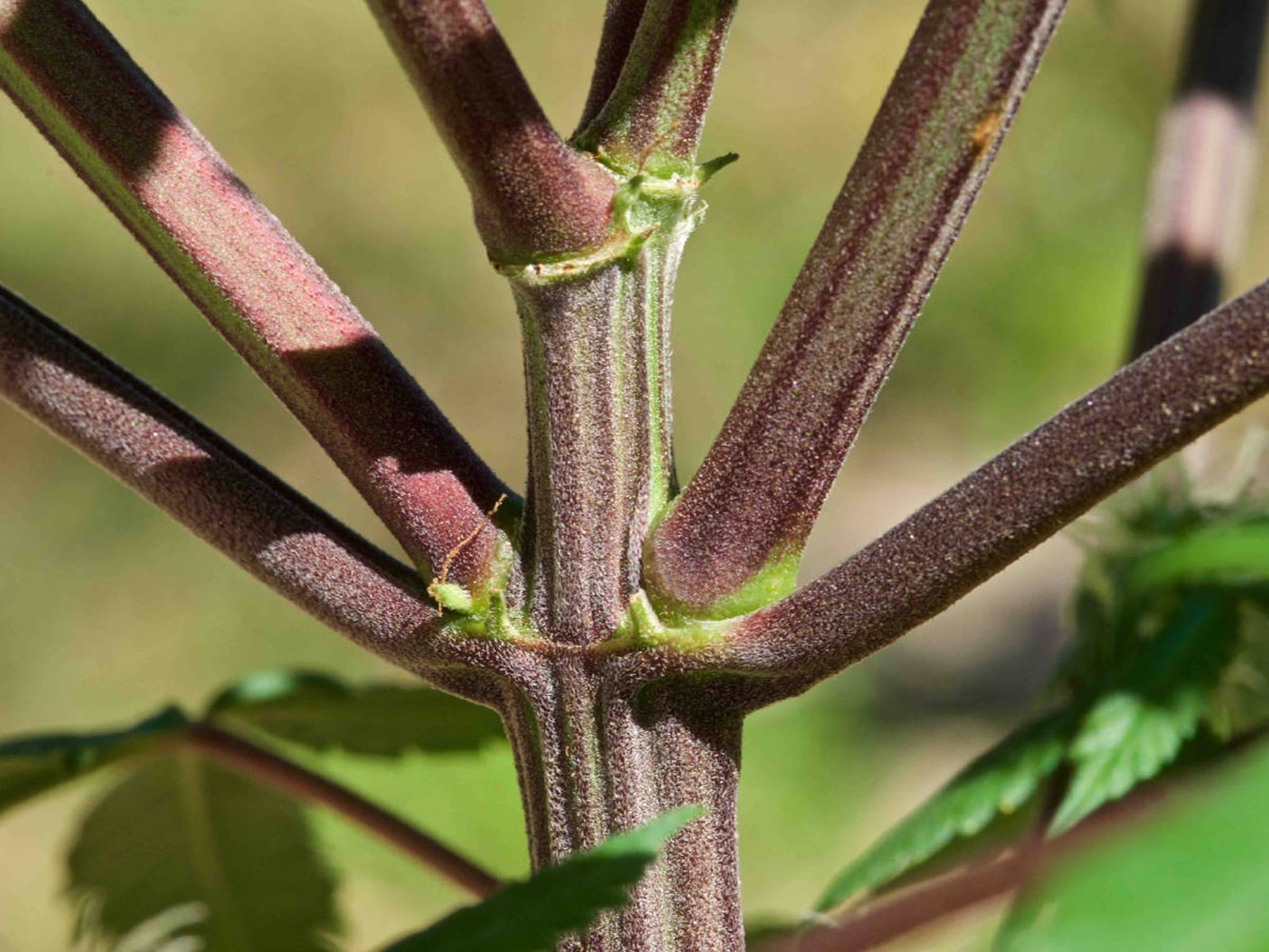
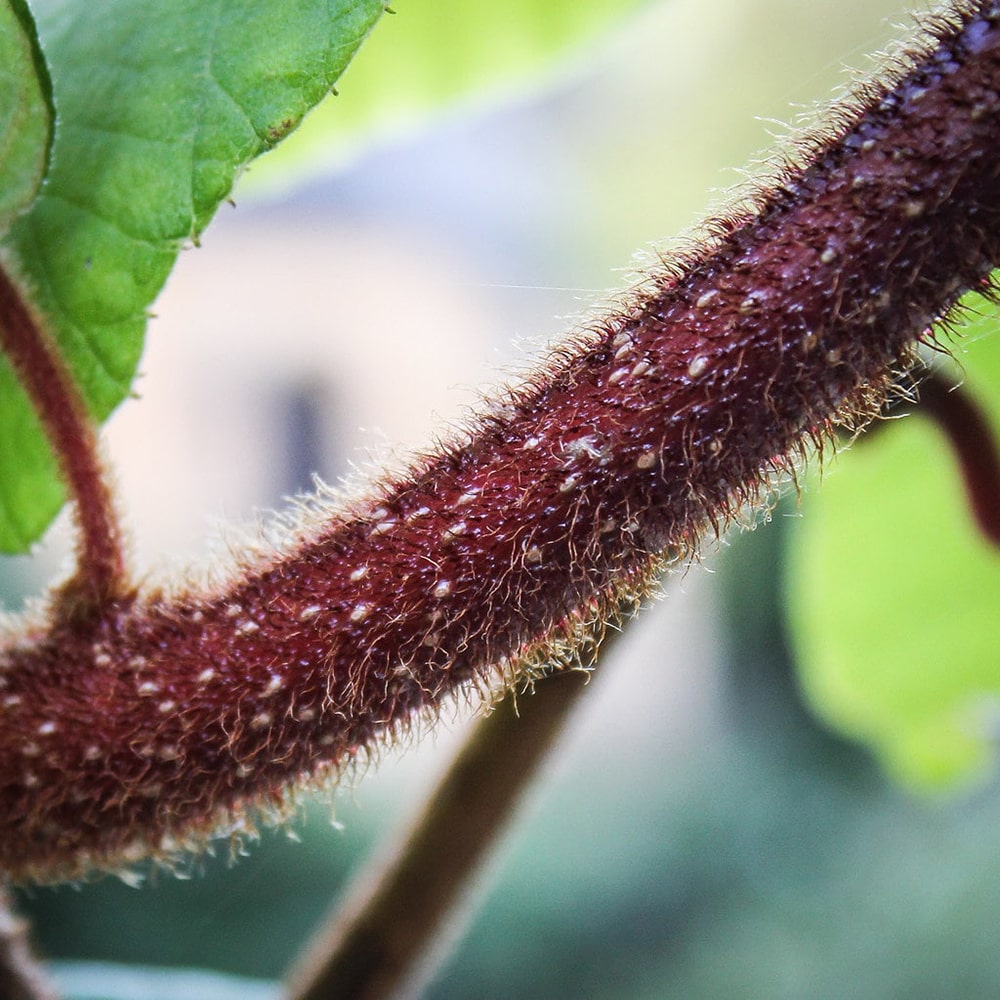
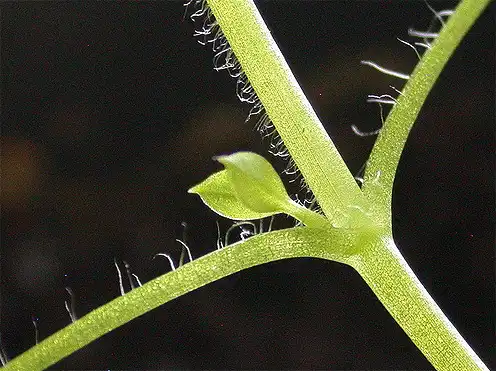
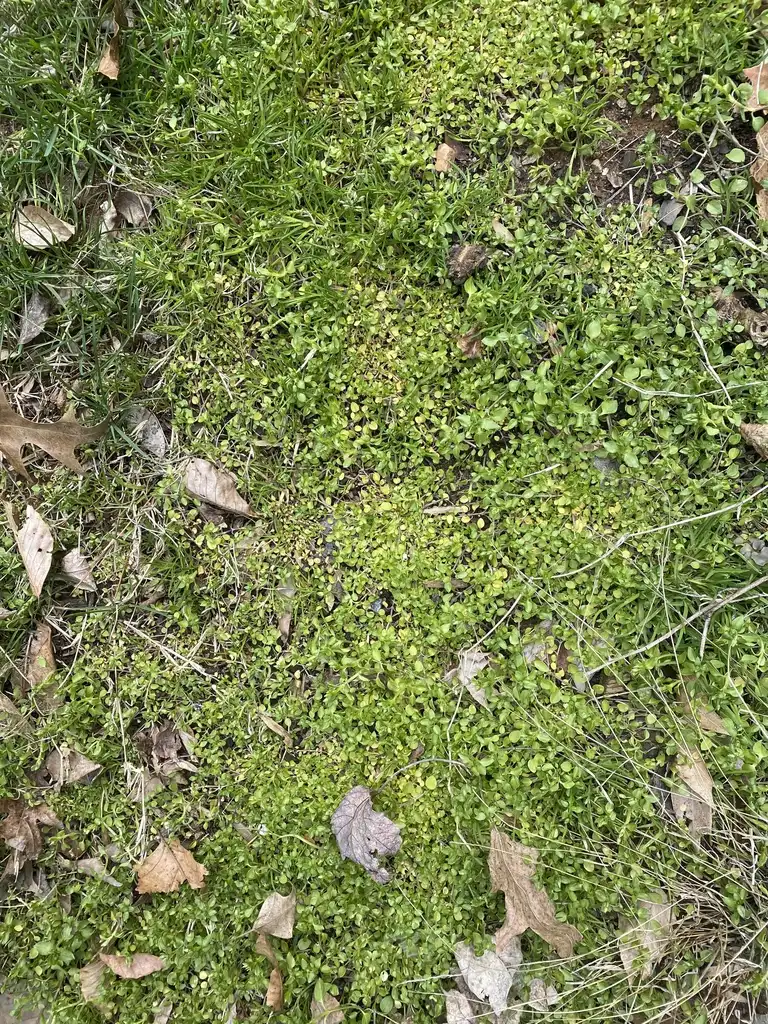
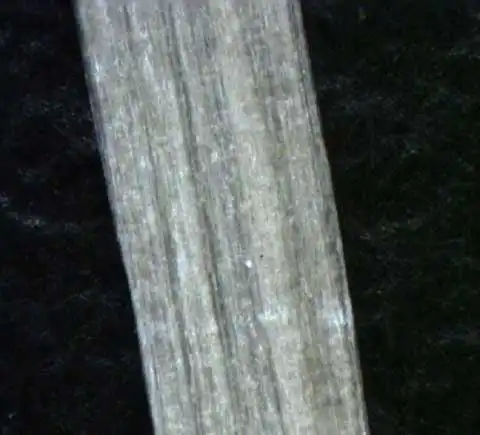
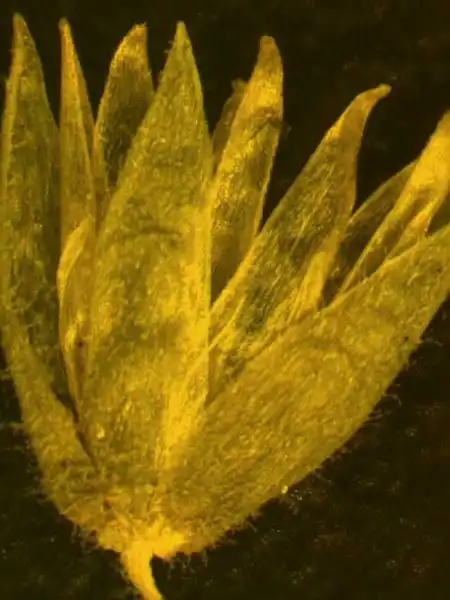
This plant is edible and serves as a food source for poultry. While it can be mistaken for similar-looking plants, it is identifiable by the presence of hairs on only one side of the stem and on the sepals. Chickweed can thrive in both partial shade and full sun, often found in lawns. Ideal growing conditions include moist to mesic environments with fertile loam or clay-loam soil, and it can tolerate light shade and temporary flooding. It is frequently found in flood-prone woodland areas, thickets, cropland, fallow fields, lawns, gardens, nursery plots, and various waste areas. Although chickweed is somewhat invasive in natural habitats, it prefers disturbed areas.
Chickweed develops adventitious roots.
**Diseases, Insects, and Other Plant Issues:**
Often labeled a weed, particularly in lawns, chickweed can be effectively managed with preemergence herbicides; however, it is essential to follow the label instructions for proper application. The leaves contain saponins, which are toxic but poorly absorbed by the body, typically passing through without causing harm. Thorough cooking can also break down these compounds.
Stellaria media Feature Summary