Calycanthus floridus: Country Or Region Of Origin
Pennsylvania to SE. U.S.A
Phonetic Spelling:kal-ee-KAN-thus FLOR-id-us
Genus:Calycanthus
Species:floridus
Family:Calycanthaceae
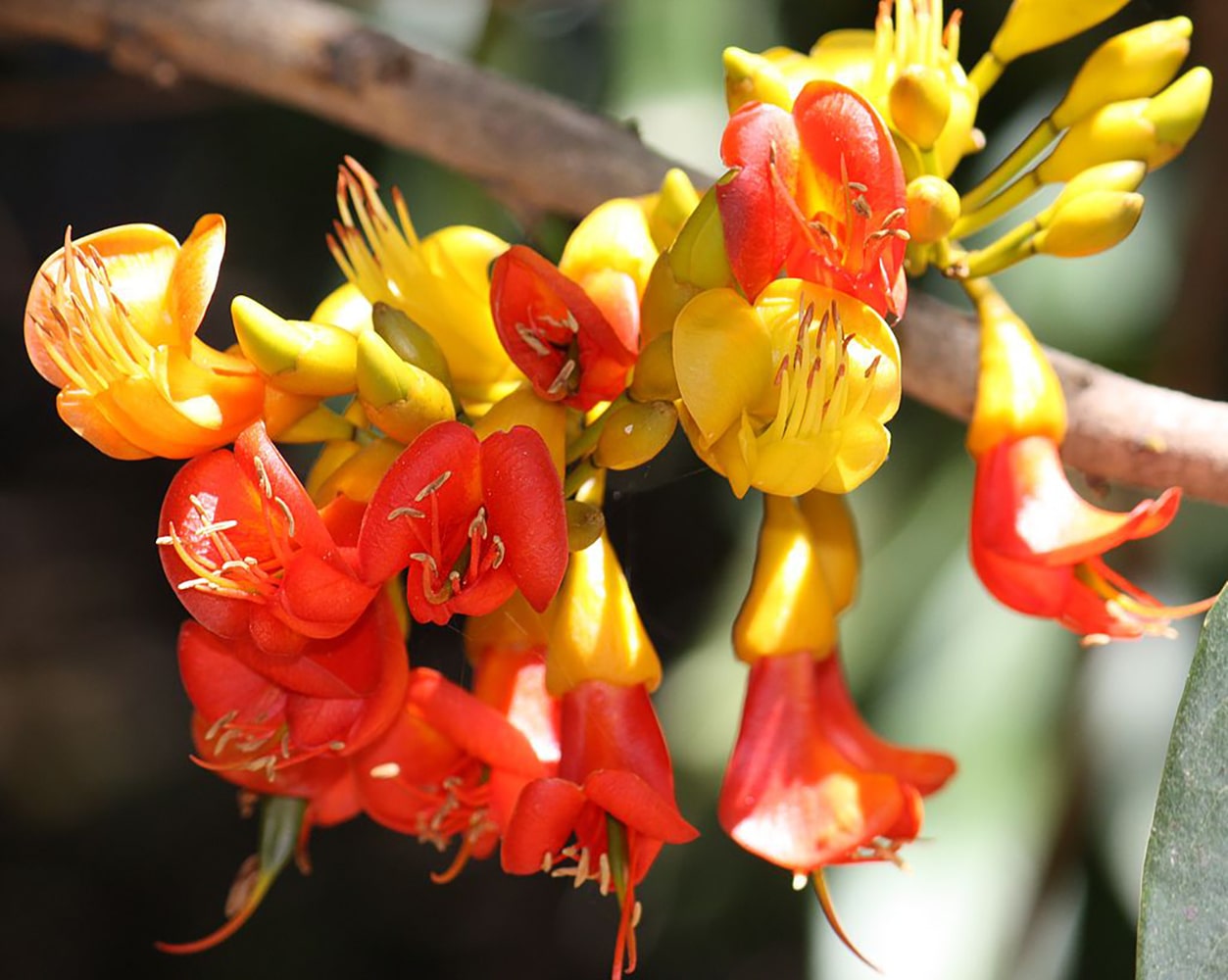
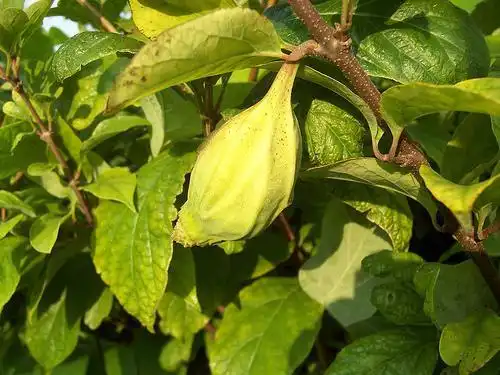
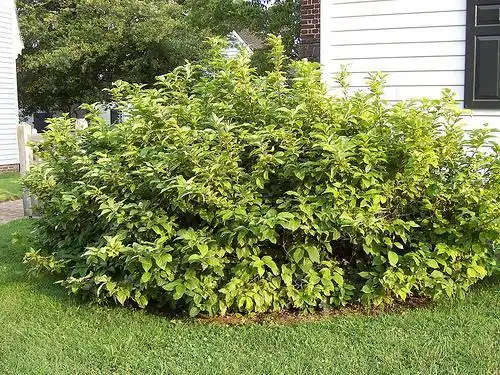
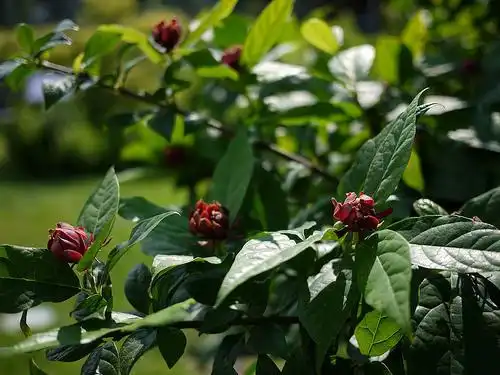
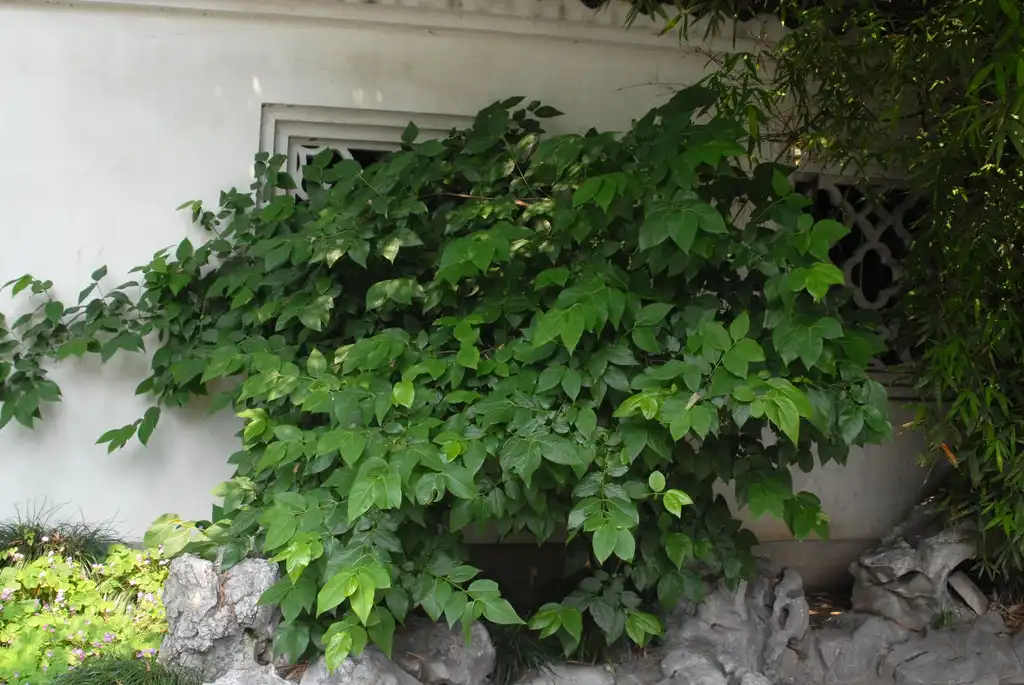
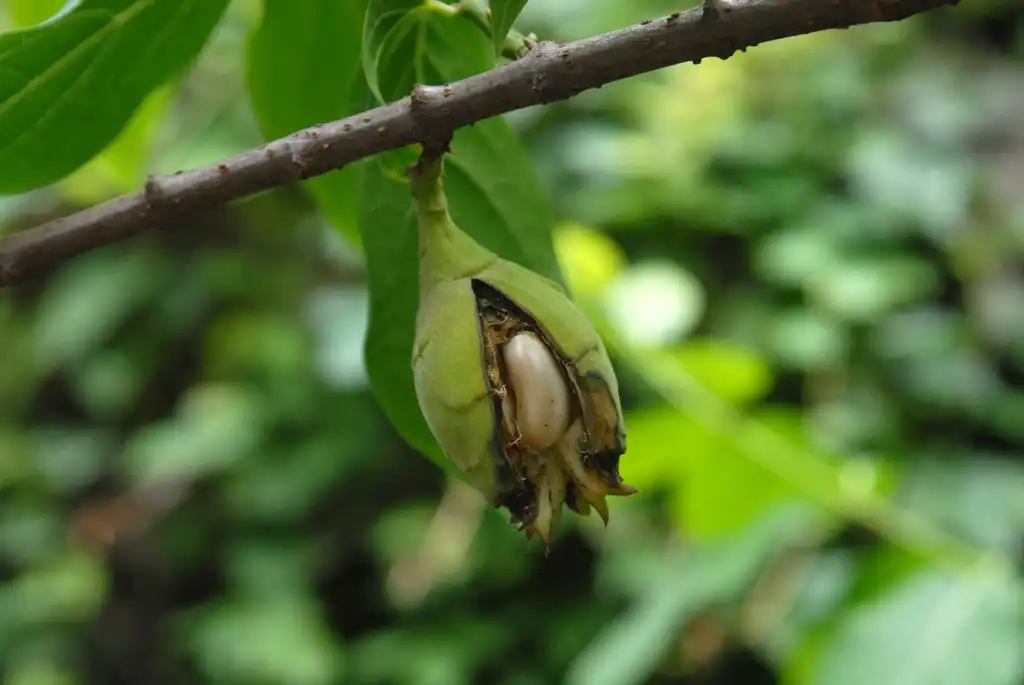
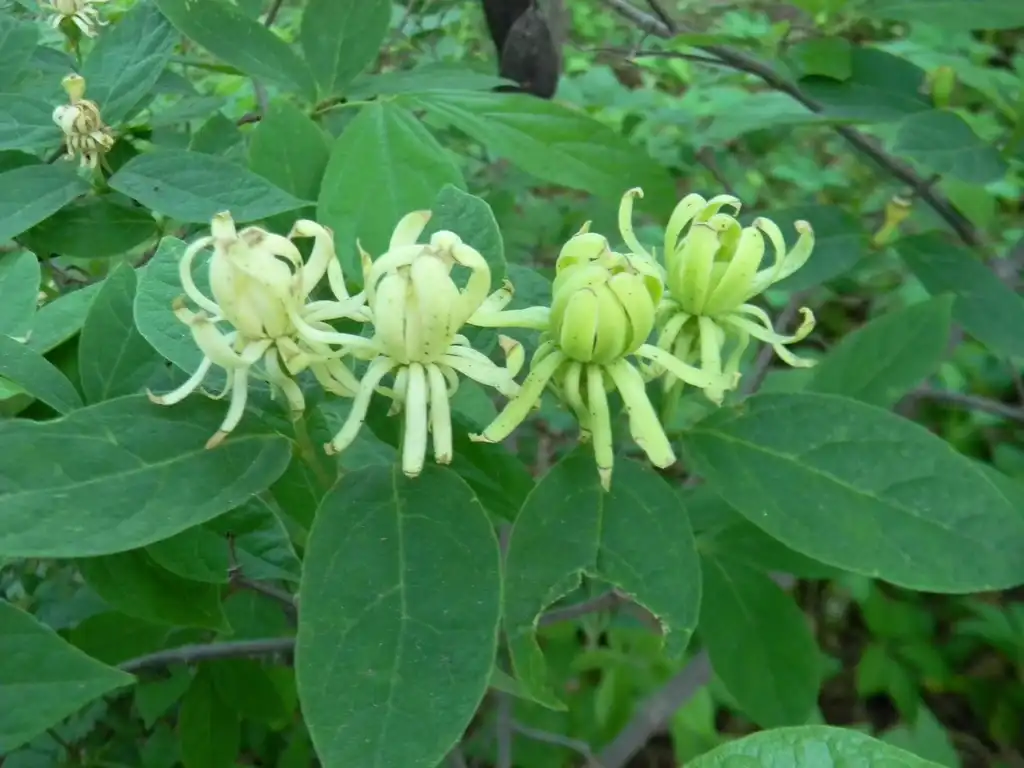
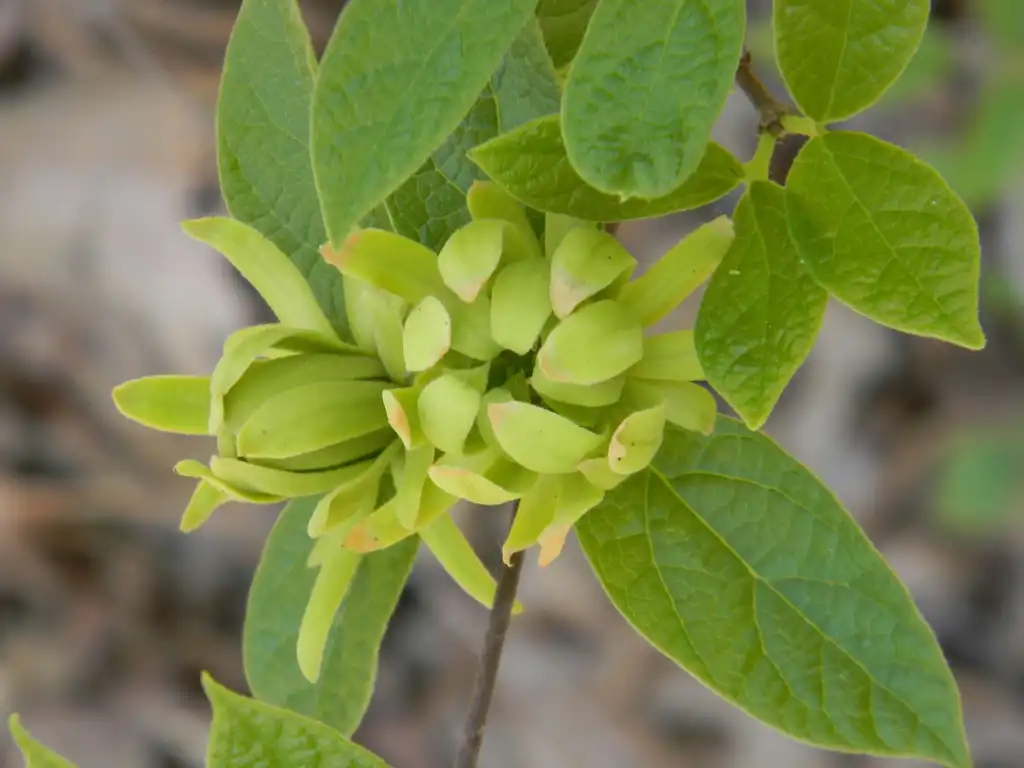
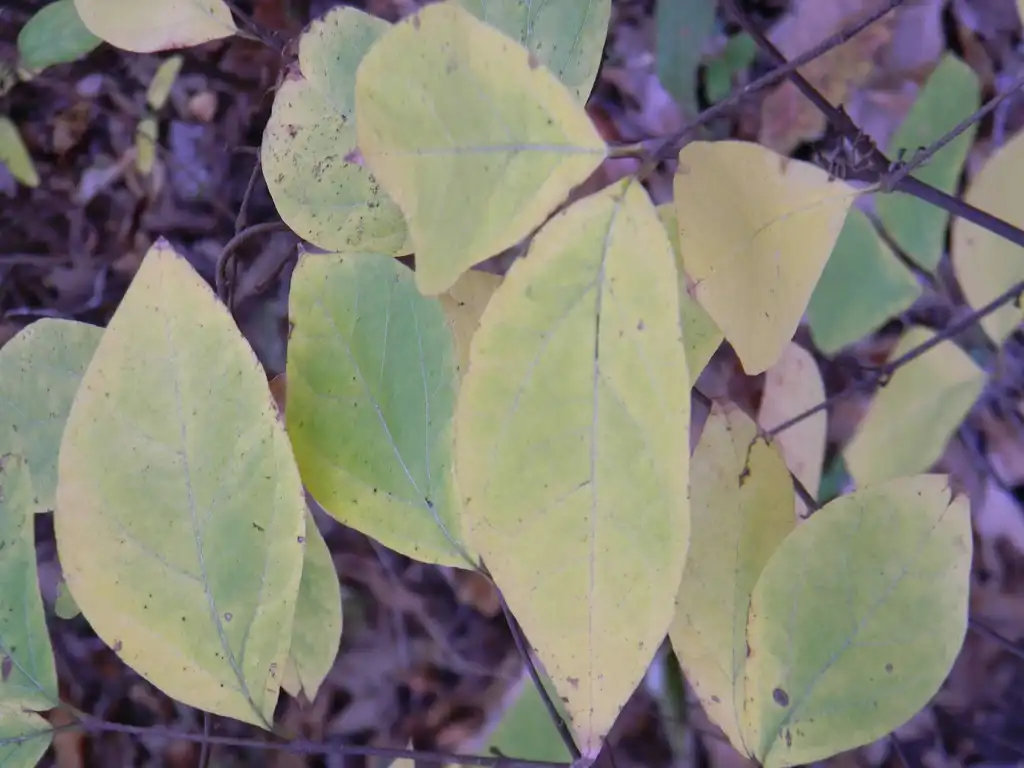
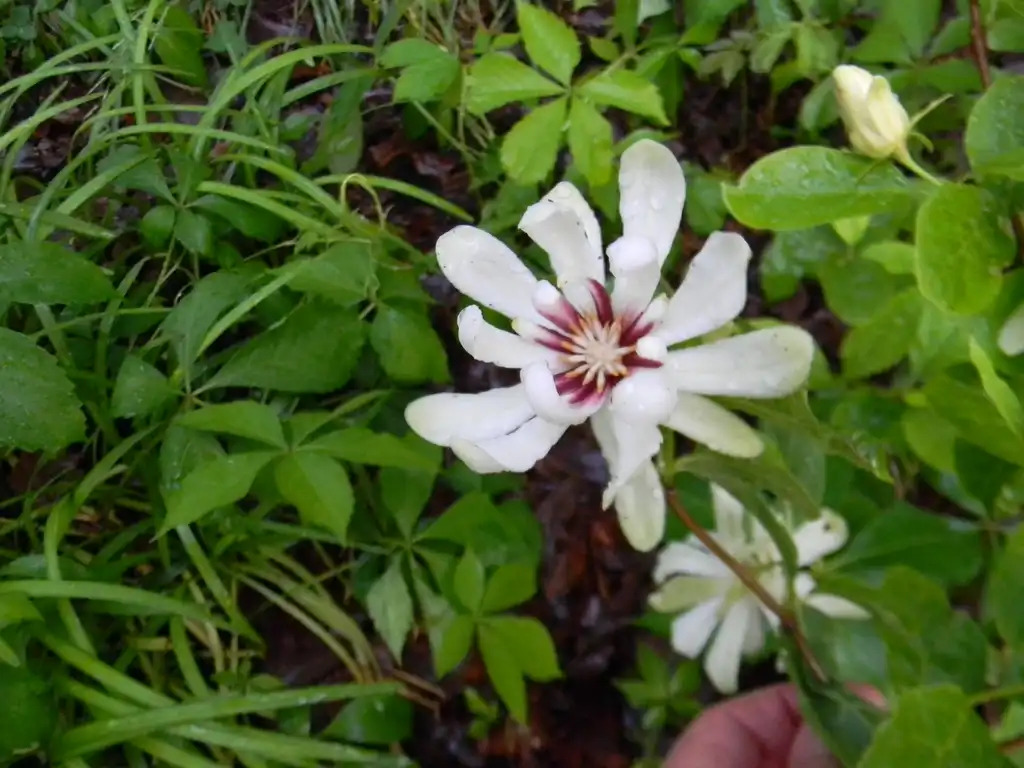
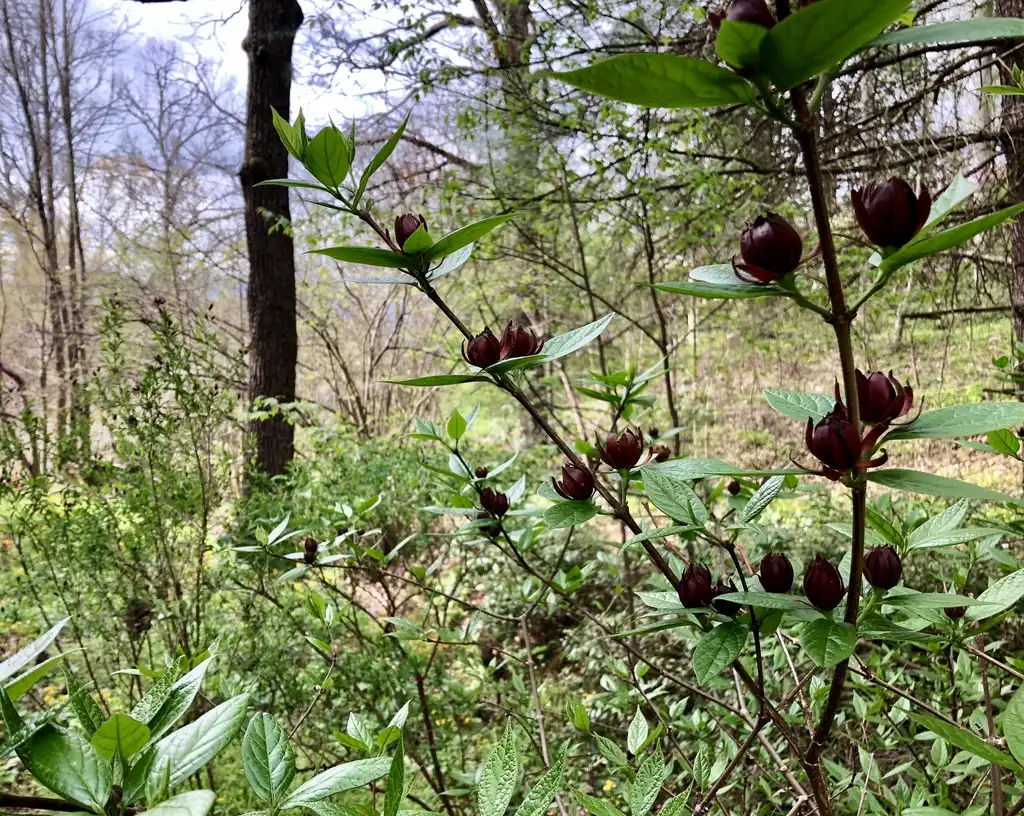
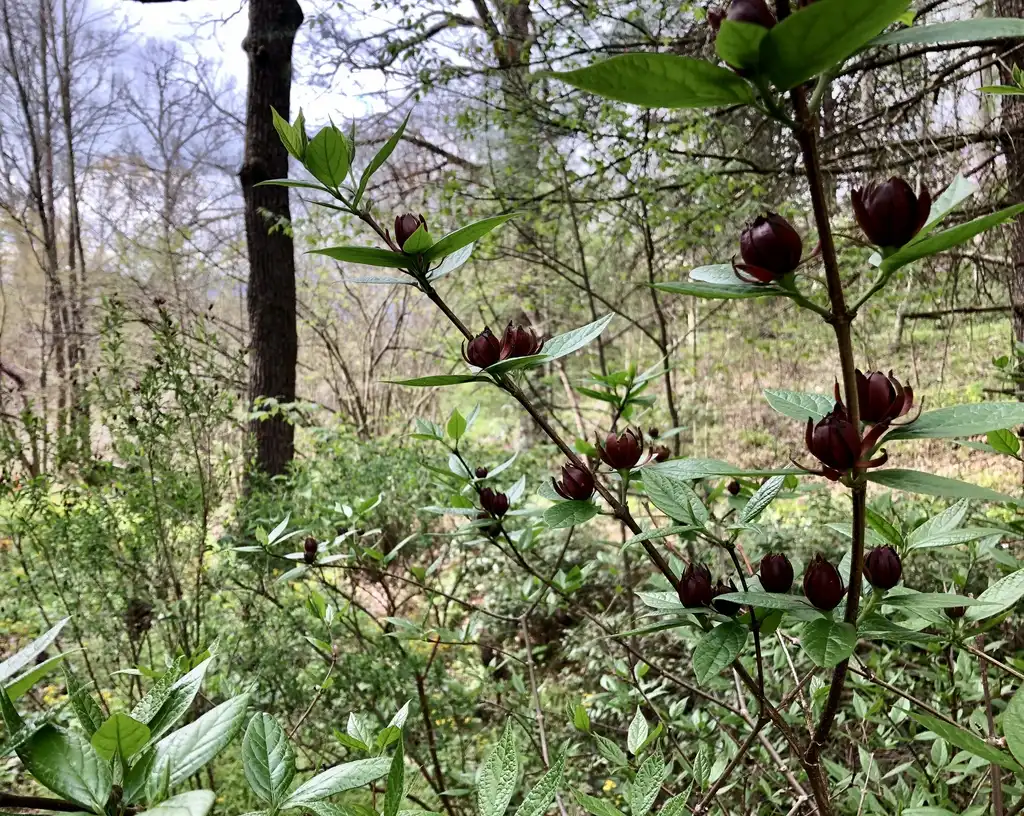
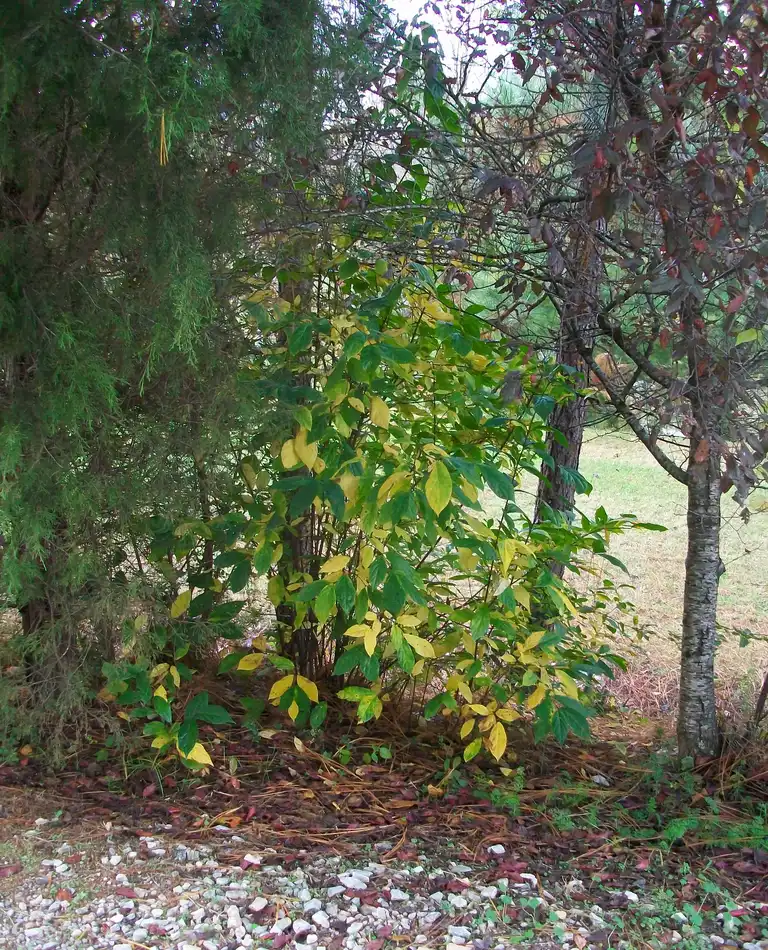
Carolina allspice, also known as sweetshrub or strawberry bush, is a deciduous shrub native to the southeastern United States, belonging to the Calycanthaceae family. This upright to rounded shrub thrives in shady woodlands and along streambanks, typically reaching heights of 6 to 12 feet, with a spread that is equal to or slightly greater than its height. The plant is celebrated for its strikingly fragrant flowers, which emit a delightful aroma reminiscent of pineapple, strawberry, and banana, particularly when temperatures rise. To fully appreciate its scent, it is advisable to purchase the plant while it is in bloom, as the fragrance can vary significantly. The scientific name is derived from the Greek terms "kaylx," meaning calyx, and "anthos," meaning flower.
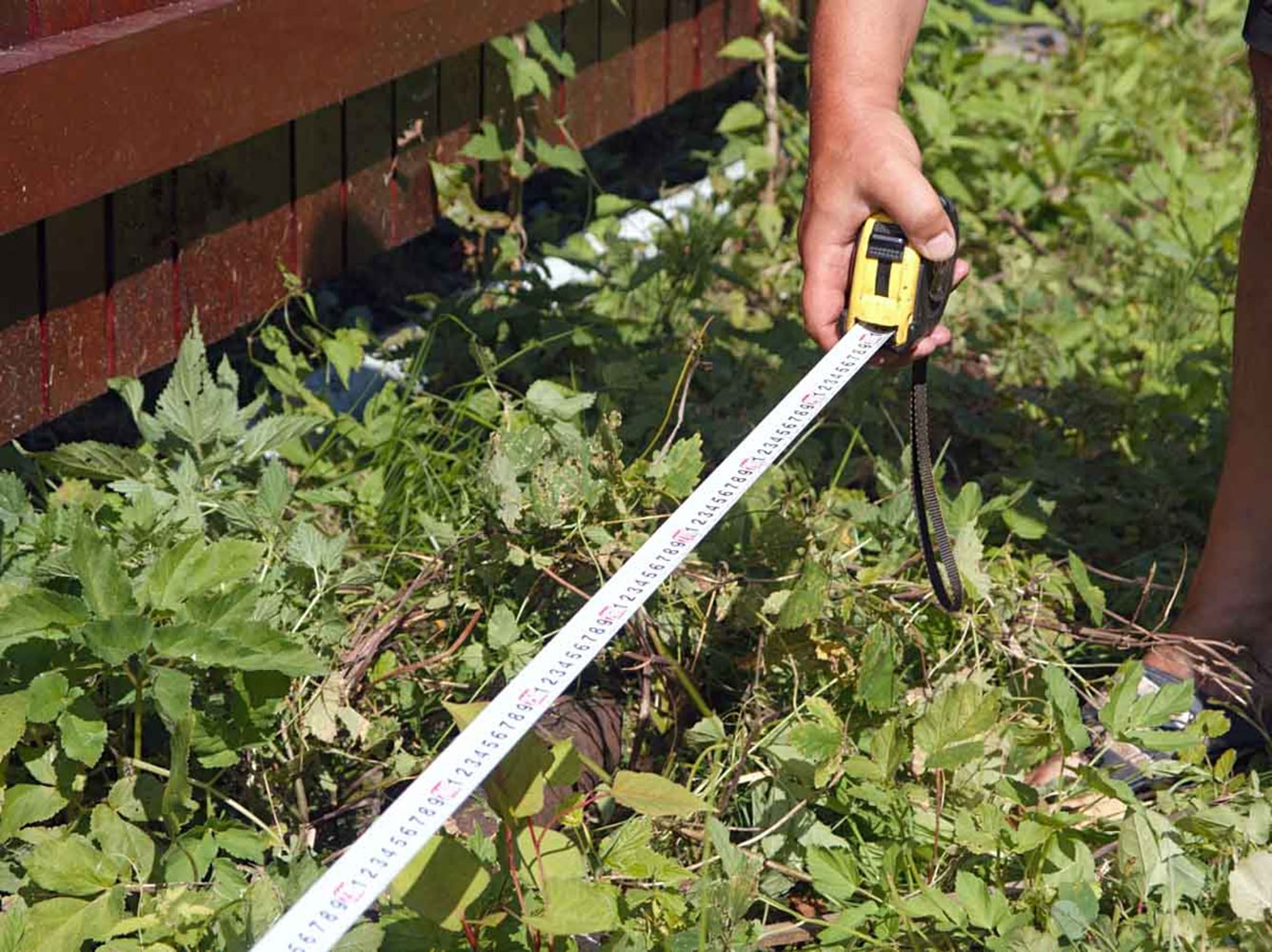
Sweetshrub flourishes in well-drained soil that ranges from average to rich, and it can adapt to conditions from full sun to deep shade. It benefits from some shade during the hot summer afternoons, as it tends to grow taller and less dense in shaded areas compared to sunny spots. While it can tolerate various soil textures and pH levels, it prefers rich loamy soils. For optimal growth, plant it 3 to 5 feet away from other shrubs. The flowering period occurs in early spring, before the leaves appear, continues with the emergence of the leaves, and sporadically blooms thereafter.
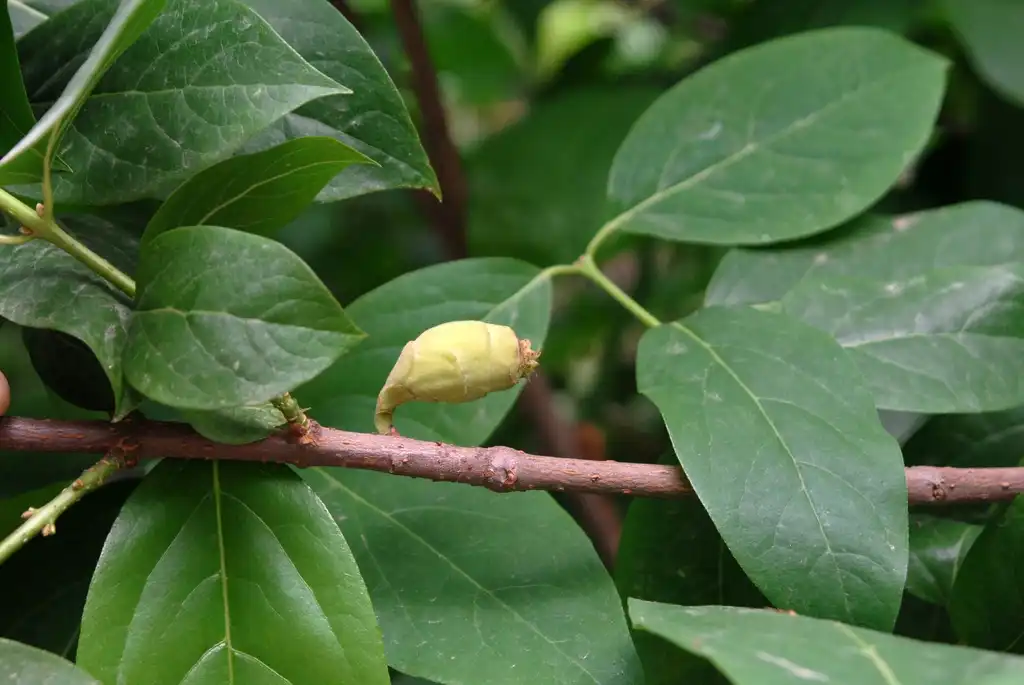
To maintain its shape and compactness, prune the shrub right after flowering, as the blooms develop on last year’s growth. The plant has a suckering growth habit, which means that these suckering branches should be managed unless you wish for the shrub to naturalize in your garden. Propagation can be achieved through seeds.
Carolina allspice can endure short periods of flooding but tends to struggle in sandy soils and during droughts. It is resilient against cold and heat, as well as pests, diseases, fire, and deer browsing. This shrub can be planted as a focal point or near patios and walkways to enjoy its fragrance. Its form is suitable for use as a screen or privacy hedge, or it can be positioned at the back of a shrub border or in foundation plantings. Consider incorporating this native plant into your cutting, sensory, or woodland garden.
Fire Risk: This plant has a low flammability rating.
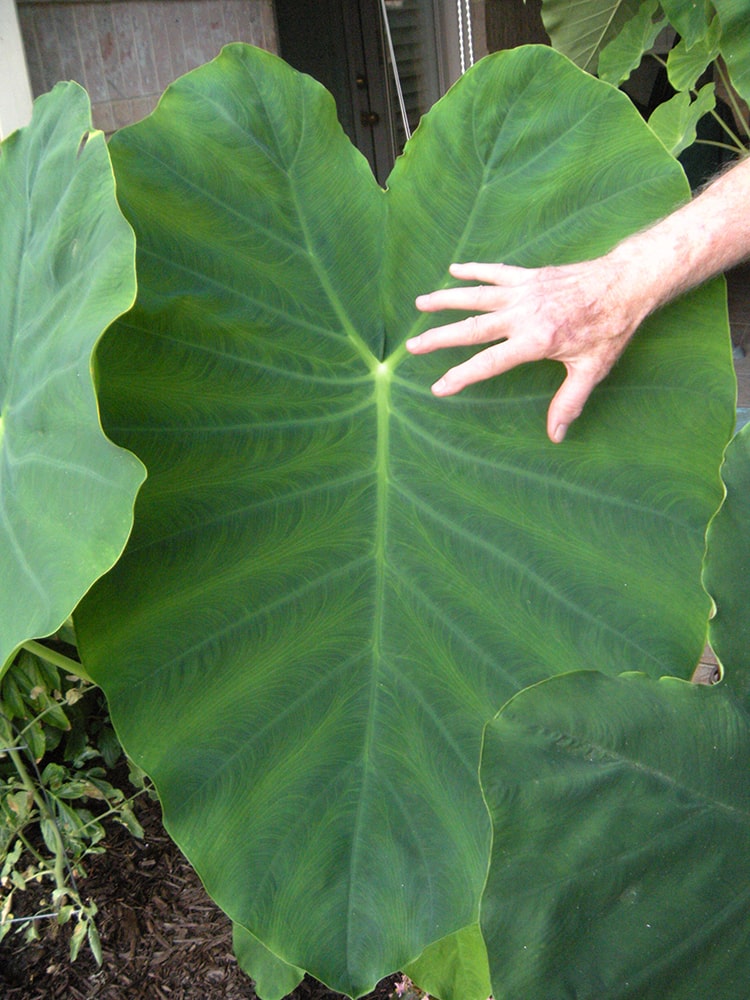
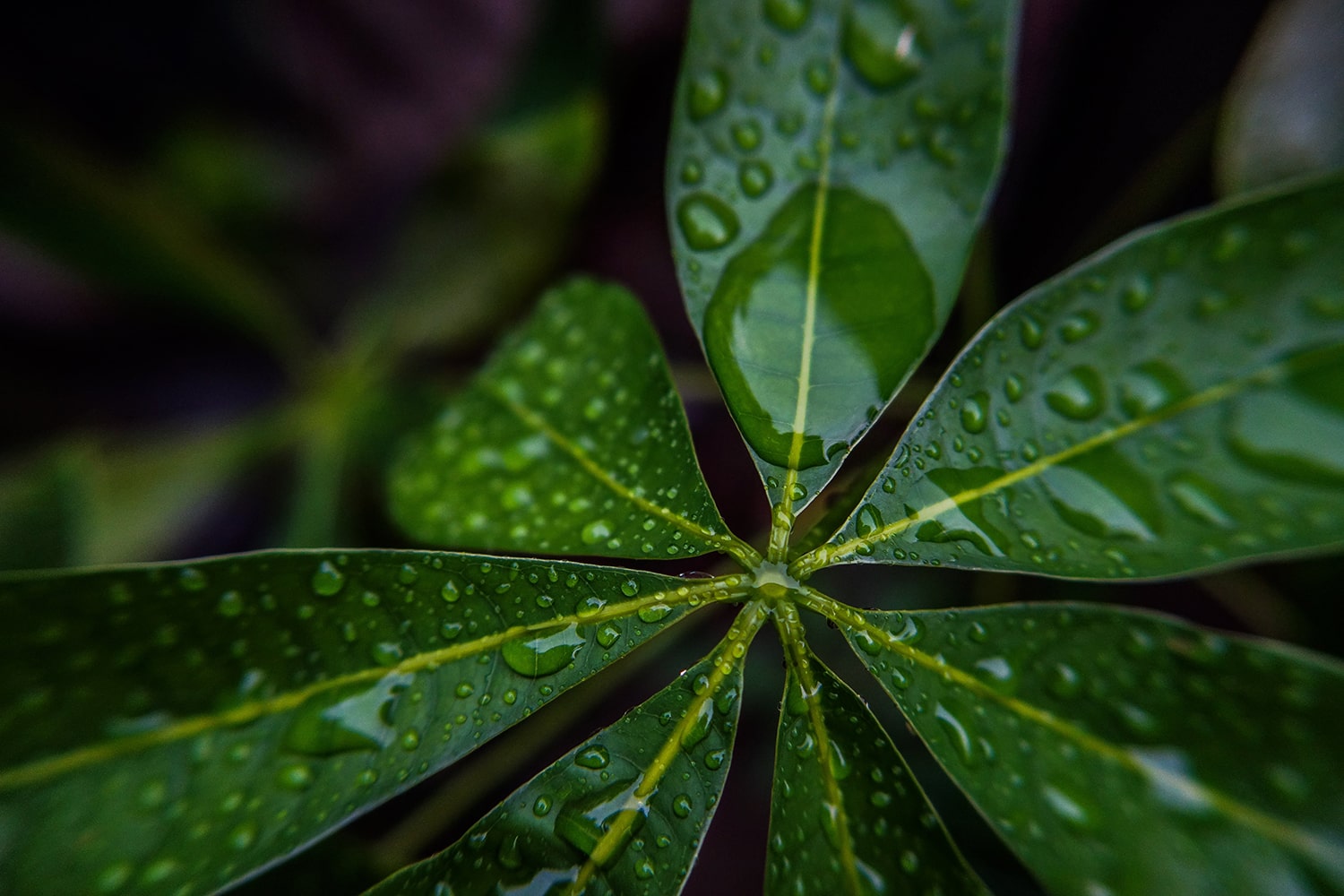
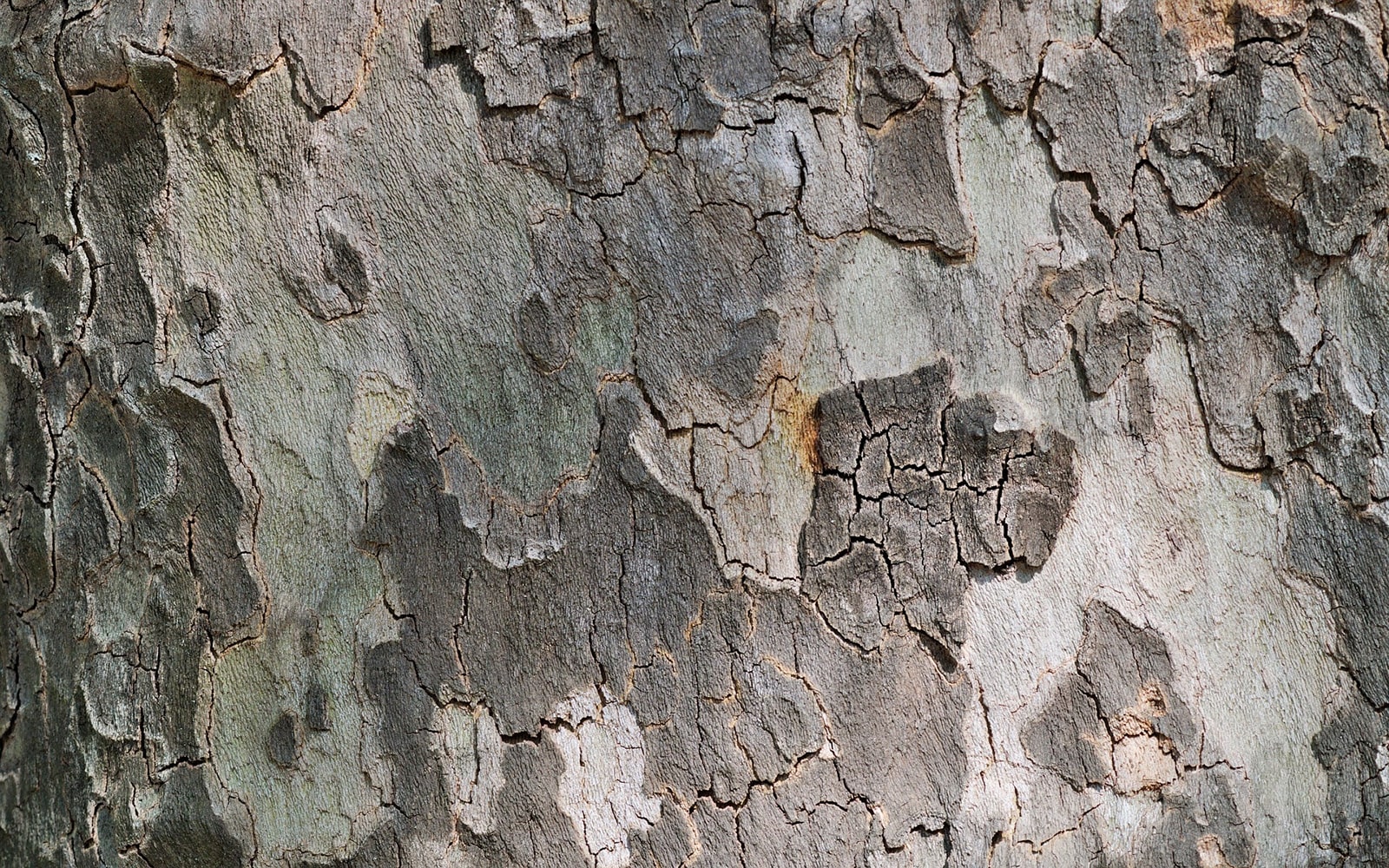
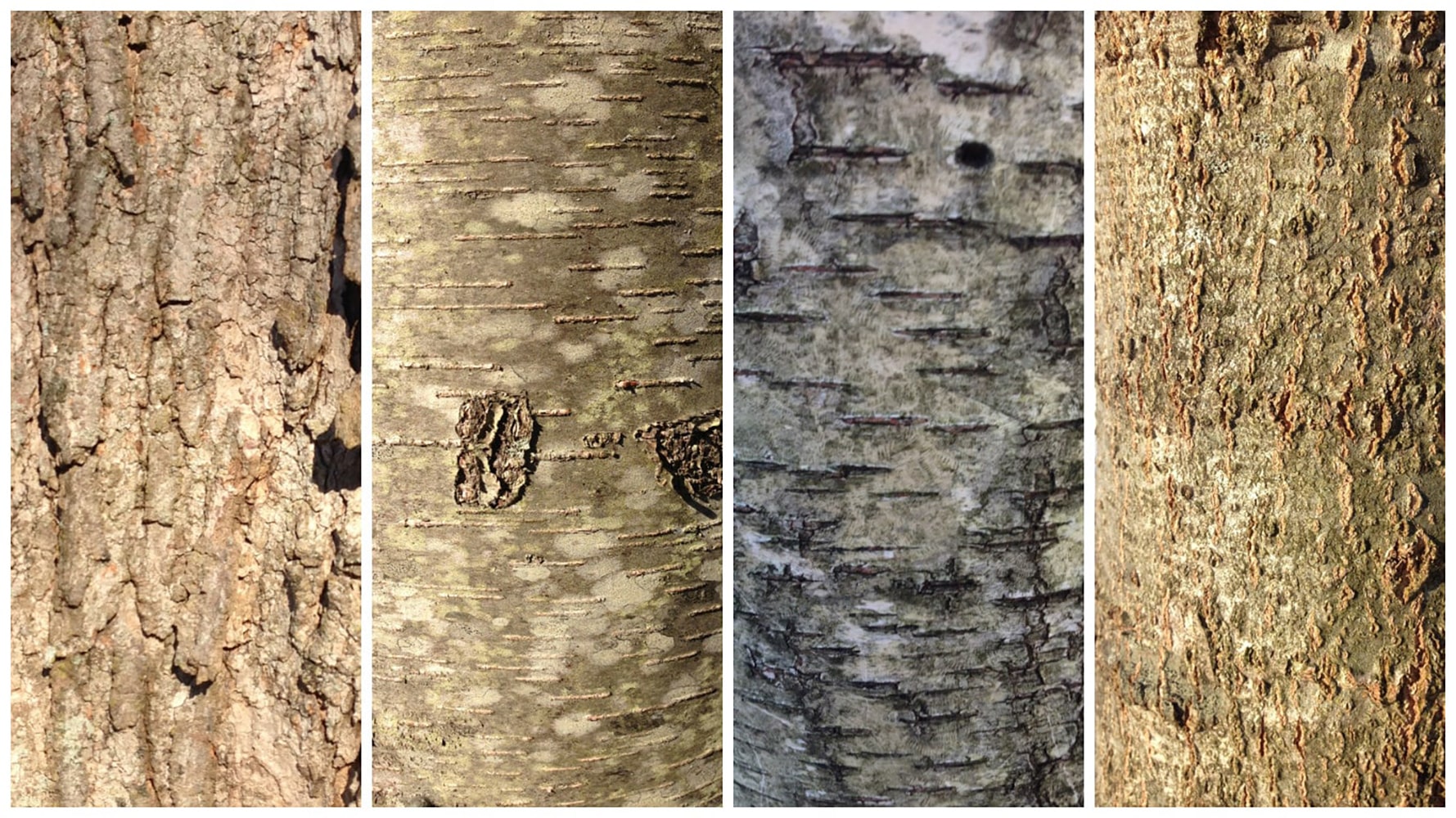
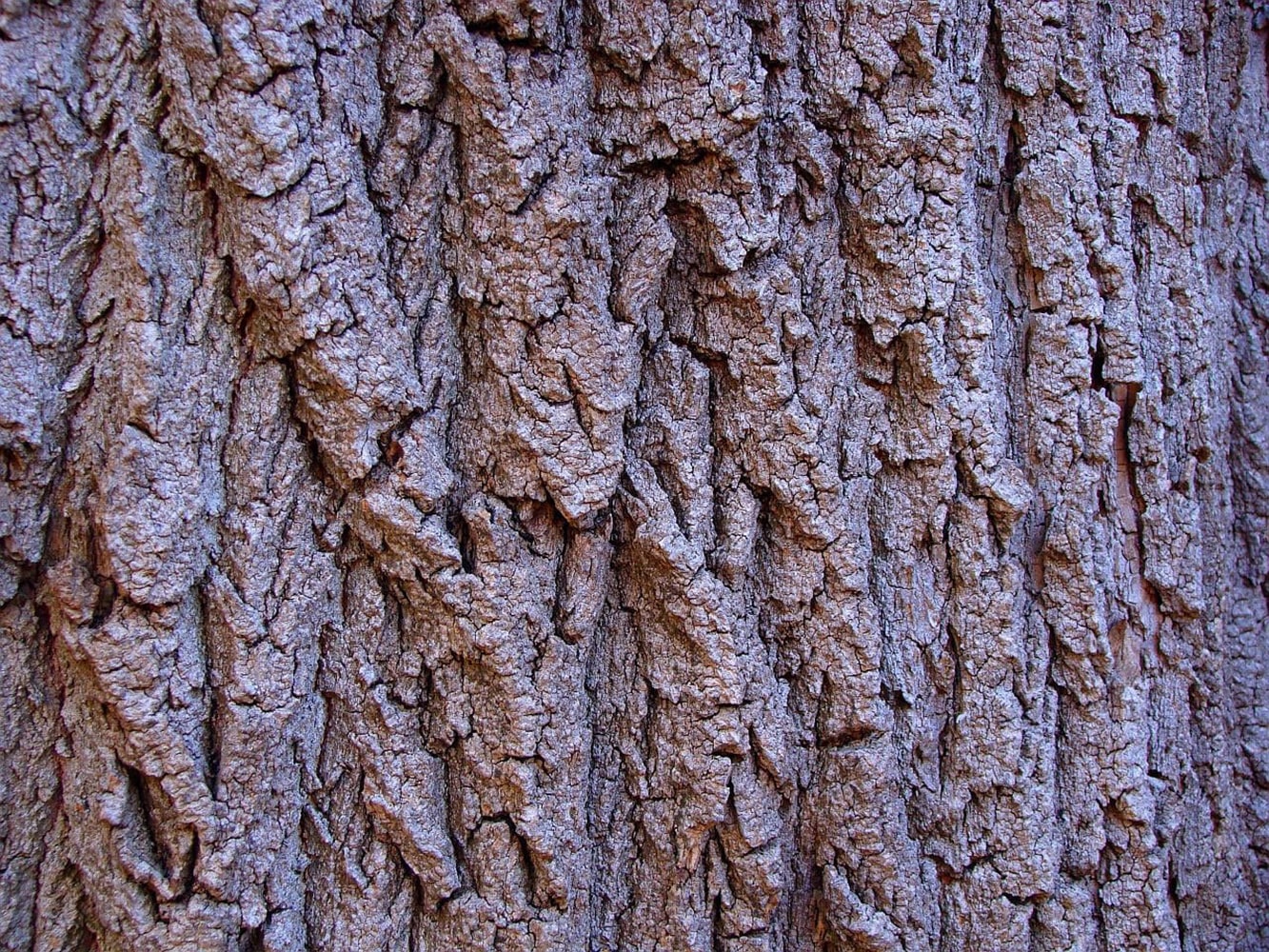
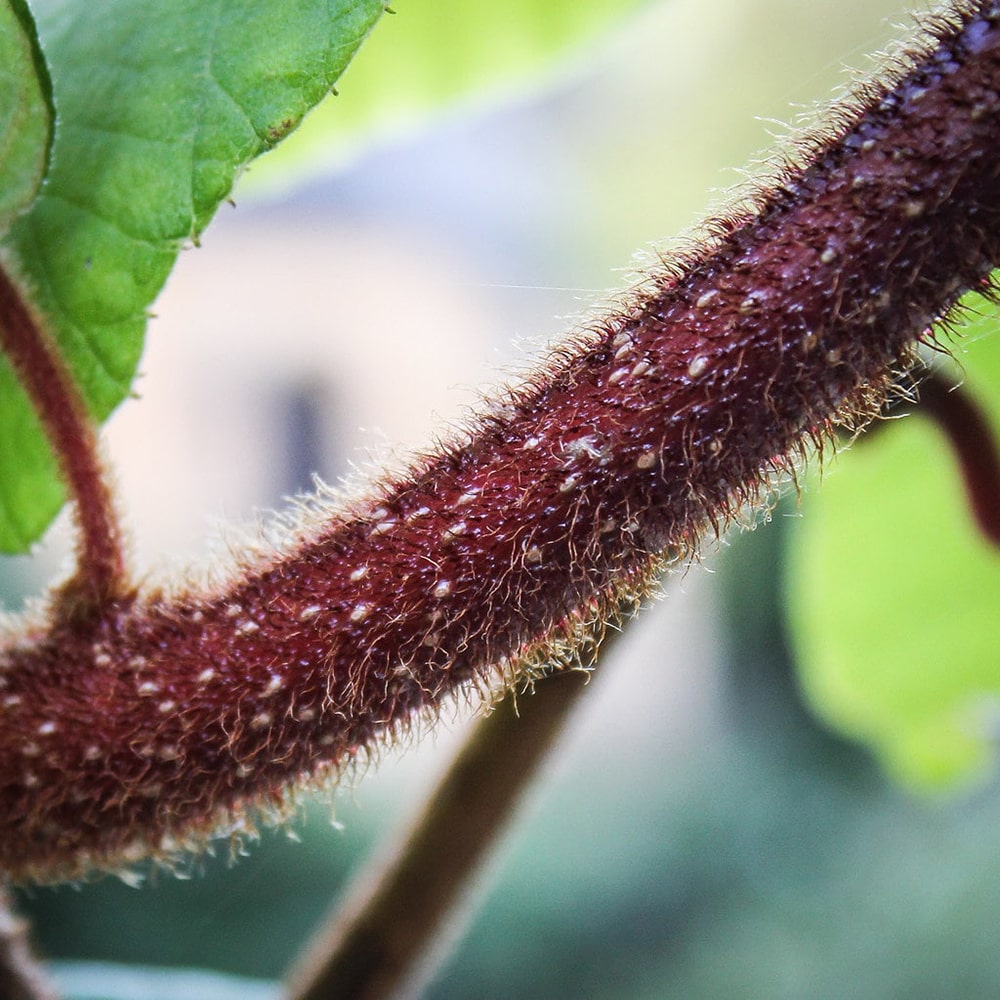
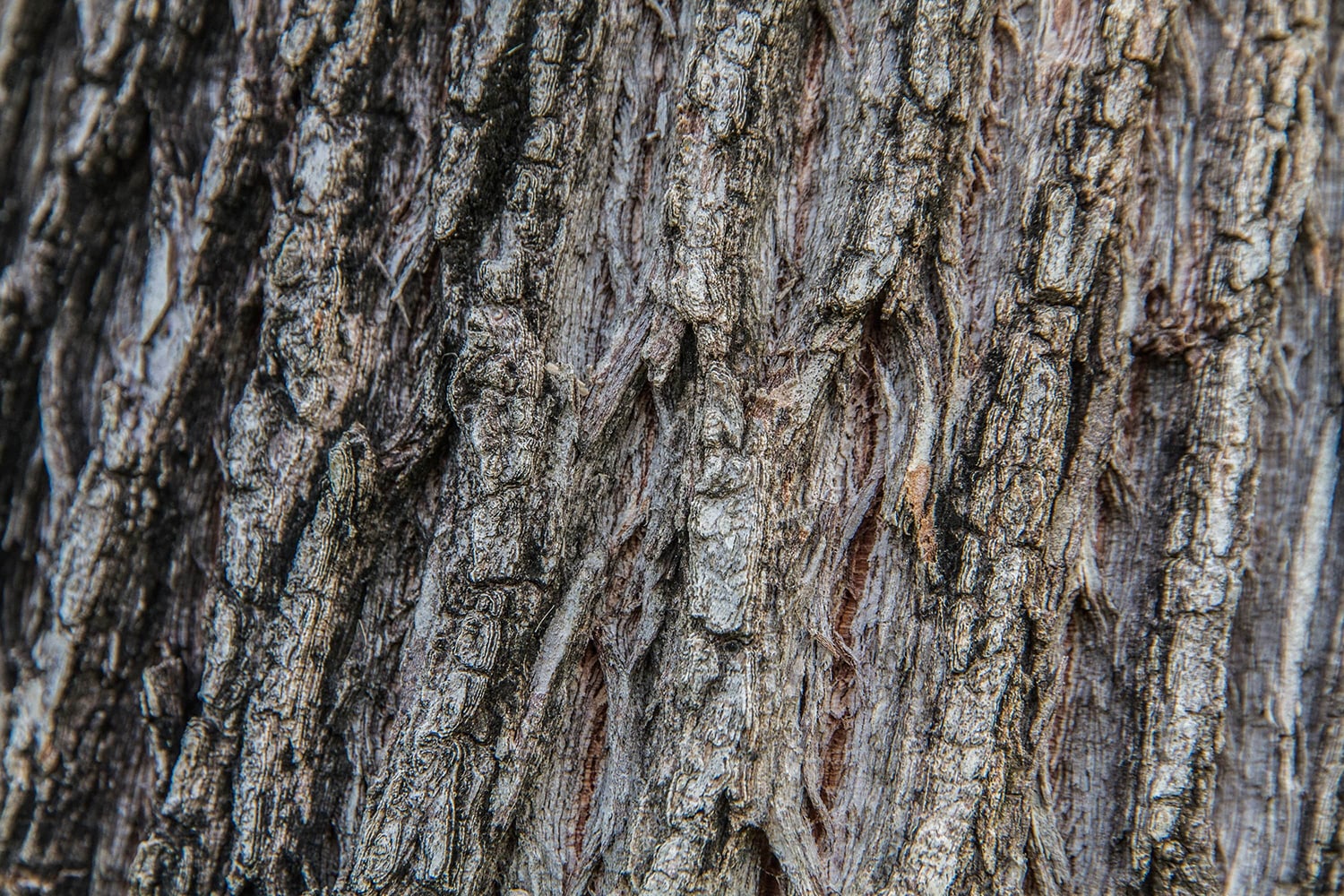
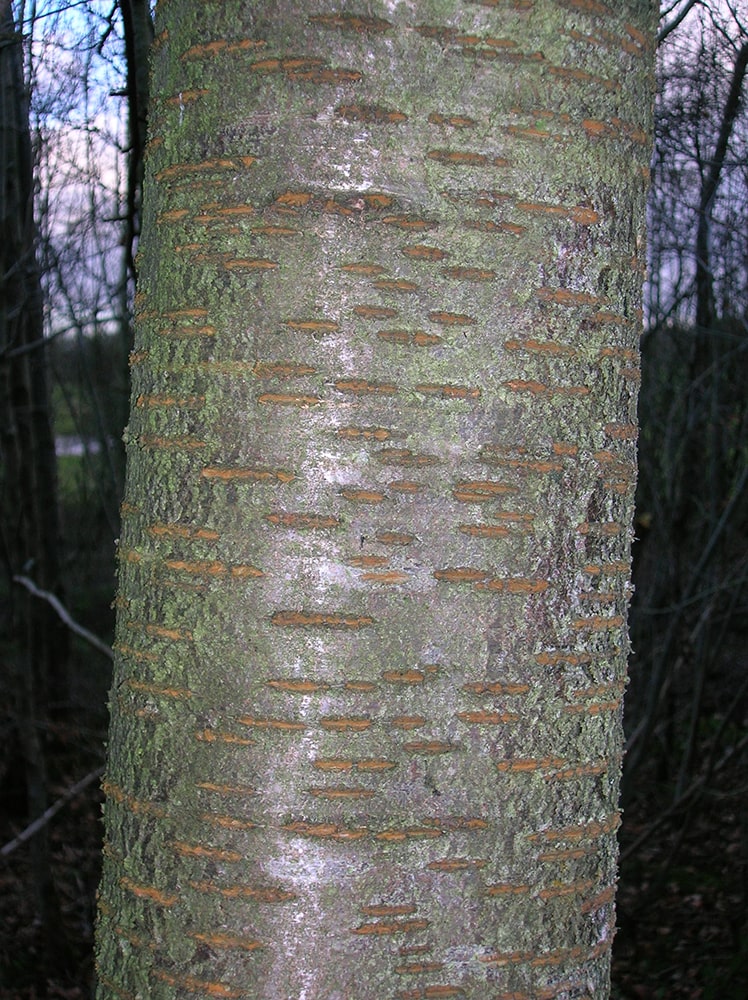
Quick Identification Tips:
Insects, Diseases, and Other Plant Issues: Generally free from pests and diseases.
Calycanthus floridus Feature Summary
Calycanthus floridus Image Gallery