Oxydendrum arboreum: Uses (Ethnobotany)
Bees produce a rich and popular honey from the nectar. Wood is heavy, hard, and closegrained, but is seldom used as a commercial wood.
Phonetic Spelling:ok-see-DEN-drum ar-BOR-ee-um
Genus:Oxydendrum
Species:arboreum
Family:Ericaceae
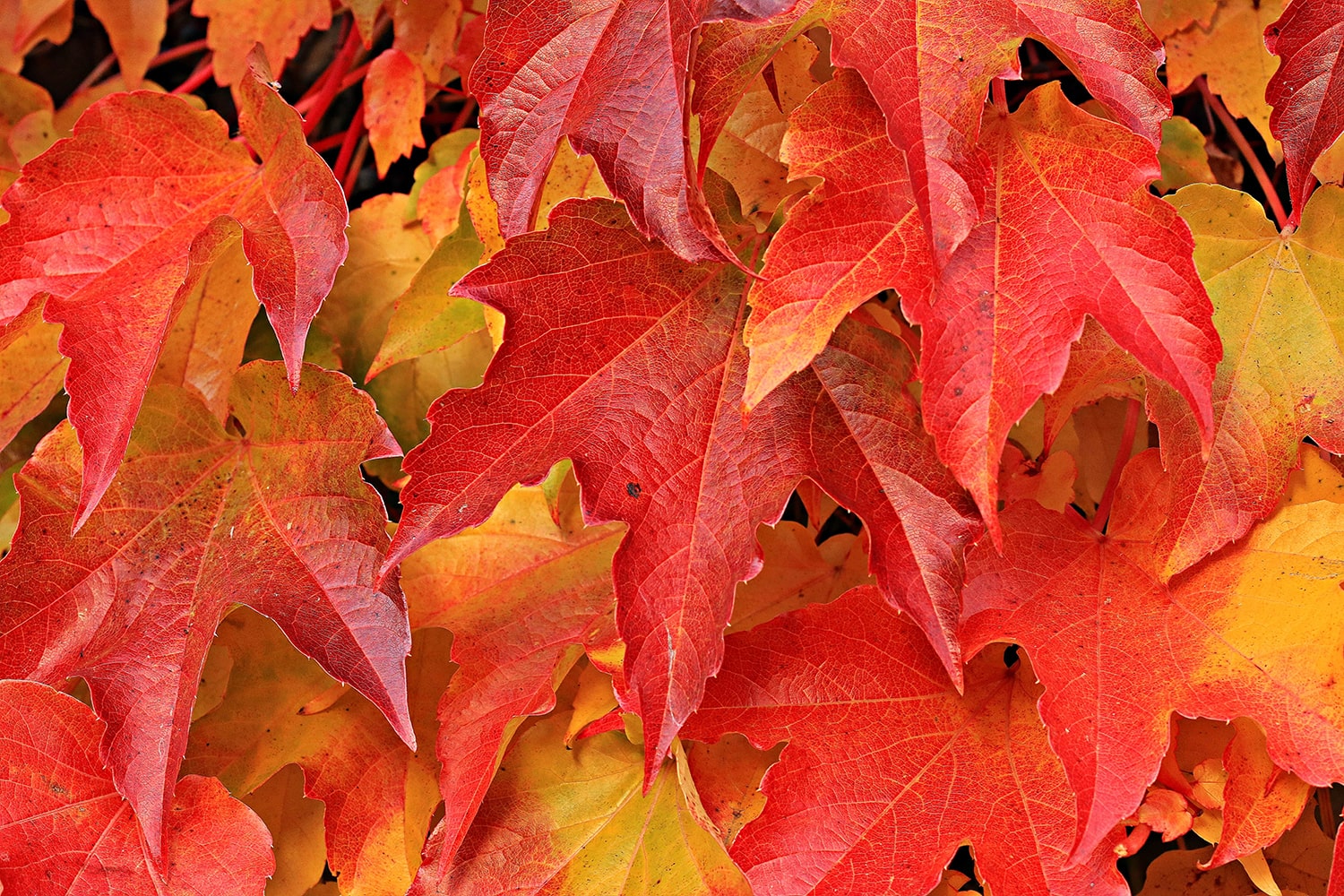
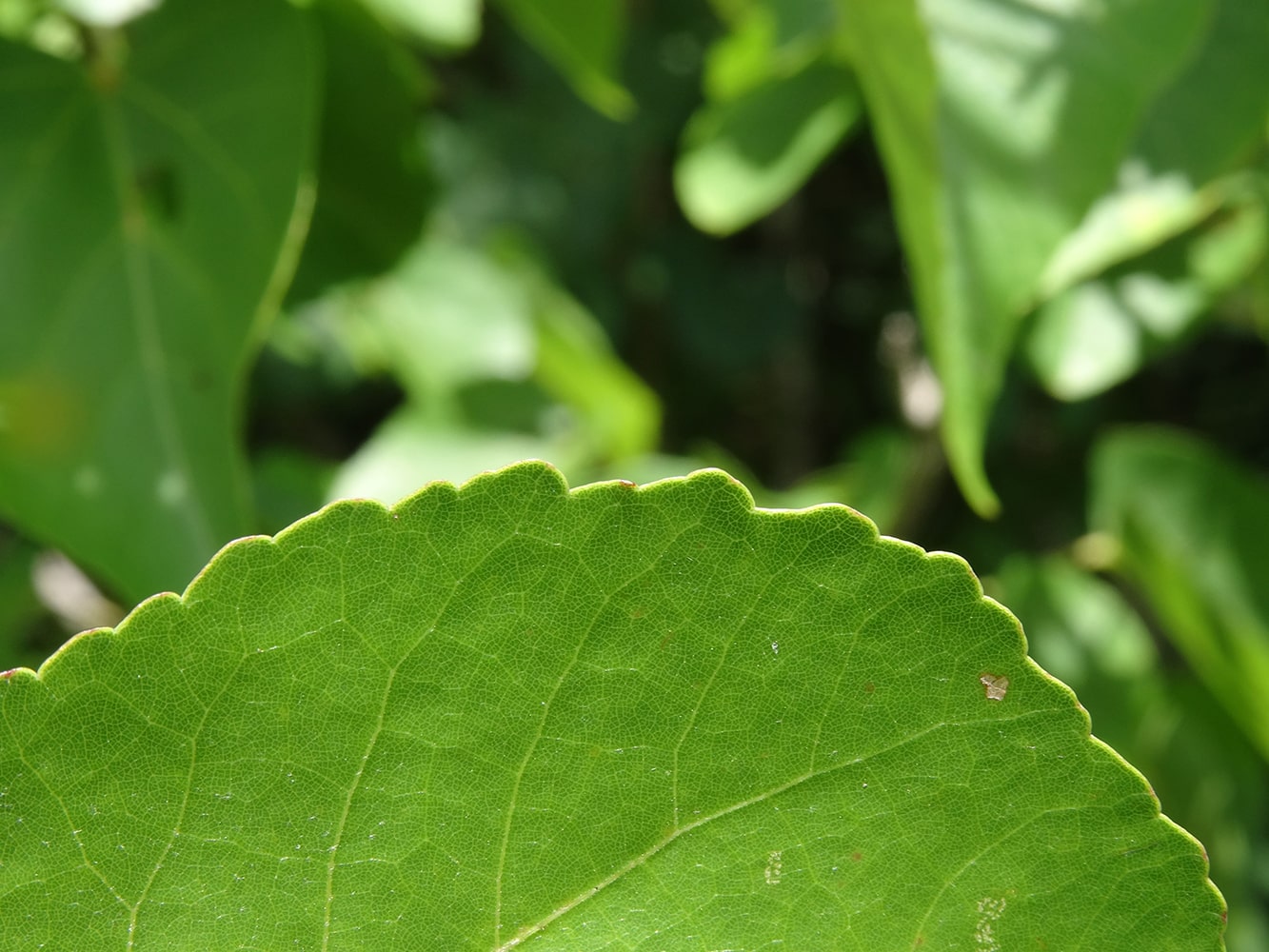
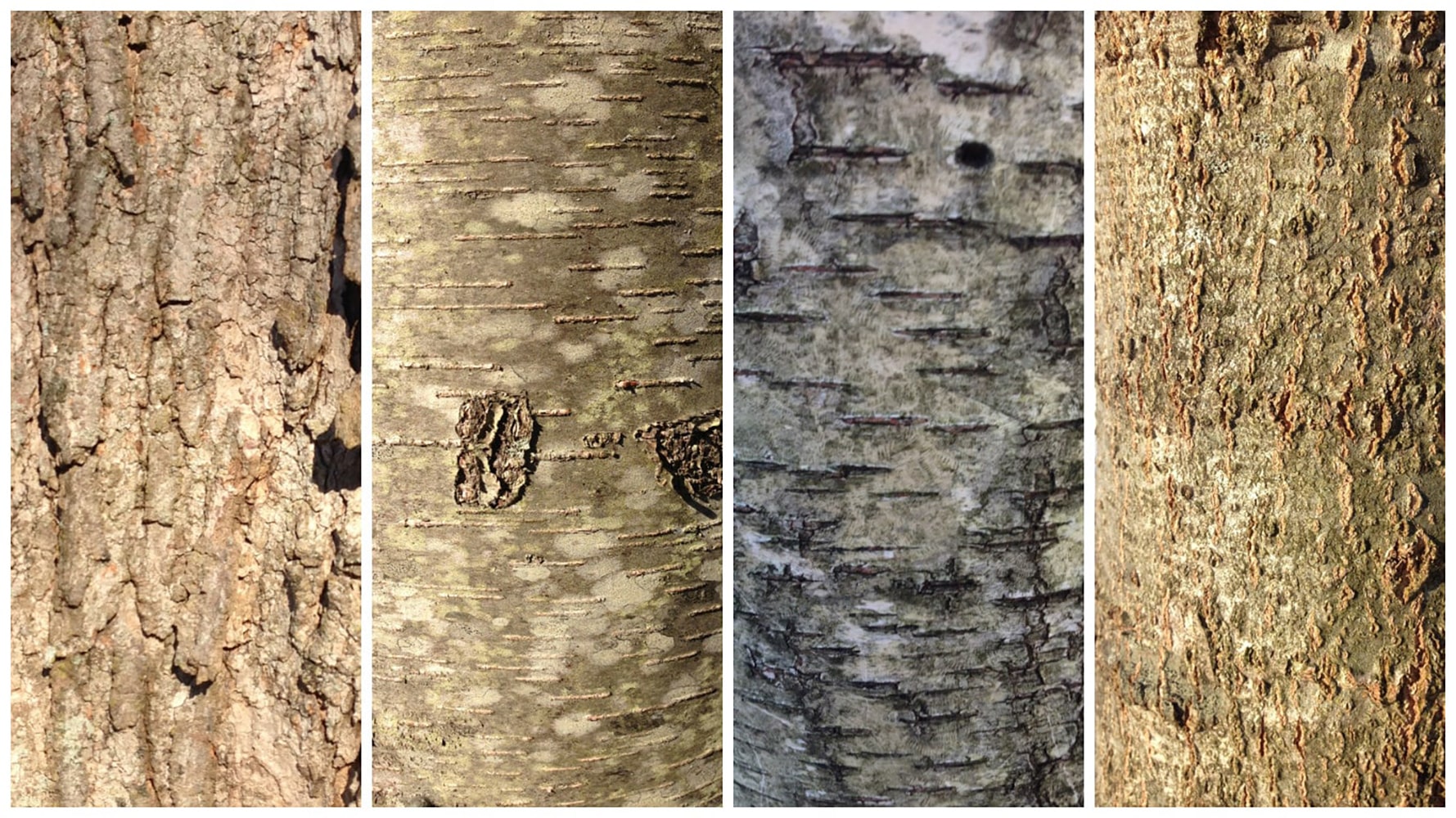
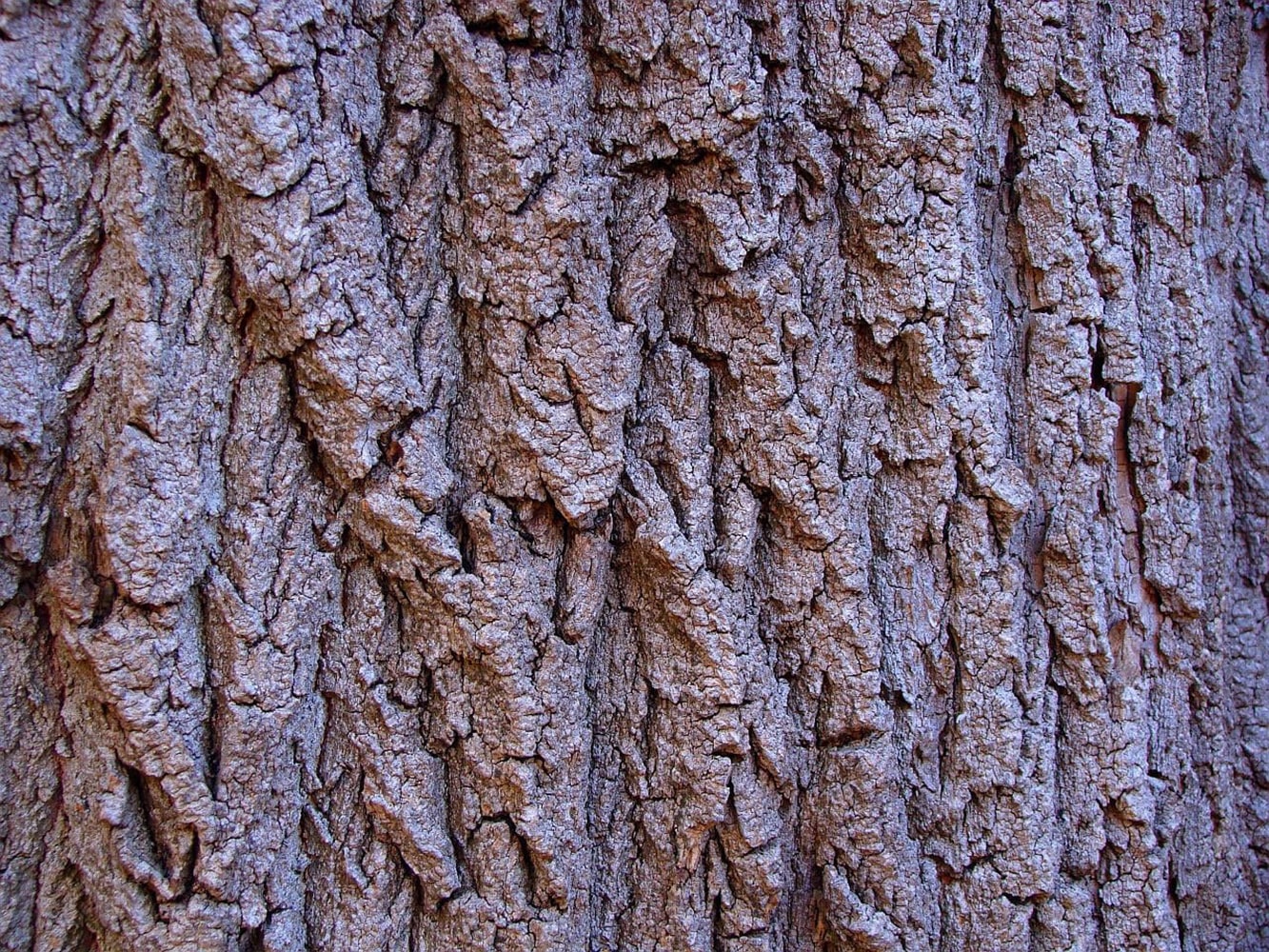
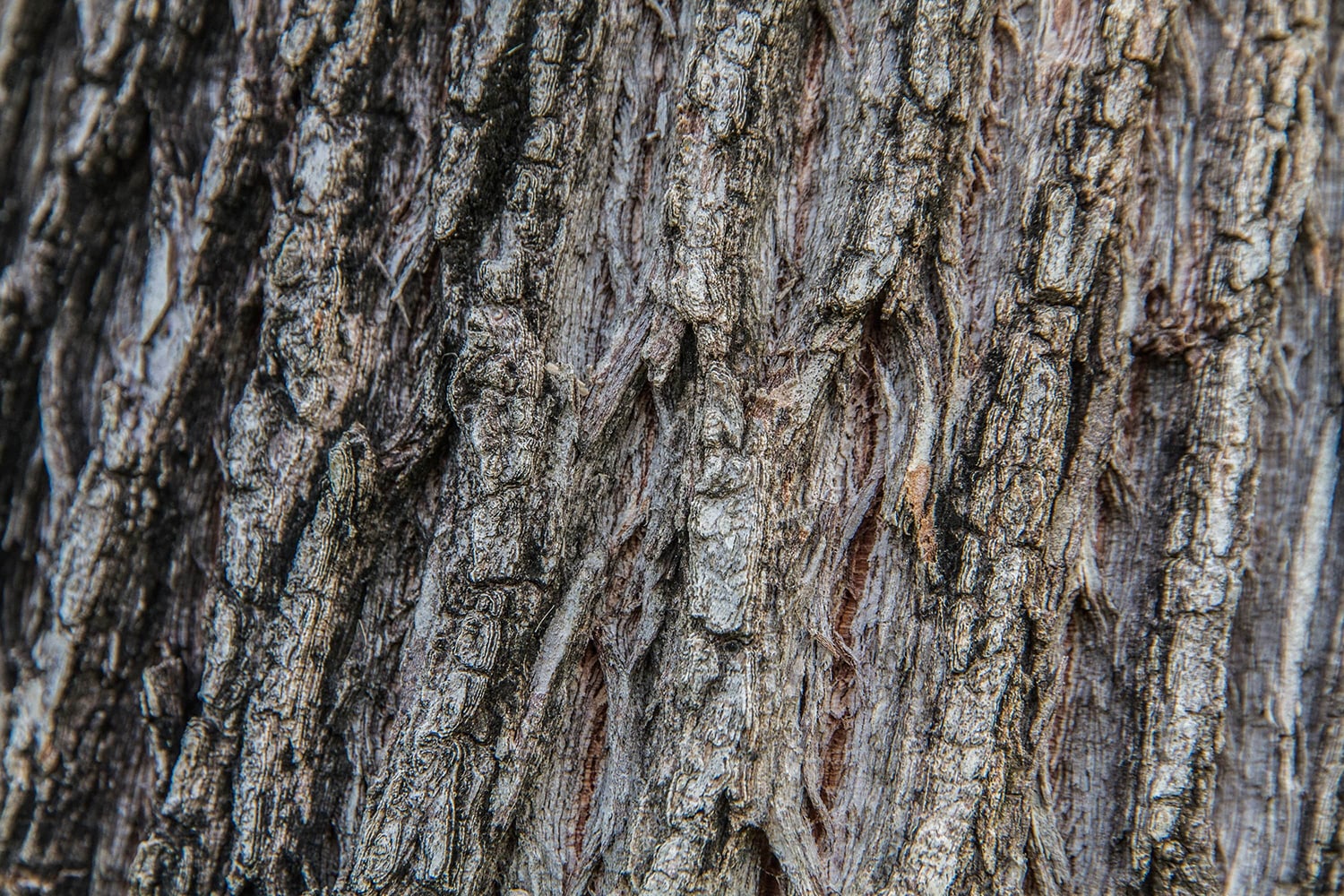
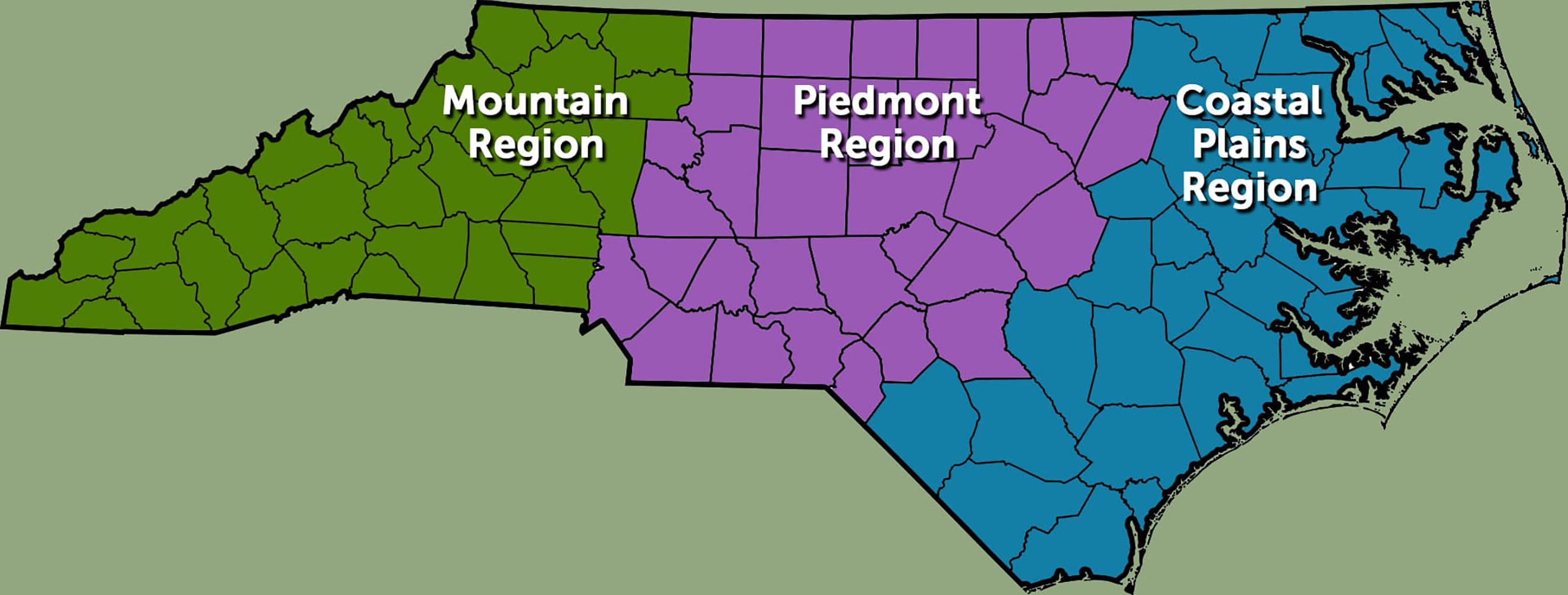
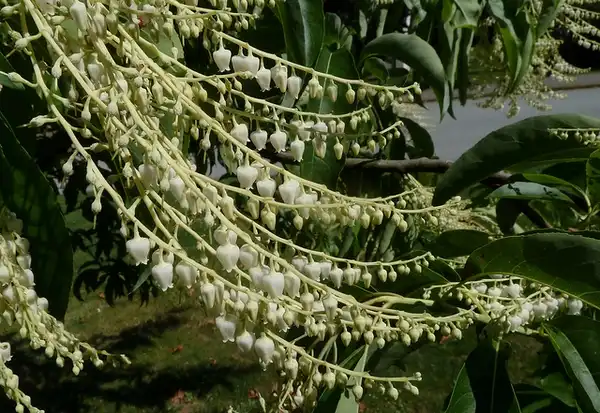
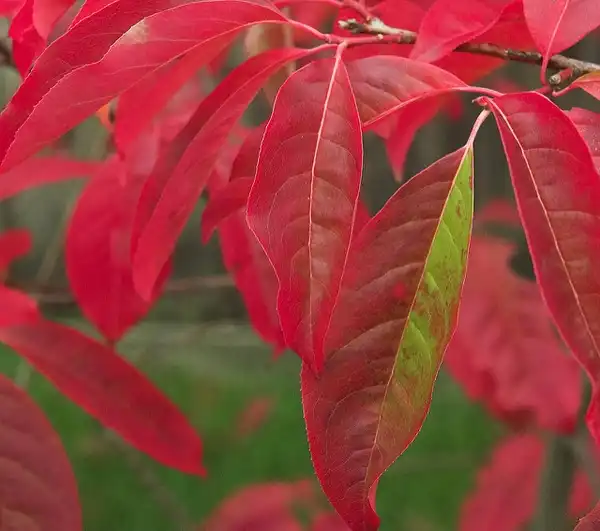
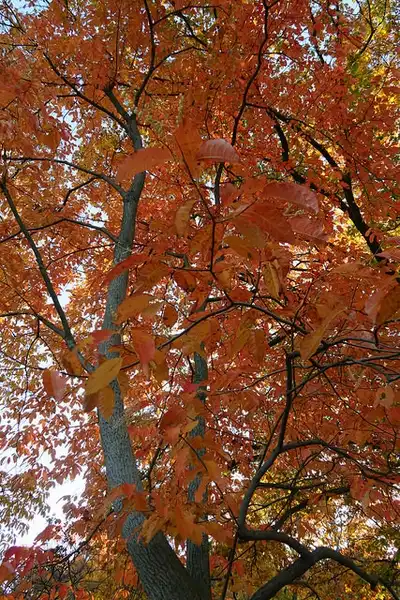
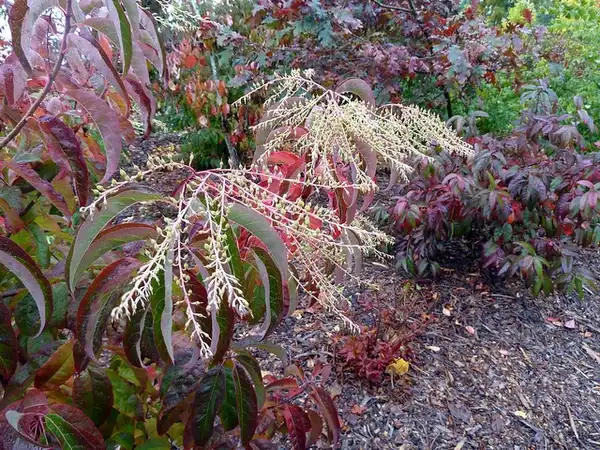
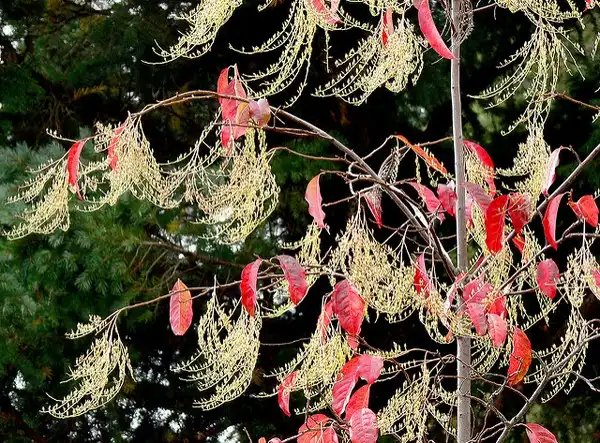
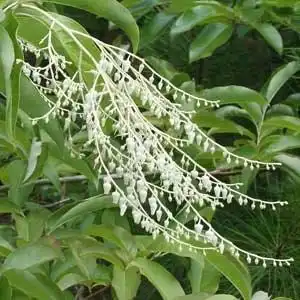
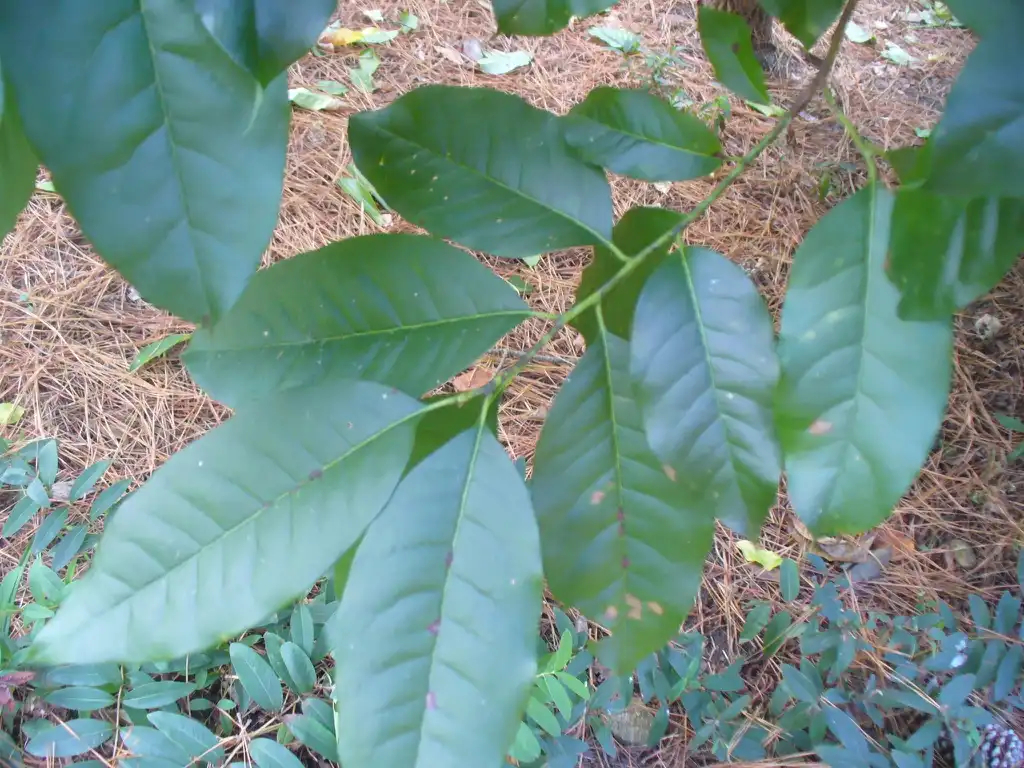
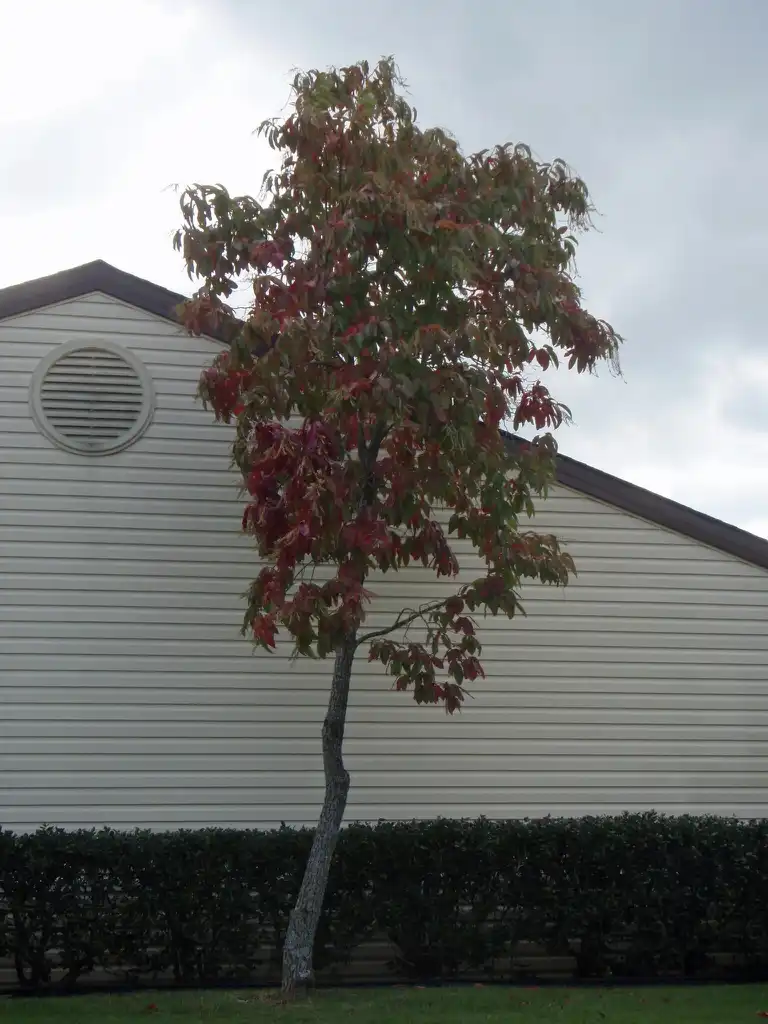
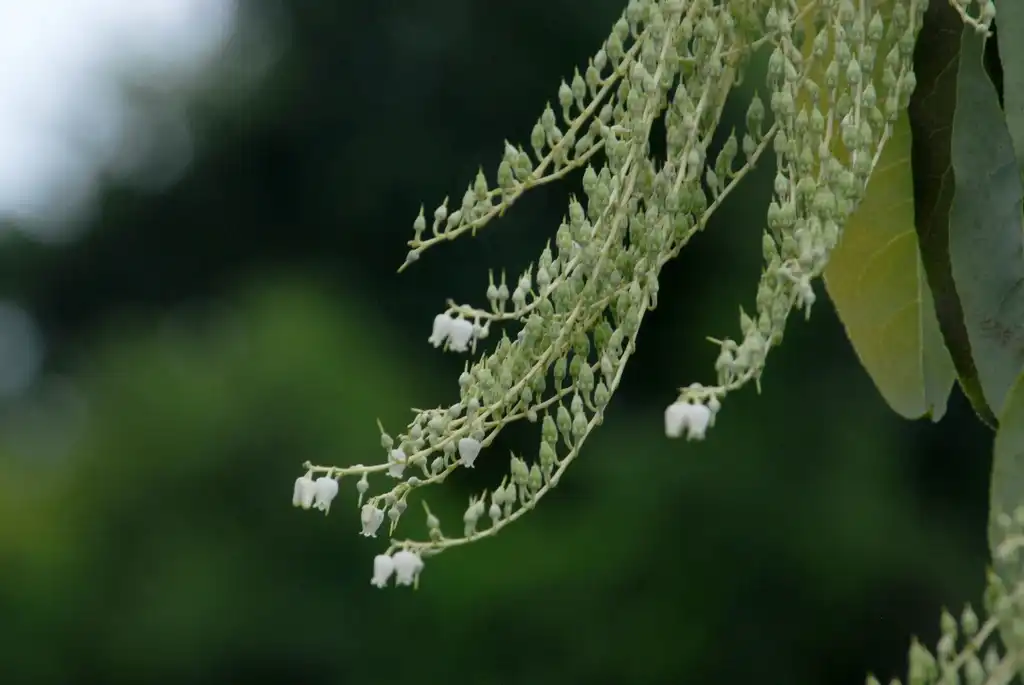
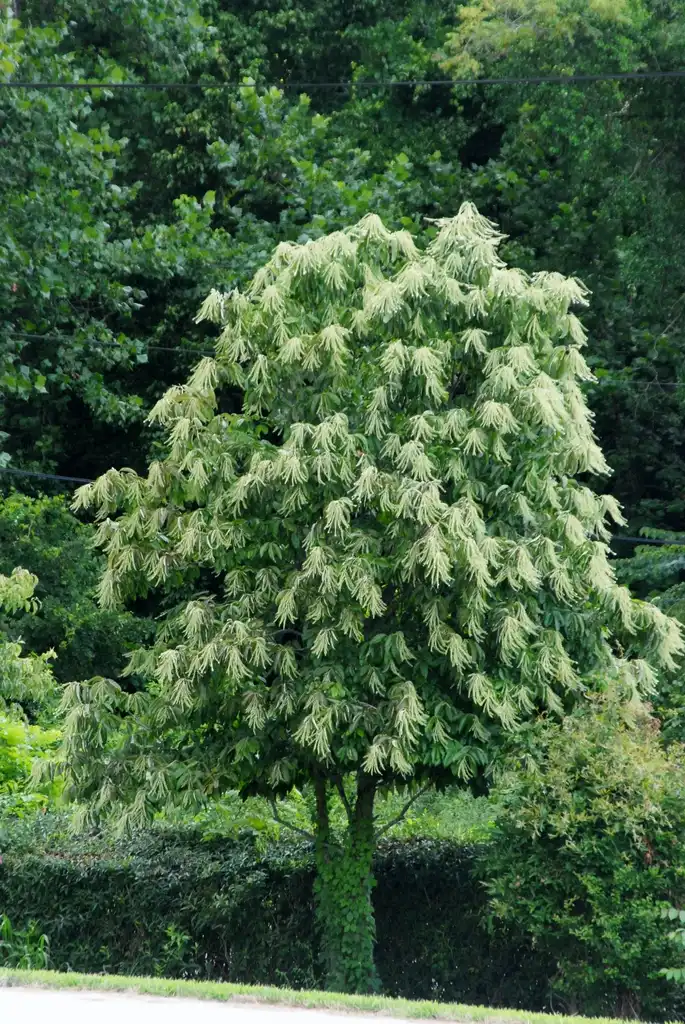
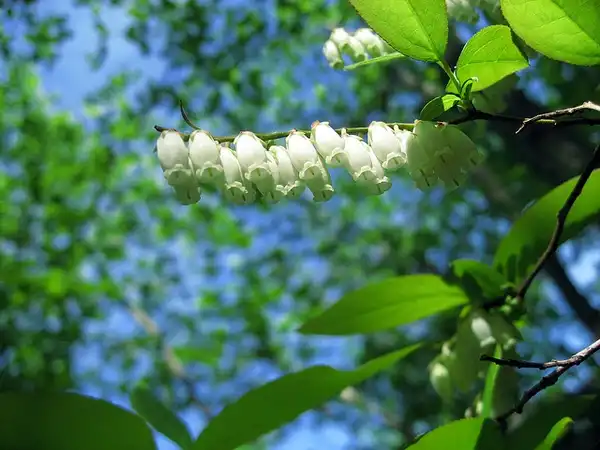
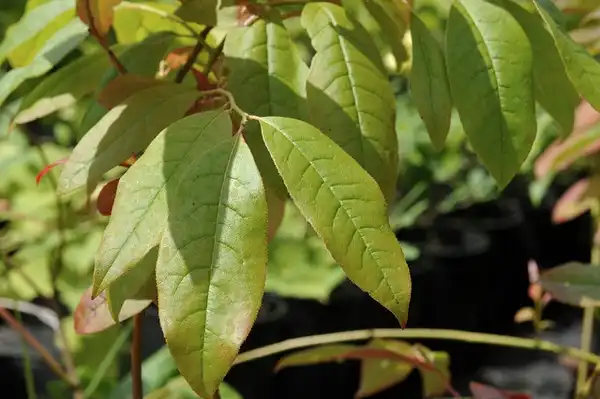
Oxydendrum arboreum, commonly known as Sourwood, is a deciduous small tree that typically reaches heights of 20 to 30 feet, with a trunk diameter ranging from 8 to 12 inches. This species is indigenous to North Carolina, where it can be found across the state, though it is less common in the low, alluvial plains. The tree features alternate leaves that resemble those of laurel, characterized by their finely serrated edges and a sour flavor. Its bark is a reddish-brown hue, marked by deep vertical grooves that create flat, pointed ridges. During mid-summer, the tree produces small, white, urn-shaped flowers that cluster in panicles. In the fall, it bears 5-valved capsules that release tiny, two-winged seeds. The autumn foliage displays vibrant shades of red to reddish-purple, and the terminal flower clusters are reminiscent of elongated, bony fingers. The blooming period occurs in early summer and lasts for about 3 to 4 weeks, with the flowers emitting a pleasant fragrance, although they tend to bloom less profusely in shaded areas.
Sourwood thrives in acidic, peaty, moist, well-drained soils and prefers full sun to partial shade. It can tolerate some shade and dry conditions, as well as moderate salt exposure, but it is sensitive to pollution and urban environments. The tree grows slowly and is generally free from significant pest or disease issues. It serves as an excellent specimen or understory tree and can be effectively grouped in small clusters within a woodland garden. It benefits from the shelter of taller shrubs and trees but does not fare well in drought or polluted urban settings. This ornamental species typically begins to flower 4 to 5 years after being planted from seed.
The common name, Lily of the Valley Tree, is derived from the resemblance of its flowers to those of the Lily of the Valley plant. Additionally, honey produced from the nectar of Sourwood flowers is highly esteemed for its distinctive color and flavor.
In terms of potential issues, the fall webworm may occasionally affect the tree, while leaf spot and twig blight are rare occurrences. Sourwood trees do not respond well to transplantation, so it is advisable to only move young specimens.
Oxydendrum arboreum Feature Summary
Oxydendrum arboreum Image Gallery