

Carya tomentosa: Uses (Ethnobotany)
Used as lumber, pulpwood, charcoal, fuelwood, veneer, ladder rungs, athletic goods, agricultural implements, dowels, gymnasium apparatus, poles, shafts, well pumps, furniture, pallets, blocking
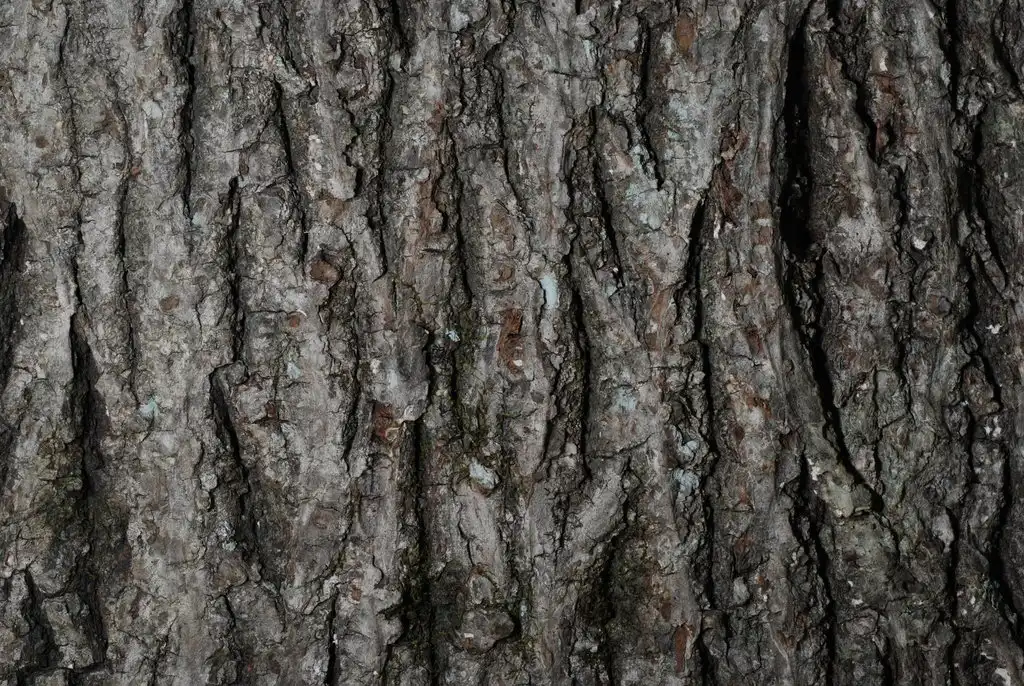
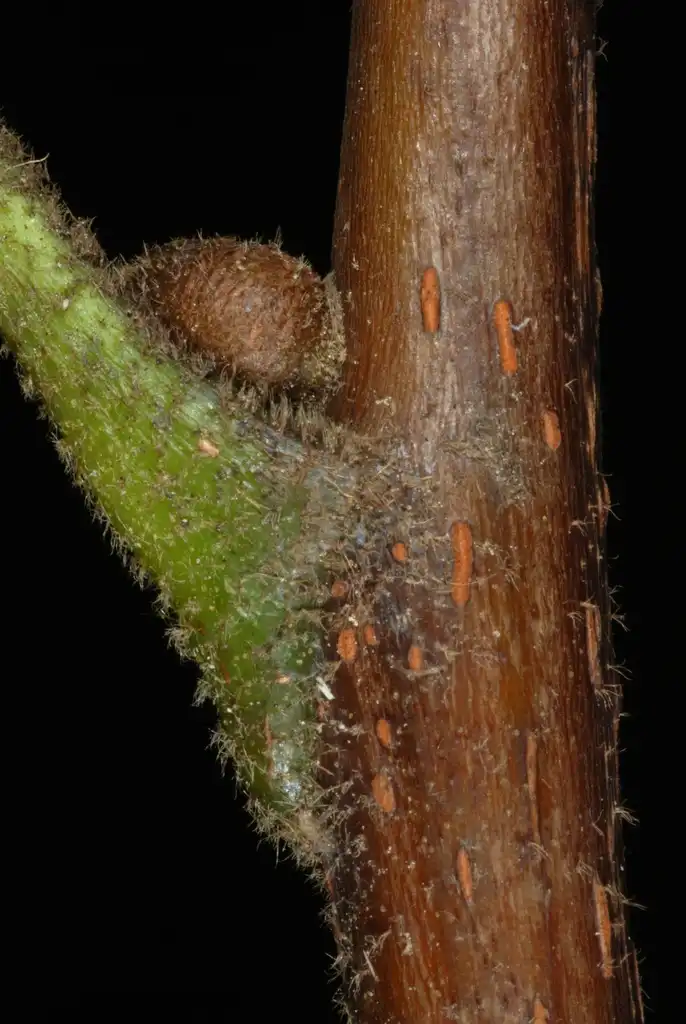
Phonetic Spelling:KAIR-yuh toh-men-TOH-suh
Genus:Carya
Species:tomentosa
Family:Juglandaceae
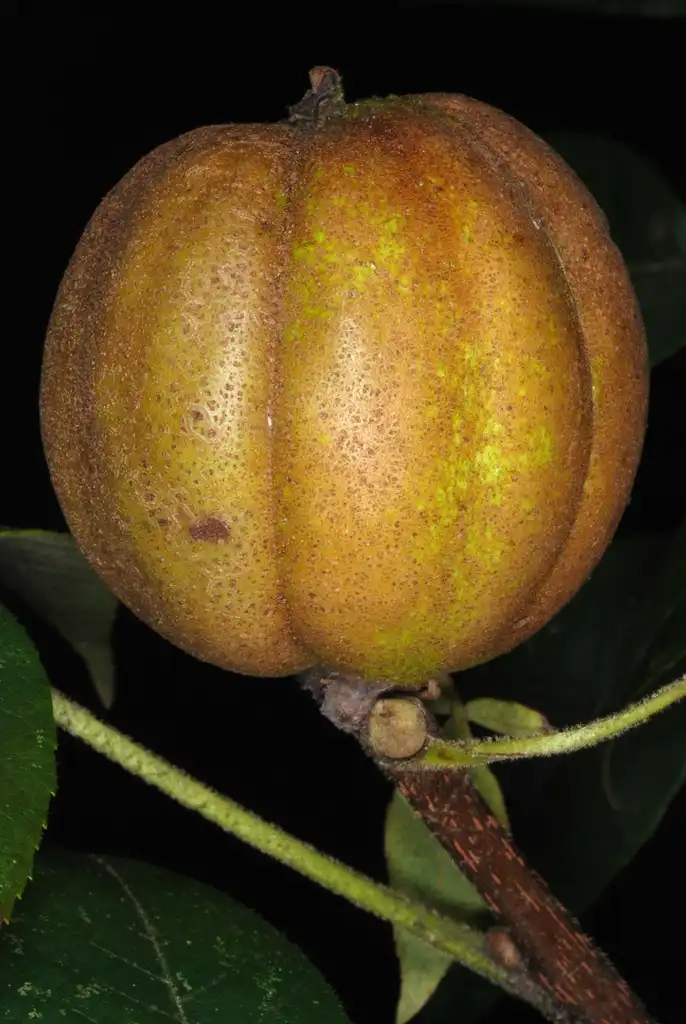
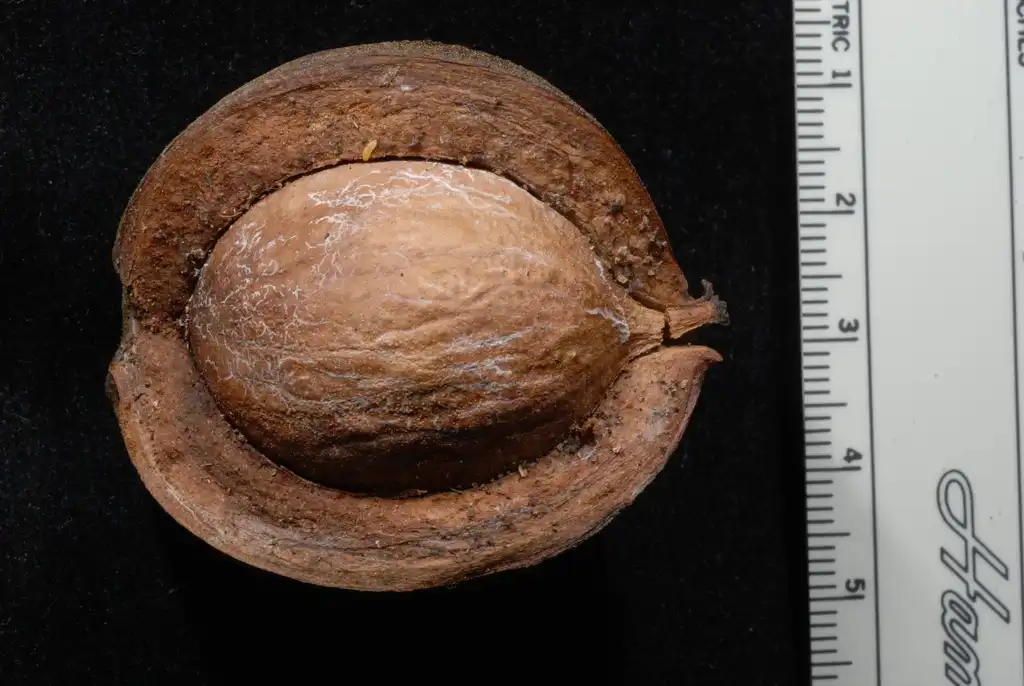
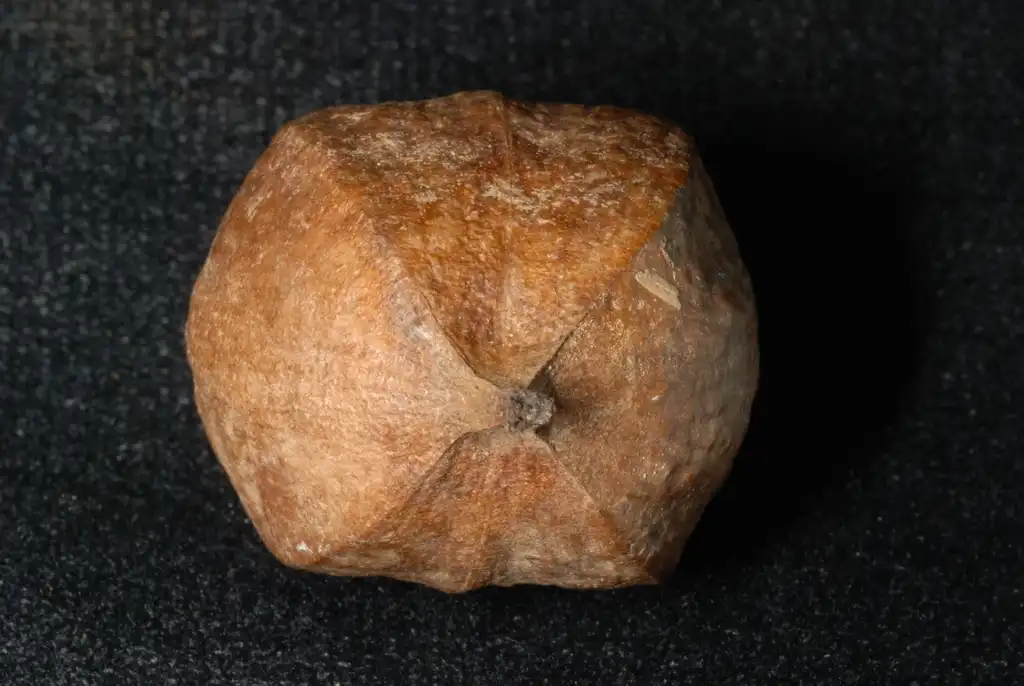
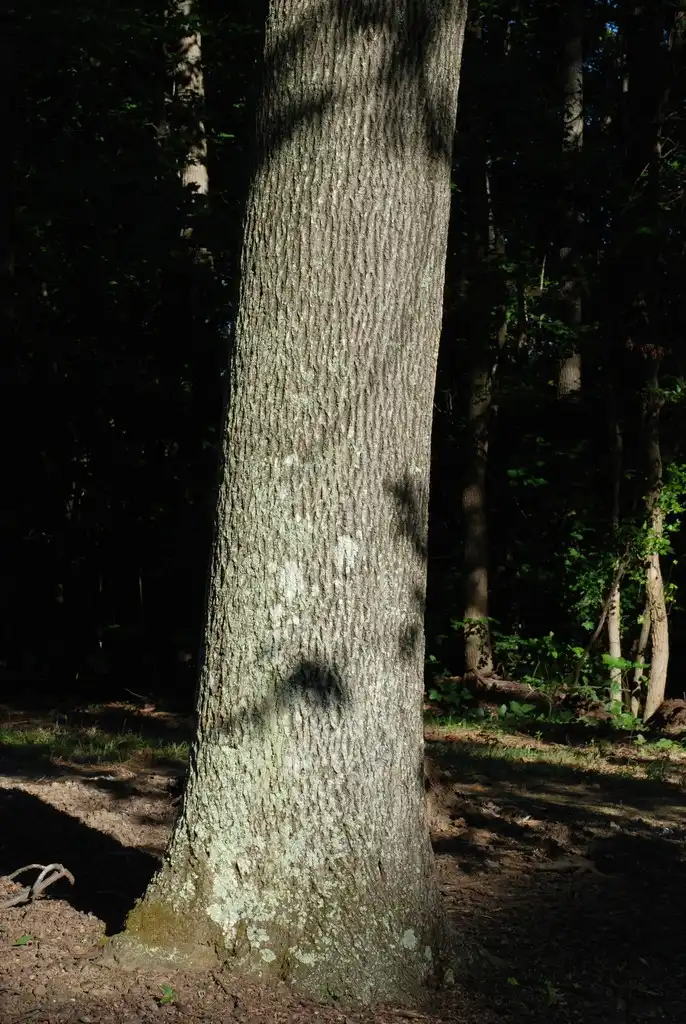
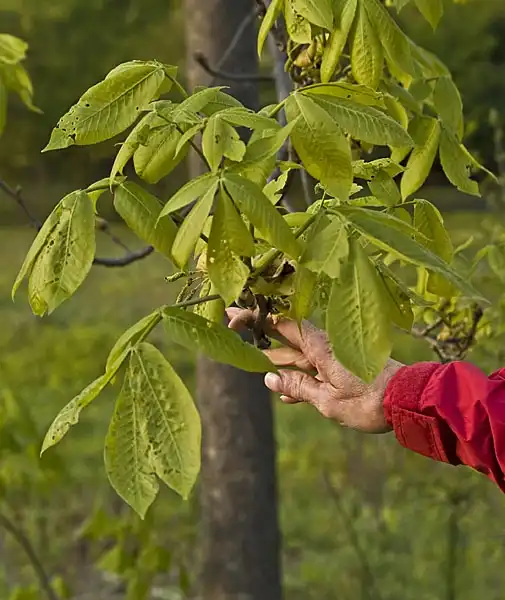
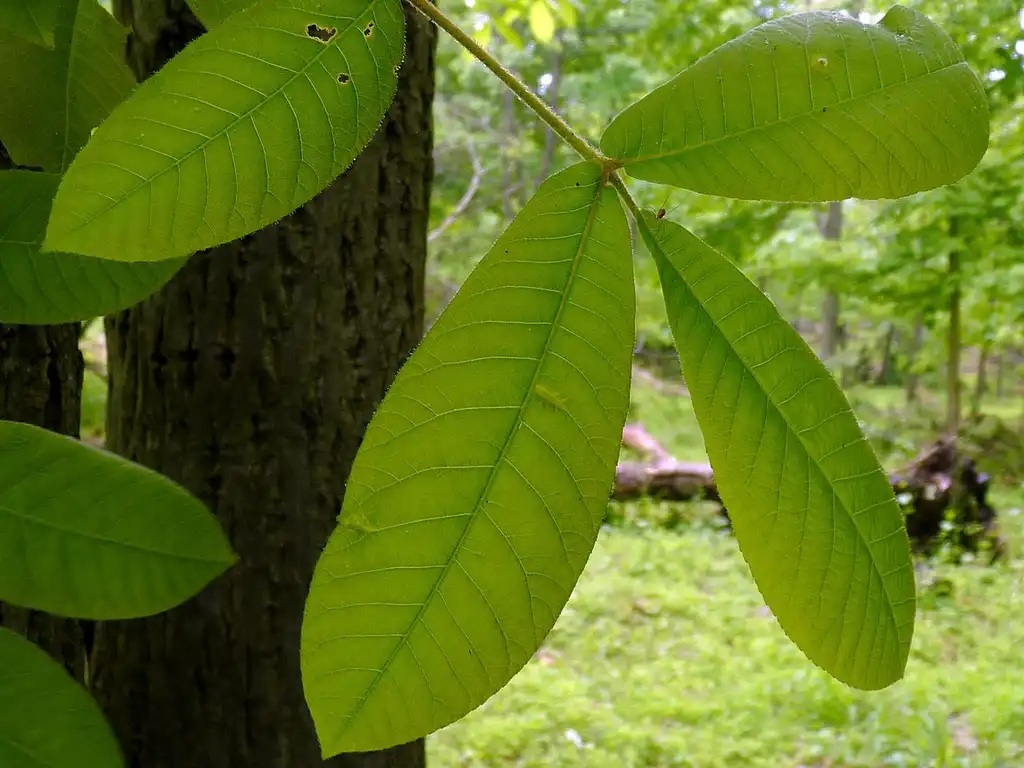
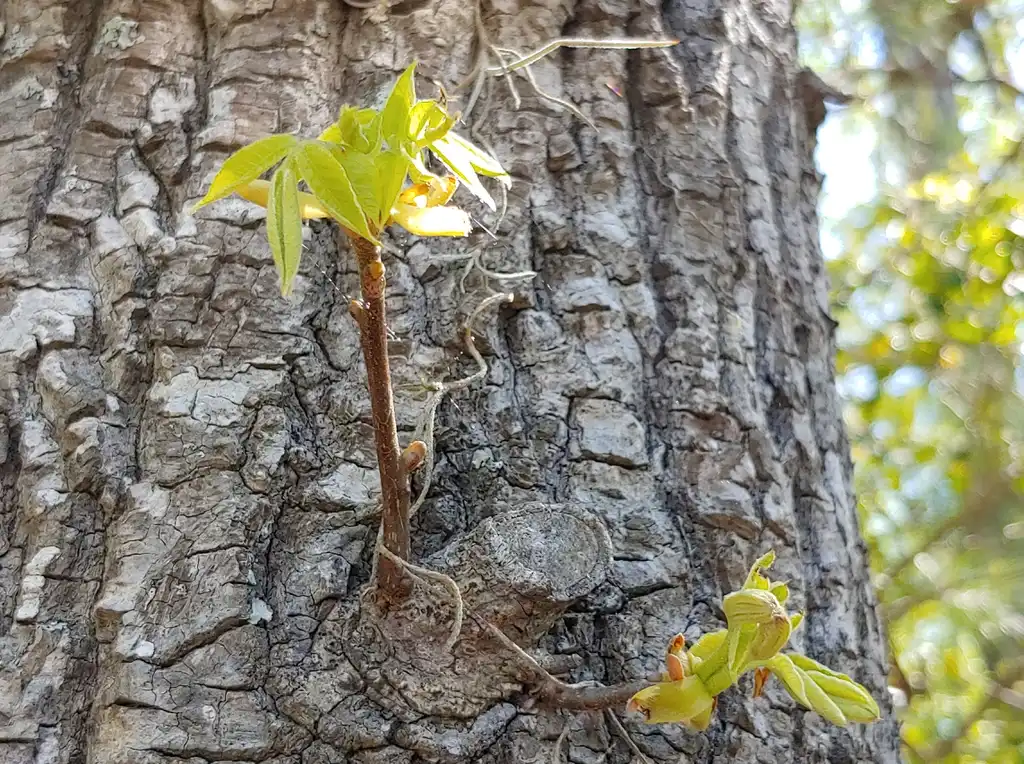
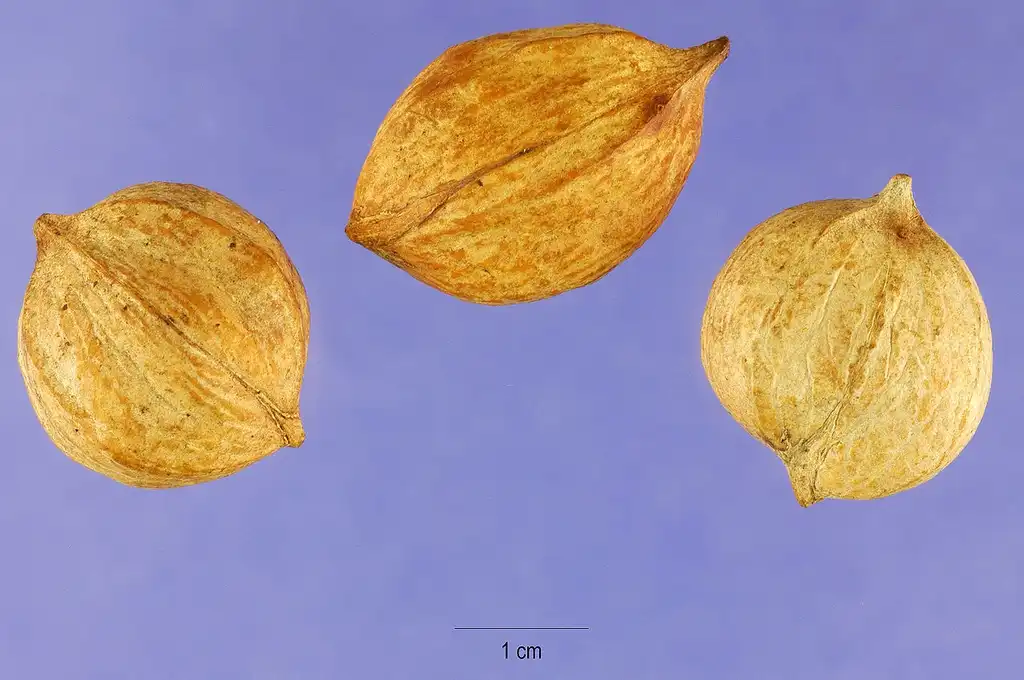
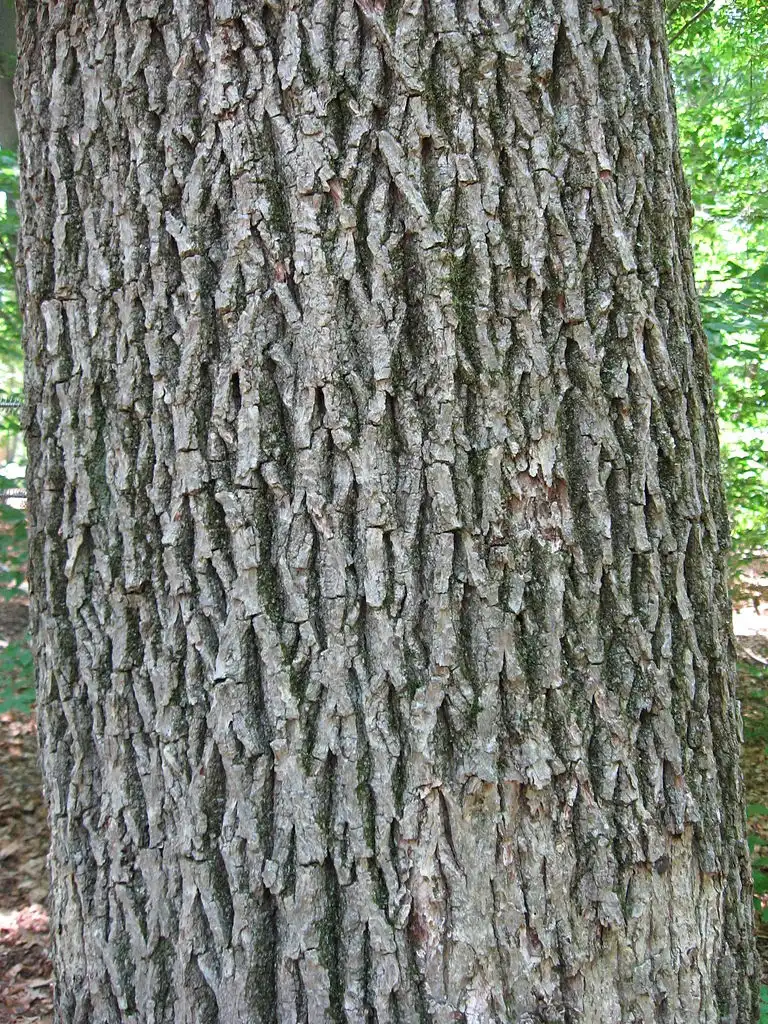
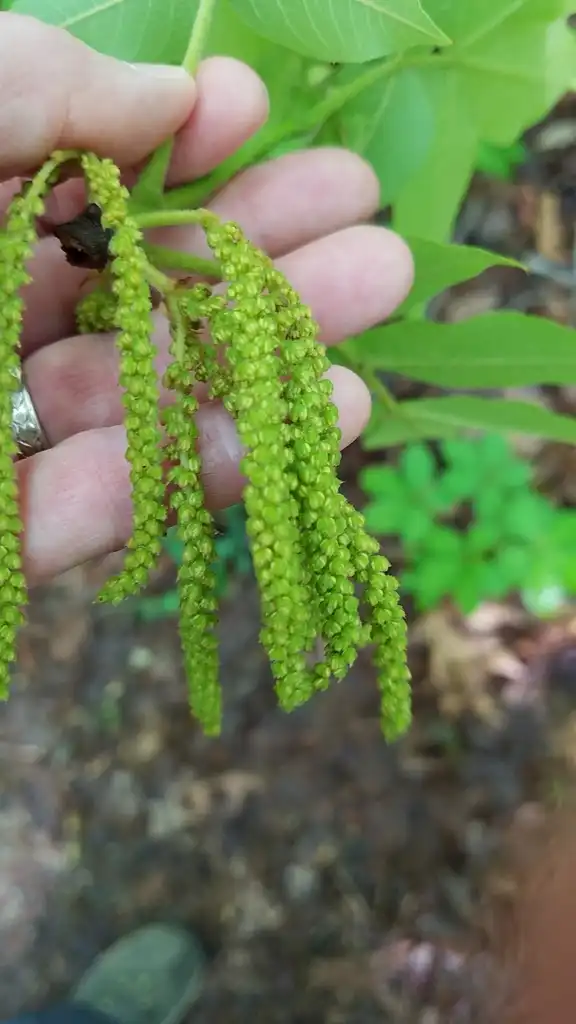
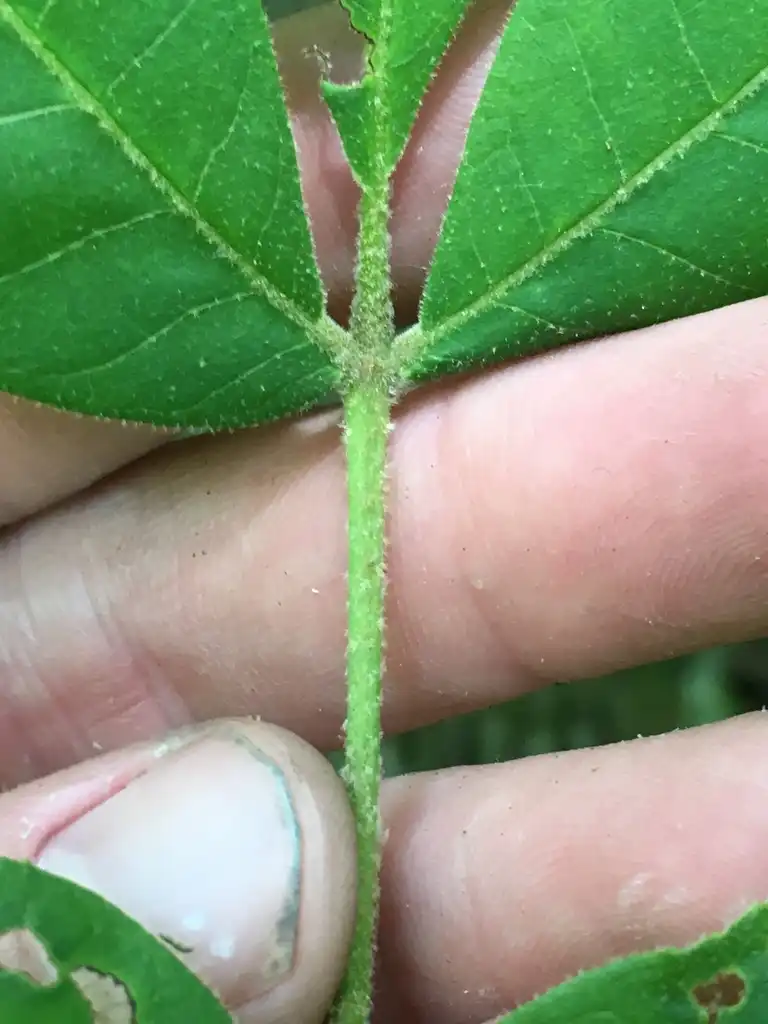
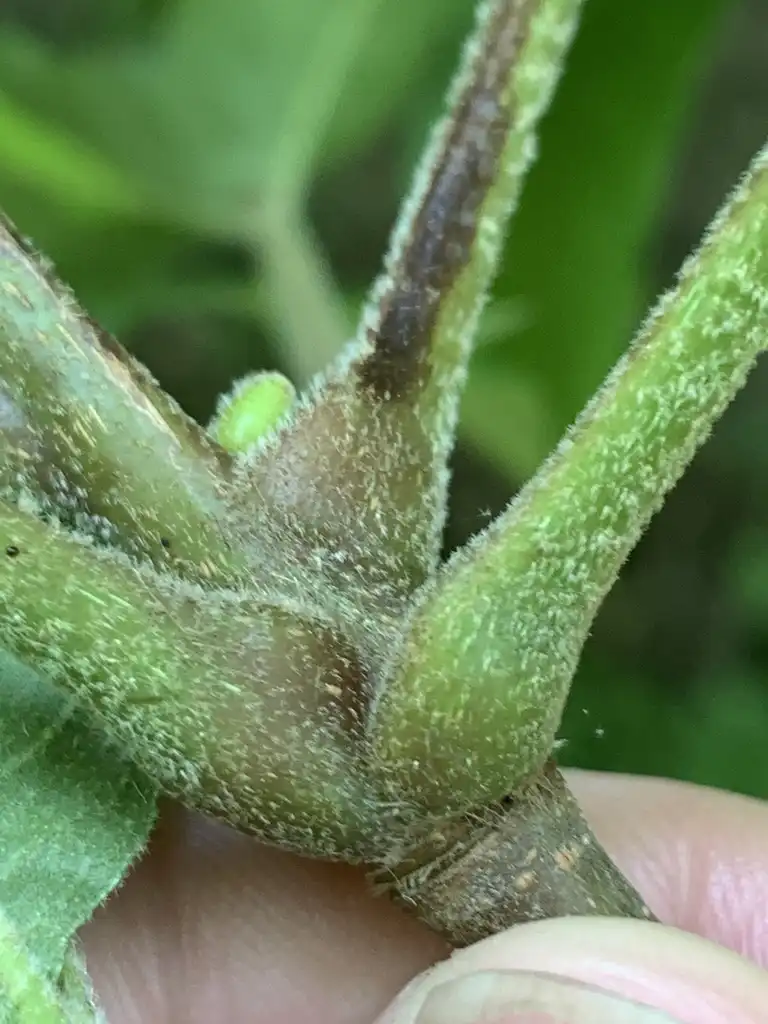
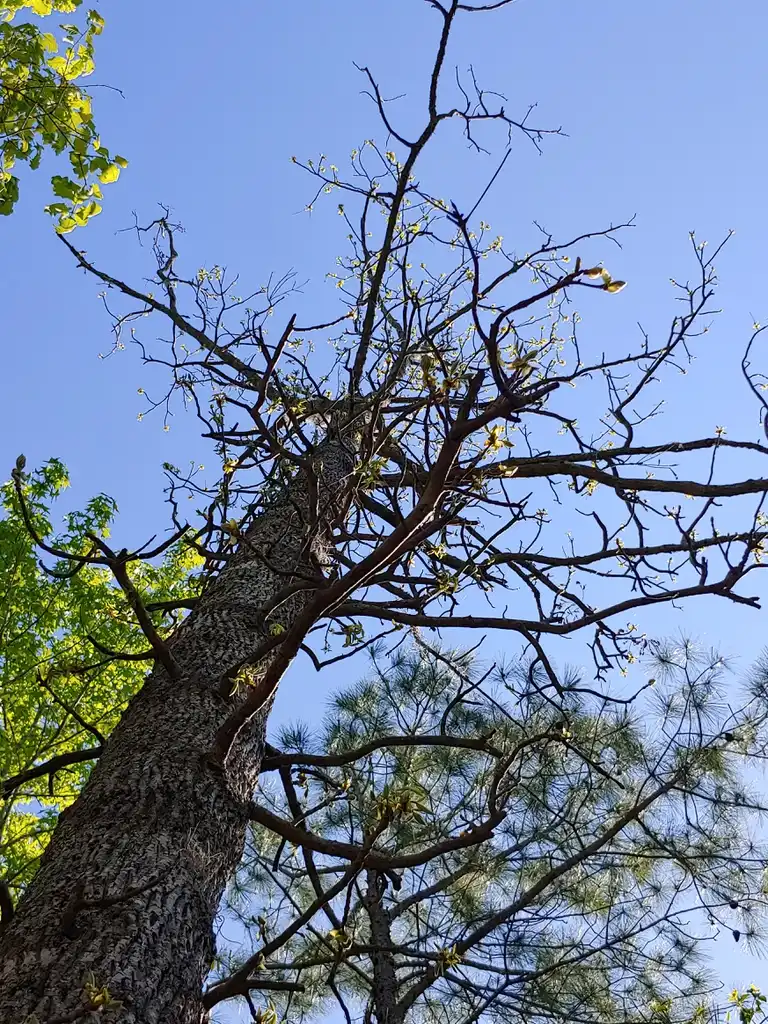
The Mockernut Hickory is a sizable deciduous tree indigenous to the eastern and central regions of the United States, thriving throughout North Carolina. This tree exhibits a slow growth rate, typically reaching heights between 50 and 80 feet or even taller. Its crown is characterized by a rounded and dense shape. It takes approximately 25 years for the tree to begin producing its edible nuts, but it can continue to yield them for up to 200 years. Known for its robust and straight trunk, the wood of the Mockernut Hickory is utilized for various purposes, including crafting items and as firewood. The wood is predominantly white, with a small amount of darker heartwood, which contributes to its common name.
This tree demonstrates adaptability to both sandy and clay loam soils, provided they have good drainage, and it exhibits drought resistance once established. It thrives best in full sunlight and rich, moist soil, requiring ample space for growth. Due to its deep taproot, transplanting can be quite challenging.
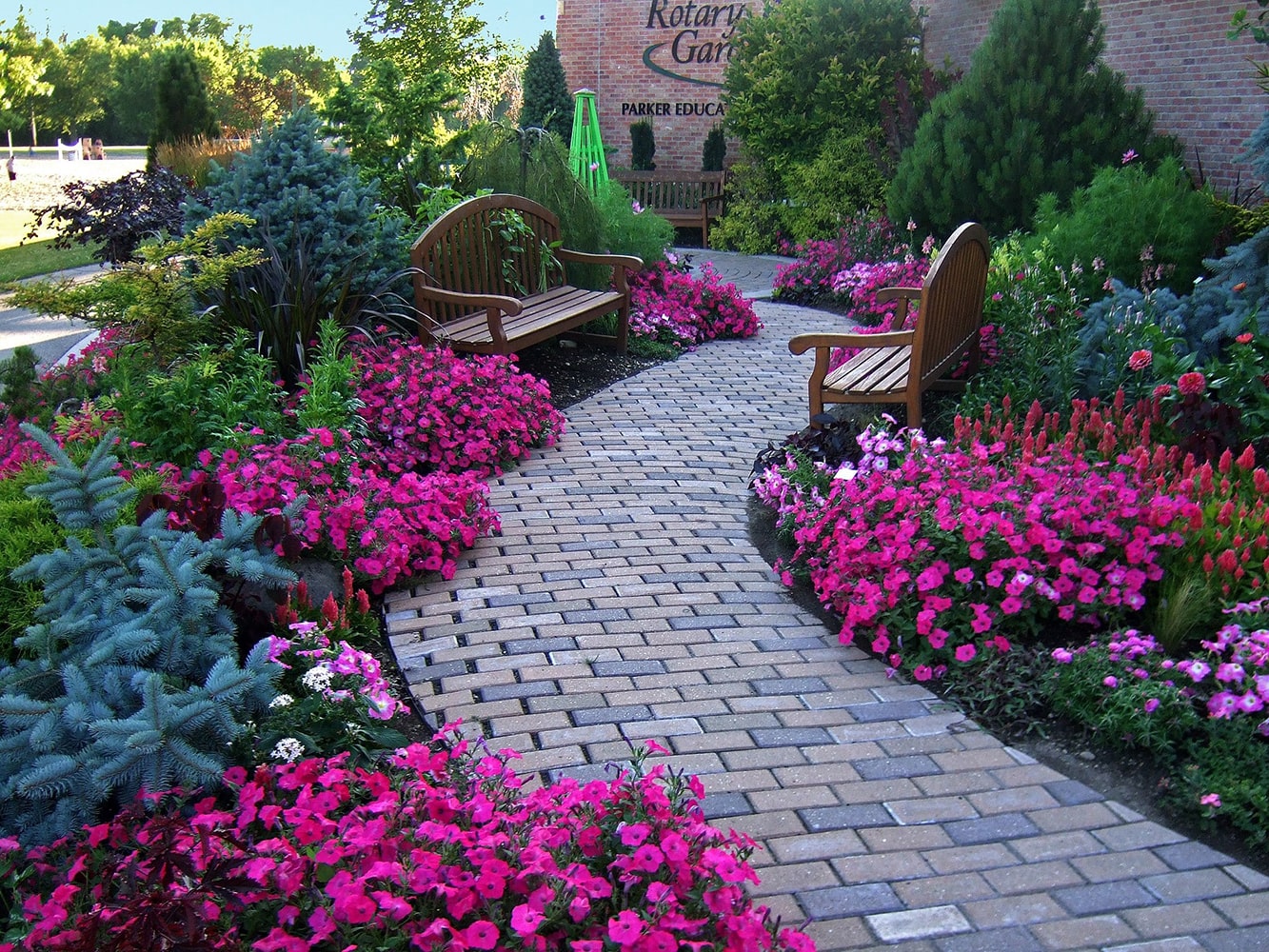
The Mockernut Hickory is an excellent choice for parks, spacious yards seeking shade, or naturalized landscapes.
In terms of pests and diseases, this tree generally faces few serious issues. Potential insect threats include the hickory bark beetle, pecan weevil, borers, and twig girdlers. Occasionally, it may be affected by diseases such as whiteheart rot, anthracnose, leaf blotch, powdery mildew, leaf spot, cankers, catlin blight, crown gall, and scab.
Carya tomentosa Feature Summary