Plant Profile: Carya pallida

Taxonomy: Carya pallida

Names

Pale Hickory, Sand Hickory

  • Photo of Carya pallida (Carya pallidas)

Phonetic Spelling:

Genus:Carya

Species:pallida

Family:Juglandaceae

Sand hickory is a sizable deciduous tree belonging to the Juglandaceae family, which includes walnuts, and is indigenous to the southeastern United States. True to its name, it typically thrives in sandy or rocky soil conditions. This tree features a straight trunk and can attain heights of up to 80 feet, topped with a lush, dense crown.


Carya pallida Feature Summary

Carya pallida Image Gallery

Tags

#large tree
#native tree
#NC native
#deciduous tree

Similar Plants

Carya pallida is often confused with:

Carya pallida Feature Summary

Attributes
Eastern U.S.A. to southern IL
Fruit
Pear-shaped to round nut 3/4"-1 1/2" wide, yellow when young dark brown when mature in early fall.
Brown/Copper
Gold/Yellow
1-3 inches
Flowers
Moneceious male flowers catkins, female flowers in clusters at the tips of branches, appear in mid-spring.
Leaves
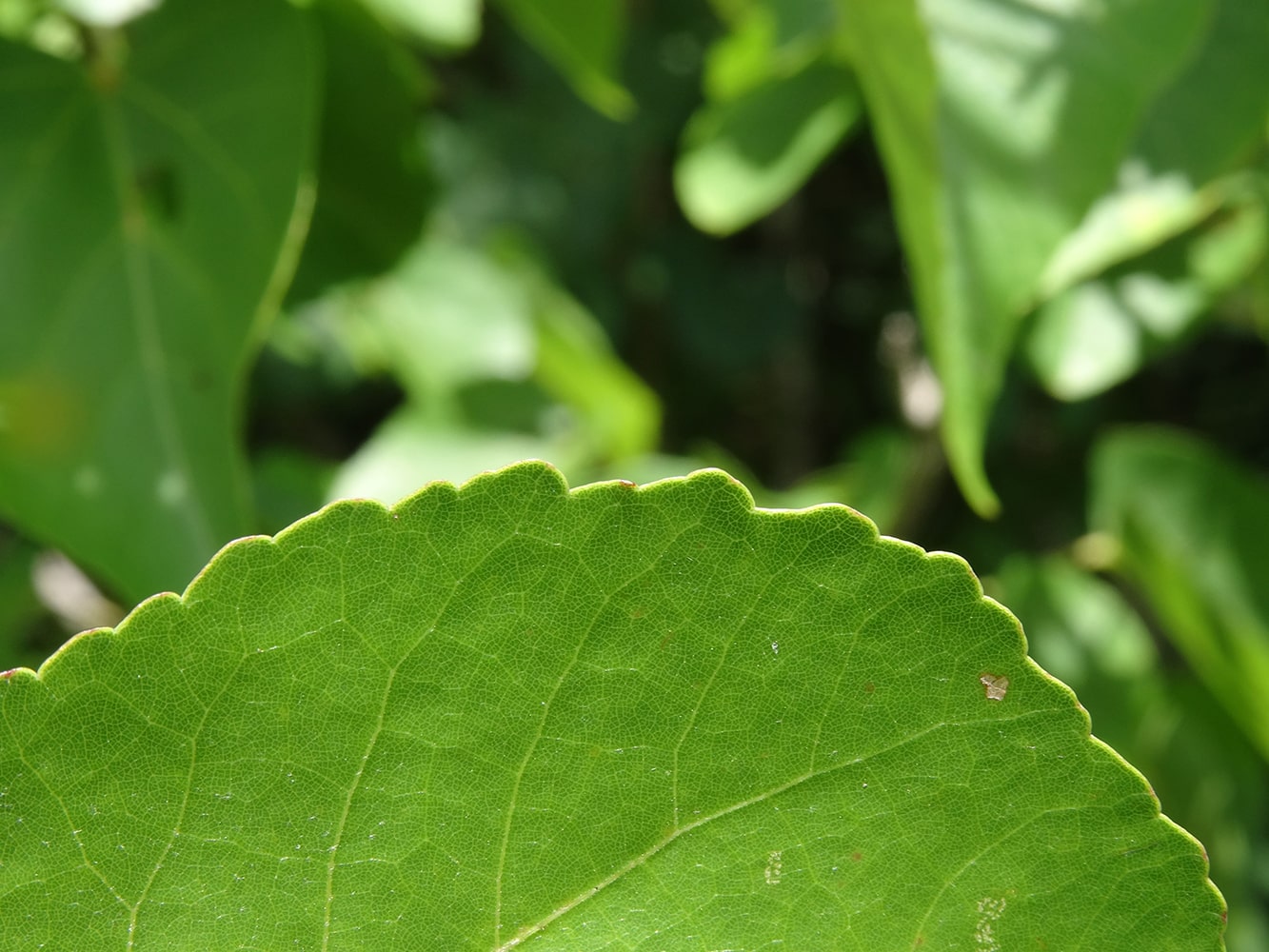
Alternate, pinnately compound with 5-9 serrated, lance to ovate leaflets. Underside is pale, silvery and pubesent
Compound (Pinnately , Bipinnately, Palmately)
Ovate
Lanceolate
Bark
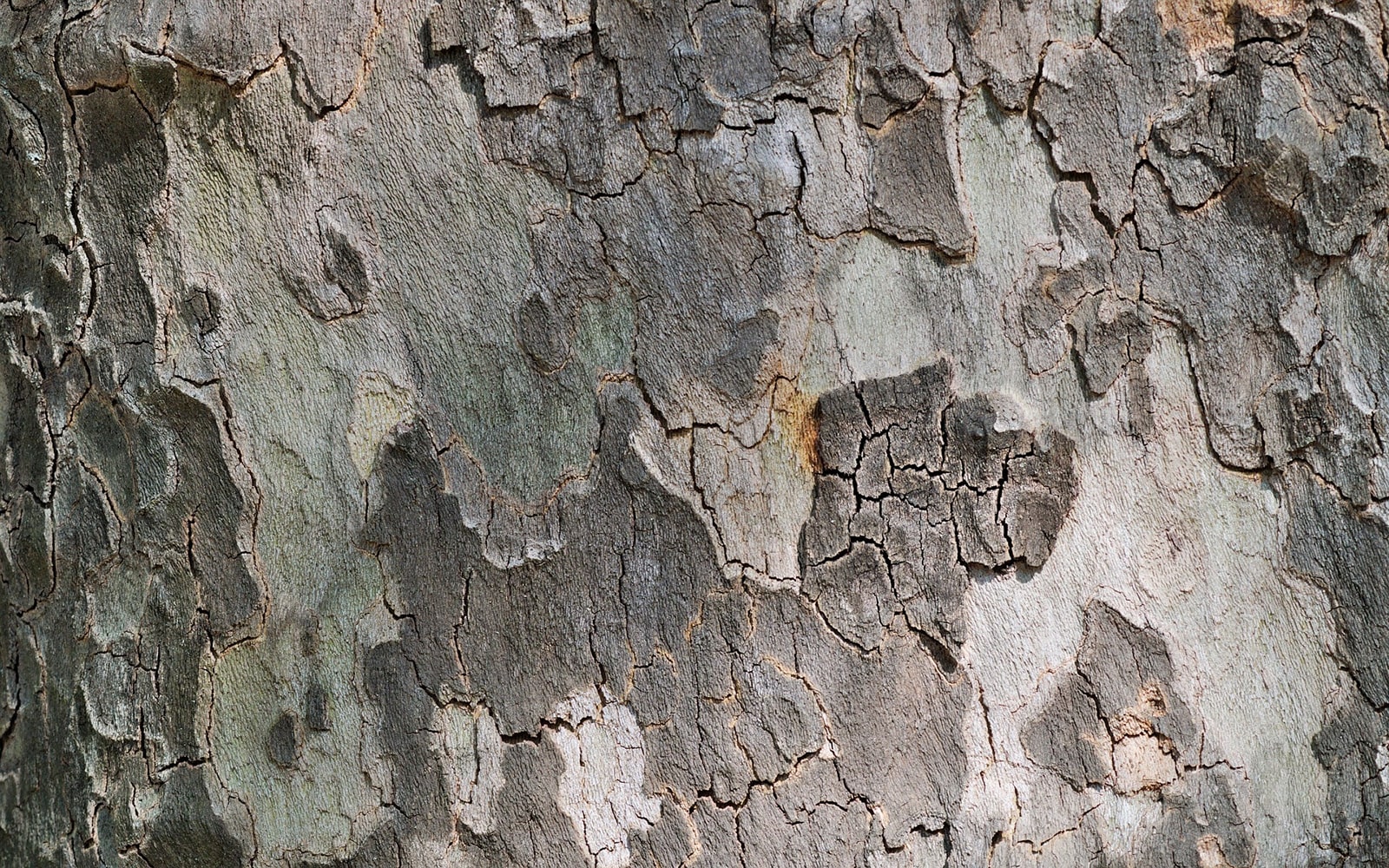
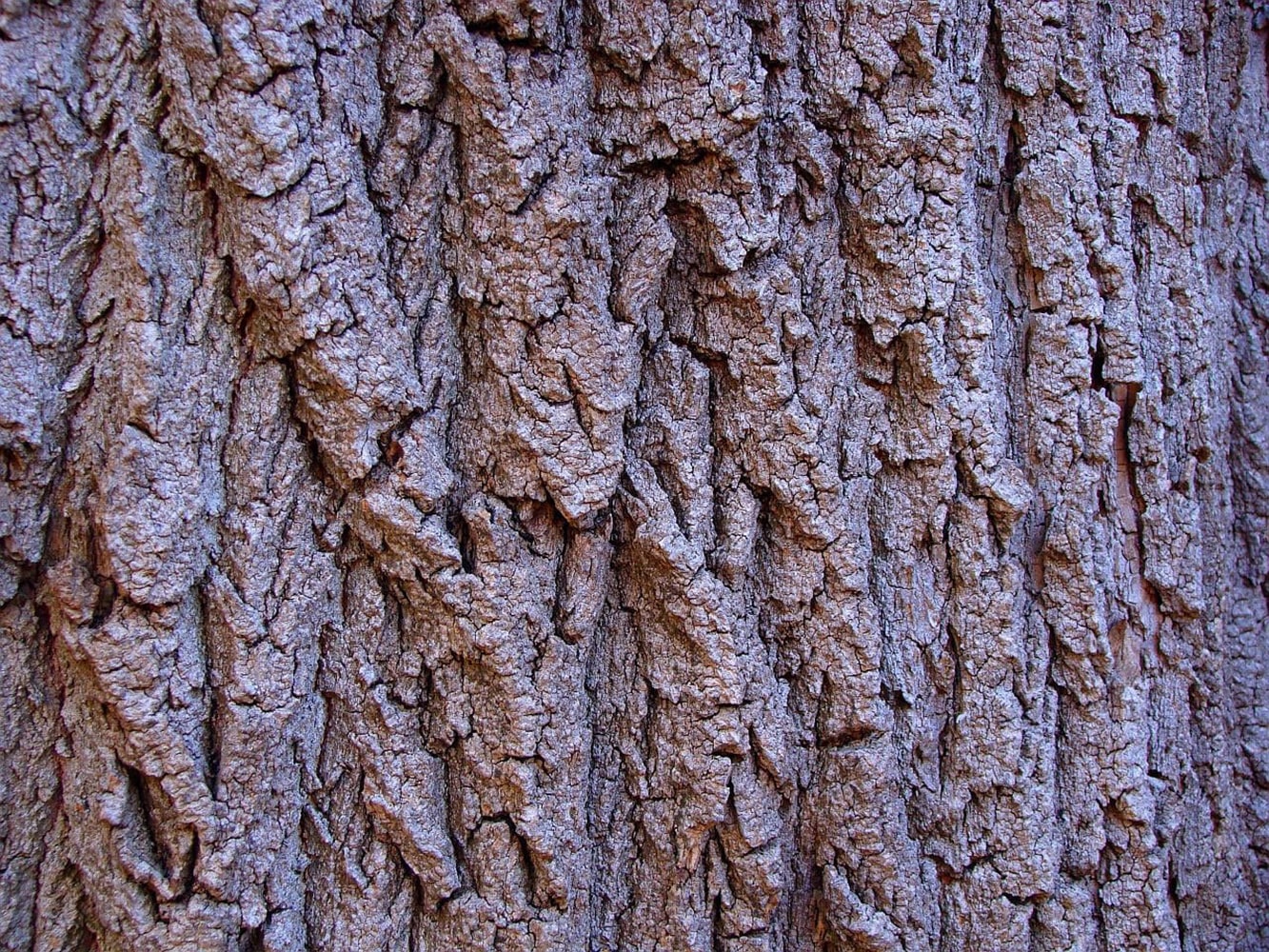
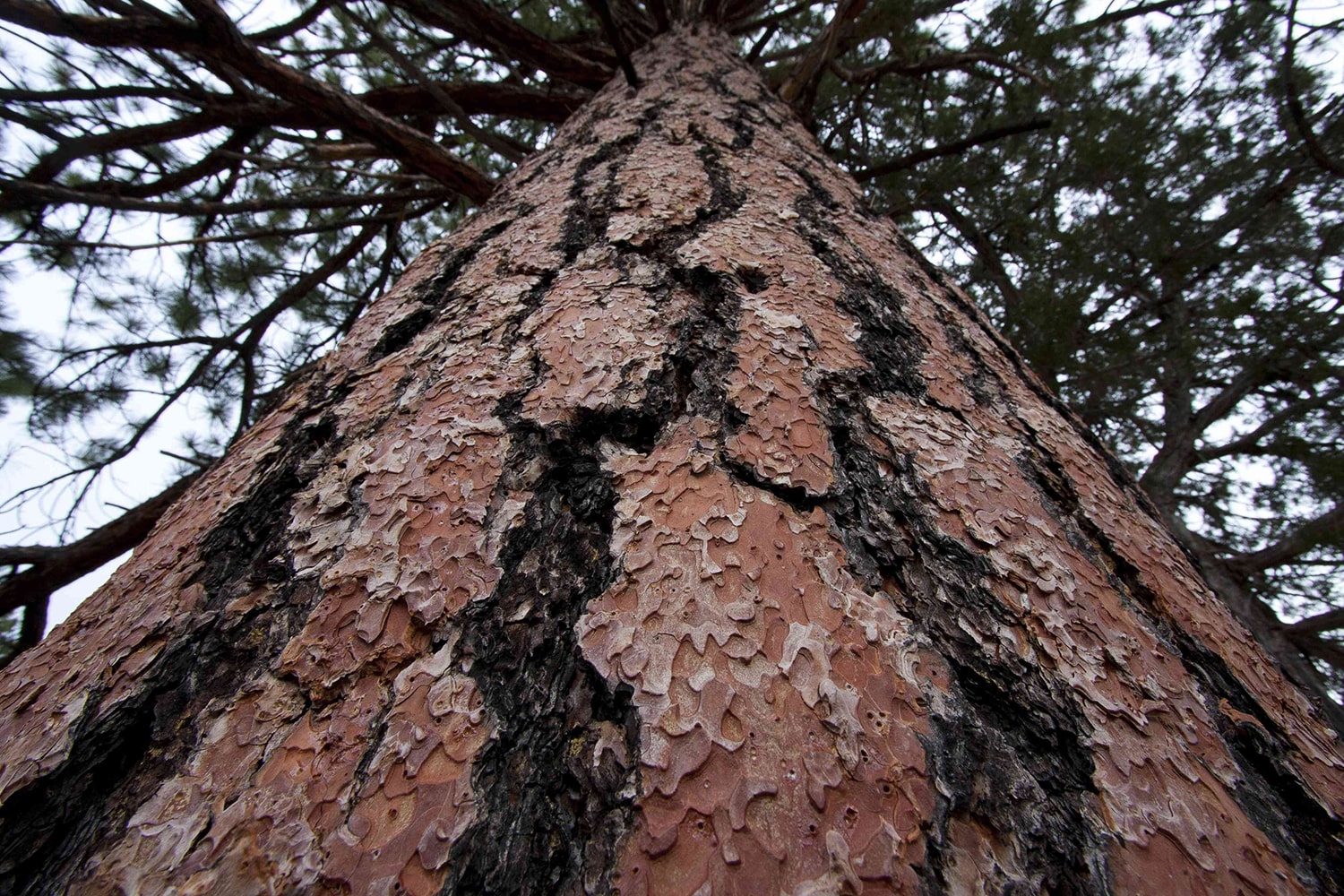
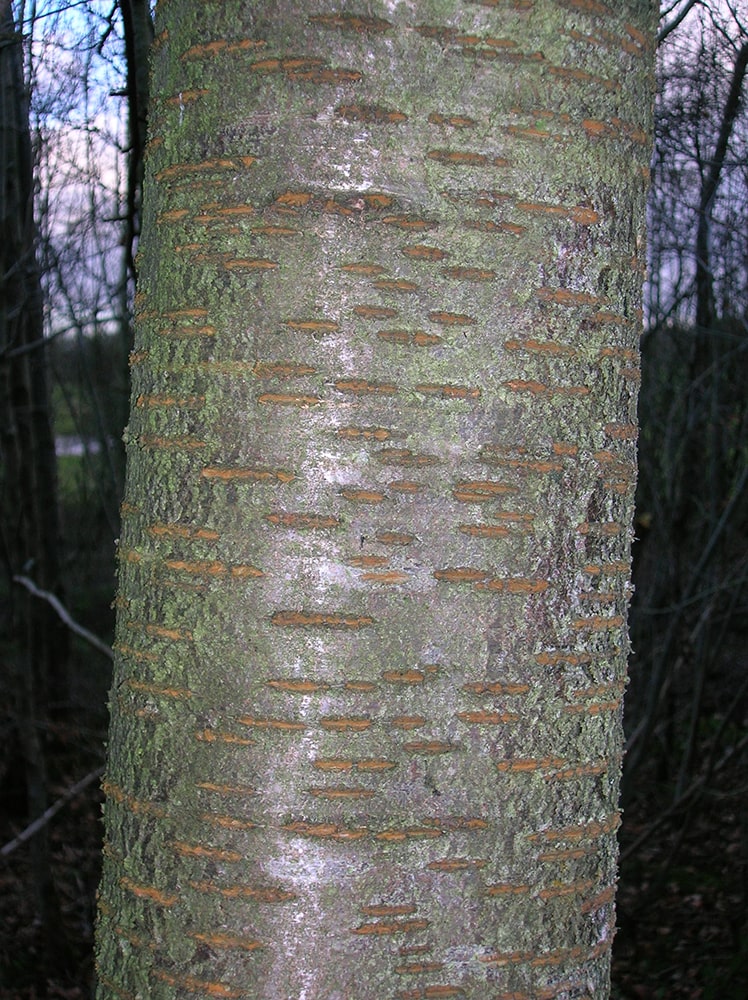
Smooth gray bark when young, forming furrows and scaly ridges with a diamond shape at maturity
Light Gray
Scaly
Smooth
Ridges
Furrowed
Stem
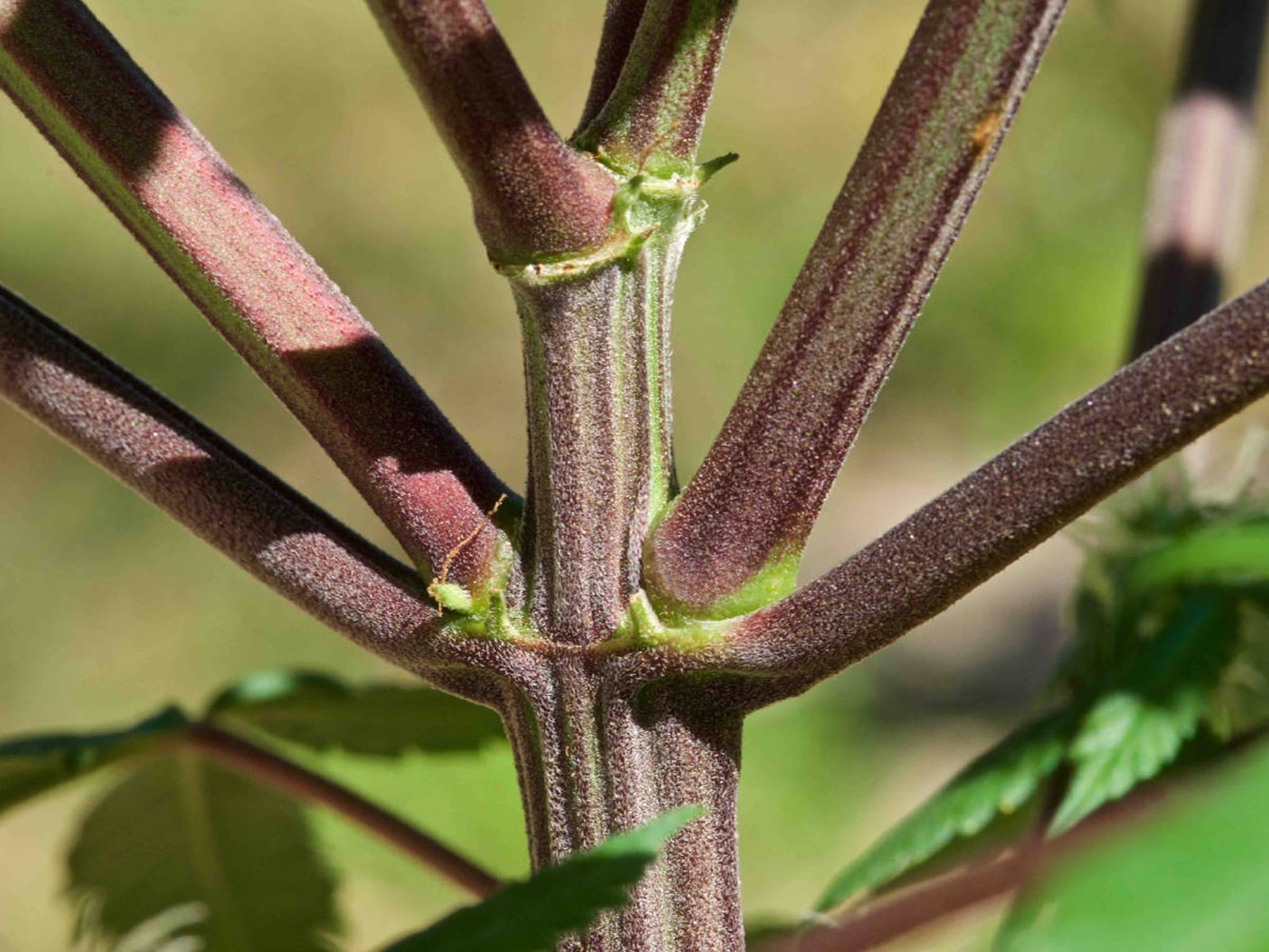
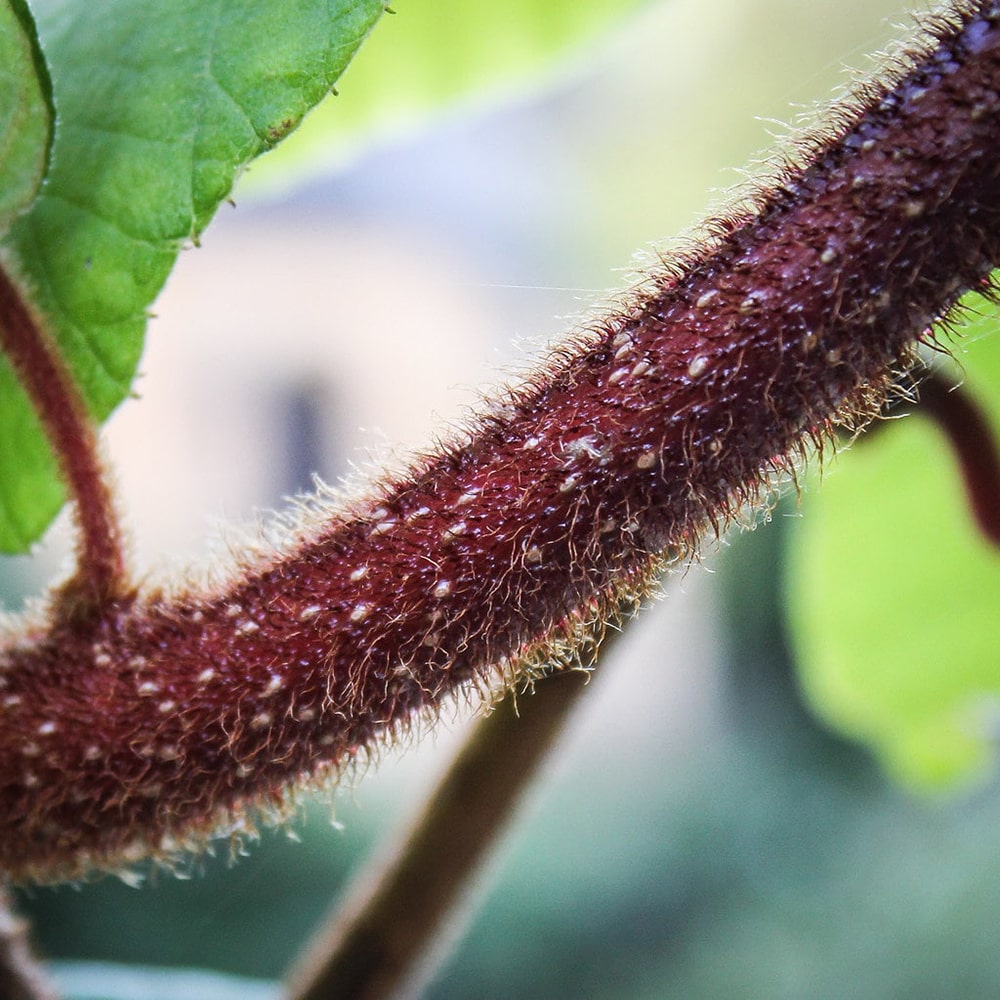
Red brown to dark brown with light lenticles, stout branches but more slender than other hickories. Buds are oval shaped with silvery scales and hairs. Leaf scars are three lobed.
Brown/Copper
Red/Burgundy
Conspicuous
Whole Plant Traits
Cultural Conditions
more than 60 feet
24-60 feet

Carya pallida Attributes

Carya pallida: Country Or Region Of Origin

Eastern U.S.A. to southern IL

Carya pallida: Life Cycle

Annual
Biennial
Bulb
Perennial
Woody

Carya pallida Fruit

Carya pallida: Fruit Description

Pear-shaped to round nut 3/4"-1 1/2" wide, yellow when young dark brown when mature in early fall.

Carya pallida: Fruit Type

Achene
Aggregate
Berry
Capsule
Caryopsis
Drupe
Follicle
Legume
Nut
Pome
Samara
Schizocarp
Siliqua

Carya pallida: Fruit Color

grass
Brown/Copper
grass
Gold/Yellow

Carya pallida: Display/Harvest Time

Fall
Spring
Summer
Winter

Carya pallida: Fruit Width

< 1 inch
1-3 inches
> 3 inches

Carya pallida Flowers

Carya pallida: Flower Description

Moneceious male flowers catkins, female flowers in clusters at the tips of branches, appear in mid-spring.

Carya pallida: Flower Inflorescence

Catkin
Corymb
Cyme
Head
Insignificant
Panicle
Raceme
Solitary
Spadix
Spike
Umbel

Carya pallida: Flower Bloom Time

Winter
Spring
Summer
Fall

Carya pallida Leaves

Carya pallida: Leaf Description

Alternate, pinnately compound with 5-9 serrated, lance to ovate leaflets. Underside is pale, silvery and pubesent

Carya pallida: Woody Plant Leaf Characteristics

Broadleaf Evergreen
Deciduous
Needled Evergreen
Semi-evergreen

Carya pallida: Leaf Color

spa
Green

Carya pallida: Leaf Type

Compound (Pinnately , Bipinnately, Palmately)
Fronds
Needles
Sheath
Simple

Carya pallida: Leaf Arrangement

Alternate
Opposite
Other/more complex
Rosulate
Whorled

Carya pallida: Leaf Shape

Acicular
Auriculate
Cordate
Cuneate
Deltoid
Elliptical
Filiform
Lanceolate
Linear
Oblanceolate
Oblong
Obovate
Obtuse
Orbicular
Ovate
Palmasect
Palmatifid
Peltate
Pinnatifid
Pinnatisect
Reniform
Rhomboidal
Spatulate
Subcordate
Subulate

Carya pallida: Leaf Margin

Crenate
Crenulate
Dentate
Denticulate
Doubly Crenate
Doubly Dentate
Doubly Serrate
Entire
Lobed
Serrate
Sinuate
Undulate

Carya pallida: Hairs Present

No
Yes

Carya pallida Bark

Carya pallida: Bark Description

Smooth gray bark when young, forming furrows and scaly ridges with a diamond shape at maturity

Carya pallida: Bark Color

grass
Light Gray

Carya pallida: Surface/Attachment

Bumpy
Exfoliating
Fissured
Furrowed
Lenticels
Papery
Patchy
Peeling
Ridges
Scaly
Shaggy
Shiny
Shredding
Smooth
Spongy

Carya pallida: Bark Plate Shape

Diamond
Irregular
Oval
Rectangle
Round
Square

Carya pallida Stem

Carya pallida: Stem Description

Red brown to dark brown with light lenticles, stout branches but more slender than other hickories. Buds are oval shaped with silvery scales and hairs. Leaf scars are three lobed.

Carya pallida: Stem Color

grass
Brown/Copper
grass
Red/Burgundy

Carya pallida: Stem Is Aromatic

No
Yes

Carya pallida: Stem Lenticels

Conspicuous
Not Conspicuous

Carya pallida Whole Plant Traits

Carya pallida: Plant Type

Annual
Bulb
Carnivorous
Edible
Epiphyte
Fern
Ground Cover
Herb
Herbaceous Perennial
Houseplant
Mushroom
Native Plant
Ornamental Grasses and Sedges
Perennial
Poisonous
Rose
Shrub
Succulent
Tree
Turfgrass
Vegetable
Vine
Water Plant
Weed
Wildflower

Carya pallida: Woody Plant Leaf Characteristics

Broadleaf Evergreen
Deciduous
Needled Evergreen
Semi-evergreen

Carya pallida Cultural Conditions

Carya pallida: Available Space To Plant

12 inches-3 feet
12-24 feet
24-60 feet
3 feet-6 feet
6-feet-12 feet
Less than 12 inches
more than 60 feet