Castanea pumila: Uses (Ethnobotany)
Wood used for fence posts, railway ties, and fuel
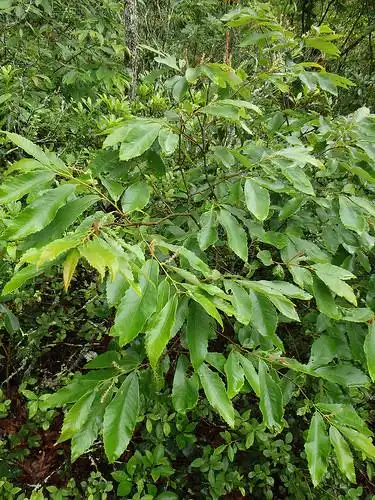
Phonetic Spelling:kas-tah-NAY-ah POO-mil-ah
Genus:Castanea
Species:pumila
Family:Fagaceae
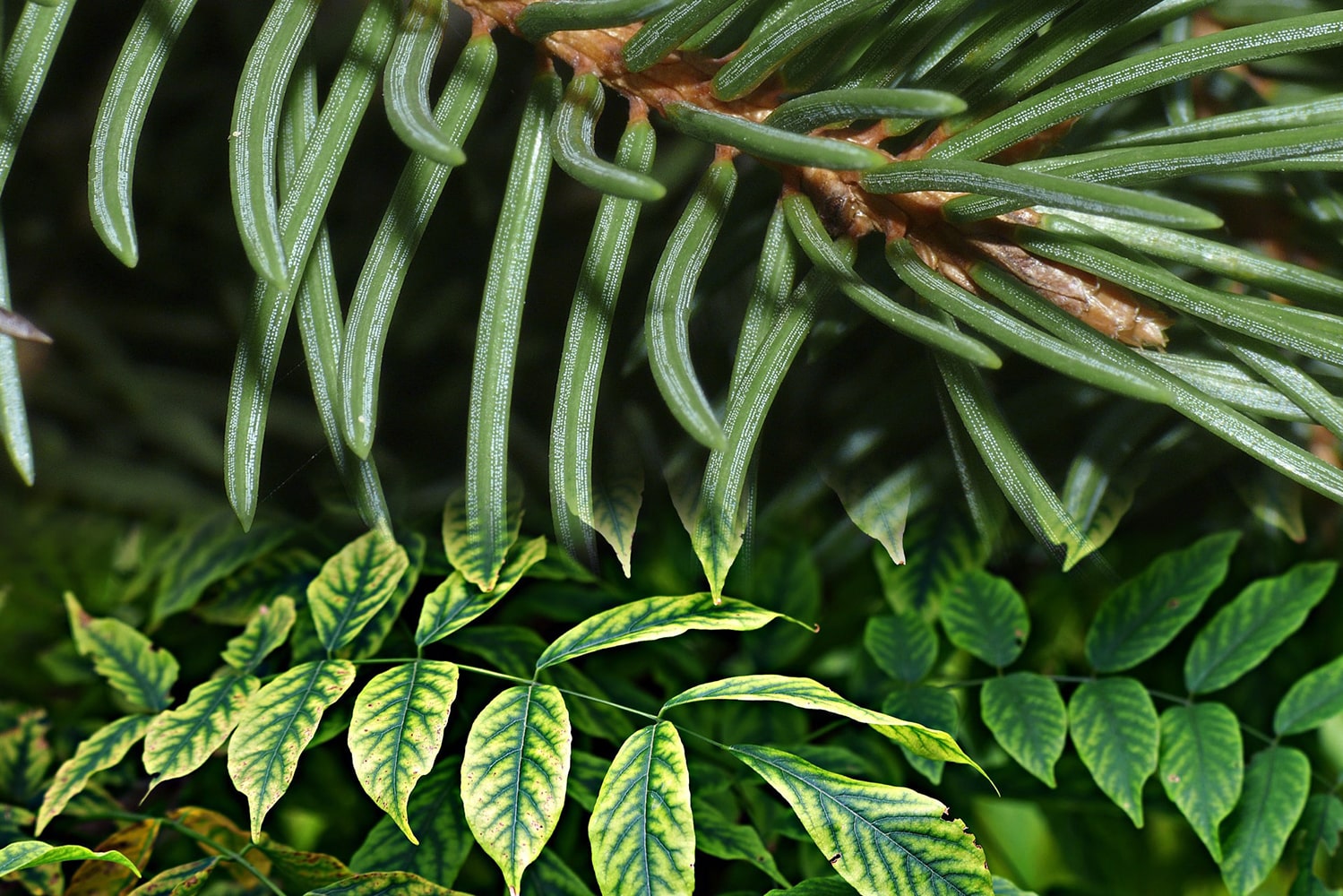
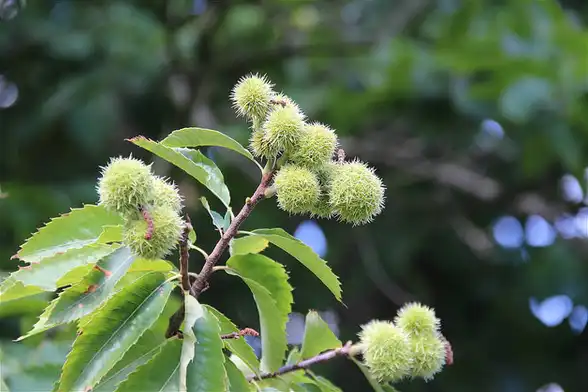
Chinkapin is a multi-stemmed, monoecious shrub or small tree that forms thickets, characterized by its lower branches that spread out and upper branches that grow upward. When cultivated as a tree, it can reach heights of 15 to 30 feet. Notably, it shows resilience against chestnut blight and typically has the ability to recover from infections. This species thrives in a range of environments, from coastal areas to elevations of 4,500 feet in mountainous regions.
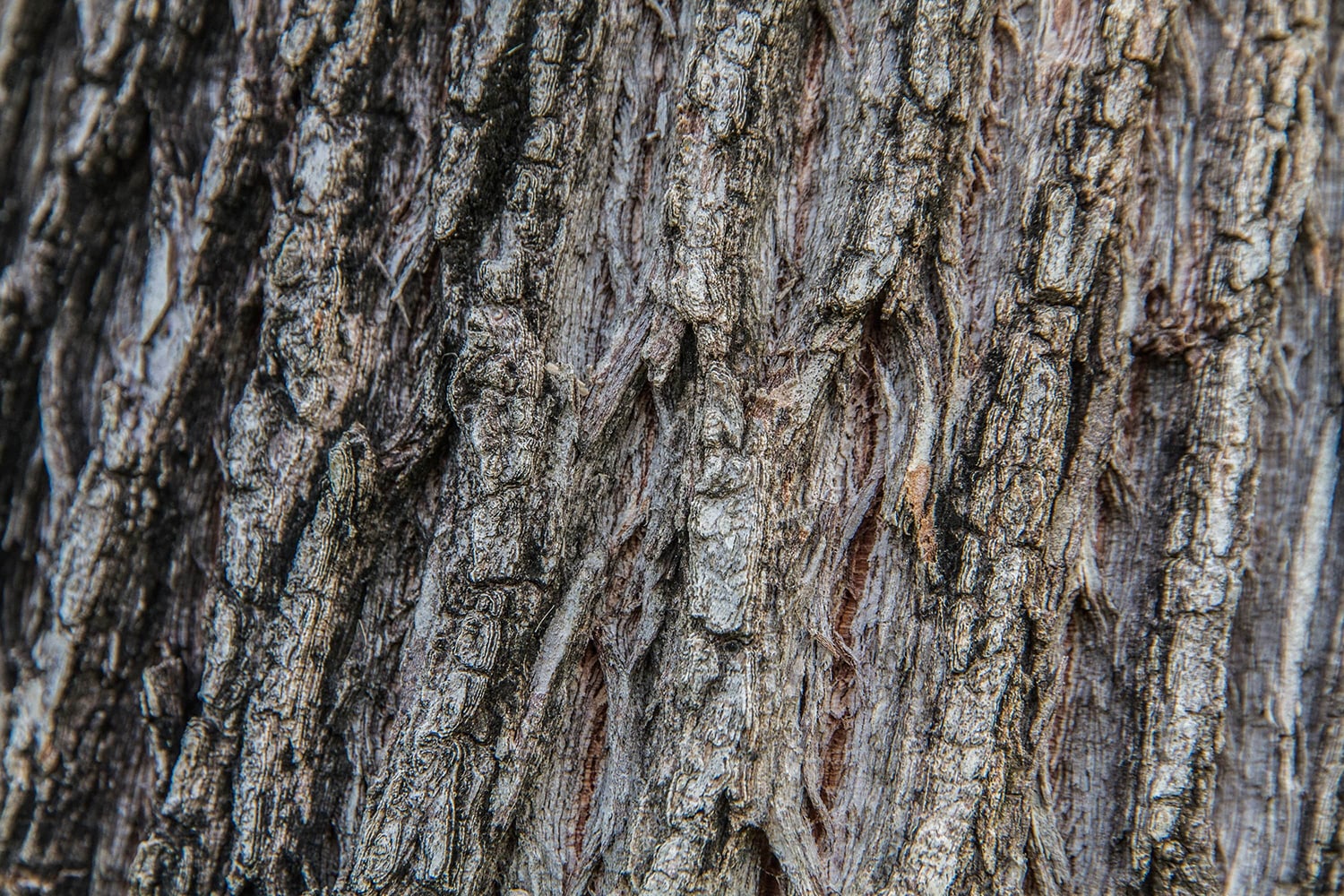
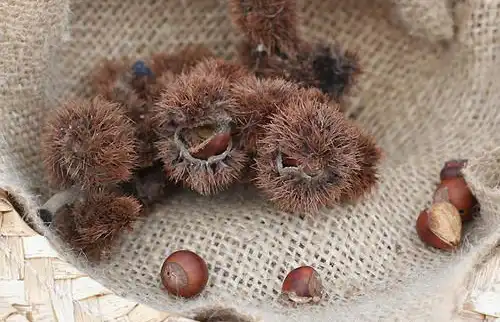
The nuts produced by chinkapin are not only enjoyed by humans but also attract various wildlife, including numerous birds and mammals, thanks to their sweet taste. However, harvesting these nuts can be challenging, and they are not commercially cultivated. The wood of the chinkapin is lightweight, hard, and possesses a fine grain, making it strong and suitable for uses such as fence posts and fuel. Due to its relatively small size and sporadic distribution, it is not harvested for timber.
Chinkapin trees thrive in dry, well-drained soils that are acidic to neutral and prefer full sun to partial shade. They can serve as small shade trees or as a source of food for both people and wildlife in gardens or naturalized settings.
In terms of pests and diseases, chinkapin exhibits moderate resistance to chestnut blight; however, the number of trees affected by this fungus continues to rise each year.
Castanea pumila Feature Summary