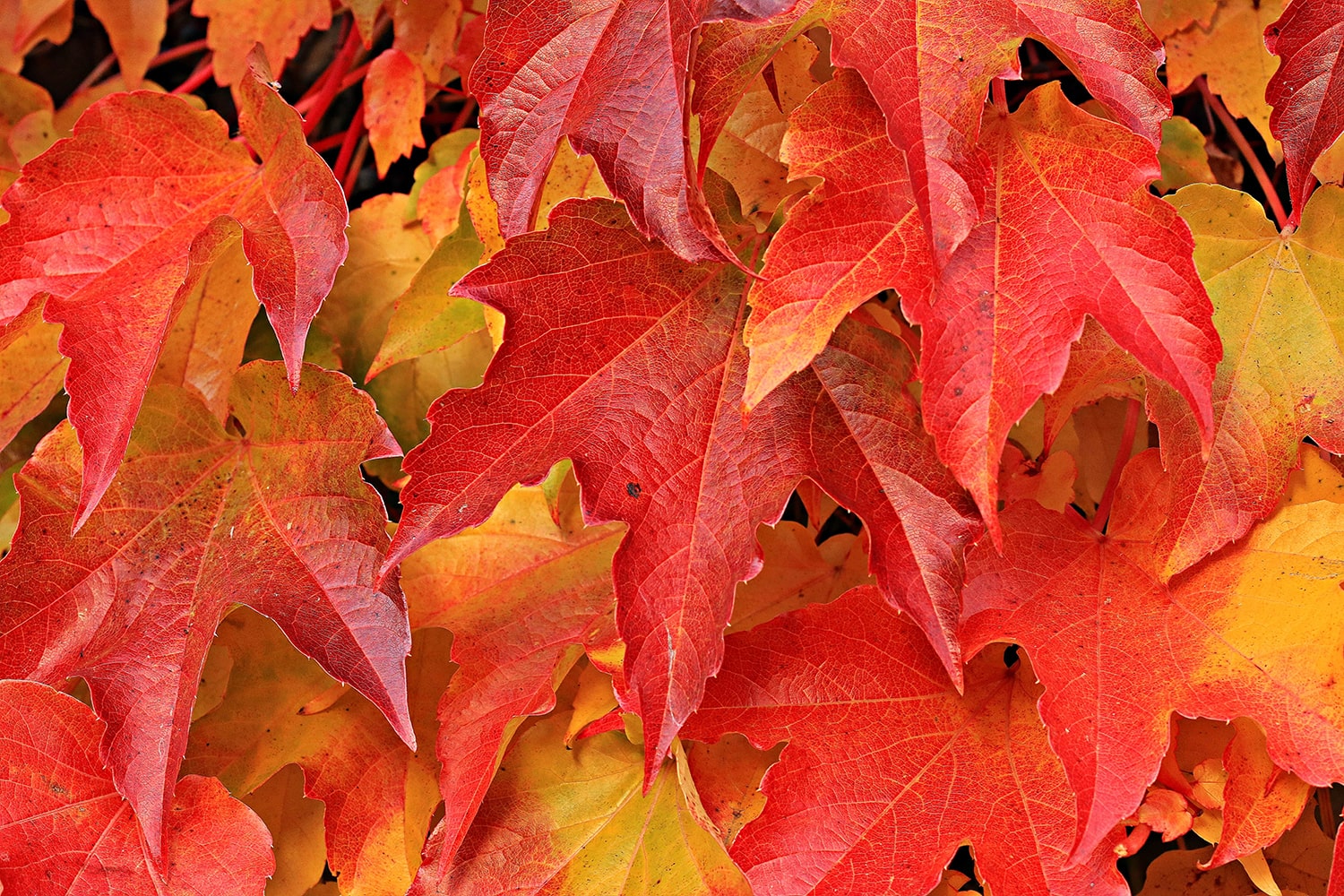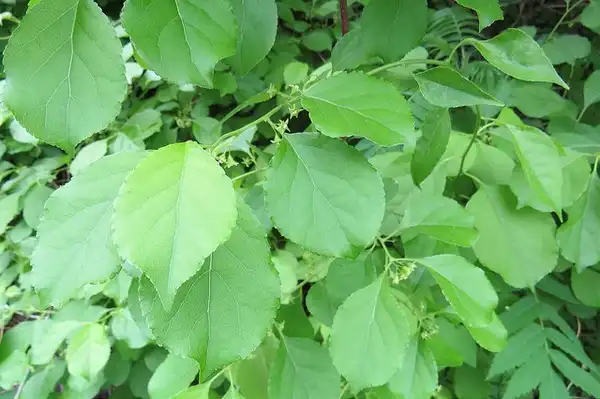
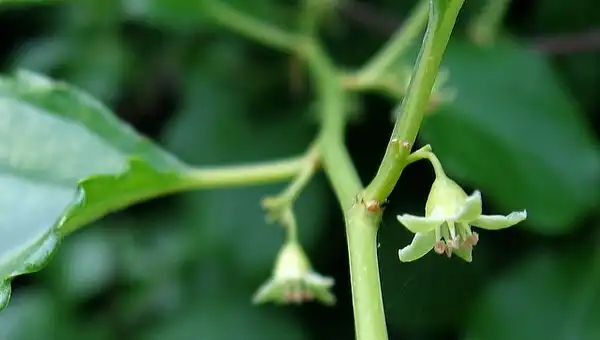
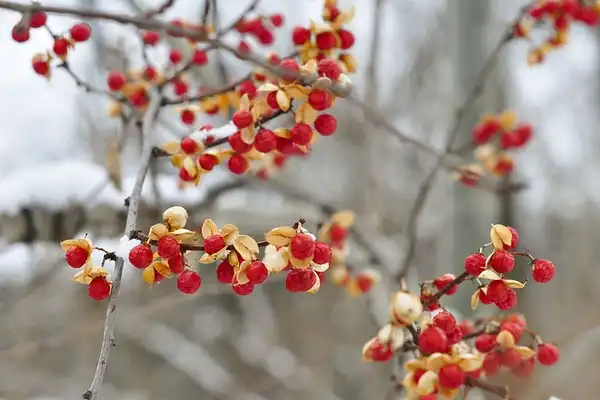
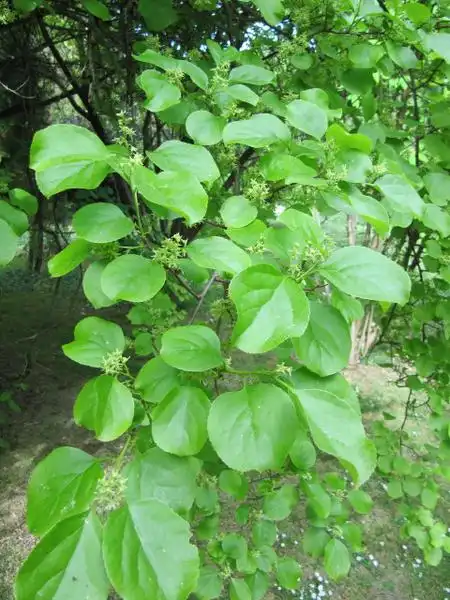
• Photo of Celastrus orbiculatus (Celastrus orbiculatuss)

Plant Profile: Celastrus orbiculatus

Taxonomy: Celastrus orbiculatus

Names

Asian Bittersweet, Chinese Bittersweet, Oriental Bittersweet

  • Photo of Celastrus orbiculatus (Celastrus orbiculatuss)

Phonetic Spelling:sel-ASS-trus or-bik-yoo-LAY-tus

Genus:Celastrus

Species:orbiculatus

Family:Celastraceae

Plants can be classified as either male or female.

Originating from Eastern Asia, this species is recognized as invasive by several authorities, including the NC State Weed Specialist, the North Carolina Forest Service, the USDA National Invasive Species Information Center, the Invasive Plant Atlas of the United States, and the National Park Service.

It typically thrives in sunny locations such as forest edges, roadsides, and meadows. The plant spreads rapidly through its vigorous vine growth and seeds, which are dispersed by birds, mammals, and human activity. It was brought to the United States from Southeast Asia around 1860 for ornamental purposes.

Controlling bittersweet can be quite challenging. Simply cutting or pulling it out is often ineffective, as this can trigger the vine to re-sprout multiple times, and any fragments of root left behind will regenerate. For home gardens, the most effective approach is to cut the vines down to the ground and promptly apply herbicide to the freshly cut stems, following the instructions provided on the product label.

Celastrus orbiculatus Feature Summary

Celastrus orbiculatus Image Gallery

Tags

#deciduous
#invasive
#weedy

Similar Plants

Celastrus orbiculatus Feature Summary

Attributes
Russian Far East, China, Korea, Central & S. Japan
Fruit
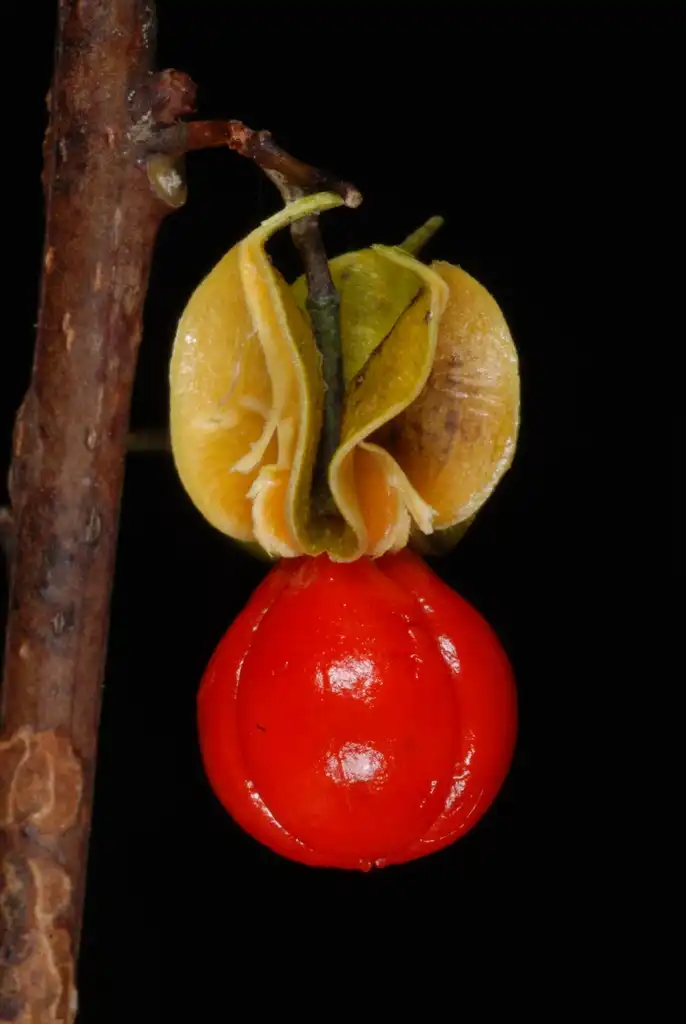
Clusters of small capsules with 3 scarlet, fleshy, sections each with 2 white seeds, mature between August and January.
Red/Burgundy
Flowers
Diecious - male and female flowers on separate plants.
Gold/Yellow
Orange
< 1 inch
Leaves
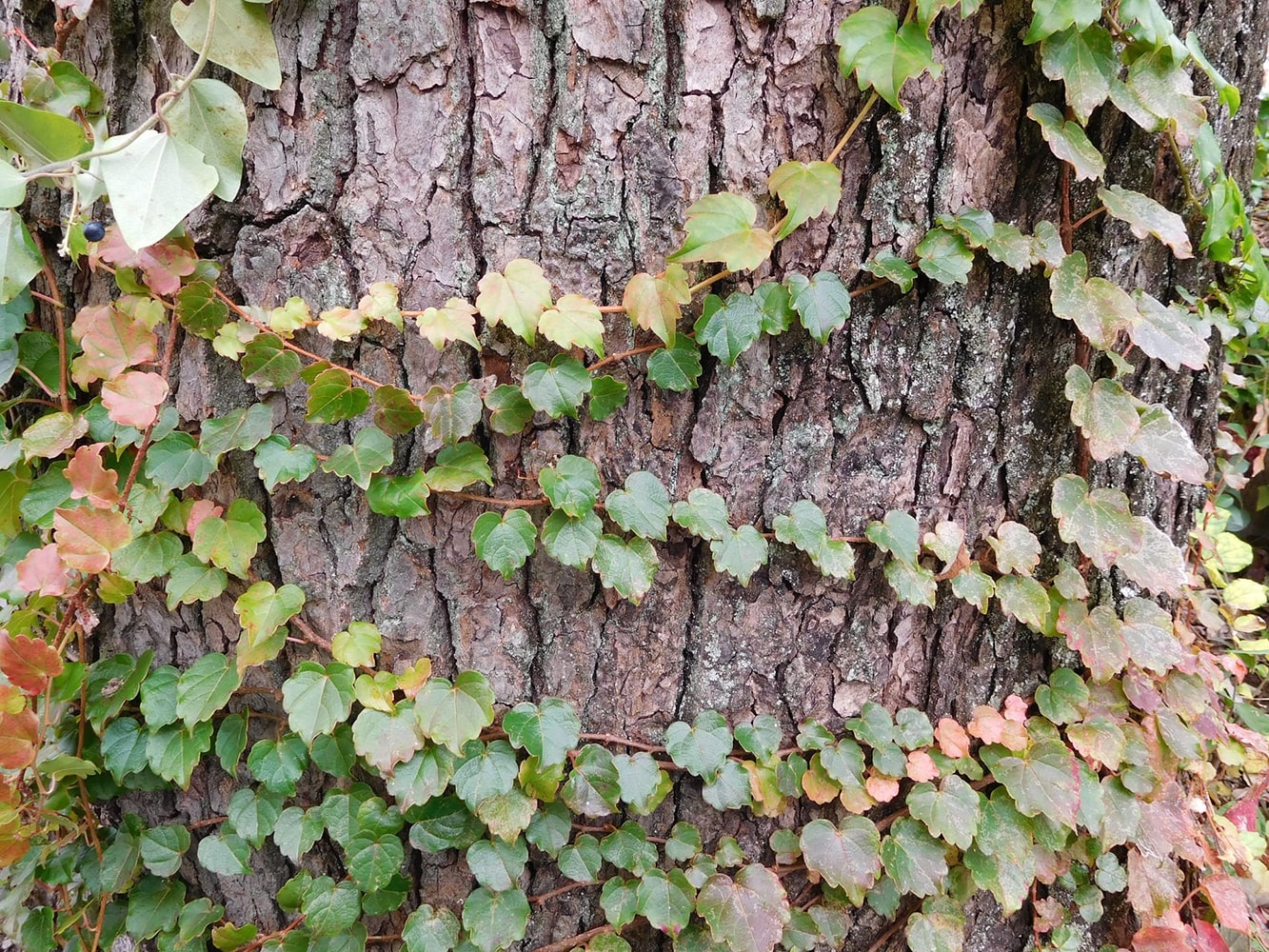
Deciduous, alternate, olive green in spring and summer; Light yellow fall foliage; round or tapered tips.
Whole Plant Traits
Cultural Conditions
Full sun (6 or more hours of direct sunlight a day)
4a
4b
5b
5a
6a
6b
7a
7b
8b
8a
Landscape
Weedy
Invasive Species

Celastrus orbiculatus Attributes

Celastrus orbiculatus: Country Or Region Of Origin

Russian Far East, China, Korea, Central & S. Japan
Celastrus orbiculatus: Life Cycle

Annual
Biennial
Bulb
Perennial
Woody

Celastrus orbiculatus: Climbing Method

Clinging
Scrambler
Tendrils
Twining

Celastrus orbiculatus Fruit

Celastrus orbiculatus: Fruit Description

Clusters of small capsules with 3 scarlet, fleshy, sections each with 2 white seeds, mature between August and January.

Celastrus orbiculatus: Fruit Type

Achene
Aggregate
Berry
Capsule
Caryopsis
Drupe
Follicle
Legume
Nut
Pome
Samara
Schizocarp
Siliqua

Celastrus orbiculatus: Fruit Color

grass
Red/Burgundy

Celastrus orbiculatus: Display/Harvest Time

Fall
Spring
Summer
Winter

Celastrus orbiculatus Flowers

Celastrus orbiculatus: Flower Description

Diecious - male and female flowers on separate plants.

Celastrus orbiculatus: Flower Color

filter_vintage
Gold/Yellow
filter_vintage
Orange

Celastrus orbiculatus: Flower Inflorescence

Catkin
Corymb
Cyme
Head
Insignificant
Panicle
Raceme
Solitary
Spadix
Spike
Umbel

Celastrus orbiculatus: Flower Bloom Time

Winter
Spring
Summer
Fall

Celastrus orbiculatus: Flower Size

1-3 inches
3-6 inches
< 1 inch
> 6 inches

Celastrus orbiculatus Leaves

Celastrus orbiculatus: Leaf Description

Deciduous, alternate, olive green in spring and summer; Light yellow fall foliage; round or tapered tips.

Celastrus orbiculatus: Woody Plant Leaf Characteristics

Broadleaf Evergreen
Deciduous
Needled Evergreen
Semi-evergreen

Celastrus orbiculatus: Leaf Color

spa
Green

Celastrus orbiculatus: Deciduous Leaf Fall Color

spa
Gold/Yellow

Celastrus orbiculatus: Leaf Arrangement

Alternate
Opposite
Other/more complex
Rosulate
Whorled

Celastrus orbiculatus: Hairs Present

No
Yes

Celastrus orbiculatus Whole Plant Traits

Celastrus orbiculatus: Plant Type

Annual
Bulb
Carnivorous
Edible
Epiphyte
Fern
Ground Cover
Herb
Herbaceous Perennial
Houseplant
Mushroom
Native Plant
Ornamental Grasses and Sedges
Perennial
Poisonous
Rose
Shrub
Succulent
Tree
Turfgrass
Vegetable
Vine
Water Plant
Weed
Wildflower

Celastrus orbiculatus: Woody Plant Leaf Characteristics

Broadleaf Evergreen
Deciduous
Needled Evergreen
Semi-evergreen

Celastrus orbiculatus: Habit/Form

Arching
Ascending
Broad
Cascading
Climbing
Clumping
Columnar
Conical
Creeping
Dense
Erect
Horizontal
Irregular
Mounding
Multi-stemmed
Multi-trunked
Open
Oval
Prostrate
Pyramidal
Rounded
Spreading
Vase
Weeping

Celastrus orbiculatus: Growth Rate

Slow
Medium
Rapid

Celastrus orbiculatus: Texture

Fine
Medium
Coarse

Celastrus orbiculatus Cultural Conditions

Celastrus orbiculatus: Light

Dappled Sunlight (Shade through upper canopy all day)
Deep shade (Less than 2 hours to no direct sunlight)
Full sun (6 or more hours of direct sunlight a day)
Partial Shade (Direct sunlight only part of the day, 2-6 hours)

Celastrus orbiculatus: USDA Plant Hardiness Zone

thermostat
4a
thermostat
4b
thermostat
5a
thermostat
5b
thermostat
6a
thermostat
6b
thermostat
7a
thermostat
7b
thermostat
8a
thermostat
8b

Celastrus orbiculatus Stem

Celastrus orbiculatus: Stem Is Aromatic

No
Yes

Celastrus orbiculatus Landscape

Celastrus orbiculatus: Problems

Allelopathic
Contact Dermatitis
Frequent Disease Problems
Frequent Insect Problems
Invasive Species
Malodorous
Messy
Poisonous to Humans
Problem for Cats
Problem for Children
Problem for Dogs
Problem for Horses
Short-lived
Spines/Thorns
Weak Wood
Weedy