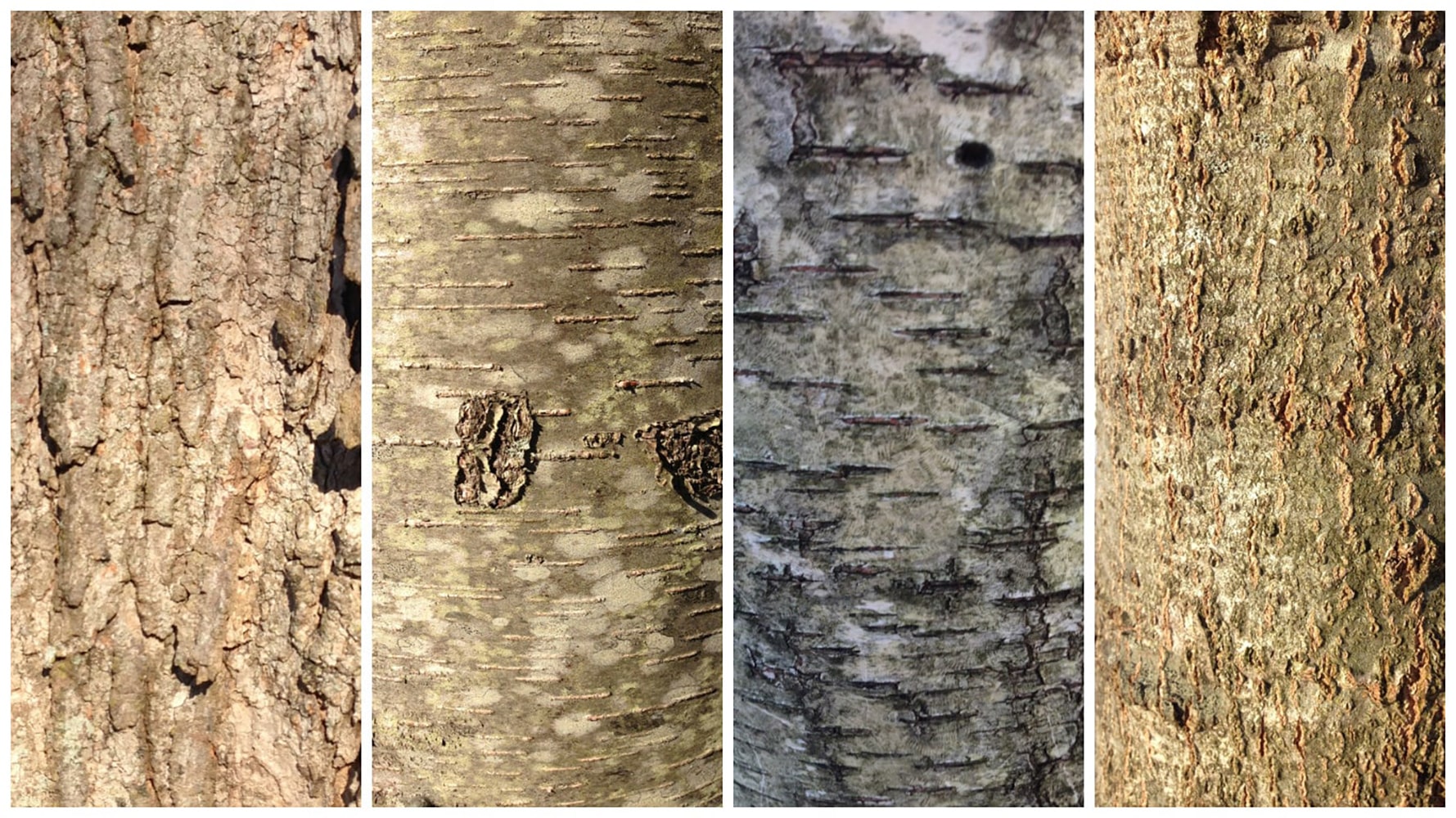
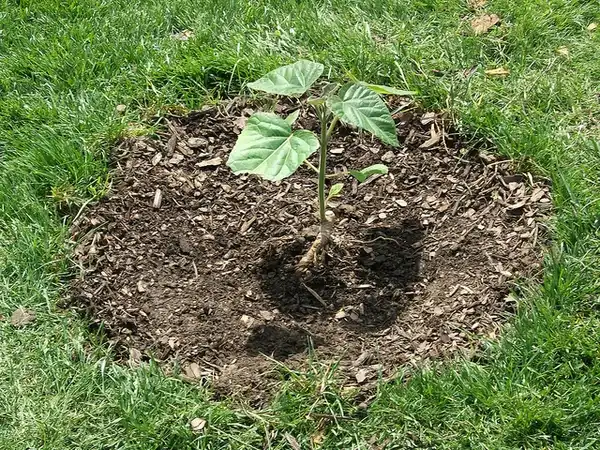
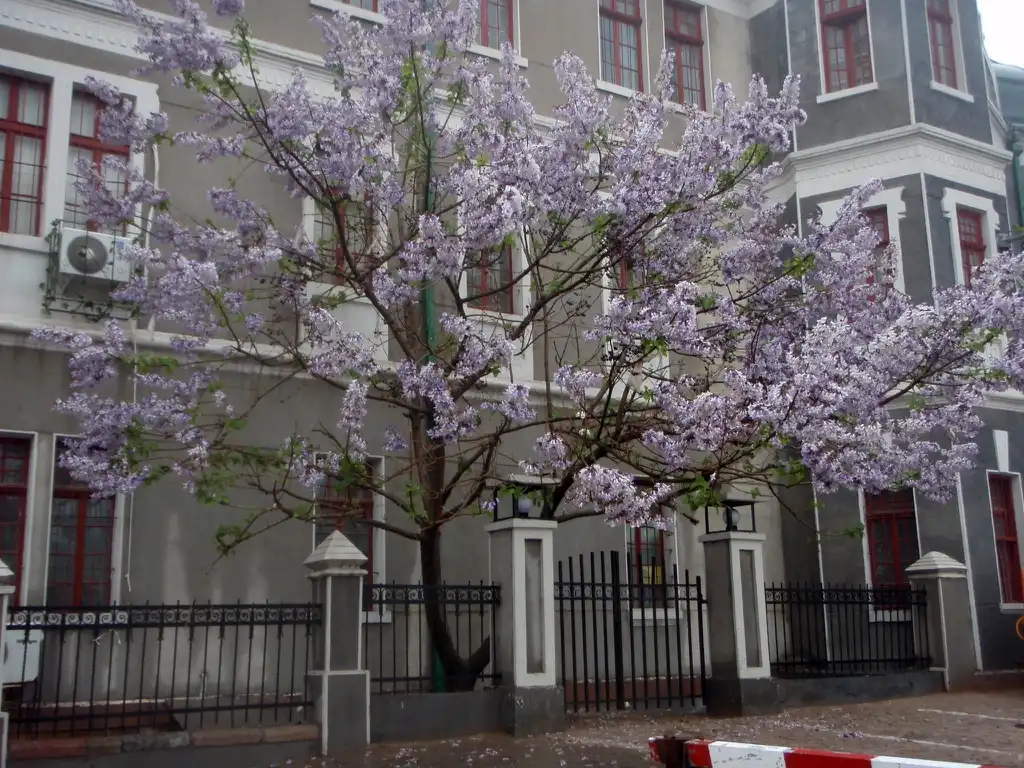
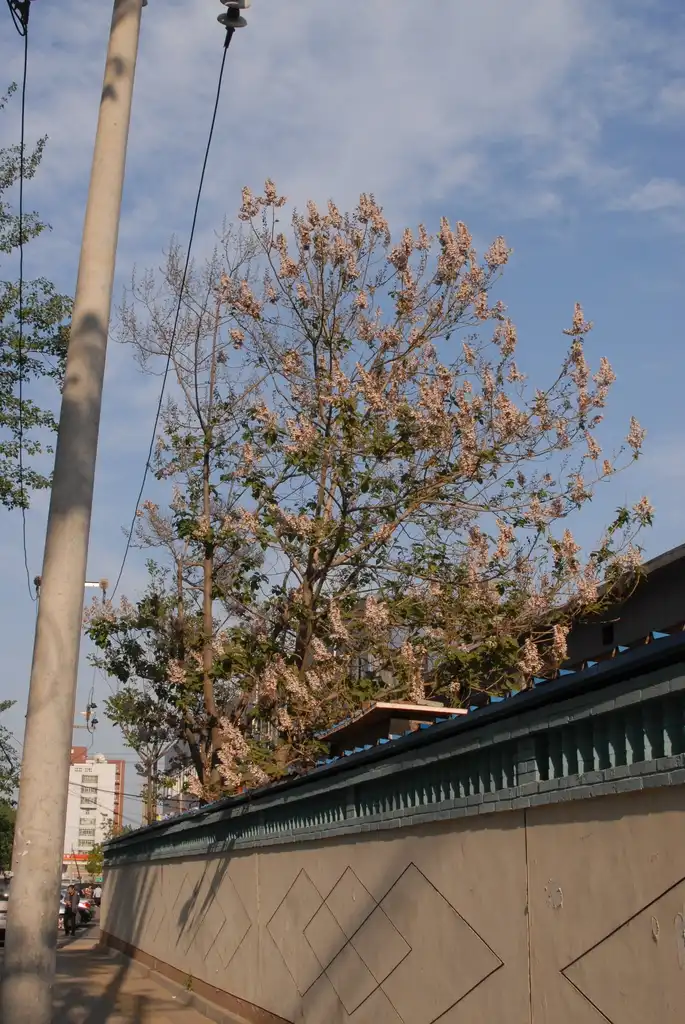
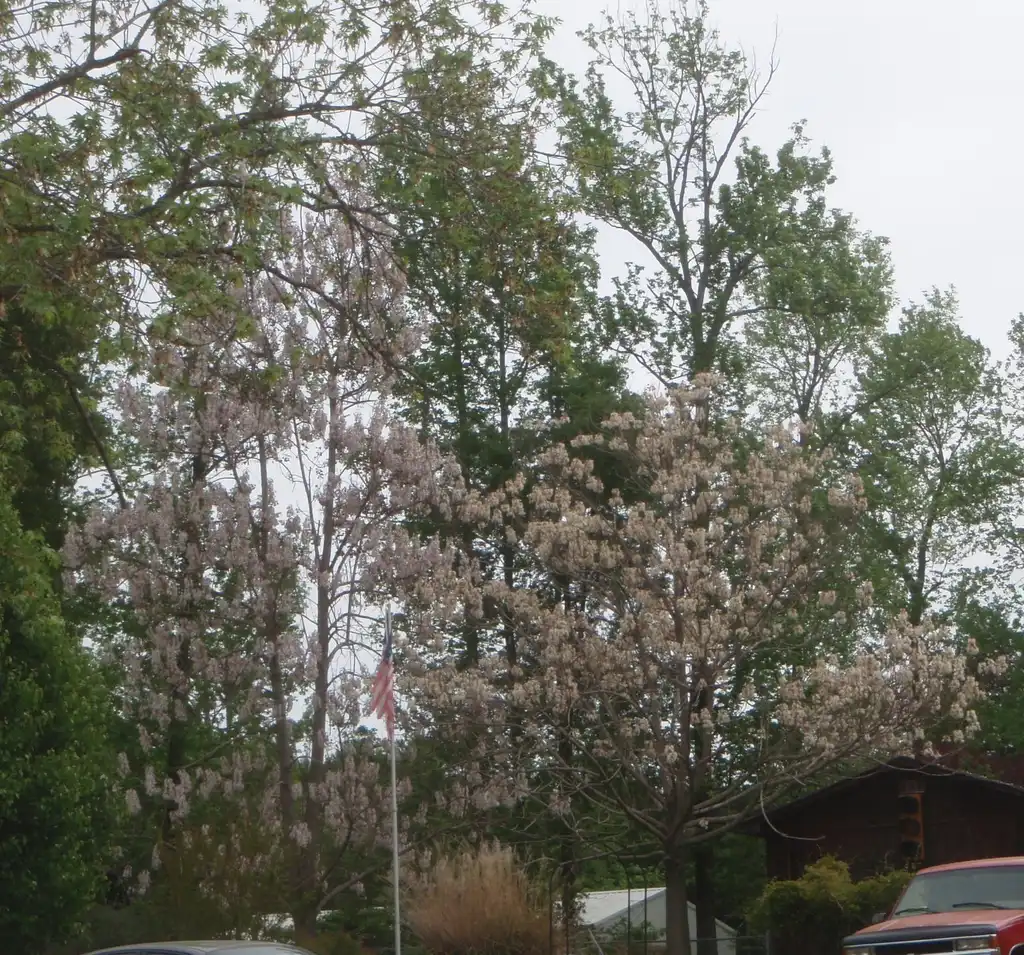
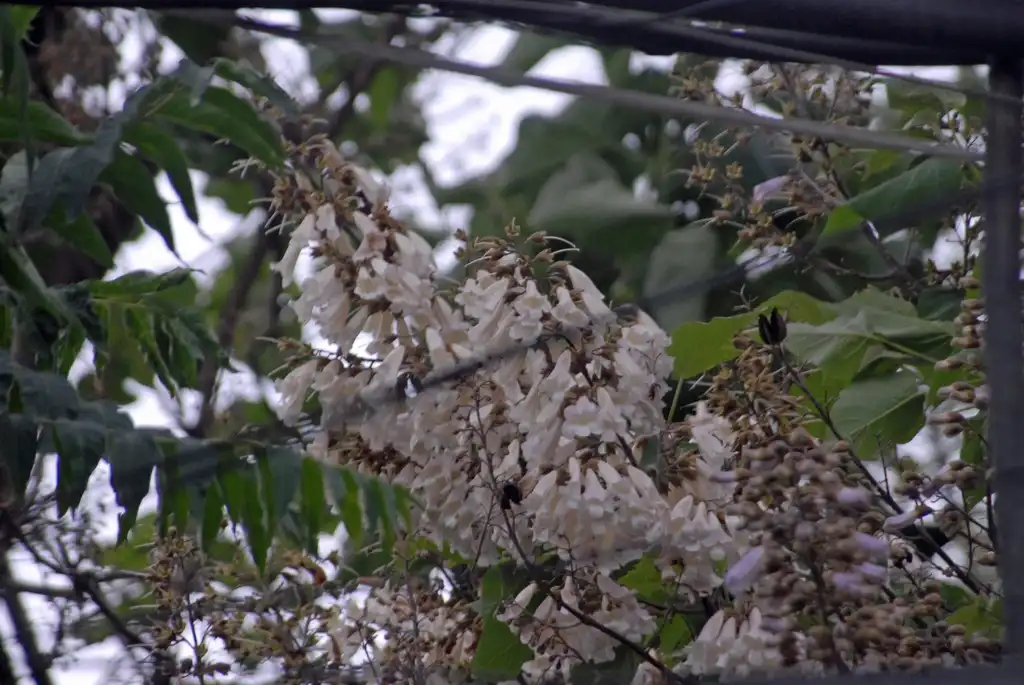
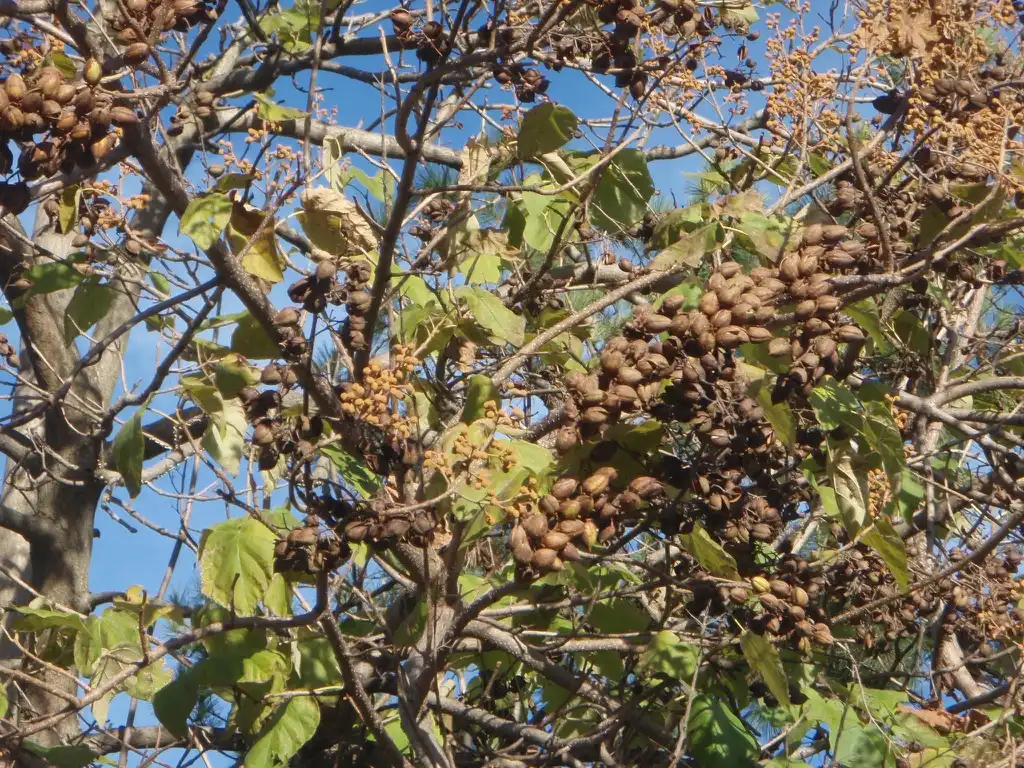
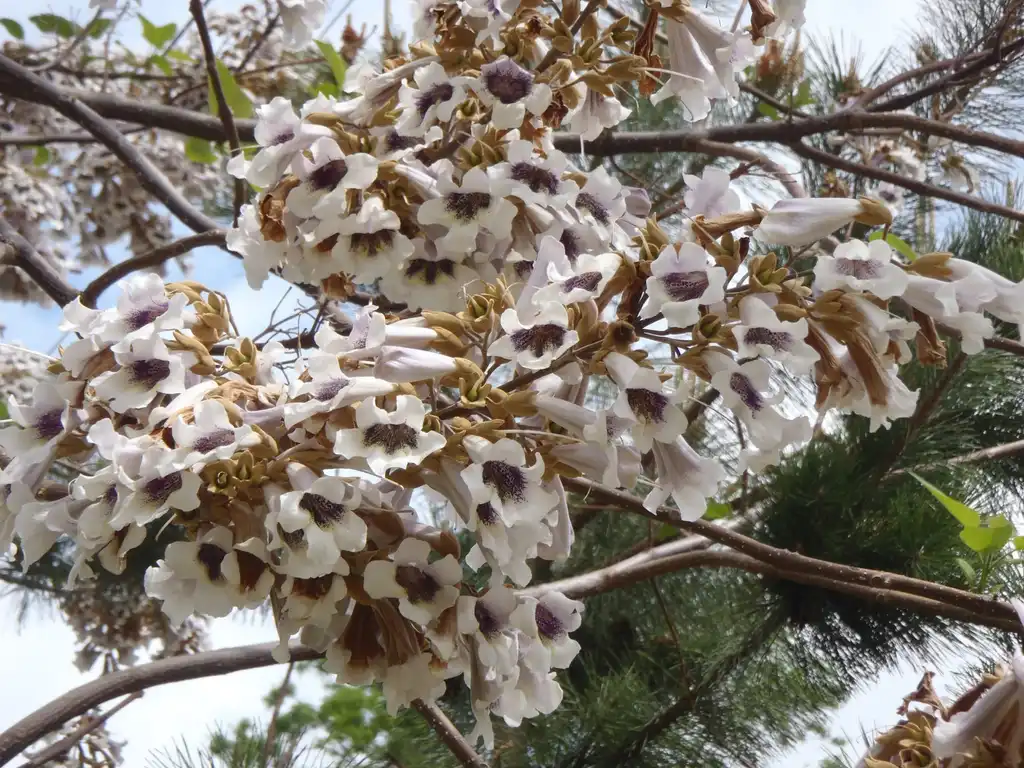
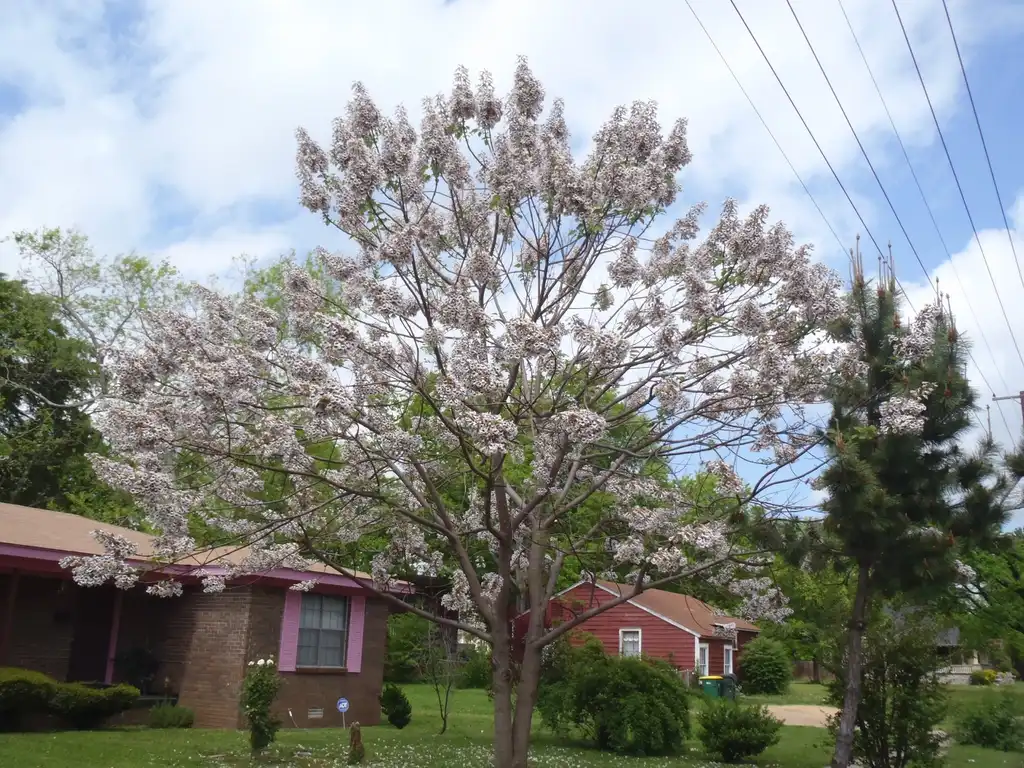
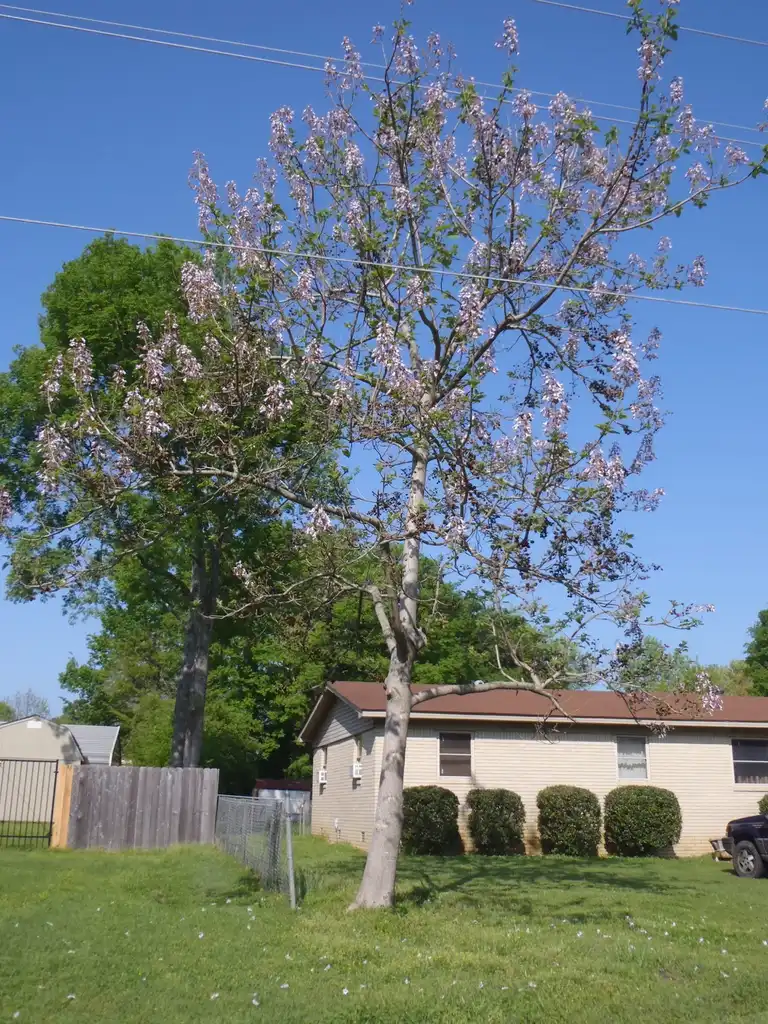
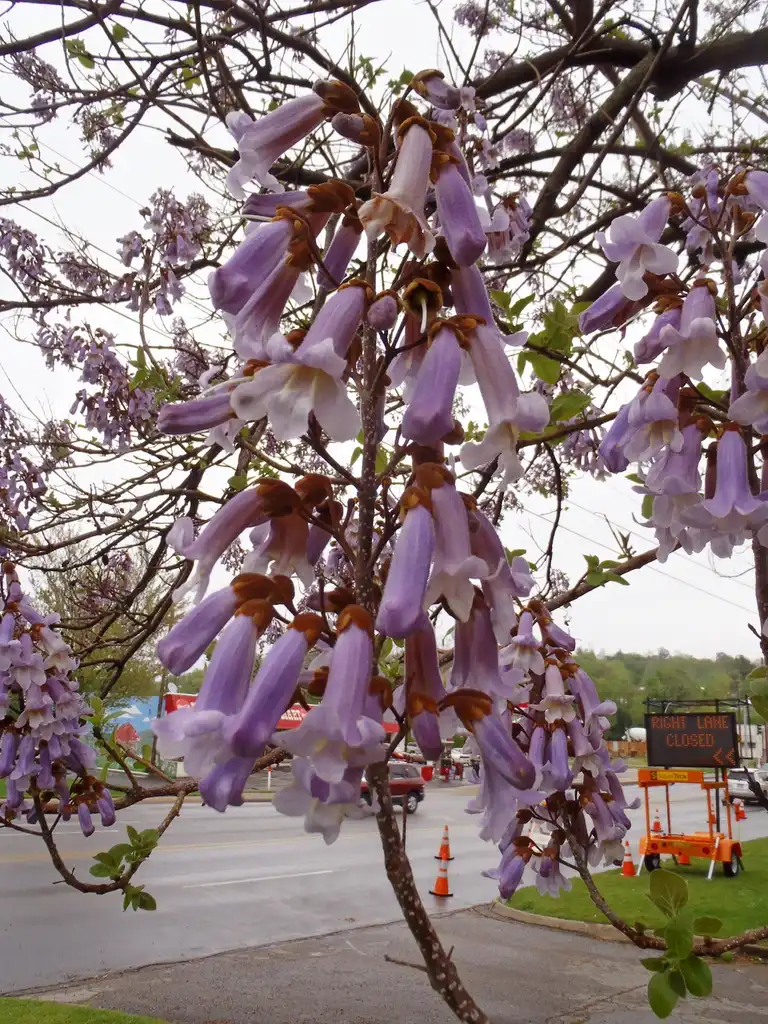
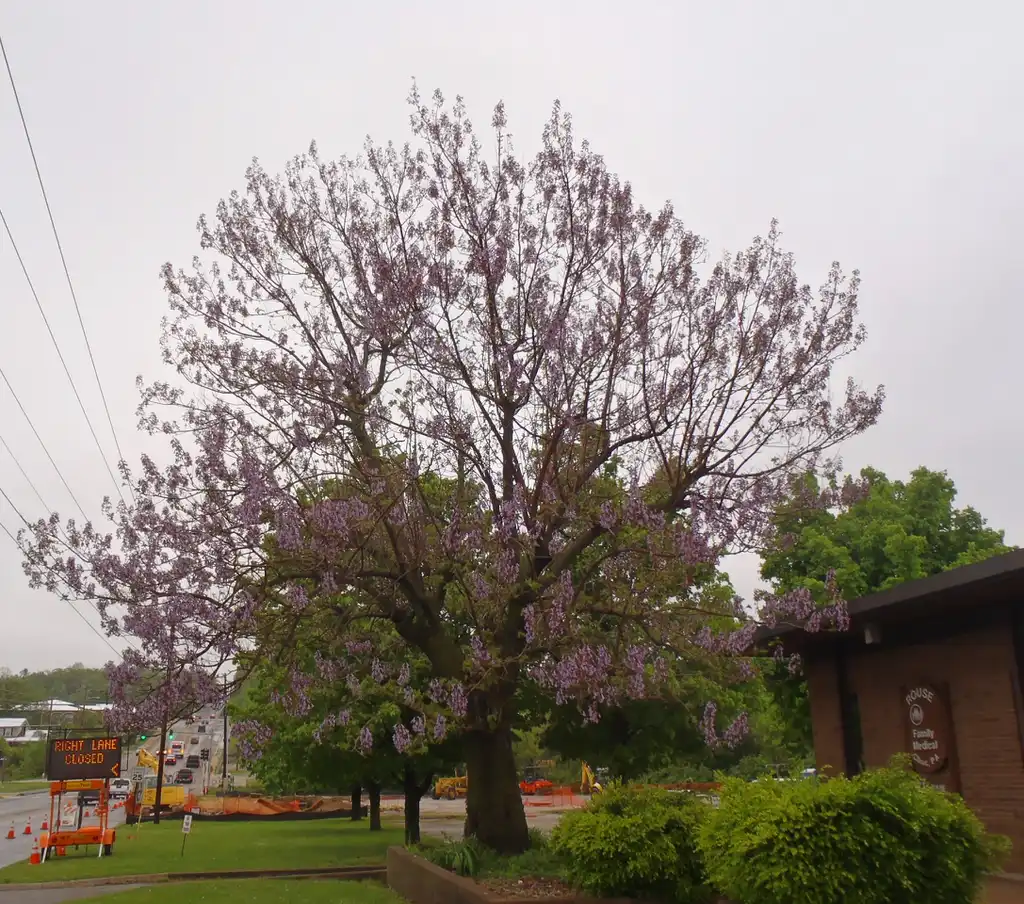
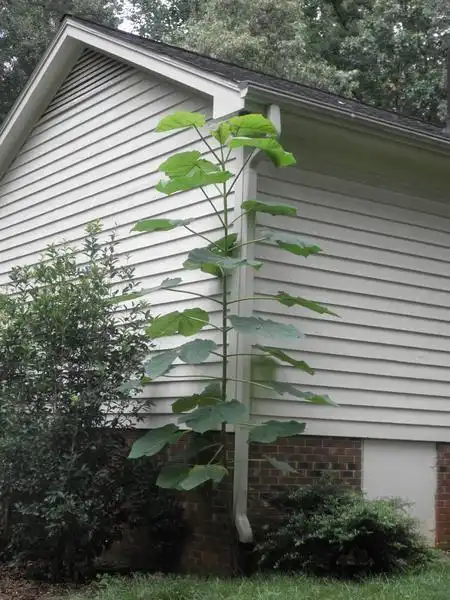
• Photo of Paulownia tomentosa (Paulownia tomentosas)

Plant Profile: Paulownia tomentosa

Taxonomy: Paulownia tomentosa

Names

Empress Tree, Princess Tree, Royal Paulownia

  • Photo of Paulownia tomentosa (Paulownia tomentosas)

Phonetic Spelling:pa-LOH-nee-a toh-men-TOH-suh

Genus:Paulownia

Species:tomentosa

Family:Paulowniaceae

Originating from Eastern Asia, this species is recognized as invasive by the North Carolina Forest Service, the USDA National Invasive Species Information Center, and the Invasive Plant Atlas of the United States. It is characterized by its brittle wood and is often considered a messy, weedy tree. The tree casts a dense shade that hinders the growth of other plants beneath it and is resilient to air pollution and coastal environments. While it can thrive in low-fertility, highly acidic, and drought-prone conditions, it flourishes best in moist, well-drained soils that are not compacted.

In terms of site preferences, this species can tolerate various soil types but shows a clear preference for deep, moist, and well-drained soils.

Paulownia tomentosa Feature Summary

Paulownia tomentosa Image Gallery

Tags

#deciduous
#invasive
#fragrant flowers
#weedy
#messy
#Braham Arboretum

Similar Plants

Paulownia tomentosa Feature Summary

Attributes
Used in paper, veneer, hand-carvings, clogs, musical instuments, furniture, rice pots, water pails, bowls, and spoons and has medicinal uses in Asia.
Attractive Flowers
Fruit
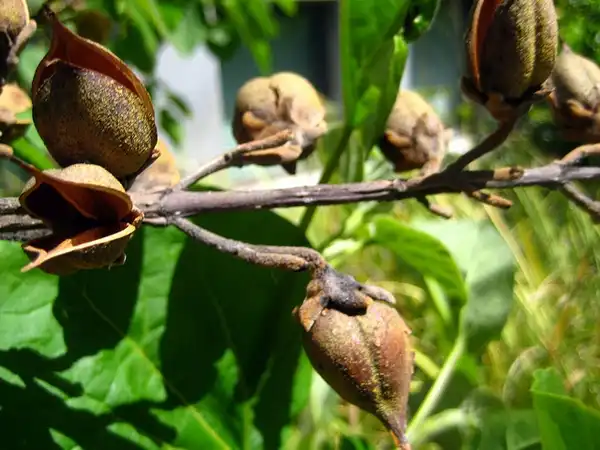
1-1.5 long oval capsule containing thousands of small sticky green turning brown seeds.
Green
Brown/Copper
1-3 inches
Flowers
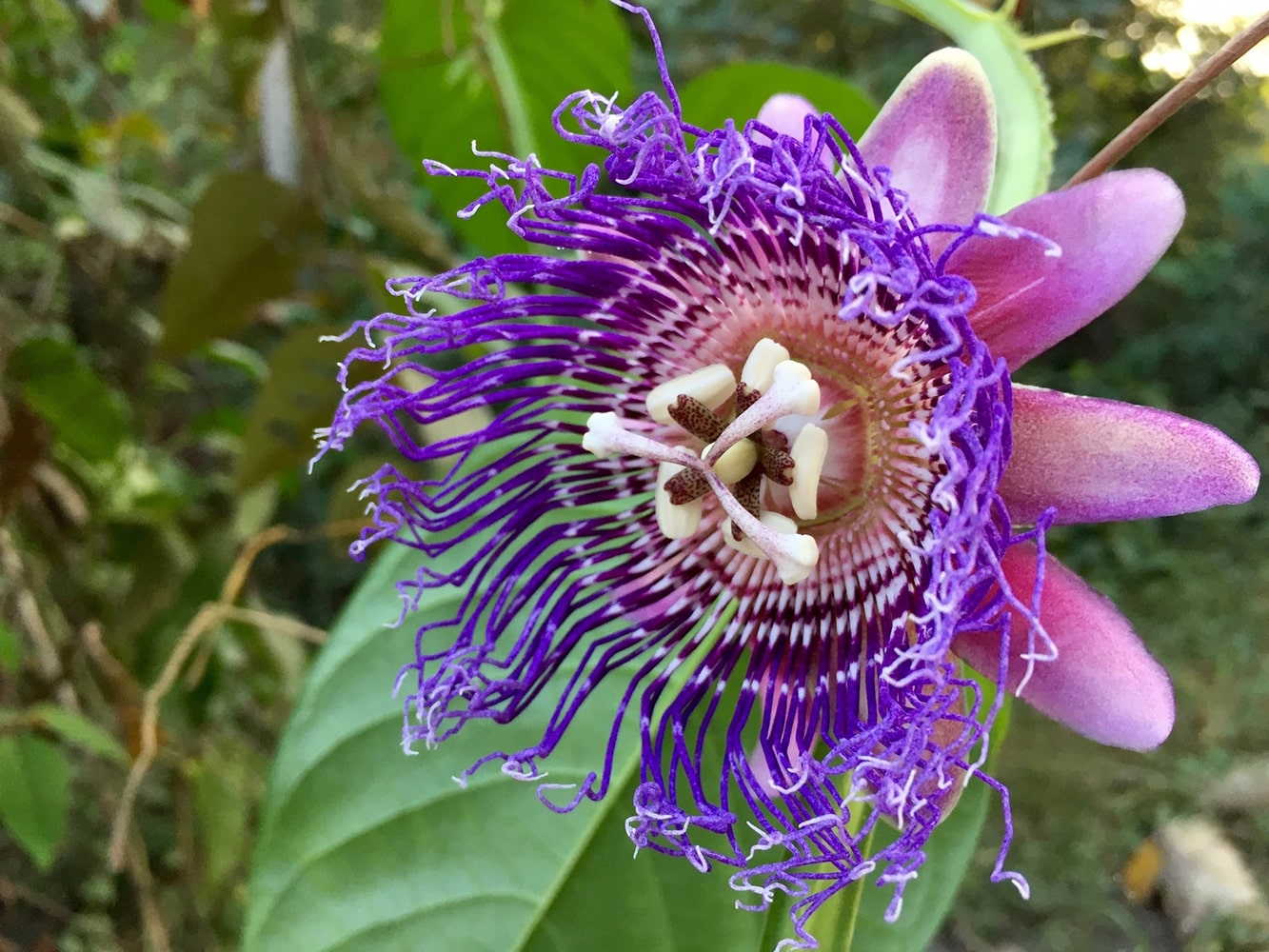
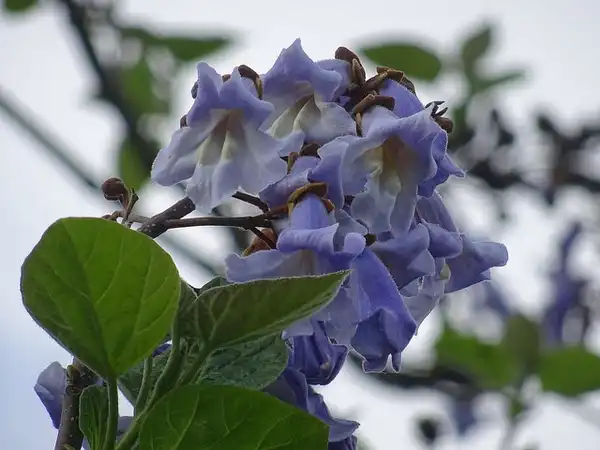
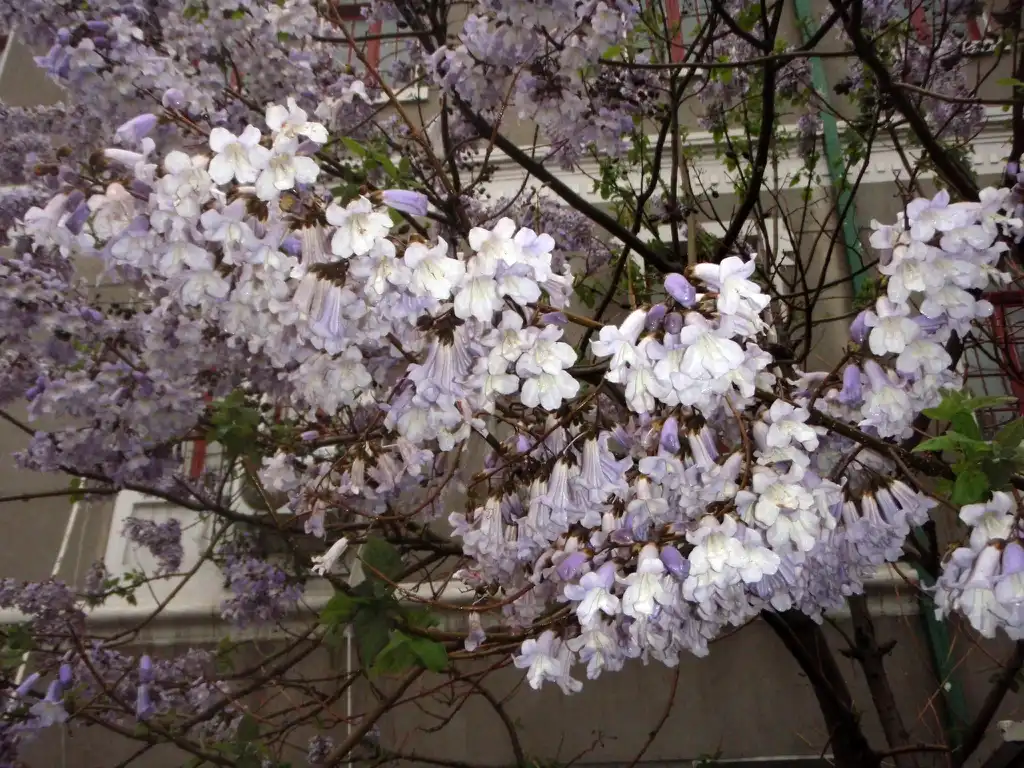
Large showy upright cluster of purple tube-like 1.5-2 inch long fragrant flowers. Pale violet with dark spots and yellow stripes; vanilla scented
Purple/Lavender
1-3 inches
Leaves
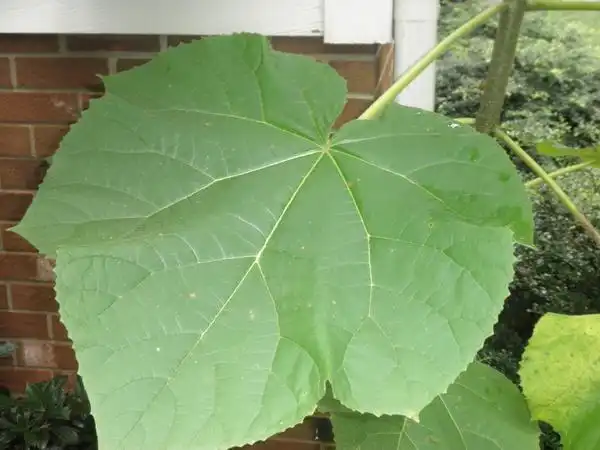
Opposite simple heart-shaped 5-12 inch velvety pale underside leaves.
> 6 inches
Bark
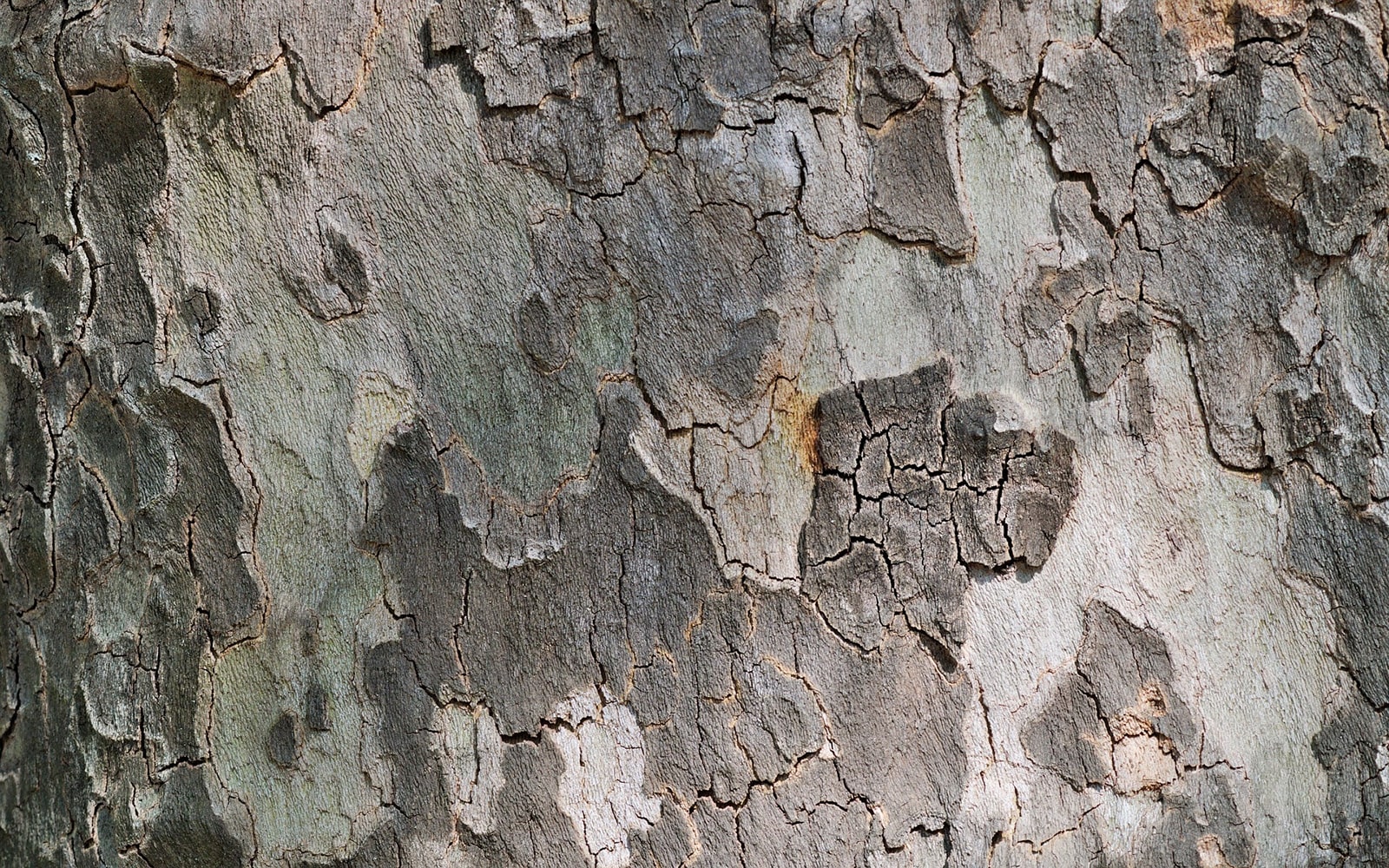
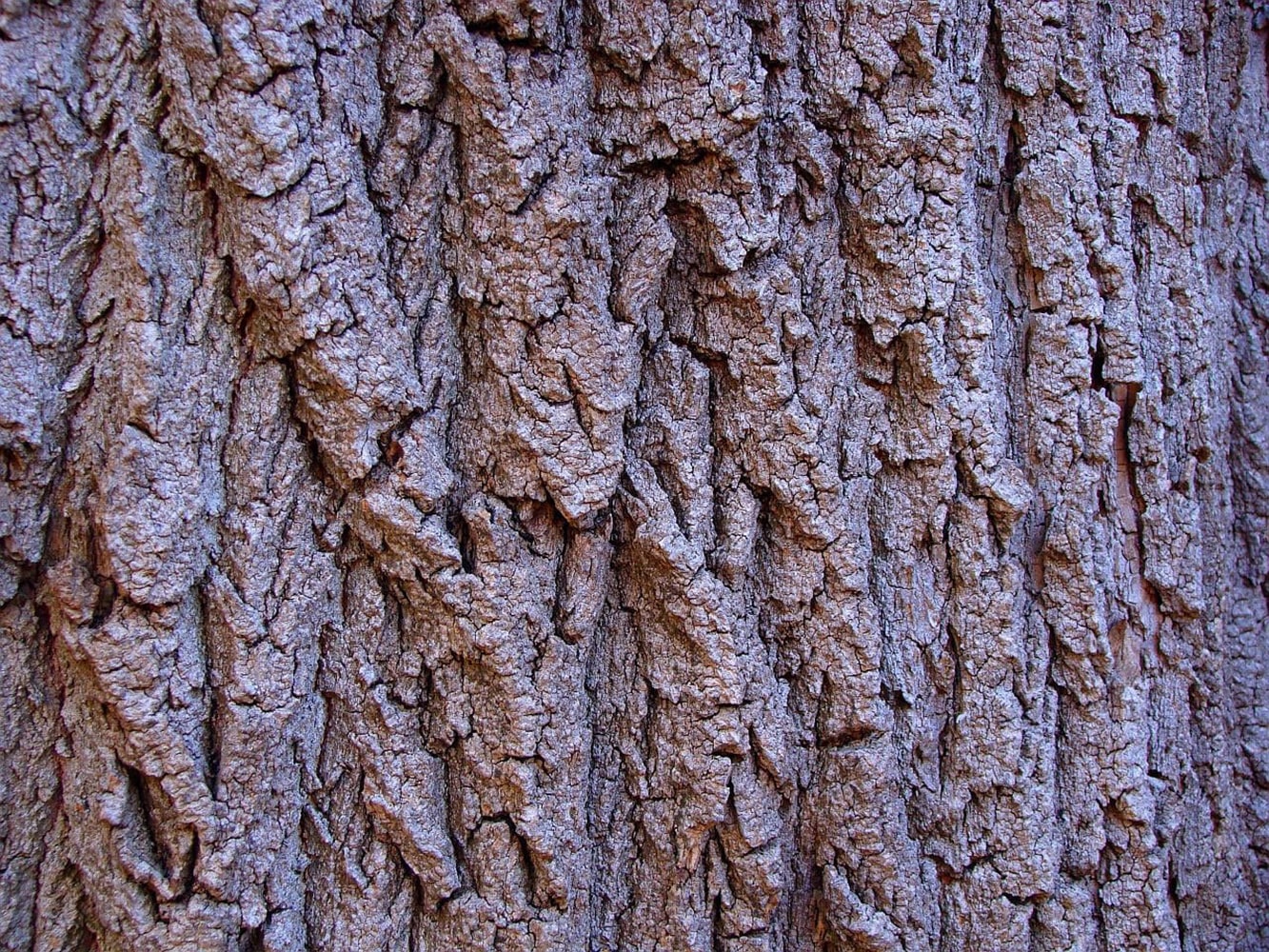
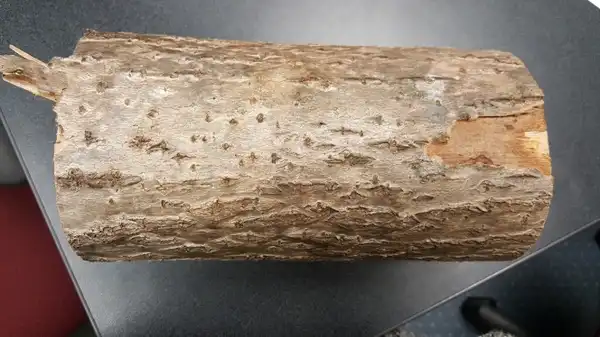
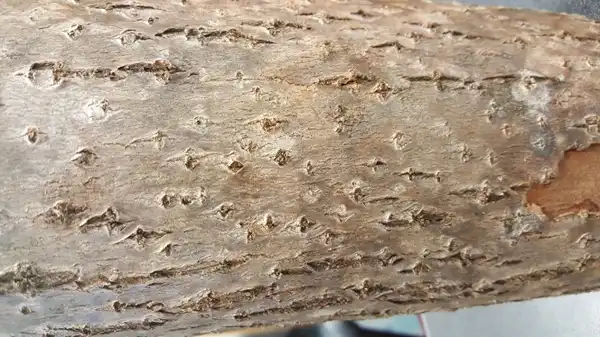
Thin greyish brown with shallow fissured bark.
Light Gray
Light Brown
Whole Plant Traits
Cultural Conditions
Full sun (6 or more hours of direct sunlight a day)
Partial Shade (Direct sunlight only part of the day, 2-6 hours)
Good Drainage
Moist
5b
5a
6a
6b
7a
7b
8b
8a
9a
9b
Landscape
Weedy
Invasive Species
Messy

Paulownia tomentosa Attributes

Paulownia tomentosa: Uses (Ethnobotany)

Used in paper, veneer, hand-carvings, clogs, musical instuments, furniture, rice pots, water pails, bowls, and spoons and has medicinal uses in Asia.

Paulownia tomentosa: Country Or Region Of Origin

China

Paulownia tomentosa: Life Cycle

Annual
Biennial
Bulb
Perennial
Woody

Paulownia tomentosa: Play Value

Attractive Flowers
Attracts Pollinators
Buffer
Colorful
Defines Paths
Easy to Grow
Edible fruit
Fragrance
Pieces Used in Games
Screening
Shade
Sound
Textural
Wildlife Cover/Habitat
Wildlife Food Source
Wildlife Larval Host
Wildlife Nesting
Wind Break
Wind Shimmer

Paulownia tomentosa Fruit

Paulownia tomentosa: Fruit Description

1-1.5 long oval capsule containing thousands of small sticky green turning brown seeds.

Paulownia tomentosa: Fruit Type

Achene
Aggregate
Berry
Capsule
Caryopsis
Drupe
Follicle
Legume
Nut
Pome
Samara
Schizocarp
Siliqua

Paulownia tomentosa: Fruit Color

grass
Brown/Copper
grass
Green

Paulownia tomentosa: Fruit Length

< 1 inch
1-3 inches
> 3 inches

Paulownia tomentosa Flowers

Paulownia tomentosa: Flower Description

Large showy upright cluster of purple tube-like 1.5-2 inch long fragrant flowers. Pale violet with dark spots and yellow stripes; vanilla scented

Paulownia tomentosa: Flower Color

filter_vintage
Purple/Lavender

Paulownia tomentosa: Flower Inflorescence

Catkin
Corymb
Cyme
Head
Insignificant
Panicle
Raceme
Solitary
Spadix
Spike
Umbel

Paulownia tomentosa: Flower Value To Gardener

Edible
Fragrant
Good Cut
Good Dried
Long Bloom Season
Long-lasting
Showy

Paulownia tomentosa: Flower Size

1-3 inches
3-6 inches
< 1 inch
> 6 inches

Paulownia tomentosa Leaves

Paulownia tomentosa: Leaf Description

Opposite simple heart-shaped 5-12 inch velvety pale underside leaves.

Paulownia tomentosa: Woody Plant Leaf Characteristics

Broadleaf Evergreen
Deciduous
Needled Evergreen
Semi-evergreen

Paulownia tomentosa: Leaf Type

Compound (Pinnately , Bipinnately, Palmately)
Fronds
Needles
Sheath
Simple

Paulownia tomentosa: Leaf Arrangement

Alternate
Opposite
Other/more complex
Rosulate
Whorled

Paulownia tomentosa: Hairs Present

No
Yes

Paulownia tomentosa: Leaf Length

< 1 inch
1-3 inches
3-6 inches
> 6 inches

Paulownia tomentosa Bark

Paulownia tomentosa: Bark Description

Thin greyish brown with shallow fissured bark.

Paulownia tomentosa: Bark Color

grass
Light Brown
grass
Light Gray

Paulownia tomentosa: Surface/Attachment

Bumpy
Exfoliating
Fissured
Furrowed
Lenticels
Papery
Patchy
Peeling
Ridges
Scaly
Shaggy
Shiny
Shredding
Smooth
Spongy

Paulownia tomentosa Whole Plant Traits

Paulownia tomentosa: Plant Type

Annual
Bulb
Carnivorous
Edible
Epiphyte
Fern
Ground Cover
Herb
Herbaceous Perennial
Houseplant
Mushroom
Native Plant
Ornamental Grasses and Sedges
Perennial
Poisonous
Rose
Shrub
Succulent
Tree
Turfgrass
Vegetable
Vine
Water Plant
Weed
Wildflower

Paulownia tomentosa: Woody Plant Leaf Characteristics

Broadleaf Evergreen
Deciduous
Needled Evergreen
Semi-evergreen

Paulownia tomentosa: Habit/Form

Arching
Ascending
Broad
Cascading
Climbing
Clumping
Columnar
Conical
Creeping
Dense
Erect
Horizontal
Irregular
Mounding
Multi-stemmed
Multi-trunked
Open
Oval
Prostrate
Pyramidal
Rounded
Spreading
Vase
Weeping

Paulownia tomentosa: Growth Rate

Slow
Medium
Rapid

Paulownia tomentosa: Maintenance

Low
Medium
High

Paulownia tomentosa: Texture

Fine
Medium
Coarse

Paulownia tomentosa Cultural Conditions

Paulownia tomentosa: Light

Dappled Sunlight (Shade through upper canopy all day)
Deep shade (Less than 2 hours to no direct sunlight)
Full sun (6 or more hours of direct sunlight a day)
Partial Shade (Direct sunlight only part of the day, 2-6 hours)

Paulownia tomentosa: Soil Drainage

Frequent Standing Water
Good Drainage
Moist
Occasional Flooding
Occasionally Dry
Occasionally Wet
Very Dry

Paulownia tomentosa: USDA Plant Hardiness Zone

thermostat
5a
thermostat
5b
thermostat
6a
thermostat
6b
thermostat
7a
thermostat
7b
thermostat
8a
thermostat
8b
thermostat
9a
thermostat
9b

Paulownia tomentosa Stem

Paulownia tomentosa: Stem Is Aromatic

No
Yes

Paulownia tomentosa Landscape

Paulownia tomentosa: Problems

Allelopathic
Contact Dermatitis
Frequent Disease Problems
Frequent Insect Problems
Invasive Species
Malodorous
Messy
Poisonous to Humans
Problem for Cats
Problem for Children
Problem for Dogs
Problem for Horses
Short-lived
Spines/Thorns
Weak Wood
Weedy