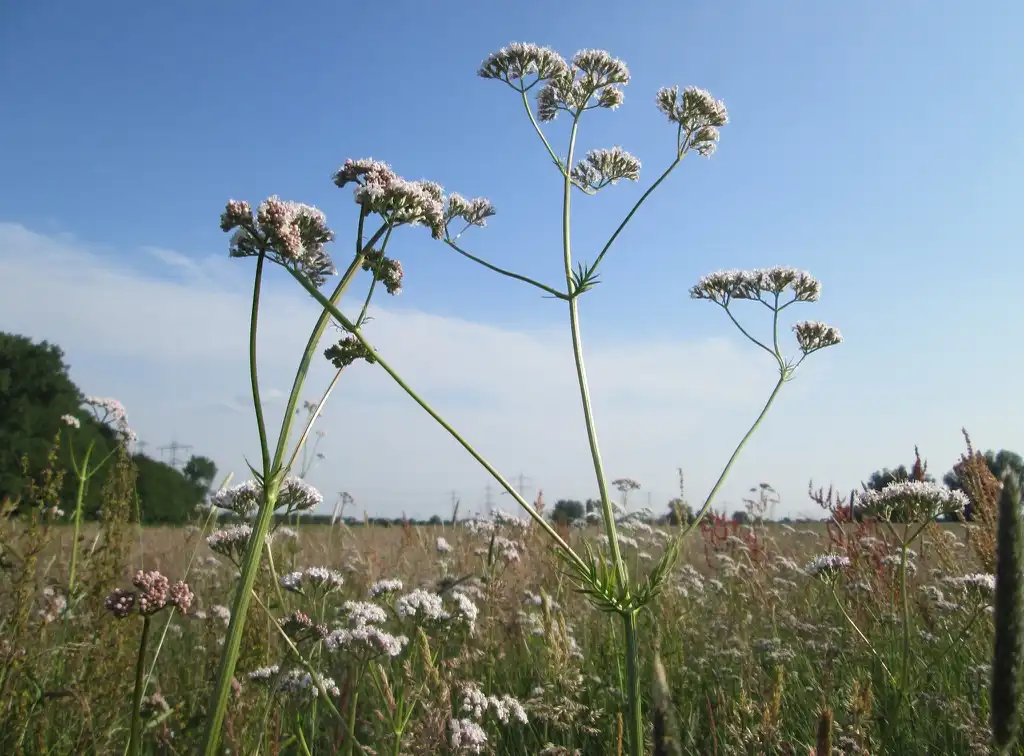
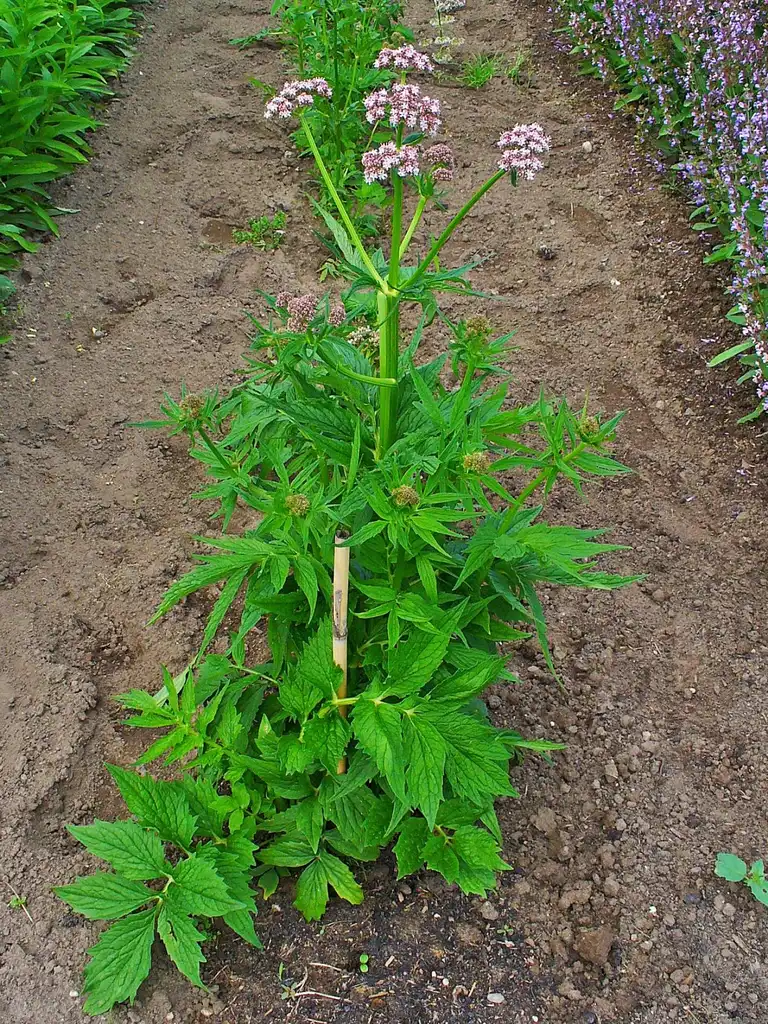
Valeriana officinalis: Country Or Region Of Origin
Europe, Asia
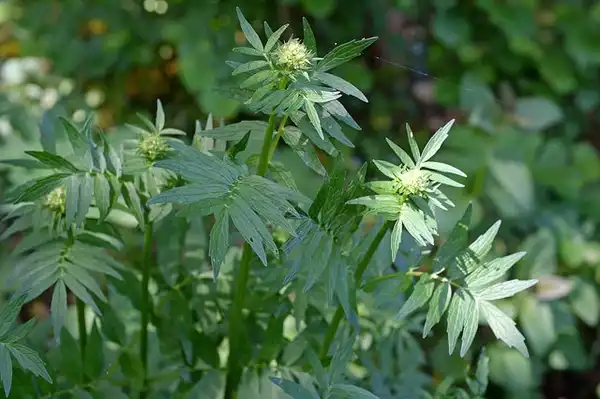
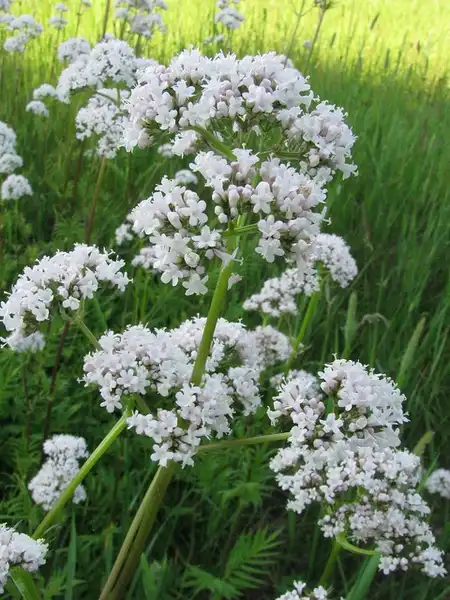
Phonetic Spelling:vah-ler-ee-AH-nah oh-fiss-ih-NAH-liss
Genus:Valeriana
Species:officinalis
Family:Caprifoliaceae
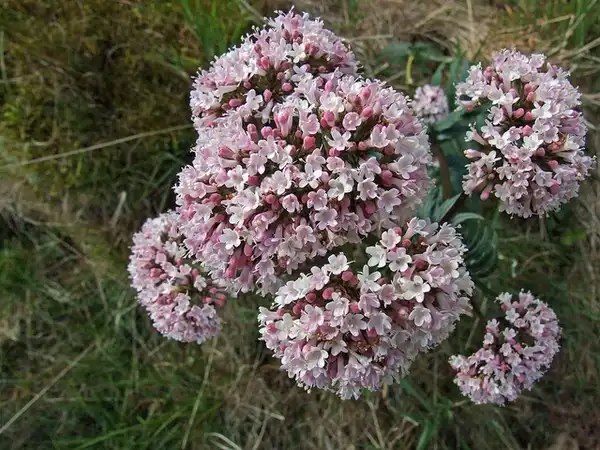
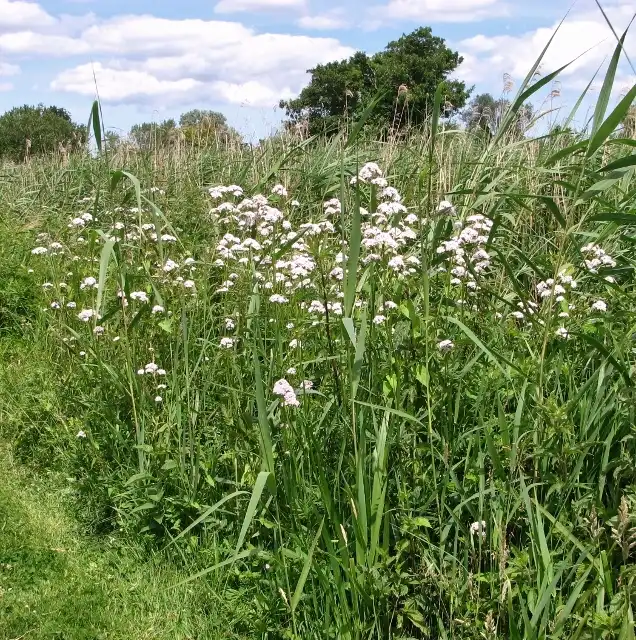
Valerian officinalis thrives in typical garden soils, preferring full sun but also tolerating partial shade. While it flourishes best in consistently moist, fertile loam, it can adapt to less favorable conditions. However, when grown in shadier areas, the stems may become weak and droop, with this tendency increasing in denser shade.
This herb is not native to the region and has escaped cultivation, primarily spreading throughout the northern United States, where it favors cooler climates and plentiful rainfall. Valerian propagates through rhizomes and seeds, which can lead to it becoming weedy. In fact, it is classified as a noxious weed in states like Connecticut and Wisconsin.
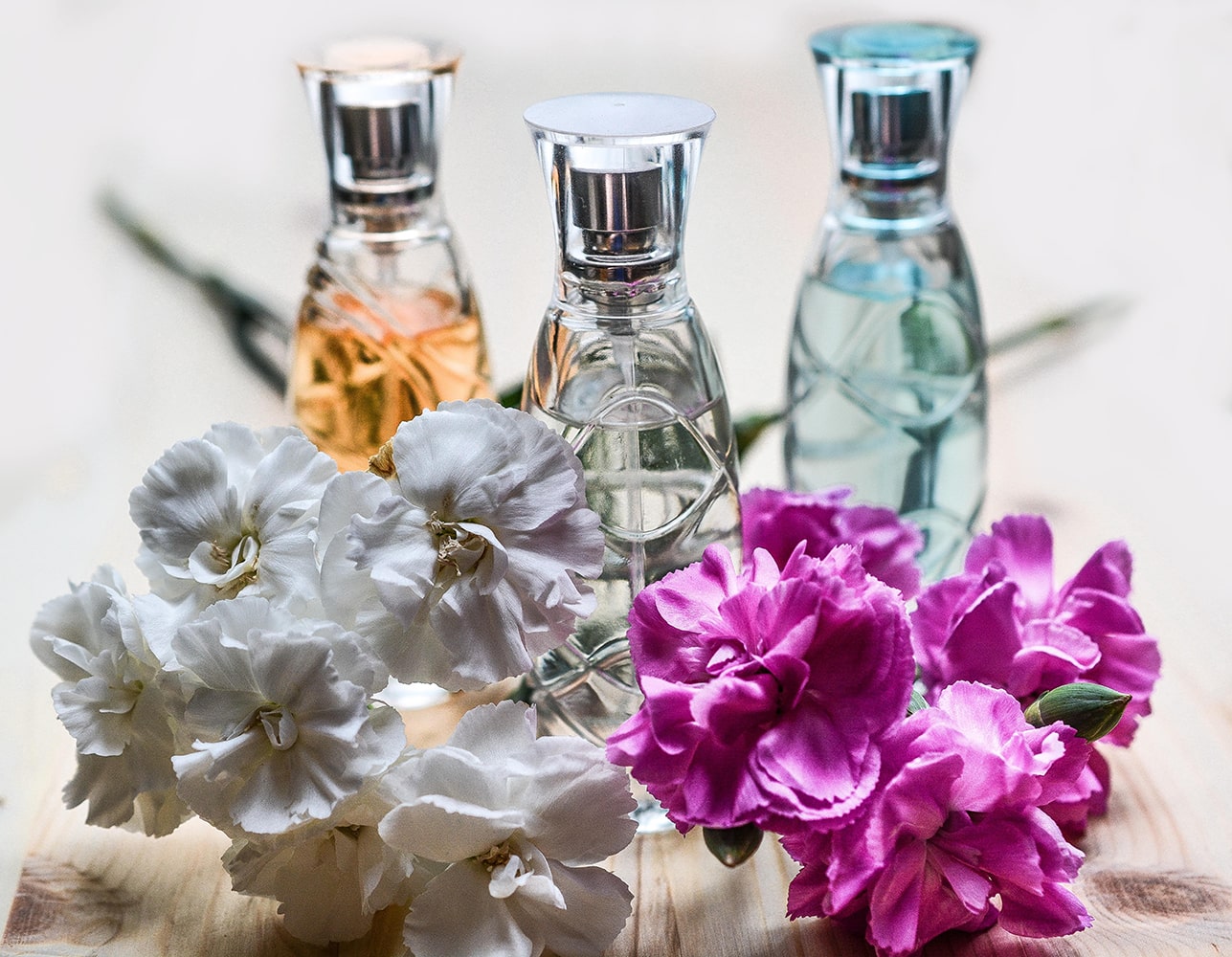
Medicinally, valerian is valued for the sedative properties of the valerian root, which is used to produce a calming drug. Additionally, it finds applications in culinary uses, perfumes, and teas. An oil extracted from its leaves and roots serves as a flavoring agent in ice cream, condiments, and baked goods.
In terms of pests and diseases, valerian does not face significant threats from insects or illnesses, but it can become invasive and may outcompete native flora in the wild.
While valerian is beneficial for medicinal purposes, long-term use can lead to dependency. Potential side effects include headaches, nausea, restlessness, heart palpitations, and insomnia.
Valeriana officinalis Feature Summary
Valeriana officinalis Image Gallery