Cephalotaxus harringtonia: Country Or Region Of Origin
Assam, China North-Central, China South-Central, China Southeast
Phonetic Spelling:sef-ah-loh-TAKS-us har-ring-TOH-nee-ah
Genus:Cephalotaxus
Species:harringtonia
Family:Taxaceae
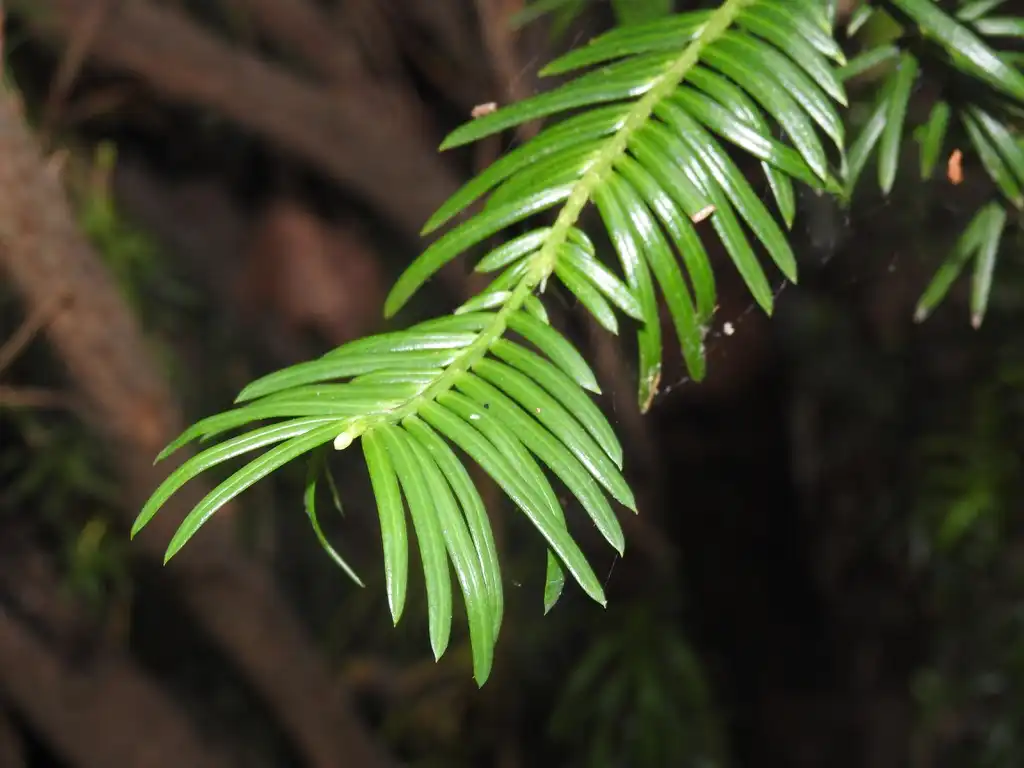
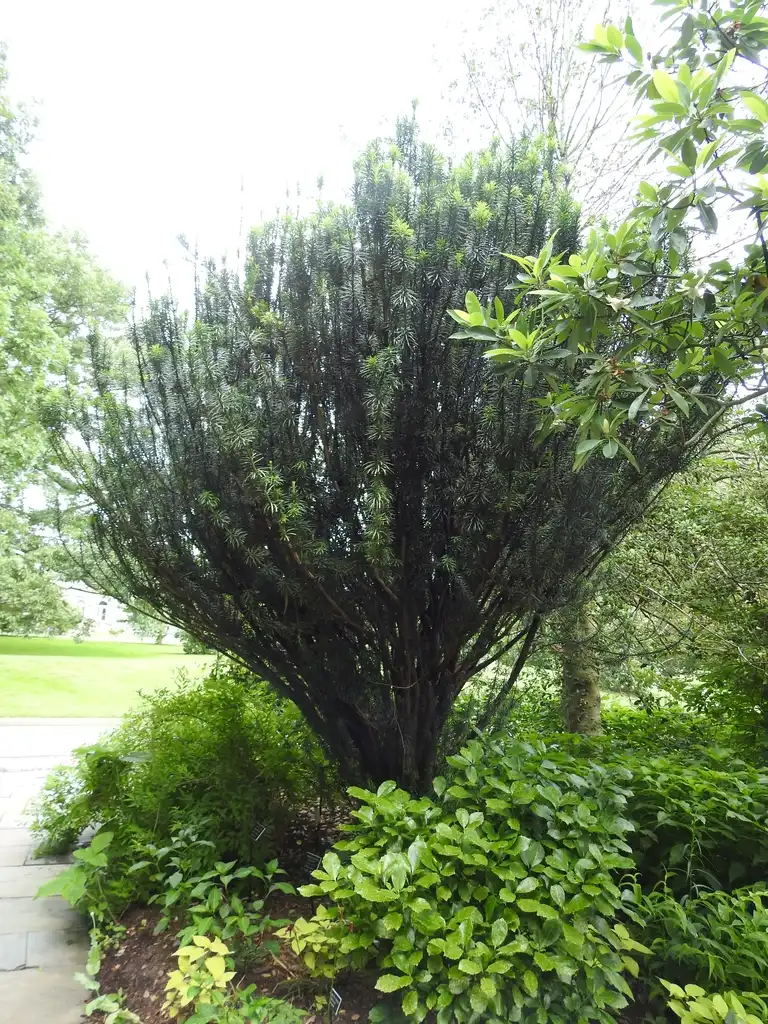
The Japanese Plum Yew is an excellent choice for a shrub or small tree in the southeastern United States, as it can withstand both the summer heat and humidity better than other yew varieties. This plant features a broad, bushy form with spreading branches, though it can also be shaped into a small tree. It thrives in moist, well-drained soil but is adaptable to dry, sandy, or clay conditions. If you experience cool summers, full sun is ideal; otherwise, it prefers partial shade and is more shade-tolerant than many other needle-bearing evergreens. With a medium to fine texture, this plant typically grows wider than it does tall, reaching heights of 5 to 10 feet and a similar width.
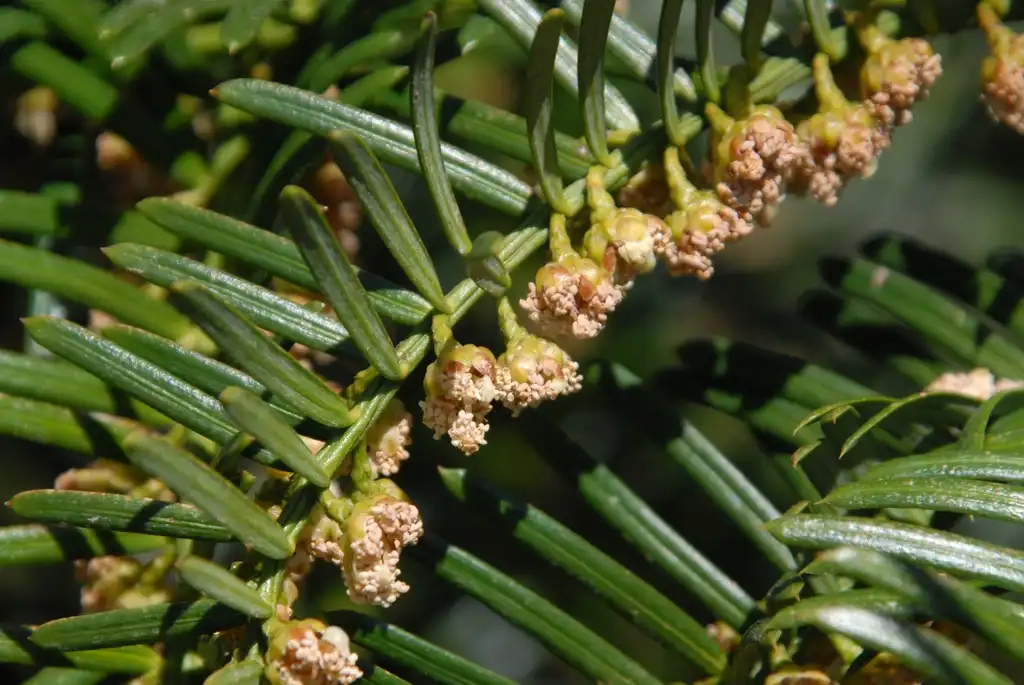
Once established, the Japanese Plum Yew is drought-resistant and repels deer. It serves well as an accent plant or can be massed along borders, providing a refreshing alternative to standard junipers. Numerous cultivars exist, ranging from dwarf varieties to small shrubs, each with different needle types. The female cones are often not visible, while the male cones are encased in bracts, with next season's twigs emerging through them.
For those in USDA hardiness zones 5 and below, it is advisable to plant this species in a sheltered spot, as it may not reliably survive harsh winters. This plant is particularly suitable for gardeners south of zone 7 who seek a yew-like option but face challenges due to warmer climates.
Previously classified under the family Cephalotaxaceae.
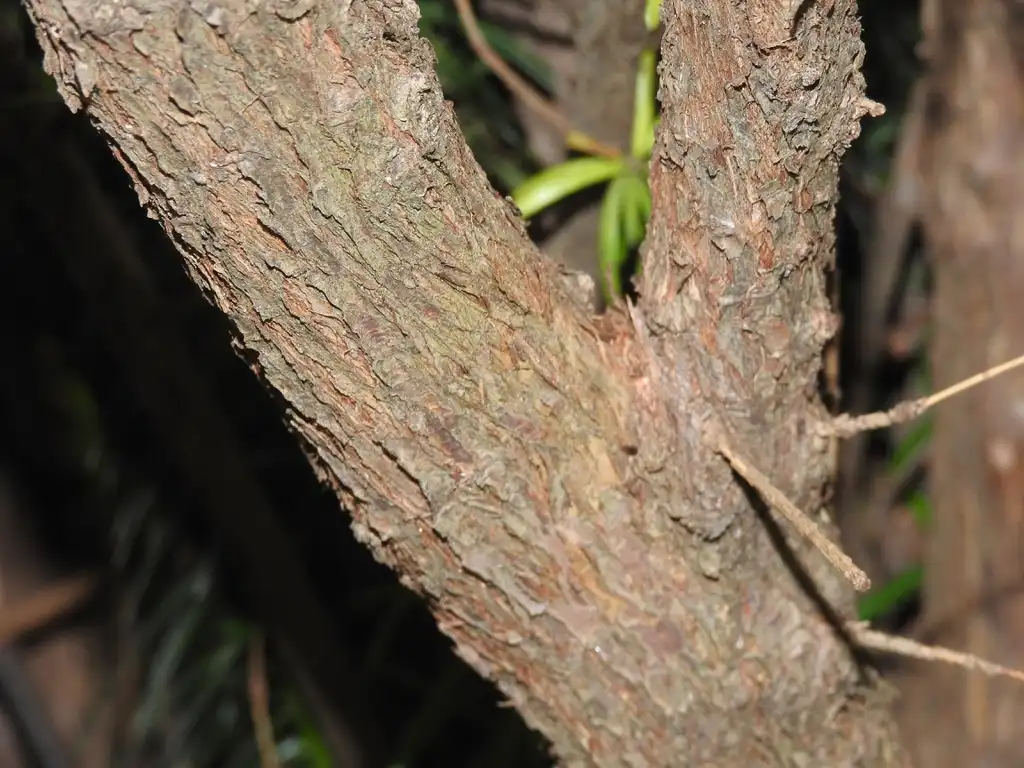
**Quick Identification Tips:**
**Pests, Diseases, and Other Issues:** This plant is generally free from significant problems.
Cephalotaxus harringtonia Feature Summary
Cephalotaxus harringtonia Image Gallery