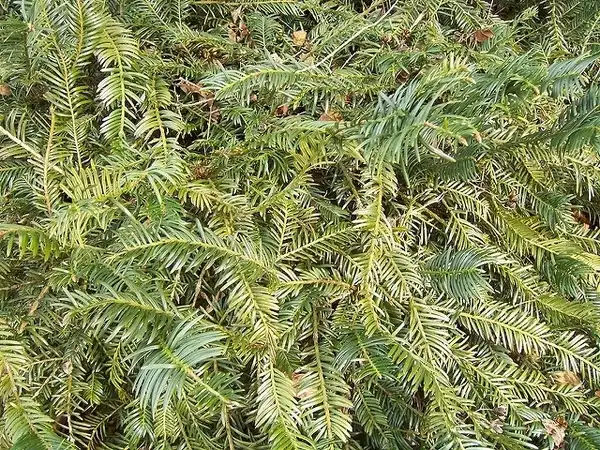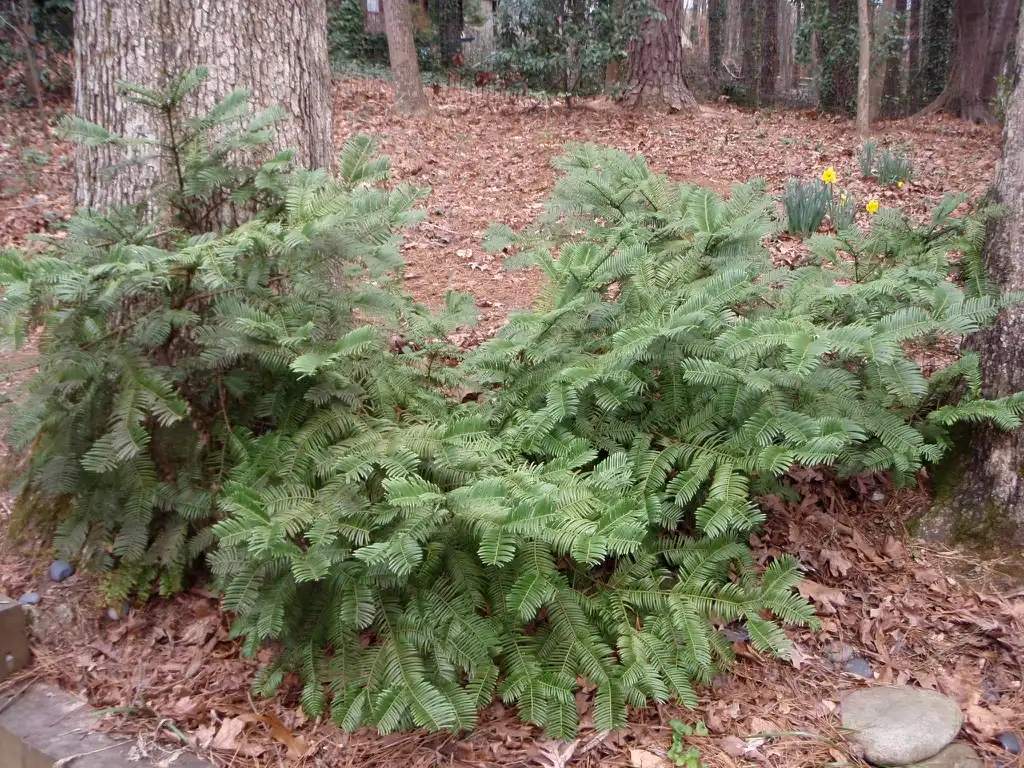
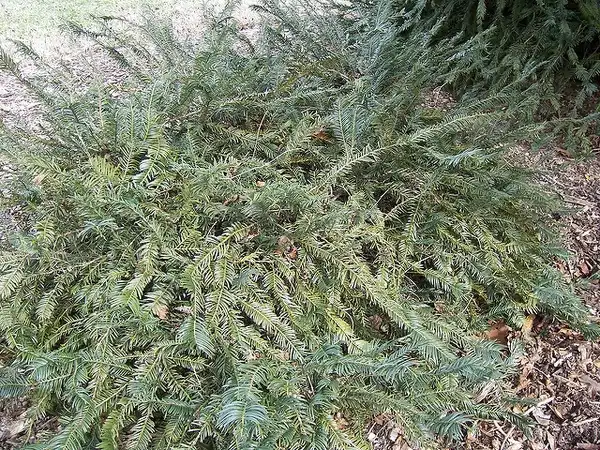
• Photo of Cephalotaxus harringtonia 'Prostrata' (Cephalotaxus harringtonia 'Prostrata's)

Plant Profile: Cephalotaxus harringtonia 'Prostrata'

Names

Prostrate Japanese Plum Yew

  • Photo of Cephalotaxus harringtonia 'Prostrata' (Cephalotaxus harringtonia 'Prostrata's)

Phonetic Spelling:sef-ah-loh-TAKS-us har-ring-TOH-nee-ah

Genus:Cephalotaxus

Species:harringtonia

Family:Taxaceae

For years, gardeners in the South have aspired to incorporate the common yew into their landscapes. However, the hot and humid summer conditions are not favorable for yews. Fortunately, there is an excellent alternative available. If you seek an evergreen shrub that features conifer-like foliage, the Japanese plum yew is an ideal choice.

Japanese plum yews serve as impressive specimen plants and can also be effectively utilized in groupings, mass plantings, or as ground cover. They are adaptable to a variety of soil types and require minimal upkeep. While they thrive in shade or partial shade, well-established specimens can also flourish in full sunlight. The primary drawback noted by gardeners is their relatively slow growth rate.

The ‘Prostrata’ variety is a compact plum yew that typically grows to a height of 2 to 3 feet and spreads about 3 feet wide. Many horticulturalists believe that the landscape potential of plum yews in the Southeast remains largely untapped. Additionally, one of the best features of Japanese plum yews is their resistance to deer.

For further details on Cephalotaxus harringtonia, please refer to additional resources.

Cephalotaxus harringtonia 'Prostrata' Feature Summary

Cephalotaxus harringtonia 'Prostrata' Image Gallery

Tags

#evergreen
#heat tolerant
#specimen
#low maintenance
#mass planting
#deer resistant
#showstopper
#humidity tolerant

Similar Plants

Cephalotaxus harringtonia 'Prostrata' Feature Summary

Leaves
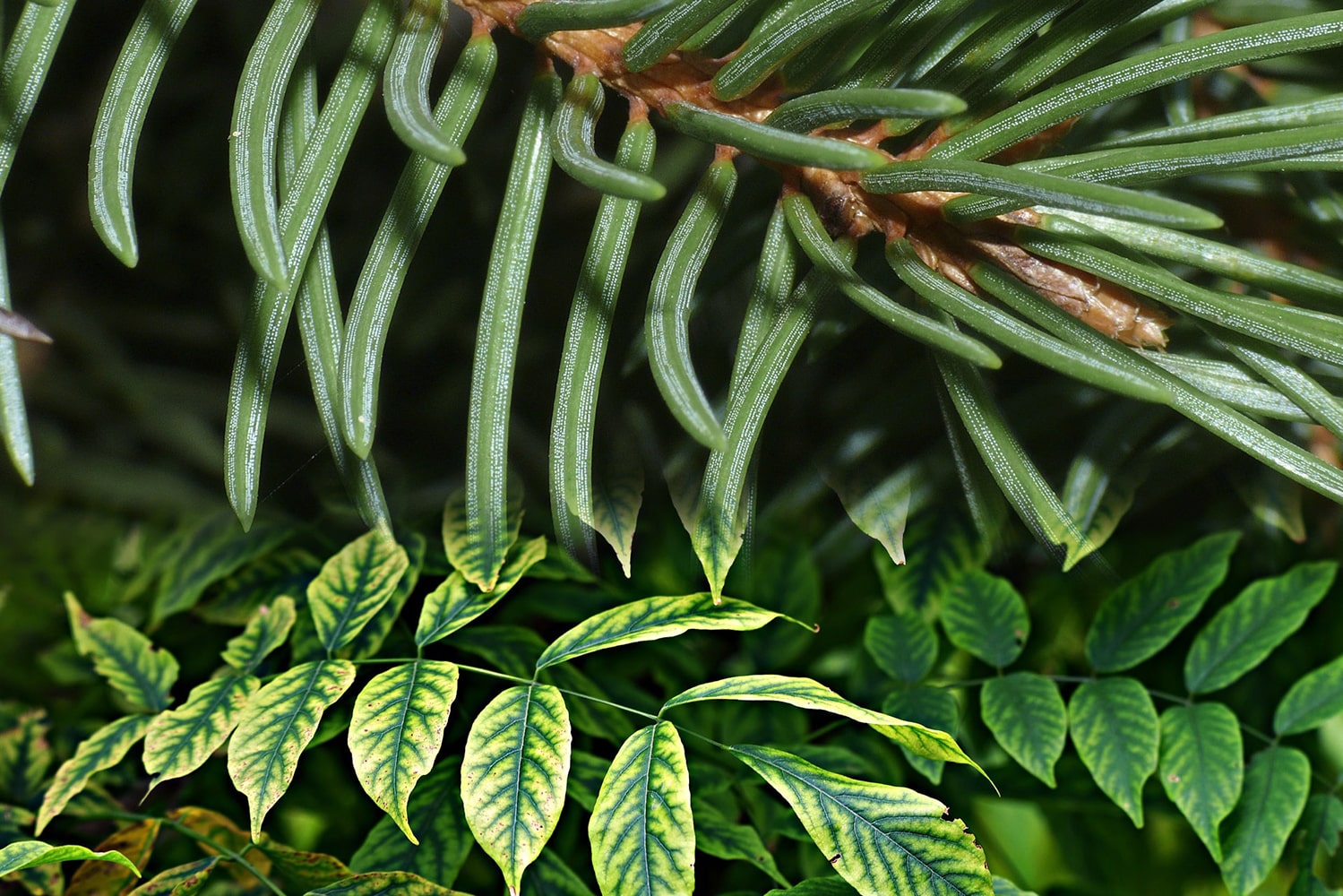
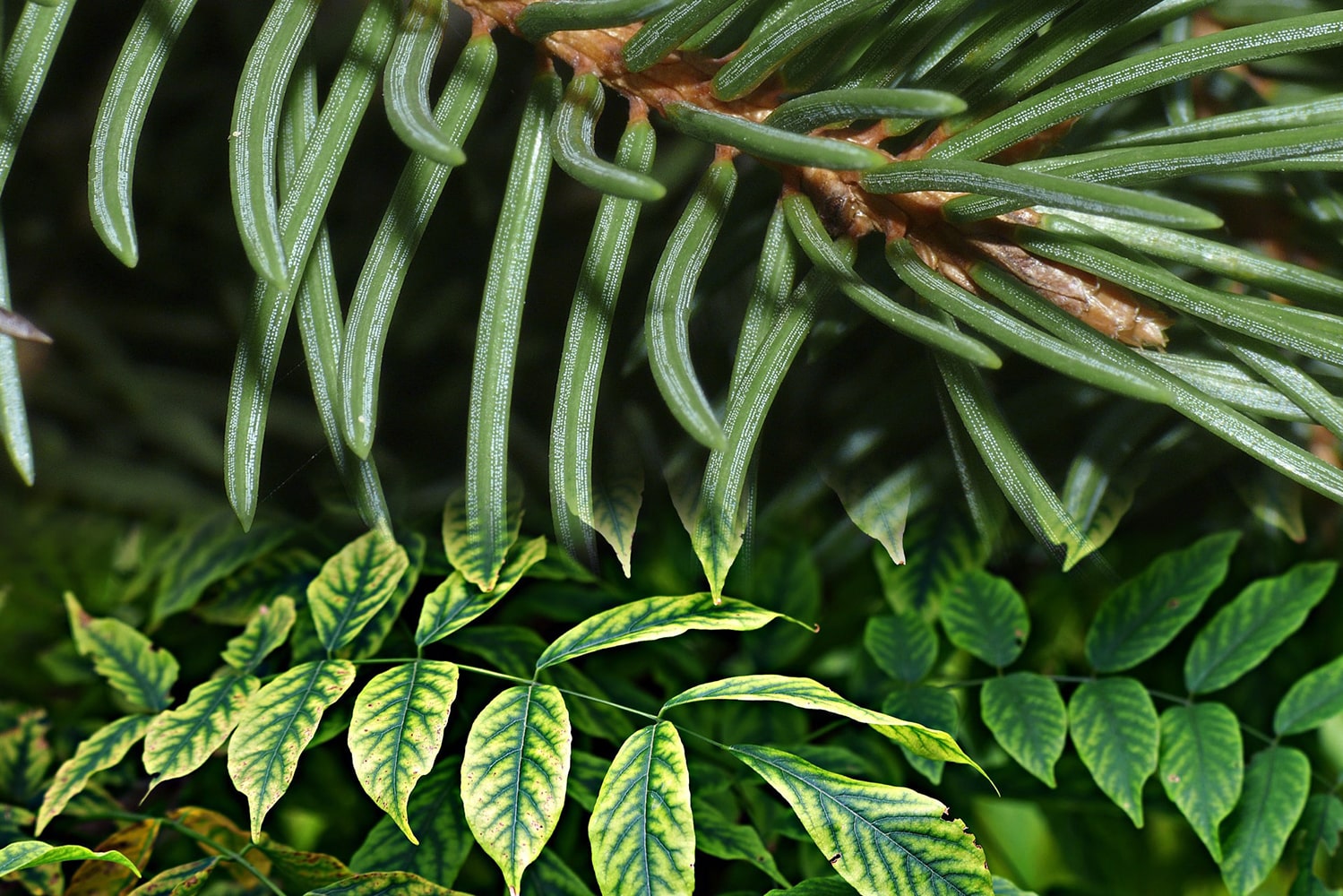
Glossy, dark green leaves, new growth in spring is pale lime green; 0.7-1.7 in. distichously arranged needles that resemble a conifer
Needles
1-3 inches
1-3 inches
Whole Plant Traits
Cultural Conditions
Partial Shade (Direct sunlight only part of the day, 2-6 hours)
Dappled Sunlight (Shade through upper canopy all day)
Good Drainage
Occasionally Wet
Coastal
Clay
High Organic Matter
Loam (Silt)
Sand
Shallow Rocky
Landscape
Mass Planting
Specimen
Drought
Deer
Heat
Humidity

Cephalotaxus harringtonia 'Prostrata' Attributes

Cephalotaxus harringtonia 'Prostrata': Particularly Resistant To (Insects/Diseases/Other Problems)

Deer resistant
Cephalotaxus harringtonia 'Prostrata': Life Cycle

Annual
Biennial
Bulb
Perennial
Woody

Cephalotaxus harringtonia 'Prostrata' Leaves

Cephalotaxus harringtonia 'Prostrata': Leaf Description

Glossy, dark green leaves, new growth in spring is pale lime green; 0.7-1.7 in. distichously arranged needles that resemble a conifer

Cephalotaxus harringtonia 'Prostrata': Woody Plant Leaf Characteristics

Broadleaf Evergreen
Deciduous
Needled Evergreen
Semi-evergreen

Cephalotaxus harringtonia 'Prostrata': Leaf Color

spa
Green

Cephalotaxus harringtonia 'Prostrata': Leaf Type

Compound (Pinnately , Bipinnately, Palmately)
Fronds
Needles
Sheath
Simple

Cephalotaxus harringtonia 'Prostrata': Hairs Present

No
Yes

Cephalotaxus harringtonia 'Prostrata': Leaf Length

< 1 inch
1-3 inches
3-6 inches
> 6 inches

Cephalotaxus harringtonia 'Prostrata': Leaf Feel

Fleshy
Glossy
Leathery
Papery
Prickly
Rough
Rubbery
Slippery
Smooth
Soft
Velvety
Waxy

Cephalotaxus harringtonia 'Prostrata': Leaf Value To Gardener

Edible
Fragrant
Good Cut
Good Dried
Long-lasting
Showy

Cephalotaxus harringtonia 'Prostrata': Leaf Width

< 1 inch
1-3 inches
3-6 inches
> 6 inches

Cephalotaxus harringtonia 'Prostrata' Whole Plant Traits

Cephalotaxus harringtonia 'Prostrata': Plant Type

Annual
Bulb
Carnivorous
Edible
Epiphyte
Fern
Ground Cover
Herb
Herbaceous Perennial
Houseplant
Mushroom
Native Plant
Ornamental Grasses and Sedges
Perennial
Poisonous
Rose
Shrub
Succulent
Tree
Turfgrass
Vegetable
Vine
Water Plant
Weed
Wildflower

Cephalotaxus harringtonia 'Prostrata': Woody Plant Leaf Characteristics

Broadleaf Evergreen
Deciduous
Needled Evergreen
Semi-evergreen

Cephalotaxus harringtonia 'Prostrata': Habit/Form

Arching
Ascending
Broad
Cascading
Climbing
Clumping
Columnar
Conical
Creeping
Dense
Erect
Horizontal
Irregular
Mounding
Multi-stemmed
Multi-trunked
Open
Oval
Prostrate
Pyramidal
Rounded
Spreading
Vase
Weeping

Cephalotaxus harringtonia 'Prostrata': Growth Rate

Slow
Medium
Rapid

Cephalotaxus harringtonia 'Prostrata': Maintenance

Low
Medium
High

Cephalotaxus harringtonia 'Prostrata' Cultural Conditions

Cephalotaxus harringtonia 'Prostrata': Light

Dappled Sunlight (Shade through upper canopy all day)
Deep shade (Less than 2 hours to no direct sunlight)
Full sun (6 or more hours of direct sunlight a day)
Partial Shade (Direct sunlight only part of the day, 2-6 hours)

Cephalotaxus harringtonia 'Prostrata': Soil Drainage

Frequent Standing Water
Good Drainage
Moist
Occasional Flooding
Occasionally Dry
Occasionally Wet
Very Dry

Cephalotaxus harringtonia 'Prostrata': Available Space To Plant

12 inches-3 feet
12-24 feet
24-60 feet
3 feet-6 feet
6-feet-12 feet
Less than 12 inches
more than 60 feet

Cephalotaxus harringtonia 'Prostrata': NC Region

Coastal
Mountains
Piedmont

Cephalotaxus harringtonia 'Prostrata': USDA Plant Hardiness Zone

thermostat
6a
thermostat
6b
thermostat
7a
thermostat
7b
thermostat
8a
thermostat
8b
thermostat
9a
thermostat
9b

Cephalotaxus harringtonia 'Prostrata': Soil Texture

Clay
High Organic Matter
Loam (Silt)
Sand
Shallow Rocky

Cephalotaxus harringtonia 'Prostrata' Stem

Cephalotaxus harringtonia 'Prostrata': Stem Is Aromatic

No
Yes

Cephalotaxus harringtonia 'Prostrata' Landscape

Cephalotaxus harringtonia 'Prostrata': Design Feature

Accent
Barrier
Border
Flowering Tree
Foundation Planting
Hedge
Mass Planting
Screen/Privacy
Security
Shade Tree
Small groups
Small Tree
Specimen
Street Tree
Understory Tree

Cephalotaxus harringtonia 'Prostrata': Resistance To Challenges

Black Walnut
Compaction
Deer
Diseases
Drought
Dry Soil
Erosion
Fire
Foot Traffic
Heat
Heavy Shade
Humidity
Insect Pests
Pollution
Poor Soil
Rabbits
Salt
Slugs
Squirrels
Storm damage
Urban Conditions
Voles
Wet Soil
Wind