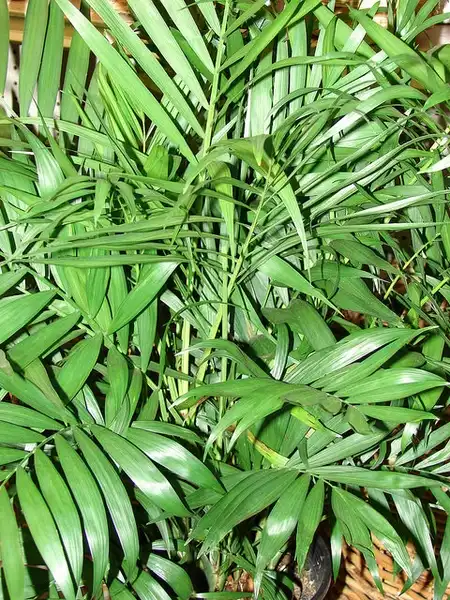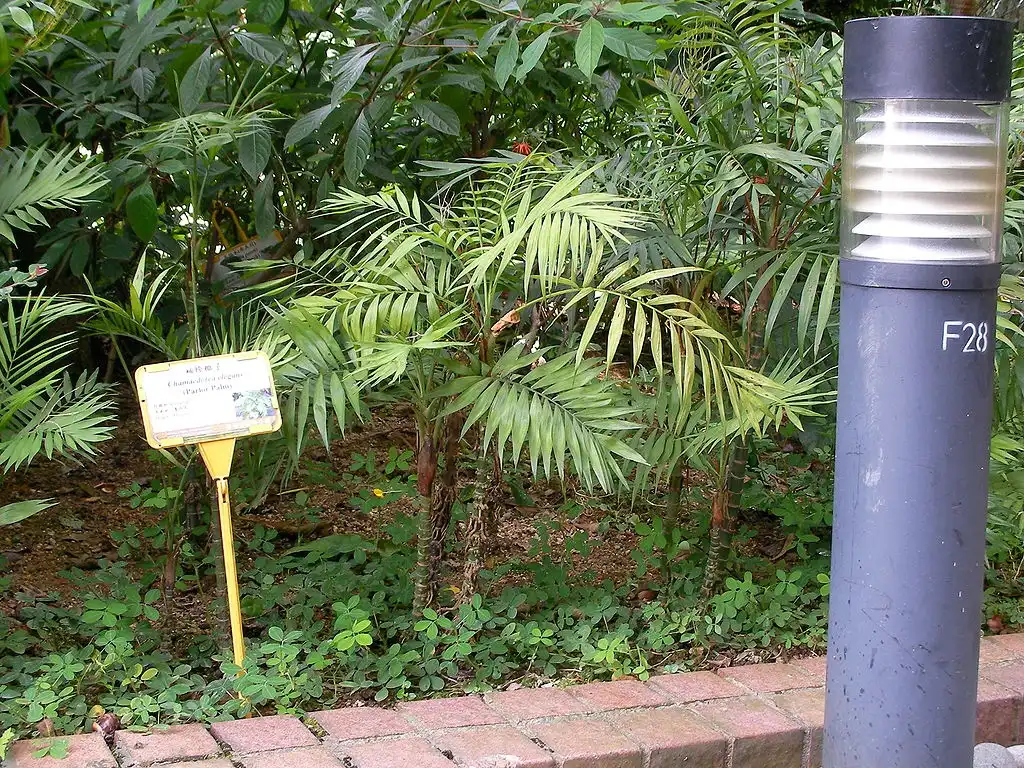
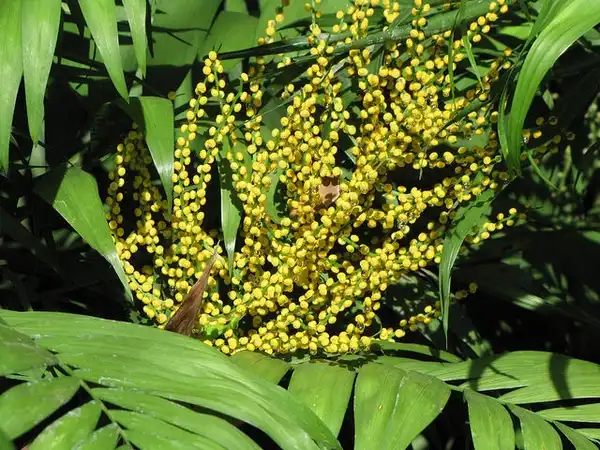
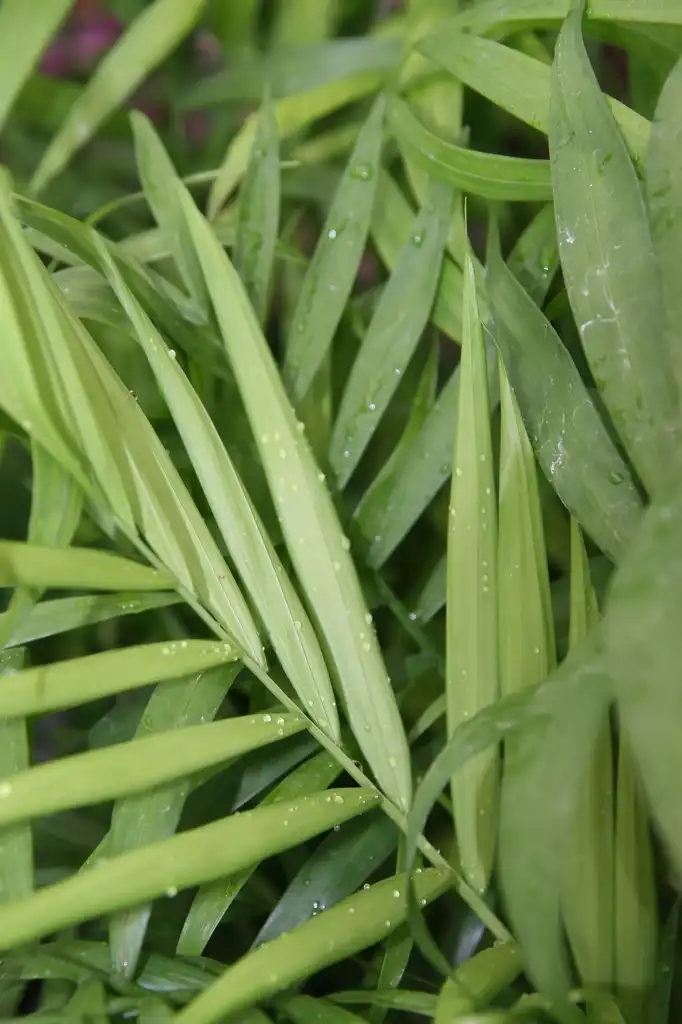
• Photo of Chamaedorea elegans (Chamaedorea eleganss)

Plant Profile: Chamaedorea elegans

Taxonomy: Chamaedorea elegans

Names

Bamboo Palm, Chamaedorea, Collinia Elegans, Dwarf Palm, Good Luck Palm, Miniature Fish Tail Dwarf Palm, Neanthebella, Neanthe Bella Palm, Neanthe Palm, Parlour Palm, Reed Palm

  • Photo of Chamaedorea elegans (Chamaedorea eleganss)

Phonetic Spelling:kam-ee-DOR-ee-uh ELL-eh-ganz

Genus:Chamaedorea

Species:elegans

Family:Arecaceae

This palm is highly coveted for indoor spaces due to its ability to flourish where many other plants struggle. It thrives in bright, indirect light and prefers lower humidity levels. Notably, this plant is effective at purifying indoor air by removing pollutants. However, be cautious of overwatering; it's essential to allow the soil to dry out between watering sessions. Repotting should only be done when absolutely necessary, typically every two years suffices. Additionally, protect the plant from cold drafts that may come from windows, doors, or vents. Use a peaty potting mix and fertilize it twice during the growing season, avoiding fertilization in winter.

When cultivated outdoors in temperate climates, this palm can grow to heights of 6 to 7 feet, but as a houseplant, it usually reaches between 2 to 6 feet tall and 2 to 3 feet wide.

Be aware that red spider mites and mealybugs can pose threats to the plant. Regular misting and wiping the leaves with a damp cloth can help prevent or eliminate these pests.

This palm is also referred to as Neanthe bella or Collinia elegans and belongs to the Arecaceae (Palmae) family.

Quick Identification Tips:

This subtropical palm can grow up to 6.5 feet tall, exhibiting an upright and spreading growth habit.

It is a popular choice for indoor gardening, often used as a specimen or accent plant in interior landscapes. The leaves typically spread out, with leaflets that may have a slight droop.

It can be distinguished from C. erumpens by its longer and thinner leaflets, which have a higher length-to-width ratio.

This palm prefers medium light but can tolerate low-light conditions. It thrives in slightly moist soil and moderate humidity levels, though it may encounter pest issues. To maintain its health in heated environments, mist the leaves regularly, and ensure the soil is well-drained.

Chamaedorea elegans Feature Summary

Chamaedorea elegans Image Gallery

Tags

#houseplant
#low light
#interiorscape
#palm
#accent plant
#fantz
#non-toxic for horses
#non-toxic for dogs
#non-toxic for cats

Similar Plants

Chamaedorea elegans is often confused with:

Chamaedorea elegans Feature Summary

Attributes
Perennial
Fruit
Round, fleshy black fruit may occasionally appear
Flowers
After a few years of growth will produce small, light yellow, yellow, or orange-red odorous flowers on irregularly branched stems that grow below or among the leaf. They emerge from the trunk as lateral buds and open in the form of clusters of small balls without petals. Interfoliar with branched green rachis, branch bracts papery, overlapping.
Gold/Yellow
Orange
Leaves
8 inch long light green arching pinnate fronds, with 12 or more pairs of narrow leaflets per leaf. Evenly pinnately compound; 11-20 lanceolate-linear leaflets per side; terminal pair of leaflets basally fused; petiole thin with thick, fleshy base.
Compound (Pinnately , Bipinnately, Palmately)
Fronds
Linear
Lanceolate
> 6 inches
< 1 inch
Stem
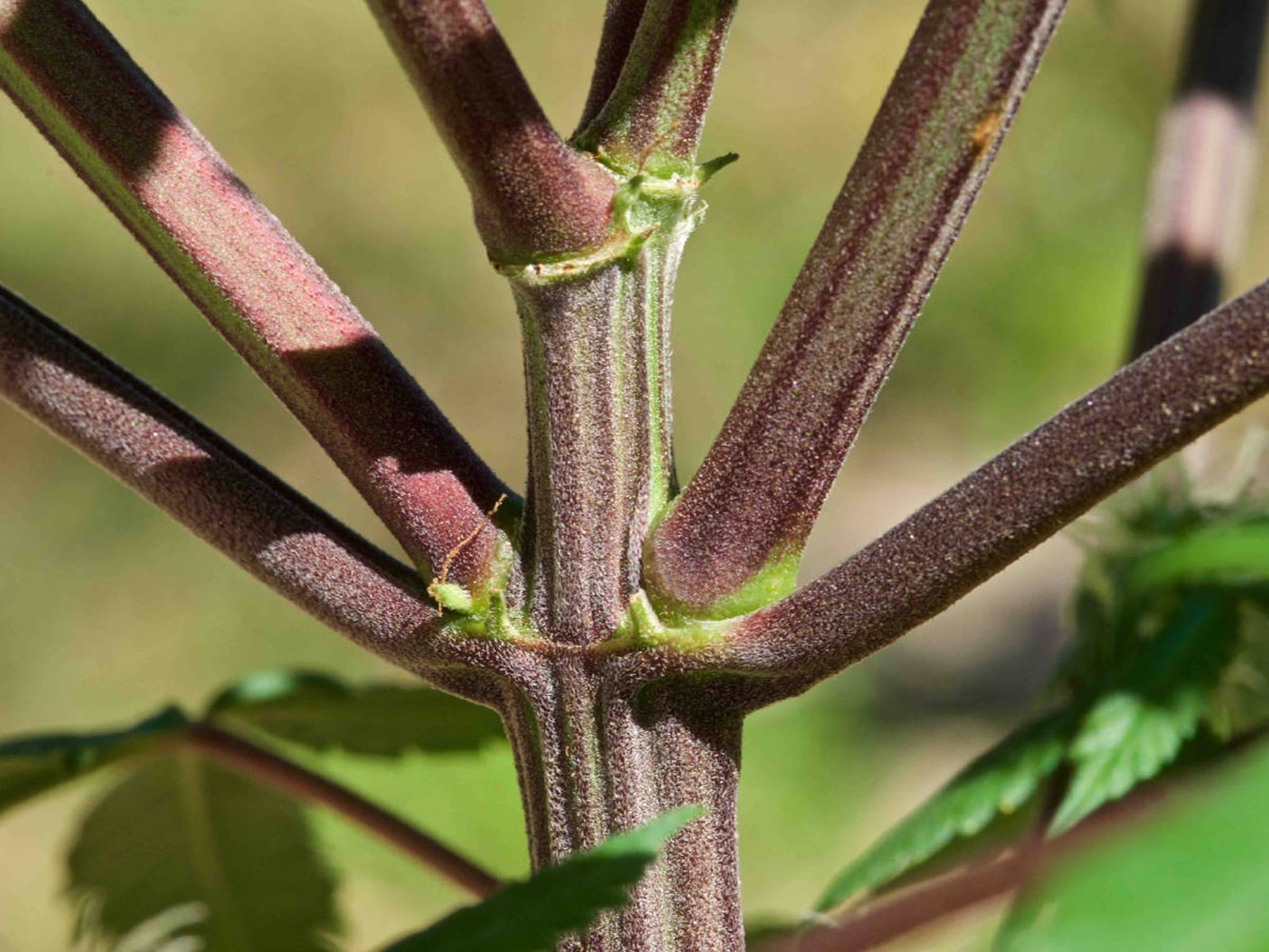
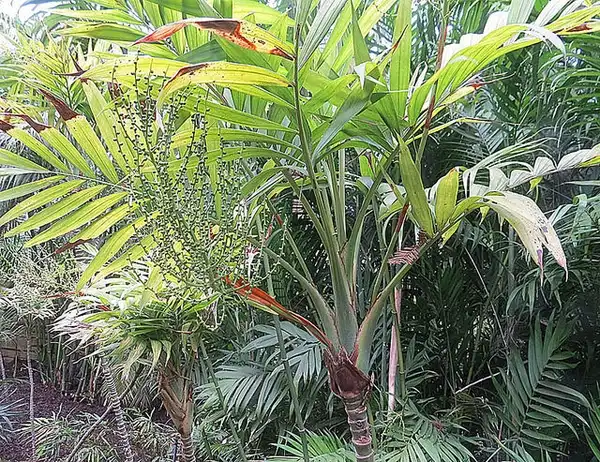
Smooth green stems can become woody with age. Erect, slender, to 3/4" diameter, bamboo-like.
Whole Plant Traits
Cultural Conditions
Dappled Sunlight (Shade through upper canopy all day)
Deep shade (Less than 2 hours to no direct sunlight)
Good Drainage
Moist
10a
10b
11a
11b
12a
12b
High Organic Matter
Loam (Silt)
Landscape
Container
Patio

Chamaedorea elegans Attributes

Chamaedorea elegans: Country Or Region Of Origin

Mexico to Honduras
Chamaedorea elegans: Life Cycle

Annual
Biennial
Bulb
Perennial
Woody

Chamaedorea elegans Fruit

Chamaedorea elegans: Fruit Description

Round, fleshy black fruit may occasionally appear

Chamaedorea elegans: Fruit Color

grass
Black

Chamaedorea elegans Flowers

Chamaedorea elegans: Flower Description

After a few years of growth will produce small, light yellow, yellow, or orange-red odorous flowers on irregularly branched stems that grow below or among the leaf. They emerge from the trunk as lateral buds and open in the form of clusters of small balls without petals. Interfoliar with branched green rachis, branch bracts papery, overlapping.

Chamaedorea elegans: Flower Color

filter_vintage
Gold/Yellow
filter_vintage
Orange

Chamaedorea elegans Leaves

Chamaedorea elegans: Leaf Description

8 inch long light green arching pinnate fronds, with 12 or more pairs of narrow leaflets per leaf. Evenly pinnately compound; 11-20 lanceolate-linear leaflets per side; terminal pair of leaflets basally fused; petiole thin with thick, fleshy base.

Chamaedorea elegans: Woody Plant Leaf Characteristics

Broadleaf Evergreen
Deciduous
Needled Evergreen
Semi-evergreen

Chamaedorea elegans: Leaf Color

spa
Green

Chamaedorea elegans: Leaf Type

Compound (Pinnately , Bipinnately, Palmately)
Fronds
Needles
Sheath
Simple

Chamaedorea elegans: Leaf Arrangement

Alternate
Opposite
Other/more complex
Rosulate
Whorled

Chamaedorea elegans: Leaf Shape

Acicular
Auriculate
Cordate
Cuneate
Deltoid
Elliptical
Filiform
Lanceolate
Linear
Oblanceolate
Oblong
Obovate
Obtuse
Orbicular
Ovate
Palmasect
Palmatifid
Peltate
Pinnatifid
Pinnatisect
Reniform
Rhomboidal
Spatulate
Subcordate
Subulate

Chamaedorea elegans: Leaf Margin

Crenate
Crenulate
Dentate
Denticulate
Doubly Crenate
Doubly Dentate
Doubly Serrate
Entire
Lobed
Serrate
Sinuate
Undulate

Chamaedorea elegans: Hairs Present

No
Yes

Chamaedorea elegans: Leaf Length

< 1 inch
1-3 inches
3-6 inches
> 6 inches

Chamaedorea elegans: Leaf Value To Gardener

Edible
Fragrant
Good Cut
Good Dried
Long-lasting
Showy

Chamaedorea elegans: Leaf Width

< 1 inch
1-3 inches
3-6 inches
> 6 inches

Chamaedorea elegans Stem

Chamaedorea elegans: Stem Description

Smooth green stems can become woody with age. Erect, slender, to 3/4" diameter, bamboo-like.

Chamaedorea elegans: Stem Color

grass
Green

Chamaedorea elegans: Stem Is Aromatic

No
Yes

Chamaedorea elegans Whole Plant Traits

Chamaedorea elegans: Plant Type

Annual
Bulb
Carnivorous
Edible
Epiphyte
Fern
Ground Cover
Herb
Herbaceous Perennial
Houseplant
Mushroom
Native Plant
Ornamental Grasses and Sedges
Perennial
Poisonous
Rose
Shrub
Succulent
Tree
Turfgrass
Vegetable
Vine
Water Plant
Weed
Wildflower

Chamaedorea elegans: Woody Plant Leaf Characteristics

Broadleaf Evergreen
Deciduous
Needled Evergreen
Semi-evergreen

Chamaedorea elegans: Habit/Form

Arching
Ascending
Broad
Cascading
Climbing
Clumping
Columnar
Conical
Creeping
Dense
Erect
Horizontal
Irregular
Mounding
Multi-stemmed
Multi-trunked
Open
Oval
Prostrate
Pyramidal
Rounded
Spreading
Vase
Weeping

Chamaedorea elegans: Growth Rate

Slow
Medium
Rapid

Chamaedorea elegans Cultural Conditions

Chamaedorea elegans: Light

Dappled Sunlight (Shade through upper canopy all day)
Deep shade (Less than 2 hours to no direct sunlight)
Full sun (6 or more hours of direct sunlight a day)
Partial Shade (Direct sunlight only part of the day, 2-6 hours)

Chamaedorea elegans: Soil Drainage

Frequent Standing Water
Good Drainage
Moist
Occasional Flooding
Occasionally Dry
Occasionally Wet
Very Dry

Chamaedorea elegans: USDA Plant Hardiness Zone

thermostat
10a
thermostat
10b
thermostat
11a
thermostat
11b
thermostat
12a
thermostat
12b

Chamaedorea elegans: Soil Texture

Clay
High Organic Matter
Loam (Silt)
Sand
Shallow Rocky

Chamaedorea elegans Landscape

Chamaedorea elegans: Landscape Location

Coastal
Container
Hanging Baskets
Houseplants
Lawn
Meadow
Naturalized Area
Near Septic
Patio
Pond
Pool/Hardscape
Recreational Play Area
Riparian
Rock Wall
Slope/Bank
Small Space
Vertical Spaces
Walkways
Woodland