Plant Profile: Chamaedorea seifrizii

Taxonomy: Chamaedorea seifrizii

Names

Bamboo Palm, Parlor Palm, Reed Palm

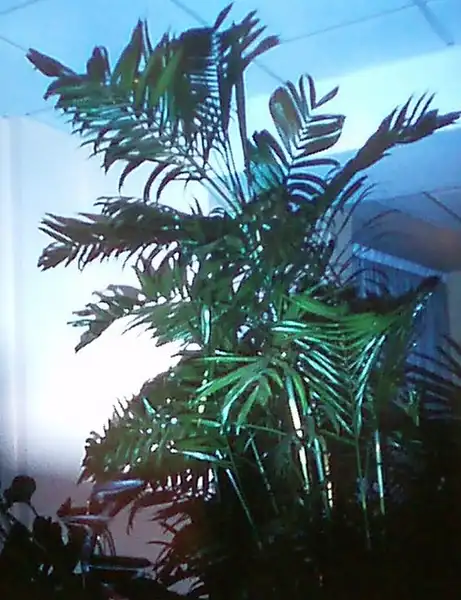
  • Photo of Chamaedorea seifrizii (Chamaedorea seifriziis)

Phonetic Spelling:kam-ee-DOR-ee-uh see-FRIZ-ee-eye

Genus:Chamaedorea

Species:seifrizii

Family:Arecaceae

This subtropical palm, often cultivated as a houseplant in temperate regions, features delicate, lacy fronds. It can reach a height of up to 6.5 feet and exhibits an upright, spreading growth habit. Ideal for low-light environments, this plant is frequently utilized in interior landscaping and serves well as a specimen or accent piece. To maintain its health, it requires some humidity; misting the fronds weekly or placing the pot on a pebble-filled saucer can help. The leaves typically extend outward, with the leaflets having a slight droop. While it thrives in medium light, it can also endure lower light conditions. The plant prefers soil that is slightly moist and enjoys medium humidity levels. However, it is susceptible to pest issues, and well-drained soil is essential for its growth. Notably, this species can be distinguished from C. erumpens by its longer and thinner leaflets, which have a higher length-to-width ratio.

**Quick Identification Tips:**
- Subtropical palm reaching up to 6.5 feet, characterized by erect, cane-like growth.
- Belongs to the Arecaceae (Palmae) family.
- The floral rachis turns orange as it matures and is denser compared to that of C. elegans; often used as a specimen or accent plant.
- Prefers medium light, slightly moist soil, and moderate humidity; be aware of potential pest issues.

Chamaedorea seifrizii Feature Summary

Chamaedorea seifrizii Image Gallery

Tags

#houseplant
#lacy leaves
#interiorscape
#fronds
#accent plant
#fantz
#tropical palm
#tropical feel
#container plants

Similar Plants

Chamaedorea seifrizii is often confused with:

Chamaedorea seifrizii Feature Summary

Attributes
South Eastern Mexico to Honduras
Fruit
Round, bluish-black fruits. The flesh is irritating if touched.
Black
Blue
< 1 inch
Flowers
Flowers are golden yellow in color. Interfoliar has branched green rachis, and branch bracts are papery and overlapping. Separate male and female flowers grow on different plants.
Gold/Yellow
Leaves
Evenly pinnately compound and have 5-15 lanceolate pinnae per side. The terminal pinnae basally fused and sometimes larger. The thin petiole has thick, fleshy base.
Green
Gray/Silver
Compound (Pinnately , Bipinnately, Palmately)
Linear
Lanceolate
Entire
Lobed
> 6 inches
> 6 inches
Stem
Slender, cane-like, clumped, erect, and less than an inch in diameter.
Poisonous to Humans
The fruit's flesh is irritating to skin if handled.
Whole Plant Traits
Erect
Spreading
Clumping
Cultural Conditions
Dappled Sunlight (Shade through upper canopy all day)
Good Drainage
Moist
3 feet-6 feet
6-feet-12 feet
10a
10b
11a
11b
12a
12b
Landscape
Container
Houseplants
Contact Dermatitis

Chamaedorea seifrizii Attributes

Chamaedorea seifrizii: Country Or Region Of Origin

South Eastern Mexico to Honduras
Chamaedorea seifrizii: Life Cycle

Annual
Biennial
Bulb
Perennial
Woody

Chamaedorea seifrizii: Recommended Propagation Strategy

Division
Grafting
Layering
Leaf Cutting
Root Cutting
Seed
Stem Cutting

Chamaedorea seifrizii Fruit

Chamaedorea seifrizii: Fruit Description

Round, bluish-black fruits. The flesh is irritating if touched.

Chamaedorea seifrizii: Fruit Type

Achene
Aggregate
Berry
Capsule
Caryopsis
Drupe
Follicle
Legume
Nut
Pome
Samara
Schizocarp
Siliqua

Chamaedorea seifrizii: Fruit Color

grass
Black
grass
Blue

Chamaedorea seifrizii: Fruit Length

< 1 inch
1-3 inches
> 3 inches

Chamaedorea seifrizii: Fruit Width

< 1 inch
1-3 inches
> 3 inches

Chamaedorea seifrizii Flowers

Chamaedorea seifrizii: Flower Description

Flowers are golden yellow in color. Interfoliar has branched green rachis, and branch bracts are papery and overlapping. Separate male and female flowers grow on different plants.

Chamaedorea seifrizii: Flower Color

filter_vintage
Gold/Yellow

Chamaedorea seifrizii Leaves

Chamaedorea seifrizii: Leaf Description

Evenly pinnately compound and have 5-15 lanceolate pinnae per side. The terminal pinnae basally fused and sometimes larger. The thin petiole has thick, fleshy base.

Chamaedorea seifrizii: Leaf Color

spa
Gray/Silver
spa
Green

Chamaedorea seifrizii: Leaf Type

Compound (Pinnately , Bipinnately, Palmately)
Fronds
Needles
Sheath
Simple

Chamaedorea seifrizii: Leaf Arrangement

Alternate
Opposite
Other/more complex
Rosulate
Whorled

Chamaedorea seifrizii: Leaf Shape

Acicular
Auriculate
Cordate
Cuneate
Deltoid
Elliptical
Filiform
Lanceolate
Linear
Oblanceolate
Oblong
Obovate
Obtuse
Orbicular
Ovate
Palmasect
Palmatifid
Peltate
Pinnatifid
Pinnatisect
Reniform
Rhomboidal
Spatulate
Subcordate
Subulate

Chamaedorea seifrizii: Leaf Margin

Crenate
Crenulate
Dentate
Denticulate
Doubly Crenate
Doubly Dentate
Doubly Serrate
Entire
Lobed
Serrate
Sinuate
Undulate

Chamaedorea seifrizii: Hairs Present

No
Yes

Chamaedorea seifrizii: Leaf Length

< 1 inch
1-3 inches
3-6 inches
> 6 inches

Chamaedorea seifrizii: Leaf Value To Gardener

Edible
Fragrant
Good Cut
Good Dried
Long-lasting
Showy

Chamaedorea seifrizii: Leaf Width

< 1 inch
1-3 inches
3-6 inches
> 6 inches

Chamaedorea seifrizii Stem

Chamaedorea seifrizii: Stem Description

Slender, cane-like, clumped, erect, and less than an inch in diameter.

Chamaedorea seifrizii: Stem Color

grass
Green

Chamaedorea seifrizii: Stem Is Aromatic

No
Yes

Chamaedorea seifrizii Poisonous to Humans

Chamaedorea seifrizii: Poison Symptoms

The fruit's flesh is irritating to skin if handled.

Chamaedorea seifrizii: Poison Toxic Principle

Oxalic acid

Chamaedorea seifrizii: Poison Severity

High
Low
Medium

Chamaedorea seifrizii: Causes Contact Dermatitis

No
Yes

Chamaedorea seifrizii: Poison Part

Bark
Flowers
Fruits
Leaves
Roots
Sap/Juice
Seeds
Stems

Chamaedorea seifrizii Whole Plant Traits

Chamaedorea seifrizii: Plant Type

Annual
Bulb
Carnivorous
Edible
Epiphyte
Fern
Ground Cover
Herb
Herbaceous Perennial
Houseplant
Mushroom
Native Plant
Ornamental Grasses and Sedges
Perennial
Poisonous
Rose
Shrub
Succulent
Tree
Turfgrass
Vegetable
Vine
Water Plant
Weed
Wildflower

Chamaedorea seifrizii: Habit/Form

Arching
Ascending
Broad
Cascading
Climbing
Clumping
Columnar
Conical
Creeping
Dense
Erect
Horizontal
Irregular
Mounding
Multi-stemmed
Multi-trunked
Open
Oval
Prostrate
Pyramidal
Rounded
Spreading
Vase
Weeping

Chamaedorea seifrizii Cultural Conditions

Chamaedorea seifrizii: Light

Dappled Sunlight (Shade through upper canopy all day)
Deep shade (Less than 2 hours to no direct sunlight)
Full sun (6 or more hours of direct sunlight a day)
Partial Shade (Direct sunlight only part of the day, 2-6 hours)

Chamaedorea seifrizii: Soil Drainage

Frequent Standing Water
Good Drainage
Moist
Occasional Flooding
Occasionally Dry
Occasionally Wet
Very Dry

Chamaedorea seifrizii: Available Space To Plant

12 inches-3 feet
12-24 feet
24-60 feet
3 feet-6 feet
6-feet-12 feet
Less than 12 inches
more than 60 feet

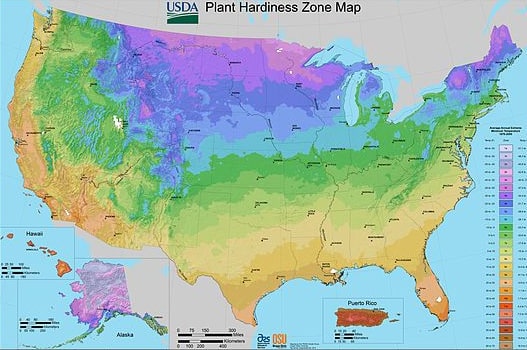
Chamaedorea seifrizii: USDA Plant Hardiness Zone

thermostat
10a
thermostat
10b
thermostat
11a
thermostat
11b
thermostat
12a
thermostat
12b

Chamaedorea seifrizii Landscape

Chamaedorea seifrizii: Landscape Location

Coastal
Container
Hanging Baskets
Houseplants
Lawn
Meadow
Naturalized Area
Near Septic
Patio
Pond
Pool/Hardscape
Recreational Play Area
Riparian
Rock Wall
Slope/Bank
Small Space
Vertical Spaces
Walkways
Woodland

Chamaedorea seifrizii: Problems

Allelopathic
Contact Dermatitis
Frequent Disease Problems
Frequent Insect Problems
Invasive Species
Malodorous
Messy
Poisonous to Humans
Problem for Cats
Problem for Children
Problem for Dogs
Problem for Horses
Short-lived
Spines/Thorns
Weak Wood
Weedy