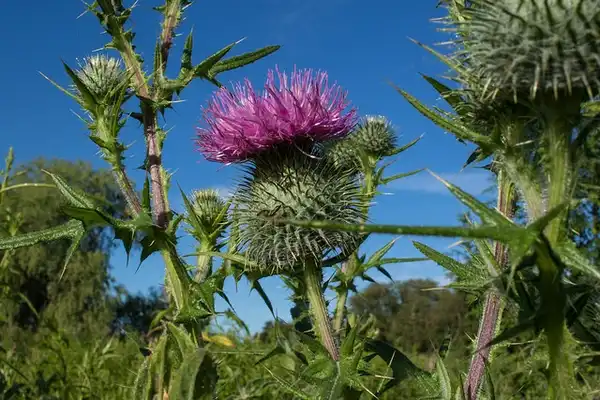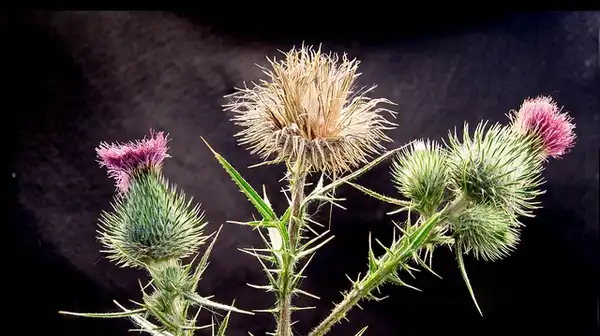
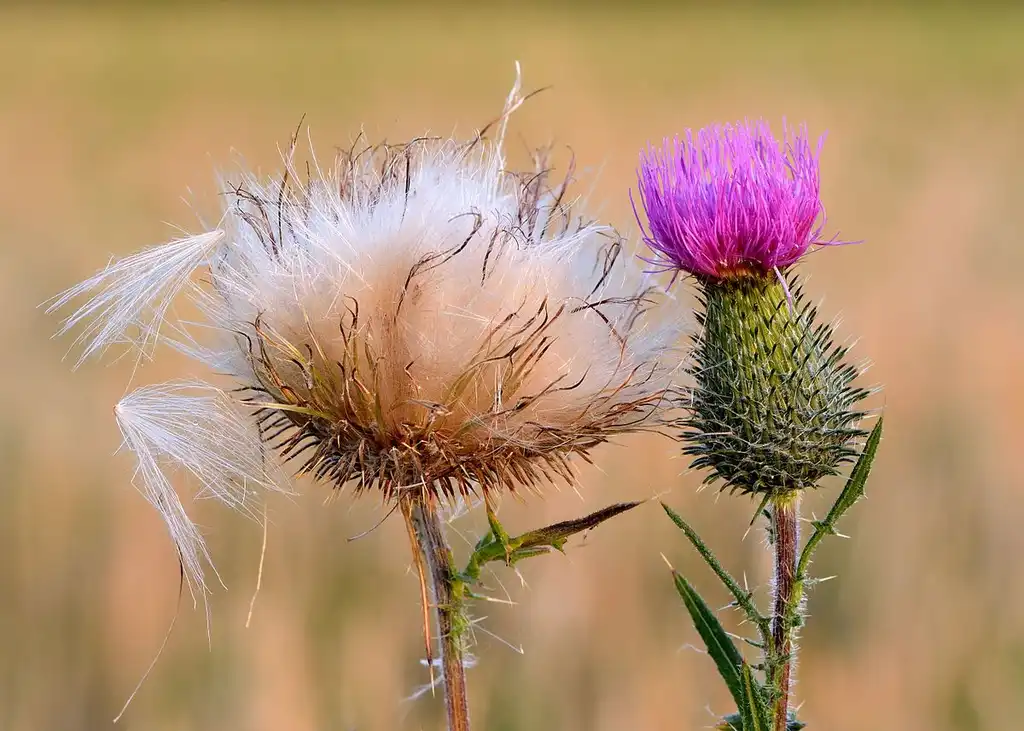
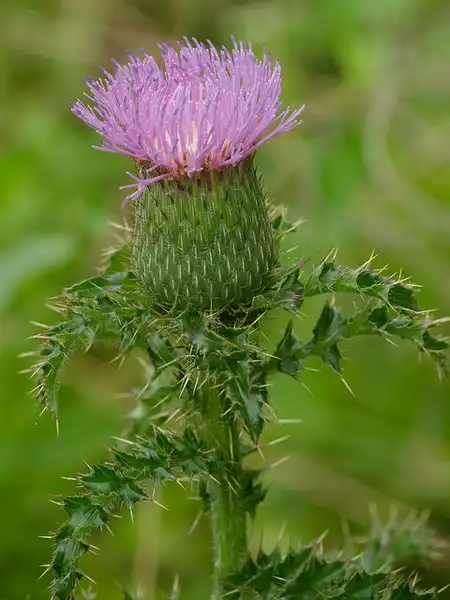
• Photo of Cirsium vulgare (Cirsium vulgares)

Plant Profile: Cirsium vulgare

Taxonomy: Cirsium vulgare

Names

Bull Thistle, Common Thistle

  • Photo of Cirsium vulgare (Cirsium vulgares)

Phonetic Spelling:SIR-see-um vul-GAIR-ee

Genus:Cirsium

Species:vulgare

Family:Asteraceae

Bull Thistle is a biennial plant that develops a rosette of leaves during its first year and produces a flowering stem in its second year. Originally from Europe, it has become established across much of North America. This species is capable of invading a wide range of disturbed environments, often creating dense thickets that outcompete native vegetation. In pasturelands, its numerous spines diminish the availability of forage. It has been identified as an invasive species in several states. However, it does provide nectar that attracts bees and butterflies.

Cirsium vulgare Feature Summary

Cirsium vulgare Image Gallery

Tags

#full sun tolerant
#biennial
#wildlife plant
#weedy
#nectar plant
#specialized bees
#spines
#pollinator plant
#bee friendly

Similar Plants

Cirsium vulgare Feature Summary

Attributes
Europe to Siberia and Arabian Peninsula
Members of the genus Cirsium support the following specialized bees: Melissodes (Heliomelissodes) desponsus, Osmia (Helicosmia) chalybea and Osmia (Helicosmia) texana.
Biennial
Fruit
Achenes with large tufts of white hair.
Flowers
Each flower head contains numerous disc florets. Each disk floret is long and tubular and becomes divided into 5 long thread-like lobes giving it a hair-like appearance. The 1.5-2 inch flowers are pinkish-purple and occur solitary or in groups of 2-3. The bracts are stiff and rigid and have yellow-tipped spines. Blooms mid to late summer
Pink
Purple/Lavender
1-3 inches
Leaves
The leaves are up to 7" long and 2" across. The individual lobes narrow to a point and have spines. The upper leaves are unlobed. The leaf surface has white hairs and scattered small spines. There are spines at the base of the leaf and stem.
Lanceolate
Pinnatifid
> 6 inches
1-3 inches
Stem
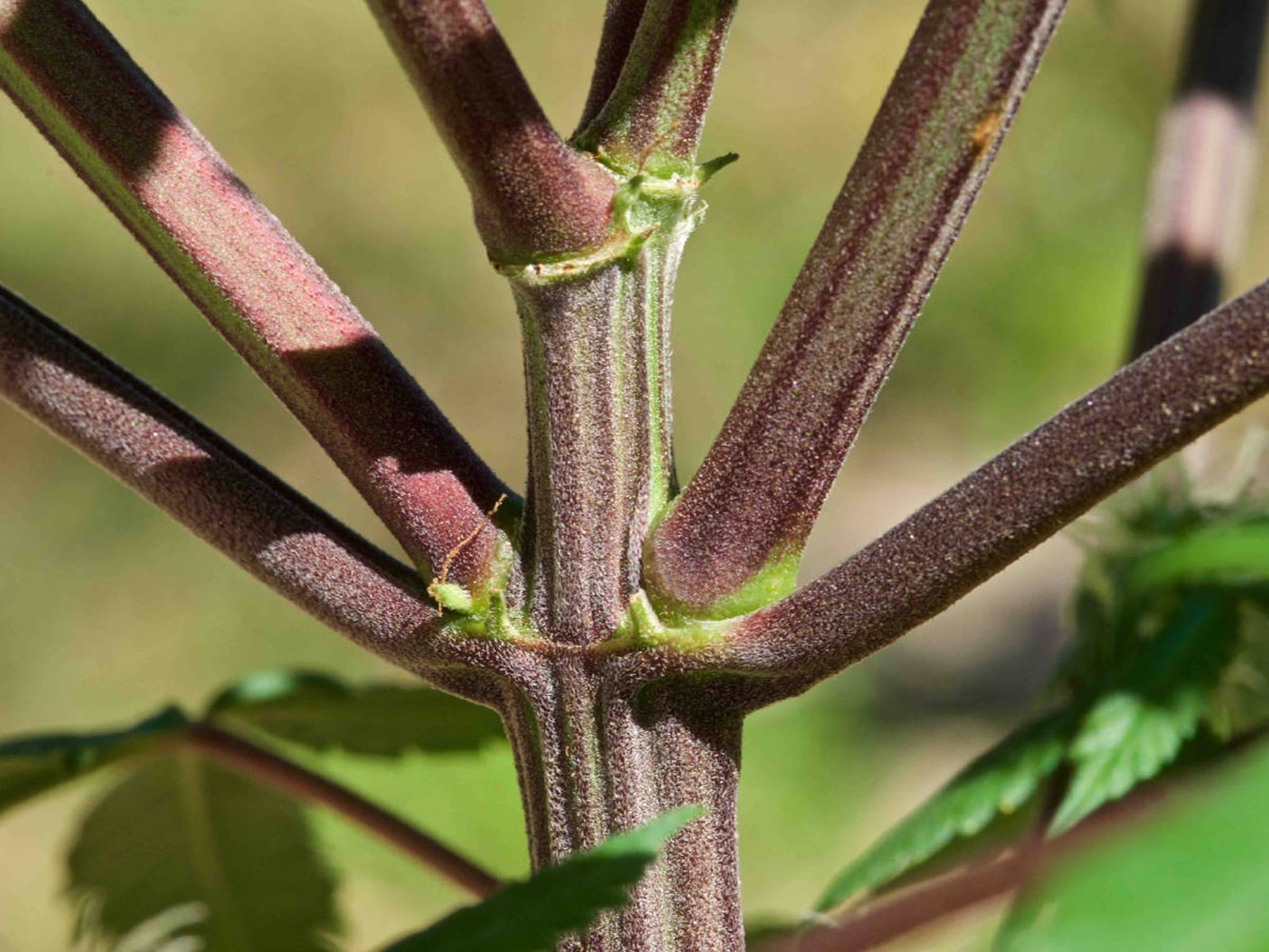
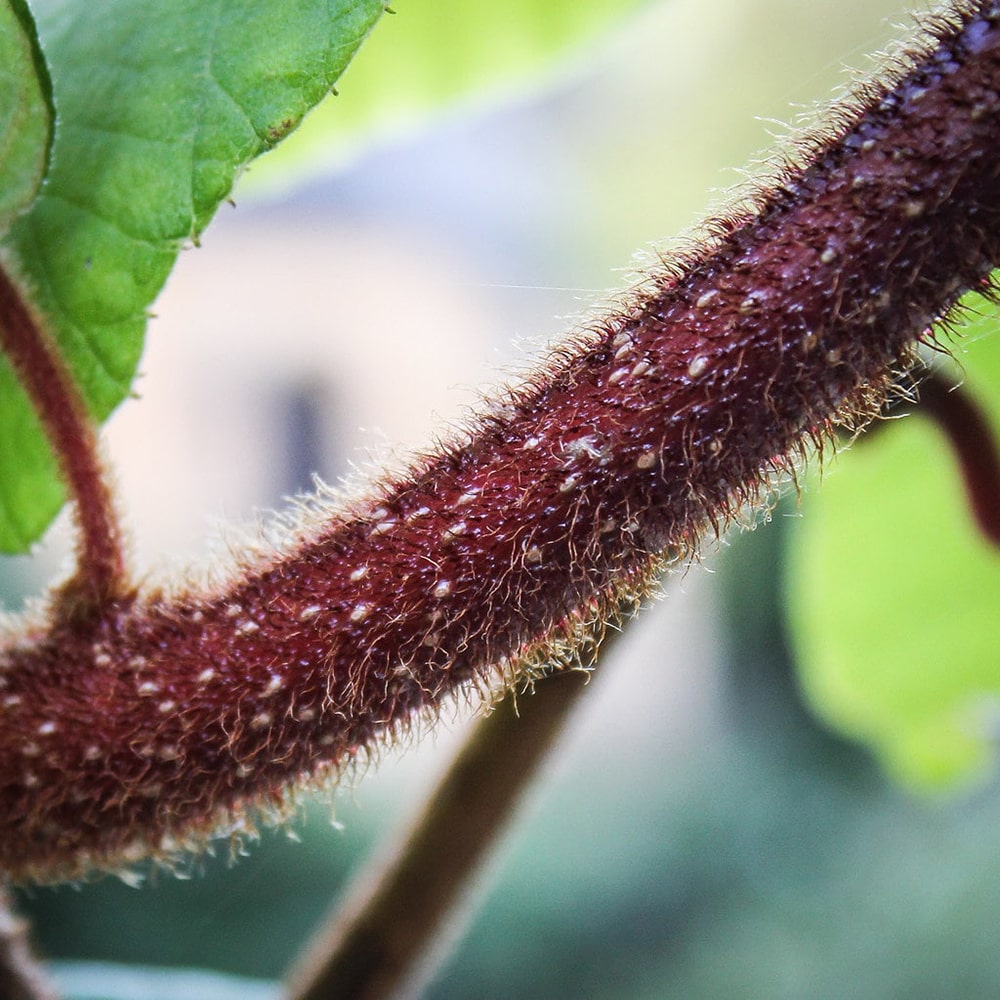
Stout green stems covered in dense white hairs
Hairy (pubescent)
Whole Plant Traits
Cultural Conditions
Full sun (6 or more hours of direct sunlight a day)
Coastal
Mountains
Piedmont
Landscape
Pollinators
Specialized Bees
Problem for Horses
Weedy
Spines/Thorns

Cirsium vulgare Attributes

Cirsium vulgare: Country Or Region Of Origin

Europe to Siberia and Arabian Peninsula
Cirsium vulgare: Wildlife Value

Members of the genus Cirsium support the following specialized bees: Melissodes (Heliomelissodes) desponsus, Osmia (Helicosmia) chalybea and Osmia (Helicosmia) texana.

Cirsium vulgare: Life Cycle

Annual
Biennial
Bulb
Perennial
Woody

Cirsium vulgare Fruit

Cirsium vulgare: Fruit Description

Achenes with large tufts of white hair.

Cirsium vulgare: Fruit Type

Achene
Aggregate
Berry
Capsule
Caryopsis
Drupe
Follicle
Legume
Nut
Pome
Samara
Schizocarp
Siliqua

Cirsium vulgare: Display/Harvest Time

Fall
Spring
Summer
Winter

Cirsium vulgare Flowers

Cirsium vulgare: Flower Description

Each flower head contains numerous disc florets. Each disk floret is long and tubular and becomes divided into 5 long thread-like lobes giving it a hair-like appearance. The 1.5-2 inch flowers are pinkish-purple and occur solitary or in groups of 2-3. The bracts are stiff and rigid and have yellow-tipped spines. Blooms mid to late summer

Cirsium vulgare: Flower Color

filter_vintage
Pink
filter_vintage
Purple/Lavender

Cirsium vulgare: Flower Inflorescence

Catkin
Corymb
Cyme
Head
Insignificant
Panicle
Raceme
Solitary
Spadix
Spike
Umbel

Cirsium vulgare: Flower Bloom Time

Winter
Spring
Summer
Fall

Cirsium vulgare: Flower Shape

Bell
Cross
Crown
Cup
Dome
Funnel
Irregular
Lipped
Radial
Saucer
Star
Trumpet
Tubular
Urn
Wheel

Cirsium vulgare: Flower Size

1-3 inches
3-6 inches
< 1 inch
> 6 inches

Cirsium vulgare Leaves

Cirsium vulgare: Leaf Description

The leaves are up to 7" long and 2" across. The individual lobes narrow to a point and have spines. The upper leaves are unlobed. The leaf surface has white hairs and scattered small spines. There are spines at the base of the leaf and stem.

Cirsium vulgare: Woody Plant Leaf Characteristics

Broadleaf Evergreen
Deciduous
Needled Evergreen
Semi-evergreen

Cirsium vulgare: Leaf Color

spa
Green

Cirsium vulgare: Leaf Arrangement

Alternate
Opposite
Other/more complex
Rosulate
Whorled

Cirsium vulgare: Leaf Shape

Acicular
Auriculate
Cordate
Cuneate
Deltoid
Elliptical
Filiform
Lanceolate
Linear
Oblanceolate
Oblong
Obovate
Obtuse
Orbicular
Ovate
Palmasect
Palmatifid
Peltate
Pinnatifid
Pinnatisect
Reniform
Rhomboidal
Spatulate
Subcordate
Subulate

Cirsium vulgare: Leaf Margin

Crenate
Crenulate
Dentate
Denticulate
Doubly Crenate
Doubly Dentate
Doubly Serrate
Entire
Lobed
Serrate
Sinuate
Undulate

Cirsium vulgare: Hairs Present

No
Yes

Cirsium vulgare: Leaf Length

< 1 inch
1-3 inches
3-6 inches
> 6 inches

Cirsium vulgare: Leaf Width

< 1 inch
1-3 inches
3-6 inches
> 6 inches

Cirsium vulgare Stem

Cirsium vulgare: Stem Description

Stout green stems covered in dense white hairs

Cirsium vulgare: Stem Color

grass
Green

Cirsium vulgare: Stem Is Aromatic

No
Yes

Cirsium vulgare: Stem Surface

Corky Ridges
Covered with a powdery bloom (glaucous)
Dull
Hairy (pubescent)
Polished
Smooth (glabrous)

Cirsium vulgare Whole Plant Traits

Cirsium vulgare: Plant Type

Annual
Bulb
Carnivorous
Edible
Epiphyte
Fern
Ground Cover
Herb
Herbaceous Perennial
Houseplant
Mushroom
Native Plant
Ornamental Grasses and Sedges
Perennial
Poisonous
Rose
Shrub
Succulent
Tree
Turfgrass
Vegetable
Vine
Water Plant
Weed
Wildflower

Cirsium vulgare: Woody Plant Leaf Characteristics

Broadleaf Evergreen
Deciduous
Needled Evergreen
Semi-evergreen

Cirsium vulgare: Habit/Form

Arching
Ascending
Broad
Cascading
Climbing
Clumping
Columnar
Conical
Creeping
Dense
Erect
Horizontal
Irregular
Mounding
Multi-stemmed
Multi-trunked
Open
Oval
Prostrate
Pyramidal
Rounded
Spreading
Vase
Weeping

Cirsium vulgare: Texture

Fine
Medium
Coarse

Cirsium vulgare Cultural Conditions

Cirsium vulgare: Light

Dappled Sunlight (Shade through upper canopy all day)
Deep shade (Less than 2 hours to no direct sunlight)
Full sun (6 or more hours of direct sunlight a day)
Partial Shade (Direct sunlight only part of the day, 2-6 hours)

Cirsium vulgare: NC Region

Coastal
Mountains
Piedmont

Cirsium vulgare Landscape

Cirsium vulgare: Attracts

Bats
Bees
Butterflies
Frogs
Hummingbirds
Moths
Pollinators
Predatory Insects
Reptiles
Small Mammals
Songbirds
Specialized Bees

Cirsium vulgare: Problems

Allelopathic
Contact Dermatitis
Frequent Disease Problems
Frequent Insect Problems
Invasive Species
Malodorous
Messy
Poisonous to Humans
Problem for Cats
Problem for Children
Problem for Dogs
Problem for Horses
Short-lived
Spines/Thorns
Weak Wood
Weedy