Citrullus lanatus: Country Or Region Of Origin
Africa
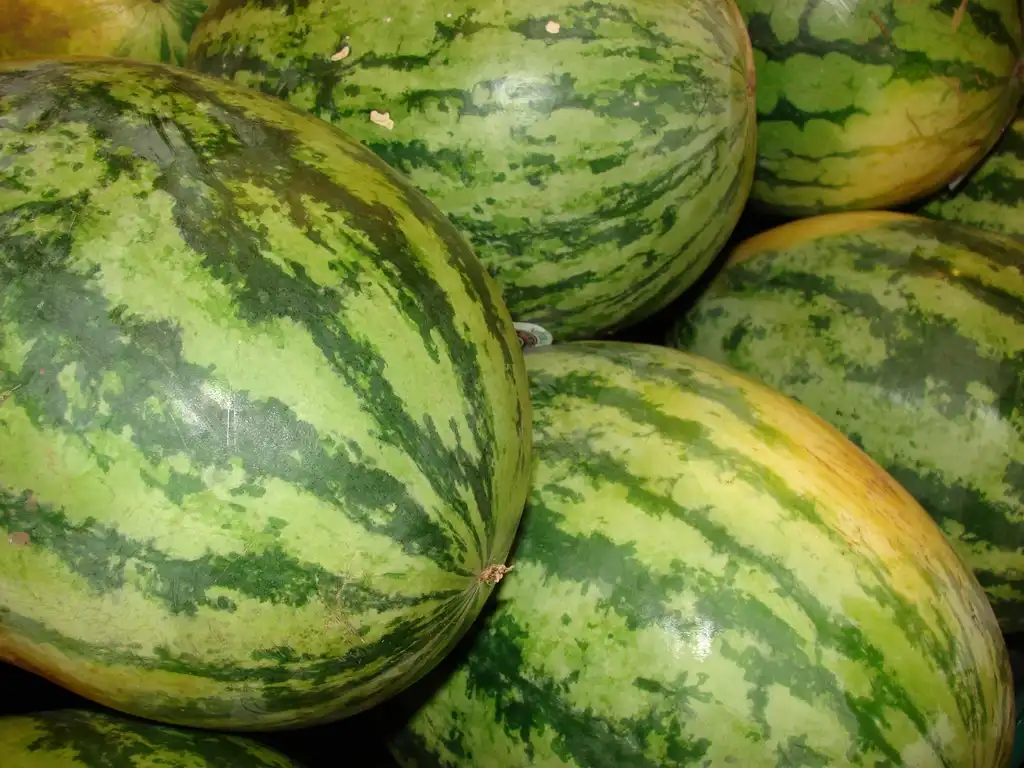
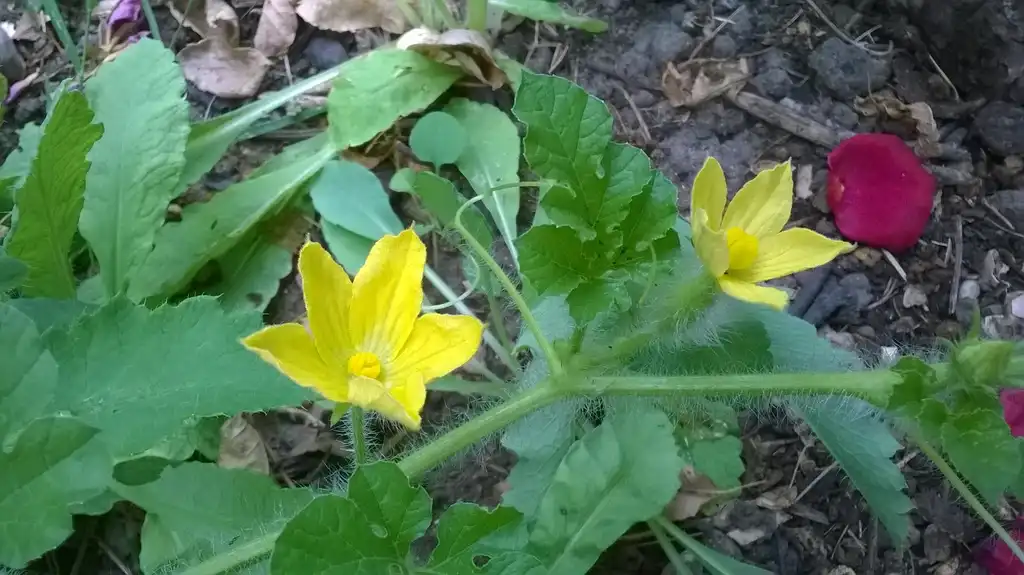
Phonetic Spelling:SIT-troo-lus la-NAY-tus
Genus:Citrullus
Species:lanatus
Family:Cucurbitaceae
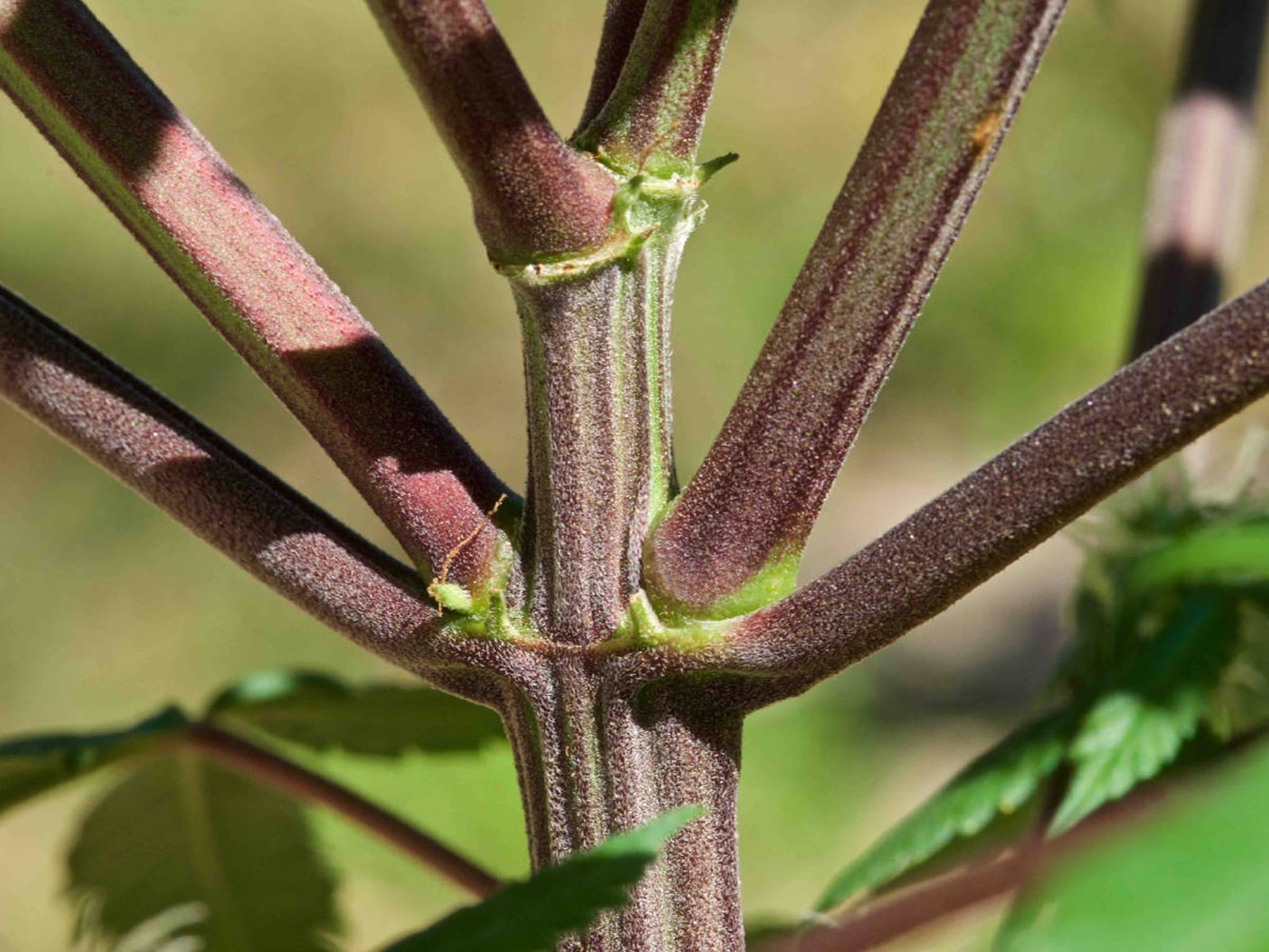
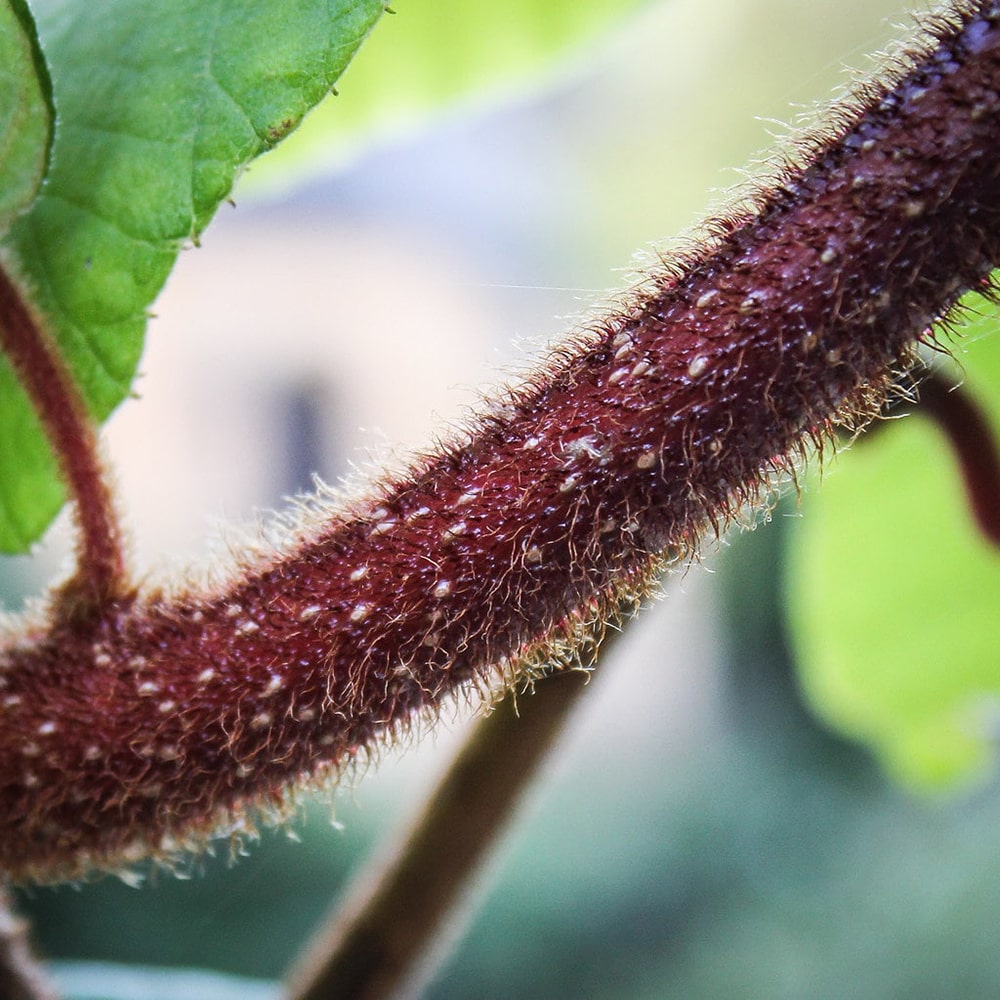
Watermelon belongs to the cucumber family and produces large, juicy fruits that can be round or oval in shape. There are more than 1,000 different cultivars available for cultivation. The vines feature hairy stems with curling tendrils and thrive in full sunlight, ideally in rich, moist loamy soil. They can grow up to 10 feet in length. The fruits, which ripen in late summer, can weigh anywhere from 6 to over 60 pounds. Their tough outer rind is often marked with darker patterns, and the flesh is typically red with seeds, although pink and yellow varieties exist as well. Seedless options are also available.
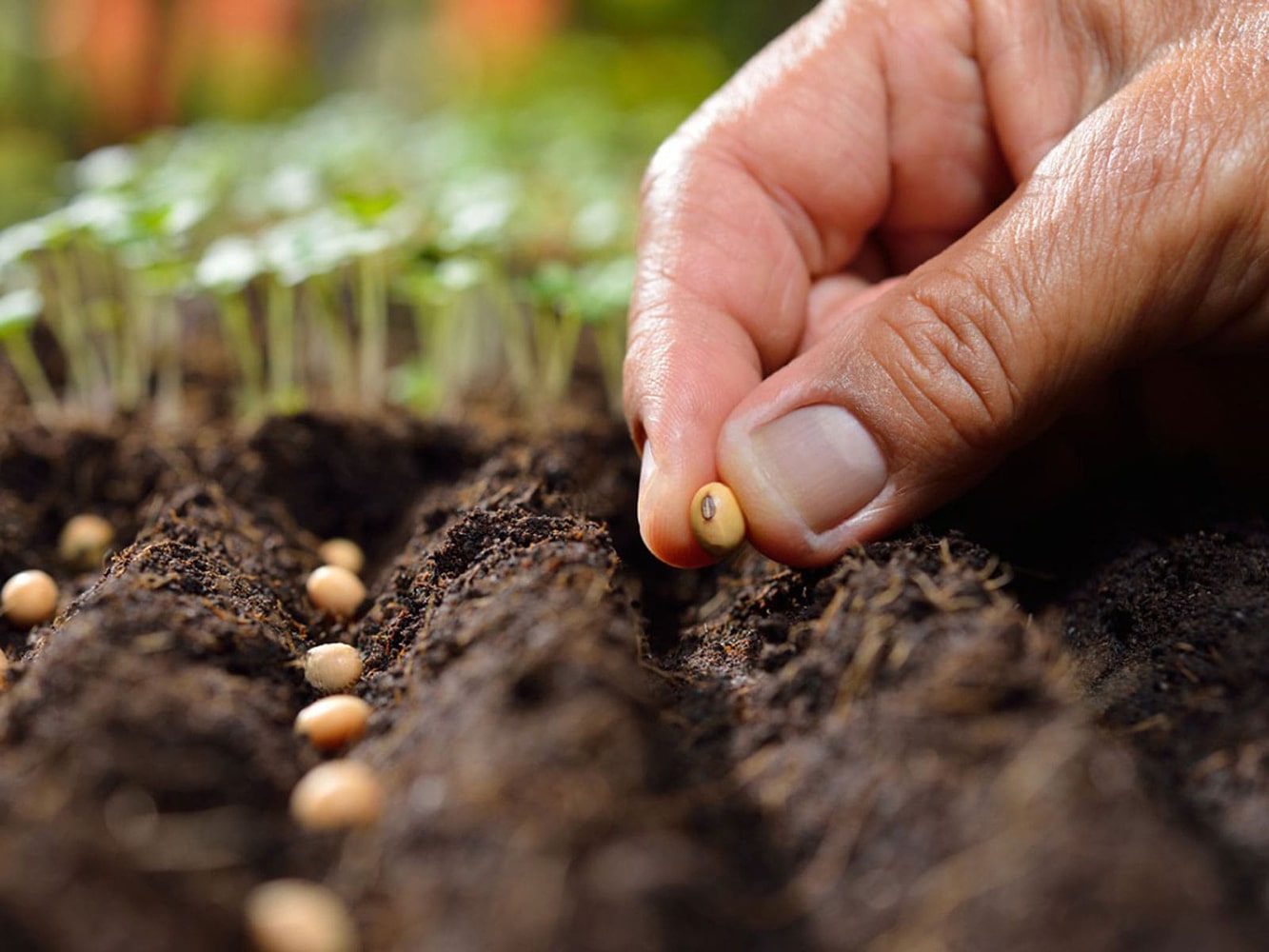
Starting watermelon plants from seed is straightforward, and they flourish in regions with extended warm summers. It is best to plant them after the last frost and when the soil has warmed up. Maintaining moist soil without waterlogging is crucial, and fruits should only be harvested when they are fully ripe.
However, watermelon plants face several challenges. They are vulnerable to pests such as mites, squash vine borers, aphids, squash bugs, stink bugs, cutworms, pickleworms, and cucumber beetles. Additionally, they can suffer from downy and powdery mildews, bacterial wilt, fusarium wilt, blossom end rot, and anthracnose. Cold and rainy weather can impede pollination, and stress from excessive heat, inadequate water, or poor pollination can lead to a reduced fruit yield.
Citrullus lanatus Feature Summary
Citrullus lanatus Image Gallery