Clethra barbinervis: Country Or Region Of Origin
East Asia, China to Japan
Phonetic Spelling:KLETH-rah bar-BIN-ner-viss
Genus:Clethra
Species:barbinervis
Family:Clethraceae
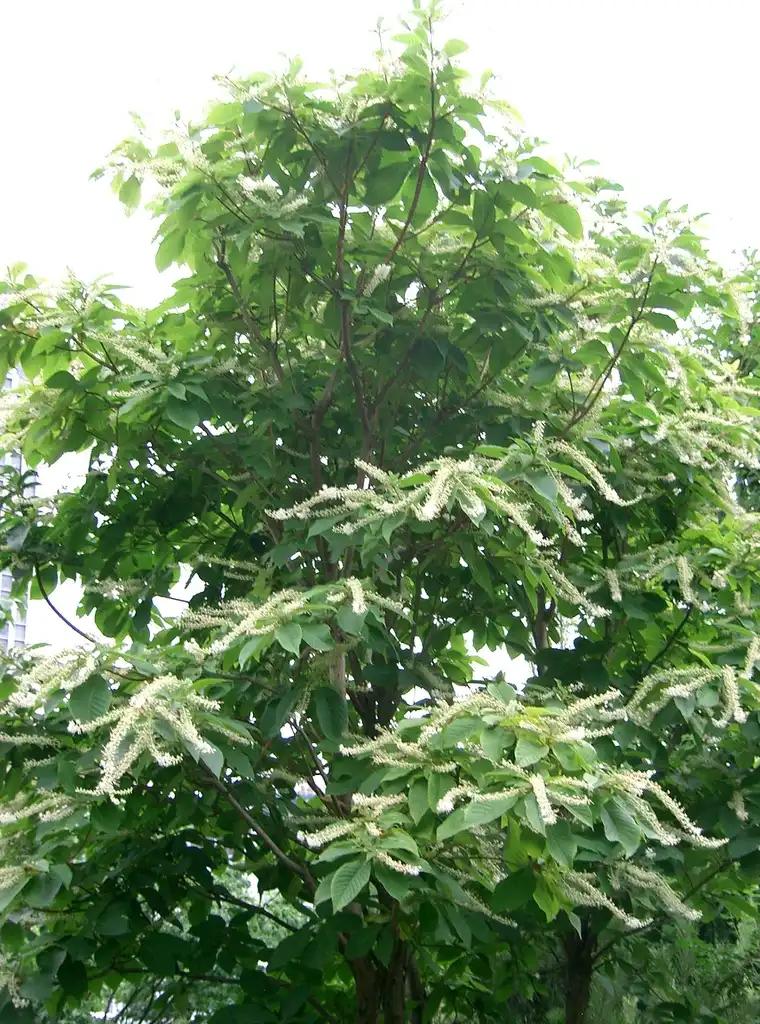
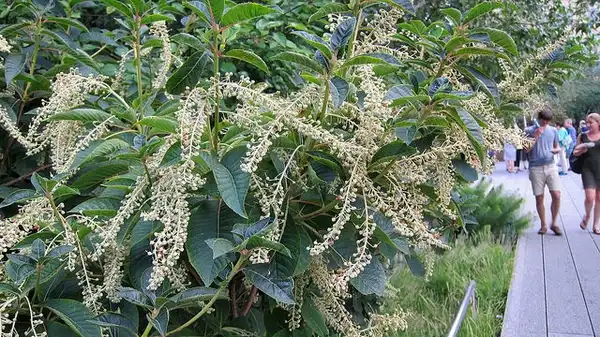
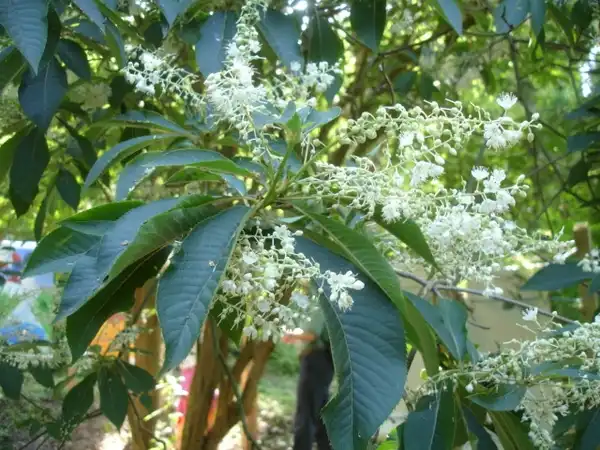
Japanese Clethra is a robust, deciduous shrub characterized by its oval shape, typically growing to about 9 feet in height and width, though some specimens can reach up to 20 feet. Native to Japan, it thrives in wooded hills and mountainous regions, often found in sunny deciduous forests or rocky, arid areas at elevations ranging from 3,200 to 5,000 feet. This plant favors partial shade and requires moist, well-drained soil that is rich in organic matter and free of lime. While it can tolerate full sun, it is generally hardy; however, in Zone 5, it may struggle with severe winter winds, affecting its winter hardiness. Summer cuttings root easily, and the plant can spread through suckering, forming colonies.
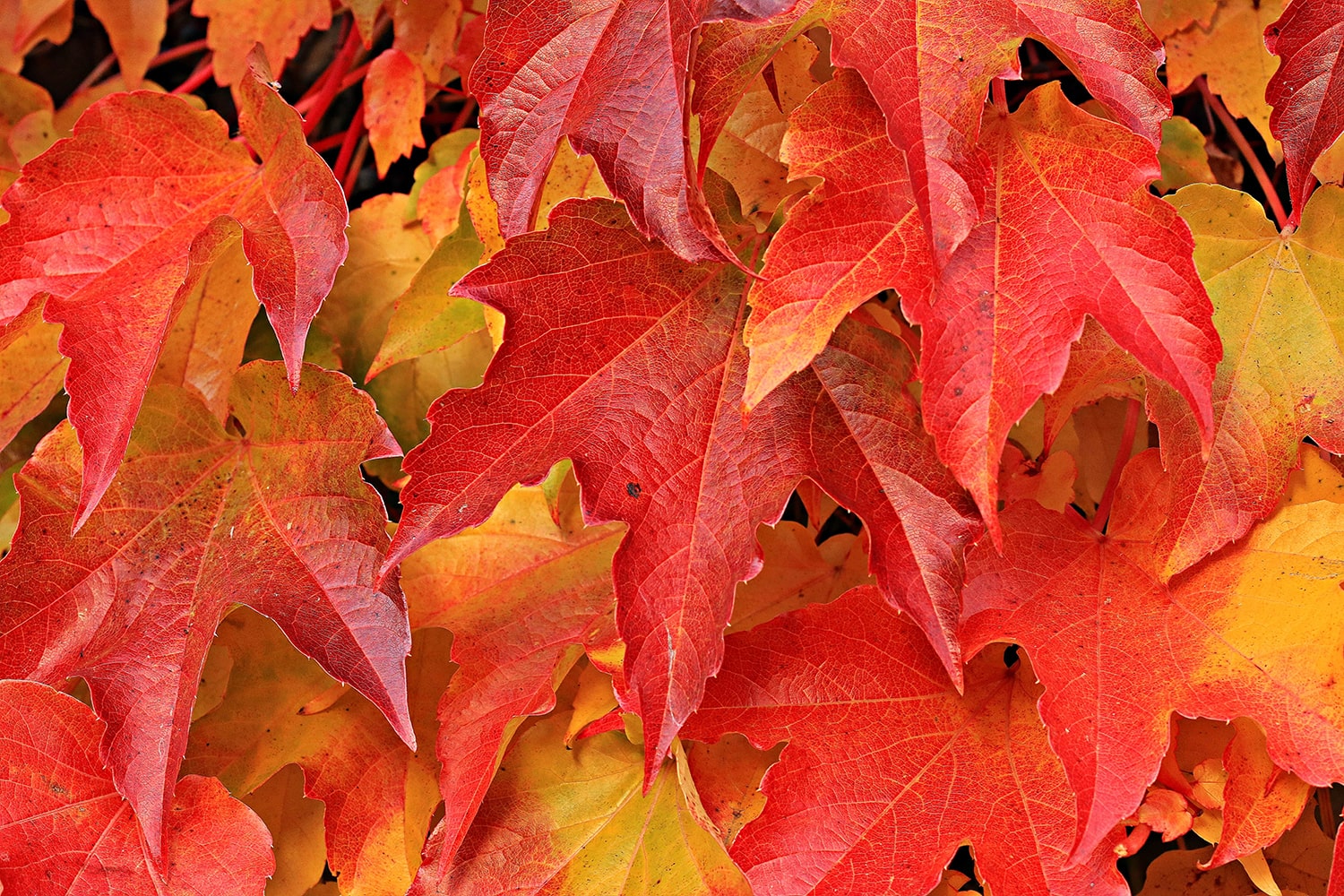
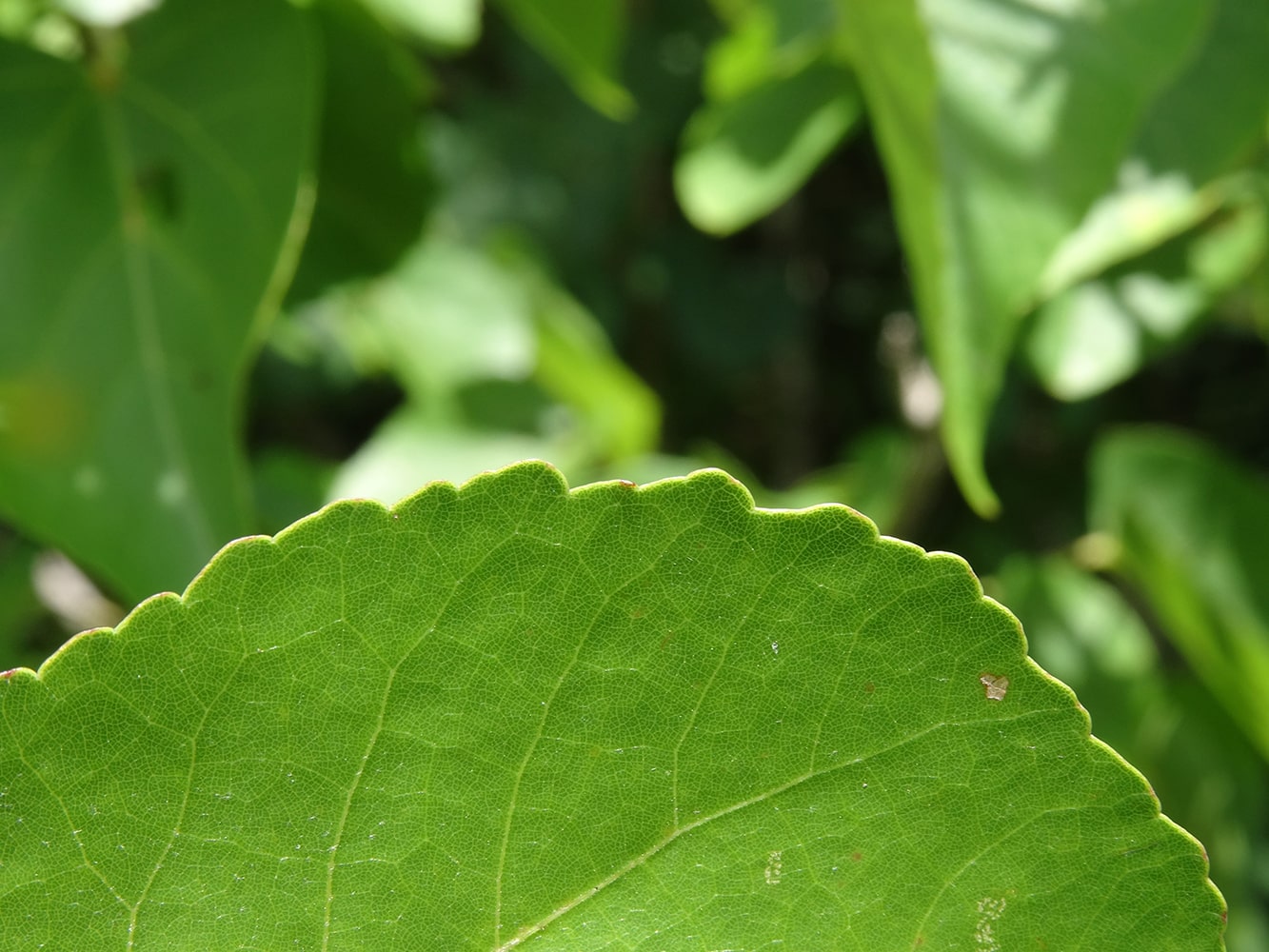
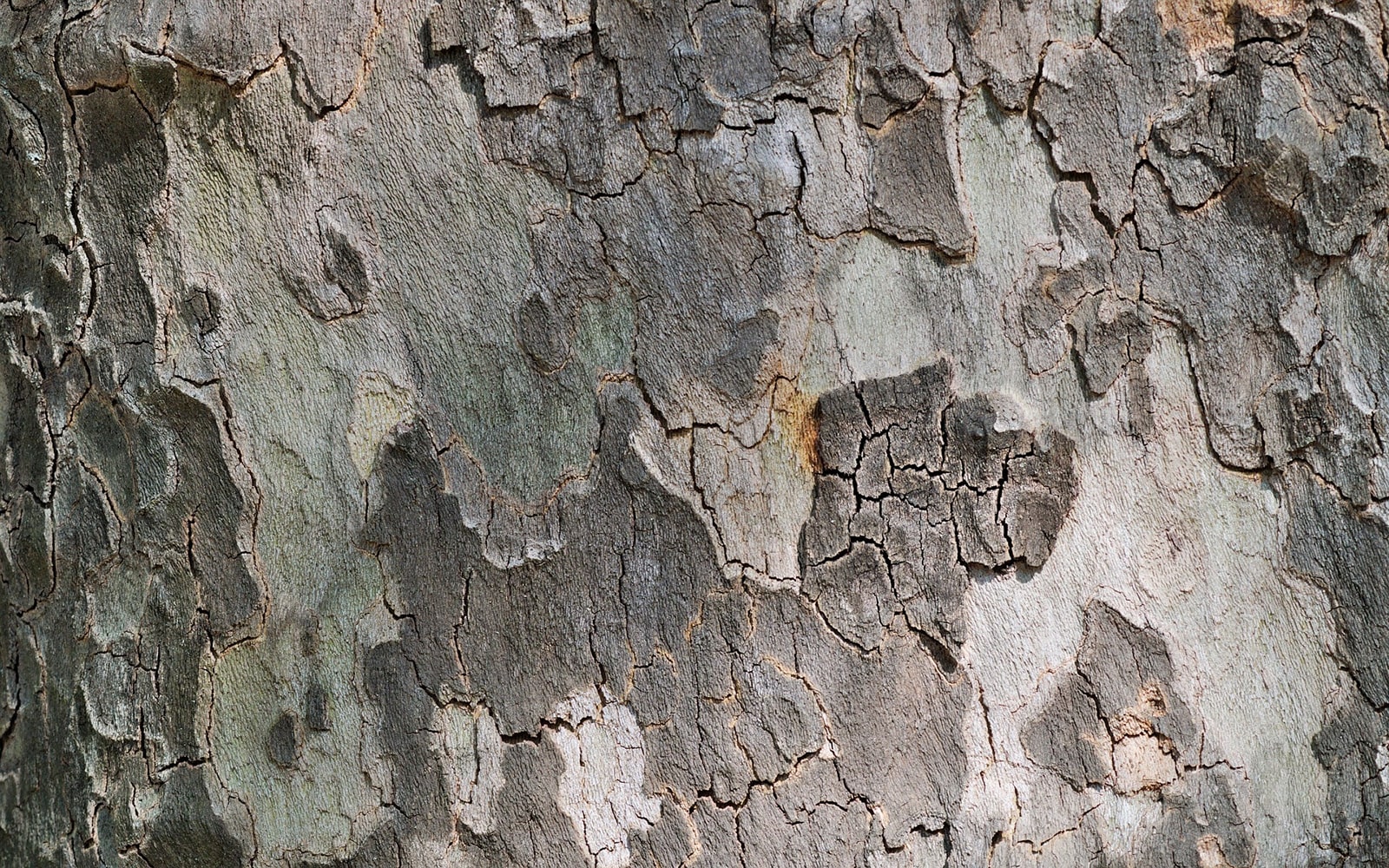
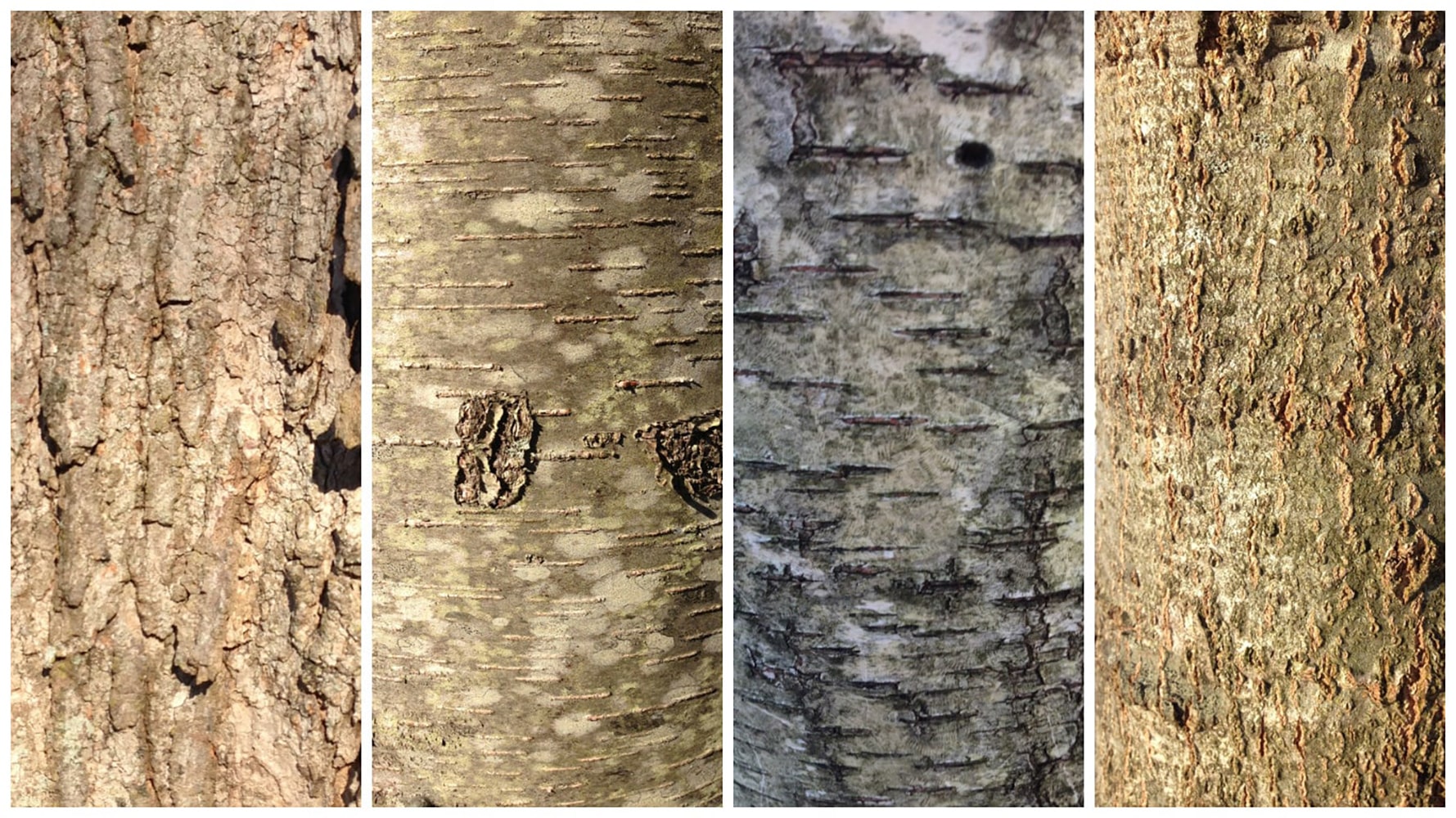
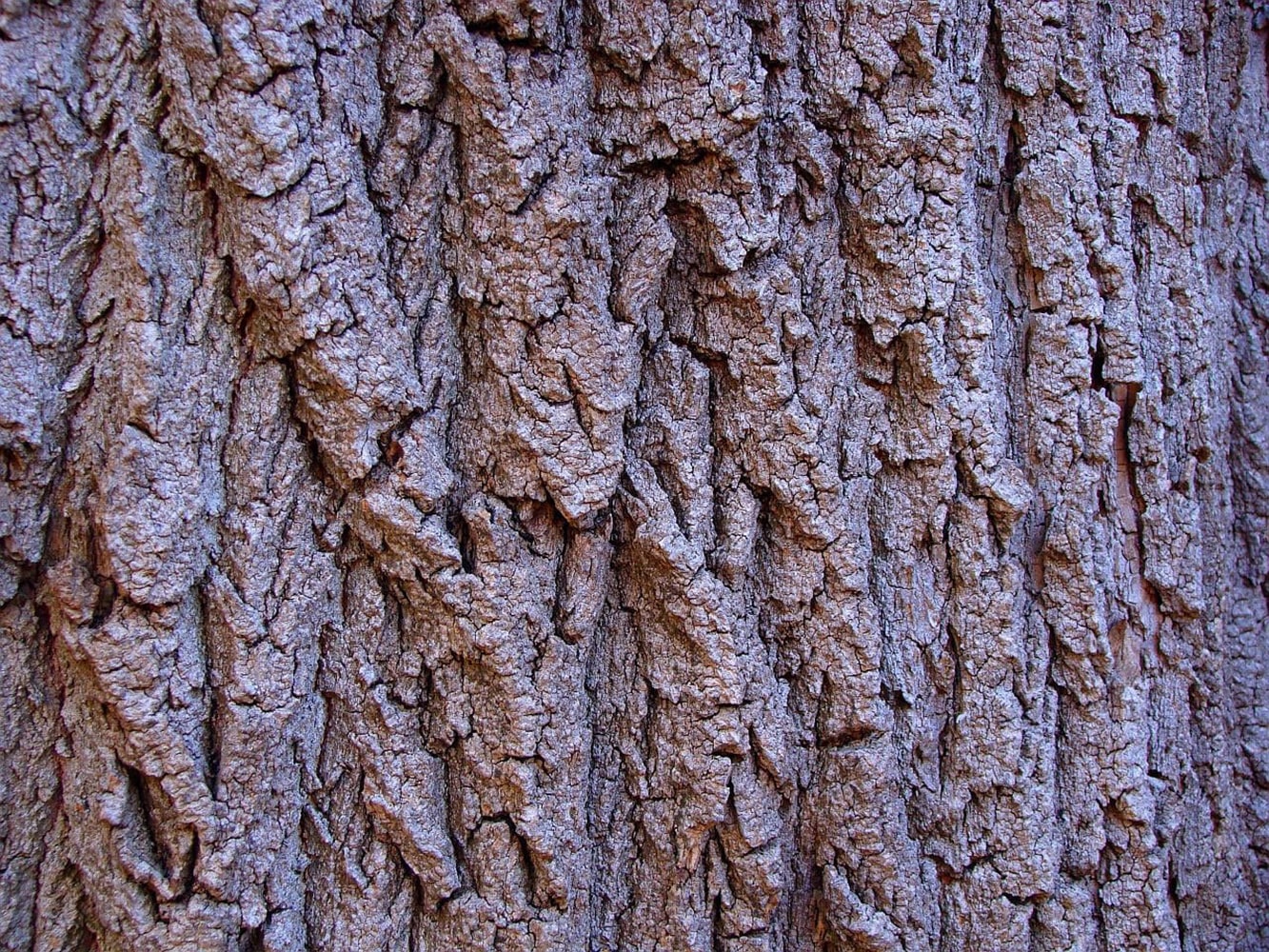
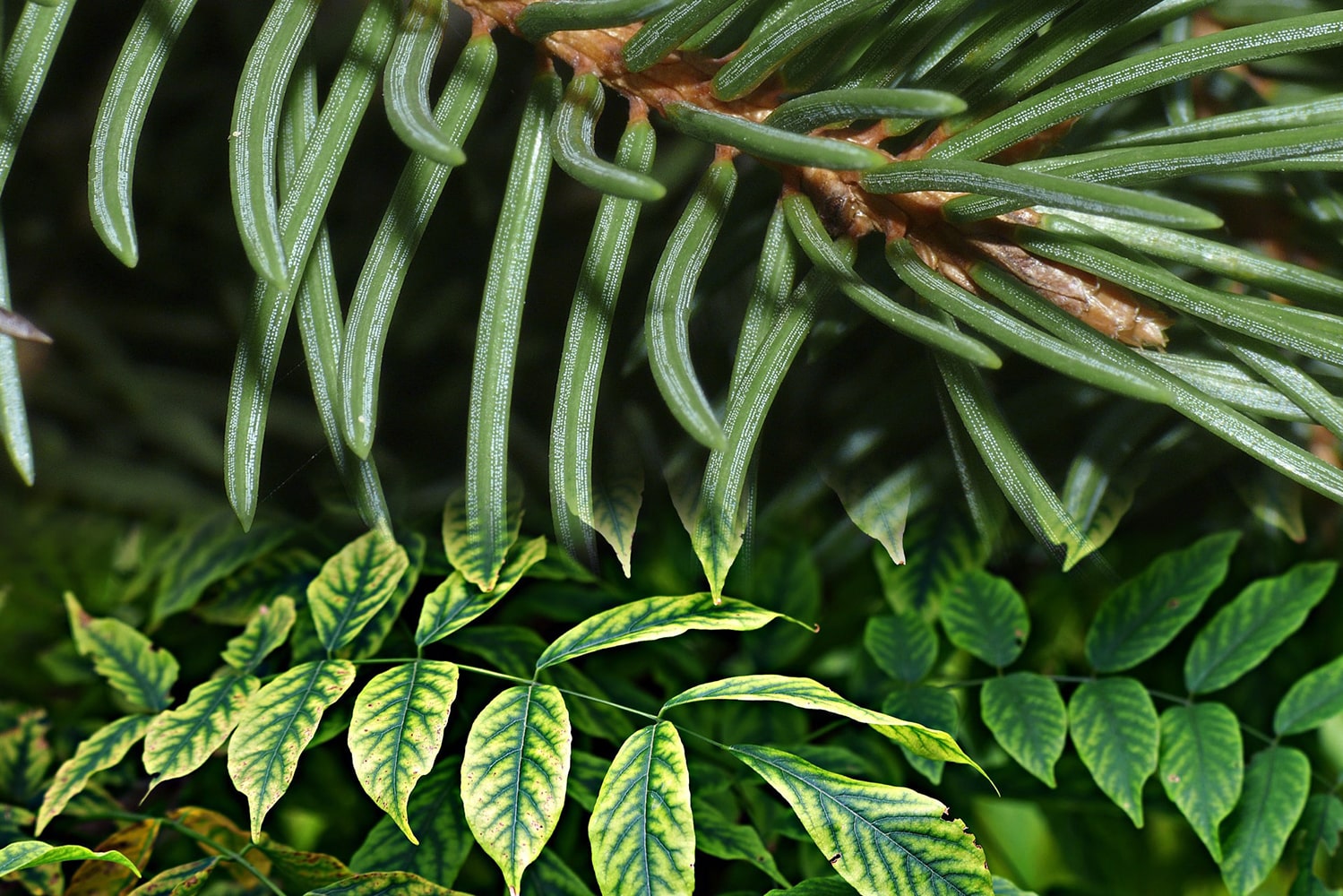
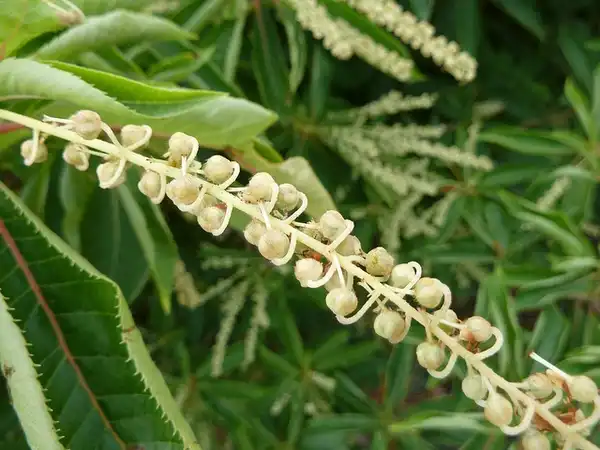
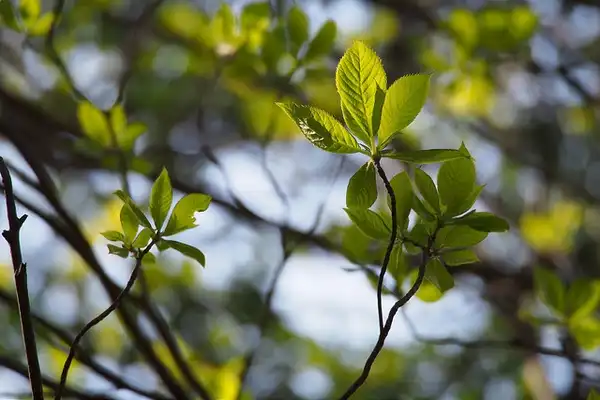
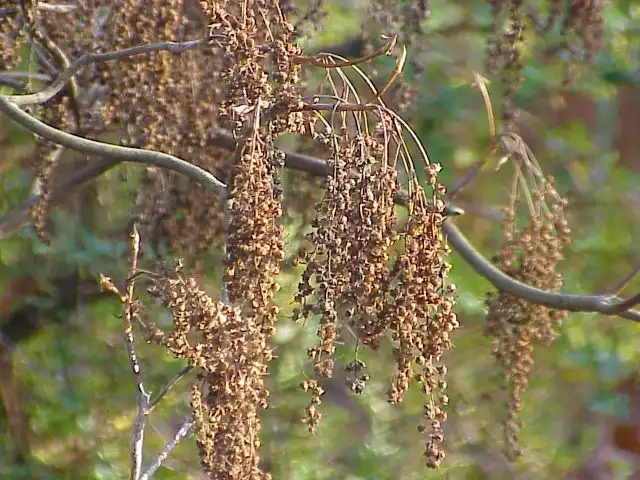
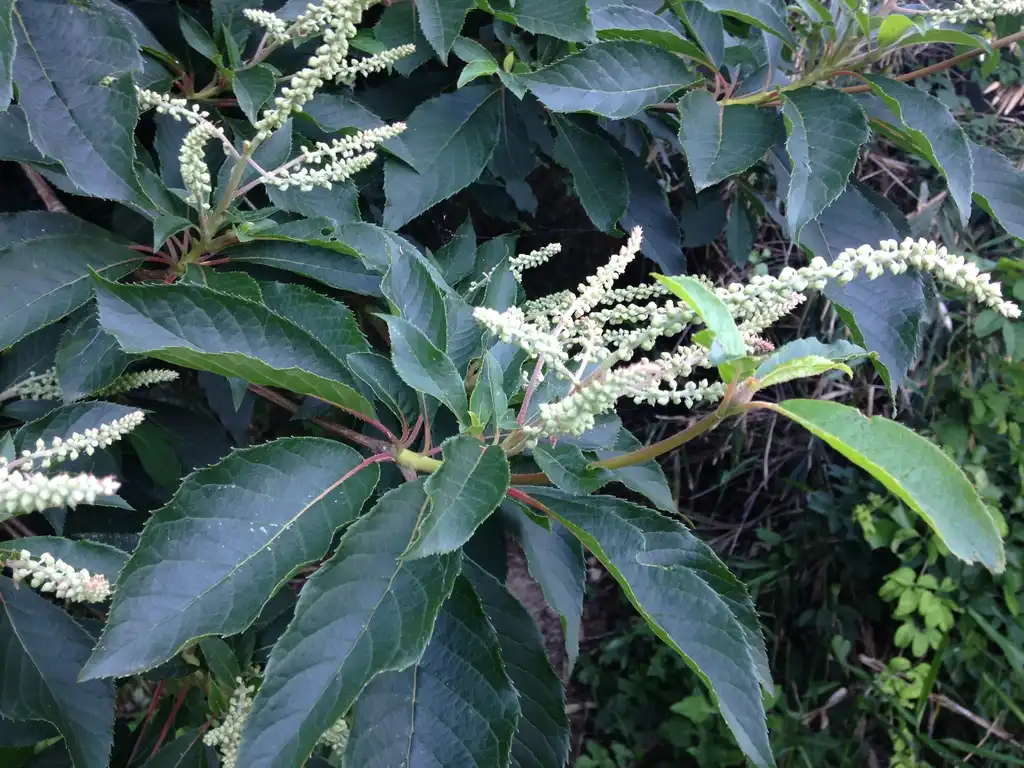
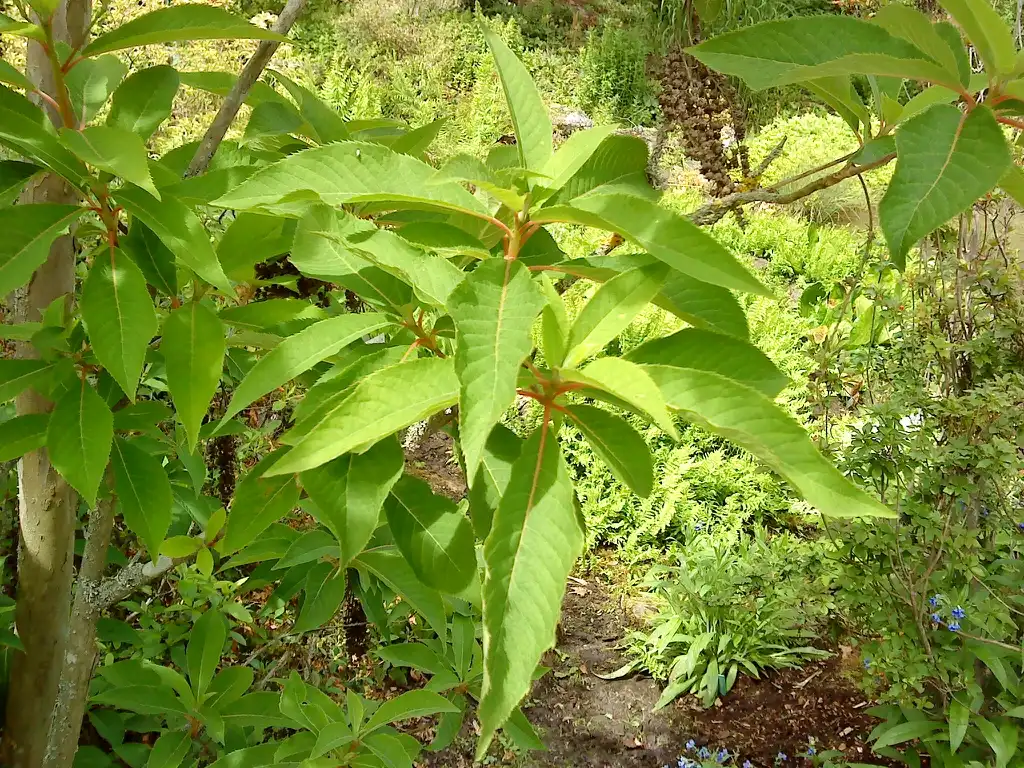
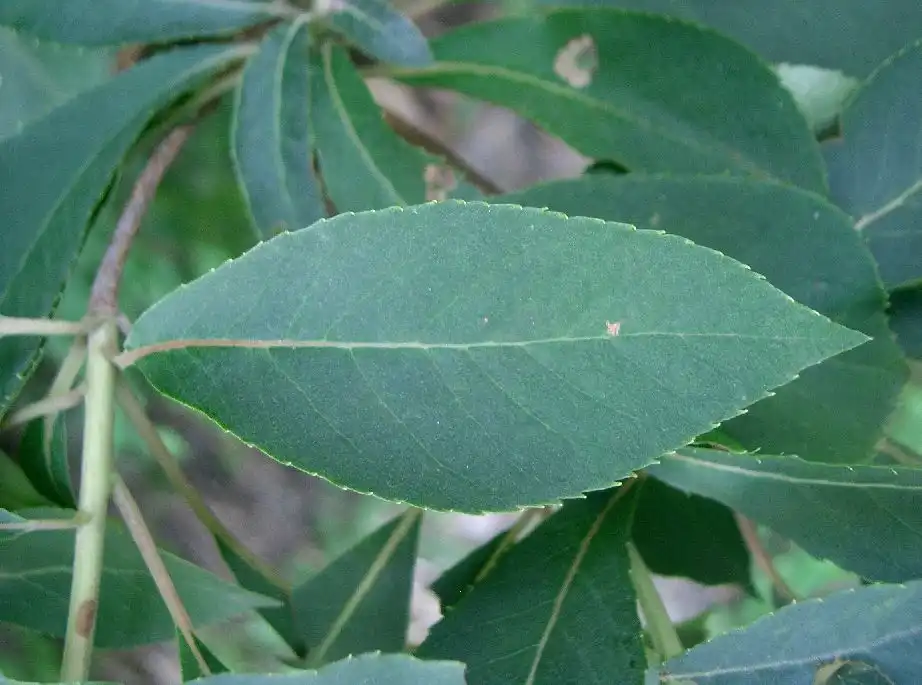
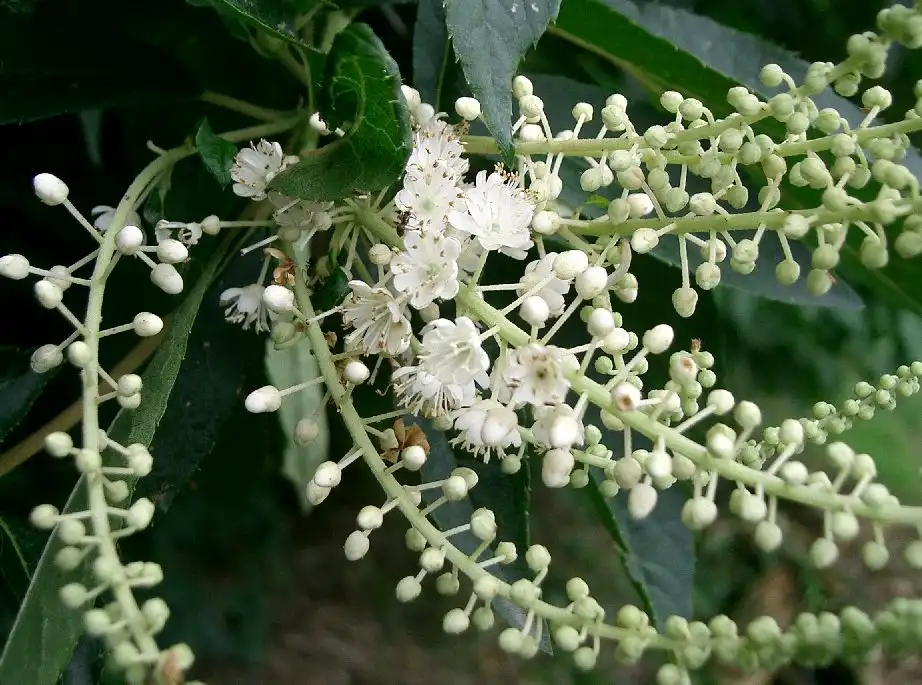
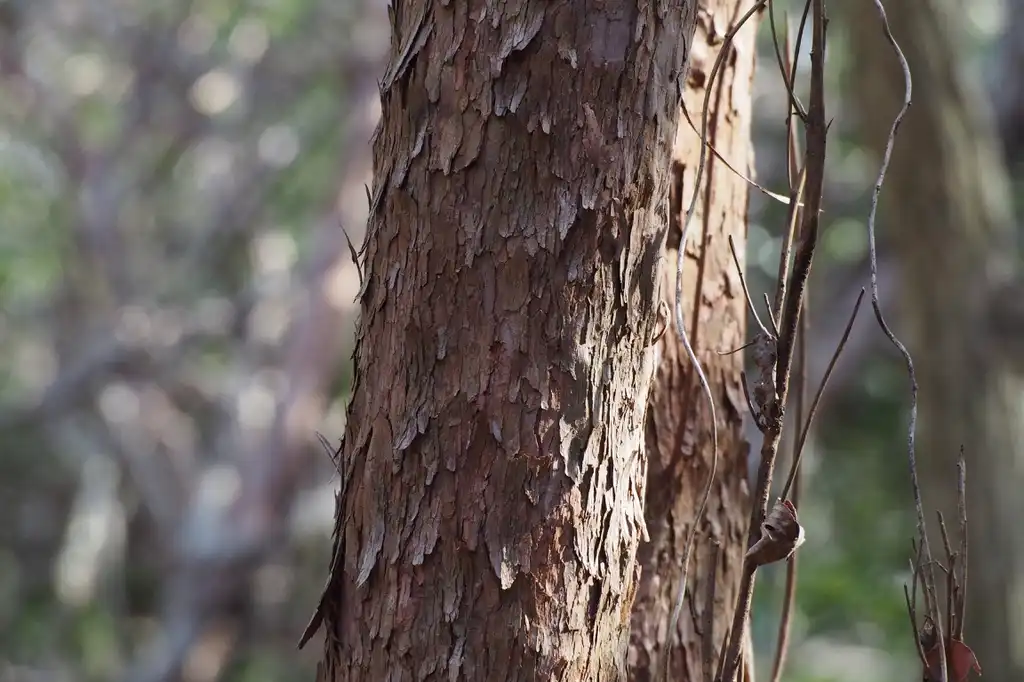
In summer through early fall, Japanese Clethra showcases cascading, fragrant white flowers that bloom on the current season's growth, accompanied by glossy, dark green leaves that transform into vibrant yellow, and occasionally red, hues in autumn, providing excellent fall color. The dark brown seed capsules remain through winter, and the smooth, grayish-brown bark peels away. The flower spikes are more horizontal and droop slightly, offering less fragrance compared to those of Clethra alnifolia (Summersweet). This low-maintenance shrub is ideal for small groupings in prominent locations, allowing for appreciation of its summer blooms, autumn foliage, bark, and seed spikes. The genus name Clethra is derived from the Greek word "klethra," meaning alder, due to the resemblance of its leaves to those of the alder tree. The species name barbinervis refers to the barbed or bearded appearance of its veins.
**Diseases, Insect Pests, and Other Plant Problems:**
There are no known diseases or insect pests affecting this plant. However, spider mites may pose a threat in hot, dry conditions. Additionally, late frosts can damage spring growth, necessitating protective measures.
Clethra barbinervis Feature Summary
Clethra barbinervis Image Gallery