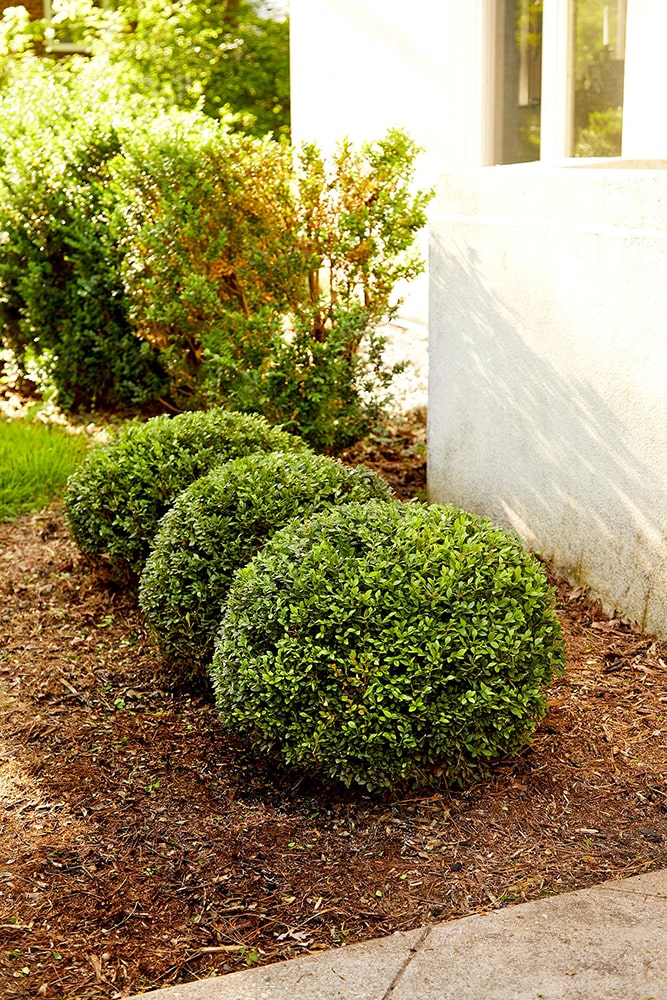
• Photo of Codiaeum variegatum (Codiaeum variegatums)

Plant Profile: Codiaeum variegatum

Taxonomy: Codiaeum variegatum

Names

Croton, Garden Croton

  • Photo of Codiaeum variegatum (Codiaeum variegatums)

Phonetic Spelling:koh-dee-EYE-um var-ee-eh-GAY-tum

Genus:Codiaeum

Species:variegatum

Family:Euphorbiaceae

Croton is a tropical evergreen shrub that typically grows upright, reaching heights of up to 8 feet, though it is more commonly found at around 3 feet. The cultivated varieties, referred to as var. pictum, are favored as houseplants due to their vibrant, multicolored leaves. They are also utilized in outdoor settings as foundation plants, hedges, or specimen plants, provided they are shielded from frost.

While the wild variety features glossy green leaves, the cultivated types showcase a wide array of shapes and striking variegated colors. Their white flowers are rather inconspicuous and lack visual appeal.

Croton thrives in bright, direct sunlight and prefers dry soil with low to medium humidity levels. During the growing season from spring to autumn, it should be watered generously, but in winter, watering should be reduced. Regular misting of the leaves is beneficial, ideally on a daily basis.

Be cautious, as the milky white latex sap that oozes from damaged leaves or stems can irritate soft tissues, leading to itching and swelling. It is advisable to wash your hands thoroughly after handling the plant and to avoid touching your eyes.

This plant is suitable for use as a houseplant or in interior landscapes, and it can also be planted outdoors as a tender annual during the summer months.

**Quick Identification Tips:**
Be aware that croton may be susceptible to spider mites, which can limit its use in interior landscapes to a short-term basis.

Codiaeum variegatum Feature Summary

Codiaeum variegatum Image Gallery

Tags

#poisonous
#houseplant
#interiorscape
#variegated leaves
#ncemgva2018
#glossy leaves
#fantz
#leathery leaves
#evergreen shrub
#ebh
#ebh-h
#tropical
#container plants

Similar Plants

Codiaeum variegatum Feature Summary

Attributes
Malaysia to South Western Pacific
Flowers
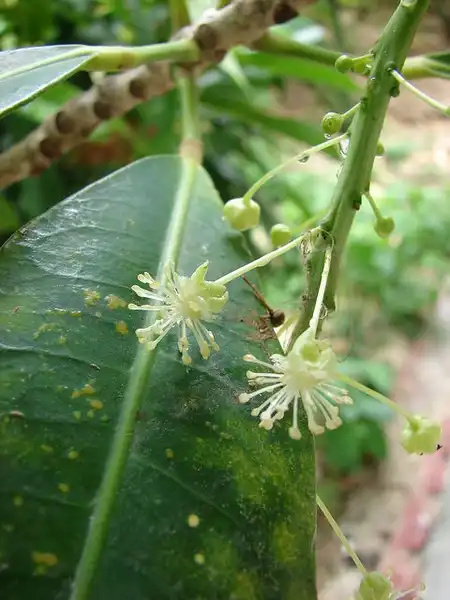
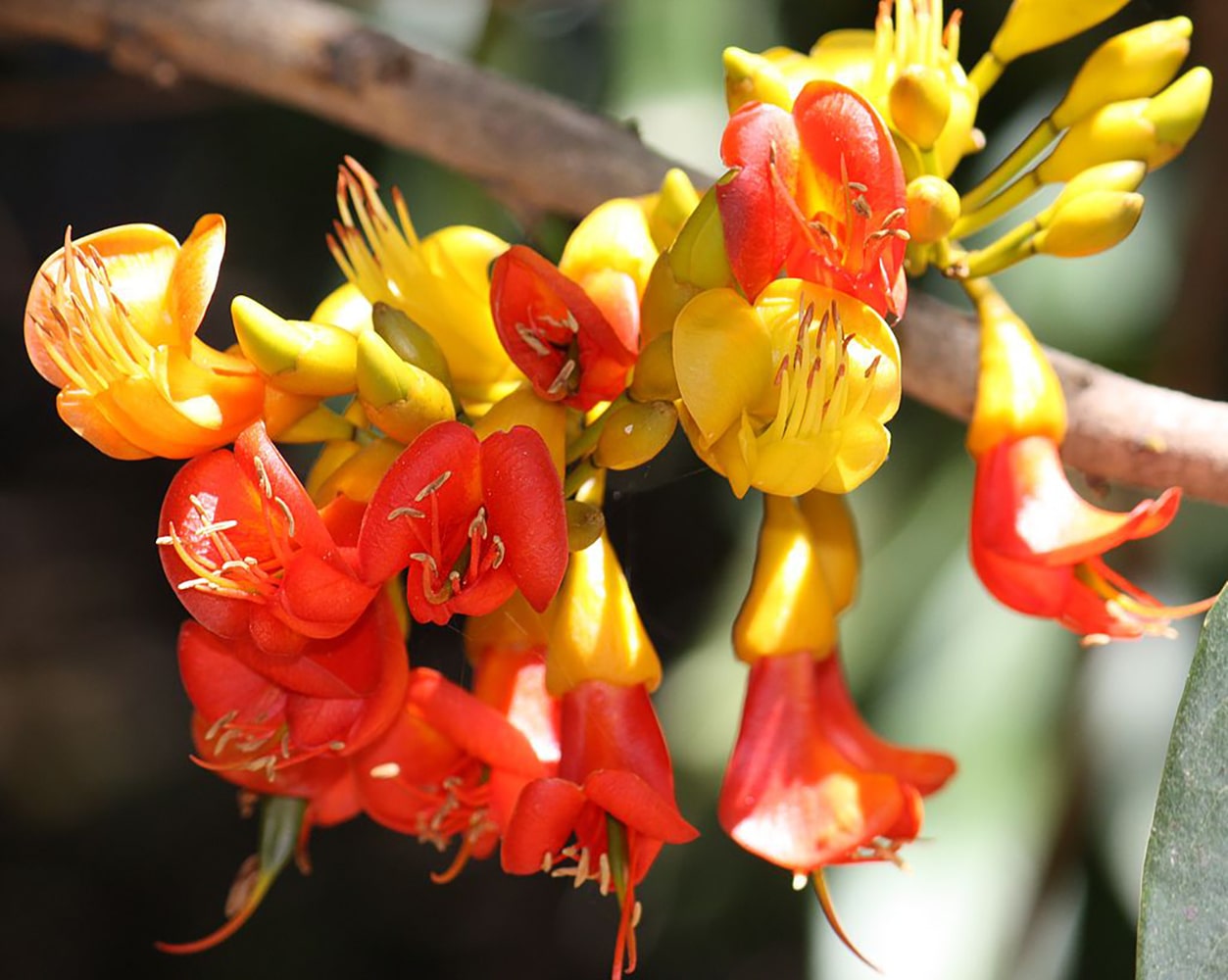
A slender axillary raceme, at branch tips. White, insignificant, sticky.
White
Insignificant
Leaves
Alternate, simple leaves, linear to ovate, acute, entire or lobed, coriaceous (leathery), rugose (crinkled), glossy. Cultivated varieties are more colorful. Milky sap exudes when broken.
Ovate
Linear
Entire
Lobed
Undulate
3-6 inches
Glossy
Leathery
1-3 inches
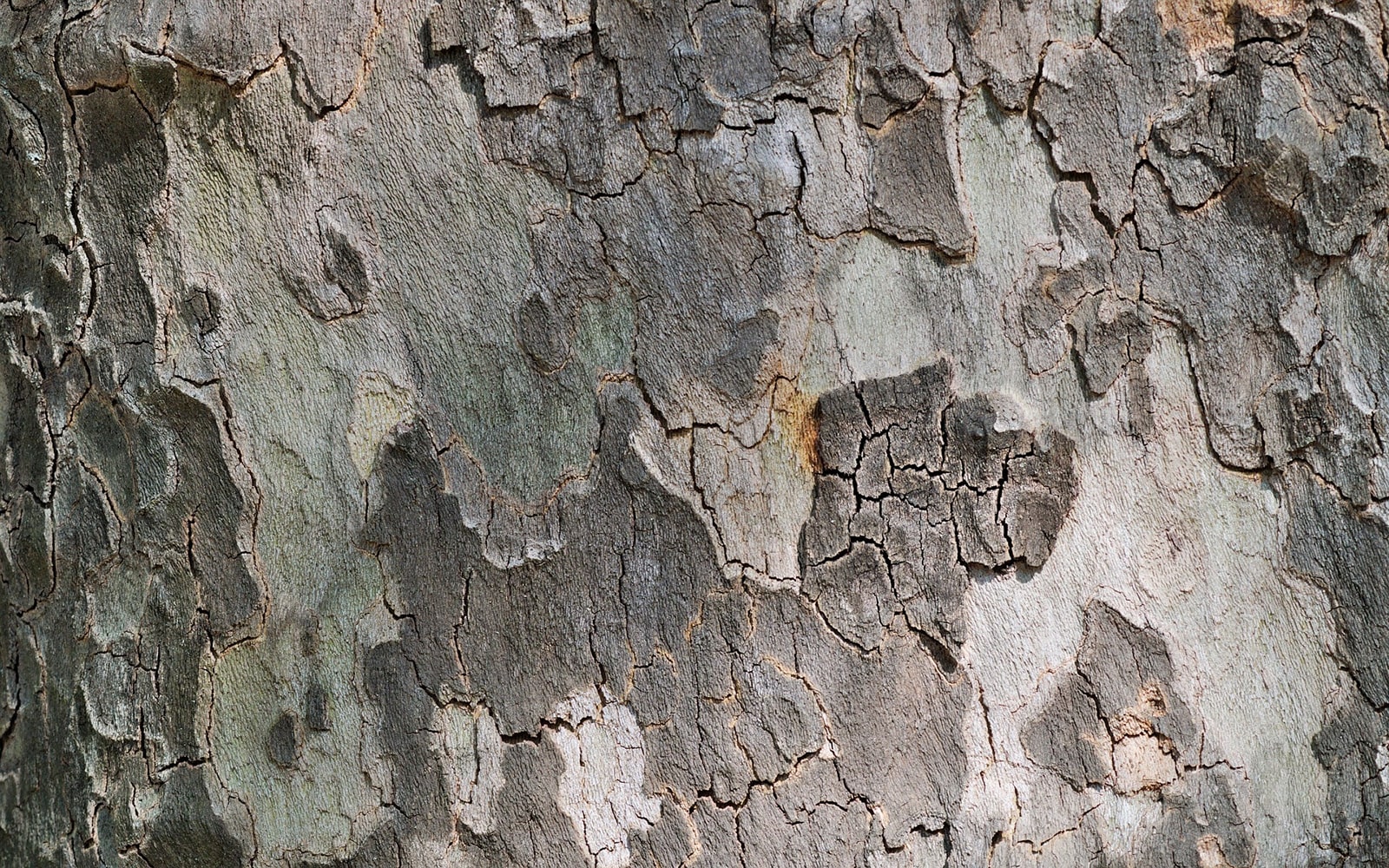
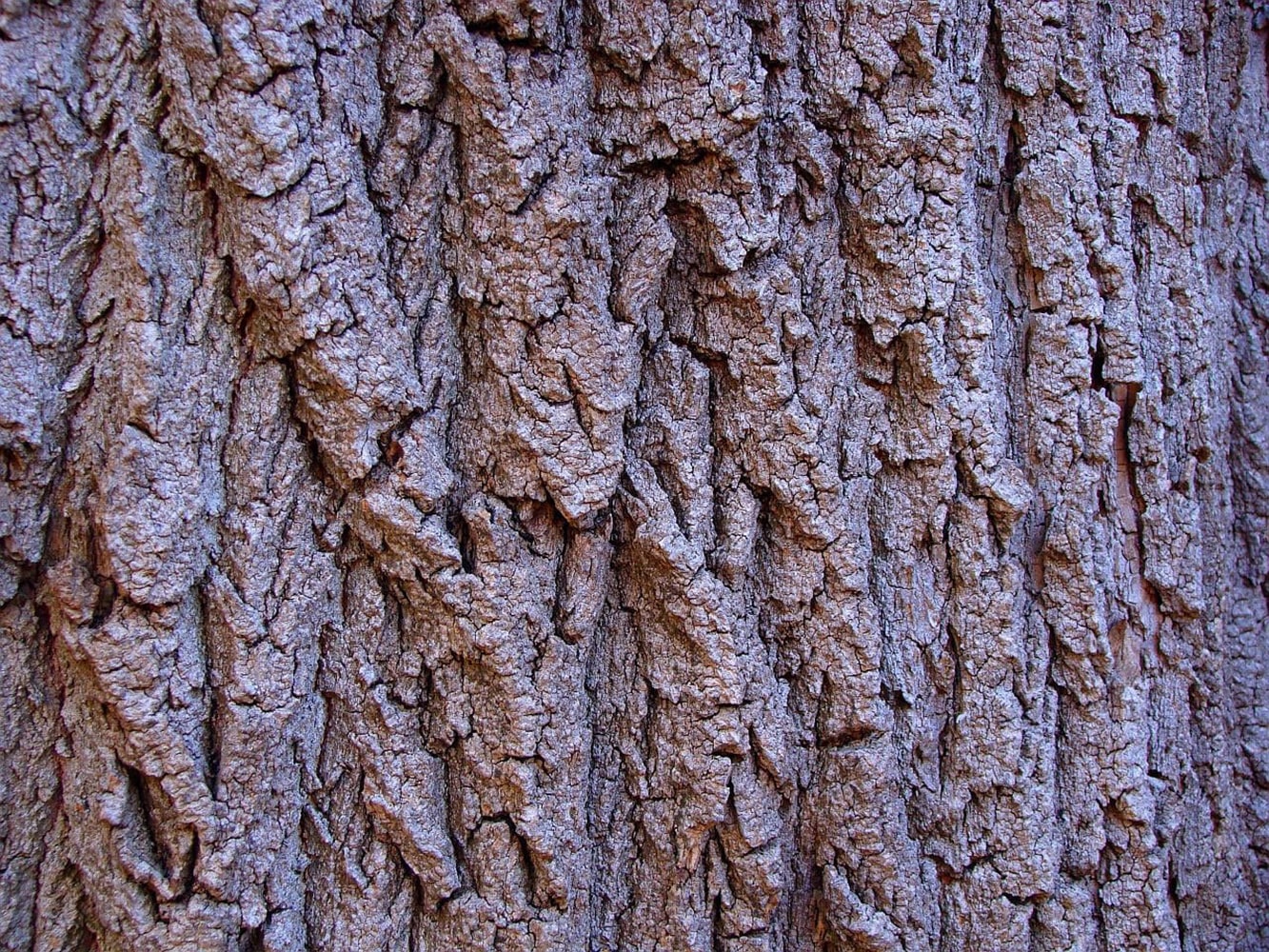
Bark
Woody old growth is vertically fissured.
Dark Brown
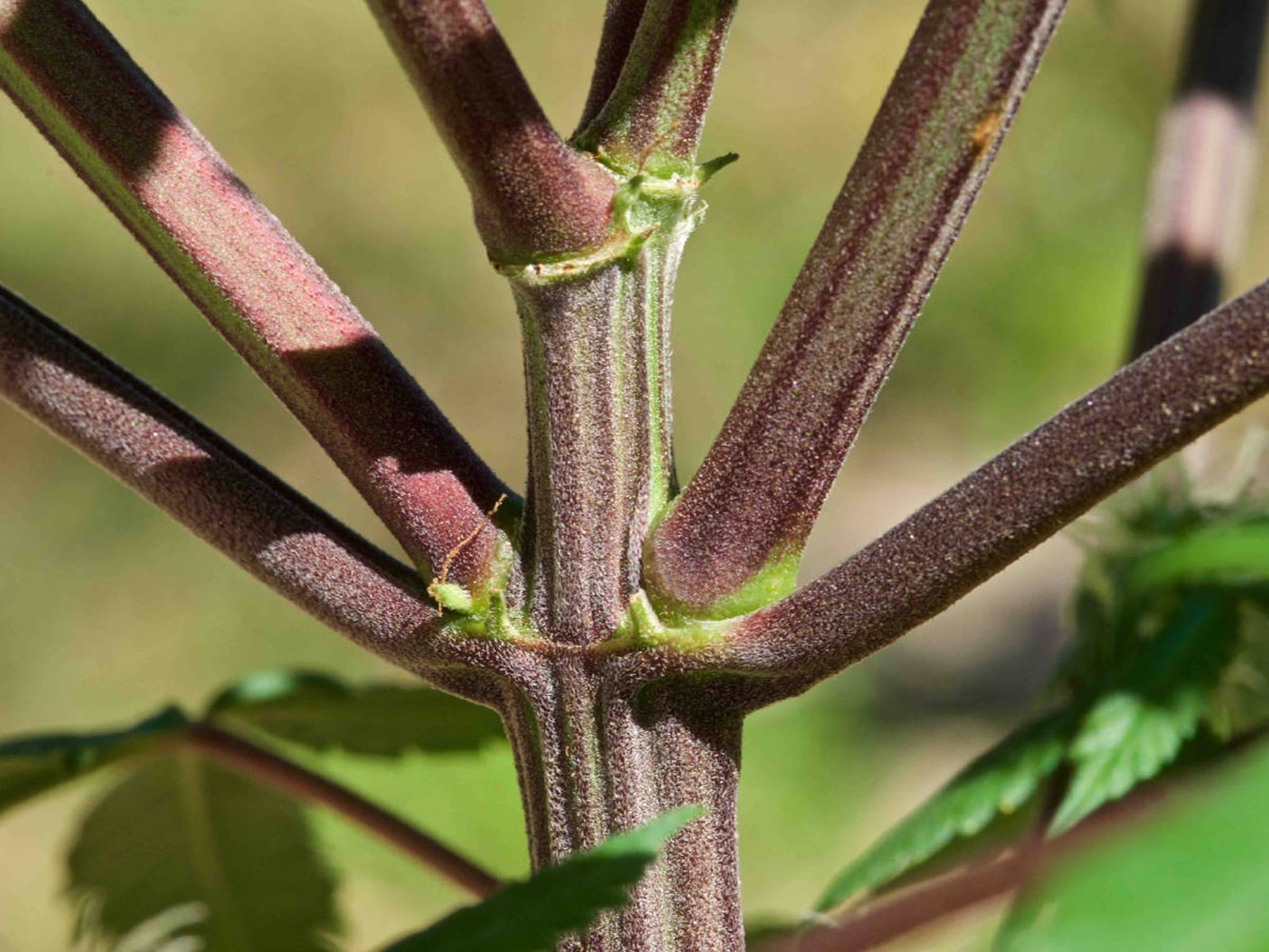
Stem
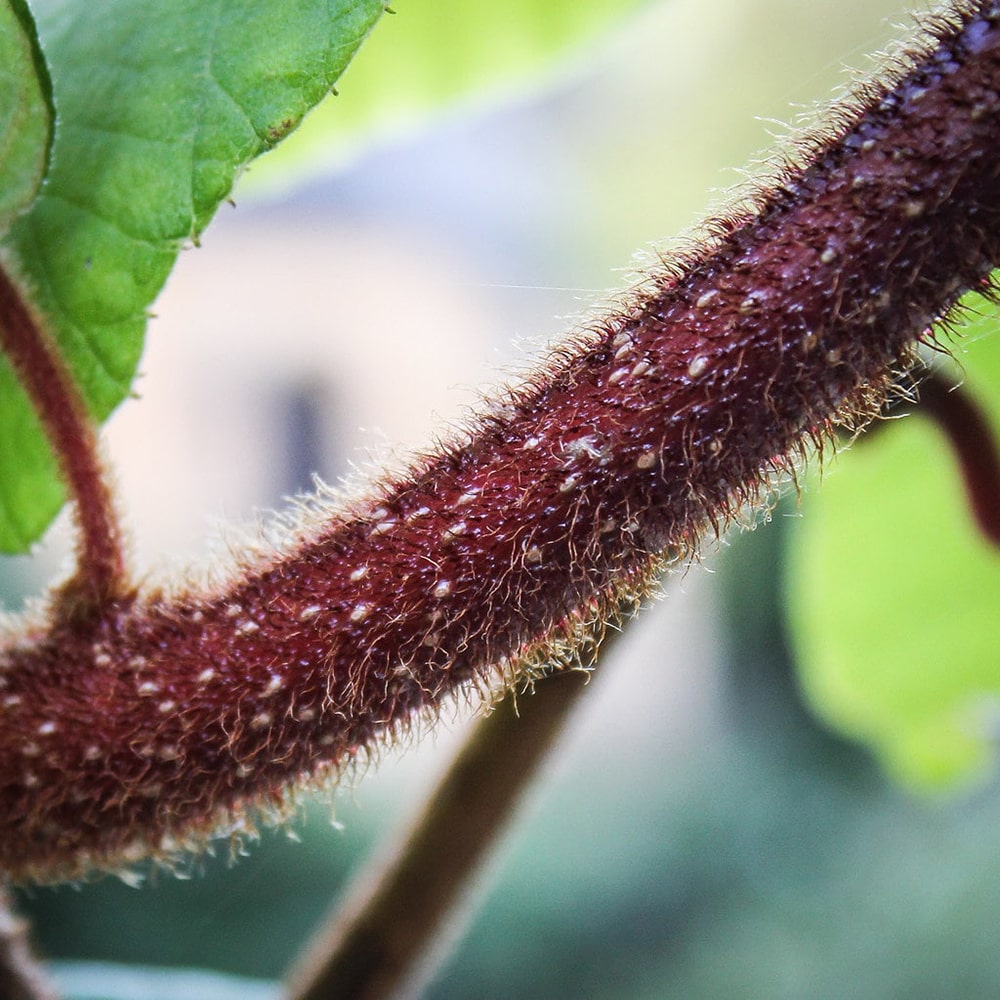
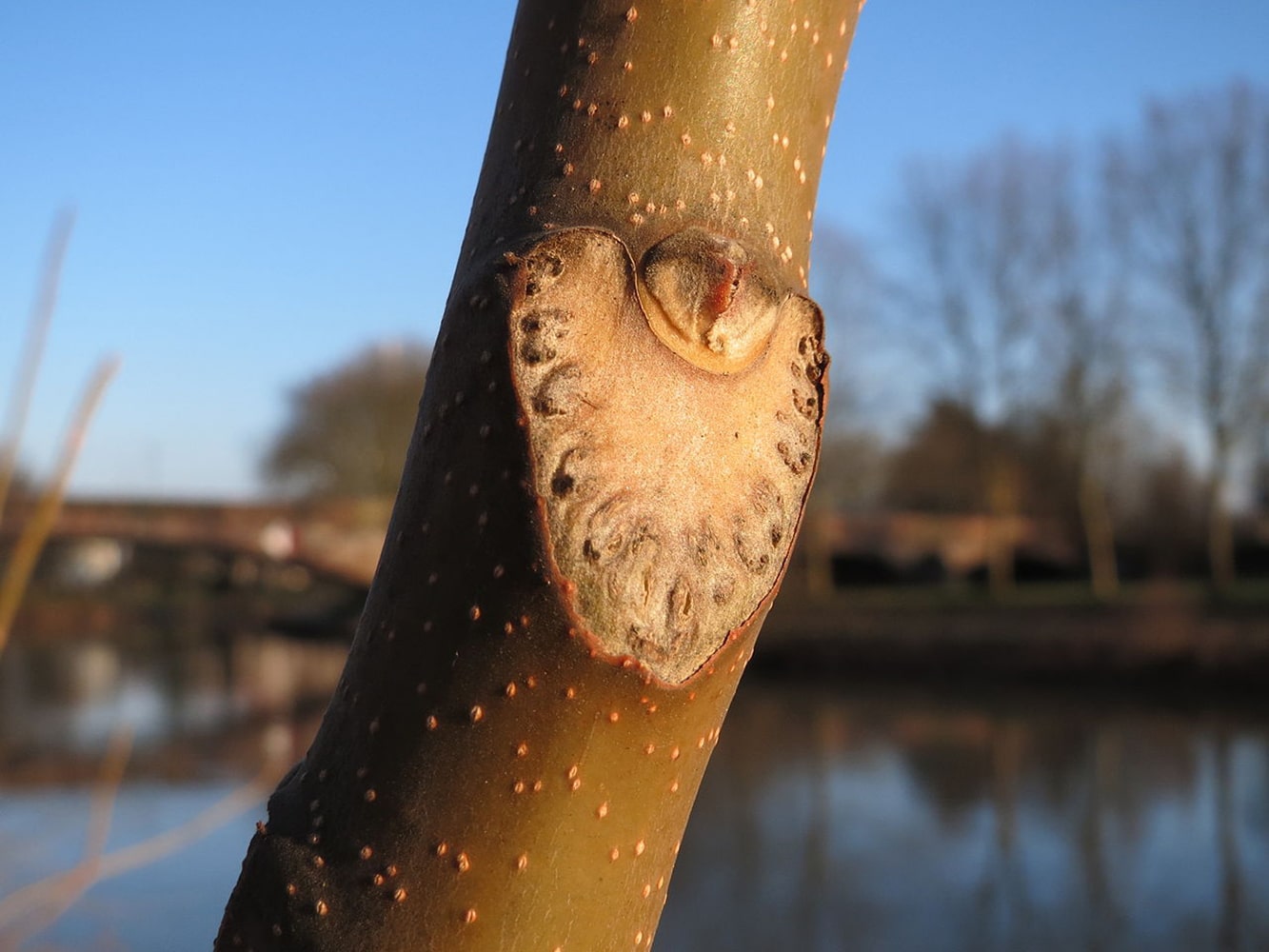
New growth green, old growth brown and woody with vertical fissures and oval leaf scars giving the stem a pock-marked appearance.
Brown/Copper
Green
Poisonous to Humans
TOXIC ONLY IF LARGE QUANTITIES EATEN. SKIN IRRITATION MINOR OR LASTING ONLY FOR A FEW MINUTES. Allergic dermatitis with skin rash developing after repeated contact. Nausea, vomiting, diarrhea when ingested.
Diterpene esters
Seeds
Leaves
Stems
Sap/Juice
Flowers
Bark
Fruits
Roots
Whole Plant Traits
Shrub
Annual
Poisonous
Erect
Oval
Cultural Conditions
Full sun (6 or more hours of direct sunlight a day)
Good Drainage
Occasionally Dry
3 feet-6 feet
6-feet-12 feet
Landscape
Container
Houseplants
Poisonous to Humans
Contact Dermatitis

Codiaeum variegatum Attributes

Codiaeum variegatum: Country Or Region Of Origin

Malaysia to South Western Pacific
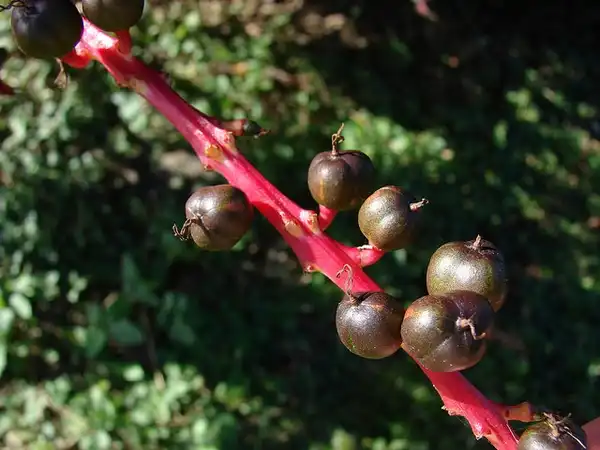
Codiaeum variegatum: Life Cycle

Annual
Biennial
Bulb
Perennial
Woody

Codiaeum variegatum Flowers

Codiaeum variegatum: Flower Description

A slender axillary raceme, at branch tips. White, insignificant, sticky.

Codiaeum variegatum: Flower Color

filter_vintage
Insignificant
filter_vintage
White

Codiaeum variegatum: Flower Inflorescence

Catkin
Corymb
Cyme
Head
Insignificant
Panicle
Raceme
Solitary
Spadix
Spike
Umbel

Codiaeum variegatum Leaves

Codiaeum variegatum: Leaf Description

Alternate, simple leaves, linear to ovate, acute, entire or lobed, coriaceous (leathery), rugose (crinkled), glossy. Cultivated varieties are more colorful. Milky sap exudes when broken.

Codiaeum variegatum: Woody Plant Leaf Characteristics

Broadleaf Evergreen
Deciduous
Needled Evergreen
Semi-evergreen

Codiaeum variegatum: Leaf Color

spa
Green

Codiaeum variegatum: Leaf Type

Compound (Pinnately , Bipinnately, Palmately)
Fronds
Needles
Sheath
Simple

Codiaeum variegatum: Leaf Arrangement

Alternate
Opposite
Other/more complex
Rosulate
Whorled

Codiaeum variegatum: Leaf Shape

Acicular
Auriculate
Cordate
Cuneate
Deltoid
Elliptical
Filiform
Lanceolate
Linear
Oblanceolate
Oblong
Obovate
Obtuse
Orbicular
Ovate
Palmasect
Palmatifid
Peltate
Pinnatifid
Pinnatisect
Reniform
Rhomboidal
Spatulate
Subcordate
Subulate

Codiaeum variegatum: Leaf Margin

Crenate
Crenulate
Dentate
Denticulate
Doubly Crenate
Doubly Dentate
Doubly Serrate
Entire
Lobed
Serrate
Sinuate
Undulate

Codiaeum variegatum: Hairs Present

No
Yes

Codiaeum variegatum: Leaf Length

< 1 inch
1-3 inches
3-6 inches
> 6 inches

Codiaeum variegatum: Leaf Feel

Fleshy
Glossy
Leathery

Papery
Prickly
Rough
Rubbery
Slippery
Smooth
Soft
Velvety
Waxy

Codiaeum variegatum: Leaf Value To Gardener

Edible
Fragrant
Good Cut
Good Dried
Long-lasting
Showy

Codiaeum variegatum: Leaf Width

< 1 inch
1-3 inches
3-6 inches
> 6 inches

Codiaeum variegatum Bark

Codiaeum variegatum: Bark Description

Woody old growth is vertically fissured.

Codiaeum variegatum: Bark Color

grass
Dark Brown

Codiaeum variegatum: Surface/Attachment

Bumpy
Exfoliating
Fissured
Furrowed
Lenticels
Papery
Patchy
Peeling
Ridges
Scaly
Shaggy
Shiny
Shredding
Smooth
Spongy

Codiaeum variegatum Stem

Codiaeum variegatum: Stem Description

New growth green, old growth brown and woody with vertical fissures and oval leaf scars giving the stem a pock-marked appearance.

Codiaeum variegatum: Stem Color

grass
Brown/Copper
grass
Green

Codiaeum variegatum: Stem Is Aromatic

No
Yes

Codiaeum variegatum: Stem Leaf Scar Shape

C-shaped, Cresent shaped
Encircles a bud
Heart or shield shaped
Round

Codiaeum variegatum Poisonous to Humans

Codiaeum variegatum: Poison Symptoms

TOXIC ONLY IF LARGE QUANTITIES EATEN. SKIN IRRITATION MINOR OR LASTING ONLY FOR A FEW MINUTES. Allergic dermatitis with skin rash developing after repeated contact. Nausea, vomiting, diarrhea when ingested.

Codiaeum variegatum: Poison Toxic Principle

Diterpene esters

Codiaeum variegatum: Poison Severity

High
Low
Medium

Codiaeum variegatum: Causes Contact Dermatitis

No
Yes

Codiaeum variegatum: Poison Part

Bark
Flowers
Fruits
Leaves
Roots
Sap/Juice
Seeds
Stems

Codiaeum variegatum Whole Plant Traits

Codiaeum variegatum: Plant Type

Annual
Bulb
Carnivorous
Edible
Epiphyte
Fern
Ground Cover
Herb
Herbaceous Perennial
Houseplant
Mushroom
Native Plant
Ornamental Grasses and Sedges
Perennial
Poisonous
Rose
Shrub
Succulent
Tree
Turfgrass
Vegetable
Vine
Water Plant
Weed
Wildflower

Codiaeum variegatum: Woody Plant Leaf Characteristics

Broadleaf Evergreen
Deciduous
Needled Evergreen
Semi-evergreen

Codiaeum variegatum: Habit/Form

Arching
Ascending
Broad
Cascading
Climbing
Clumping
Columnar
Conical
Creeping
Dense
Erect
Horizontal
Irregular
Mounding
Multi-stemmed
Multi-trunked
Open
Oval
Prostrate
Pyramidal
Rounded
Spreading
Vase
Weeping

Codiaeum variegatum Cultural Conditions

Codiaeum variegatum: Light

Dappled Sunlight (Shade through upper canopy all day)
Deep shade (Less than 2 hours to no direct sunlight)
Full sun (6 or more hours of direct sunlight a day)
Partial Shade (Direct sunlight only part of the day, 2-6 hours)

Codiaeum variegatum: Soil Drainage

Frequent Standing Water
Good Drainage
Moist
Occasional Flooding
Occasionally Dry
Occasionally Wet
Very Dry

Codiaeum variegatum: Available Space To Plant

12 inches-3 feet
12-24 feet
24-60 feet
3 feet-6 feet
6-feet-12 feet
Less than 12 inches
more than 60 feet

Codiaeum variegatum Landscape

Codiaeum variegatum: Landscape Location

Coastal
Container
Hanging Baskets
Houseplants
Lawn
Meadow
Naturalized Area
Near Septic
Patio
Pond
Pool/Hardscape
Recreational Play Area
Riparian
Rock Wall
Slope/Bank
Small Space
Vertical Spaces
Walkways
Woodland

Codiaeum variegatum: Problems

Allelopathic
Contact Dermatitis
Frequent Disease Problems
Frequent Insect Problems
Invasive Species
Malodorous
Messy
Poisonous to Humans
Problem for Cats
Problem for Children
Problem for Dogs
Problem for Horses
Short-lived
Spines/Thorns
Weak Wood
Weedy