Colocasia: Country Or Region Of Origin
Tropical & Subtropical Asia

Phonetic Spelling:kol-oh-KAY-see-ah
Genus:Colocasia
Species:
Family:Araceae
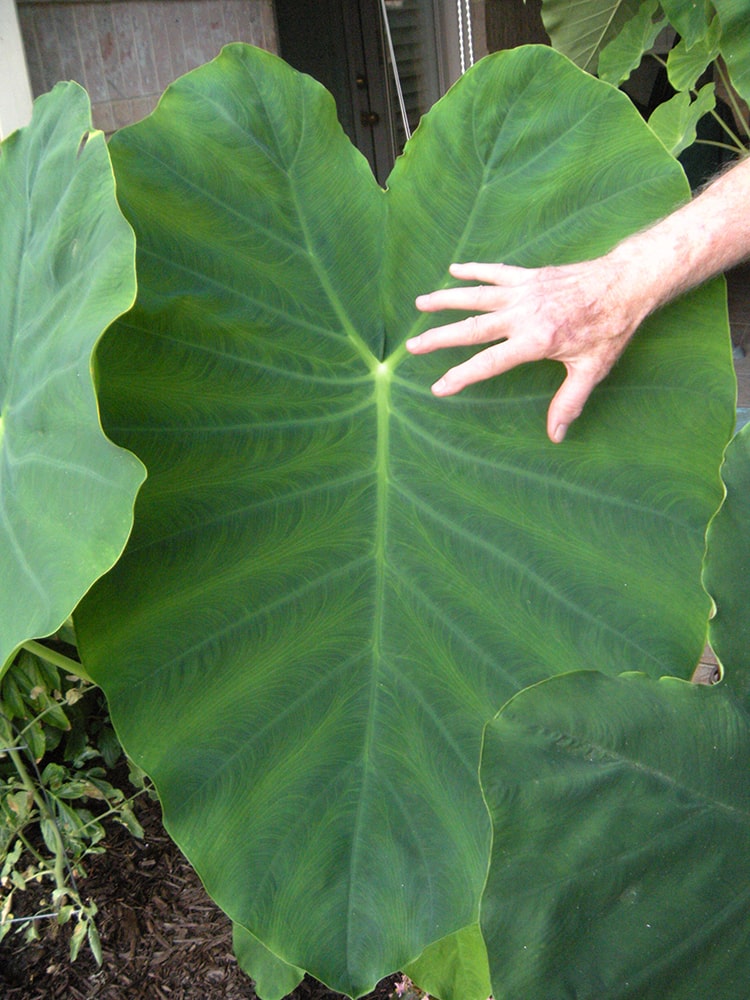
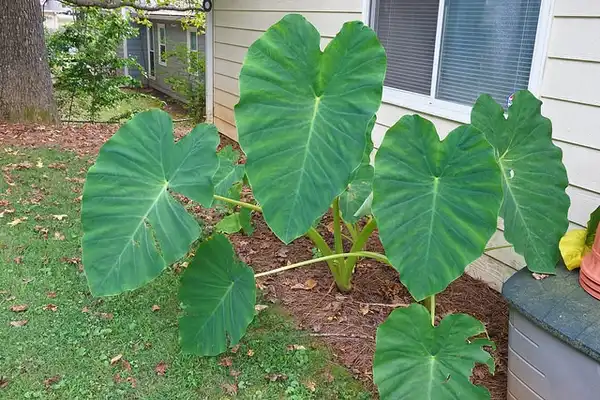
This remarkable plant, with its enormous leaves resembling elephant ears, makes a bold statement and enchants with its heart-shaped foliage, inviting you to appreciate its beauty.
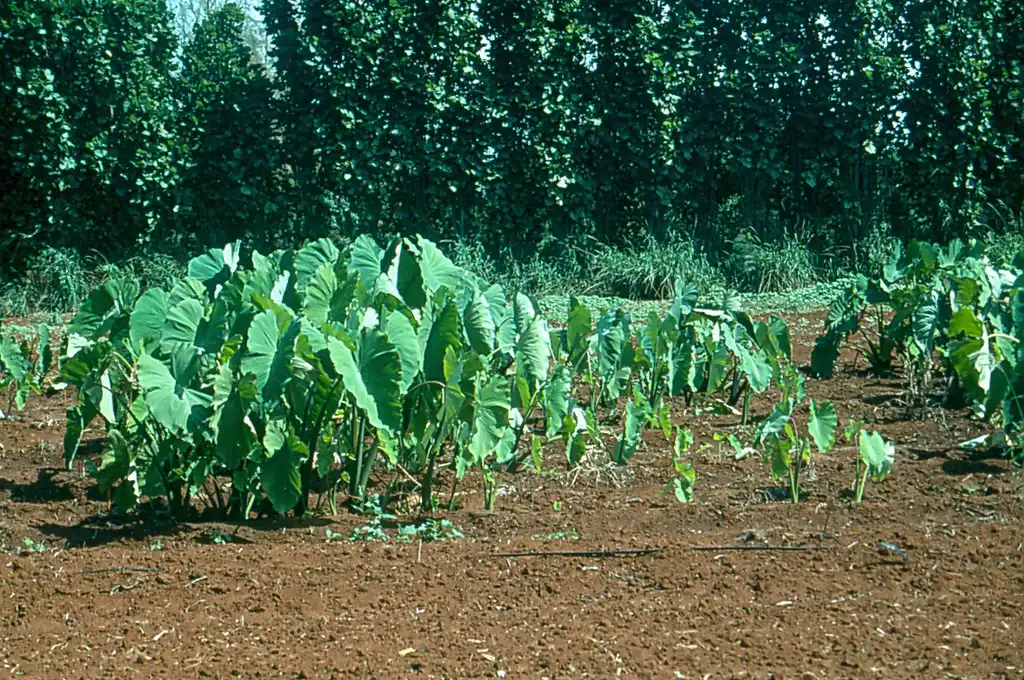
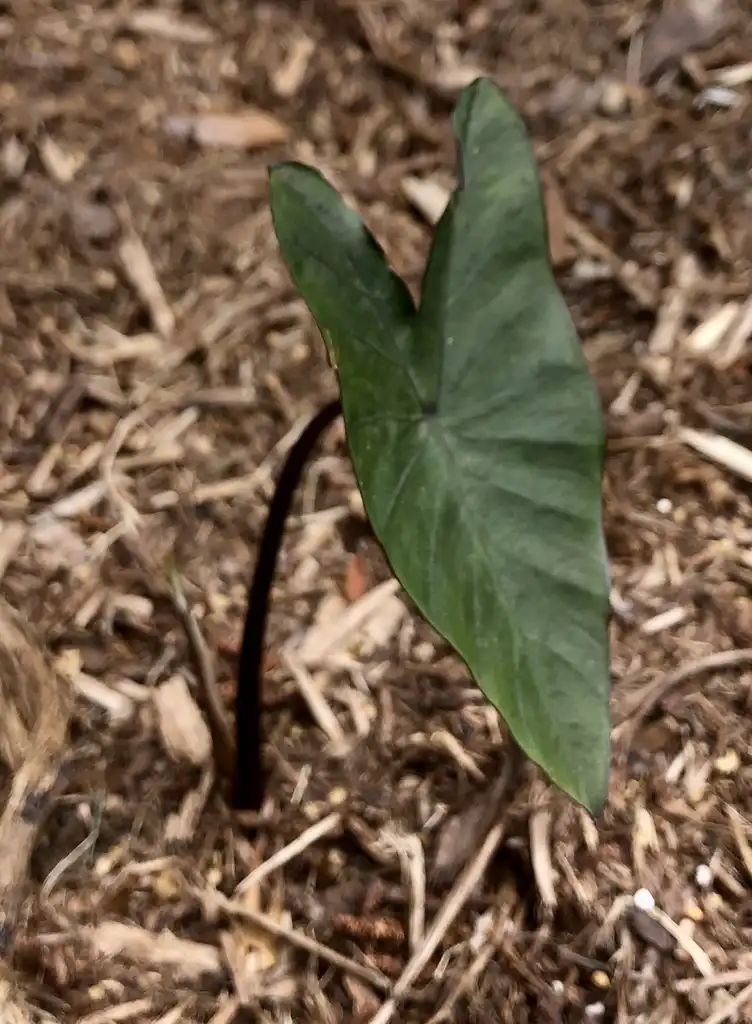
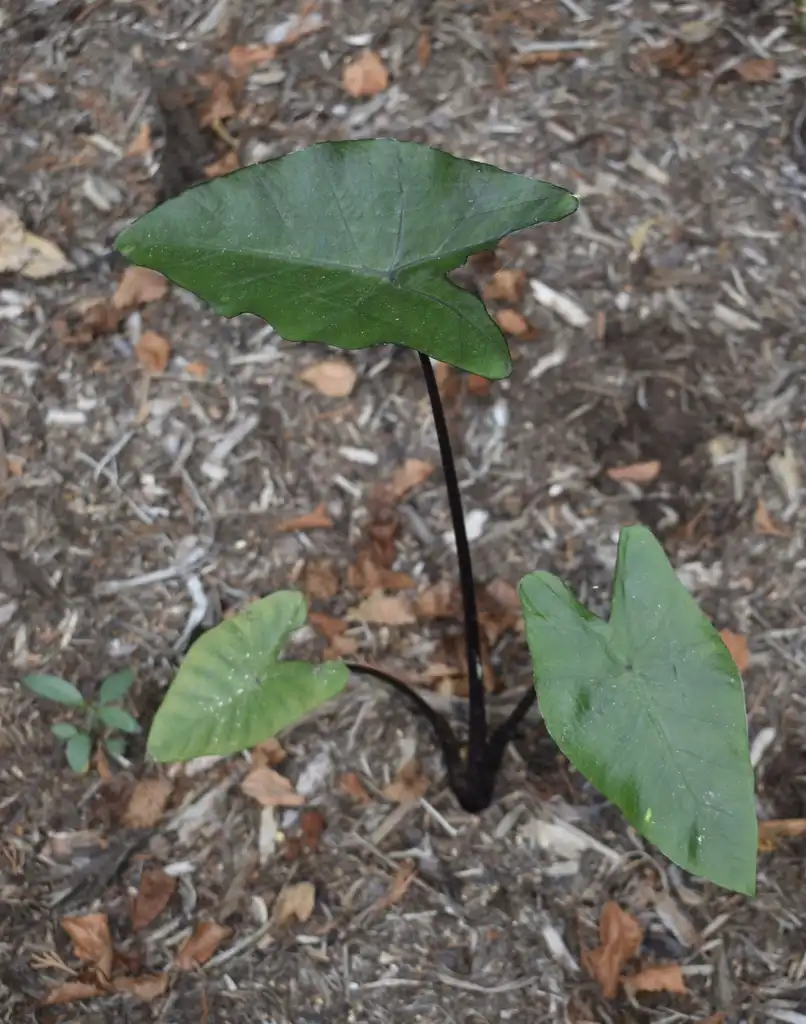
Colocasia, a genus of herbaceous perennials, is celebrated for its expansive leaves, which come in various colors and patterns. The leaves are heart-shaped, thin, and have a rubbery texture. Native to Southeastern Asia, these plants thrive in loamy, nutrient-rich soil and warm tropical climates. They can be cultivated in full sun or partial shade, adding a striking accent to any garden. Different species and varieties exhibit unique traits, including variations in stalk color, leaf color, and size. The largest among them, C. gigantea 'Thailand Giant,' can boast stalks up to 6 inches wide at the base, supporting leaves that can reach lengths of 2 to 4 feet.
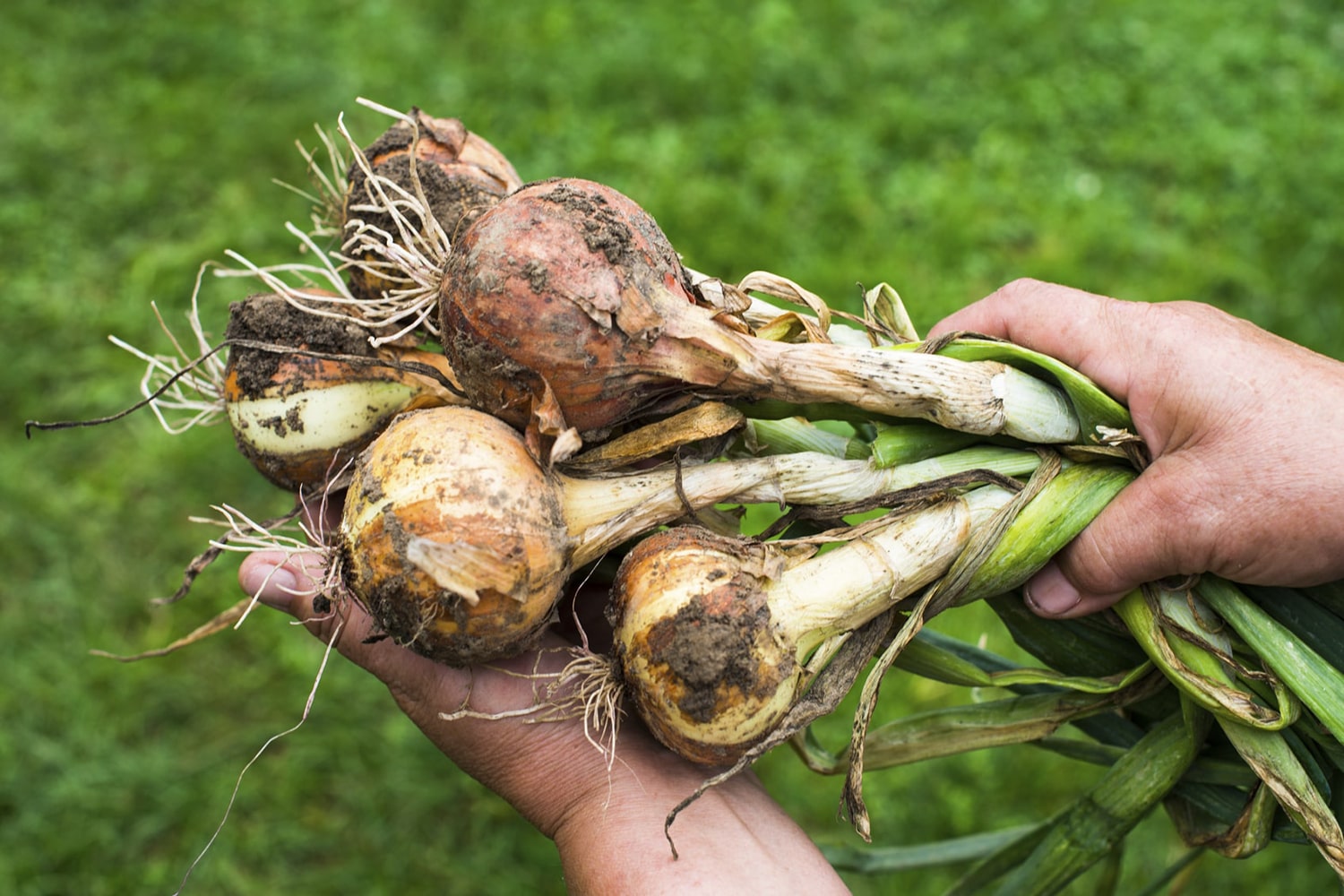
These tuberous plants are also featured in some traditional Asian dishes. While all parts of the plant are toxic when raw, the tubers become safe to eat once cooked.
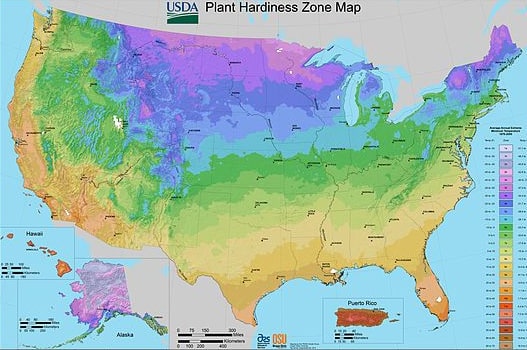
Colocasia is a tender perennial that struggles to survive winter in many regions. In USDA Zones outside of 7b-10, it is advisable to treat this plant as an annual or to dig up the tuber after the first frost and store it in a cool, dry place (such as in dry wood shavings or peat) where temperatures remain above 45°F. The tuber can then be replanted in late April. An alternative and simpler approach is to grow Colocasia in a container, allowing you to bring it indoors during the winter months, provided you have adequate space for a large pot.
Propagation can be achieved by dividing the corms and placing them in a sizable 1-gallon pot filled with rich peat-based growing media, ensuring consistent moisture.
This perennial herb can serve as a houseplant or be incorporated into landscapes as a cultivated, tender, or hardy bulb. It is sensitive to cold, suffering damage below 68°F (20°C), and requires a spacing of 6 feet.
Despite its large size, reminiscent of an elephant, this plant's stunning beauty is truly something to behold.