Conopholis americana: Country Or Region Of Origin
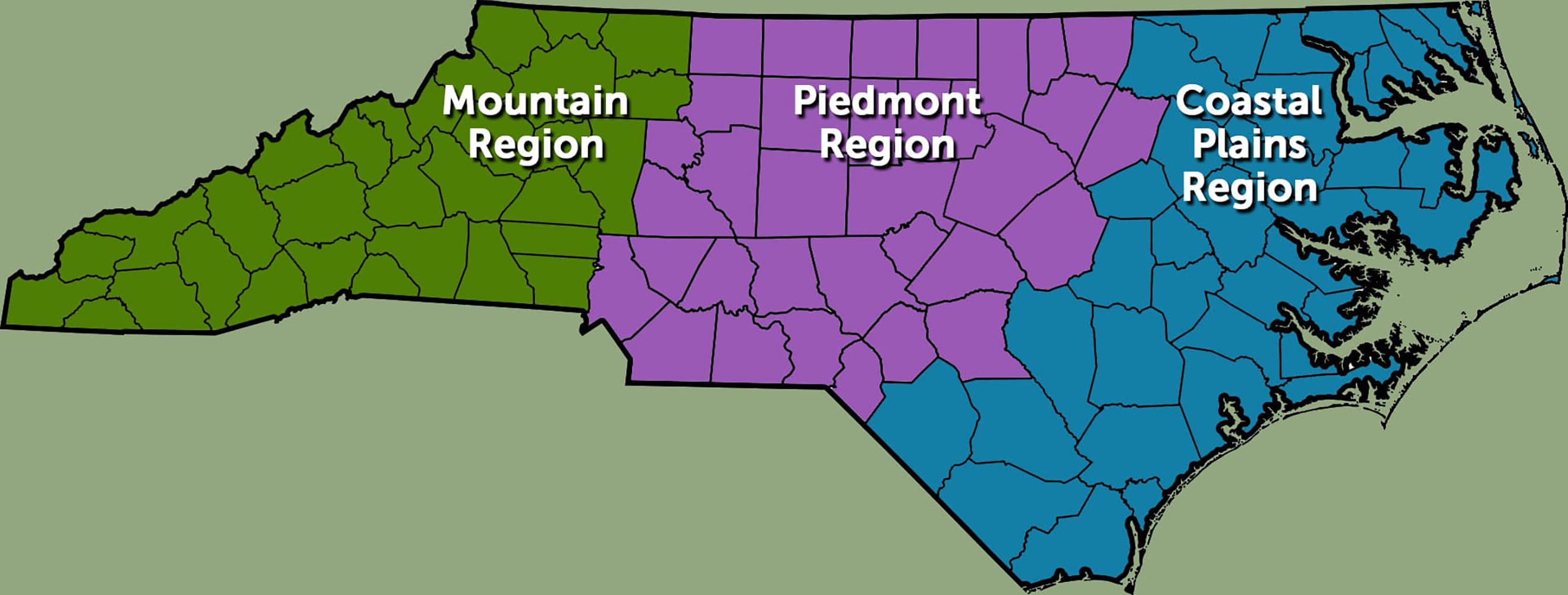
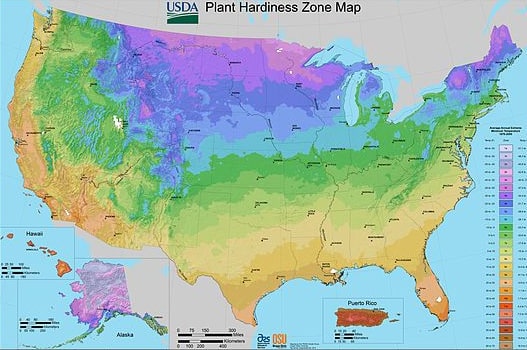
E. Canada, Central & E. U.S.A., S. Mexico, Costa Rica to Panama
Phonetic Spelling:koh-noh-FOH-lis a-mer-ih-KAY-nah
Genus:Conopholis
Species:americana
Family:Orobanchaceae
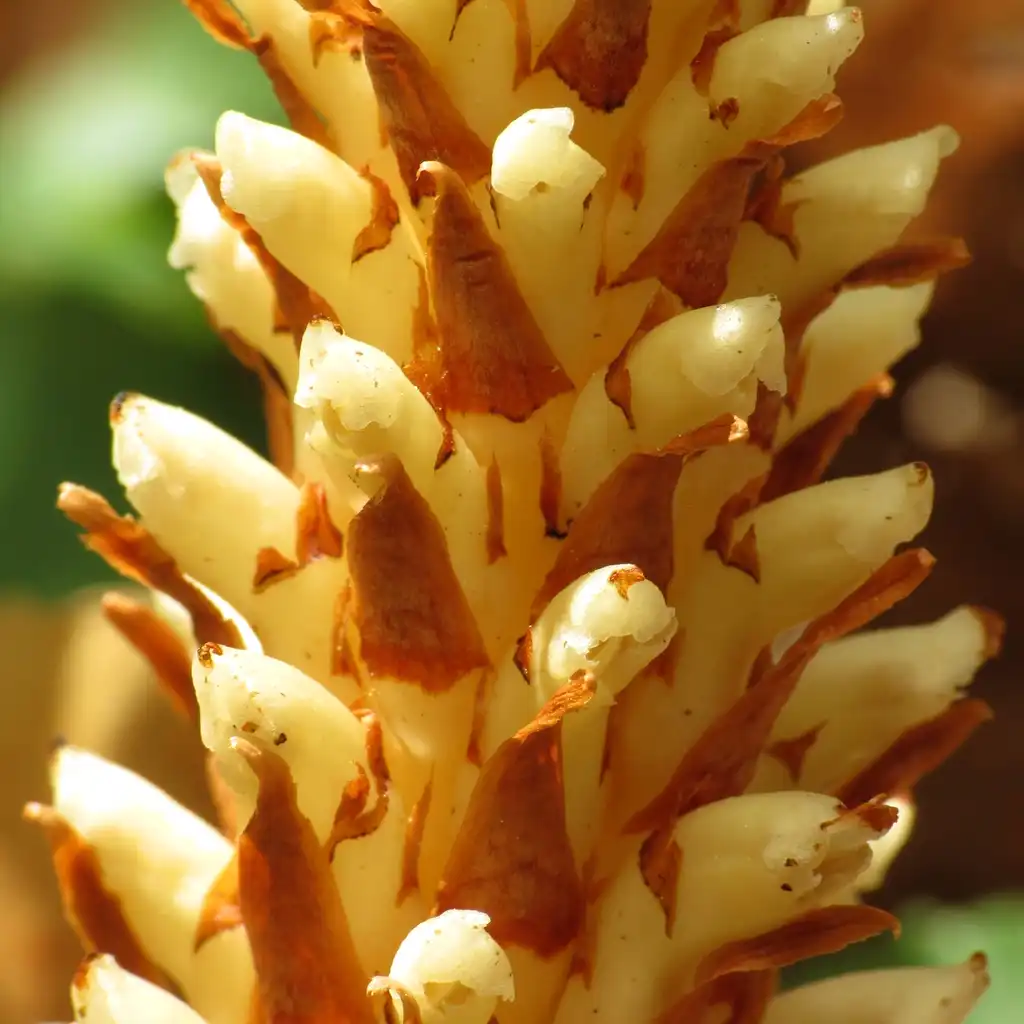
Cancer-root is a perennial herbaceous plant that belongs to the boomrape family (Orobanchaceae) and is known for its parasitic nature. There is currently no scientific evidence supporting its ability to treat cancer. This plant thrives in the rich organic soils of Eastern America's forests, preferring well-drained conditions while being adaptable to various light environments. Notably, cancer-root does not engage in photosynthesis, which accounts for its absence of chlorophyll, and it exclusively grows in the presence of oak trees (Quercus spp.).
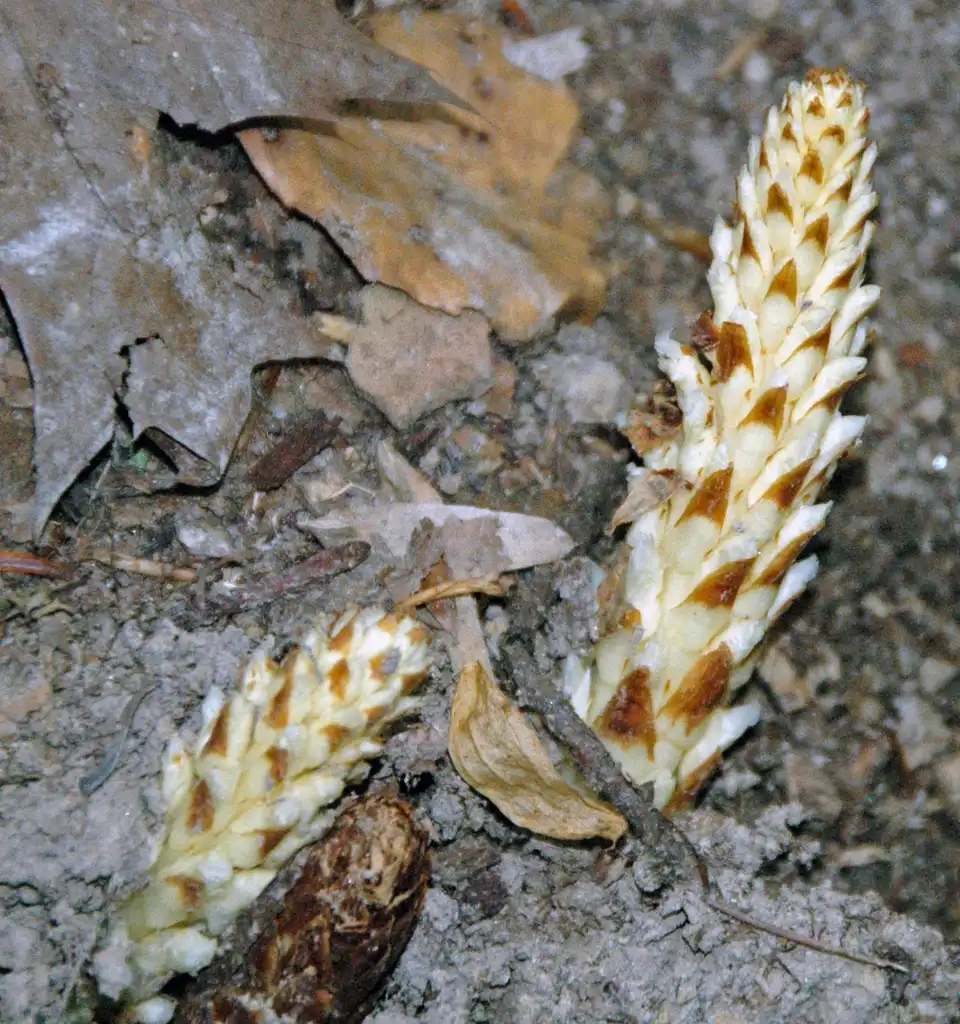
Typically, cancer-root reaches heights of 2 to 8 inches and has a width of less than an inch. After approximately four years of underground growth, during which it attaches to oak roots, the plant produces inflorescences that emerge from the soil, resembling conifer cones. These flowering spikes can be seen from April to July, depending on the specific location along the East Coast. Following the flowering period, the spikes turn brown, eventually darkening to black and remaining visible throughout the winter months.
The genus name Conopholis is derived from Latin, meaning 'cone' and 'scale,' which aptly describes the stem's appearance, featuring scale-like flowers that resemble upright golden cones.
Conopholis americana Feature Summary
Conopholis americana Image Gallery