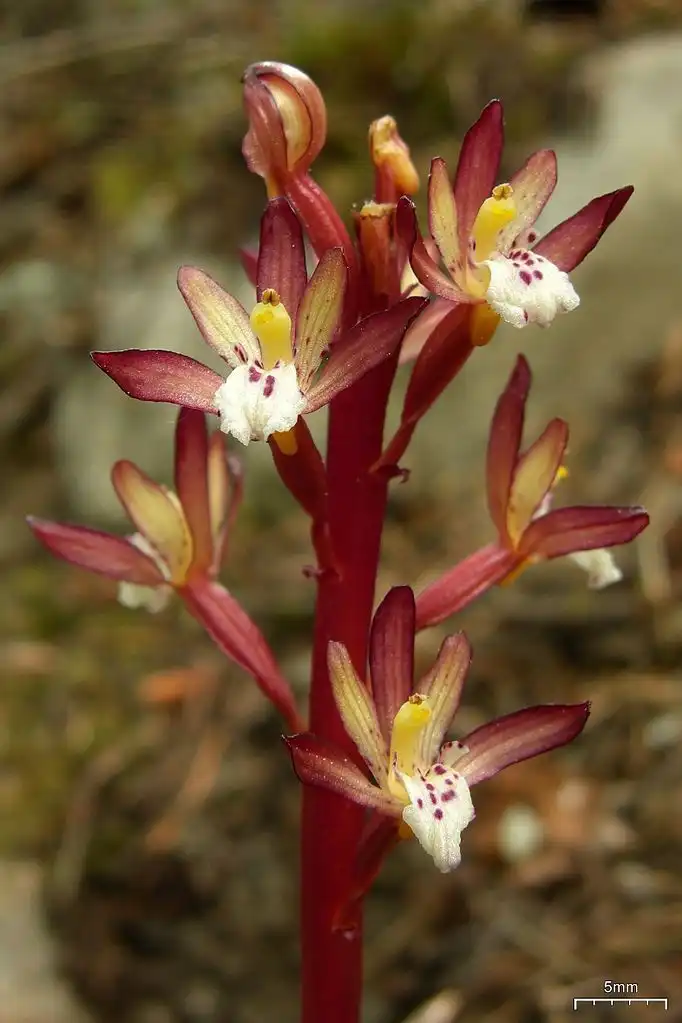
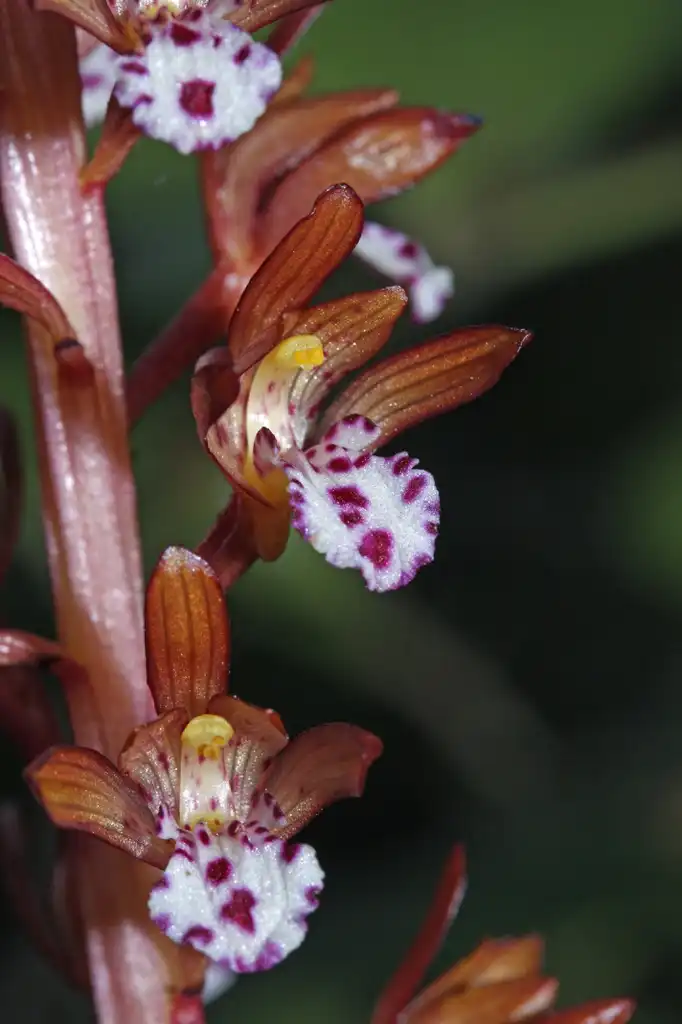
• Photo of Corallorhiza maculata (Corallorhiza maculatas)

Plant Profile: Corallorhiza maculata

Taxonomy: Corallorhiza maculata

Names

Spotted Coralroot, Summer Coralroot

  • Photo of Corallorhiza maculata (Corallorhiza maculatas)

Phonetic Spelling:koral-lor-ize-ah mak-yuh-LAY-tuh

Genus:Corallorhiza

Species:maculata

Family:Orchidaceae

The term "Maculata" translates to "spotted" in Latin. This striking orchid, characterized by its small flowers, rises prominently, making it hard to overlook. It flourishes during the summer months and extends into early autumn, typically found in wooded and forested regions. What sets this plant apart is its unique method of energy acquisition; rather than relying on photosynthesis, it forms a symbiotic partnership with mycorrhizal fungi.

Corallorhiza maculata Feature Summary

Corallorhiza maculata Image Gallery

Tags

#fall interest
#specialized bees
#summer flowers
#native garden
#tiny flowers
#orchid
#autumn colors
#forests
#detail
#exotic looking
#detailed
#native wildflower
#unusual
#mycorrhizal fungi
#bee friendly
#woodlands

Similar Plants

Corallorhiza maculata Feature Summary

Attributes
Flowers
10-30 dull, purplish-brown flowers on the leafless stalk; the lobed lip is white, spotted with red. It can self pollinate but is also pollinated by insects.
Purple/Lavender
White
Gold/Yellow
Brown/Copper
Leaves
This plant has no leaves
Whole Plant Traits
Perennial
Herbaceous Perennial
Native Plant
Wildflower
Cultural Conditions
Less than 12 inches
Mountains
Fruit
Stem
Brown/Copper
Red/Burgundy
Gold/Yellow
Landscape
Pollinator Garden
Native Garden
Bees
Specialized Bees

Corallorhiza maculata Attributes

Corallorhiza maculata: Country Or Region Of Origin

Canada to U.S.A.
Corallorhiza maculata: Life Cycle

Annual
Biennial
Bulb
Perennial
Woody

Corallorhiza maculata Flowers

Corallorhiza maculata: Flower Description

10-30 dull, purplish-brown flowers on the leafless stalk; the lobed lip is white, spotted with red. It can self pollinate but is also pollinated by insects.

Corallorhiza maculata: Flower Color

filter_vintage
Brown/Copper
filter_vintage
Gold/Yellow
filter_vintage
Purple/Lavender
filter_vintage
White

Corallorhiza maculata: Flower Inflorescence

Catkin
Corymb
Cyme
Head
Insignificant
Panicle
Raceme
Solitary
Spadix
Spike
Umbel

Corallorhiza maculata Leaves

Corallorhiza maculata: Leaf Description

This plant has no leaves

Corallorhiza maculata: Hairs Present

No
Yes

Corallorhiza maculata Whole Plant Traits

Corallorhiza maculata: Plant Type

Annual
Bulb
Carnivorous
Edible
Epiphyte
Fern
Ground Cover
Herb
Herbaceous Perennial
Houseplant
Mushroom
Native Plant
Ornamental Grasses and Sedges
Perennial
Poisonous
Rose
Shrub
Succulent
Tree
Turfgrass
Vegetable
Vine
Water Plant
Weed
Wildflower

Corallorhiza maculata Cultural Conditions

Corallorhiza maculata: Available Space To Plant

12 inches-3 feet
12-24 feet
24-60 feet
3 feet-6 feet
6-feet-12 feet
Less than 12 inches
more than 60 feet

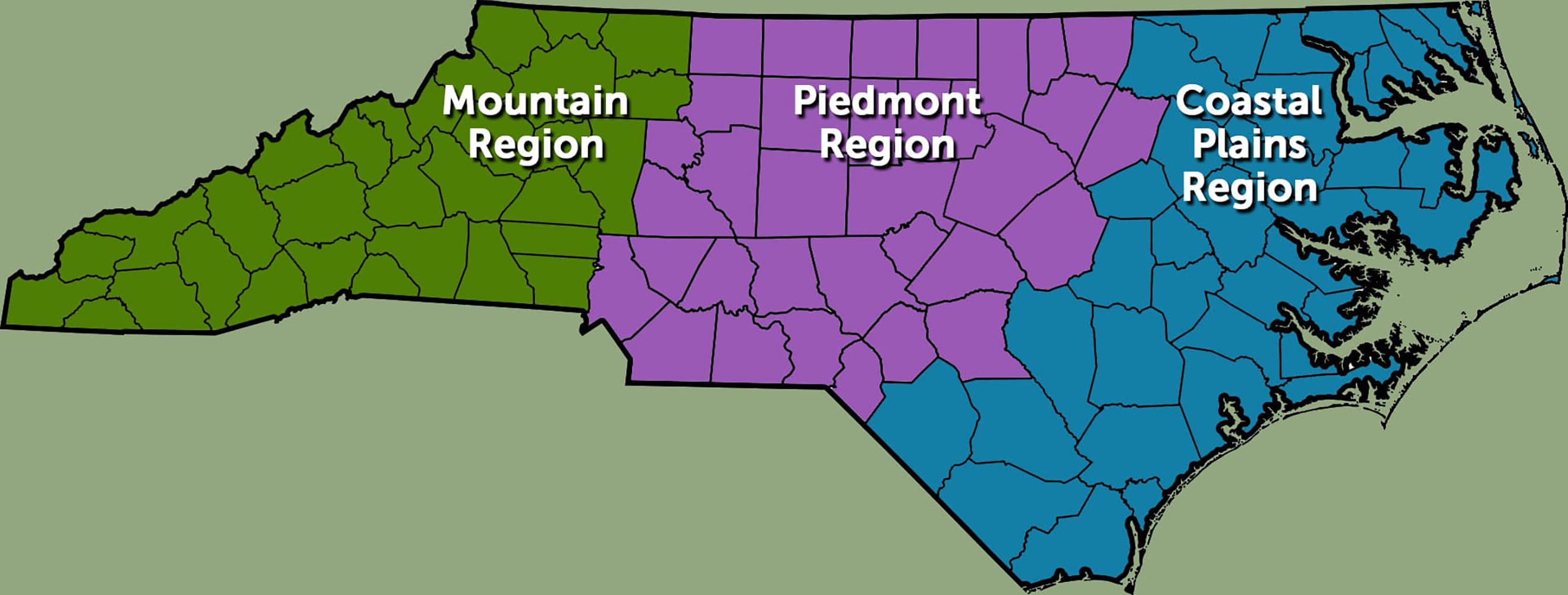
Corallorhiza maculata: NC Region

Coastal
Mountains
Piedmont

Corallorhiza maculata Fruit

Corallorhiza maculata: Fruit Type

Achene
Aggregate
Berry
Capsule
Caryopsis
Drupe
Follicle
Legume
Nut
Pome
Samara
Schizocarp
Siliqua

Corallorhiza maculata Stem

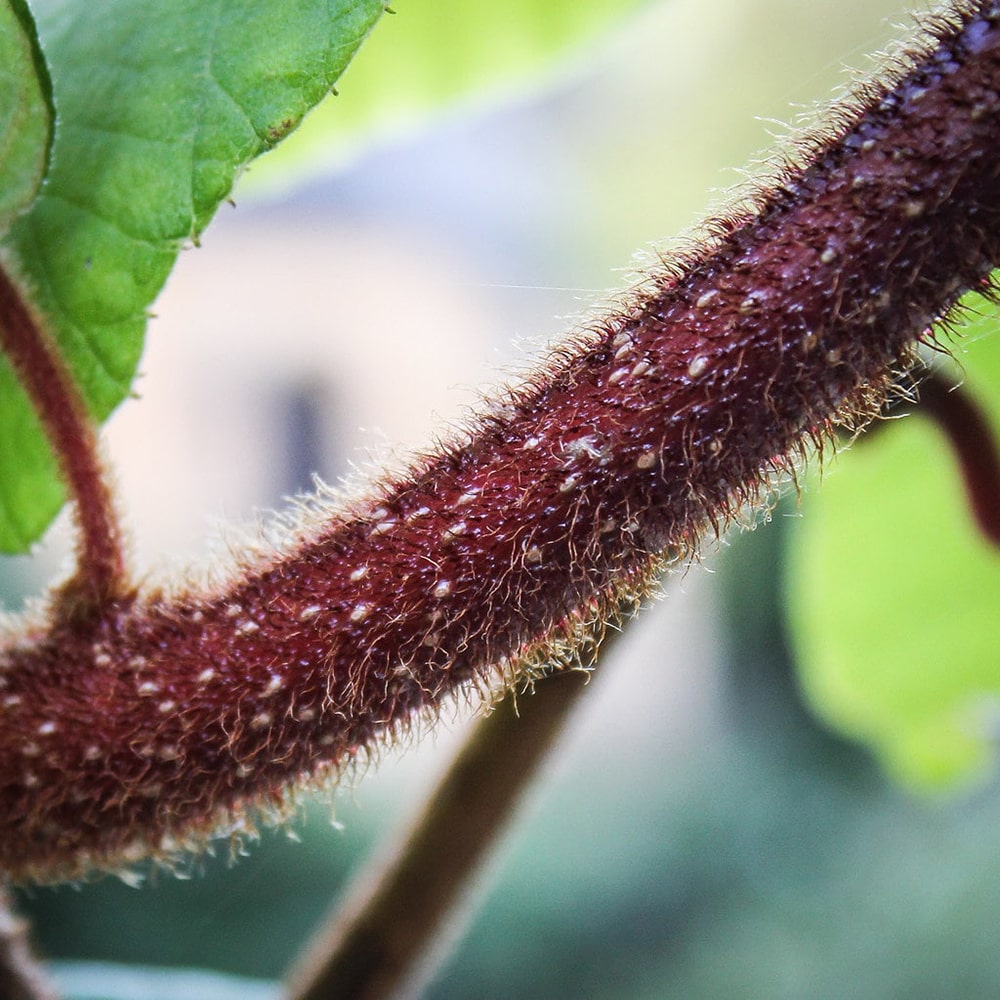
Corallorhiza maculata: Stem Color

grass
Brown/Copper
grass
Gold/Yellow
grass
Red/Burgundy

Corallorhiza maculata: Stem Is Aromatic

No
Yes

Corallorhiza maculata Landscape

Corallorhiza maculata: Landscape Theme

Asian Garden
Butterfly Garden
Children's Garden
Cottage Garden
Cutting Garden
Drought Tolerant Garden
Edible Garden
English Garden
Fairy Garden
Garden for the Blind
Native Garden
Nighttime Garden
Pollinator Garden
Rain Garden
Rock Garden
Shade Garden
Water Garden
Winter Garden

Corallorhiza maculata: Landscape Location

Coastal
Container
Hanging Baskets
Houseplants
Lawn
Meadow
Naturalized Area
Near Septic
Patio
Pond
Pool/Hardscape
Recreational Play Area
Riparian
Rock Wall
Slope/Bank
Small Space
Vertical Spaces
Walkways
Woodland

Corallorhiza maculata: Attracts

Bats
Bees
Butterflies
Frogs
Hummingbirds
Moths
Pollinators
Predatory Insects
Reptiles
Small Mammals
Songbirds
Specialized Bees