Crataegus crus-galli var. inermis: Uses (Ethnobotany)
The leaves, berries, and flowers are used in medicines and herbals for cardiovascular health. The wood is strong, tough, and heavy, but has little commercial value.
Phonetic Spelling:kray-TAY-gus krus-GAY-lee IN-er-mis
Genus:Crataegus
Species:crus-galli
Family:Roseaceae
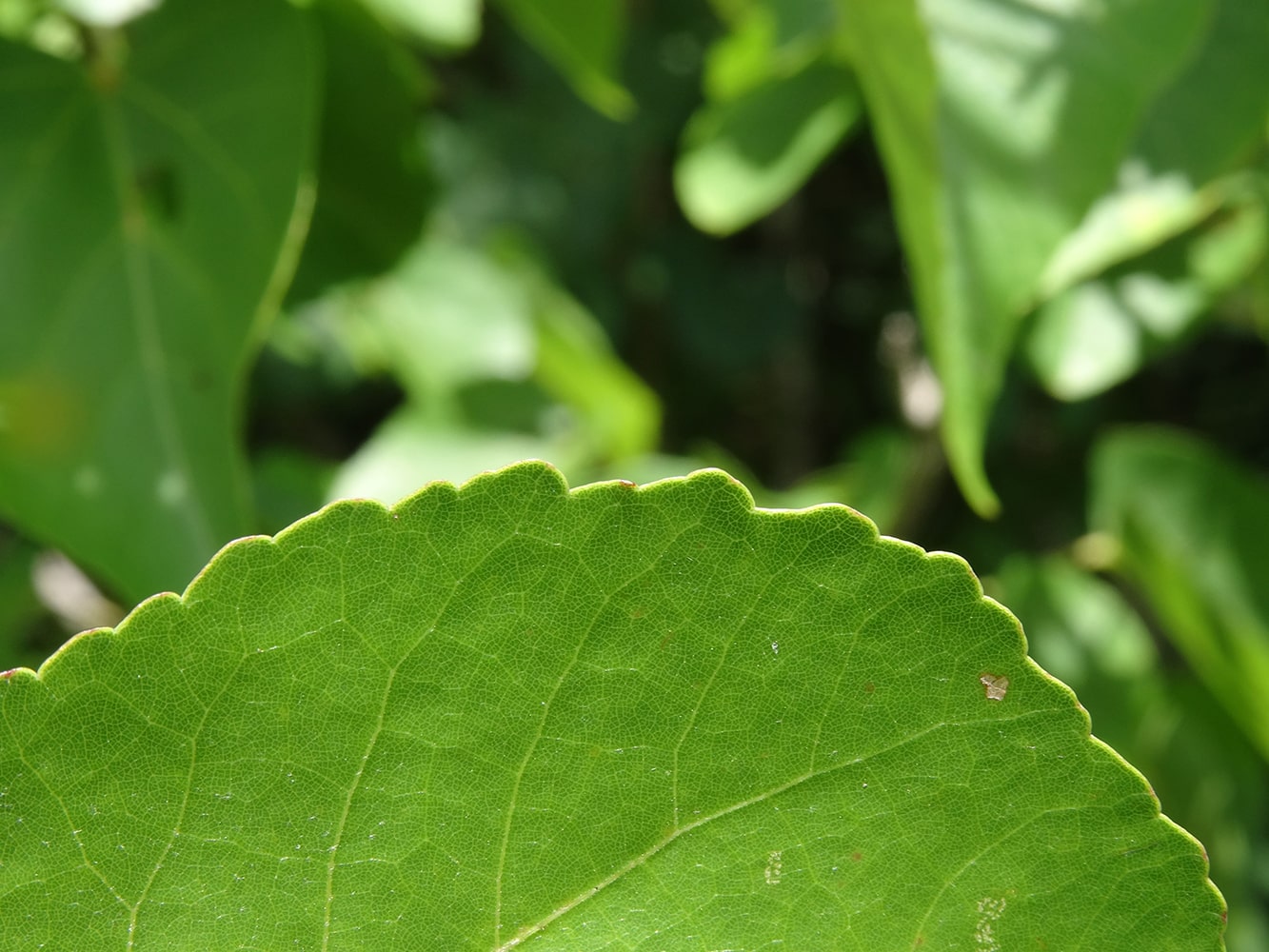
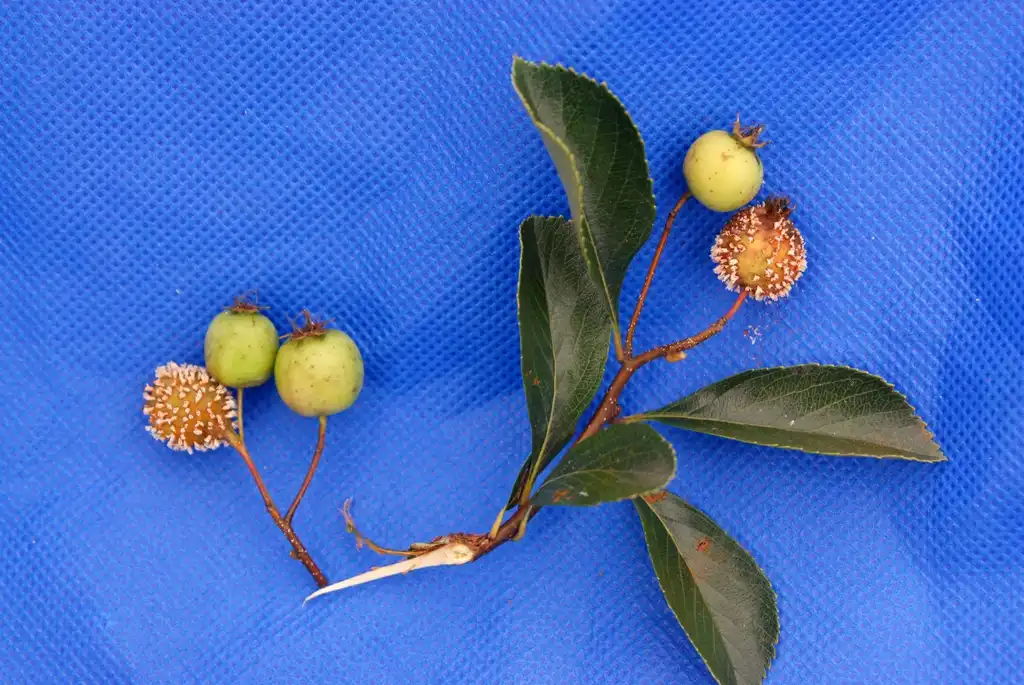
Crataegus, commonly known as Hawthorn, encompasses a diverse range of species and varieties that thrive in low-lying swamps and riverbanks, as well as on elevated mountain ridges across North Carolina. One notable variety is Crataegus crusgallii var. inermis, or Thornless Cockspur Hawthorn. This deciduous tree or shrub is recognized for its dense foliage, which offers substantial shade. Unlike its counterpart, C. crusgalli, which features 4-inch thorns, the 'inermis' variety is devoid of thorns.
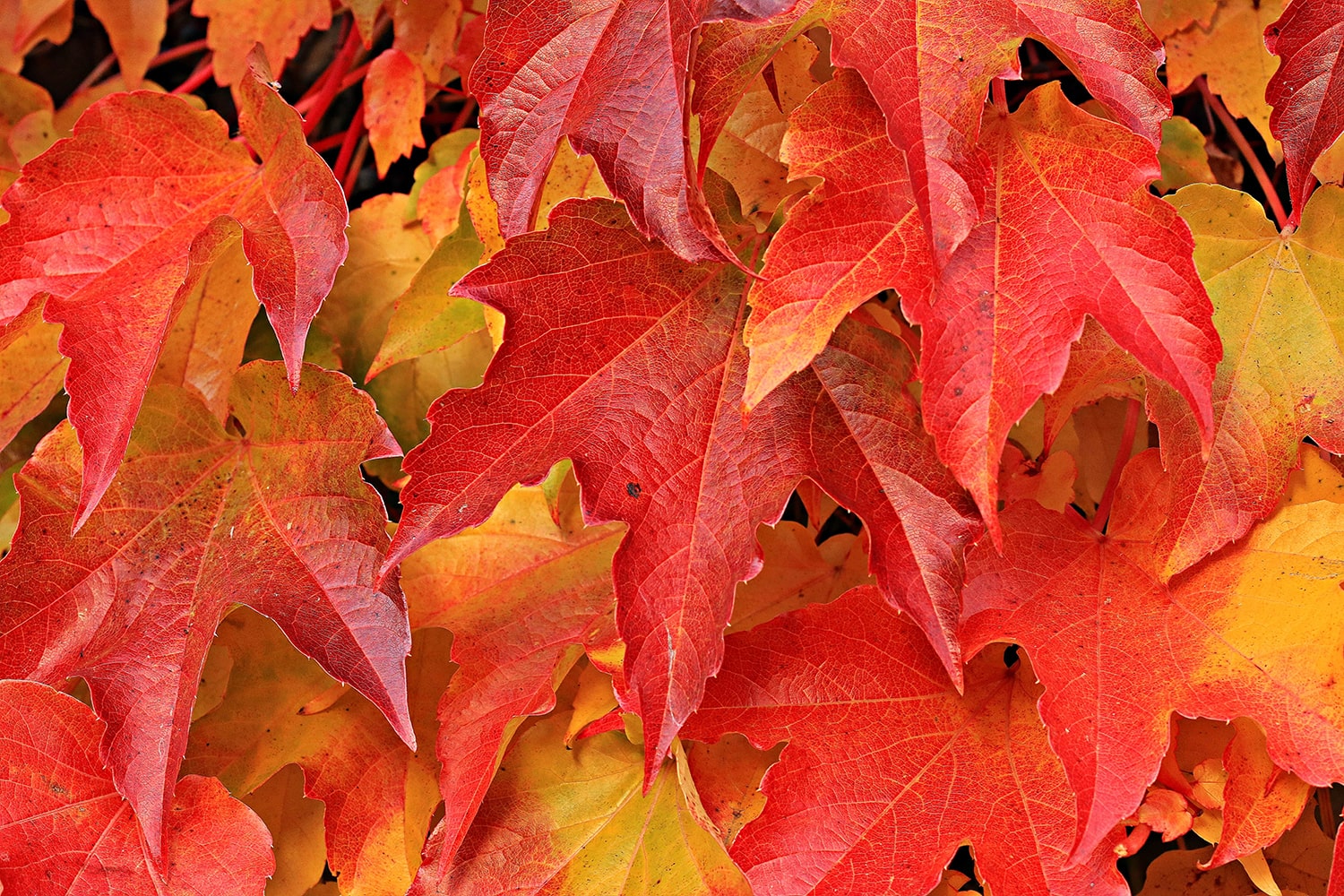
This species is indigenous to North Carolina and other regions in North America. It typically reaches a medium to large height of approximately 20 to 30 feet, with a trunk diameter of about 9 inches, and it produces both flowers and small red berries that add vibrant color to gardens. The Thornless Cockspur Hawthorn thrives in average, moderately moist, well-drained soils under full sunlight, yet it can adapt to a variety of soil types, including those with good drainage, light shade, and some drought conditions. Characterized by its wide-spreading, low branches, this flowering tree or large shrub is versatile in different environments but favors moist, well-drained loamy soil. It is resilient to drought and urban settings, making it an excellent choice as a specimen tree in lawns, woodland gardens, or small group plantings. In May, the tree produces white flowers that later develop into red berries, which are generally unappealing to birds. In autumn, the leaves transform into a striking red, providing a stunning visual display. The plant responds well to pruning and can be cut back to older wood, encouraging new growth. It is frequently utilized as a hedge.
**Insects, Diseases, and Other Plant Issues:**
Common insect pests include aphids, borers, caterpillars, lacebugs, leaf miners, red spider mites, and scale. Hawthorns are susceptible to various diseases, such as rusts, fire blight, fungal leaf spots, powdery mildew, cankers, apple scab, and blights.
For further details on Crataegus crus-galli, additional resources are available.
Crataegus crus-galli var. inermis Feature Summary
Crataegus crus-galli var. inermis Image Gallery