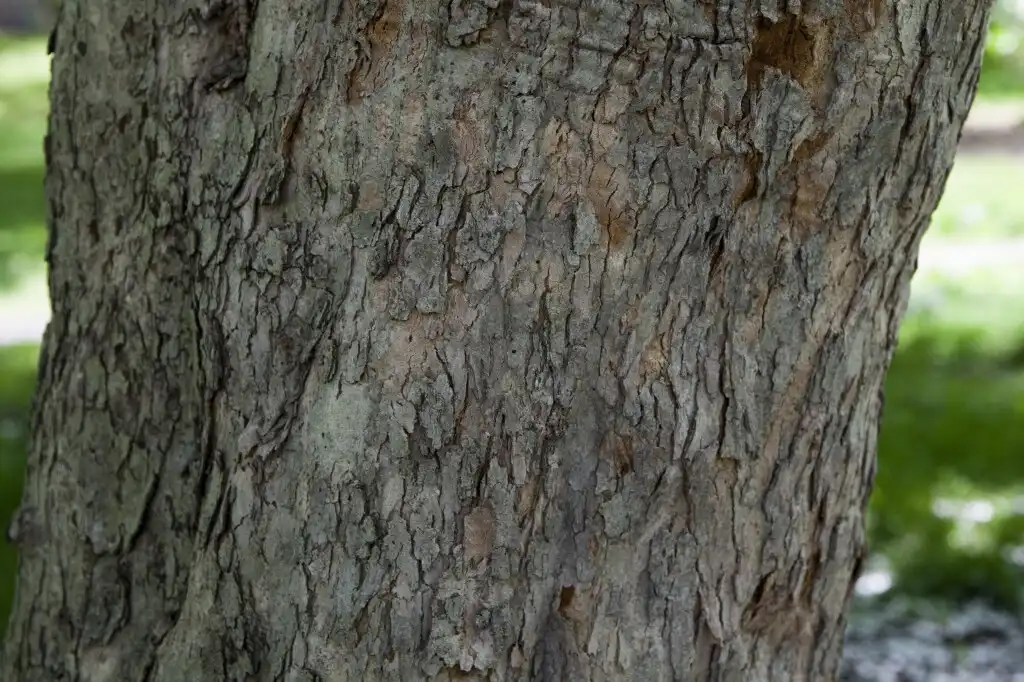
Crataegus nitida: Uses (Ethnobotany)
The wood is strong, hard, and heavy, but has little commercial value.
Phonetic Spelling:kre-TEE-gus NI-ti-duh
Genus:Crataegus
Species:nitida
Family:Rosaceae
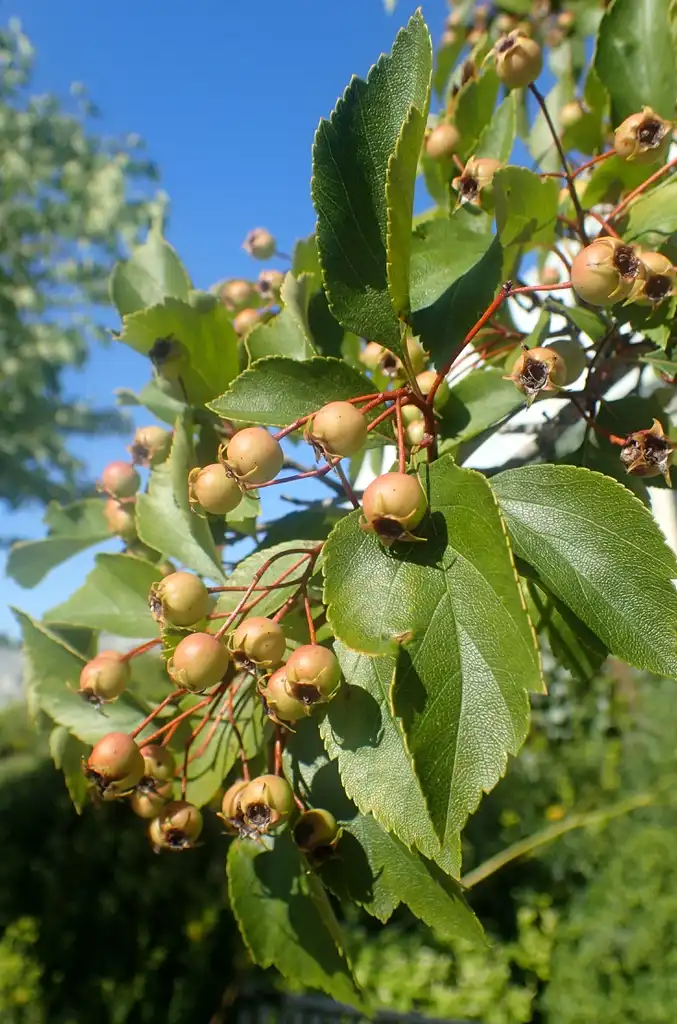
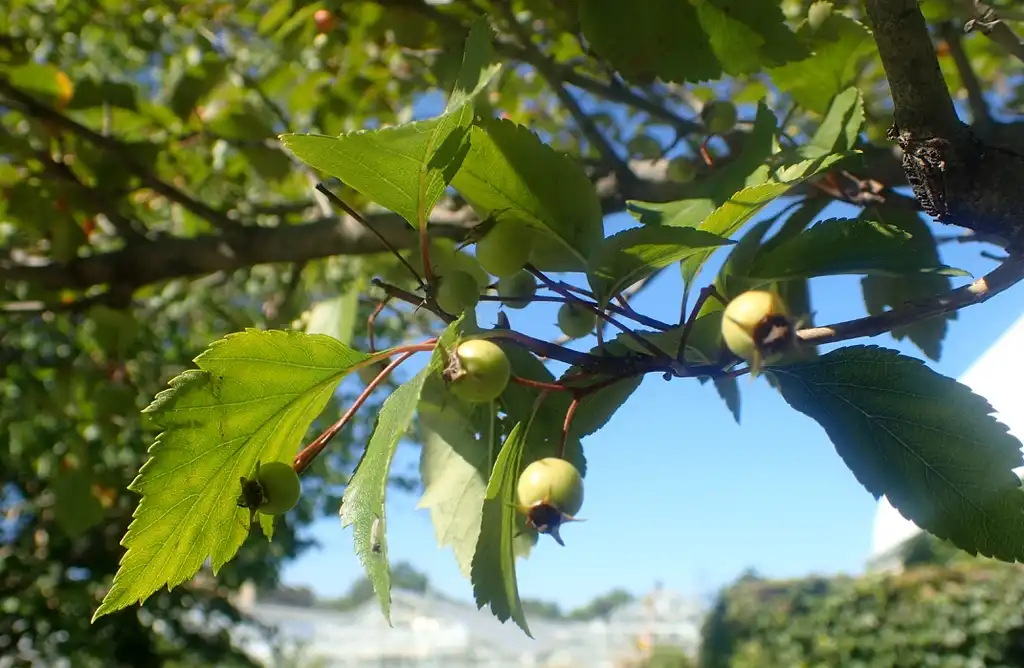
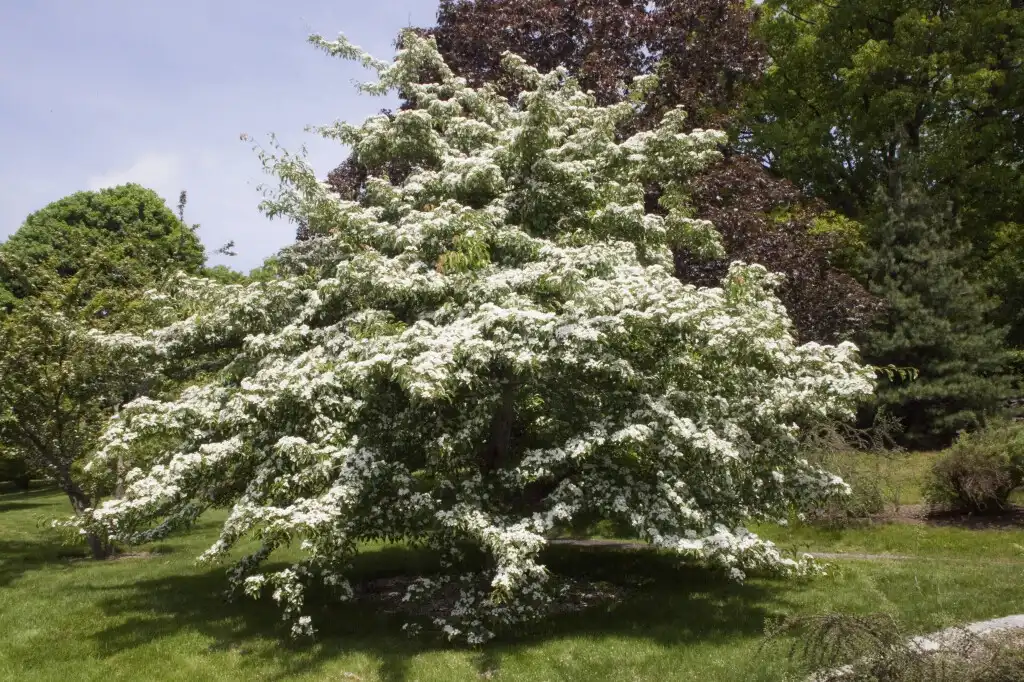
Crataegus, commonly known as Hawthorn, encompasses a genus of small trees and shrubs that thrive across the Southeast, ranging from eastern wetlands and riverbanks to the mountainous regions in the west. One notable species, Crataegus nitida, or Glossy Hawthorn, predominantly inhabits the floodplain of the Mississippi River, although its numbers are dwindling. This tree features a dense, rounded crown that often appears irregular, with its lower branches arching outward beneath the upright upper limbs. It can also grow as a multi-stemmed shrub. The stems may bear thorns that can reach lengths of up to 2 inches, though these thorns can sometimes be stunted or absent. Glossy Hawthorn prefers slightly acidic to alkaline soils, ranging from clay to gritty sand, and thrives in full sun to light shade.
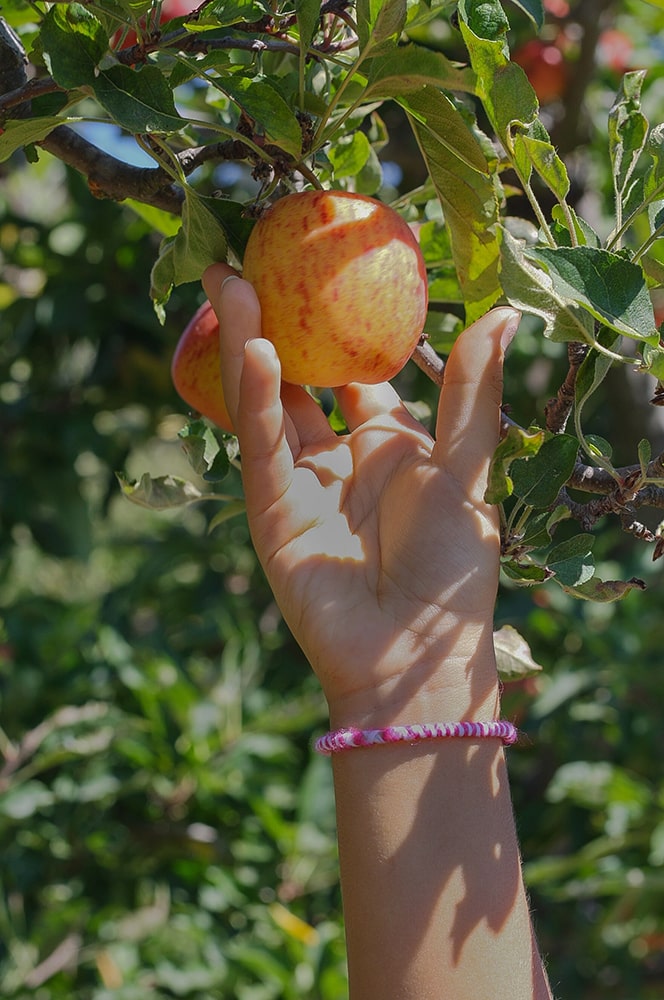
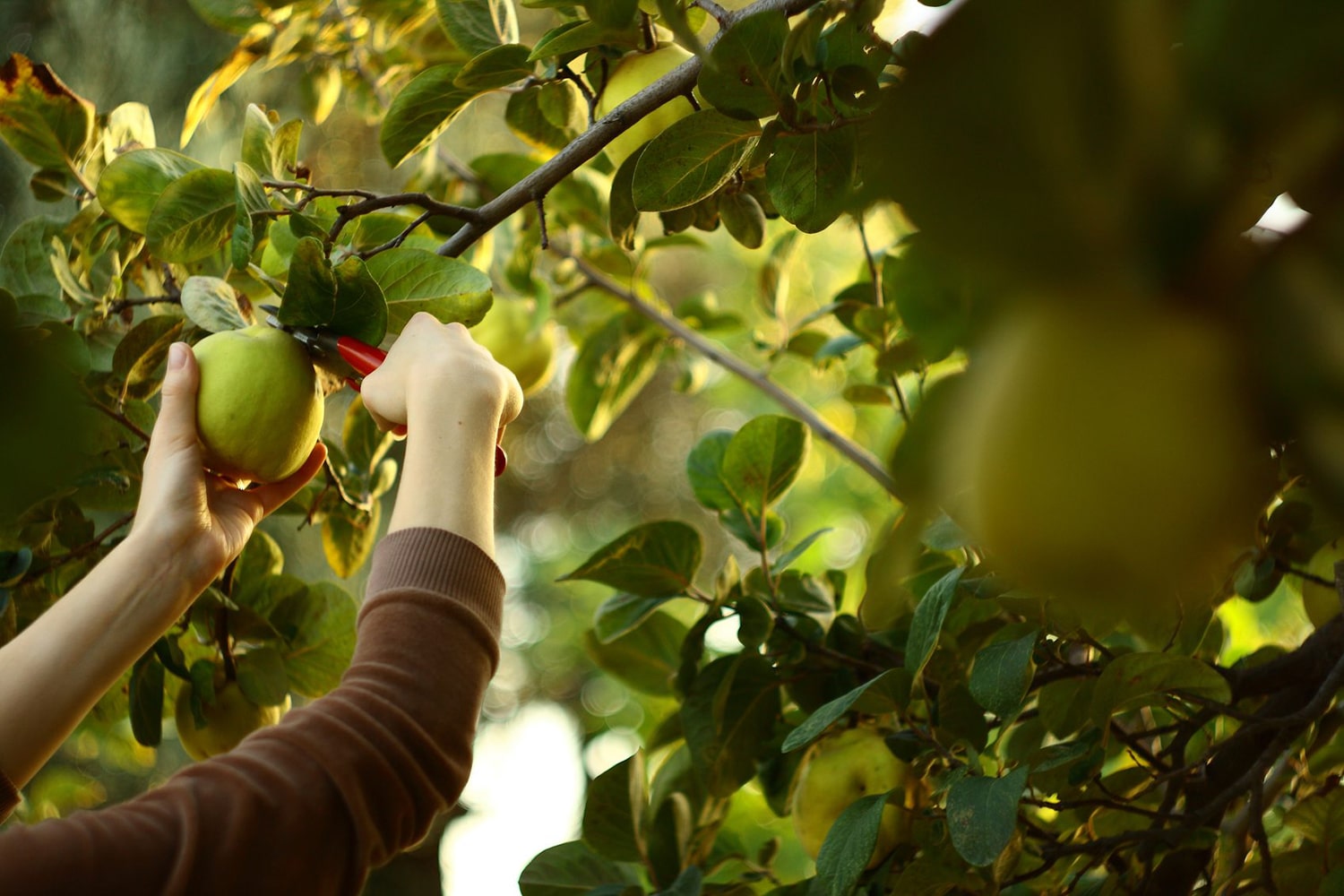
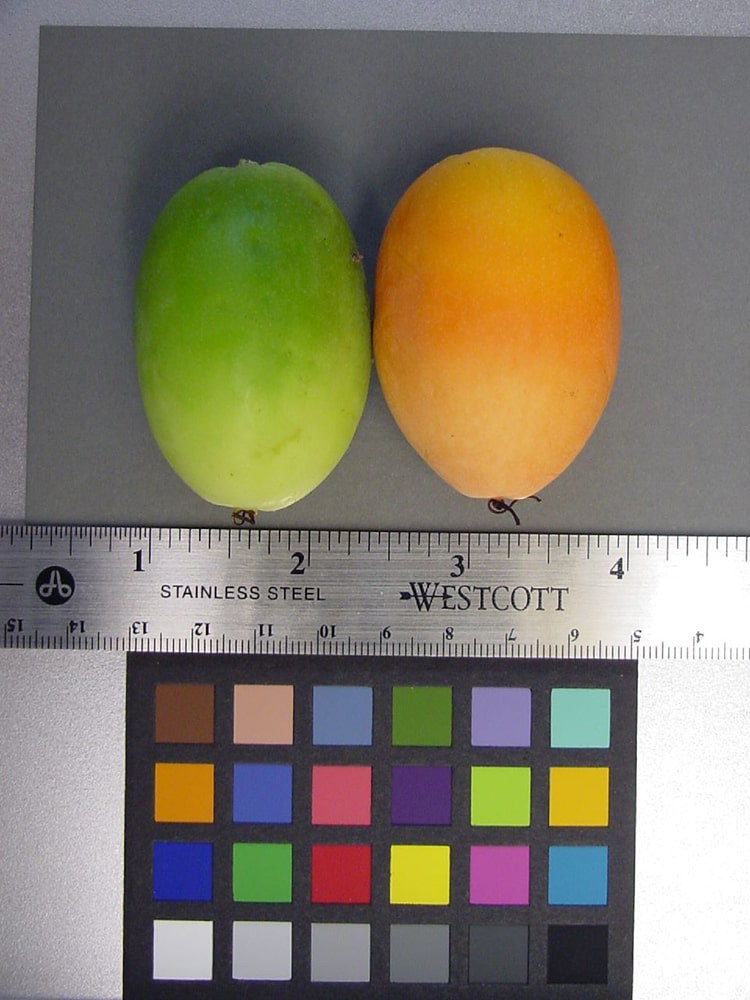
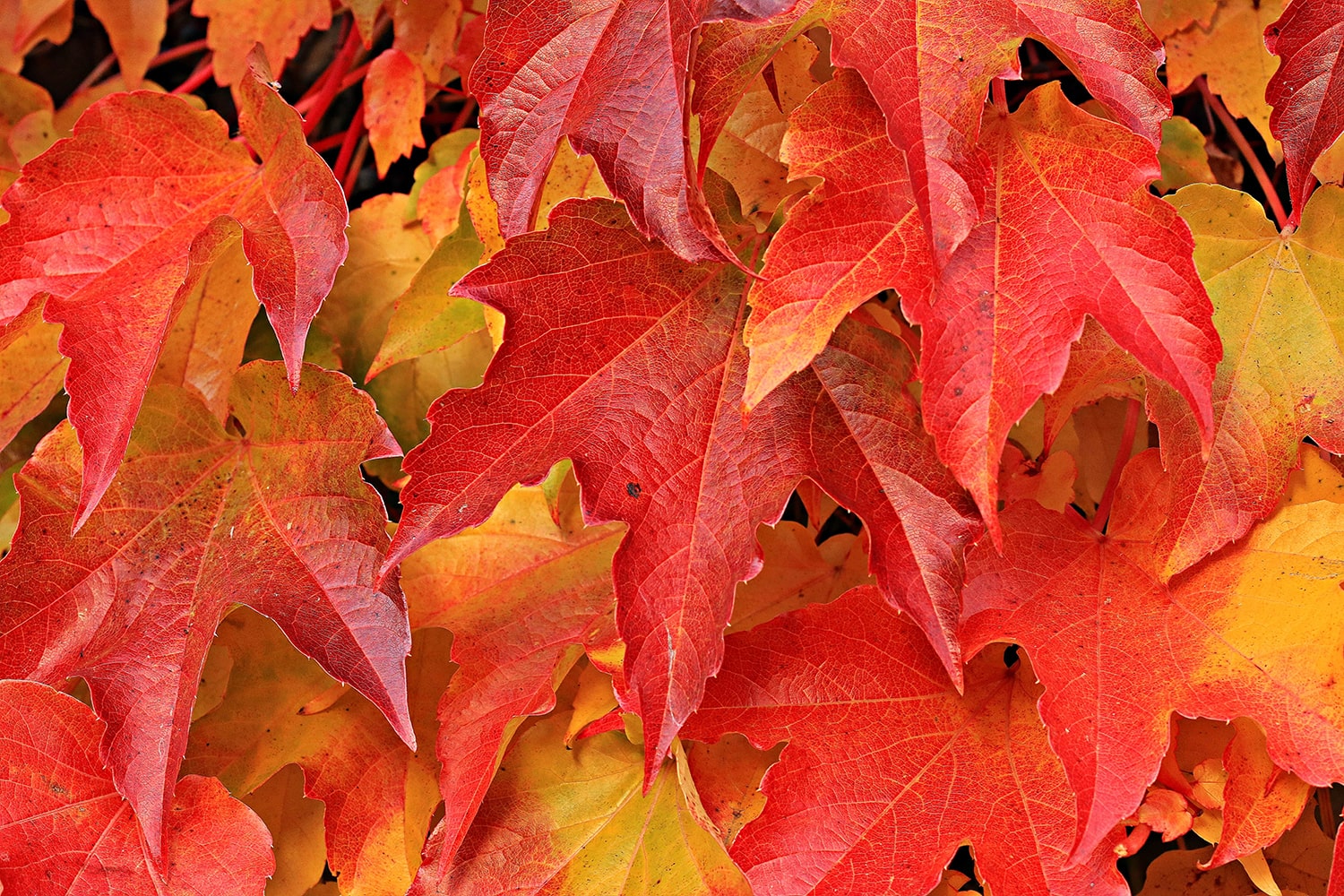
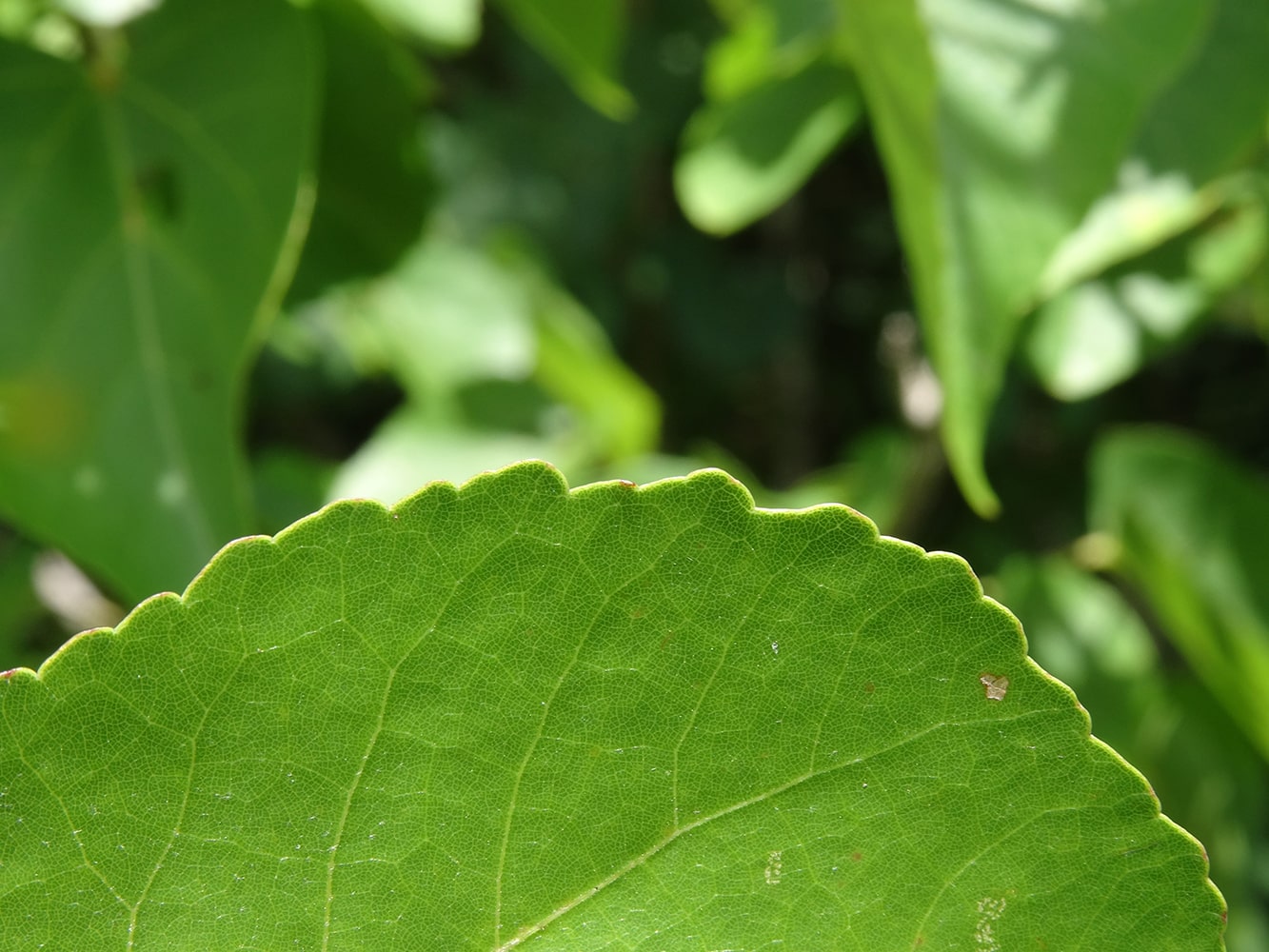
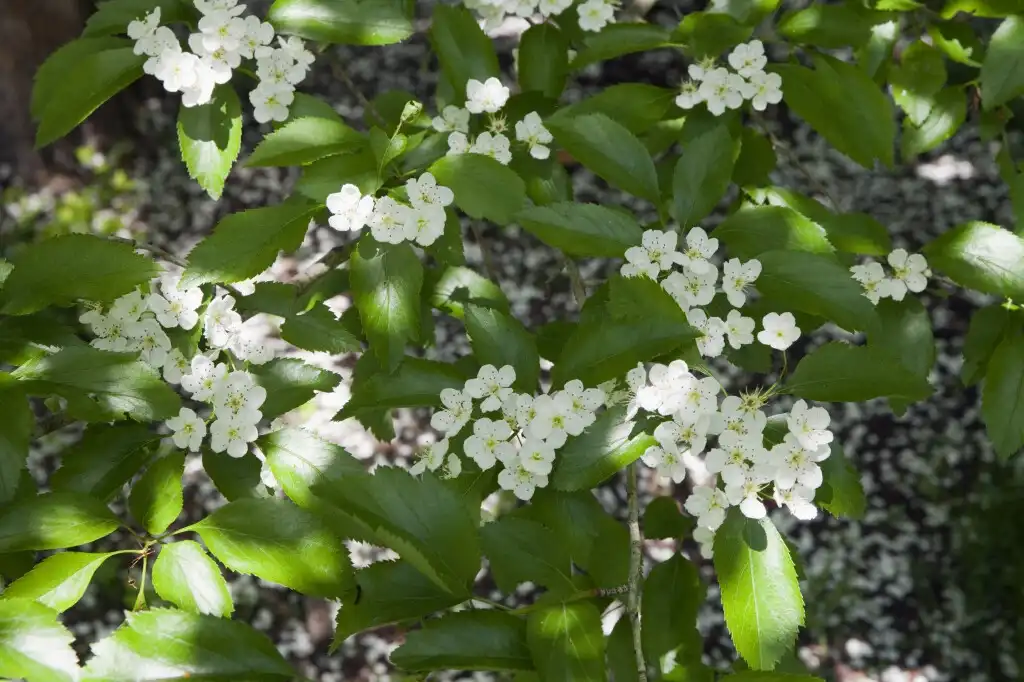
The tree produces striking racemes of white flowers, measuring 2 inches, which, while visually appealing, lack a pleasant fragrance. Its glossy leaves turn a vibrant red-orange in the fall, and the red fruit it bears is edible, often utilized in making jellies.
Glossy Hawthorn flourishes in moist, well-drained soils under full sunlight. It is adaptable to various soil types, including clay, and can withstand light shade, occasional drought, and urban pollutants. Despite its resilience to drought and pollution, this tree is not ideal for landscaping due to its vulnerability to diseases and pests. It is best suited for use in native restoration projects. Additionally, it can be pruned to maintain a lower height and, with its formidable thorns, serves effectively as a barrier plant along property lines or within hedges.
**Insect, Disease, and Plant Issues:**
This species can face challenges from fire blight and rusts, as well as various borers and mites. The thorns may pose a risk to children.
Crataegus nitida Feature Summary
Crataegus nitida Image Gallery