Crataegus viridis: Uses (Ethnobotany)
The wood is strong, heavy, and hard, but with little commercial value.
Phonetic Spelling:krah-TEE-gus VEER-ih-diss
Genus:Crataegus
Species:viridis
Family:Rosaceae
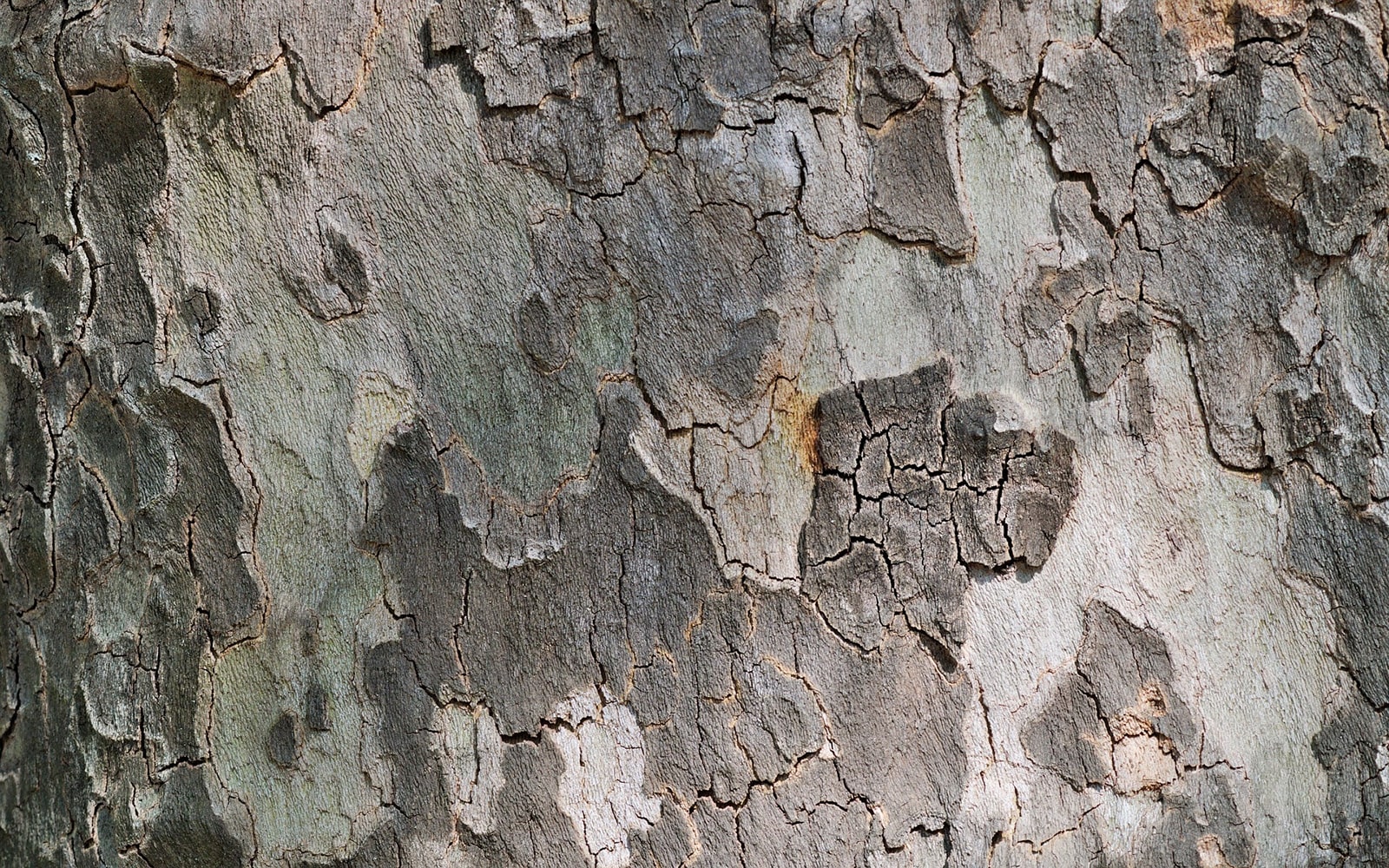
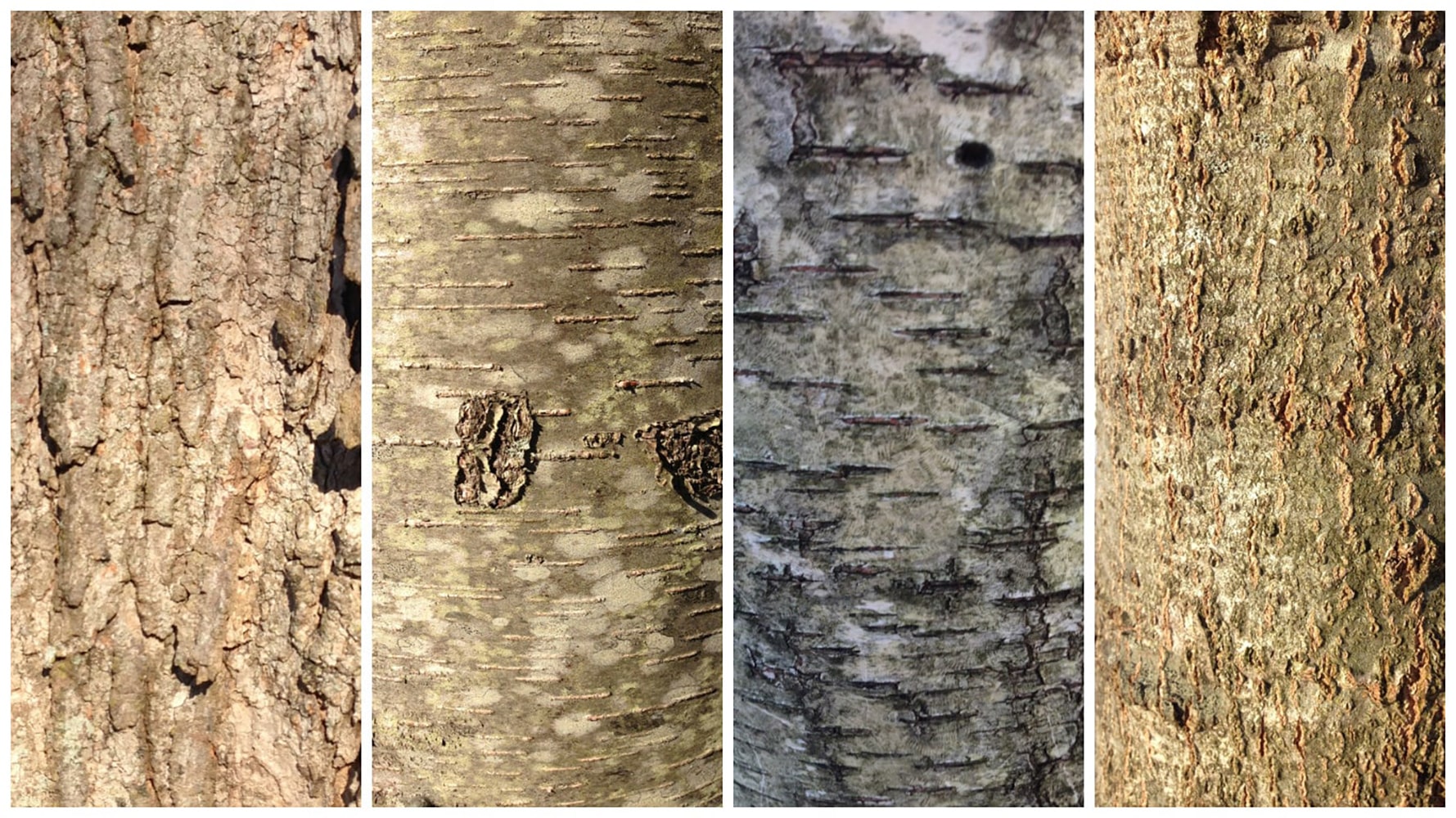
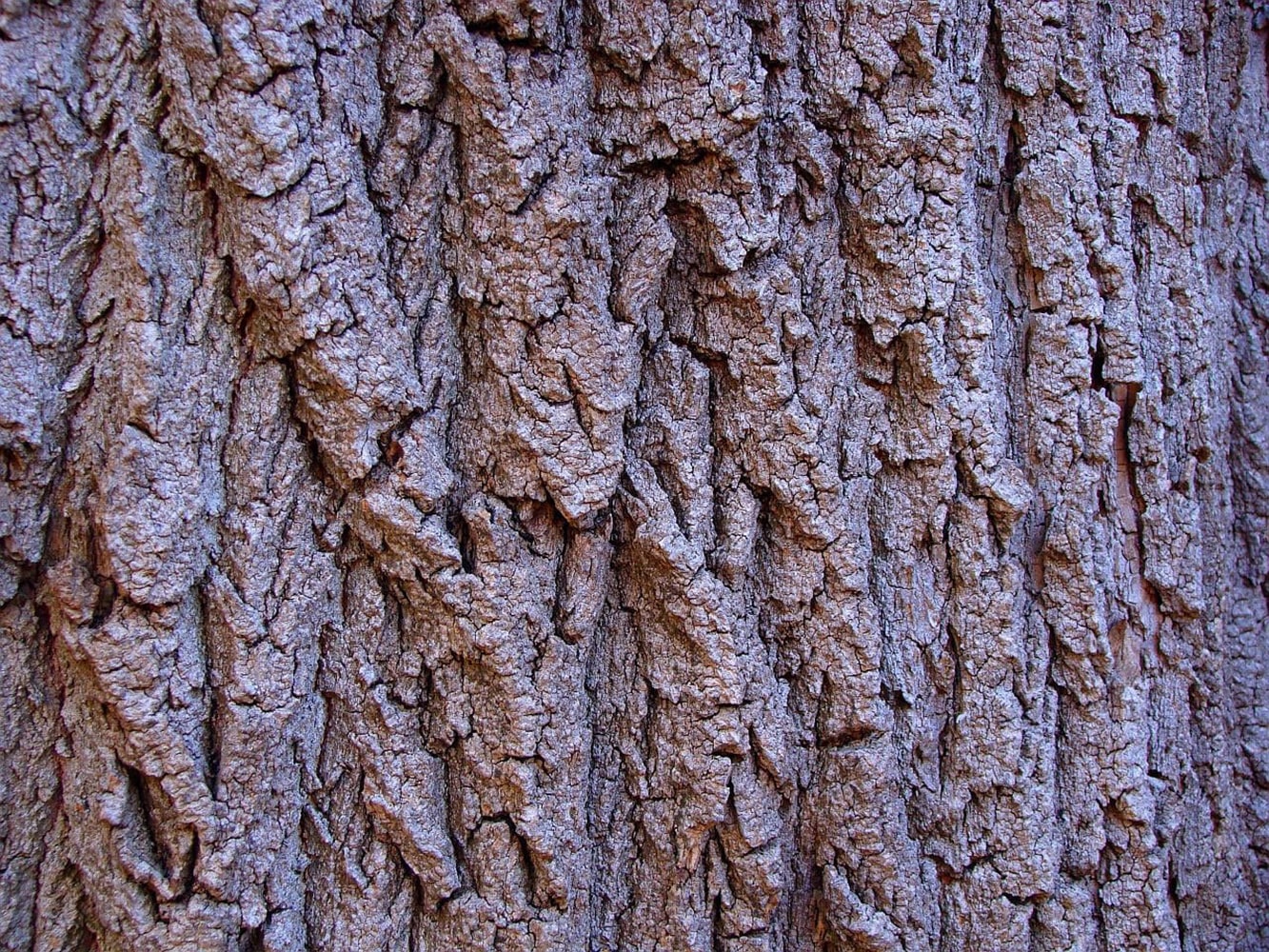
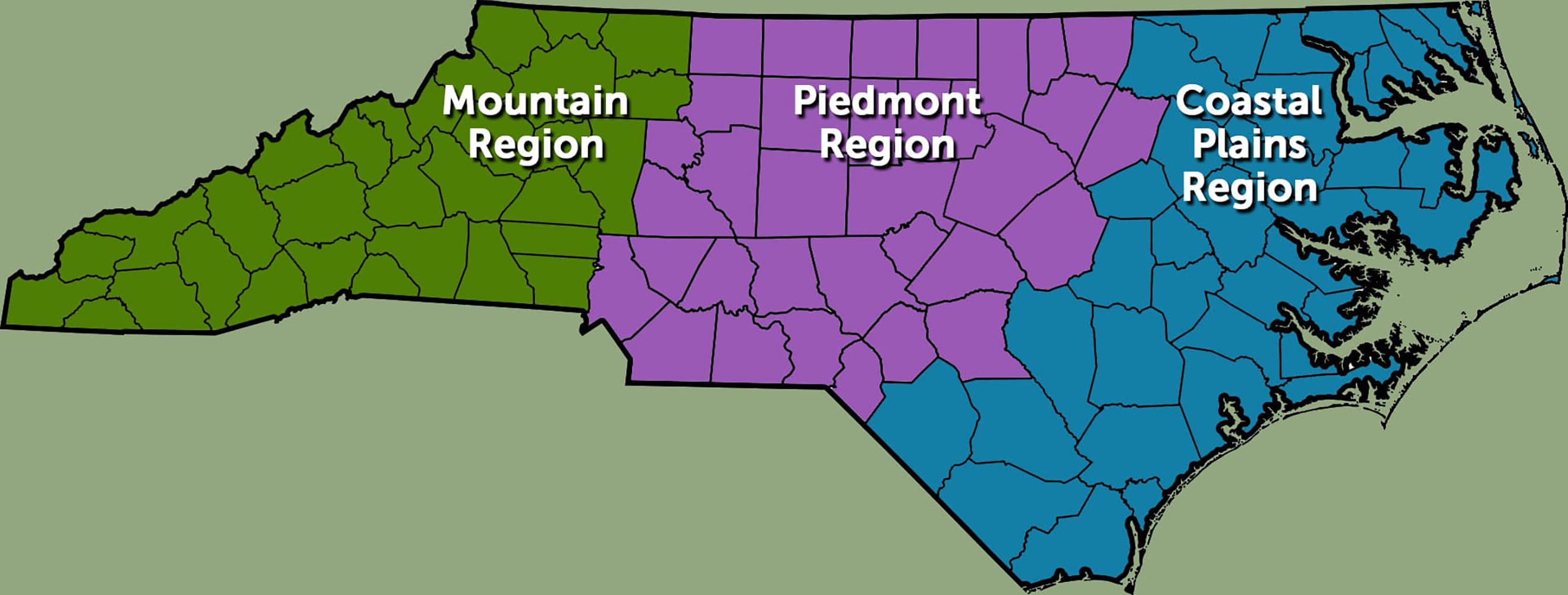
Crataegus, commonly known as Hawthorn, encompasses a variety of small, deciduous shrubs and trees. Among these, Crataegus viridis, or Green Hawthorn, is characterized by its gray, thorny bark, white springtime flowers, and red fruits that appear in the fall. Notably, the Green Hawthorn stands out from its relatives due to its resistance to leaf rust. This species is indigenous to the southeastern United States and thrives in bottomlands, swamps, and wetlands within the Coastal Plain and nearby Piedmont regions of North Carolina.
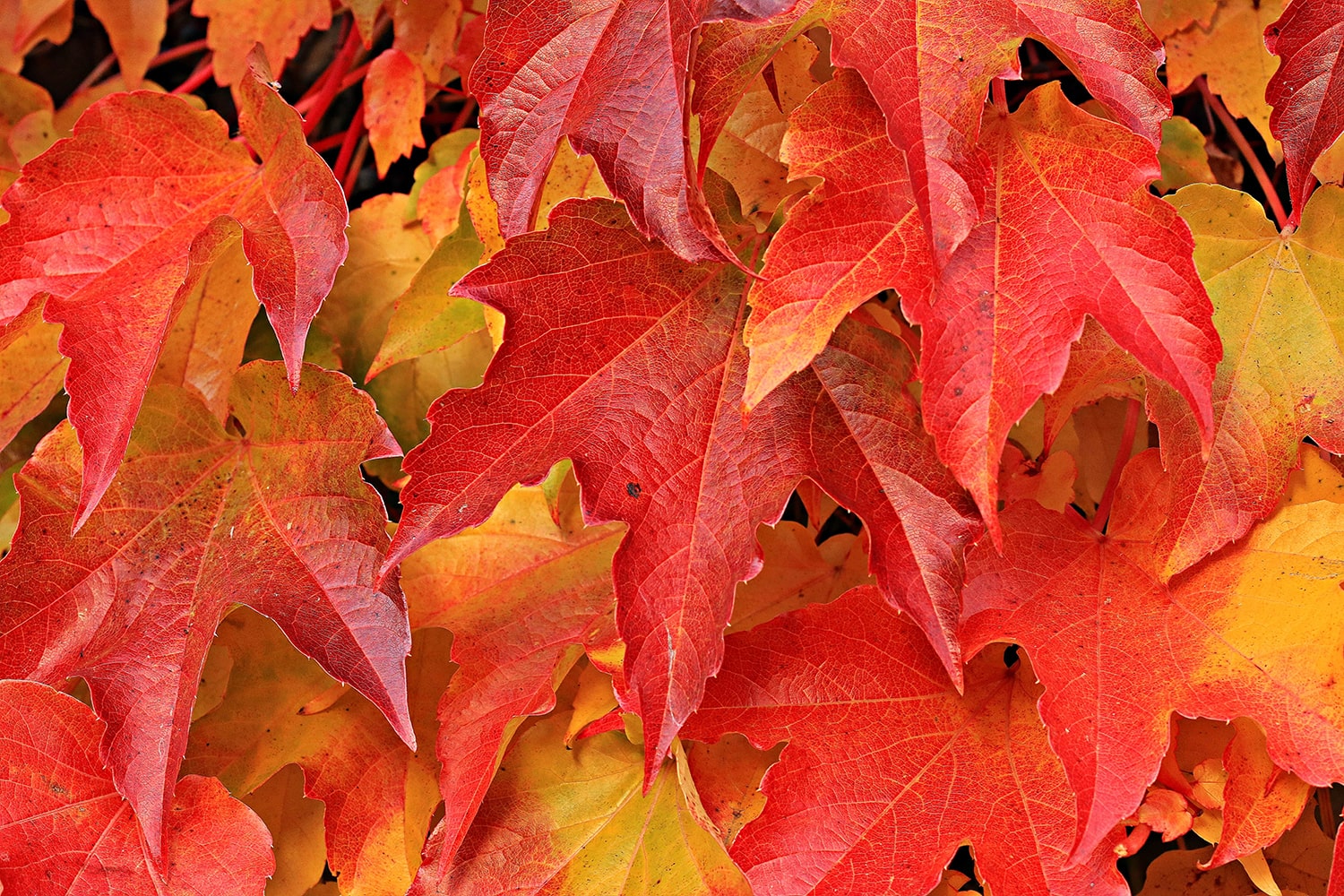
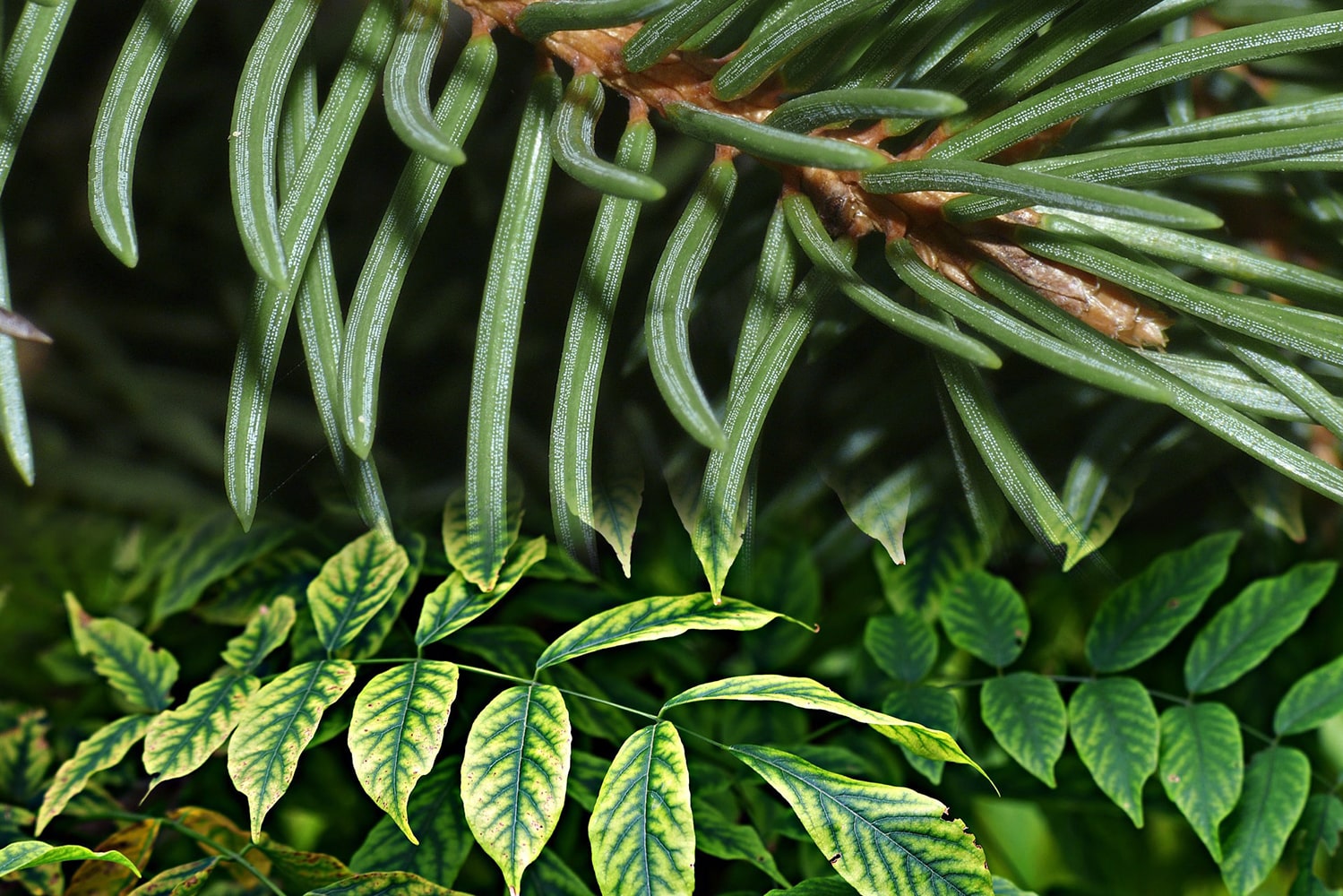
Typically, the Green Hawthorn grows to a height of 20 to 35 feet, featuring a dense, rounded form with a broad, spreading crown. Its thorns can reach lengths of up to 1.5 inches. In autumn, the leaves transition to shades of purple and red. While the fruits, often referred to as haws, are technically edible, they are generally better suited for birds. This tree is easy to cultivate in average, well-drained soils that are dry to medium in moisture, thriving in full sunlight. It is resilient to urban pollution, light shade, and drought conditions, although rich, moist soils may promote excessive water sprout growth. Additionally, the Green Hawthorn can withstand pruning, making it suitable for shaping into hedges.
One notable cultivar is 'Winter King,' a favored variety of Green Hawthorn. This cultivar is known for its disease resistance, abundant spring blooms, larger fruits, silvery bark, and vibrant fall foliage in shades of purple and scarlet. It serves as an excellent choice for landscaping, being largely spineless with only occasional small thorns. 'Winter King' is likely the most widely available hawthorn variety on the market.
In terms of plant health, while Green Hawthorn is generally resistant to diseases, it can be vulnerable to cedar hawthorn rust (especially in areas with eastern red cedars) and fire blight. Other potential issues include fungal leaf spots, powdery mildew, cankers, and apple scab. Insect pests that may affect the plant include borers, caterpillars, lacebugs, leafminers, and scale insects.
Crataegus viridis Feature Summary
Crataegus viridis Image Gallery