Crataegus douglasii: Uses (Ethnobotany)
Wood is strong, tough, hard, and heavy, but with little commercial value.

Phonetic Spelling:krah-TEE-gus dug-LAS-ee-eye
Genus:Crataegus
Species:douglasii
Family:Rosaceae
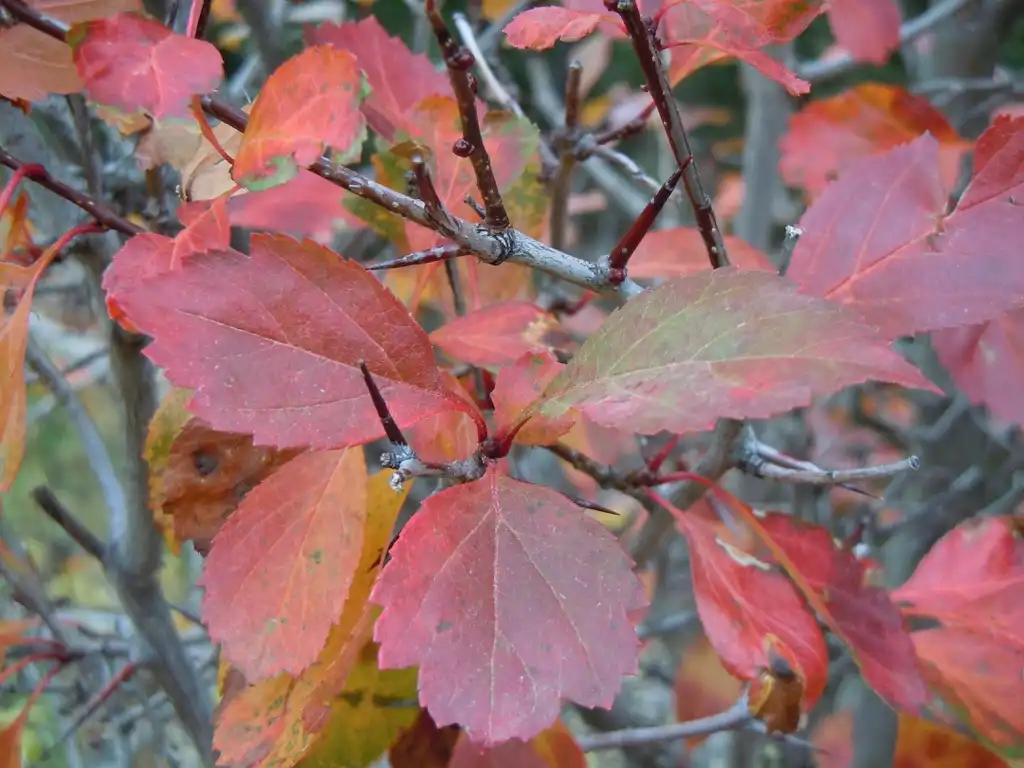
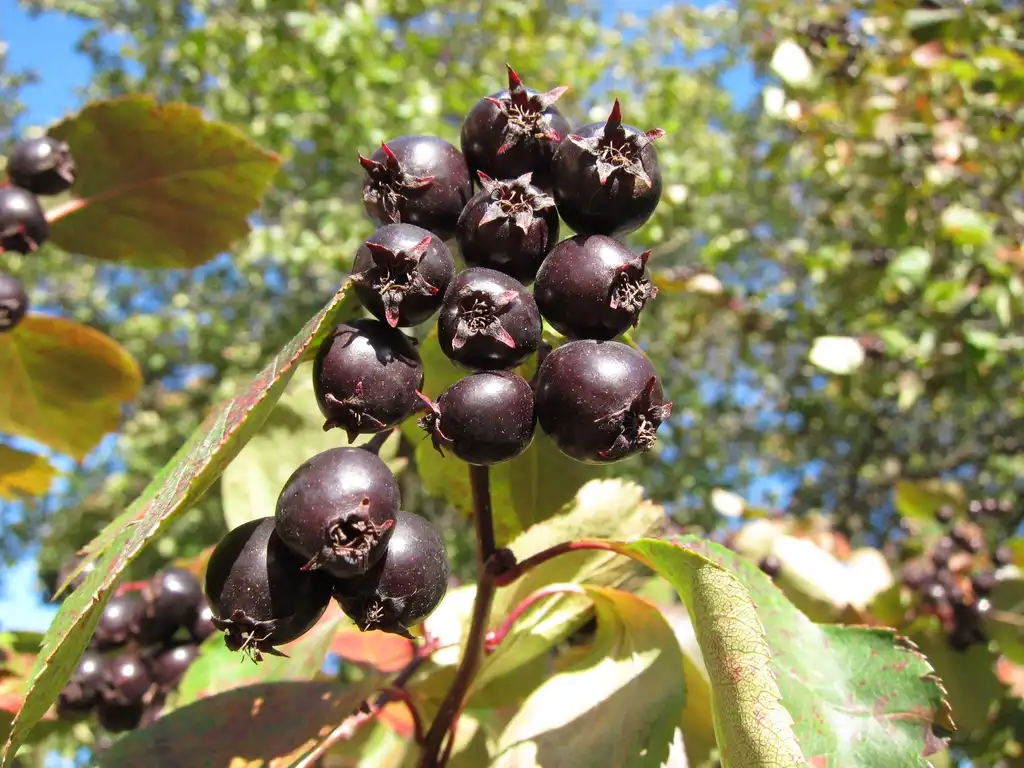
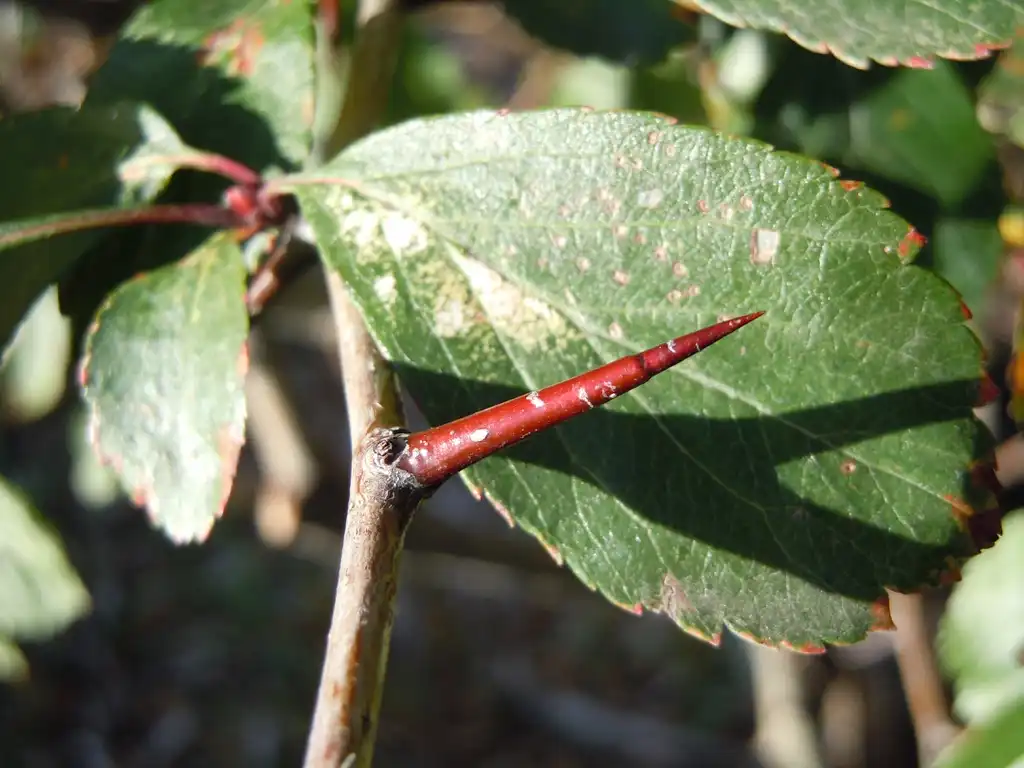
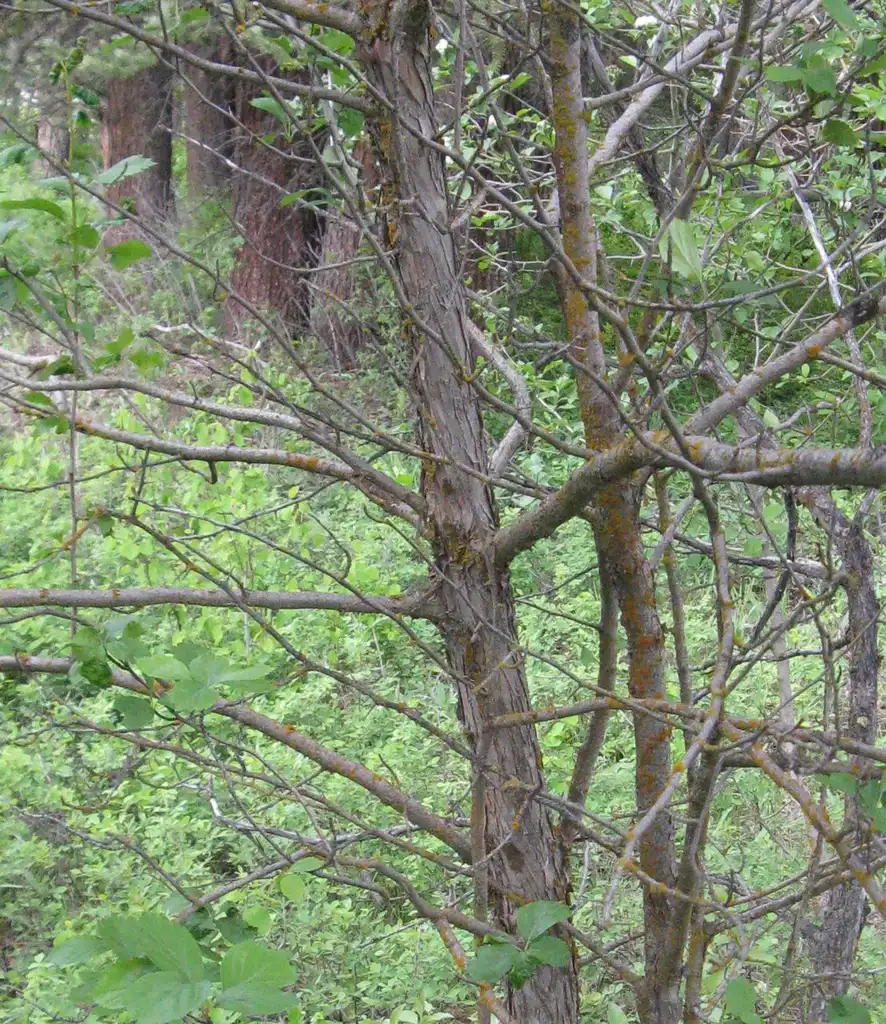
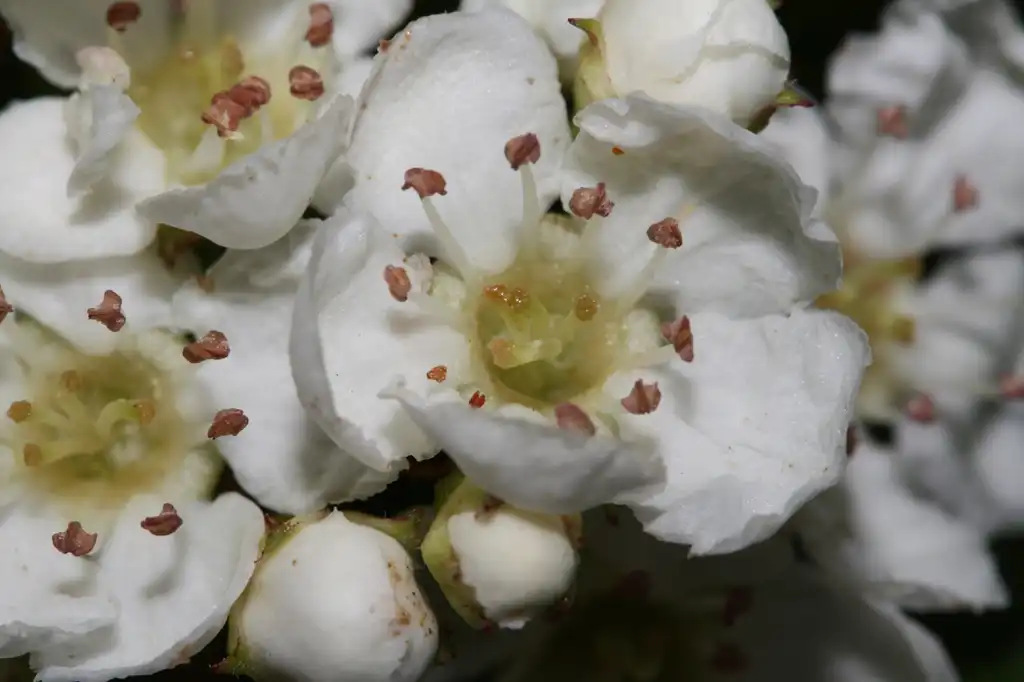
The genus Crataegus, commonly known as Hawthorn, encompasses a variety of species and forms found throughout North America. One notable species is Crataegus douglasii, or Douglass Hawthorn, which typically grows as a large shrub or small tree, reaching heights of around 25 feet. This plant is characterized by its long, straight thorns, dense clusters of white flowers, and edible fruit that ripens in the fall. It thrives in wetlands, open moist areas, meadows, and along streams, particularly in the Pacific Northwest.
Douglass Hawthorn is relatively easy to cultivate, favoring well-drained loamy soil, though it is adaptable to various conditions. It can thrive in moist environments and is resilient to drought as well as heavy clay soils. For optimal fruit production, it is best to plant the tree in full sunlight, although it can also grow in partial shade, albeit with reduced fruit yields. When grown from seed, it typically takes between 5 to 8 years for the trees to begin producing fruit. The flowers emit a scent reminiscent of decaying fish, which attracts midges, the primary pollinators. Initially, the flowers have a more pleasant aroma, but this changes over time. As the plant matures, it tends to produce suckers, forming a thicket; pruning in late winter can help manage its growth if needed.
**Diseases, Insects, and Other Plant Issues:**
The Douglass Hawthorn is vulnerable to several issues, including cedar-hawthorn rust, cedar-quince rust, fire blight, fungal leaf spots, powdery mildew, cankers, and apple scab. In terms of insect threats, it may encounter borers, caterpillars, lace bugs, leaf miners, and scale.
Crataegus douglasii Feature Summary
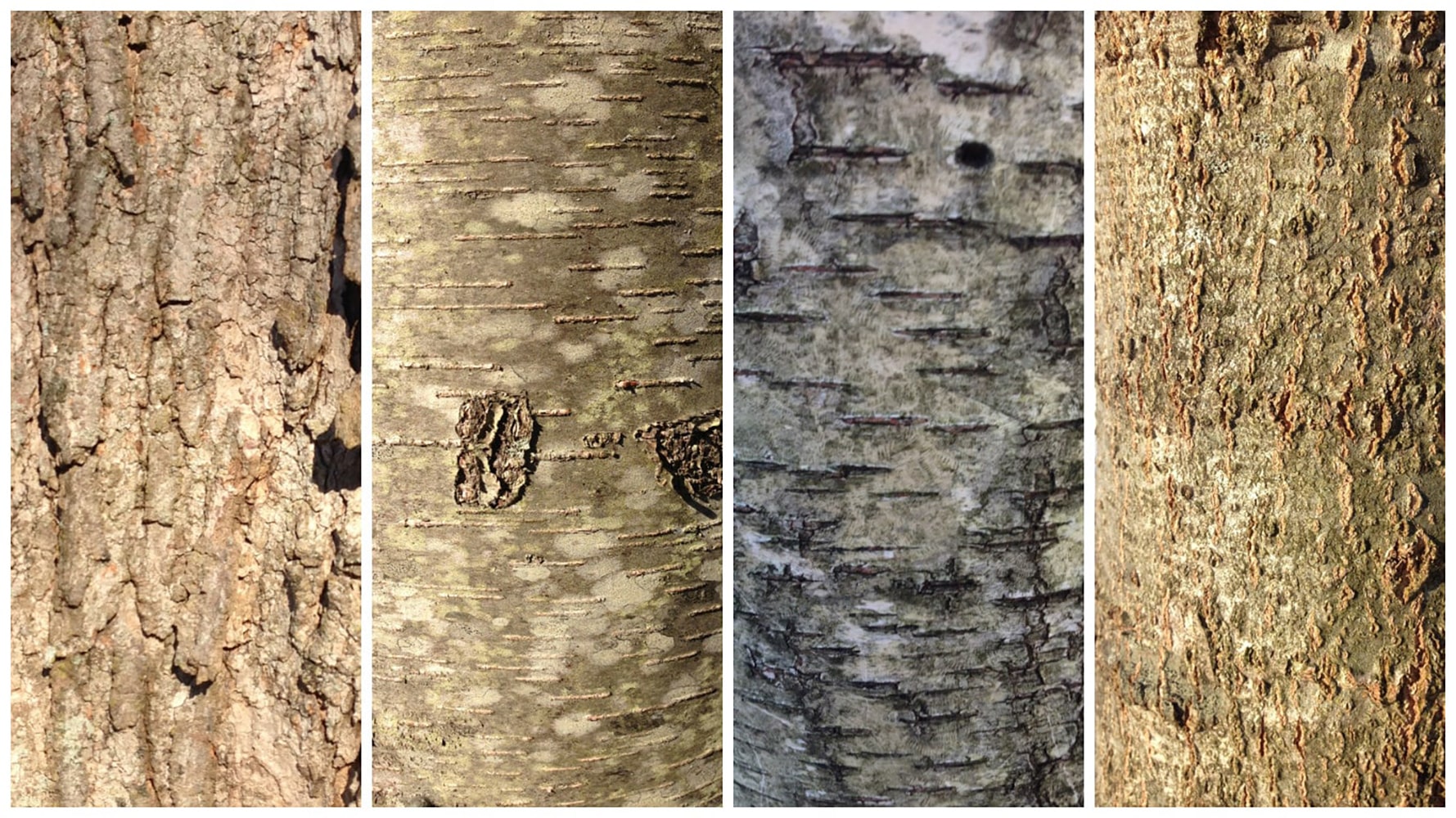
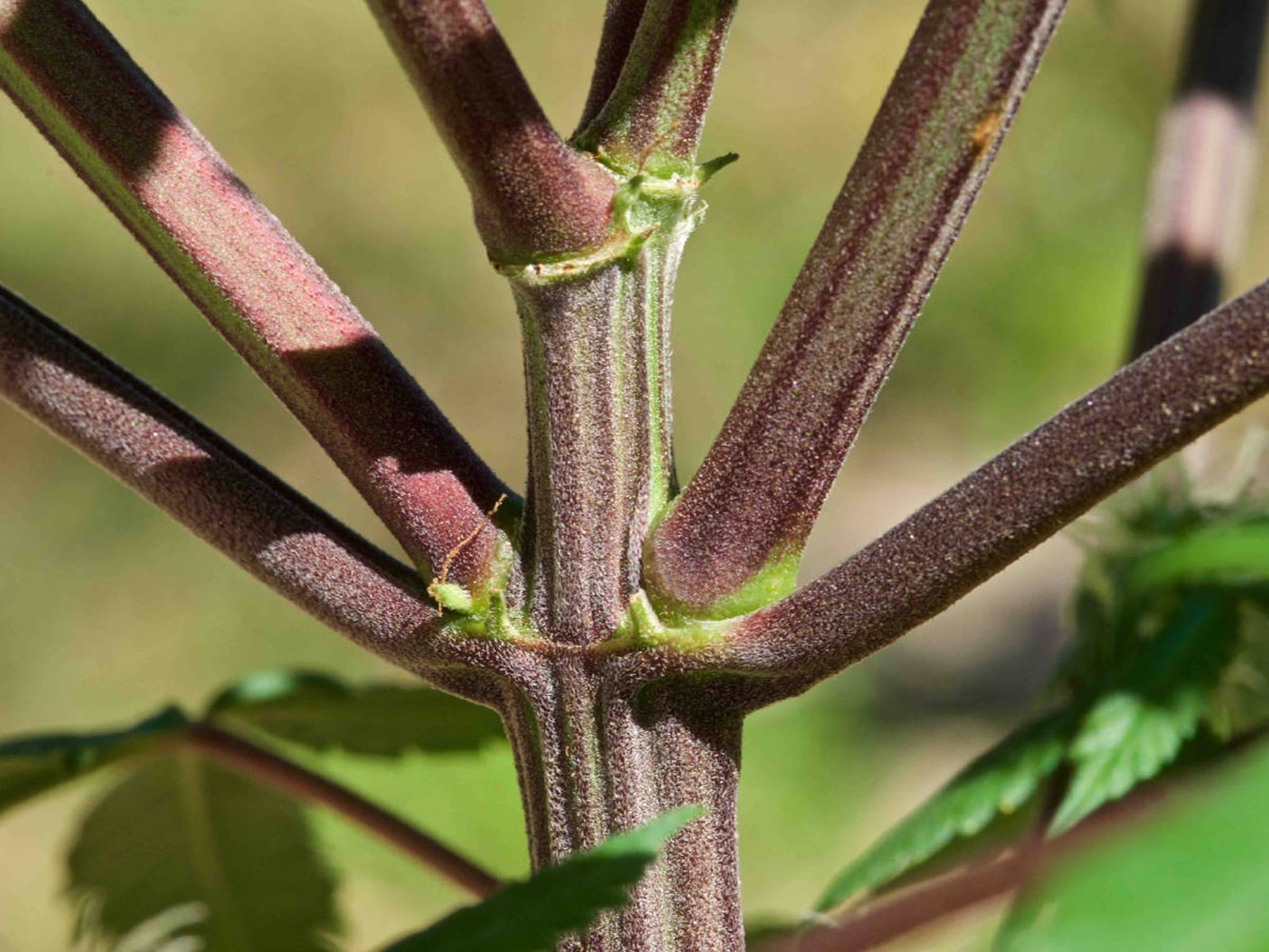
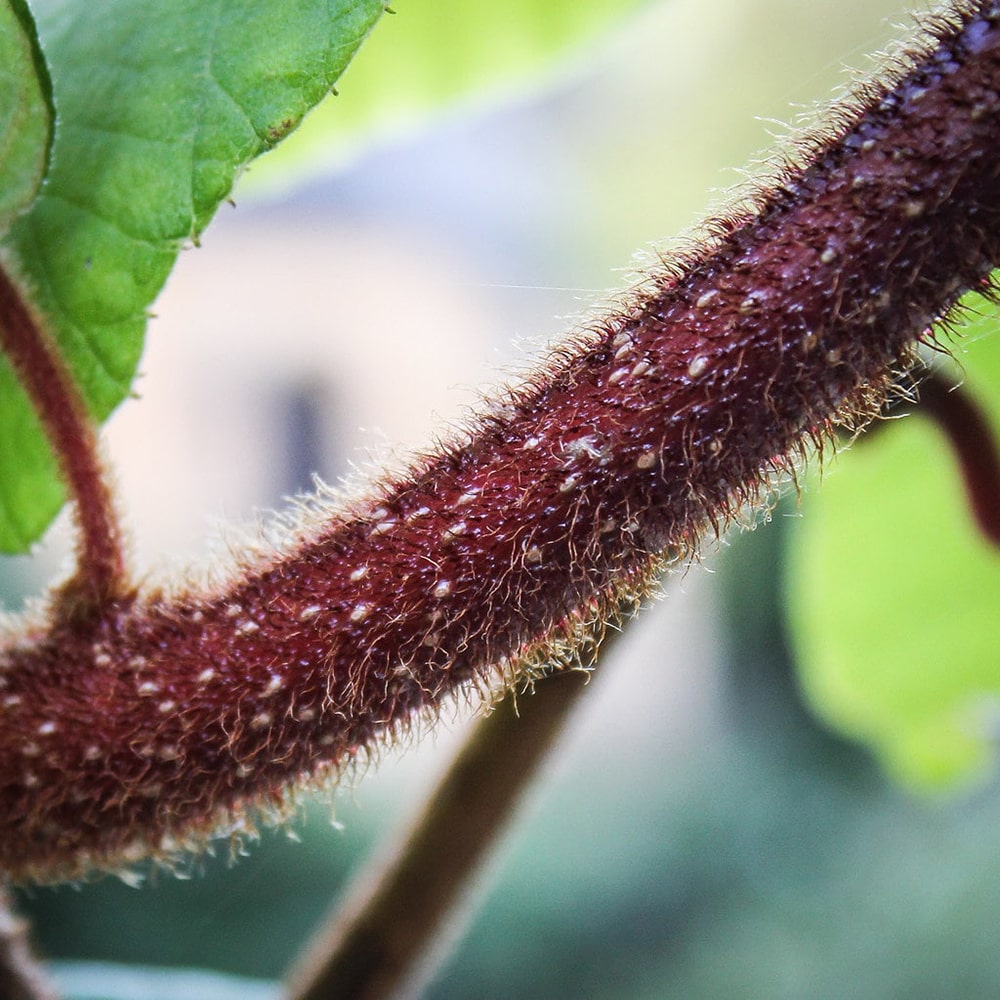
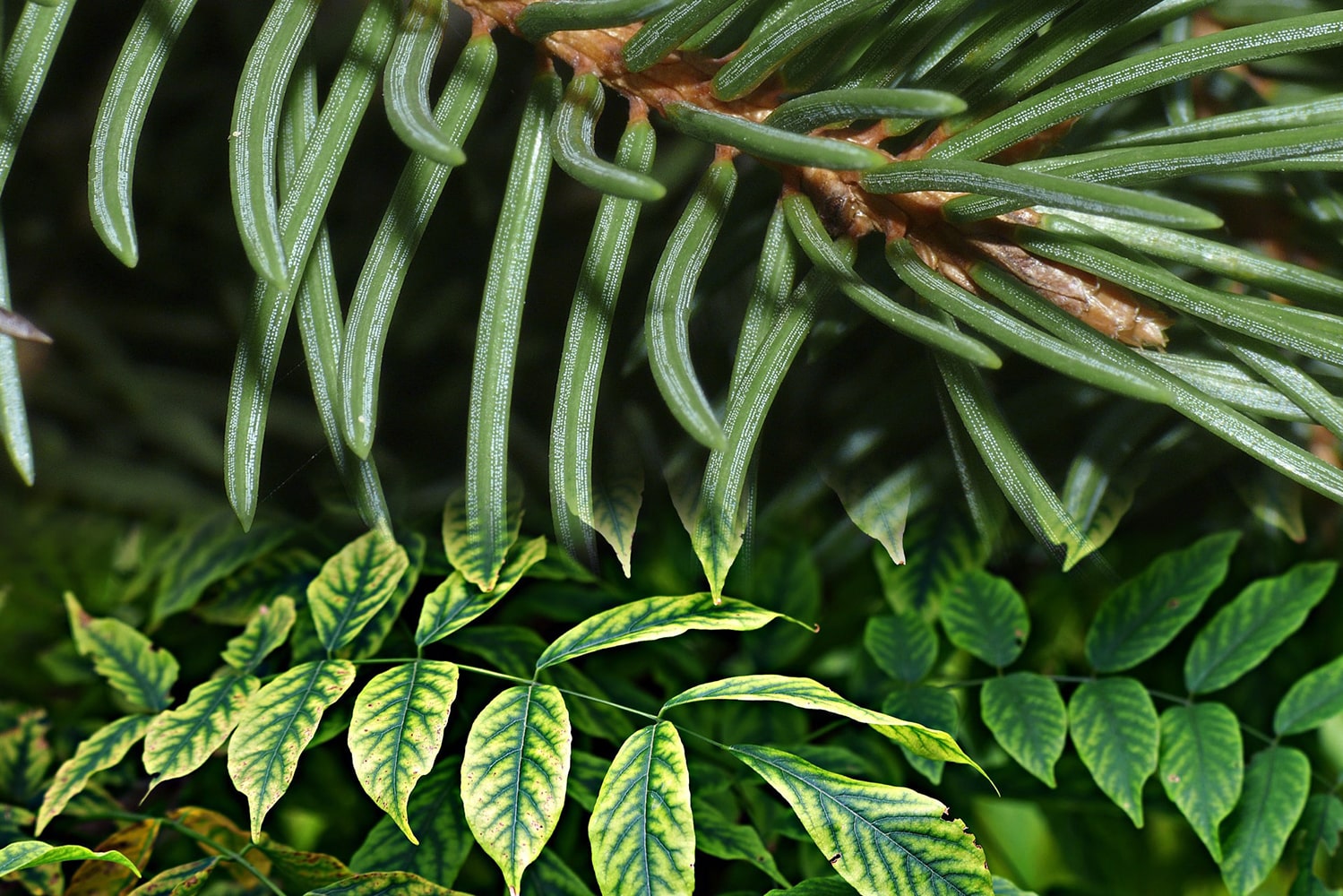
Crataegus douglasii Image Gallery