Crataegus pinnatifida: Uses (Ethnobotany)
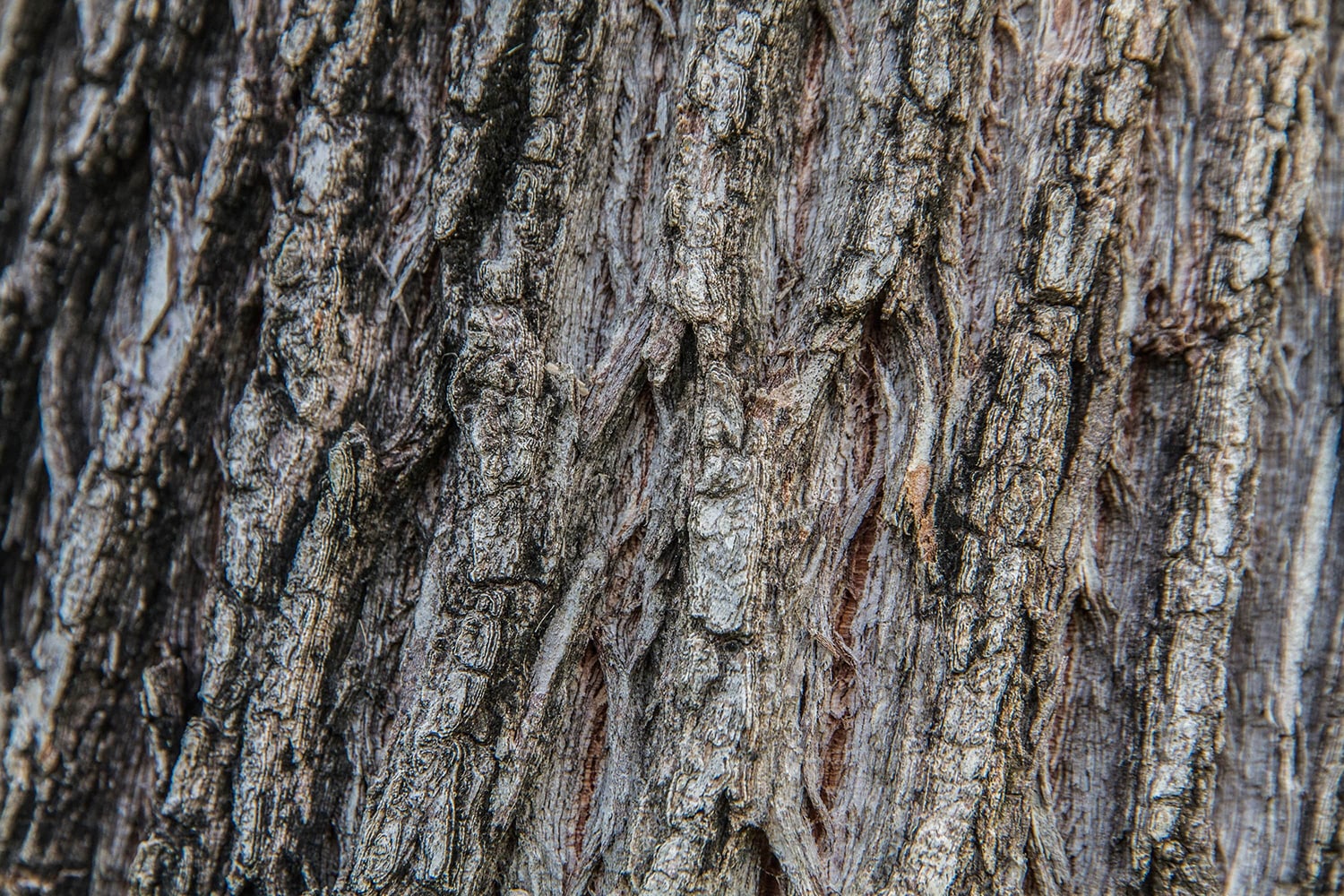
The wood is strong, heavy, tough, and hard, but has little commercial value.
Phonetic Spelling:krah-TEE-gus pin-nat-ih-FY-duh
Genus:Crataegus
Species:pinnatifida
Family:Rosaceae
Crataegus, commonly referred to as Hawthorn, is a genus that encompasses a variety of shrubs and small trees, with numerous species and varieties thriving across the Southeast, ranging from low-lying swamps and riverbanks to elevated mountain ridges. One notable species is Crataegus pinnatifida, or Chinese Hawthorn, which is indigenous to Eastern Asia. Distinct from many other Hawthorn species, Chinese Hawthorn features only a few short thorns and exhibits a more open, upright growth habit. It still showcases the characteristic flowers and produces the red berries typical of the genus, which are particularly appealing to birds. Interestingly, the flowers emit an unpleasant odor reminiscent of rotting fish, which attracts midges, the primary pollinators. However, when the flowers first bloom, they possess a more pleasant fragrance.
Chinese Hawthorn is relatively easy to cultivate, thriving in well-drained, moist loamy soil. Once established, it can adapt to overly wet conditions and is also resilient to drought and heavy clay soils. While it prefers full sunlight, it can tolerate partial shade; however, the amount of sunlight it receives will influence the fruit yield. Trees grown from seeds typically take between 5 to 8 years to bear fruit, whereas grafted trees may produce abundant flowers as early as their third year.
As for diseases, pests, and other potential issues, there are currently no known problems associated with this species.
Crataegus pinnatifida Feature Summary
Crataegus pinnatifida Image Gallery