Crataegus rhipidophylla: Uses (Ethnobotany)
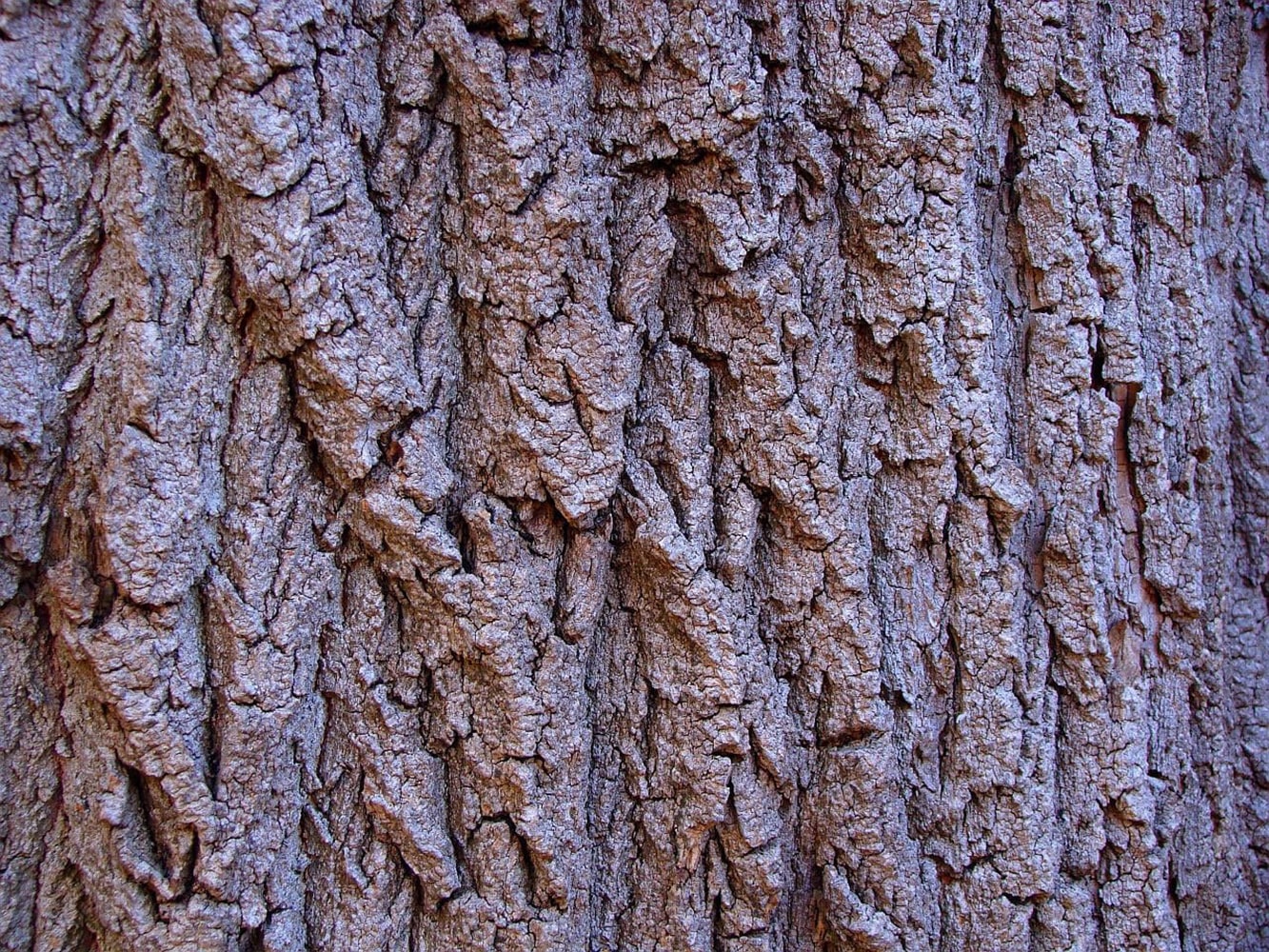
Wood is strong, heavy, and hard, but has little commercial value.
Phonetic Spelling:krah-TEE-gus rip-pid-oh-FIL-uh
Genus:Crataegus
Species:rhipidophylla
Family:Rosaceae
Crataegus, commonly known as Hawthorn, is a deciduous shrub or small tree that encompasses a variety of species. Among them, Crataegus oxycantha, or English hawthorn, is indigenous to Europe and North Africa and is celebrated for its abundant blooms in spring. This species typically reaches heights of 15 to 20 feet and features a rounded crown. Characteristic of many Hawthorns, the English hawthorn has straight to zigzag thorny branches, white flowers, and dark green foliage. Although it does not exhibit vibrant fall colors, its thorny nature and ability to withstand pruning make it an excellent choice for hedges, leading to its widespread use in England as a hedgerow.
In mid-spring, the plant produces clusters of white flowers with five petals, which are followed in the fall by red fruits, or pomes, measuring up to half an inch in length. Numerous cultivars of English hawthorn are available today, some of which boast double flowers in shades of pink, rose, red, and white. Notably, English hawthorn is one of the few hawthorn species that can thrive in shaded areas of European forests.
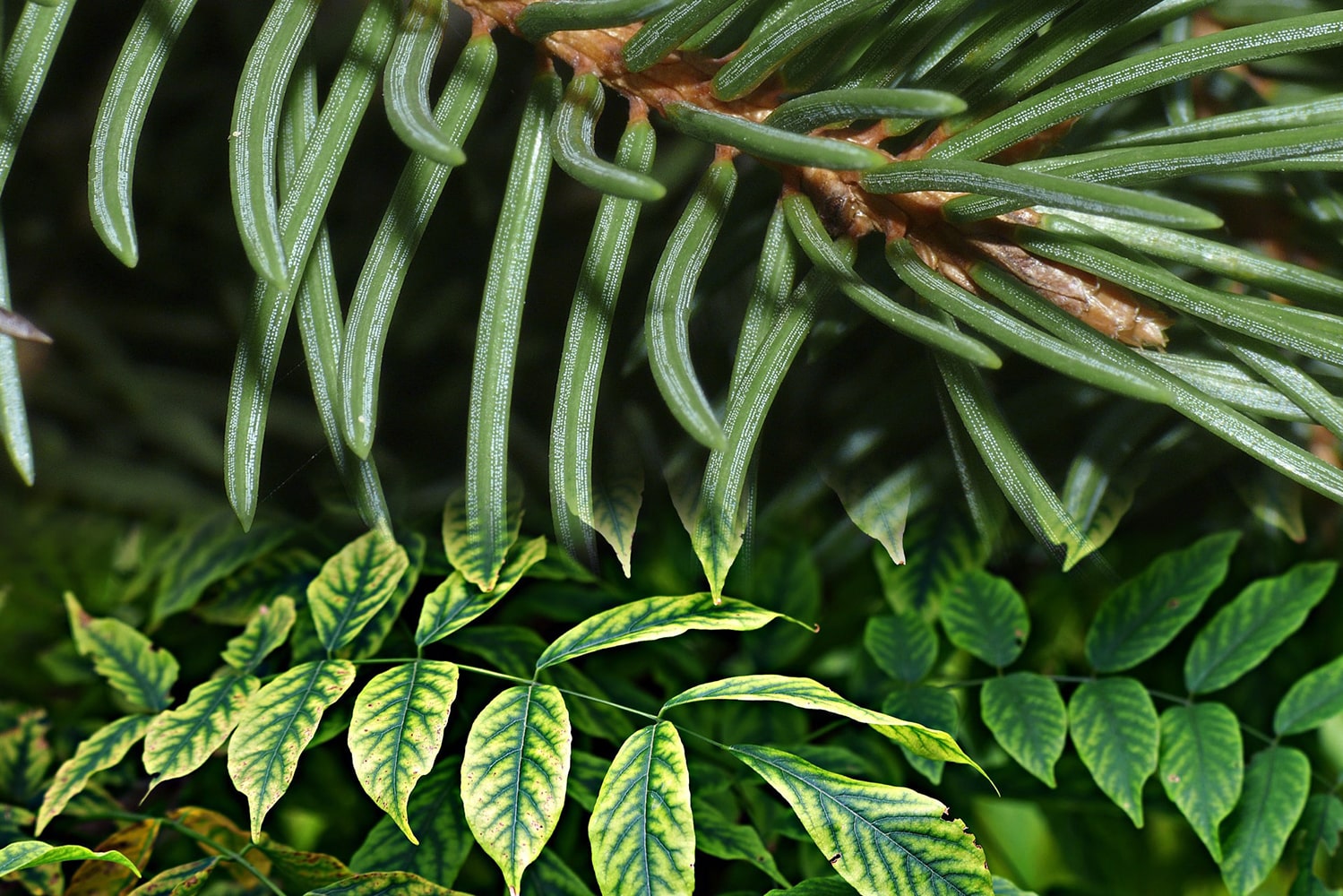
However, this tree tends to struggle in hot and humid summer conditions. If left untreated, fungal leaf spot and rust can significantly mar its foliage.
Crataegus rhipidophylla Feature Summary
Crataegus rhipidophylla Image Gallery