Crocus tommasinianus: Country Or Region Of Origin
Europe
Phonetic Spelling:
Genus:Crocus
Species:tommasinianus
Family:Iridaceae
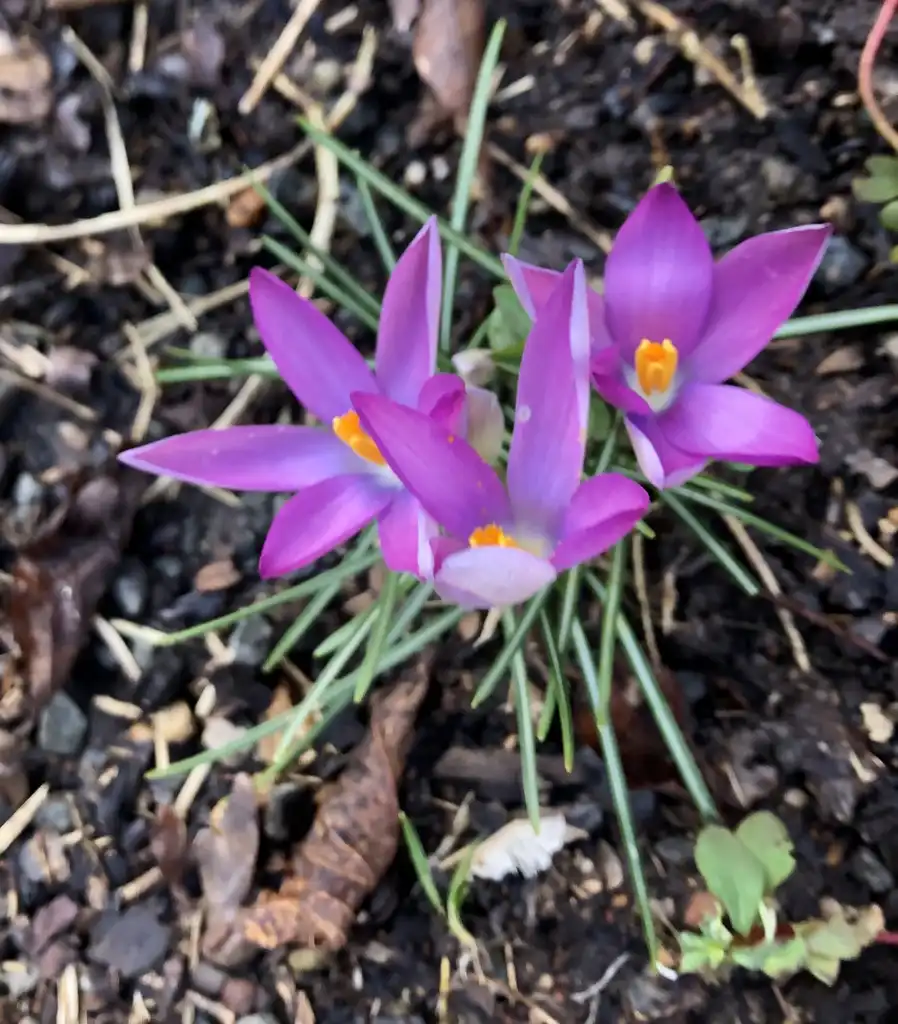
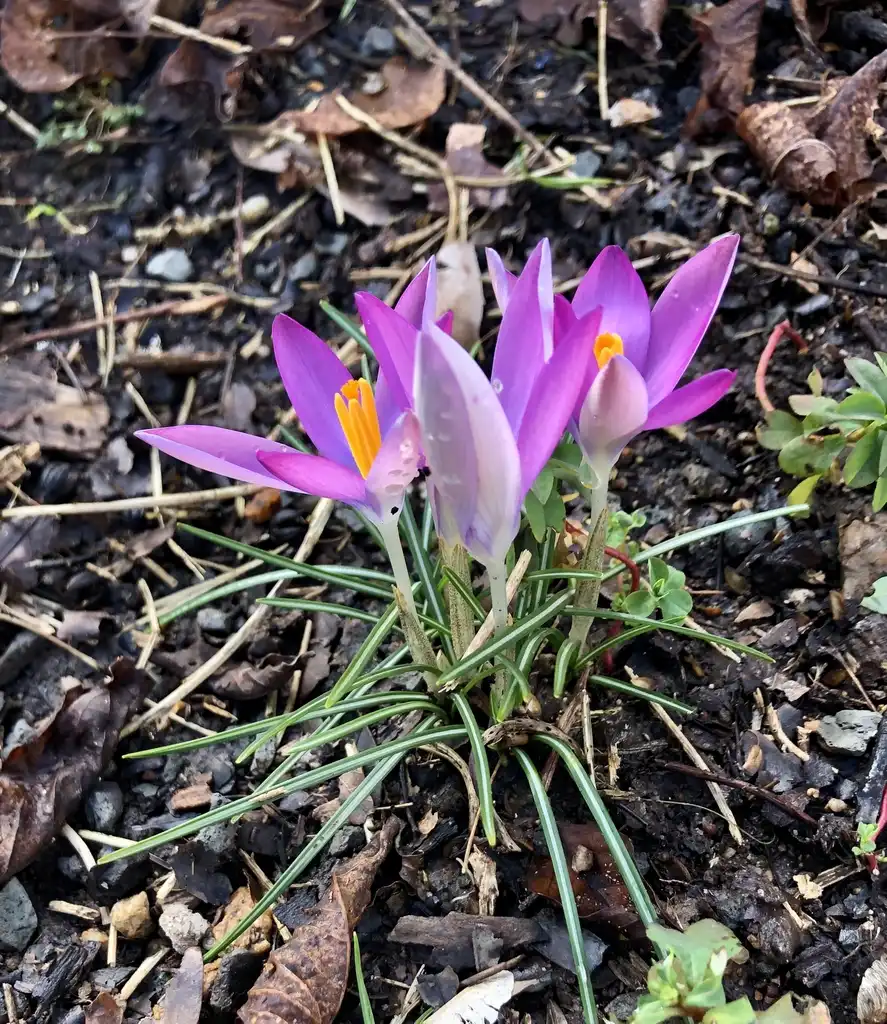
The Snow Crocus is a bulbous plant that blooms from late winter to early spring and is indigenous to southeastern Europe. It is among the first flowers to emerge, often breaking through the snow, which is how it earned its name. For optimal growth, plant these bulbs 3 to 4 inches deep and spaced 3 to 4 inches apart in well-drained soil. They thrive in sandy conditions and struggle in heavy, poorly drained clay. While they flourish in full sunlight, they can also tolerate some shade. The flowers open in the morning and close at night, remaining shut on overcast days.
Consider mass planting them along pathways, in front of trees or shrubs, within woodland or rock gardens, or allowing them to naturalize in your lawn. If you choose to plant them in a lawn, wait until the foliage turns yellow before mowing. Their compact size makes them ideal for filling small spaces, adding vibrant interest to gardens after the long winter dormancy.
These plants can withstand browsing by deer and are not affected by the allelopathic properties of black walnut trees. Additionally, they are reportedly less appealing to squirrels compared to other Crocus species.
In terms of pests and diseases, Snow Crocus is said to be more resilient against damage from squirrels, mice, and other rodents than many other Crocus varieties.
Crocus tommasinianus Feature Summary
Crocus tommasinianus Image Gallery






















