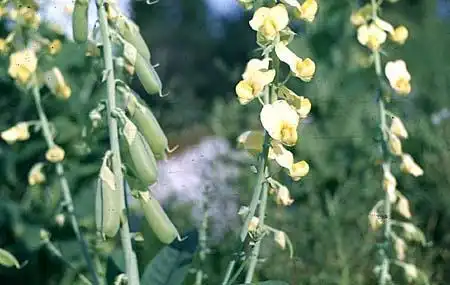
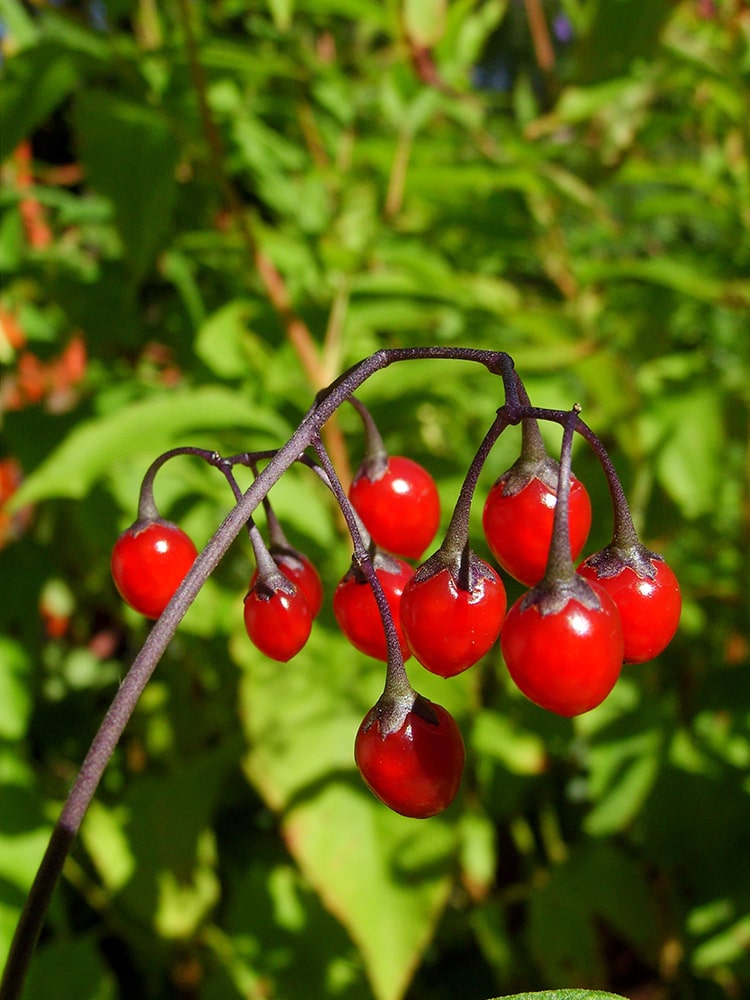
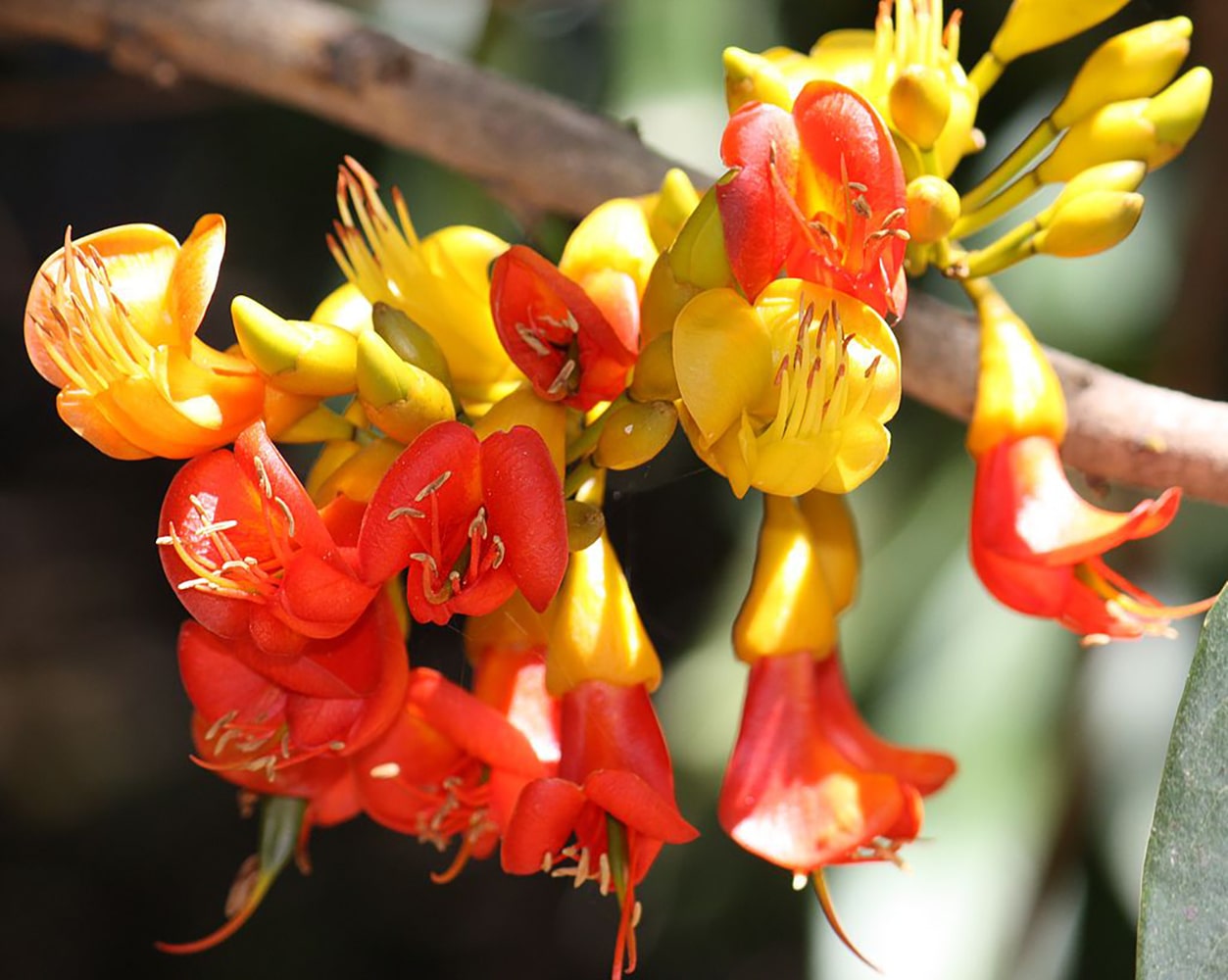
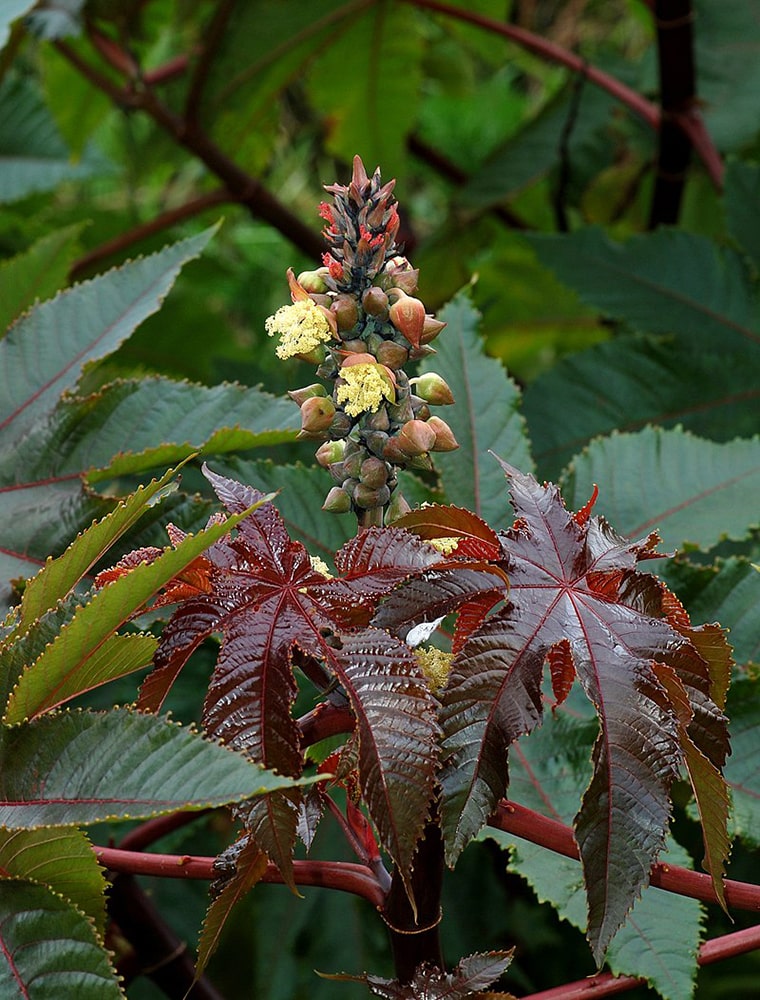
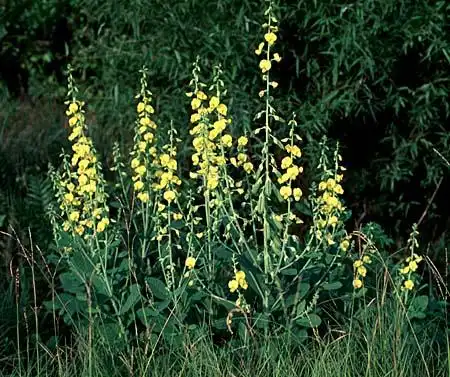
• Photo of Crotalaria (Crotalarias)

Plant Profile: Crotalaria

Taxonomy: Crotalaria

Names

Crotolaria, Rattlebox, Rattleweed

  • Photo of Crotalaria (Crotalarias)

Phonetic Spelling:kroh-tah-LAR-ee-ah

Genus:Crotalaria

Species:

Family:Fabaceae

Herbs that can be either annual or perennial feature leaves that are arranged alternately and can be simple or divided. They produce yellow flowers that grow in elongated clusters at the ends of stems or in the leaf axils, with each flower consisting of five petal-like parts. The fruit is a swollen, cylindrical pod filled with numerous seeds.

Crotalaria Feature Summary

Crotalaria Image Gallery

Tags

#poisonous
#NC native

Similar Plants

Crotalaria Feature Summary

Attributes
Tropics & Subtropics
Tropical America and US
Perennial
Annual
Fruit
Fruit an inflated, subcylindric pod with many seeds
Flowers
Yellow on long terminal or axillary clusters, each 5-parted and pea-like
Gold/Yellow
4-5 petals/rays
Leaves
Alternate, simple, or divided leaves
Simple
Compound (Pinnately , Bipinnately, Palmately)
Poisonous to Humans
TOXIC ONLY IF LARGE QUANTITIES EATEN. Lower blood pressure and heart beat, stomach irritation.
Seeds
Leaves
Whole Plant Traits
Annual
Herbaceous Perennial
Native Plant
Poisonous
Landscape
Poisonous to Humans
Weedy

Crotalaria Attributes

Crotalaria: Country Or Region Of Origin

Tropics & Subtropics
Crotalaria: Distribution

Tropical America and US

Crotalaria: Life Cycle

Annual
Biennial
Bulb
Perennial
Woody

Crotalaria Fruit

Crotalaria: Fruit Description

Fruit an inflated, subcylindric pod with many seeds

Crotalaria: Fruit Type

Achene
Aggregate
Berry
Capsule
Caryopsis
Drupe
Follicle
Legume
Nut
Pome
Samara
Schizocarp
Siliqua

Crotalaria Flowers

Crotalaria: Flower Description

Yellow on long terminal or axillary clusters, each 5-parted and pea-like

Crotalaria: Flower Color

filter_vintage
Gold/Yellow

Crotalaria: Flower Value To Gardener

Edible
Fragrant
Good Cut
Good Dried
Long Bloom Season
Long-lasting
Showy

Crotalaria: Flower Petals

2-3 rays/petals
4-5 petals/rays
6 petals/rays
7 - 20 petals/rays
asymmetrical petals
Bracts
Colored Sepals
fused petals
more than 20 petals/rays
Tepals

Crotalaria Leaves

Crotalaria: Leaf Description

Alternate, simple, or divided leaves

Crotalaria: Leaf Color

spa
Green

Crotalaria: Leaf Type

Compound (Pinnately , Bipinnately, Palmately)
Fronds
Needles
Sheath
Simple

Crotalaria: Leaf Arrangement

Alternate
Opposite
Other/more complex
Rosulate
Whorled

Crotalaria: Hairs Present

No
Yes

Crotalaria Poisonous to Humans

Crotalaria: Poison Symptoms

TOXIC ONLY IF LARGE QUANTITIES EATEN. Lower blood pressure and heart beat, stomach irritation.

Crotalaria: Poison Toxic Principle

Alkaloids

Crotalaria: Poison Severity

High
Low
Medium

Crotalaria: Causes Contact Dermatitis

No
Yes

Crotalaria: Poison Part

Bark
Flowers
Fruits
Leaves
Roots
Sap/Juice
Seeds
Stems

Crotalaria Whole Plant Traits

Crotalaria: Plant Type

Annual
Bulb
Carnivorous
Edible
Epiphyte
Fern
Ground Cover
Herb
Herbaceous Perennial
Houseplant
Mushroom
Native Plant
Ornamental Grasses and Sedges
Perennial
Poisonous
Rose
Shrub
Succulent
Tree
Turfgrass
Vegetable
Vine
Water Plant
Weed
Wildflower

Crotalaria Stem

Crotalaria: Stem Is Aromatic

No
Yes

Crotalaria Landscape

Crotalaria: Problems

Allelopathic
Contact Dermatitis
Frequent Disease Problems
Frequent Insect Problems
Invasive Species
Malodorous
Messy
Poisonous to Humans
Problem for Cats
Problem for Children
Problem for Dogs
Problem for Horses
Short-lived
Spines/Thorns
Weak Wood
Weedy