Plant Profile: Crotalaria albida

Names

Rattlebox

  • Photo of Crotalaria albida (Crotalaria albidas)

Phonetic Spelling:kroh-tuh-LAIR-ee-uh AL-bi-da

Genus:Crotalaria

Species:albida

Family:Fabaceae

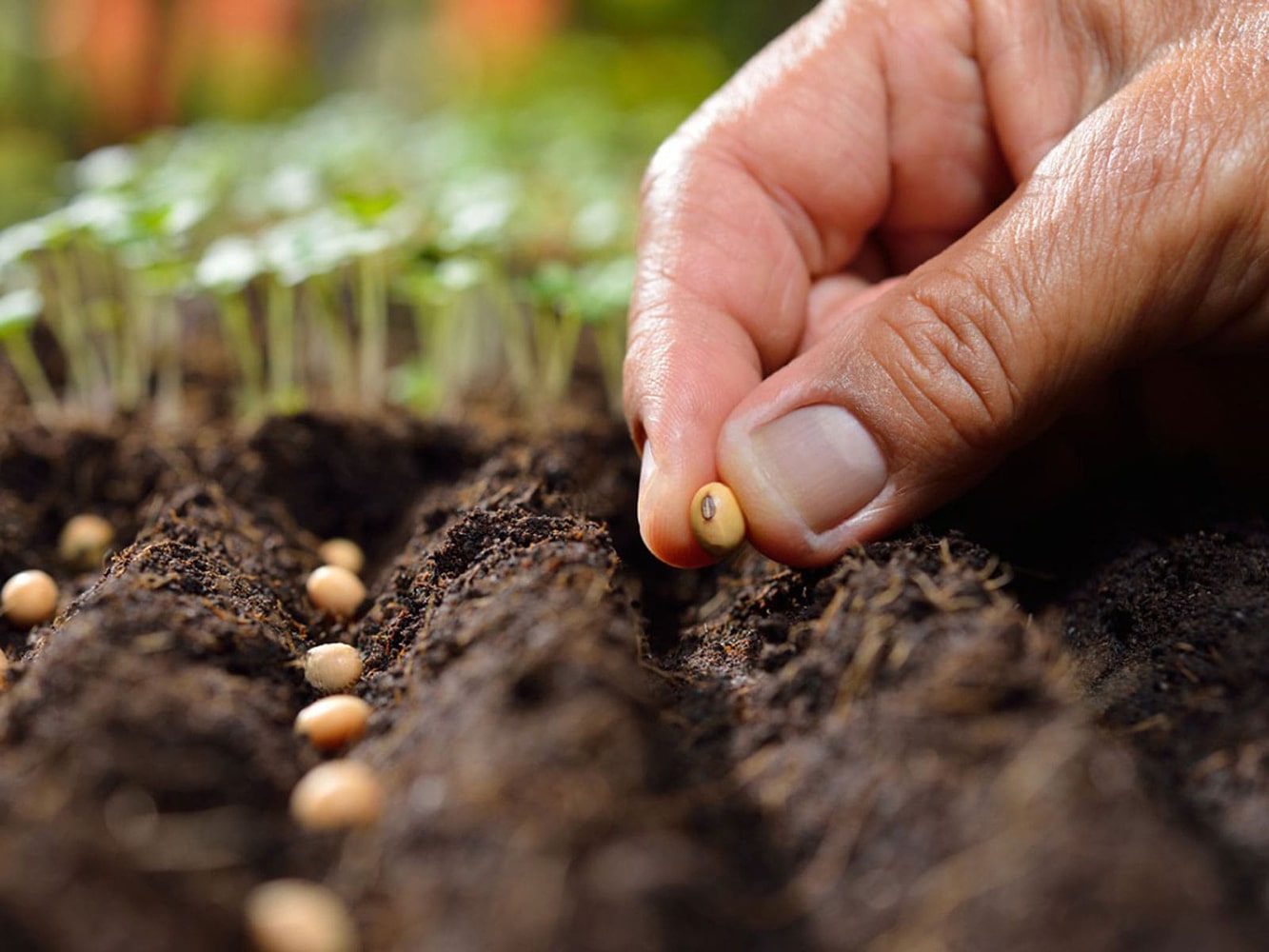
Rattlebox is a plant that can be either an annual or a short-lived perennial, belonging to the bean family. For optimal growth, it should be planted in full sunlight and in well-drained soil that can vary from moist to dry conditions. As a legume, Rattlebox has the ability to fix nitrogen in its roots, which not only supports its own growth but can also enhance the health of nearby plants. To propagate Rattlebox, seeds should be soaked in warm water for 12 hours prior to planting.

Crotalaria albida Feature Summary

Crotalaria albida Image Gallery

Tags

#yellow flowers
#short lifespan
#problem for horses
#tropical feel

Similar Plants

Crotalaria albida Feature Summary

Attributes
Tropical and Subtropical Asia and Australia
Perennial
Flowers
Pea-like flowers
Gold/Yellow
Stem
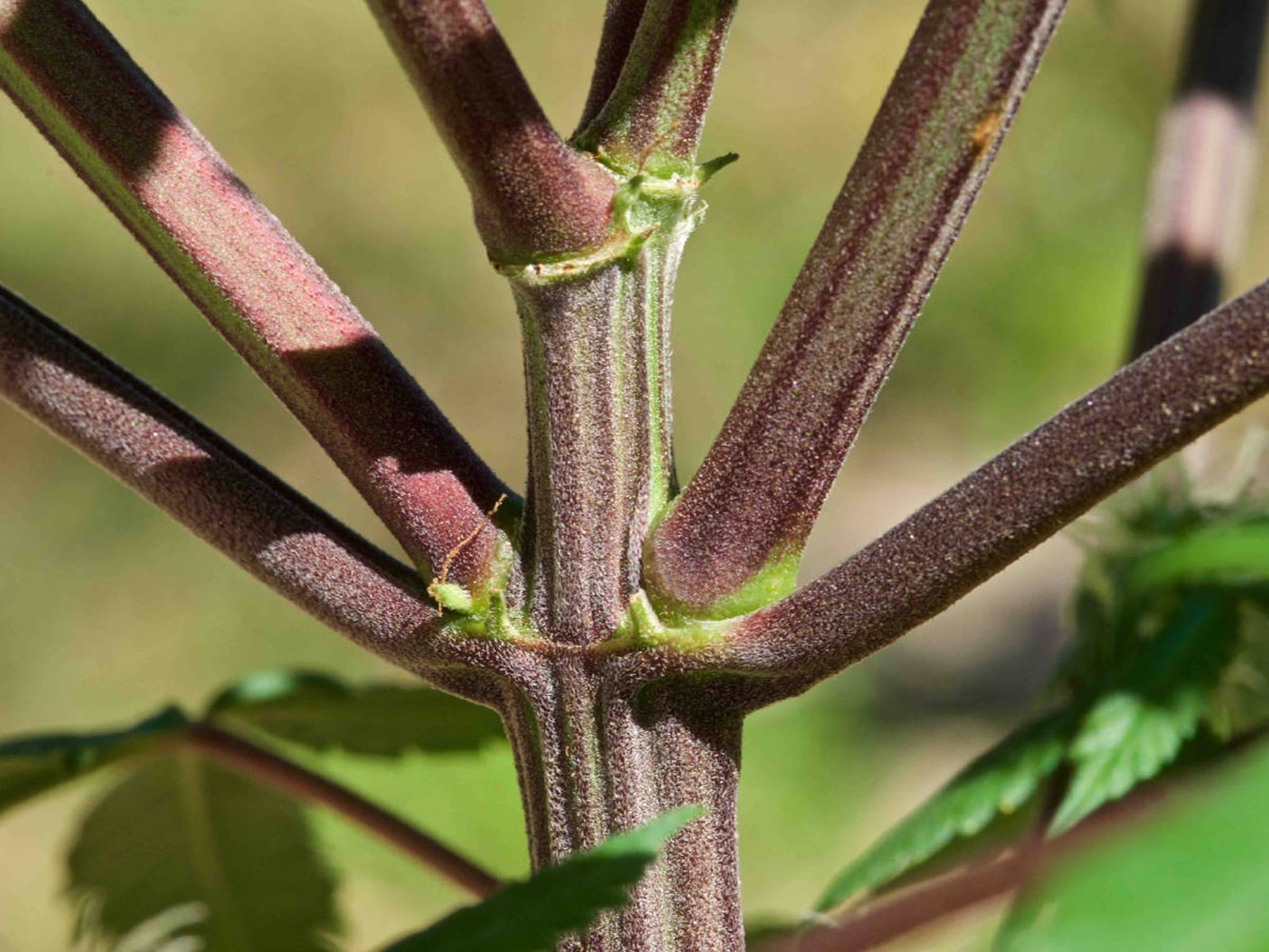
Branches occur at the base of the stem occasionally along the stem.
Whole Plant Traits
Perennial
Erect
Ascending
Cultural Conditions
Full sun (6 or more hours of direct sunlight a day)
Good Drainage
Moist
Occasionally Dry
Fruit
Landscape
Problem for Horses

Crotalaria albida Attributes

Crotalaria albida: Country Or Region Of Origin

Tropical and Subtropical Asia and Australia

Crotalaria albida: Life Cycle

Annual
Biennial
Bulb
Perennial
Woody

Crotalaria albida: Recommended Propagation Strategy

Division
Grafting
Layering
Leaf Cutting
Root Cutting
Seed
Stem Cutting

Crotalaria albida Flowers

Crotalaria albida: Flower Description

Pea-like flowers

Crotalaria albida: Flower Color

filter_vintage
Gold/Yellow

Crotalaria albida Stem

Crotalaria albida: Stem Description

Branches occur at the base of the stem occasionally along the stem.

Crotalaria albida: Stem Color

grass
Green

Crotalaria albida: Stem Is Aromatic

No
Yes

Crotalaria albida Whole Plant Traits

Crotalaria albida: Plant Type

Annual
Bulb
Carnivorous
Edible
Epiphyte
Fern
Ground Cover
Herb
Herbaceous Perennial
Houseplant
Mushroom
Native Plant
Ornamental Grasses and Sedges
Perennial
Poisonous
Rose
Shrub
Succulent
Tree
Turfgrass
Vegetable
Vine
Water Plant
Weed
Wildflower

Crotalaria albida: Habit/Form

Arching
Ascending
Broad
Cascading
Climbing
Clumping
Columnar
Conical
Creeping
Dense
Erect
Horizontal
Irregular
Mounding
Multi-stemmed
Multi-trunked
Open
Oval
Prostrate
Pyramidal
Rounded
Spreading
Vase
Weeping

Crotalaria albida Cultural Conditions

Crotalaria albida: Light

Dappled Sunlight (Shade through upper canopy all day)
Deep shade (Less than 2 hours to no direct sunlight)
Full sun (6 or more hours of direct sunlight a day)
Partial Shade (Direct sunlight only part of the day, 2-6 hours)

Crotalaria albida: Soil Drainage

Frequent Standing Water
Good Drainage
Moist
Occasional Flooding
Occasionally Dry
Occasionally Wet
Very Dry

Crotalaria albida Fruit

Crotalaria albida: Fruit Type

Achene
Aggregate
Berry
Capsule
Caryopsis
Drupe
Follicle
Legume
Nut
Pome
Samara
Schizocarp
Siliqua

Crotalaria albida Leaves

Crotalaria albida: Leaf Color

spa
Green

Crotalaria albida: Hairs Present

No
Yes

Crotalaria albida Landscape

Crotalaria albida: Problems

Allelopathic
Contact Dermatitis
Frequent Disease Problems
Frequent Insect Problems
Invasive Species
Malodorous
Messy
Poisonous to Humans
Problem for Cats
Problem for Children
Problem for Dogs
Problem for Horses
Short-lived
Spines/Thorns
Weak Wood
Weedy