Plant Profile: Dendropanax trifidus

Names


  • Photo of Dendropanax trifidus (Dendropanax trifiduss)

Phonetic Spelling:den-DRO-pan-aks TRY-fee-dus

Genus:Dendropanax

Species:trifidus

Family:Araliaceae

This small tree or shrub, belonging to the ivy family, adds a touch of the tropics to any garden. It thrives in various lighting conditions, even in complete shade. However, when placed in full sunlight, it requires consistent watering. While its flowers are modest and green, the black fruits that develop afterward are highly sought after by birds.

Dendropanax trifidus Feature Summary

Dendropanax trifidus Image Gallery

Tags

#evergreen
#small tree
#drought tolerant
#wildlife plant
#green flowers
#glossy leaves
#tropical evergreen
#black fruits
#evergreen shrub
#evergreen tree
#food source fall
#bird friendly
#tropical feel

Similar Plants

Dendropanax trifidus Feature Summary

Attributes
Korea, Japan, Taiwan
Birds enjoy the fruits.
Fruit
Black berries in the fall
Leaves
Whole Plant Traits
Cultural Conditions
Full sun (6 or more hours of direct sunlight a day)
Partial Shade (Direct sunlight only part of the day, 2-6 hours)
Dappled Sunlight (Shade through upper canopy all day)
Deep shade (Less than 2 hours to no direct sunlight)
7a
7b
8b
8a
9a
9b
10a
10b
Flowers
Landscape
Drought Tolerant Garden

Dendropanax trifidus Attributes

Dendropanax trifidus: Country Or Region Of Origin

Korea, Japan, Taiwan

Dendropanax trifidus: Wildlife Value

Birds enjoy the fruits.

Dendropanax trifidus: Life Cycle

Annual
Biennial
Bulb
Perennial
Woody

Dendropanax trifidus Fruit

Dendropanax trifidus: Fruit Description

Black berries in the fall

Dendropanax trifidus: Fruit Color

grass
Black

Dendropanax trifidus: Display/Harvest Time

Fall
Spring
Summer
Winter

Dendropanax trifidus Leaves

Dendropanax trifidus: Leaf Description

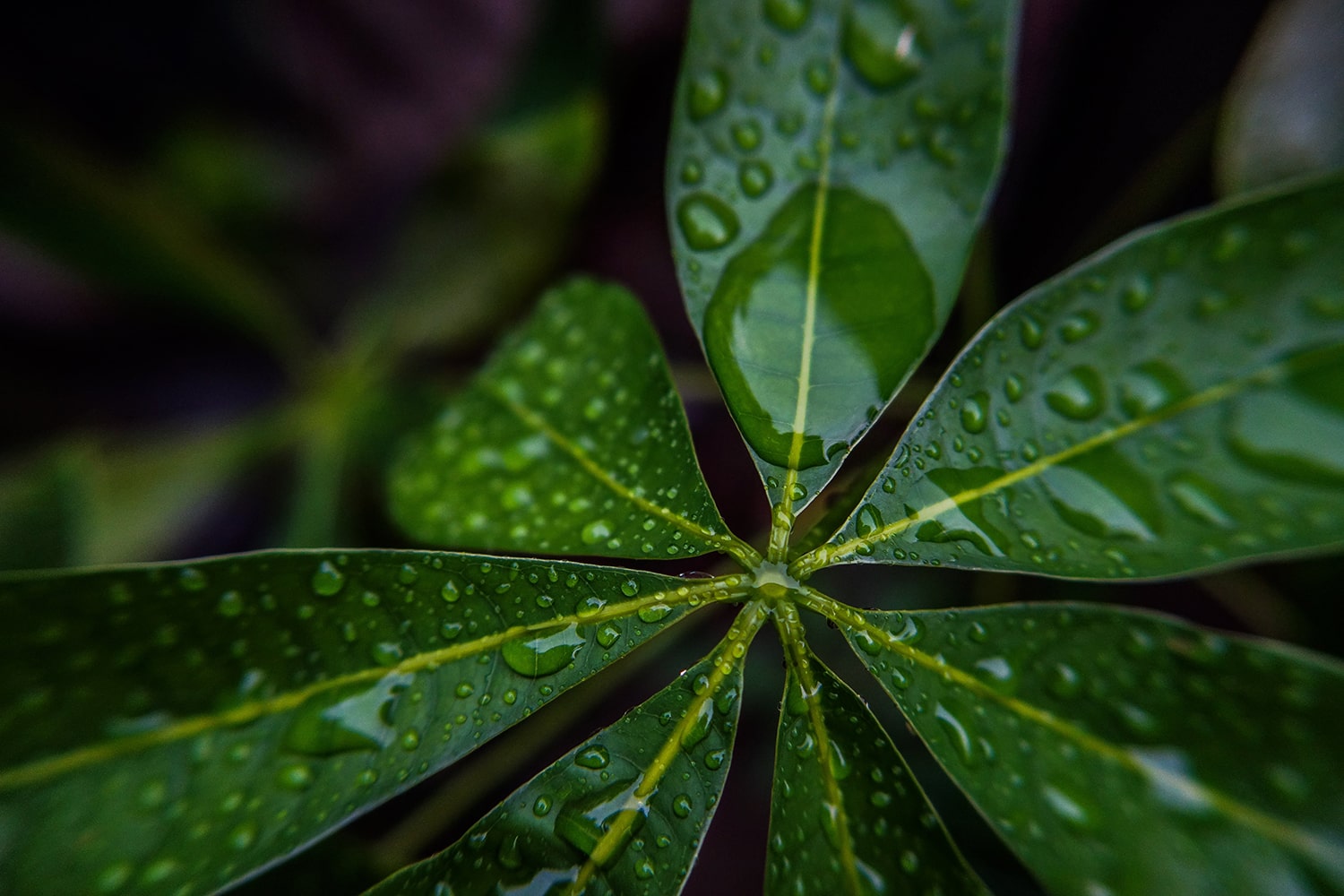
Glossy three lobed leaves

Dendropanax trifidus: Woody Plant Leaf Characteristics

Broadleaf Evergreen
Deciduous
Needled Evergreen
Semi-evergreen

Dendropanax trifidus: Leaf Color

spa
Green

Dendropanax trifidus: Leaf Type

Compound (Pinnately , Bipinnately, Palmately)
Fronds
Needles
Sheath
Simple

Dendropanax trifidus: Leaf Arrangement

Alternate
Opposite
Other/more complex
Rosulate
Whorled

Dendropanax trifidus: Leaf Margin

Crenate
Crenulate
Dentate
Denticulate
Doubly Crenate
Doubly Dentate
Doubly Serrate
Entire
Lobed
Serrate
Sinuate
Undulate

Dendropanax trifidus: Hairs Present

No
Yes

Dendropanax trifidus: Leaf Feel

Fleshy
Glossy
Leathery
Papery
Prickly
Rough
Rubbery
Slippery
Smooth
Soft
Velvety
Waxy

Dendropanax trifidus Whole Plant Traits

Dendropanax trifidus: Plant Type

Annual
Bulb
Carnivorous
Edible
Epiphyte
Fern
Ground Cover
Herb
Herbaceous Perennial
Houseplant
Mushroom
Native Plant
Ornamental Grasses and Sedges
Perennial
Poisonous
Rose
Shrub
Succulent
Tree
Turfgrass
Vegetable
Vine
Water Plant
Weed
Wildflower

Dendropanax trifidus: Woody Plant Leaf Characteristics

Broadleaf Evergreen
Deciduous
Needled Evergreen
Semi-evergreen

Dendropanax trifidus Cultural Conditions

Dendropanax trifidus: Light

Dappled Sunlight (Shade through upper canopy all day)
Deep shade (Less than 2 hours to no direct sunlight)
Full sun (6 or more hours of direct sunlight a day)
Partial Shade (Direct sunlight only part of the day, 2-6 hours)

Dendropanax trifidus: USDA Plant Hardiness Zone

thermostat
10a
thermostat
10b
thermostat
7a
thermostat
7b
thermostat
8a
thermostat
8b
thermostat
9a
thermostat
9b

Dendropanax trifidus Flowers

Dendropanax trifidus: Flower Color

filter_vintage
Green

Dendropanax trifidus Stem

Dendropanax trifidus: Stem Is Aromatic

No
Yes

Dendropanax trifidus Landscape

Dendropanax trifidus: Landscape Theme

Asian Garden
Butterfly Garden
Children's Garden
Cottage Garden
Cutting Garden
Drought Tolerant Garden
Edible Garden
English Garden
Fairy Garden
Garden for the Blind
Native Garden
Nighttime Garden
Pollinator Garden
Rain Garden
Rock Garden
Shade Garden
Water Garden
Winter Garden

Dendropanax trifidus: Resistance To Challenges

Black Walnut
Compaction
Deer
Diseases
Drought
Dry Soil
Erosion
Fire
Foot Traffic
Heat
Heavy Shade
Humidity
Insect Pests
Pollution
Poor Soil
Rabbits
Salt
Slugs
Squirrels
Storm damage
Urban Conditions
Voles
Wet Soil
Wind