Dianthus barbatus: Country Or Region Of Origin
European Mountains (Pyrenees, Carpathians, Balkans)
Phonetic Spelling:dy-AN-thus bar-BAY-tus
Genus:Dianthus
Species:barbatus
Family:Caryophyllaceae
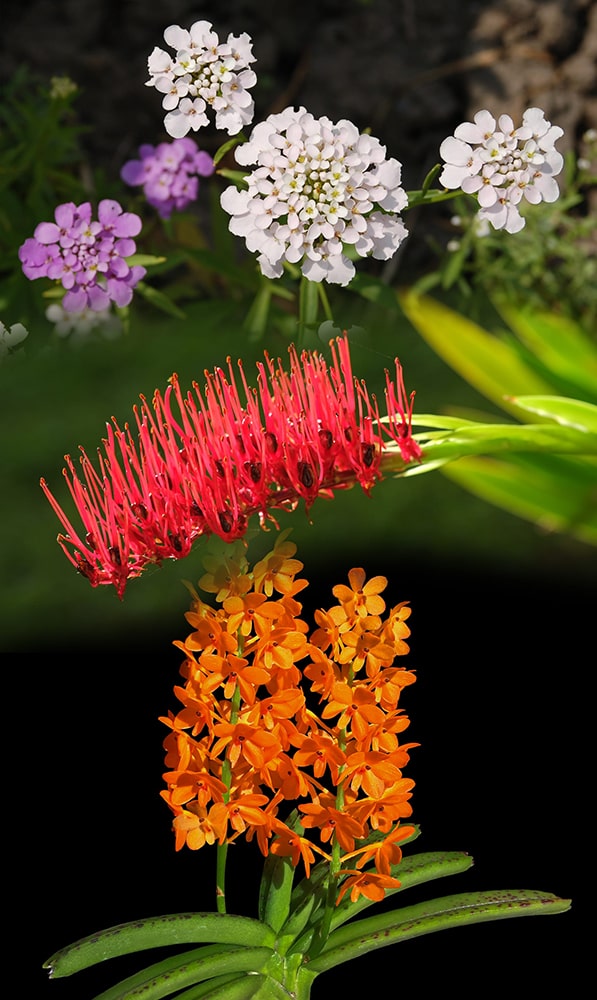
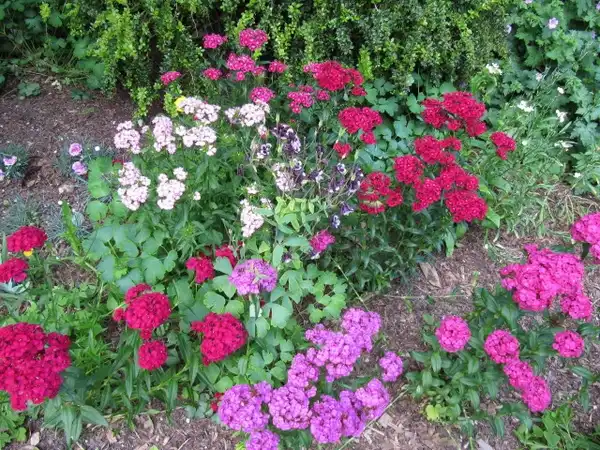
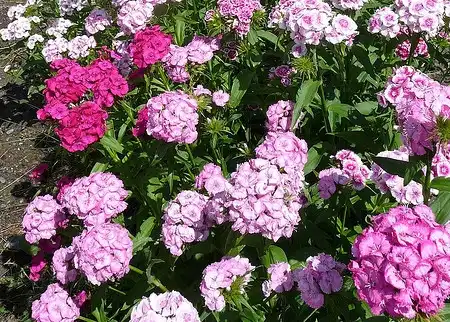
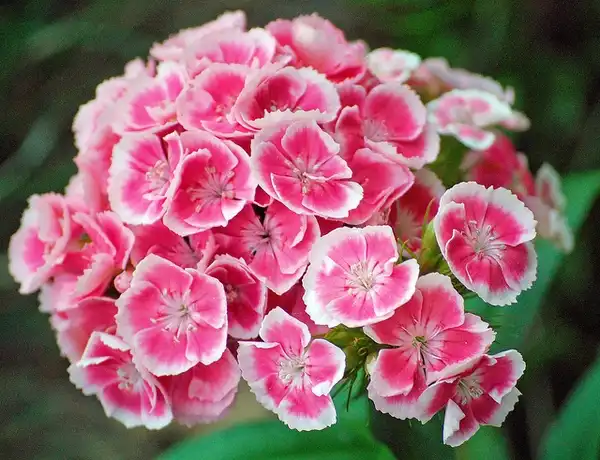
Dianthus barbatus, commonly known as Sweet William, is typically classified as a biennial or a short-lived perennial, though it is frequently cultivated as an annual. This plant flourishes in loamy, slightly alkaline soils and prefers sunny or partially shaded locations, especially in regions with hot summers. Its flowers are characterized by dense, rounded clusters, showcasing a spectrum of colors from white to vibrant red and purple, often featuring bicolor variations. Numerous cultivars exist, including those with double flowers and dwarf varieties. The term 'barbatus' is derived from the barbed or beard-like structures that emerge from the petals.
However, Sweet William is prone to issues such as crown rot and rust, particularly in soils that do not drain well. Additionally, it may attract snails and slugs, especially in shaded environments.
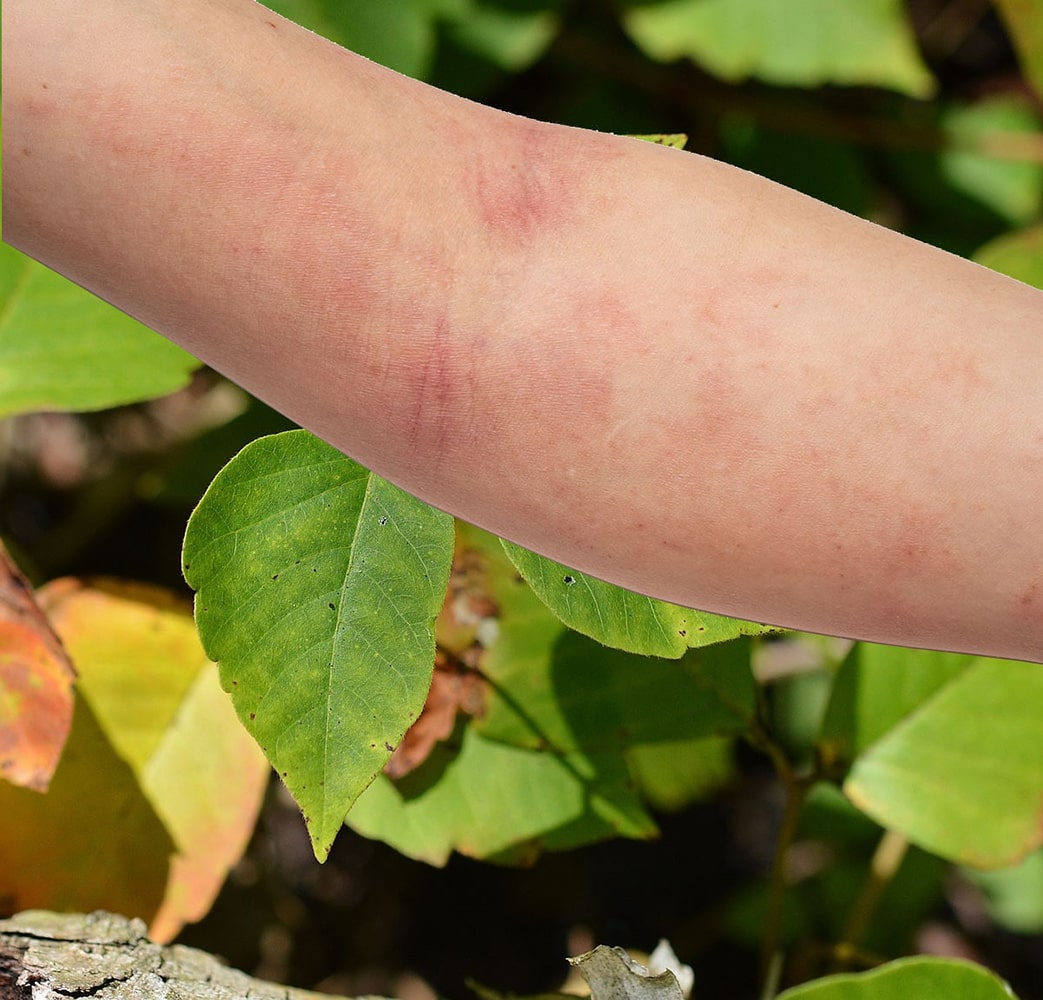
It is important to note that this plant possesses mild toxic properties; ingestion can lead to low toxicity, and it may cause minor skin irritation that lasts only a few minutes.
Dianthus barbatus Feature Summary
Dianthus barbatus Image Gallery