Dirca palustris: Uses (Ethnobotany)
Native Americans used the twigs and bark for bowstrings, baskets, fishing line and rope
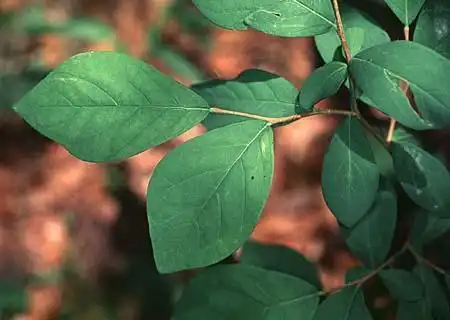
Phonetic Spelling:DIR-kah pahl-US-triss
Genus:Dirca
Species:palustris
Family:Thymelaeaceae
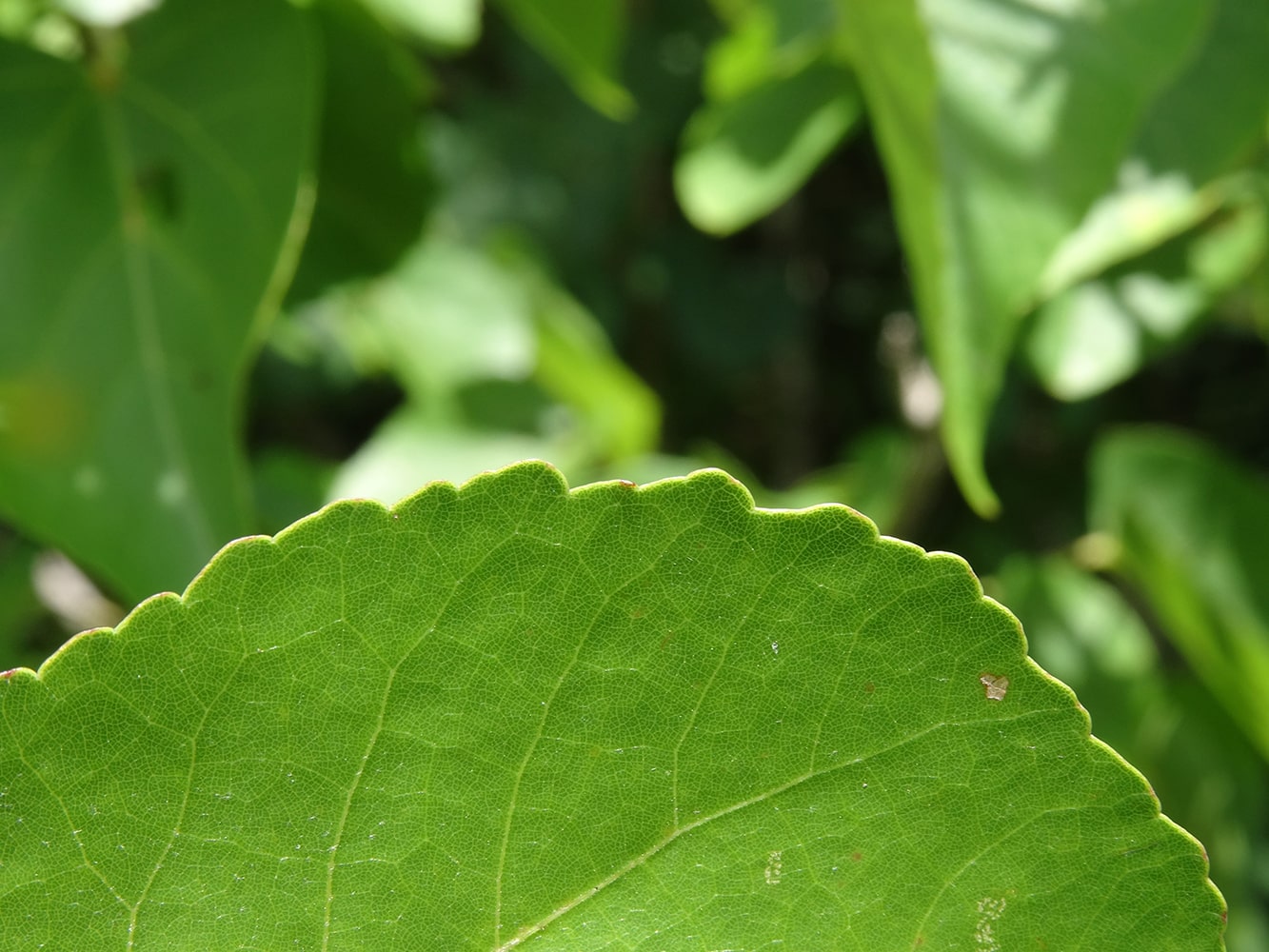
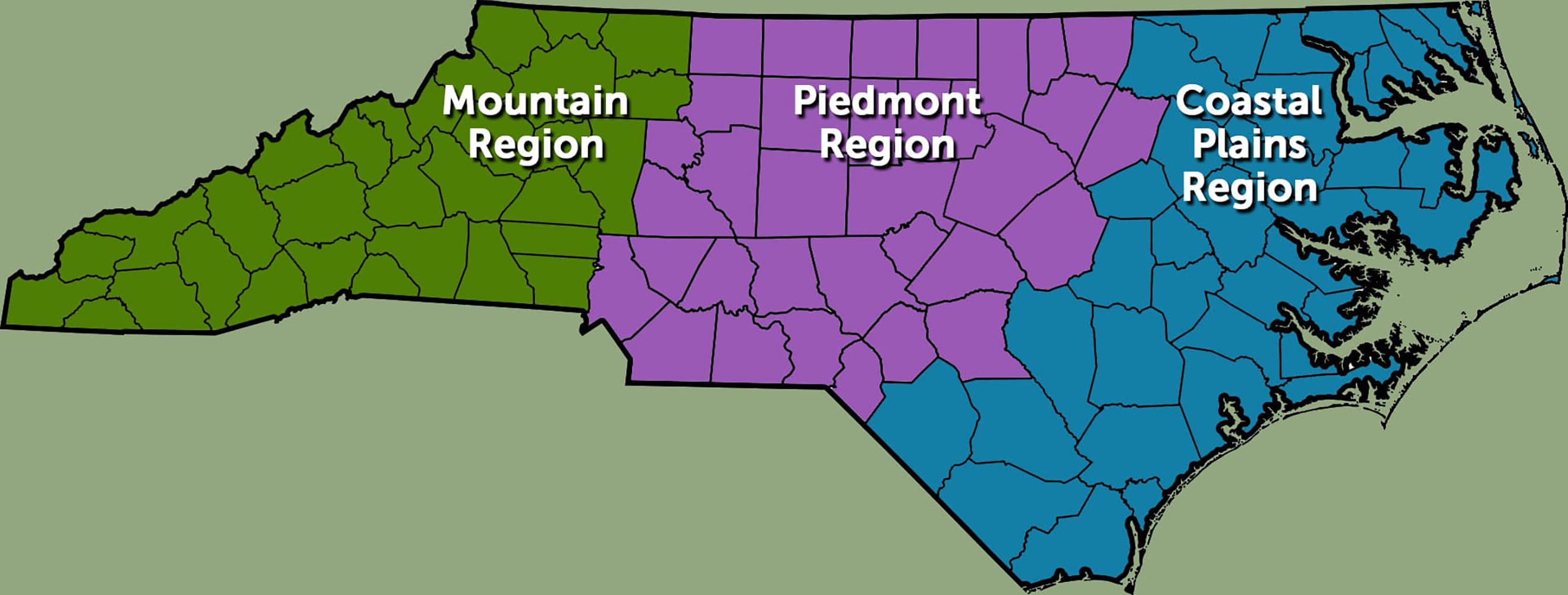
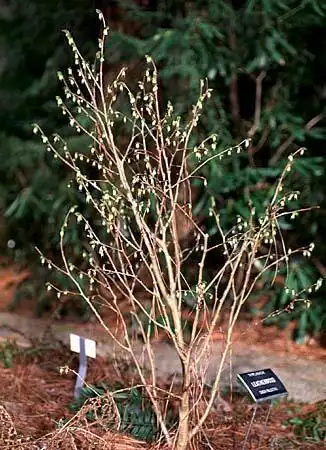
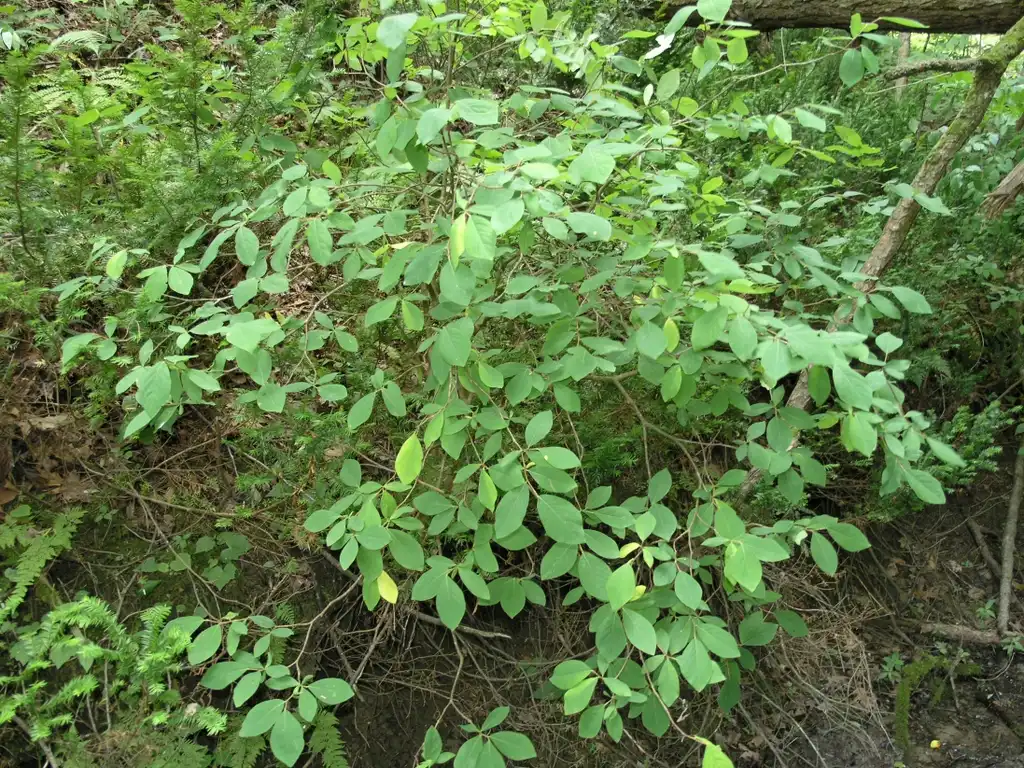
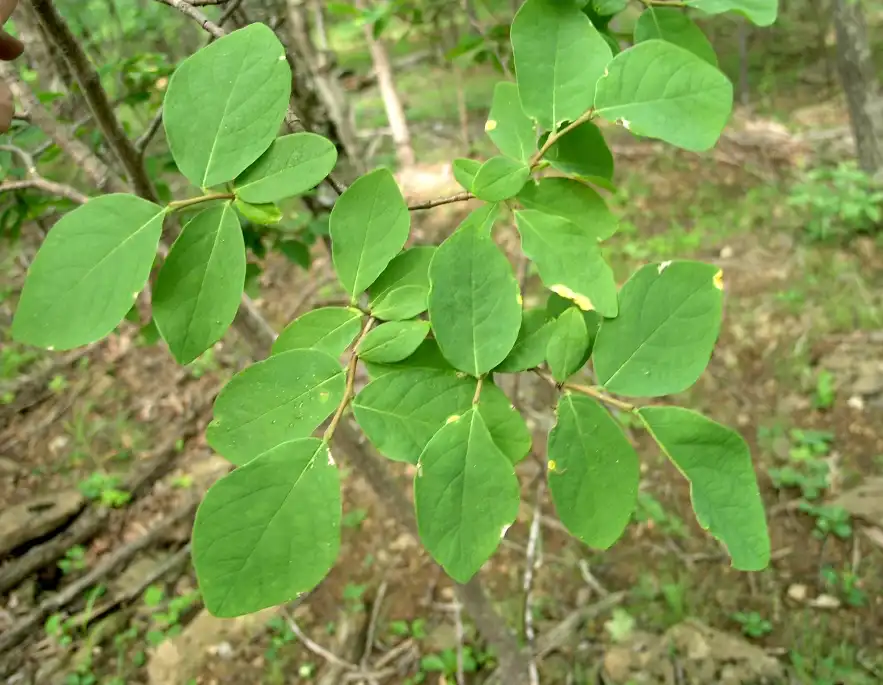
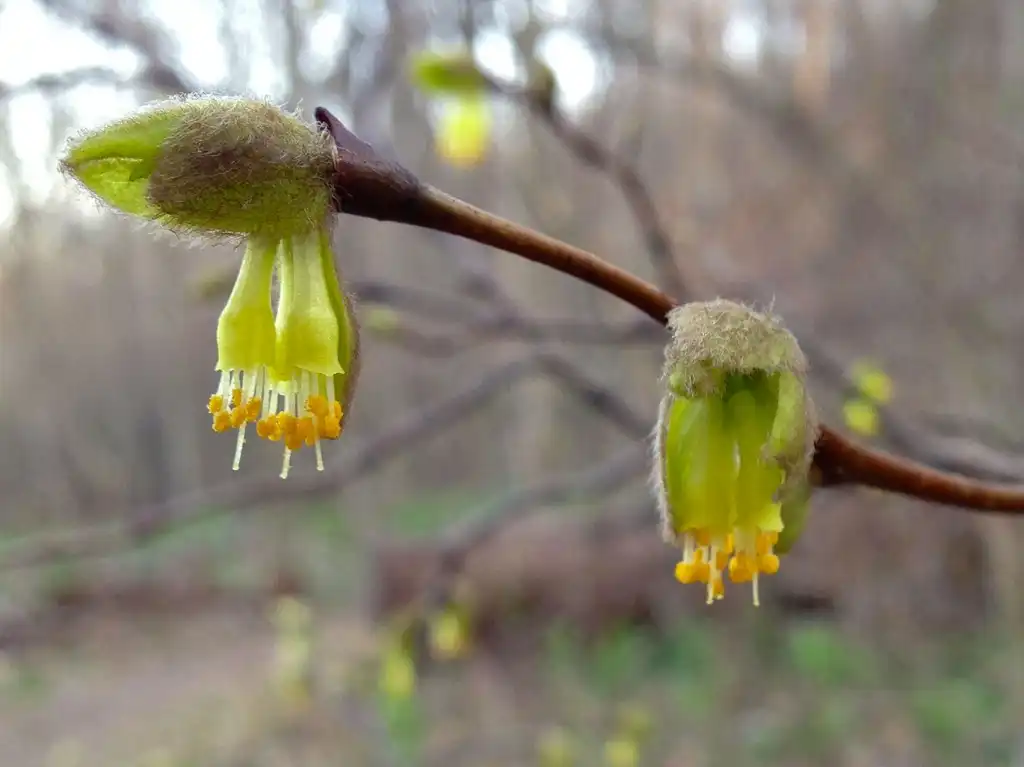
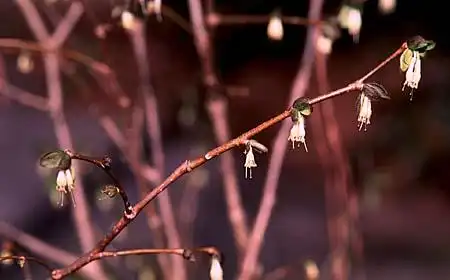
Leatherwood is a deciduous shrub indigenous to forested regions and natural habitats characterized by rich woodlands. This plant thrives in moist, humus-rich soils, whether sandy or clay, and prefers shaded to partially shaded environments. It typically develops a dense, rounded shape adorned with pale green, oval leaves. In early spring, it produces small, yellow, bell-shaped flowers, which are later followed by drupes. Due to its rarity and the difficulty in sourcing it, Leatherwood is not commonly utilized in landscaping. In its natural habitat, it flourishes in exceptionally rich forests, often found on slopes or in bottomlands, and is typically associated with calcareous or mafic rock types, including limestone, calcareous siltstone, calcareous shale, gabbro, or amphibolite. In Ashe County, North Carolina, it can be located at elevations reaching up to 1500 meters.
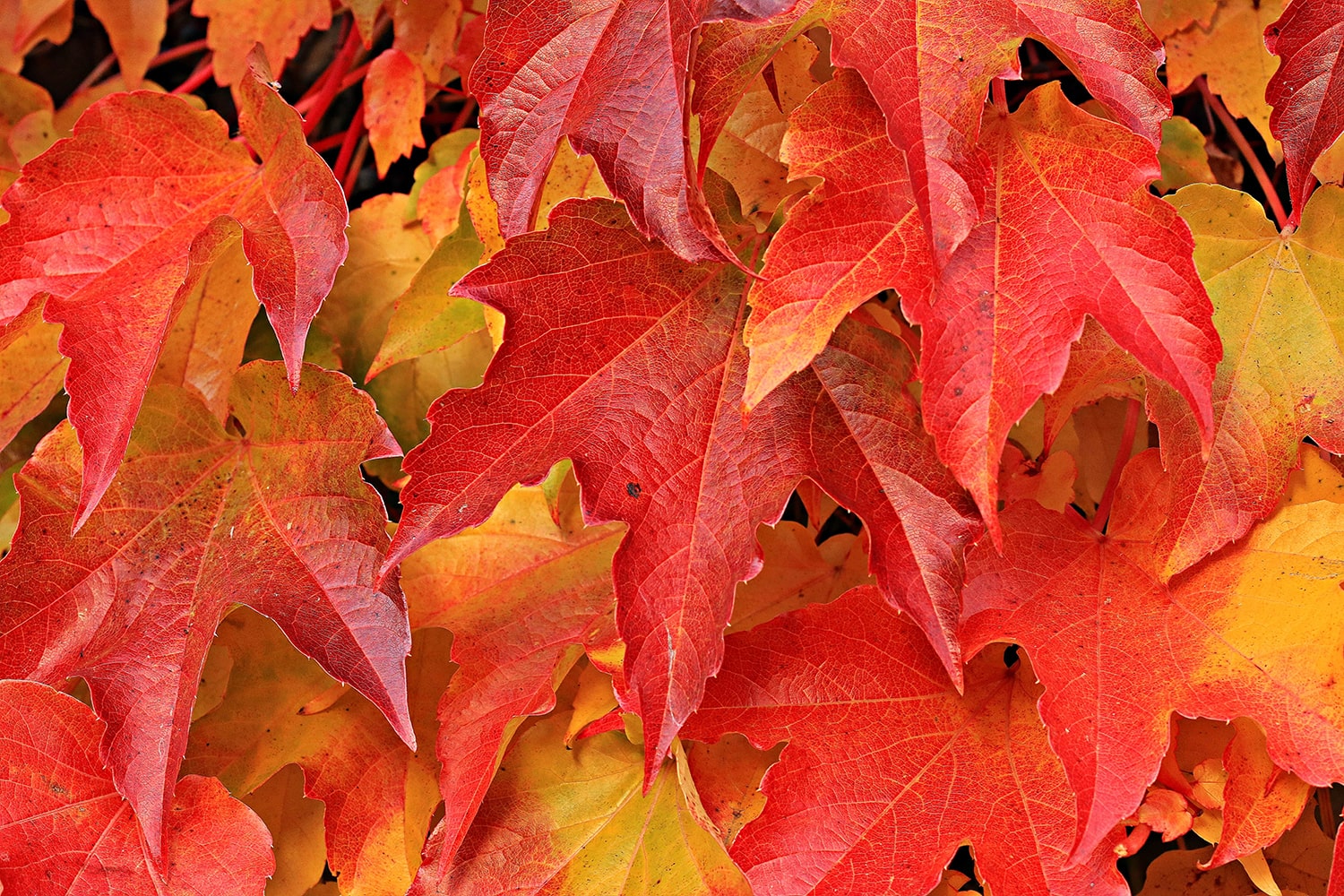
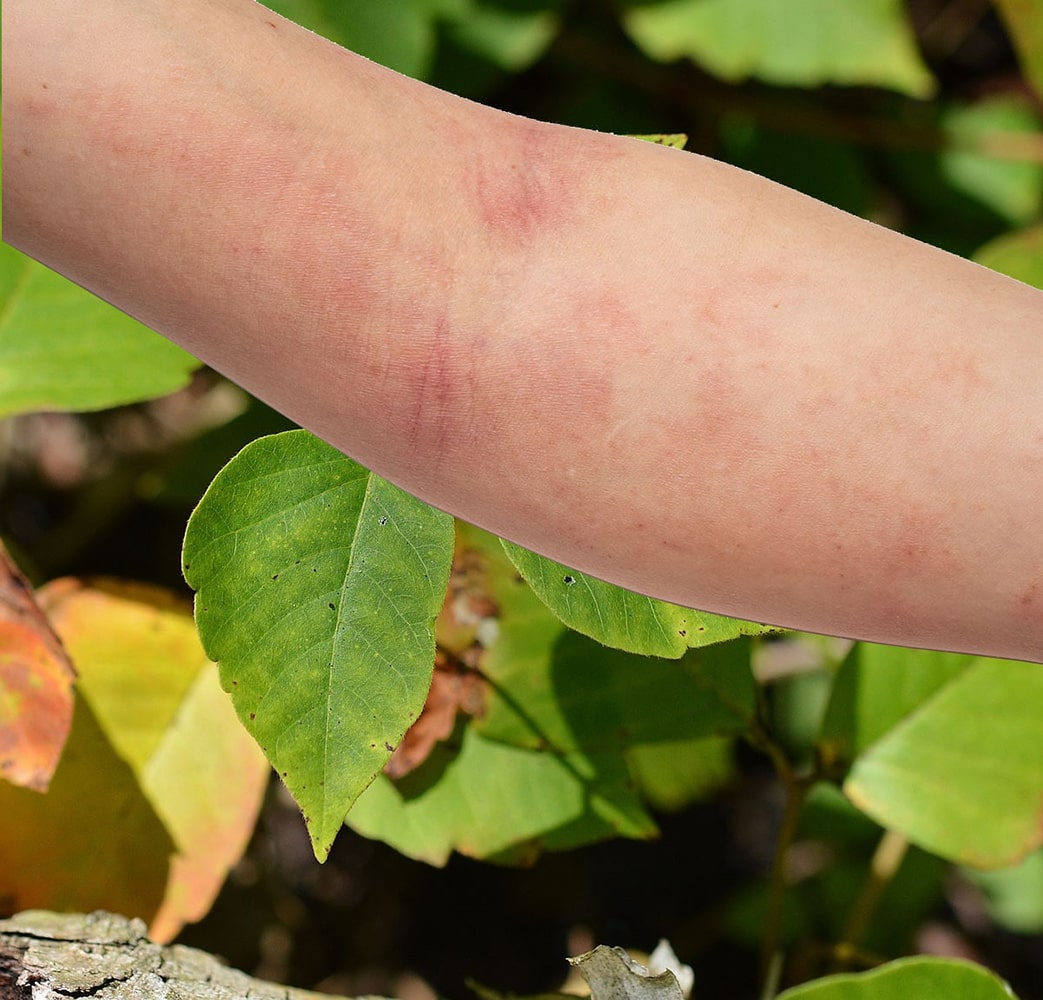
In the fall, the foliage transforms to a vibrant yellow. This shrub is known for its longevity and slow growth rate. Native Americans historically utilized its flexible twigs for making cordage. However, it is important to note that its fruits and roots possess slight toxicity, and some individuals may experience skin reactions upon contact with the bark.
Dirca palustris Feature Summary