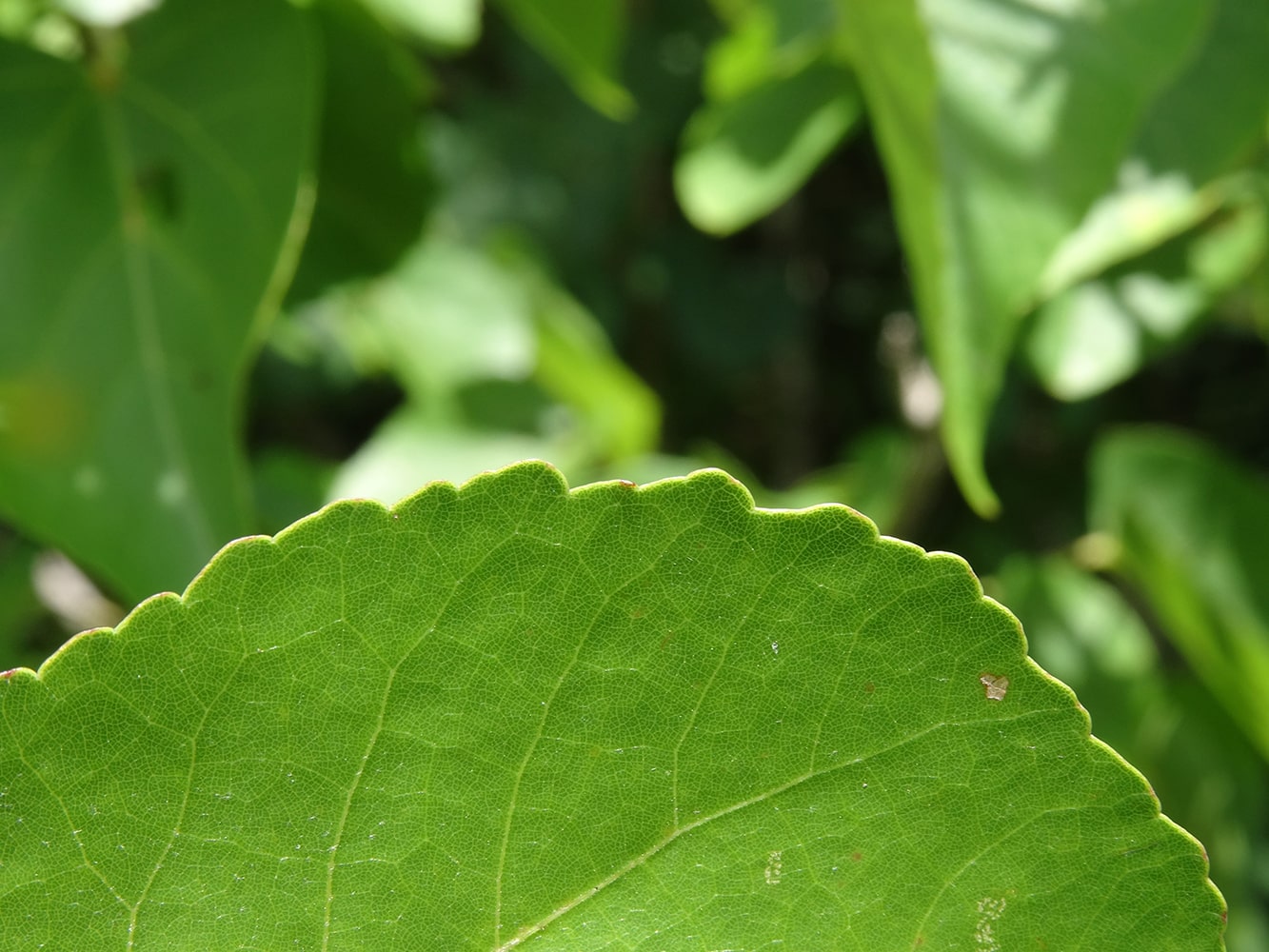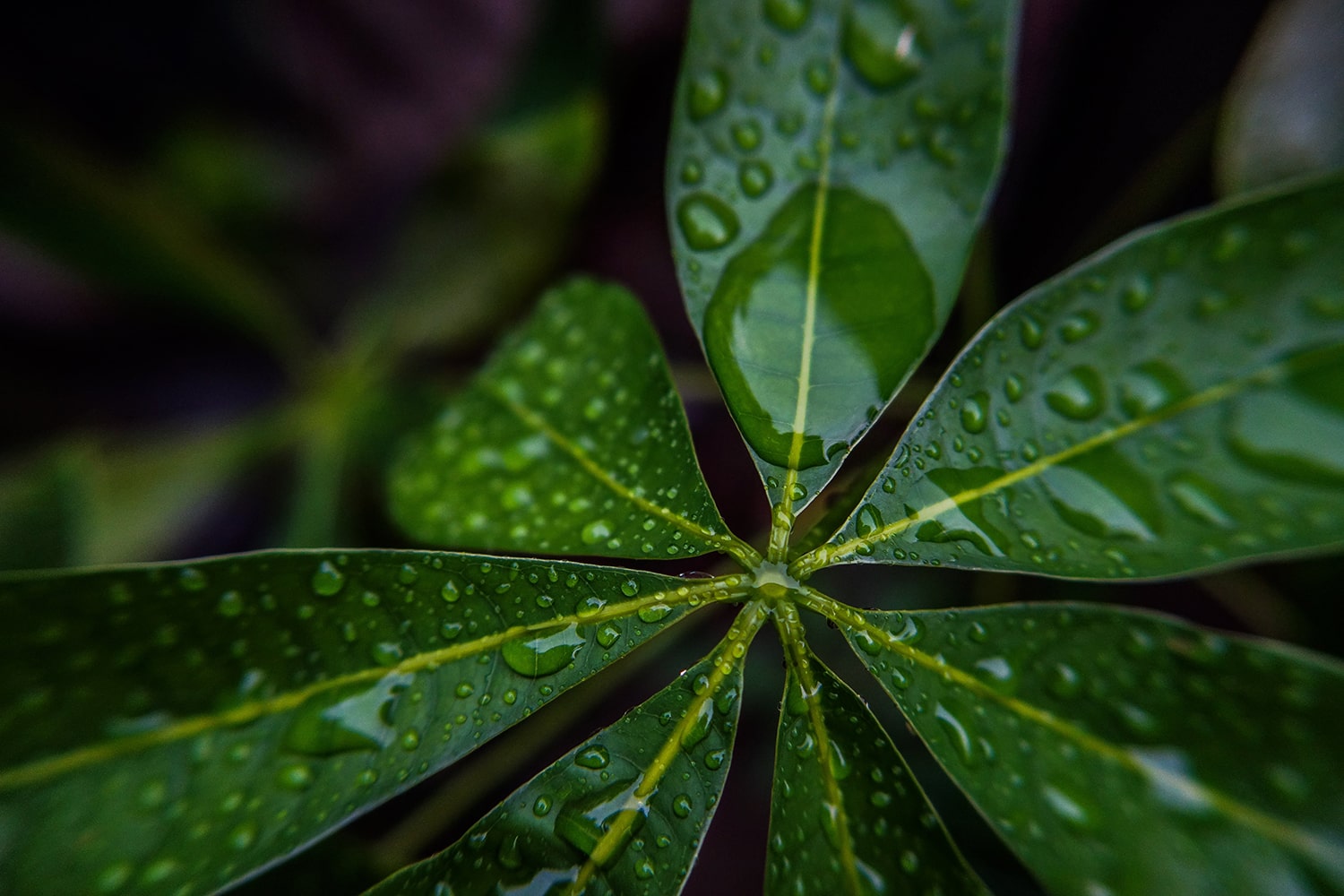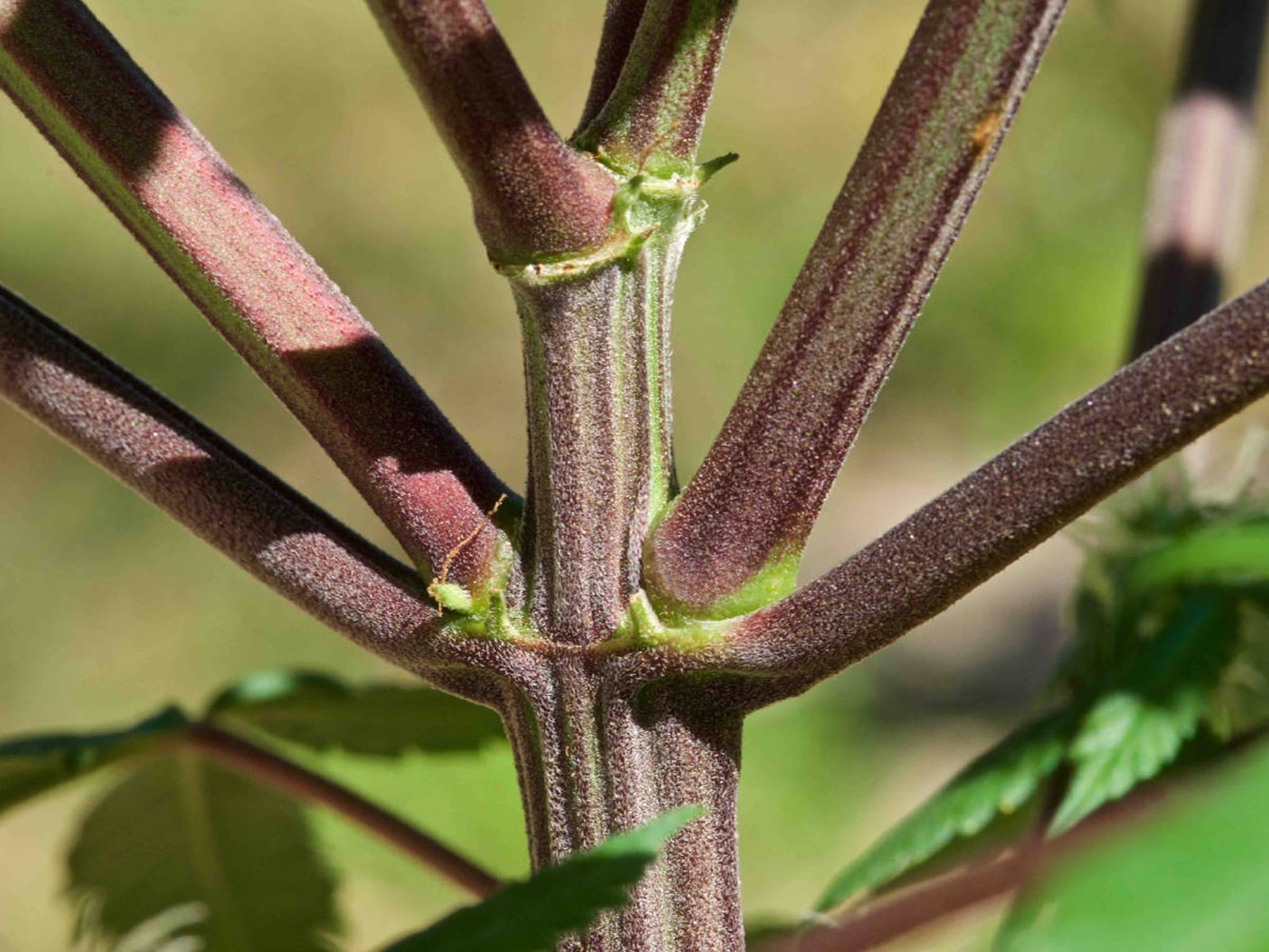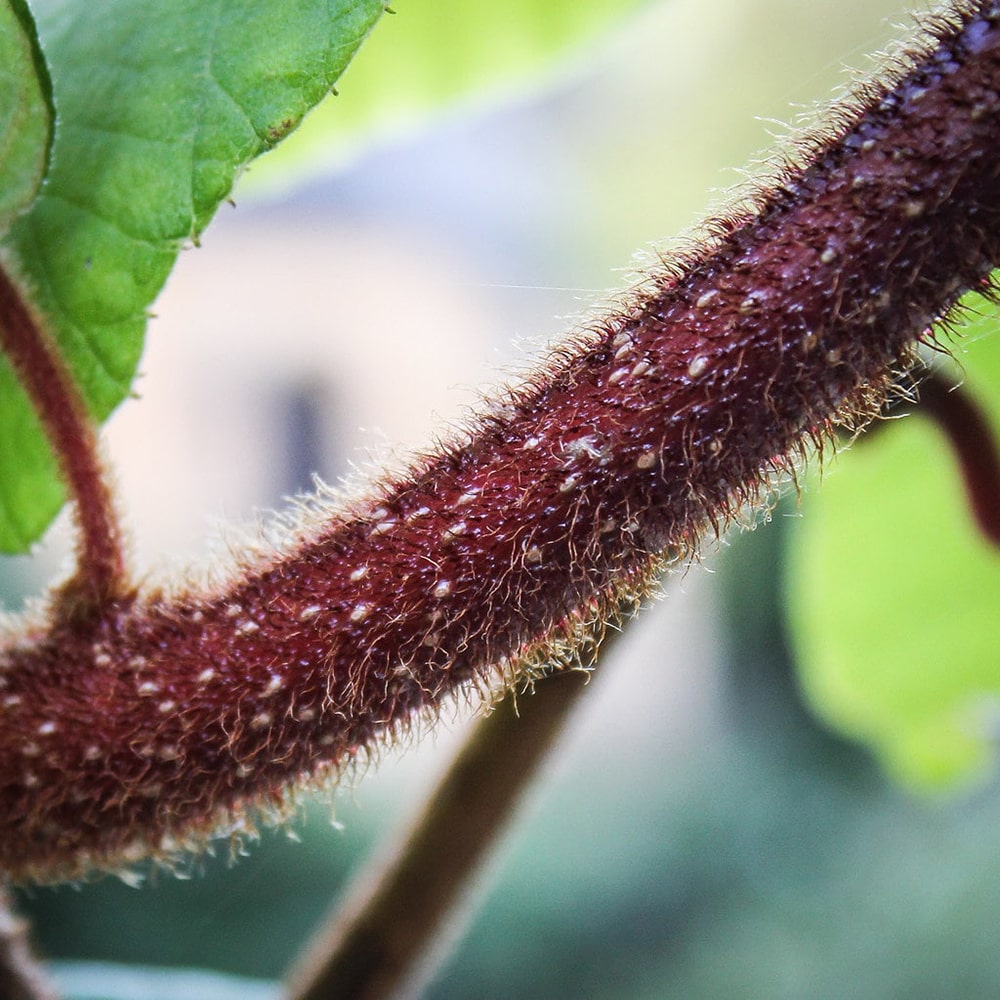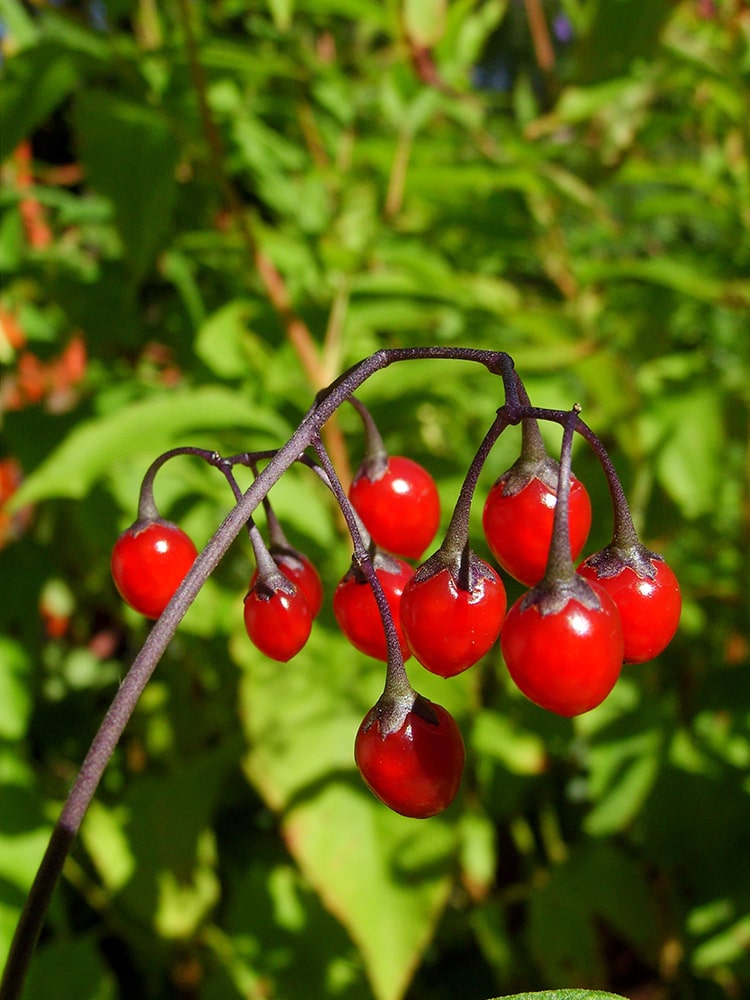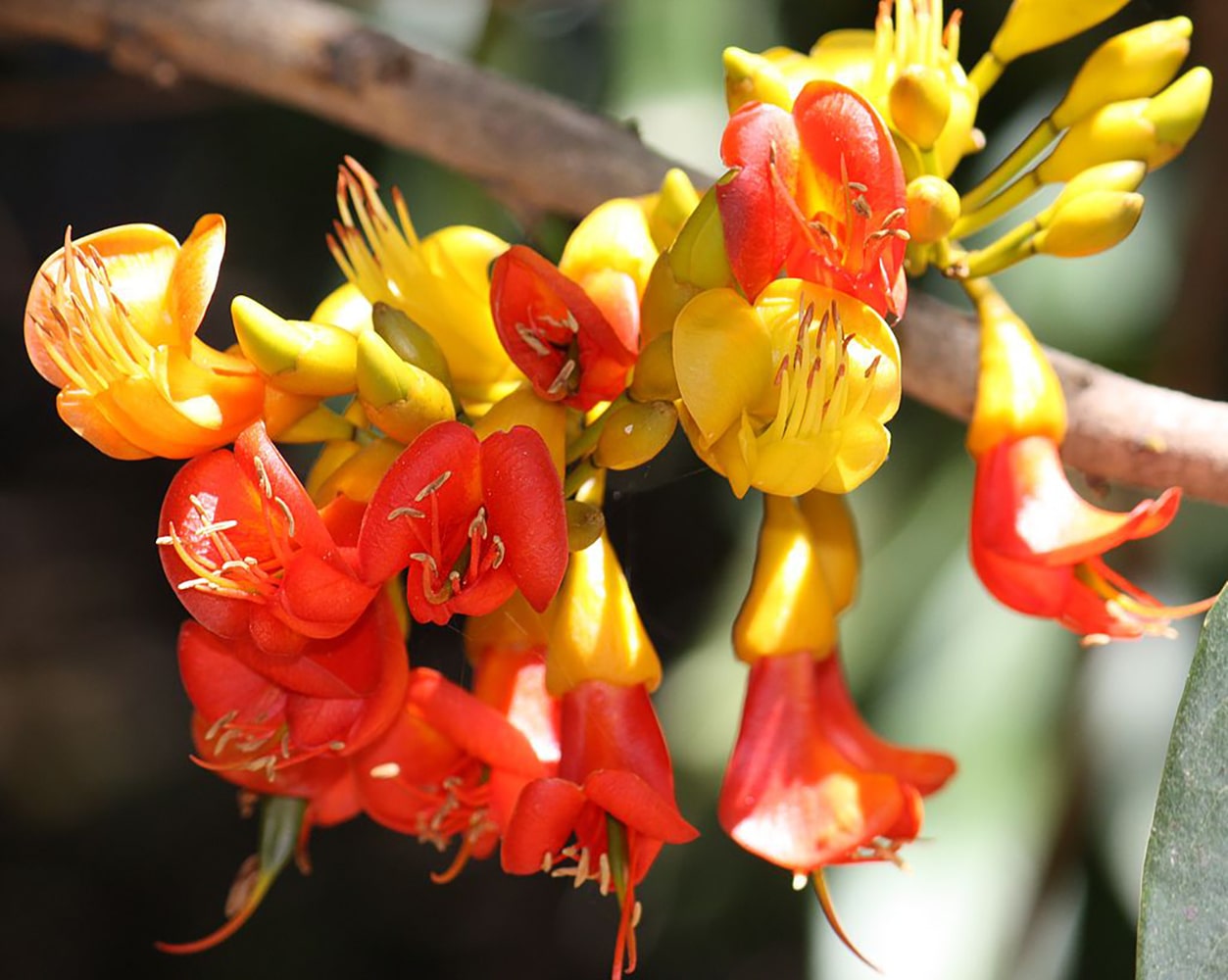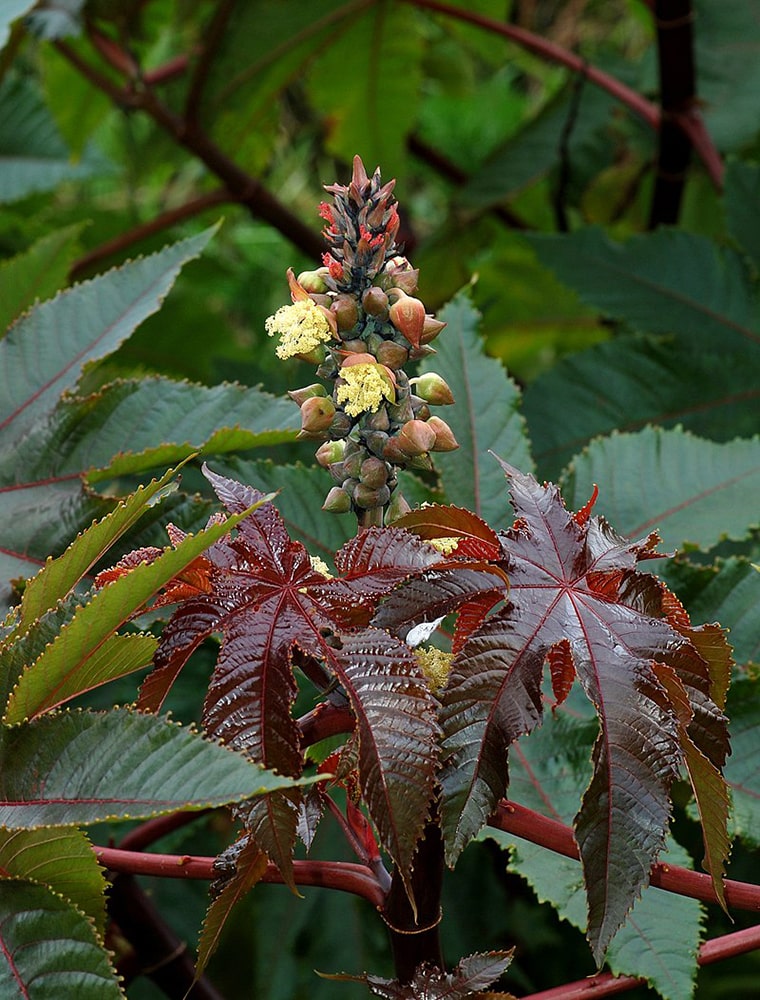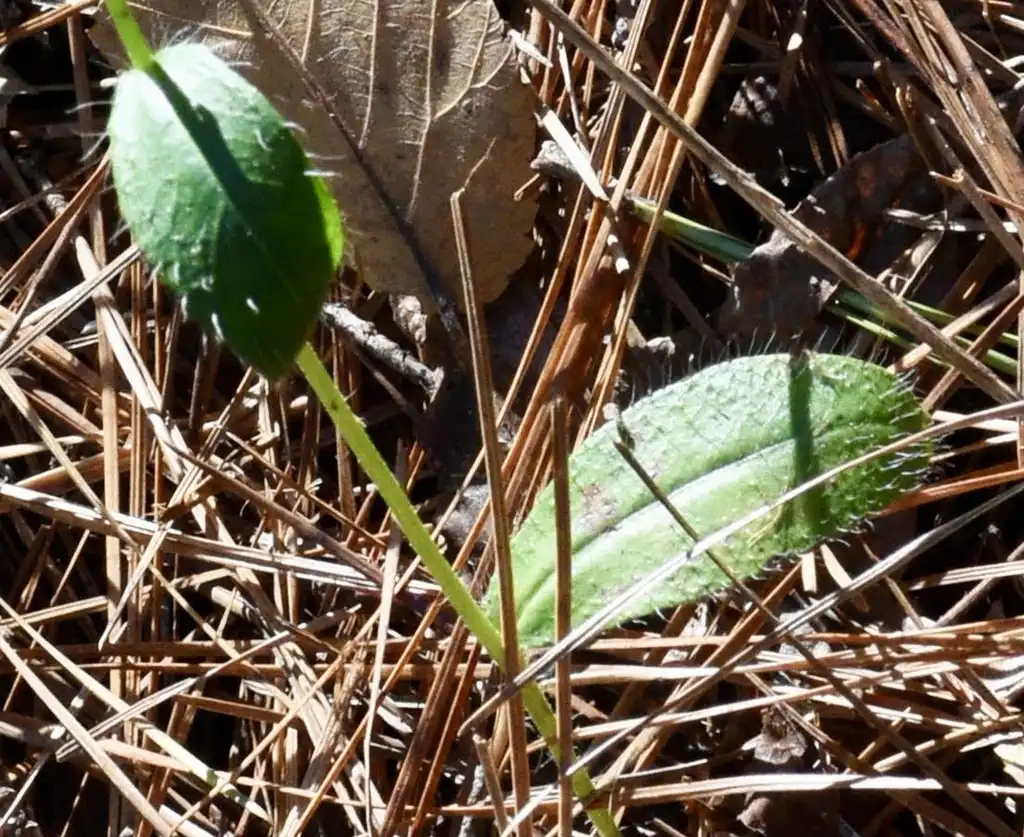
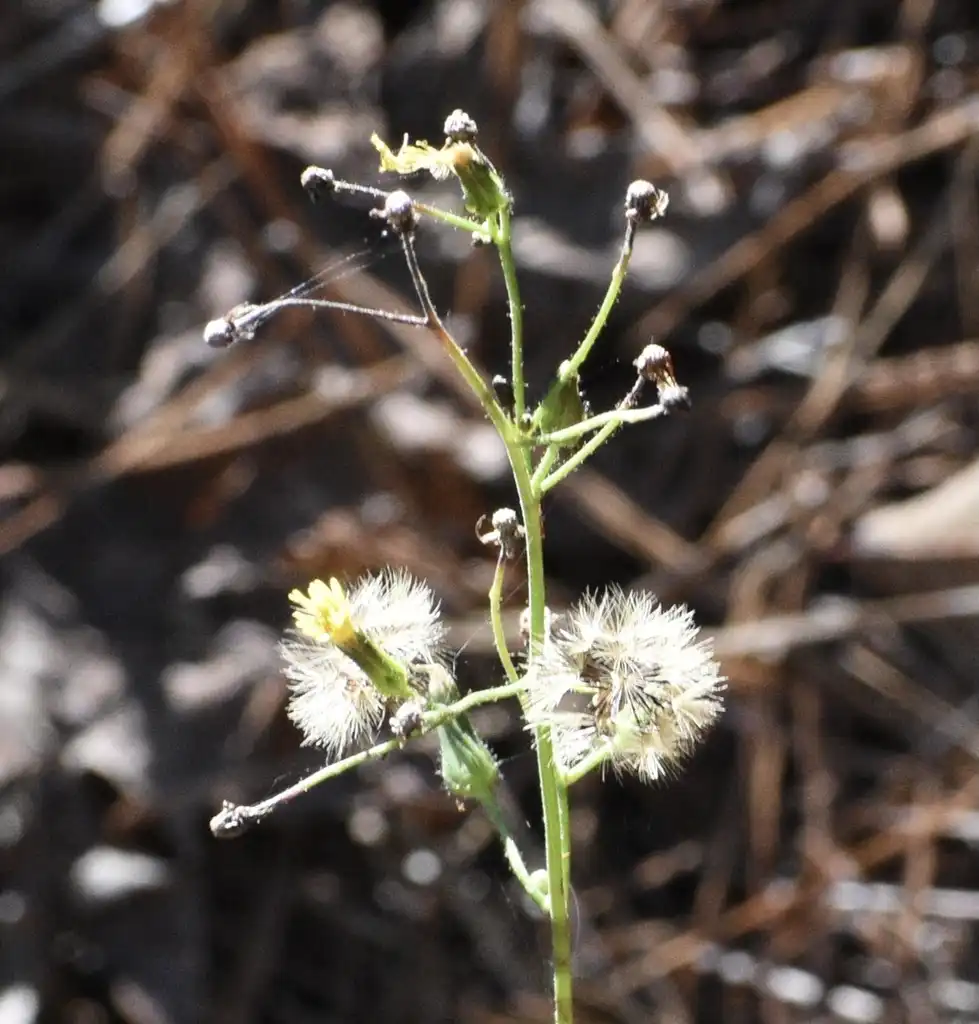
• Photo of Dittrichia graveolens (Dittrichia graveolenss)

Plant Profile: Dittrichia graveolens

Taxonomy: Dittrichia graveolens

Names

Camphor Inula, Cape Khakiweed, Stinking Fleabane, Stinkwort

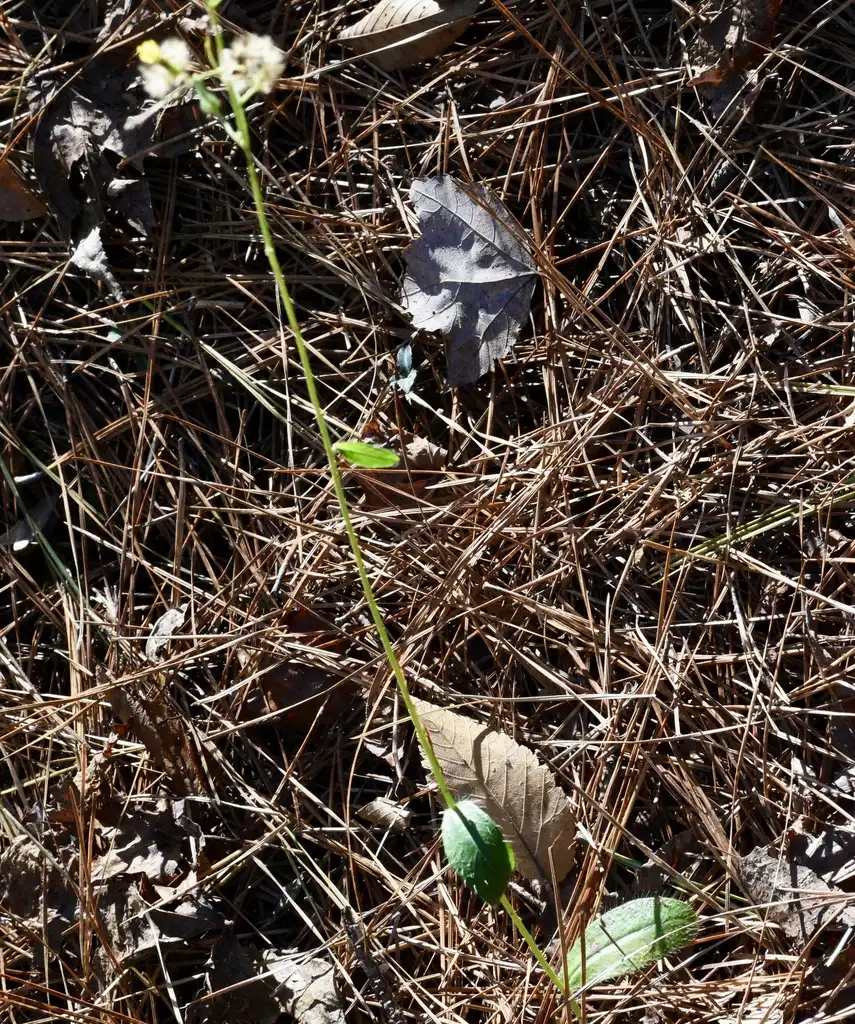
  • Photo of Dittrichia graveolens (Dittrichia graveolenss)

Phonetic Spelling:dit-TRIK-ee-uh grav-ee-OH-lens

Genus:Dittrichia

Species:graveolens

Family:Asteraceae

Stinkwort, an annual weed originally from parts of Europe and the Western Himalayas, has proliferated beyond its native habitat, particularly in California and Australia. It has also been identified in states such as New York, New Jersey, Connecticut, and South Carolina.

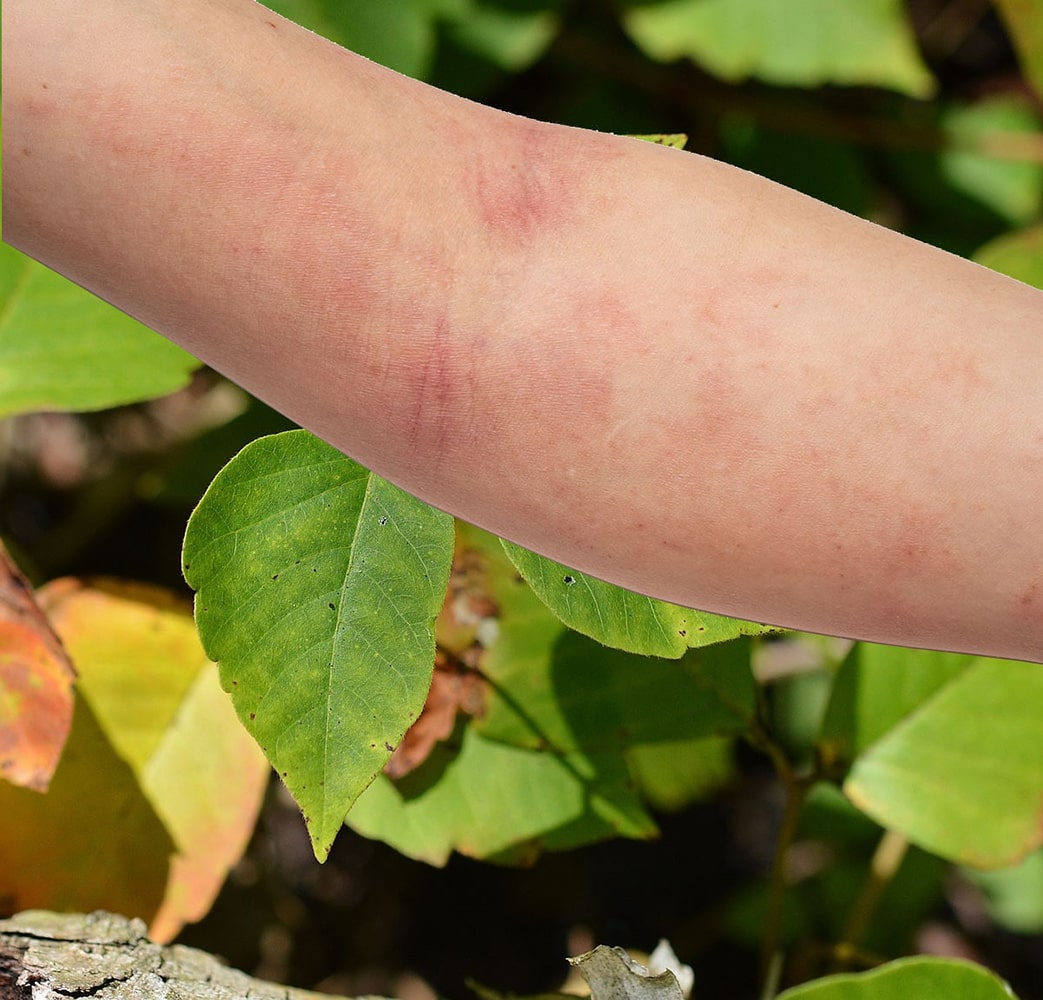
This weed emits a potent-smelling oil from glands located in its leaves and stems, which can lead to contact dermatitis due to its sticky foliage. Therefore, it is advisable to wear protective gloves and clothing when handling it. Additionally, Stinkwort poses a risk to livestock and horses, potentially causing illness or even death. Its flowers produce hairy fruits adorned with fine, barbed bristles that can puncture the stomach, intestines, and bowels of animals if ingested. Furthermore, the oil can adversely affect the flavor of meat and dairy products.

Commonly referred to as Camphor Inula, Cape Khakiweed, and Stinking Fleabane, Stinkwort belongs to the Asteraceae family. The genus name, Dittrichia, honors the German botanist Manfred Dittrich, while the species name, graveolens, is derived from Latin, meaning "strongly scented."

The plant is upright and multi-branched, typically reaching heights of over three feet. Its basal leaves form a rosette, while the stem leaves are smaller and arranged alternately. Small, daisy-like flowers bloom in the fall, and the seeds are oval, covered in fine hairs, and topped with bristles. These seeds germinate during winter and spring, dispersing through wind, water, or by attaching to animals, clothing, or equipment.

Stinkwort exhibits a unique life cycle for an annual plant. It emerges in May, developing branches and leaves from June through September, and produces flowers and seeds from September to December.

This weed poses a significant threat to agricultural areas, often found along roadsides, grazing lands, wastelands, and other disturbed sites. Effectively managing Stinkwort requires the appropriate control measures to be implemented at the right time.

Dittrichia graveolens Feature Summary

Dittrichia graveolens Image Gallery

Tags

#weed
#cattle problems
#annual weed
#malodorus
#contact dermatitis

Similar Plants

Dittrichia graveolens Feature Summary

Attributes
The leaves and stems are used externally to treat lice in chickens. The species is known for its essential oils.
Europe to West Himalaya
Native: Afghanistan, Algeria, Austria, Bulgaria, Cyprus, France, Greece, Iran, Iraq, Italy, Lebanon, Netherlands, Pakistan, Palestine, Portugal, Spain, Syria, Turkey, West Himalaya, and Yugoslavia Introduced: Czechoslovakia, Germany, Great Britain, Switzerland, Queensland, South Australia, Western Australia, New Zealand North, United States--CA, CT, NJ, NY, and SC
Fruit
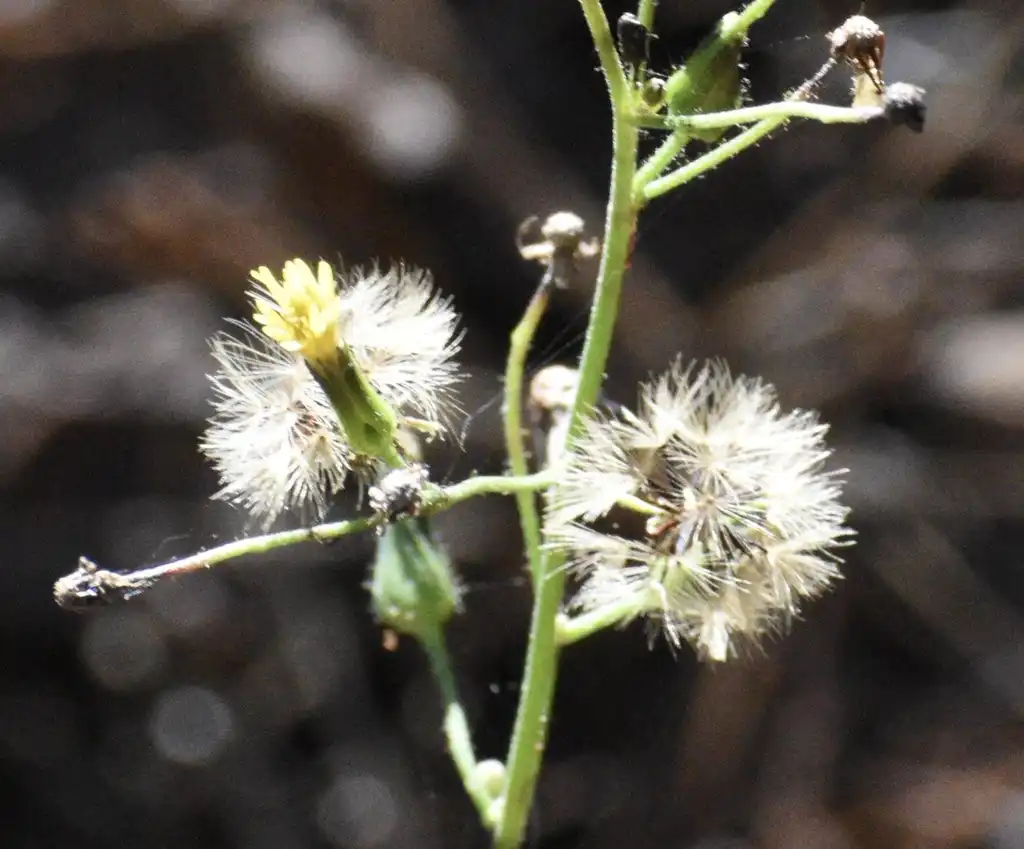
The seed or achene is light brown, oval, and about 2mm long. They are covered with hairs and topped with a ring of numerous layers of hairs or bristles. The seeds are produced from September to December.
Brown/Copper
< 1 inch
Flowers
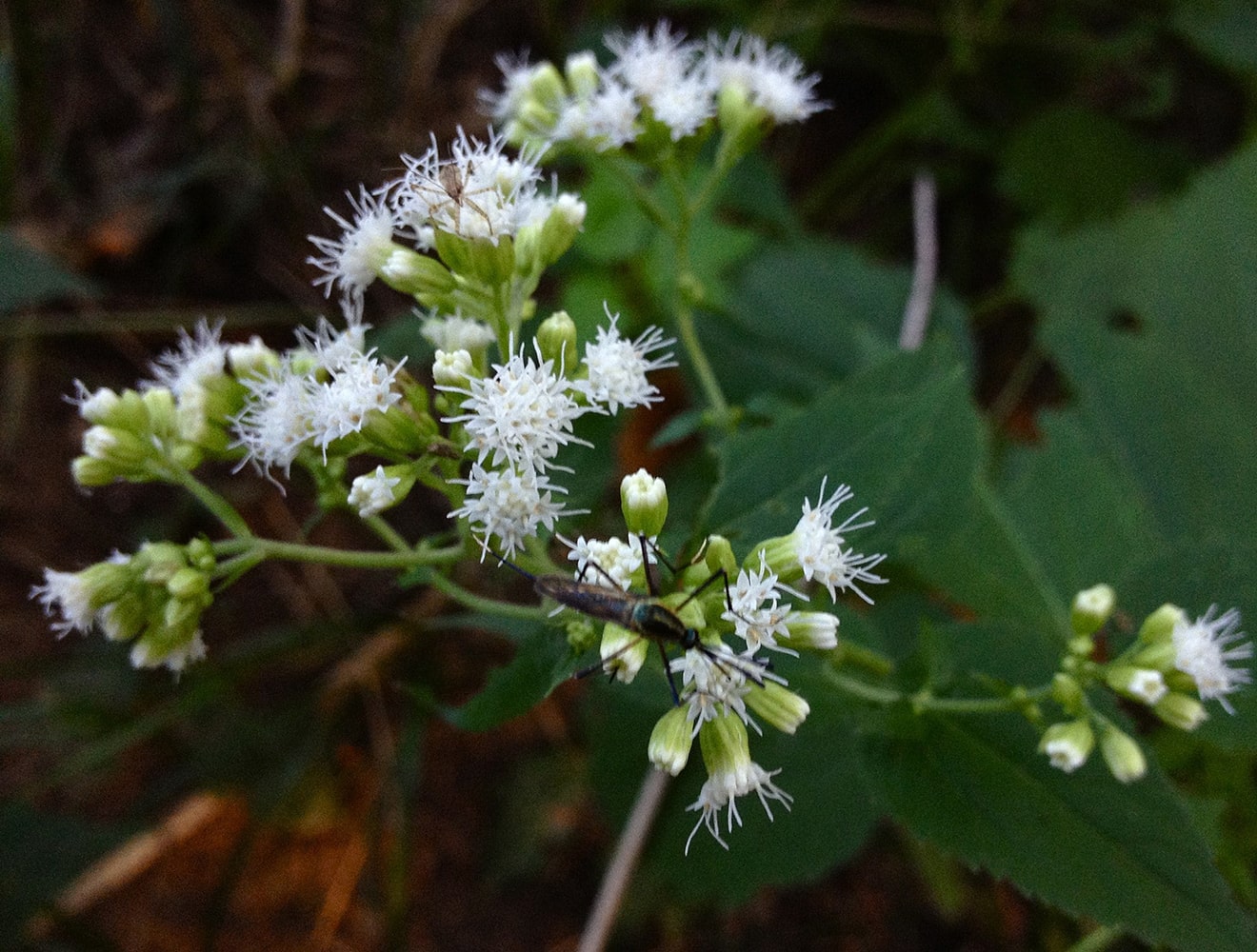
The flowers appear late summer to early winter. Single, small yellow flower heads appear at the tips of branches or in the upper leaf forks. The flower head is about 0.2 to 0.3 inches in diameter. It has 6-12 yellow petal rays on the outer edge and yellow-reddish disk florets in the center. The flower is surrounded by 2 rows of narrow green bracts. The bracts are covered with sticky hairs.
Gold/Yellow
Red/Burgundy
7 - 20 petals/rays
< 1 inch
Leaves
The leaves are lanceolate, narrow in shape, and form a basal rosette. The basal leaves are up to 4 inches long and finely toothed. The stem leaves are smaller (0.5 to 2 inches) with entire margins and appear alternate. The foliage has sticky hairs covered with resin and emits a strong camphor-like odor.
Linear
Lanceolate
Entire
Denticulate
3-6 inches
< 1 inch
Stem
The stem is rigid, branched, erect, and covered with sticky hairs. The base of the stem is slightly woody. The stem usually measures 11-24 inches and sometimes up to 39 inches.
Poisonous to Humans
Human contact with the oils of the leaves and stems may cause contact dermatitis.
Contains sesquiterpenes, flavonoids, and aromatic compounds. Very little data available.
Leaves
Stems
Whole Plant Traits
Cultural Conditions
Full sun (6 or more hours of direct sunlight a day)
Partial Shade (Direct sunlight only part of the day, 2-6 hours)
Good Drainage
Sand
Shallow Rocky
Landscape
Weedy
Contact Dermatitis
Malodorous

Dittrichia graveolens Attributes

Dittrichia graveolens: Uses (Ethnobotany)

The leaves and stems are used externally to treat lice in chickens. The species is known for its essential oils.

Dittrichia graveolens: Country Or Region Of Origin

Europe to West Himalaya

Dittrichia graveolens: Distribution

Native: Afghanistan, Algeria, Austria, Bulgaria, Cyprus, France, Greece, Iran, Iraq, Italy, Lebanon, Netherlands, Pakistan, Palestine, Portugal, Spain, Syria, Turkey, West Himalaya, and Yugoslavia Introduced: Czechoslovakia, Germany, Great Britain, Switzerland, Queensland, South Australia, Western Australia, New Zealand North, United States--CA, CT, NJ, NY, and SC

Dittrichia graveolens: Life Cycle

Annual
Biennial
Bulb
Perennial
Woody

Dittrichia graveolens: Recommended Propagation Strategy

Division
Grafting
Layering
Leaf Cutting
Root Cutting
Seed
Stem Cutting

Dittrichia graveolens Fruit

Dittrichia graveolens: Fruit Description

The seed or achene is light brown, oval, and about 2mm long. They are covered with hairs and topped with a ring of numerous layers of hairs or bristles. The seeds are produced from September to December.

Dittrichia graveolens: Fruit Type

Achene
Aggregate
Berry
Capsule
Caryopsis
Drupe
Follicle
Legume
Nut
Pome
Samara
Schizocarp
Siliqua

Dittrichia graveolens: Fruit Color

grass
Brown/Copper

Dittrichia graveolens: Display/Harvest Time

Fall
Spring
Summer
Winter

Dittrichia graveolens: Fruit Length

< 1 inch
1-3 inches
> 3 inches

Dittrichia graveolens: Fruit Width

< 1 inch
1-3 inches
> 3 inches

Dittrichia graveolens Flowers

Dittrichia graveolens: Flower Description

The flowers appear late summer to early winter. Single, small yellow flower heads appear at the tips of branches or in the upper leaf forks. The flower head is about 0.2 to 0.3 inches in diameter. It has 6-12 yellow petal rays on the outer edge and yellow-reddish disk florets in the center. The flower is surrounded by 2 rows of narrow green bracts. The bracts are covered with sticky hairs.

Dittrichia graveolens: Flower Color

filter_vintage
Gold/Yellow
filter_vintage
Red/Burgundy

Dittrichia graveolens: Flower Inflorescence

Catkin
Corymb
Cyme
Head
Insignificant
Panicle
Raceme
Solitary
Spadix
Spike
Umbel

Dittrichia graveolens: Flower Bloom Time

Winter
Spring
Summer
Fall

Dittrichia graveolens: Flower Petals

2-3 rays/petals
4-5 petals/rays
6 petals/rays
7 - 20 petals/rays
asymmetrical petals
Bracts
Colored Sepals
fused petals
more than 20 petals/rays
Tepals

Dittrichia graveolens: Flower Shape

Bell
Cross
Crown
Cup
Dome
Funnel
Irregular
Lipped
Radial
Saucer
Star
Trumpet
Tubular
Urn
Wheel

Dittrichia graveolens: Flower Size

1-3 inches
3-6 inches
< 1 inch
> 6 inches

Dittrichia graveolens Leaves

Dittrichia graveolens: Leaf Description

The leaves are lanceolate, narrow in shape, and form a basal rosette. The basal leaves are up to 4 inches long and finely toothed. The stem leaves are smaller (0.5 to 2 inches) with entire margins and appear alternate. The foliage has sticky hairs covered with resin and emits a strong camphor-like odor.

Dittrichia graveolens: Leaf Color

spa
Green

Dittrichia graveolens: Leaf Type

Compound (Pinnately , Bipinnately, Palmately)
Fronds
Needles
Sheath
Simple

Dittrichia graveolens: Leaf Arrangement

Alternate
Opposite
Other/more complex
Rosulate
Whorled

Dittrichia graveolens: Leaf Shape

Acicular
Auriculate
Cordate
Cuneate
Deltoid
Elliptical
Filiform
Lanceolate
Linear
Oblanceolate
Oblong
Obovate
Obtuse
Orbicular
Ovate
Palmasect
Palmatifid
Peltate
Pinnatifid
Pinnatisect
Reniform
Rhomboidal
Spatulate
Subcordate
Subulate

Dittrichia graveolens: Leaf Margin

Crenate
Crenulate
Dentate
Denticulate
Doubly Crenate
Doubly Dentate
Doubly Serrate
Entire
Lobed
Serrate
Sinuate
Undulate

Dittrichia graveolens: Hairs Present

No
Yes

Dittrichia graveolens: Leaf Length

< 1 inch
1-3 inches
3-6 inches
> 6 inches

Dittrichia graveolens: Leaf Feel

Fleshy
Glossy
Leathery

Papery
Prickly
Rough
Rubbery
Slippery
Smooth
Soft
Velvety
Waxy

Dittrichia graveolens: Leaf Width

< 1 inch
1-3 inches
3-6 inches
> 6 inches

Dittrichia graveolens Stem

Dittrichia graveolens: Stem Description

The stem is rigid, branched, erect, and covered with sticky hairs. The base of the stem is slightly woody. The stem usually measures 11-24 inches and sometimes up to 39 inches.

Dittrichia graveolens: Stem Color

grass
Green

Dittrichia graveolens: Stem Is Aromatic

No
Yes

Dittrichia graveolens Poisonous to Humans

Dittrichia graveolens: Poison Symptoms

Human contact with the oils of the leaves and stems may cause contact dermatitis.

Dittrichia graveolens: Poison Toxic Principle

Contains sesquiterpenes, flavonoids, and aromatic compounds. Very little data available.

Dittrichia graveolens: Poison Severity

High
Low
Medium

Dittrichia graveolens: Causes Contact Dermatitis

No
Yes

Dittrichia graveolens: Poison Part

Bark
Flowers
Fruits
Leaves
Roots
Sap/Juice
Seeds
Stems

Dittrichia graveolens Whole Plant Traits

Dittrichia graveolens: Plant Type

Annual
Bulb
Carnivorous
Edible
Epiphyte
Fern
Ground Cover
Herb
Herbaceous Perennial
Houseplant
Mushroom
Native Plant
Ornamental Grasses and Sedges
Perennial
Poisonous
Rose
Shrub
Succulent
Tree
Turfgrass
Vegetable
Vine
Water Plant
Weed
Wildflower

Dittrichia graveolens: Habit/Form

Arching
Ascending
Broad
Cascading
Climbing
Clumping
Columnar
Conical
Creeping
Dense
Erect
Horizontal
Irregular
Mounding
Multi-stemmed
Multi-trunked
Open
Oval
Prostrate
Pyramidal
Rounded
Spreading
Vase
Weeping

Dittrichia graveolens: Growth Rate

Slow
Medium
Rapid

Dittrichia graveolens: Maintenance

Low
Medium
High

Dittrichia graveolens Cultural Conditions

Dittrichia graveolens: Light

Dappled Sunlight (Shade through upper canopy all day)
Deep shade (Less than 2 hours to no direct sunlight)
Full sun (6 or more hours of direct sunlight a day)
Partial Shade (Direct sunlight only part of the day, 2-6 hours)

Dittrichia graveolens: Soil Drainage

Frequent Standing Water
Good Drainage
Moist
Occasional Flooding
Occasionally Dry
Occasionally Wet
Very Dry

Dittrichia graveolens: Soil Texture

Clay
High Organic Matter
Loam (Silt)
Sand
Shallow Rocky

Dittrichia graveolens Landscape

Dittrichia graveolens: Problems

Allelopathic
Contact Dermatitis
Frequent Disease Problems
Frequent Insect Problems
Invasive Species
Malodorous
Messy
Poisonous to Humans
Problem for Cats
Problem for Children
Problem for Dogs
Problem for Horses
Short-lived
Spines/Thorns
Weak Wood
Weedy