Plant Profile: Equisetum praealtum

Taxonomy: Equisetum praealtum

Names

Scouring Rush, Tall Scouring-rush

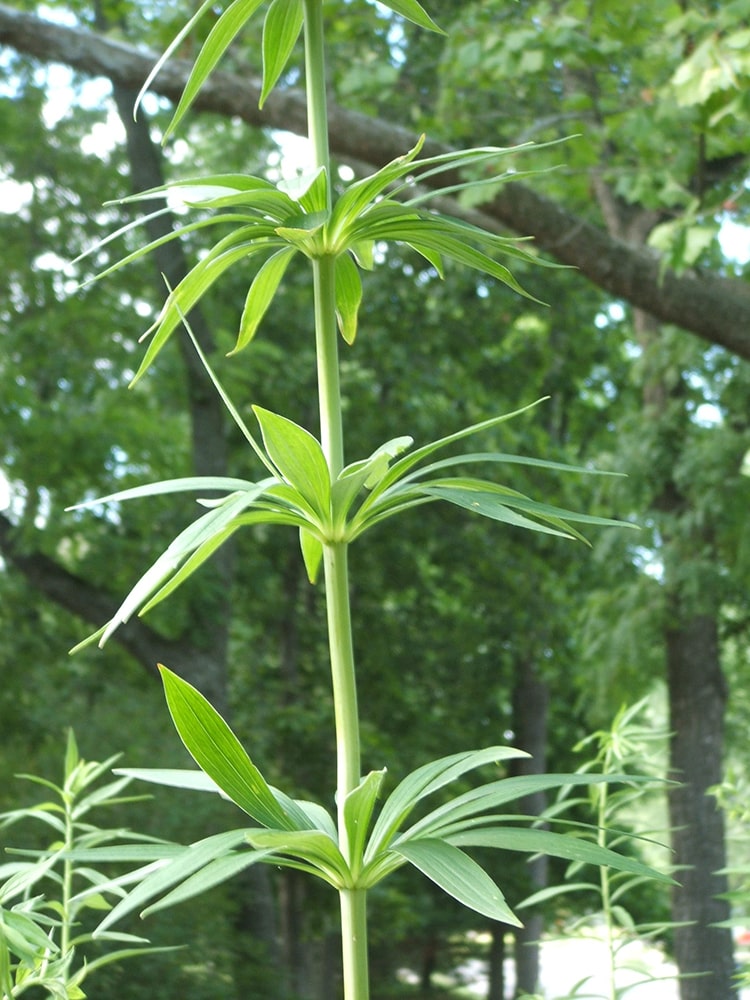
  • Photo of Equisetum praealtum (Equisetum praealtums)

Phonetic Spelling:ek-wis-SEE-tum pray-AL-tum

Genus:Equisetum

Species:praealtum

Family:Equisetaceae

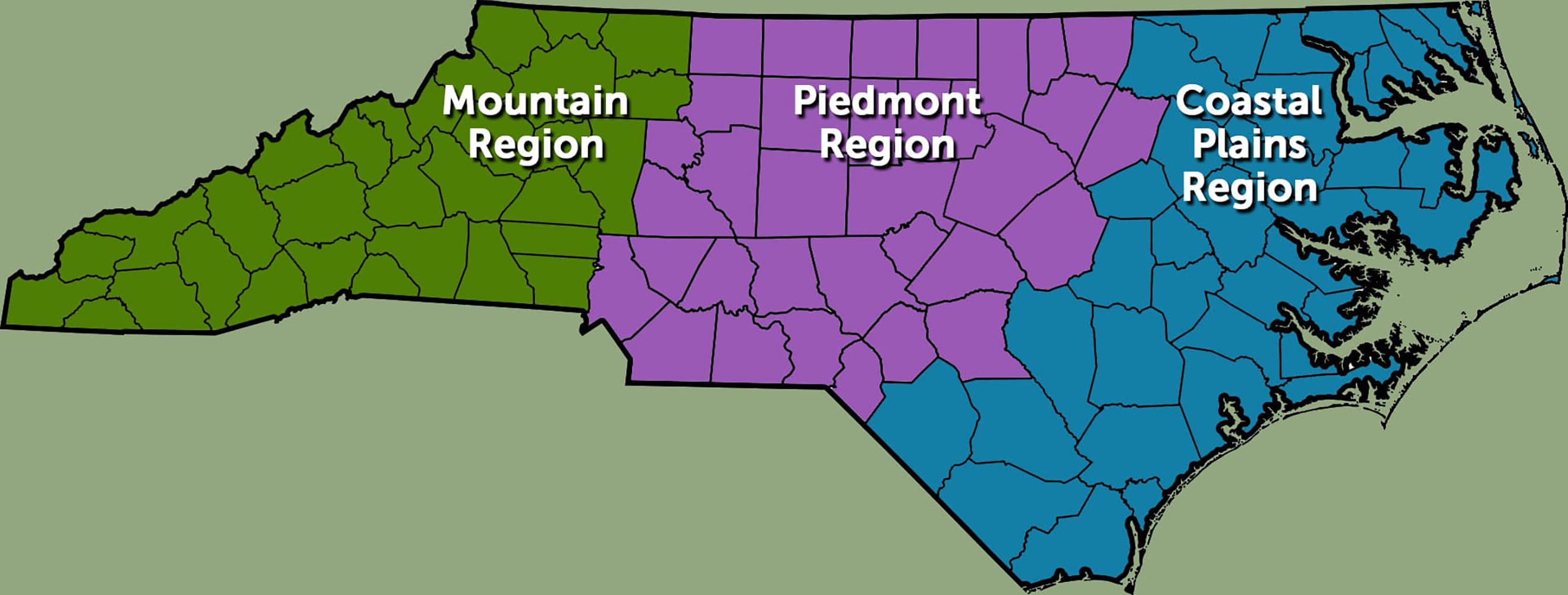
The Tall Scouring-rush is a native, evergreen perennial rush that thrives in both open and wooded environments, typically found along the banks of streams, the edges of ponds, in ditches, on floodplains, in runoff flats, and on wet ledges. This species is present across the lower 48 states.

With its smooth, segmented leaves, it adds a unique touch to aquatic landscapes or can be effectively cultivated in containers. However, if you choose to use a container, it is advisable to avoid drainage holes.

This plant serves as a favored perch for dragonflies.

In terms of challenges, it is considered an aggressive species that may pose issues with insects, diseases, and other plant-related problems.

Equisetum praealtum Feature Summary

Equisetum praealtum Image Gallery

Tags

#evergreen
#native perennial
#wet sites
#stream banks
#NC native
#deer resistant
#floodplain
#food source summer
#food source herbage
#Coastal FACW
#Piedmont Mountains FACW
#wet soils tolerant
#mammals
#waterfowl
#insects
#rushes
#audubon

Similar Plants

Equisetum praealtum Feature Summary

Attributes
North America, China
AK, AL, AR, AZ, CA, CO, CT, DC, DE, FL, GA, IA, ID, IL, IN, KS, KY, LA, MA, MD, ME, MI, MN, MO, MS, MT, NC, ND, NE, NH, NJ, NM, NV, NY OH, OK, OR, PA, RI, SC, SD, TN, TX UT, VA, VT, WA, WI, WV, WY
Perennial
Textural
Buffer
Defines Paths
Fruit
This plant does not have fruit but does have cones. Spores are available from May to September.
Whole Plant Traits
Perennial
Native Plant
Herb
Cultural Conditions
Full sun (6 or more hours of direct sunlight a day)
Partial Shade (Direct sunlight only part of the day, 2-6 hours)
Moist
Occasionally Wet
Occasionally Dry
Occasional Flooding
Coastal
Mountains
Piedmont
Clay
Loam (Silt)
Sand
Landscape
Rain Garden
Native Garden
Water Garden
Border
Accent
Small groups
Barrier
Container
Patio
Woodland
Meadow
Naturalized Area
Slope/Bank
Pool/Hardscape
Coastal
Riparian
Pond
Near Septic
Small Mammals

Equisetum praealtum Attributes

Equisetum praealtum: Country Or Region Of Origin

North America, China

Equisetum praealtum: Distribution

AK, AL, AR, AZ, CA, CO, CT, DC, DE, FL, GA, IA, ID, IL, IN, KS, KY, LA, MA, MD, ME, MI, MN, MO, MS, MT, NC, ND, NE, NH, NJ, NM, NV, NY OH, OK, OR, PA, RI, SC, SD, TN, TX UT, VA, VT, WA, WI, WV, WY

Equisetum praealtum: Life Cycle

Annual
Biennial
Bulb
Perennial
Woody

Equisetum praealtum: Recommended Propagation Strategy

Division
Grafting
Layering
Leaf Cutting
Root Cutting
Seed
Stem Cutting

Equisetum praealtum: Play Value

Attractive Flowers
Attracts Pollinators
Buffer
Colorful
Defines Paths
Easy to Grow
Edible fruit
Fragrance
Pieces Used in Games
Screening
Shade
Sound
Textural
Wildlife Cover/Habitat
Wildlife Food Source
Wildlife Larval Host
Wildlife Nesting
Wind Break
Wind Shimmer

Equisetum praealtum Fruit

Equisetum praealtum: Fruit Description

This plant does not have fruit but does have cones. Spores are available from May to September.

Equisetum praealtum: Fruit Value To Gardener

Edible
Fragrant
Good Cut
Good Dried
Long Bloom Season
Long-lasting
Showy

Equisetum praealtum: Display/Harvest Time

Fall
Spring
Summer
Winter

Equisetum praealtum Whole Plant Traits

Equisetum praealtum: Plant Type

Annual
Bulb
Carnivorous
Edible
Epiphyte
Fern
Ground Cover
Herb
Herbaceous Perennial
Houseplant
Mushroom
Native Plant
Ornamental Grasses and Sedges
Perennial
Poisonous
Rose
Shrub
Succulent
Tree
Turfgrass
Vegetable
Vine
Water Plant
Weed
Wildflower

Equisetum praealtum: Woody Plant Leaf Characteristics

Broadleaf Evergreen
Deciduous
Needled Evergreen
Semi-evergreen

Equisetum praealtum: Habit/Form

Arching
Ascending
Broad
Cascading
Climbing
Clumping
Columnar
Conical
Creeping
Dense
Erect
Horizontal
Irregular
Mounding
Multi-stemmed
Multi-trunked
Open
Oval
Prostrate
Pyramidal
Rounded
Spreading
Vase
Weeping

Equisetum praealtum Cultural Conditions

Equisetum praealtum: Light

Dappled Sunlight (Shade through upper canopy all day)
Deep shade (Less than 2 hours to no direct sunlight)
Full sun (6 or more hours of direct sunlight a day)
Partial Shade (Direct sunlight only part of the day, 2-6 hours)

Equisetum praealtum: Soil Drainage

Frequent Standing Water
Good Drainage
Moist
Occasional Flooding
Occasionally Dry
Occasionally Wet
Very Dry

Equisetum praealtum: NC Region

Coastal
Mountains
Piedmont

Equisetum praealtum: Soil Texture

Clay
High Organic Matter
Loam (Silt)
Sand
Shallow Rocky

Equisetum praealtum Leaves

Equisetum praealtum: Woody Plant Leaf Characteristics

Broadleaf Evergreen
Deciduous
Needled Evergreen
Semi-evergreen

Equisetum praealtum: Leaf Arrangement

Alternate
Opposite
Other/more complex
Rosulate
Whorled

Equisetum praealtum: Hairs Present

No
Yes

Equisetum praealtum Stem

Equisetum praealtum: Stem Is Aromatic

No
Yes

Equisetum praealtum Landscape

Equisetum praealtum: Landscape Theme

Asian Garden
Butterfly Garden
Children's Garden
Cottage Garden
Cutting Garden
Drought Tolerant Garden
Edible Garden
English Garden
Fairy Garden
Garden for the Blind
Native Garden
Nighttime Garden
Pollinator Garden
Rain Garden
Rock Garden
Shade Garden
Water Garden
Winter Garden

Equisetum praealtum: Design Feature

Accent
Barrier
Border
Flowering Tree
Foundation Planting
Hedge
Mass Planting
Screen/Privacy
Security
Shade Tree
Small groups
Small Tree
Specimen
Street Tree
Understory Tree

Equisetum praealtum: Resistance To Challenges

Black Walnut
Compaction
Deer
Diseases
Drought
Dry Soil
Erosion
Fire
Foot Traffic
Heat
Heavy Shade
Humidity
Insect Pests
Pollution
Poor Soil
Rabbits
Salt
Slugs
Squirrels
Storm damage
Urban Conditions
Voles
Wet Soil
Wind

Equisetum praealtum: Landscape Location

Coastal
Container
Hanging Baskets
Houseplants
Lawn
Meadow
Naturalized Area
Near Septic
Patio
Pond
Pool/Hardscape
Recreational Play Area
Riparian
Rock Wall
Slope/Bank
Small Space
Vertical Spaces
Walkways
Woodland

Equisetum praealtum: Attracts

Bats
Bees
Butterflies
Frogs
Hummingbirds
Moths
Pollinators
Predatory Insects
Reptiles
Small Mammals
Songbirds
Specialized Bees