Eriophorum latifolium: Country Or Region Of Origin
Europe, Asia
Phonetic Spelling:er-ee-OH-for-um lat-ee-FOH-lee-um
Genus:Eriophorum
Species:latifolium
Family:Cyperaceae
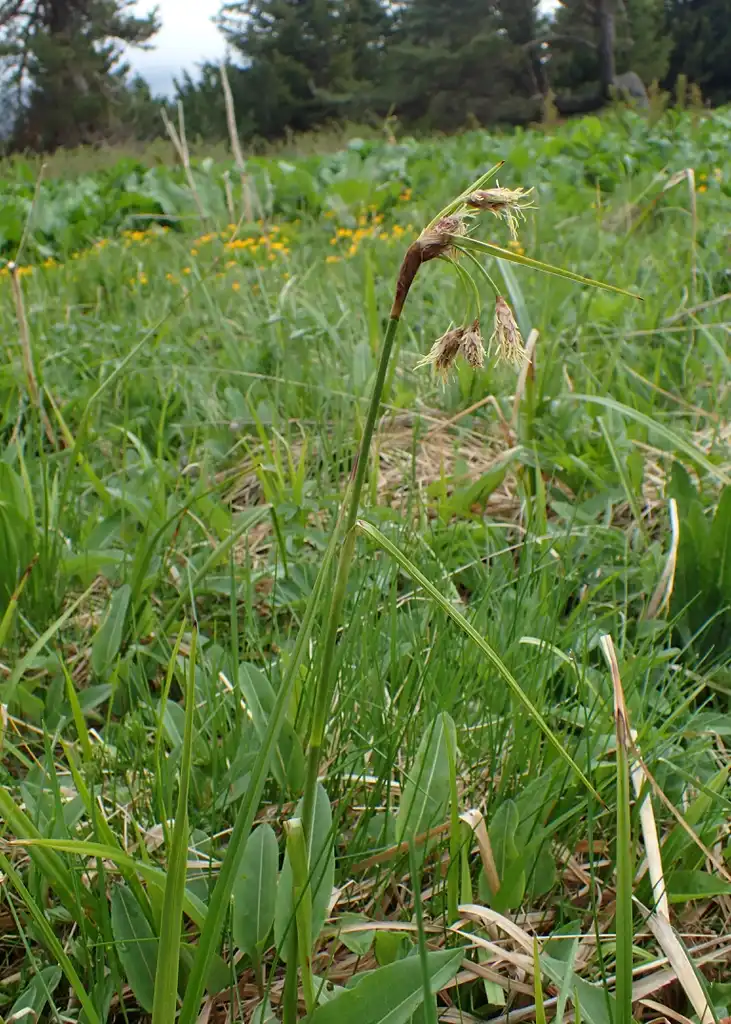
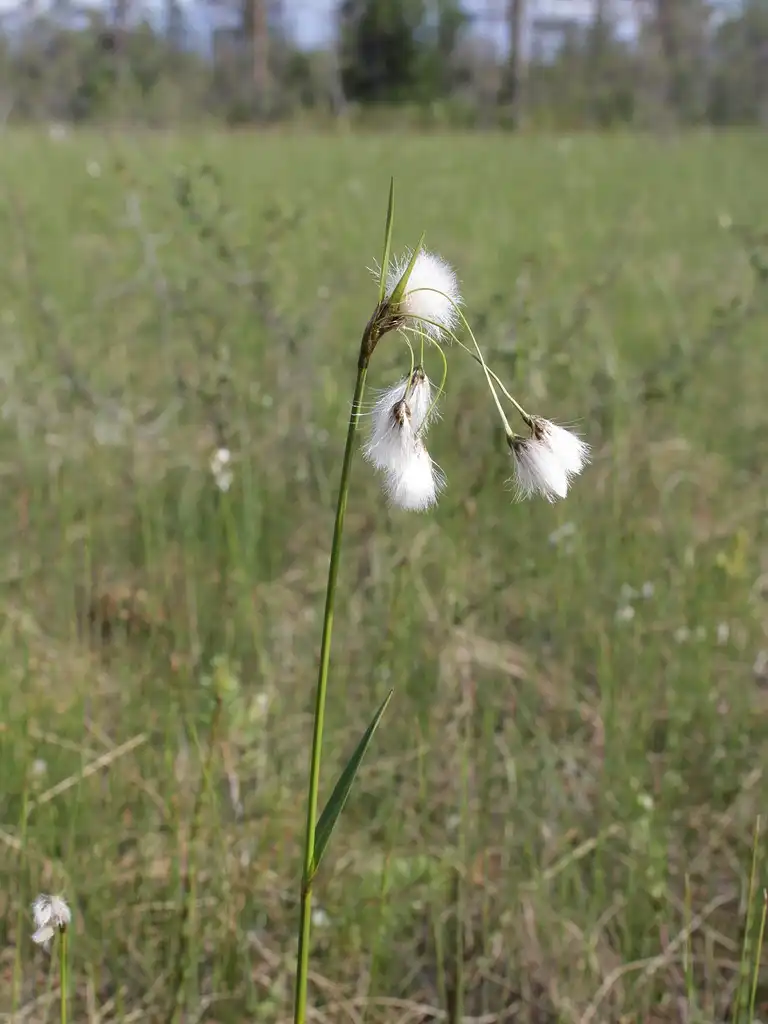
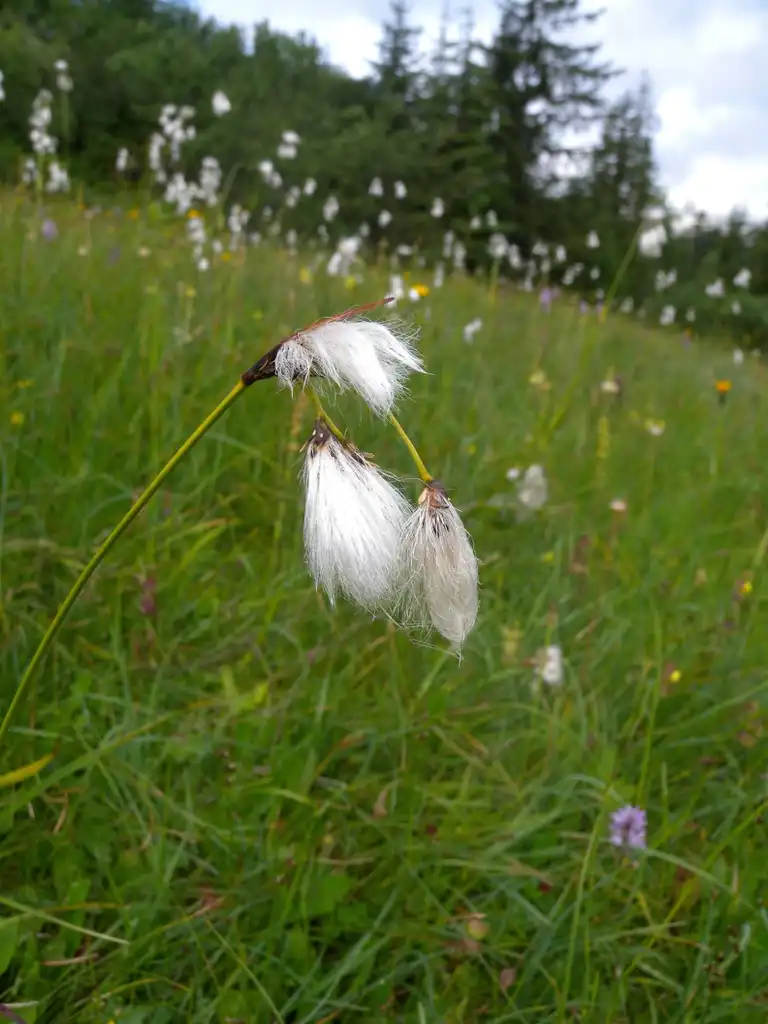
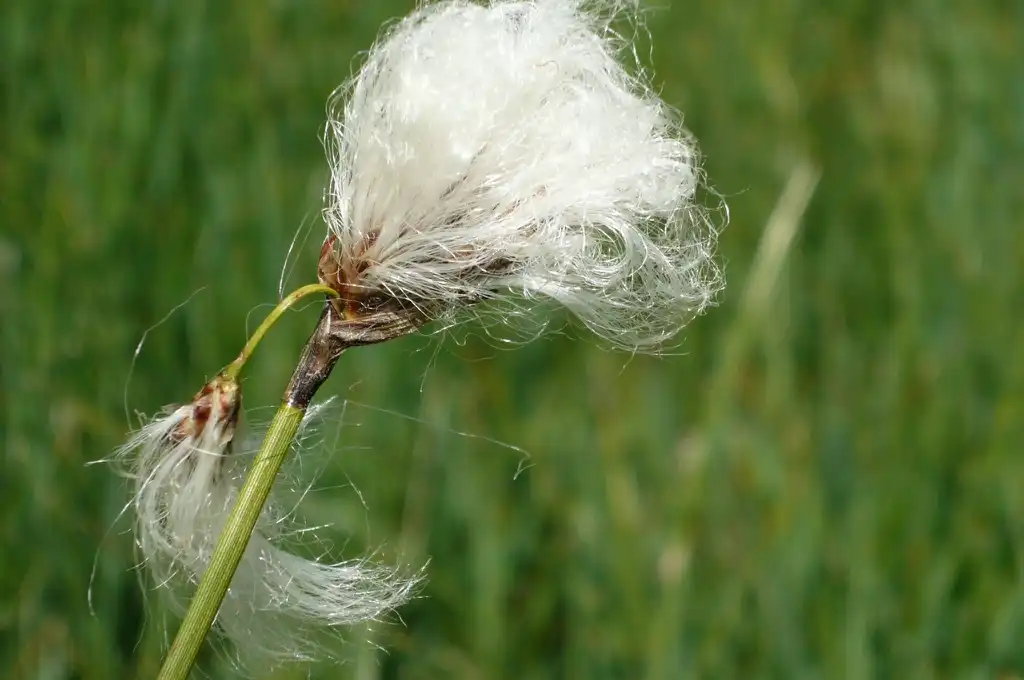
This perennial plant, commonly referred to as cottongrass, is actually a sedge rather than a true grass. Unlike grass leaves, which are flat, sedge leaves are long and have a shallow triangular shape in cross-section. The latifolium species can be somewhat elusive in North Carolina, yet it bears a close resemblance to other cottongrass species, particularly Eriophorum angustifolium. Although it is known as Broad Leaved Cotton Grass, its leaves are only marginally wider and flatter than those of E. angustifolium, measuring approximately 8 mm or slightly more. The prefixes "augusti" and "lati" derive from Latin, meaning narrow and broad-leaved, respectively; however, the latifolium is only slightly broader than the augustifolium. The term Eriophorum comes from Greek, translating to "wool bearing."
The following information mirrors that found on the Eriophorum angustifolium page, as these two sedges exhibit similar growth patterns.
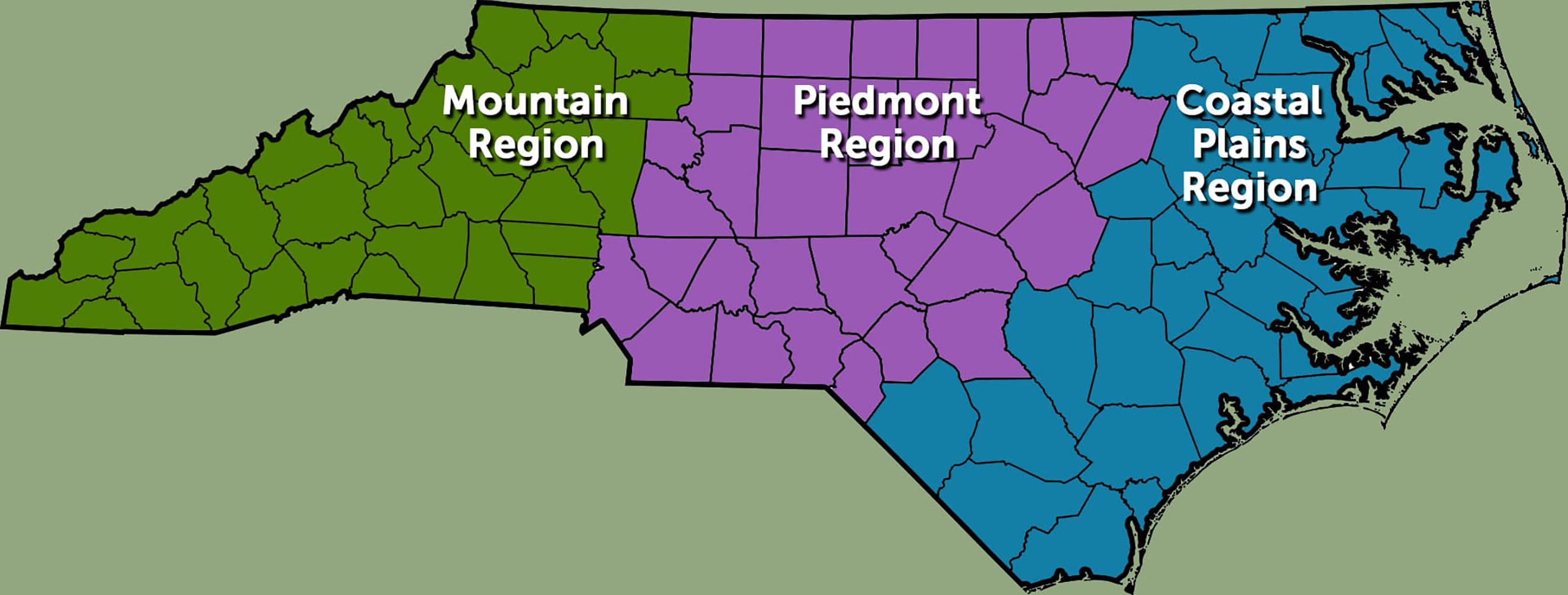
This perennial sedge is not indigenous to the mid-Atlantic region, extending from Pennsylvania southward, nor is it found throughout the southern states. In its native habitats—primarily the northern U.S. and Siberia—it thrives in wet environments such as marshes, bogs, and shallow waters, including wet ditches. It can also flourish in moist soil near ponds and rivers, preferring acidic pH levels. While it favors peat, it can also adapt to sandy or clay soils and grows well in full sun to partial shade.
With proper attention to its location, water, soil, and nutrient requirements, this plant can adjust to conditions that are less than ideal for its native growth.
Eriophorum latifolium can be cultivated in pots or garden water features with about 2 to 3 inches of standing water. Typically, this sedge reaches a height of around 12 inches, although it can grow up to 2 to 3 feet in certain regions. It reproduces through both seeds and root expansion.
The plant features angular, v-shaped leaves and produces clusters of white, cotton-like flowers on leafy stems. To prevent unwanted spreading, it is essential to remove the seeds before they mature and are dispersed by the wind, and to divide the plant's roots approximately every two years.
Cottongrasses are often self-pollinating due to their "perfect" flowers, which contain both male (stamen) and female (carpel) reproductive structures. Some varieties are also pollinated by the wind.
Eriophorum latifolium Feature Summary
Eriophorum latifolium Image Gallery