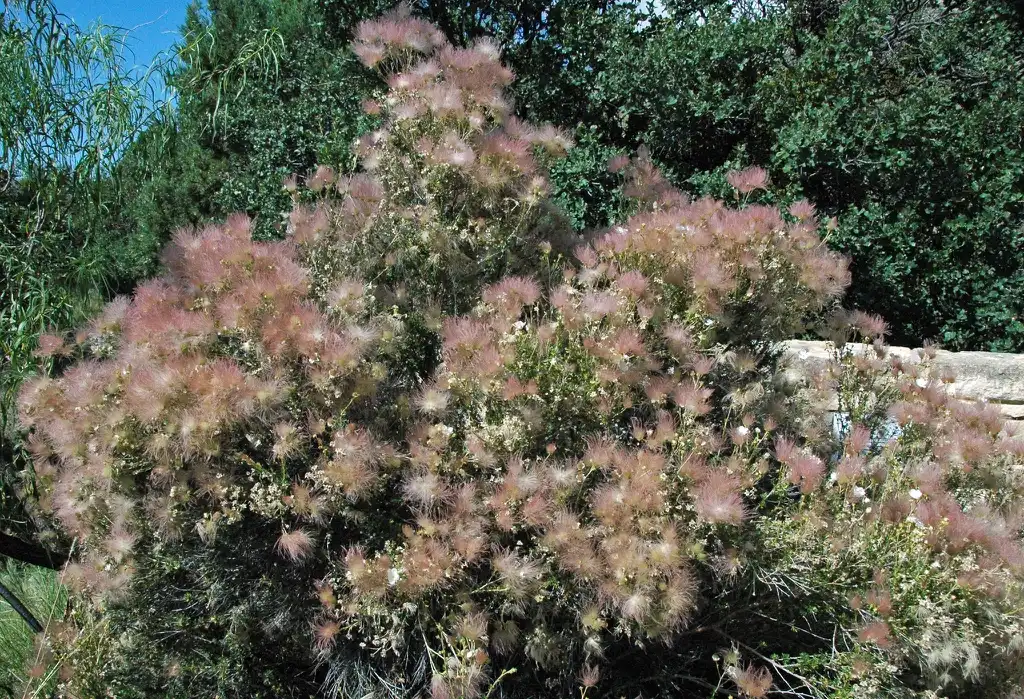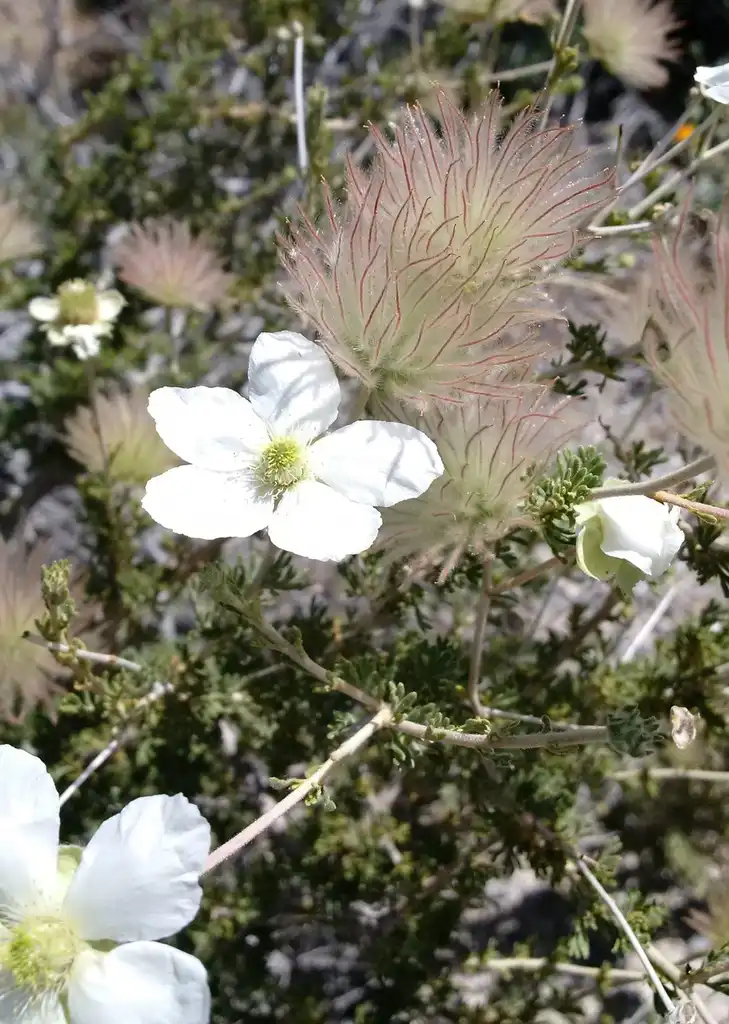
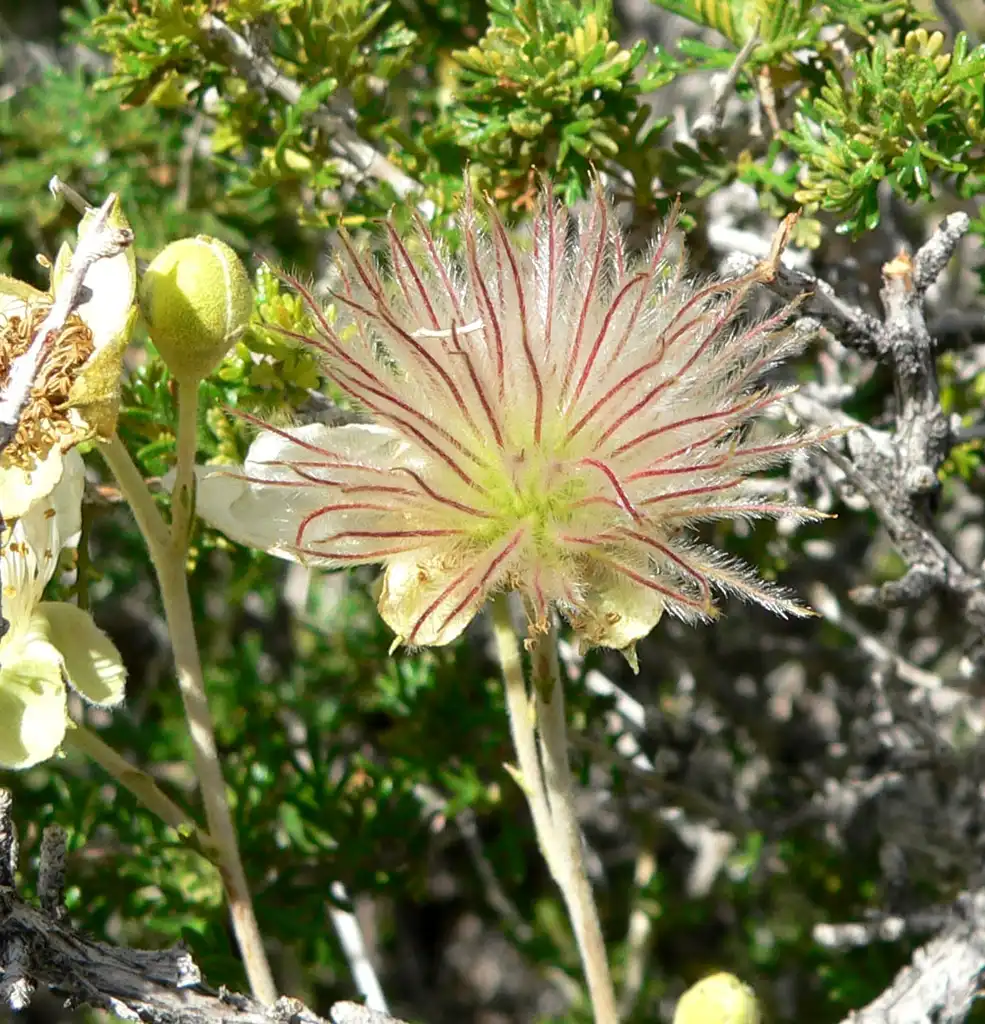
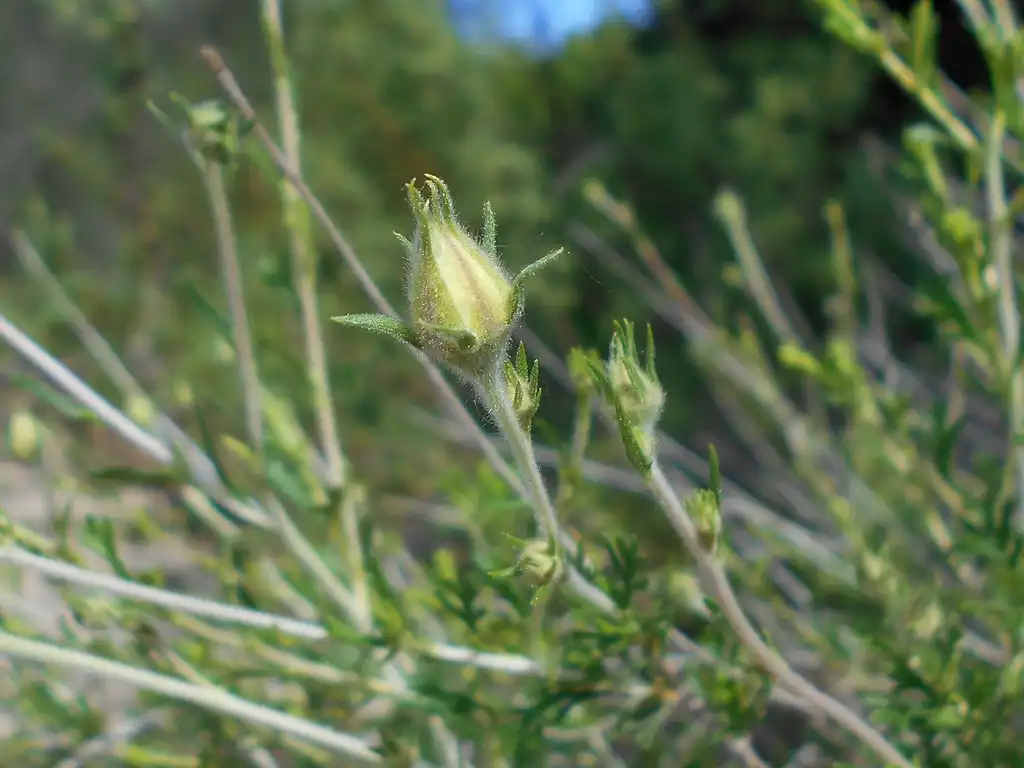
• Photo of Fallugia paradoxa (Fallugia paradoxas)

Plant Profile: Fallugia paradoxa

Taxonomy: Fallugia paradoxa

Names

Apache Plume

  • Photo of Fallugia paradoxa (Fallugia paradoxas)

Phonetic Spelling:fuh-LOO-ee-guh par-uh-DOCKS-uh

Genus:Fallugia

Species:paradoxa

Family:Rosaceae

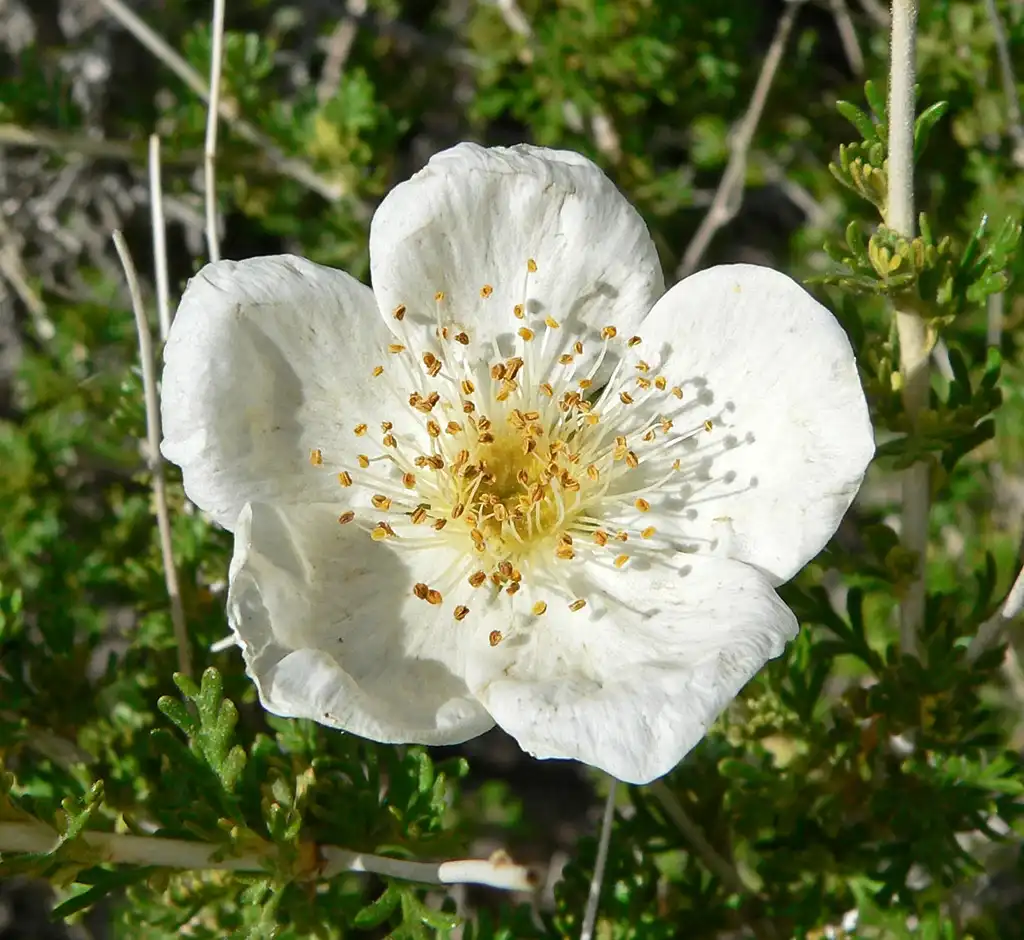
Apache Plume is a native deciduous shrub found in the southwestern United States, typically reaching heights of 2 to 6 feet. This plant features dense, slender stems that are tangled and covered in grayish-white hairs. Its striking, saucer-shaped white flowers, measuring about 2 inches across, bloom from spring through fall.

This shrub thrives in dry, rocky soils that are rich in limestone, as well as in sandy loam or clay loam, preferring full sun to partial shade. Notably drought-resistant, Apache Plume is an excellent choice for slopes, where it can effectively help prevent erosion. Additionally, it has a tendency to self-seed vigorously.

Fallugia paradoxa Feature Summary

Fallugia paradoxa Image Gallery

Tags

#evergreen

Similar Plants

Fallugia paradoxa Feature Summary

Attributes
Native Americans used the plant for medicinal purposes. Twigs used for arrows.
AZ , CA , CO , NM , NV , OK , TX , UT
Attracts pollinators. Shrub provides cover for wildlife and nesting material.
Fruit
The fruit has pink, feathery plumes and is persistent.
Flowers
White flowers with yellow center in spring; five petals; cluster of pinkish white feathery plumes in summer.
Pink
White
Gold/Yellow
Spring
Summer
4-5 petals/rays
1-3 inches
Leaves
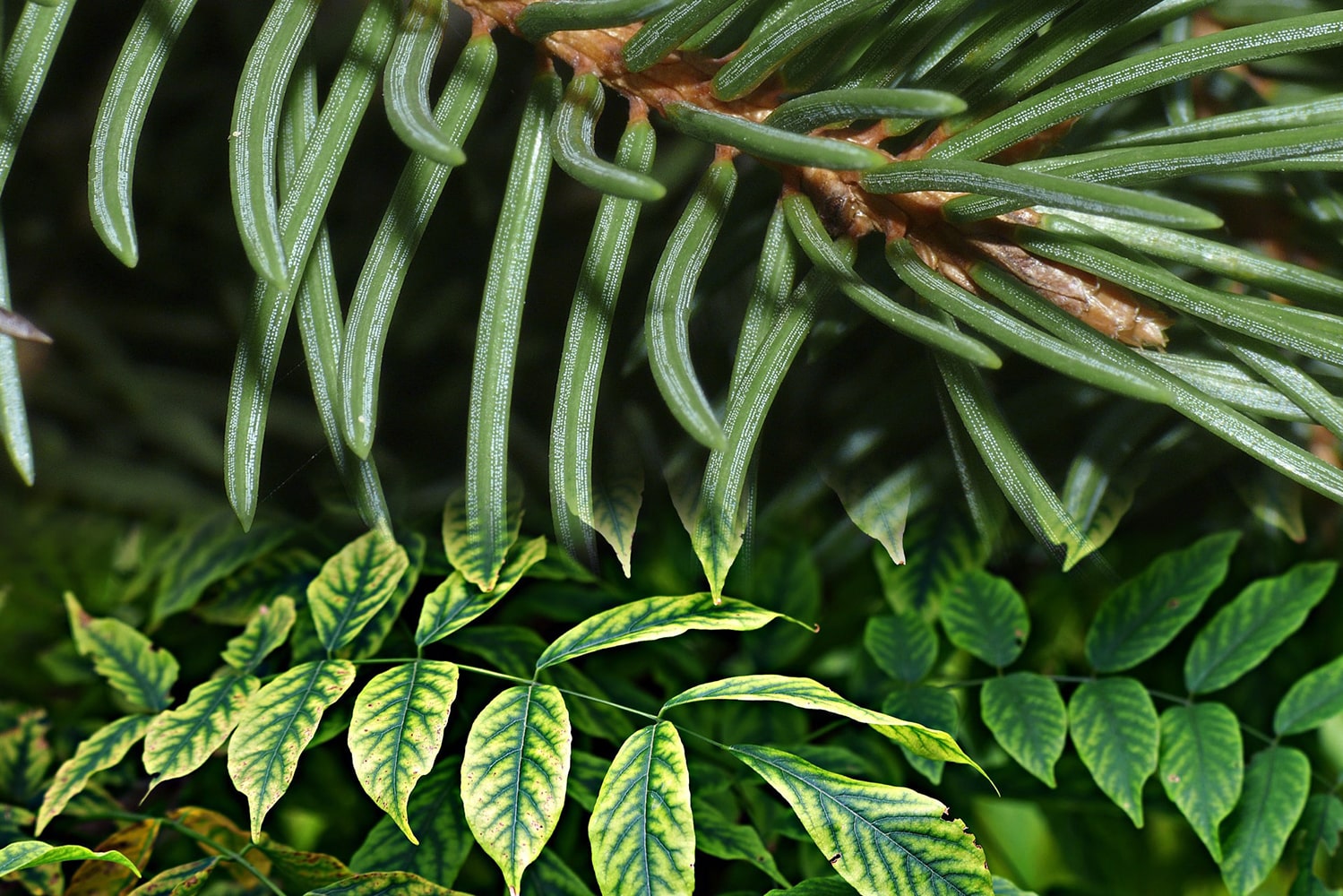
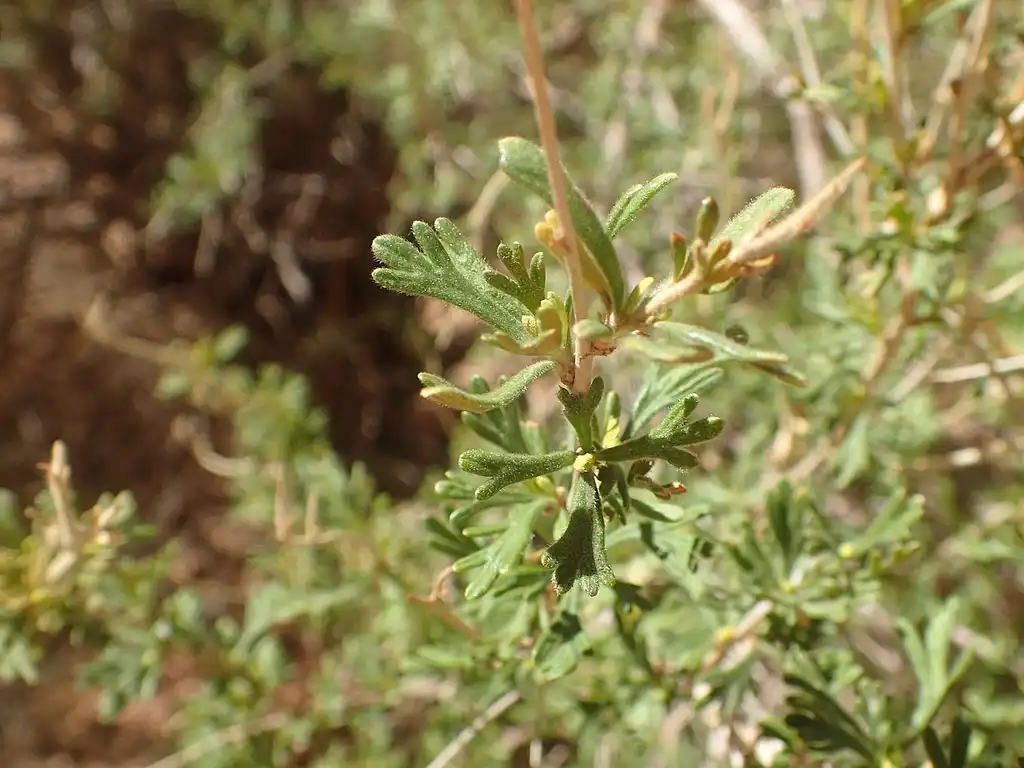
Alternate, simple blue-green leaves are 0.2 in. long with 3-7 rounded lobes. The leaf is green and hairy with paler scaley undersides.
Green
Blue
< 1 inch
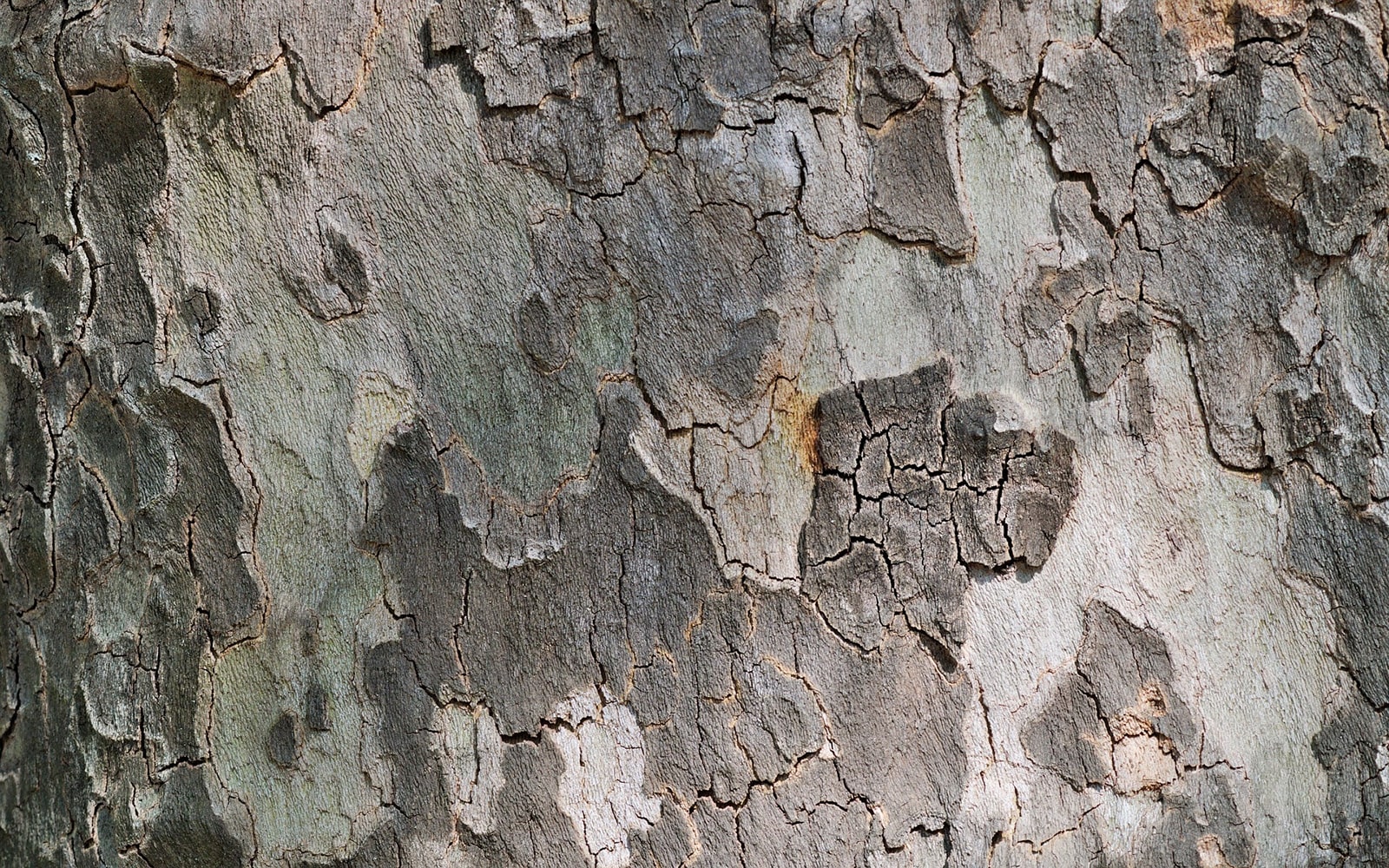
Bark
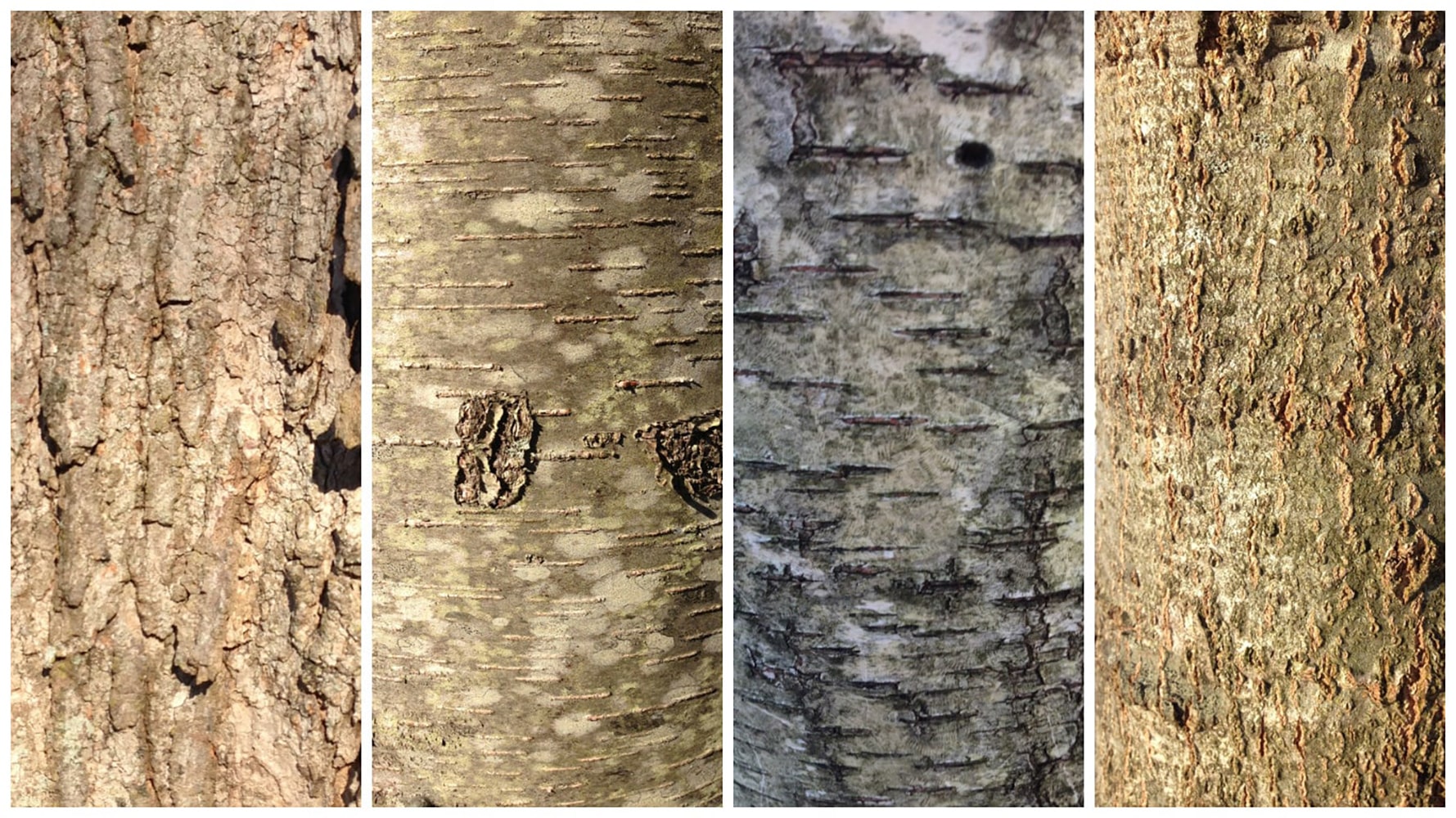
light gray or whitish peeling bark
Light Gray
White
Whole Plant Traits
Multi-stemmed
Clumping
Cultural Conditions
Full sun (6 or more hours of direct sunlight a day)
7a
7b
8b
8a
9a
9b
10a
10b
Landscape

Fallugia paradoxa Attributes

Fallugia paradoxa: Uses (Ethnobotany)

Native Americans used the plant for medicinal purposes. Twigs used for arrows.
Fallugia paradoxa: Country Or Region Of Origin

SW USA

Fallugia paradoxa: Distribution

AZ , CA , CO , NM , NV , OK , TX , UT

Fallugia paradoxa: Wildlife Value

Attracts pollinators. Shrub provides cover for wildlife and nesting material.

Fallugia paradoxa Fruit

Fallugia paradoxa: Fruit Description

The fruit has pink, feathery plumes and is persistent.

Fallugia paradoxa Flowers

Fallugia paradoxa: Flower Description

White flowers with yellow center in spring; five petals; cluster of pinkish white feathery plumes in summer.

Fallugia paradoxa: Flower Color

filter_vintage
Gold/Yellow
filter_vintage
Pink
filter_vintage
White

Fallugia paradoxa: Flower Bloom Time

Winter
Spring
Summer
Fall

Fallugia paradoxa: Flower Petals

2-3 rays/petals
4-5 petals/rays
6 petals/rays
7 - 20 petals/rays
asymmetrical petals
Bracts
Colored Sepals
fused petals
more than 20 petals/rays
Tepals

Fallugia paradoxa: Flower Size

1-3 inches
3-6 inches
< 1 inch
> 6 inches

Fallugia paradoxa Leaves

Fallugia paradoxa: Leaf Description

Alternate, simple blue-green leaves are 0.2 in. long with 3-7 rounded lobes. The leaf is green and hairy with paler scaley undersides.

Fallugia paradoxa: Woody Plant Leaf Characteristics

Broadleaf Evergreen
Deciduous
Needled Evergreen
Semi-evergreen

Fallugia paradoxa: Leaf Color

spa
Blue
spa
Green

Fallugia paradoxa: Leaf Type

Compound (Pinnately , Bipinnately, Palmately)
Fronds
Needles
Sheath
Simple

Fallugia paradoxa: Leaf Arrangement

Alternate
Opposite
Other/more complex
Rosulate
Whorled

Fallugia paradoxa: Leaf Margin

Crenate
Crenulate
Dentate
Denticulate
Doubly Crenate
Doubly Dentate
Doubly Serrate
Entire
Lobed
Serrate
Sinuate
Undulate

Fallugia paradoxa: Hairs Present

No
Yes

Fallugia paradoxa: Leaf Length

< 1 inch
1-3 inches
3-6 inches
> 6 inches

Fallugia paradoxa Bark

Fallugia paradoxa: Bark Description

light gray or whitish peeling bark

Fallugia paradoxa: Bark Color

grass
Light Gray
grass
White

Fallugia paradoxa Whole Plant Traits

Fallugia paradoxa: Plant Type

Annual
Bulb
Carnivorous
Edible
Epiphyte
Fern
Ground Cover
Herb
Herbaceous Perennial
Houseplant
Mushroom
Native Plant
Ornamental Grasses and Sedges
Perennial
Poisonous
Rose
Shrub
Succulent
Tree
Turfgrass
Vegetable
Vine
Water Plant
Weed
Wildflower

Fallugia paradoxa: Woody Plant Leaf Characteristics

Broadleaf Evergreen
Deciduous
Needled Evergreen
Semi-evergreen

Fallugia paradoxa: Habit/Form

Arching
Ascending
Broad
Cascading
Climbing
Clumping
Columnar
Conical
Creeping
Dense
Erect
Horizontal
Irregular
Mounding
Multi-stemmed
Multi-trunked
Open
Oval
Prostrate
Pyramidal
Rounded
Spreading
Vase
Weeping

Fallugia paradoxa Cultural Conditions

Fallugia paradoxa: Light

Dappled Sunlight (Shade through upper canopy all day)
Deep shade (Less than 2 hours to no direct sunlight)
Full sun (6 or more hours of direct sunlight a day)
Partial Shade (Direct sunlight only part of the day, 2-6 hours)

Fallugia paradoxa: USDA Plant Hardiness Zone

thermostat
10a
thermostat
10b
thermostat
7a
thermostat
7b
thermostat
8a
thermostat
8b
thermostat
9a
thermostat
9b

Fallugia paradoxa Stem

Fallugia paradoxa: Stem Is Aromatic

No
Yes

Fallugia paradoxa Landscape

Fallugia paradoxa: Landscape Theme

Asian Garden
Butterfly Garden
Children's Garden
Cottage Garden
Cutting Garden
Drought Tolerant Garden
Edible Garden
English Garden
Fairy Garden
Garden for the Blind
Native Garden
Nighttime Garden
Pollinator Garden
Rain Garden
Rock Garden
Shade Garden
Water Garden
Winter Garden

Fallugia paradoxa: Landscape Location

Coastal
Container
Hanging Baskets
Houseplants
Lawn
Meadow
Naturalized Area
Near Septic
Patio
Pond
Pool/Hardscape
Recreational Play Area
Riparian
Rock Wall
Slope/Bank
Small Space
Vertical Spaces
Walkways
Woodland