Ficus auriculata: Country Or Region Of Origin
India, Vietnam, Myanmar and SW China
Phonetic Spelling:Fy-kus aw-rik-yoo-LAY-tuh
Genus:Ficus
Species:auriculata
Family:Moraceae
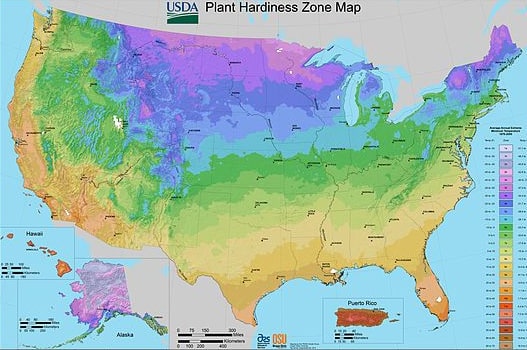
Roxburgh Fig is a sprawling evergreen tree native to the humid lowland tropics. Commonly found along riverbanks, this tree may feature multiple trunks. While it is generally categorized as an evergreen, it can shed its leaves during prolonged cold spells. The ideal temperature range for its growth is between 60 and 75 degrees Fahrenheit, although it can endure temperatures from 55 to 90 degrees. However, exposure to temperatures below 30 degrees can cause significant harm or even death to the plant.
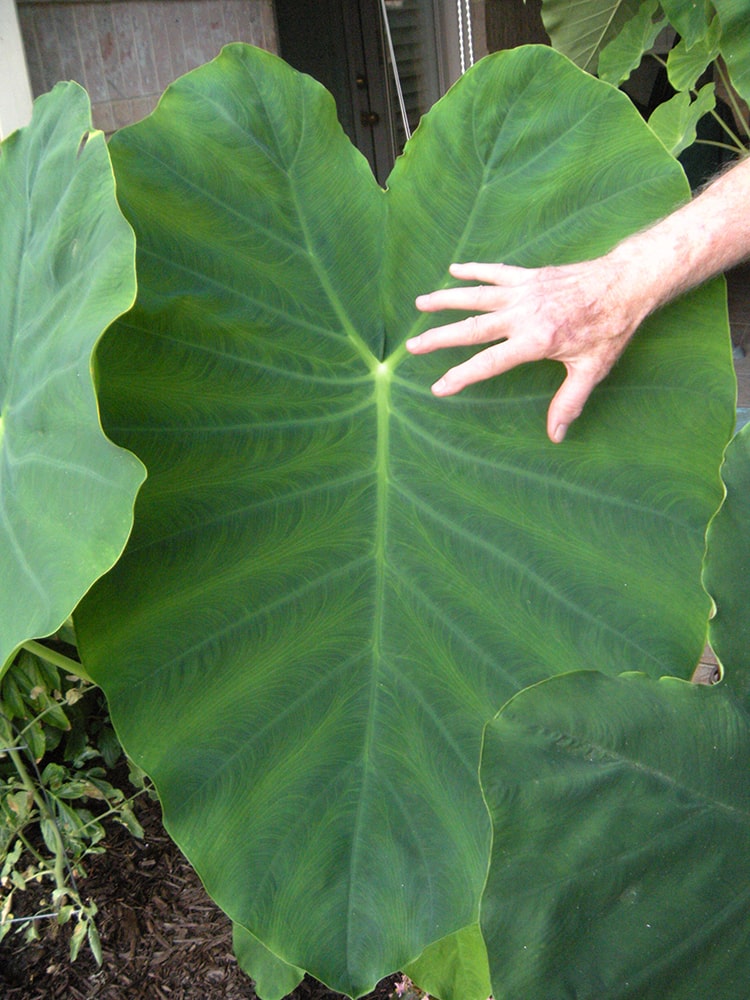
The tree is named after Sir William Roxburgh, a pioneer in Indian botany. The term "auricle," derived from Latin, means "ear," which refers to the two ear-like structures at the base of its heart-shaped leaves.
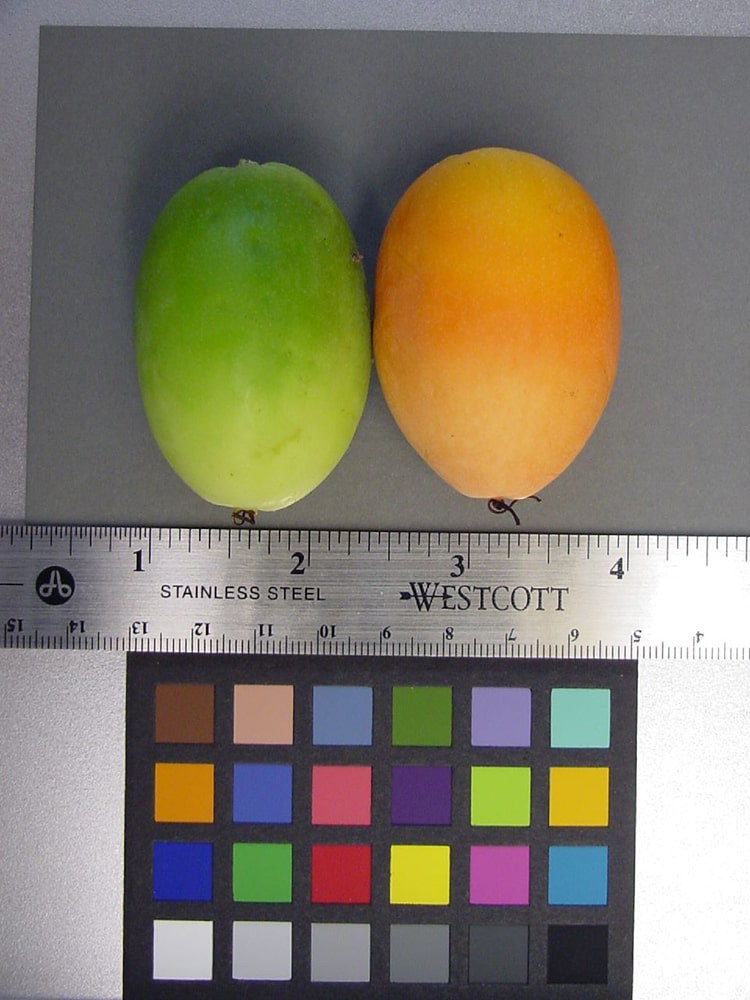
The fruit of the Roxburgh Fig is edible and frequently foraged from the wild. These fruits grow in large clusters on the trunk, branches, and even at the roots, often resulting in trees with their bases covered in hundreds of fruits. They can be consumed raw or cooked and are commonly used in jams, juices, and curries.
New growth emerges in a striking deep coppery-red hue before maturing to green. The tree's large leaves, which can reach lengths of up to 21 inches and widths of 12 inches, are often utilized as natural plates.
Like many fig species, the Roxburgh Fig relies on a specific type of wasp for pollination, which in turn depends on the fig for reproduction. The tree produces three types of flowers: male, long-style female, and short-style female (gall flower). A female wasp enters the fig to lay her eggs on the short-style flowers while simultaneously pollinating the long-style flowers. The wingless male wasps emerge, mate with the females, and create exit tunnels for them. As the females leave, they gather pollen in search of figs with receptive flowers.
In terms of pests and diseases, the fruit can create a mess, and the tree's branches are relatively weak. Keeping the plant smaller can mitigate this issue. It is also vulnerable to scale insects and may experience minor problems with gall, mealybugs, thrips, whiteflies, and spider mites.
Ficus auriculata Feature Summary
Ficus auriculata Image Gallery