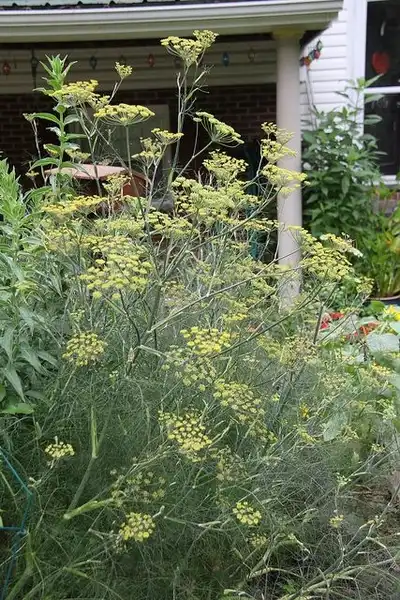
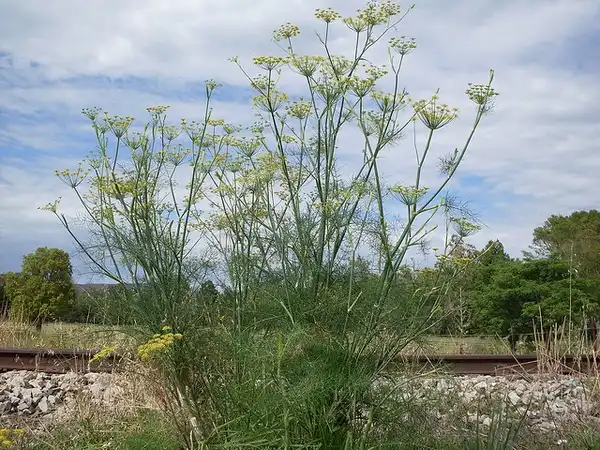
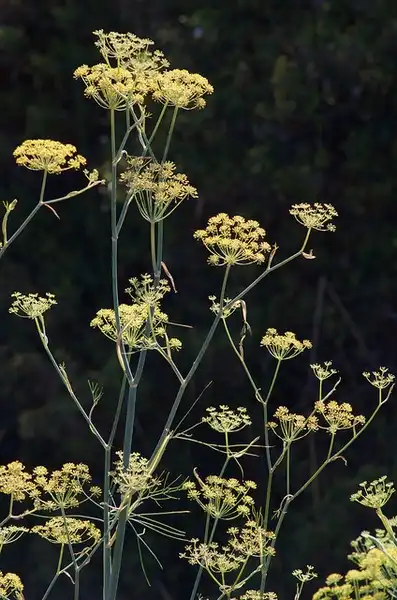
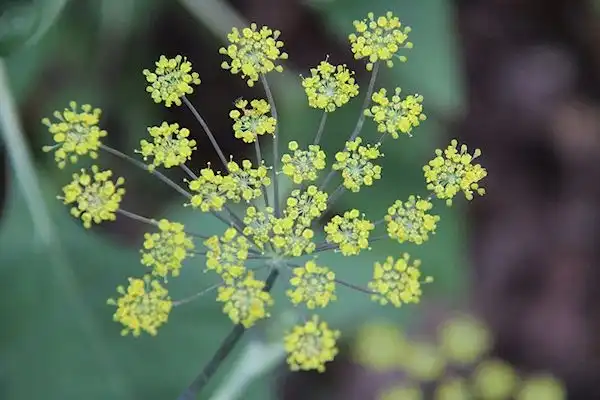
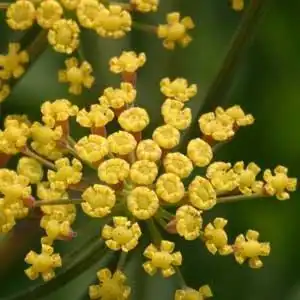
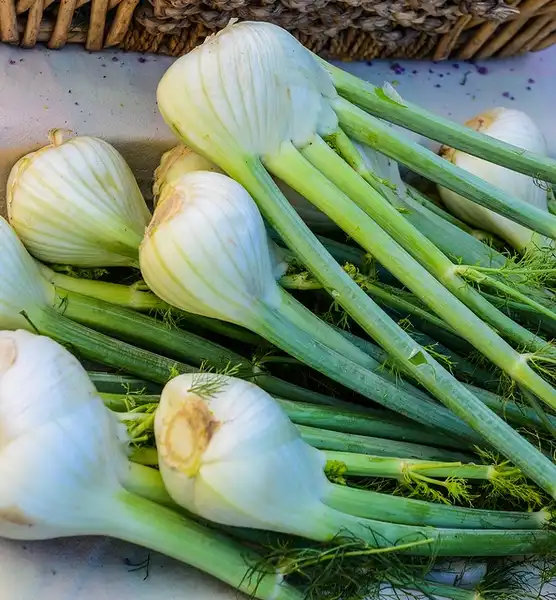
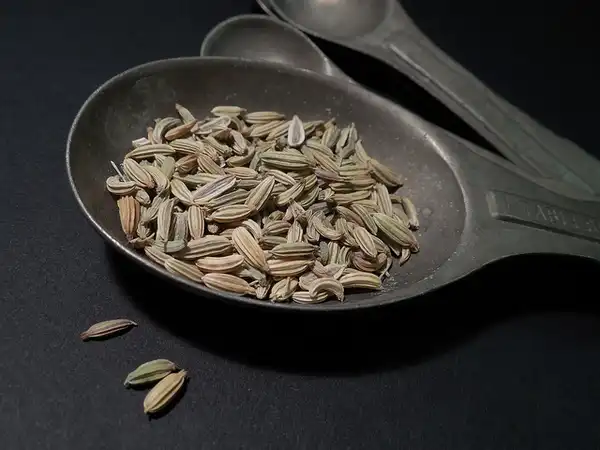
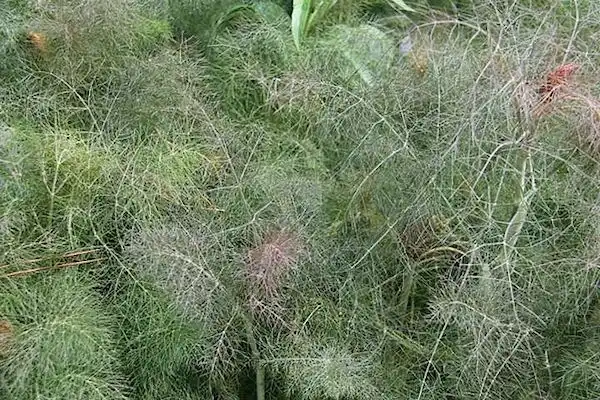
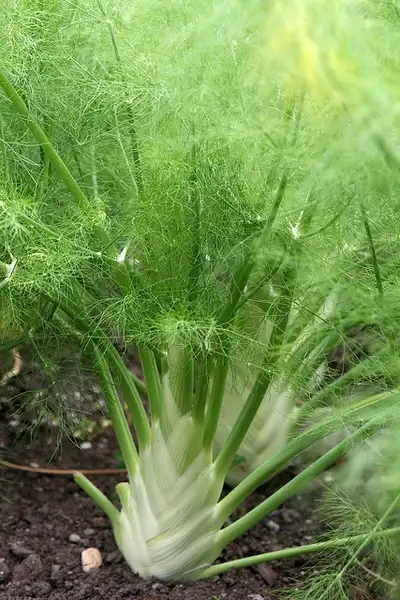
• Photo of Foeniculum vulgare (Foeniculum vulgares)

Plant Profile: Foeniculum vulgare

Taxonomy: Foeniculum vulgare

Names

Bronze Fennel, Fennel, Finocchio, Florence Fennel

  • Photo of Foeniculum vulgare (Foeniculum vulgares)

Phonetic Spelling:fin-ICK-yoo-lum vul-GAR-eh

Genus:Foeniculum

Species:vulgare

Family:Apiaceae

Typically cultivated as a yearly plant, fennel blossoms possess a sweet flavor with subtle hints of anise or licorice. They are commonly incorporated into egg and fish recipes.

Foeniculum vulgare Feature Summary

Foeniculum vulgare Image Gallery

Tags

#yellow
#edible plant
#wildlife plant
#swallowtail butterflies
#herb garden
#pollinator plant
#butterfly friendly
#bee friendly
#non-toxic for horses
#non-toxic for dogs
#non-toxic for cats

Similar Plants

Foeniculum vulgare is often confused with:

Foeniculum vulgare Feature Summary

Attributes
Attracts bees and other beneficial insects, feeds caterpillars that morph into swallowtail butterflies.
Perennial
Wildlife Food Source
Whole Plant Traits
Cultural Conditions
Full sun (6 or more hours of direct sunlight a day)
Less than 12 inches
Landscape
Edible Garden
Butterfly Garden
Pollinator Garden
Butterflies
Pollinators
Bees

Foeniculum vulgare Attributes

Foeniculum vulgare: Wildlife Value

Attracts bees and other beneficial insects, feeds caterpillars that morph into swallowtail butterflies.

Foeniculum vulgare: Life Cycle

Annual
Biennial
Bulb
Perennial
Woody

Foeniculum vulgare: Play Value

Attractive Flowers
Attracts Pollinators
Buffer
Colorful
Defines Paths
Easy to Grow
Edible fruit
Fragrance
Pieces Used in Games
Screening
Shade
Sound
Textural
Wildlife Cover/Habitat
Wildlife Food Source
Wildlife Larval Host
Wildlife Nesting
Wind Break
Wind Shimmer

Foeniculum vulgare Whole Plant Traits

Foeniculum vulgare: Plant Type

Annual
Bulb
Carnivorous
Edible
Epiphyte
Fern
Ground Cover
Herb
Herbaceous Perennial
Houseplant
Mushroom
Native Plant
Ornamental Grasses and Sedges
Perennial
Poisonous
Rose
Shrub
Succulent
Tree
Turfgrass
Vegetable
Vine
Water Plant
Weed
Wildflower

Foeniculum vulgare: Habit/Form

Arching
Ascending
Broad
Cascading
Climbing
Clumping
Columnar
Conical
Creeping
Dense
Erect
Horizontal
Irregular
Mounding
Multi-stemmed
Multi-trunked
Open
Oval
Prostrate
Pyramidal
Rounded
Spreading
Vase
Weeping

Foeniculum vulgare: Maintenance

Low
Medium
High

Foeniculum vulgare: Texture

Fine
Medium
Coarse

Foeniculum vulgare Cultural Conditions

Foeniculum vulgare: Light

Dappled Sunlight (Shade through upper canopy all day)
Deep shade (Less than 2 hours to no direct sunlight)
Full sun (6 or more hours of direct sunlight a day)
Partial Shade (Direct sunlight only part of the day, 2-6 hours)

Foeniculum vulgare: Available Space To Plant

12 inches-3 feet
12-24 feet
24-60 feet
3 feet-6 feet
6-feet-12 feet
Less than 12 inches
more than 60 feet

Foeniculum vulgare Fruit

Foeniculum vulgare: Fruit Color

grass
Green
grass
White

Foeniculum vulgare: Fruit Value To Gardener

Edible
Fragrant
Good Cut
Good Dried
Long Bloom Season
Long-lasting
Showy

Foeniculum vulgare Flowers

Foeniculum vulgare: Flower Color

filter_vintage
Gold/Yellow

Foeniculum vulgare: Flower Inflorescence

Catkin
Corymb
Cyme
Head
Insignificant
Panicle
Raceme
Solitary
Spadix
Spike
Umbel

Foeniculum vulgare: Flower Value To Gardener

Edible
Fragrant
Good Cut
Good Dried
Long Bloom Season
Long-lasting
Showy

Foeniculum vulgare Leaves

Foeniculum vulgare: Leaf Color

spa
Green

Foeniculum vulgare: Hairs Present

No
Yes

Foeniculum vulgare: Leaf Value To Gardener

Edible
Fragrant
Good Cut
Good Dried
Long-lasting
Showy

Foeniculum vulgare Stem

Foeniculum vulgare: Stem Color

grass
Green

Foeniculum vulgare: Stem Is Aromatic

No
Yes

Foeniculum vulgare Landscape

Foeniculum vulgare: Landscape Theme

Asian Garden
Butterfly Garden
Children's Garden
Cottage Garden
Cutting Garden
Drought Tolerant Garden
Edible Garden
English Garden
Fairy Garden
Garden for the Blind
Native Garden
Nighttime Garden
Pollinator Garden
Rain Garden
Rock Garden
Shade Garden
Water Garden
Winter Garden

Foeniculum vulgare: Attracts

Bats
Bees
Butterflies
Frogs
Hummingbirds
Moths
Pollinators
Predatory Insects
Reptiles
Small Mammals
Songbirds
Specialized Bees