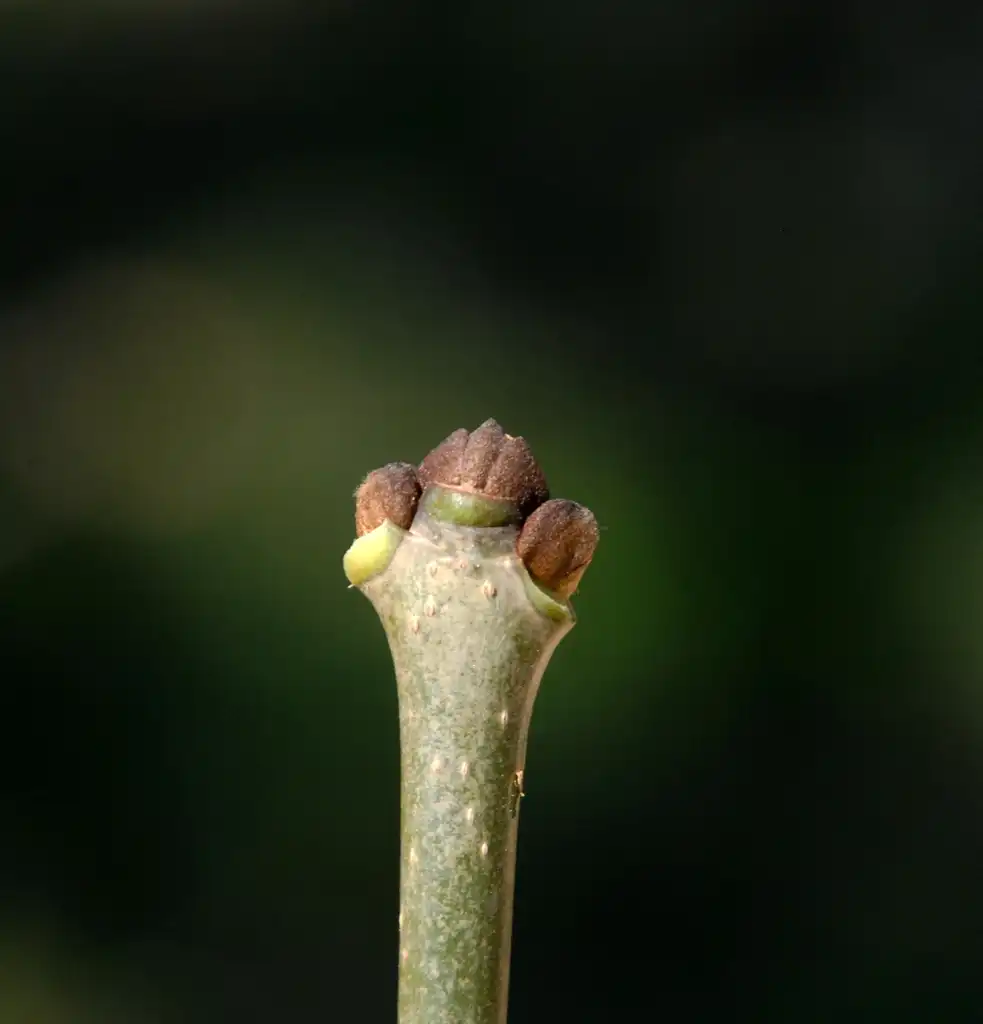
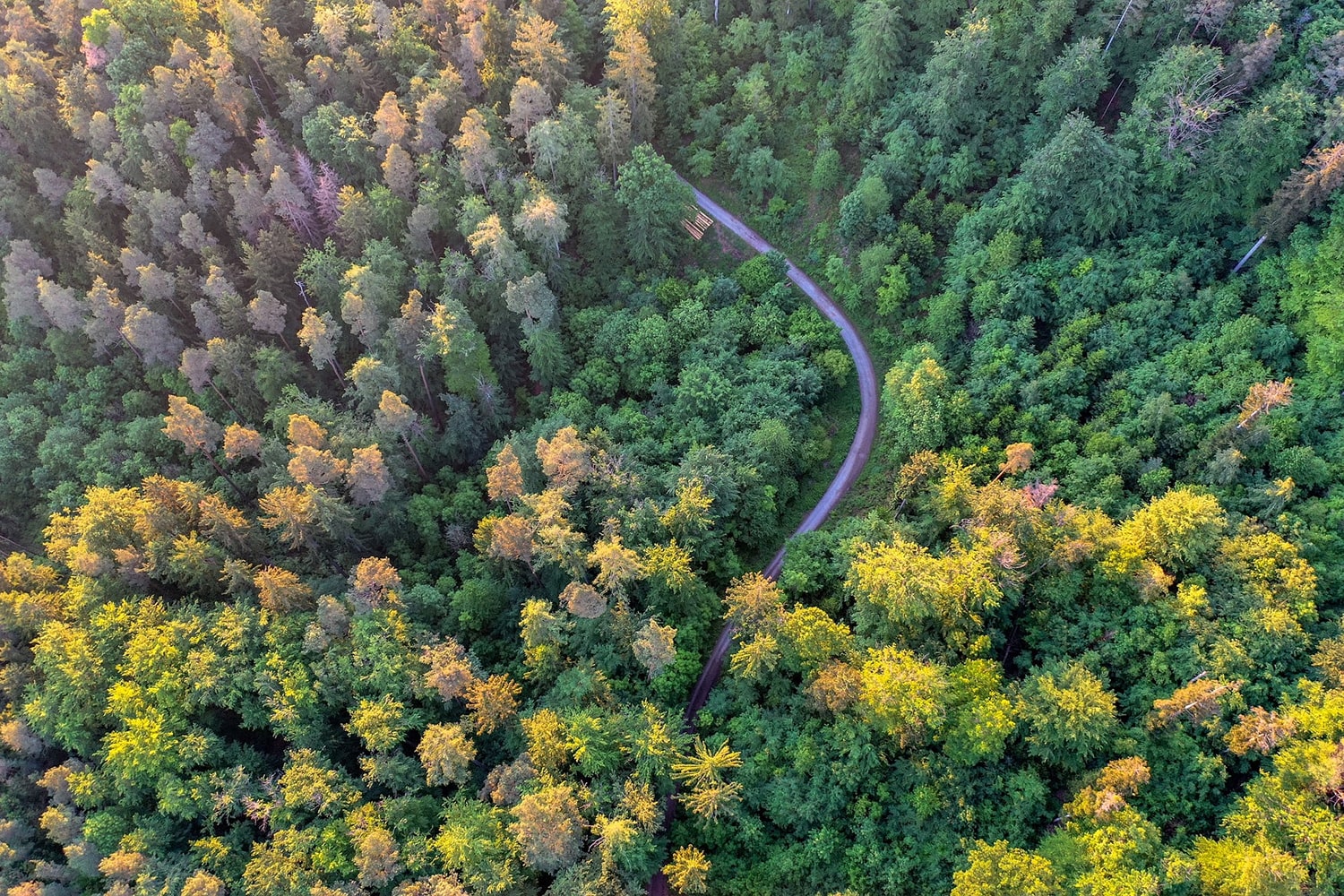
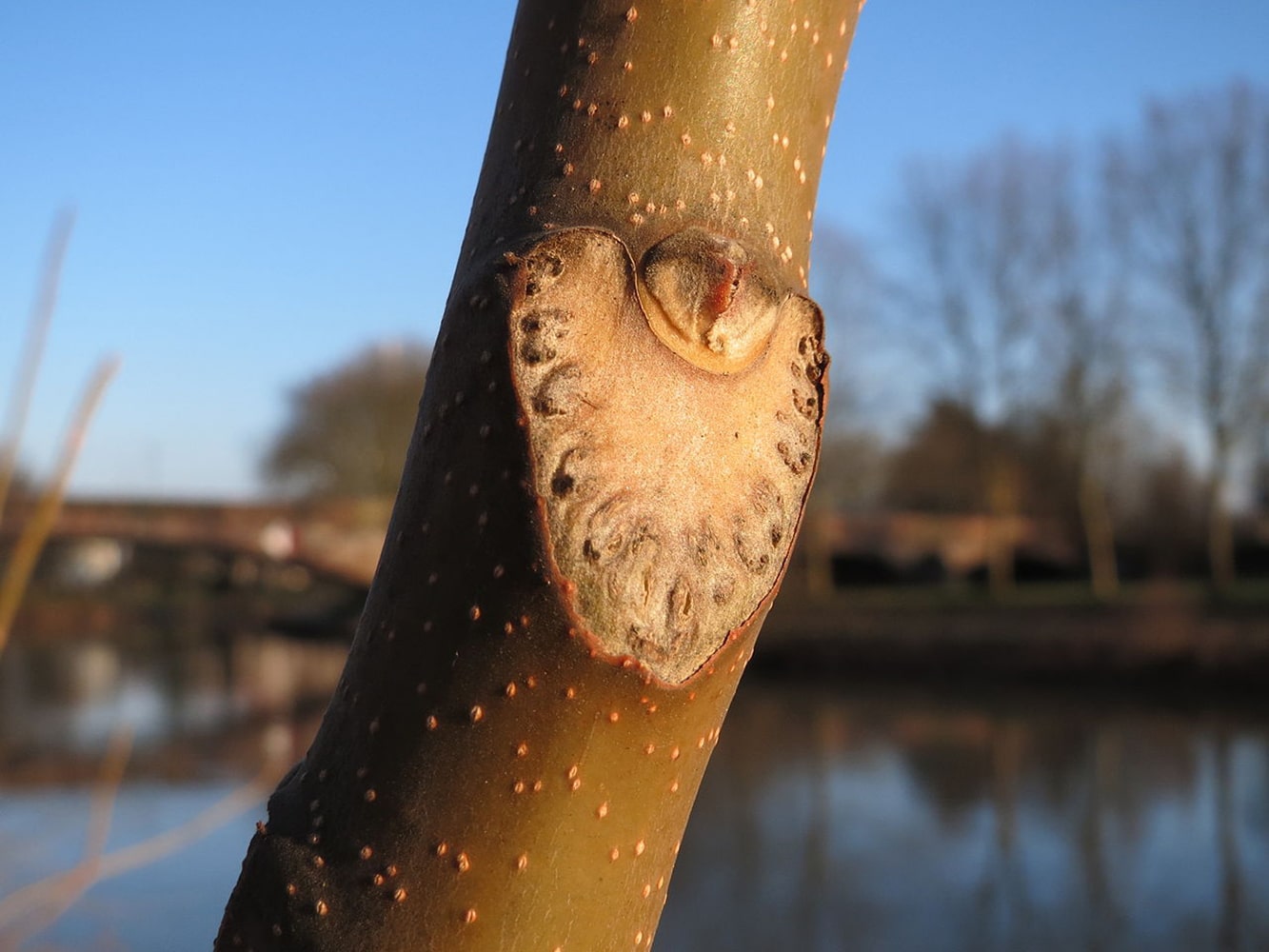
Fraxinus americana, commonly known as White Ash, is a deciduous tree indigenous to North Carolina, thriving throughout the state except in the lower coastal areas where it cannot withstand salt air. Typically, this tree reaches heights of 60 to 90 feet and has a trunk diameter of 2 to 3 feet, although it can grow up to 120 feet, making it the largest among native ash species. The White Ash flourishes in the rich, moist soils found in mountain coves and river bottoms. In eastern North Carolina, it often coexists with species such as swamp chestnut, willow, cherrybark oak, loblolly pine, and sweet gum. Conversely, in the western regions, it is more commonly found alongside yellow poplar, black cherry, basswood, and various oaks. Additionally, it can be found in beech-birch-maple forests at elevations ranging from 4,000 to 5,000 feet.
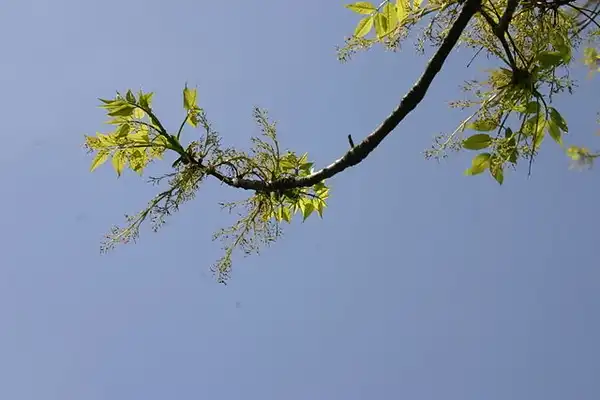
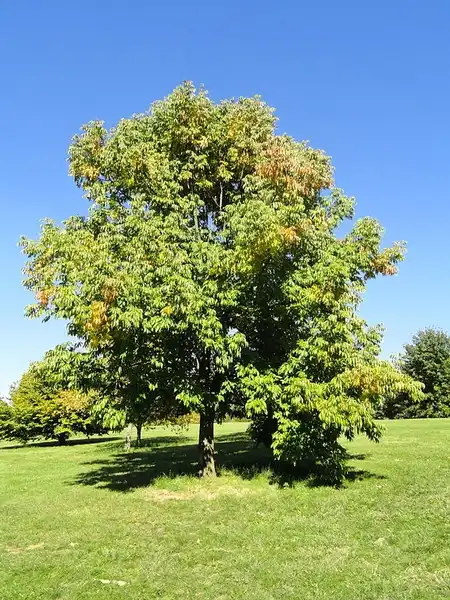
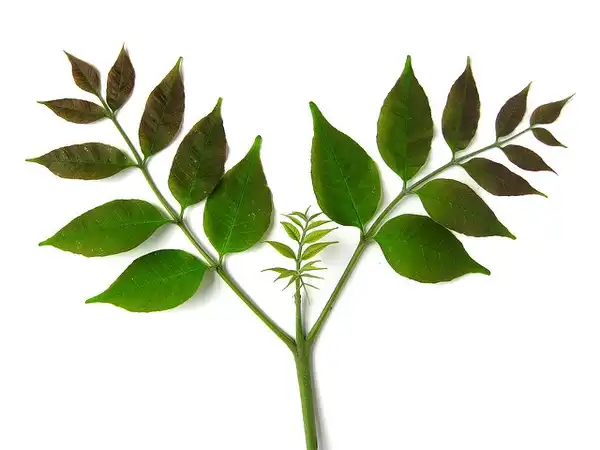
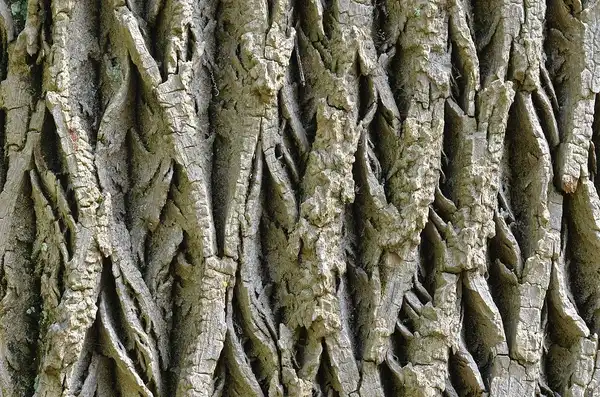
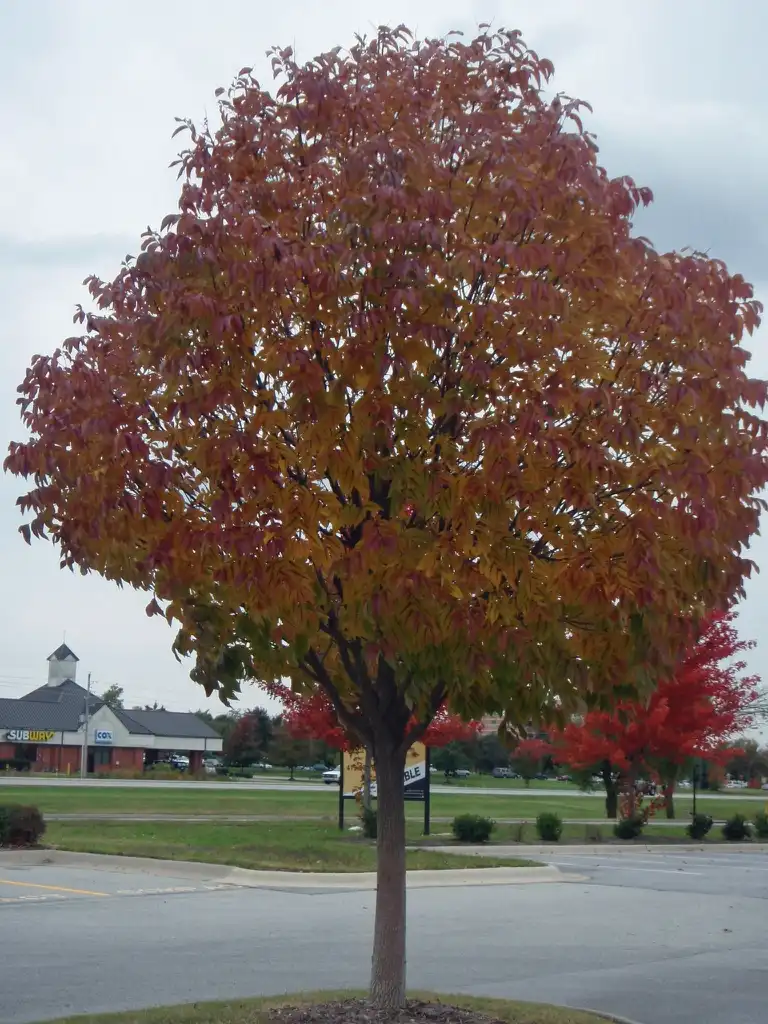
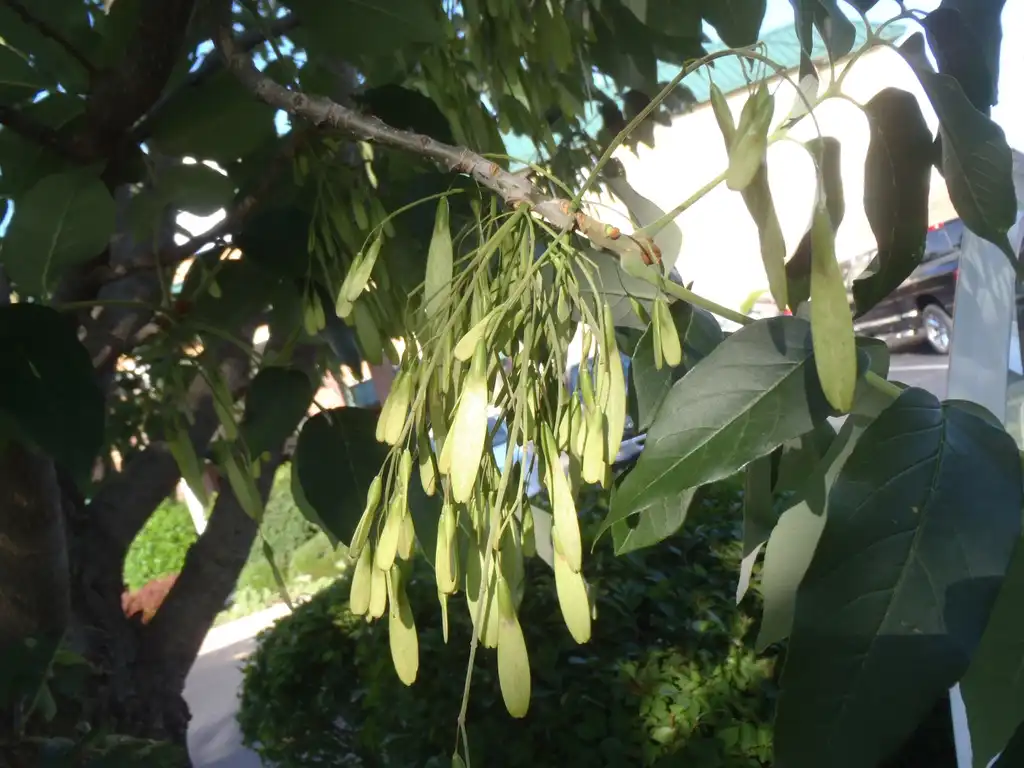
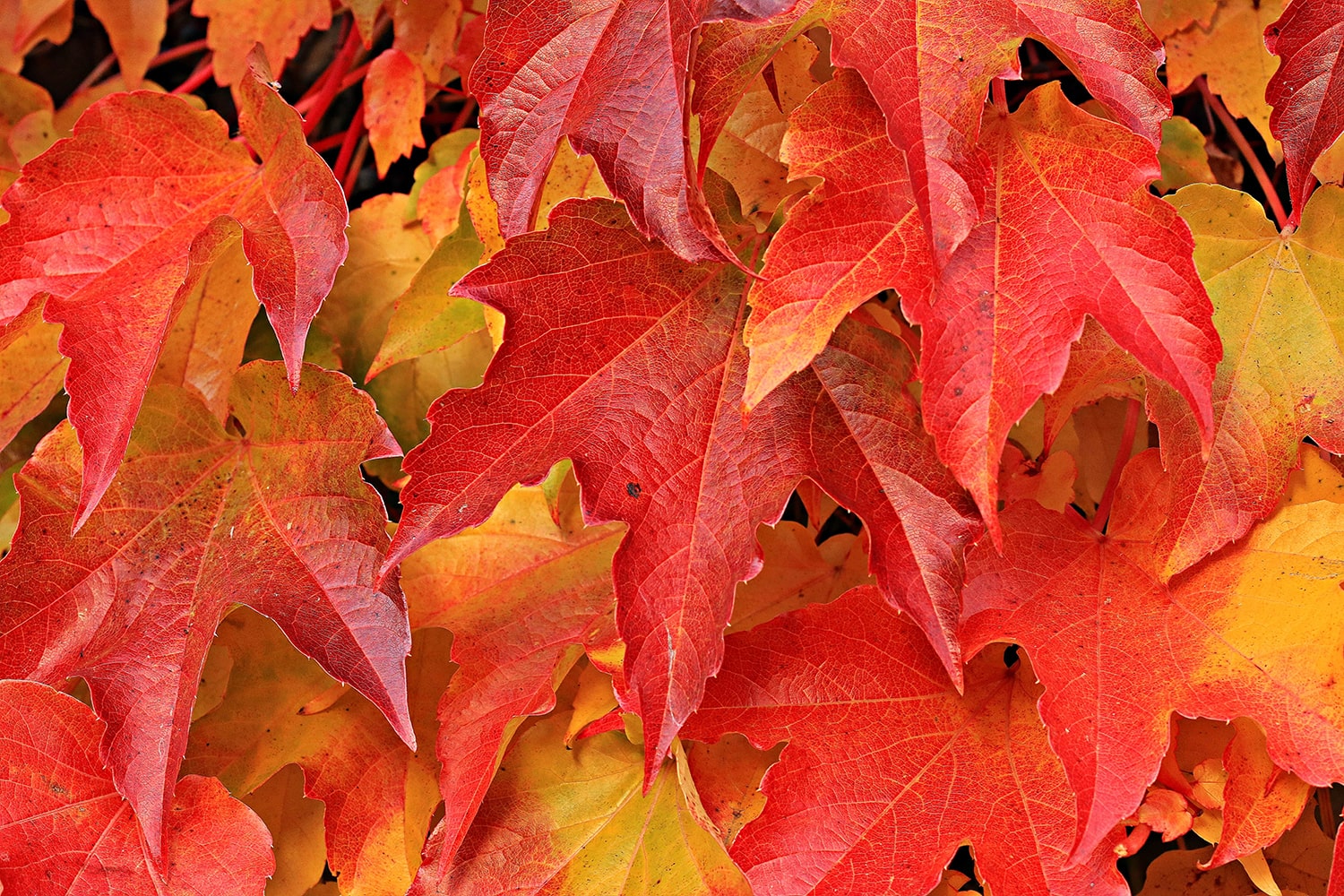
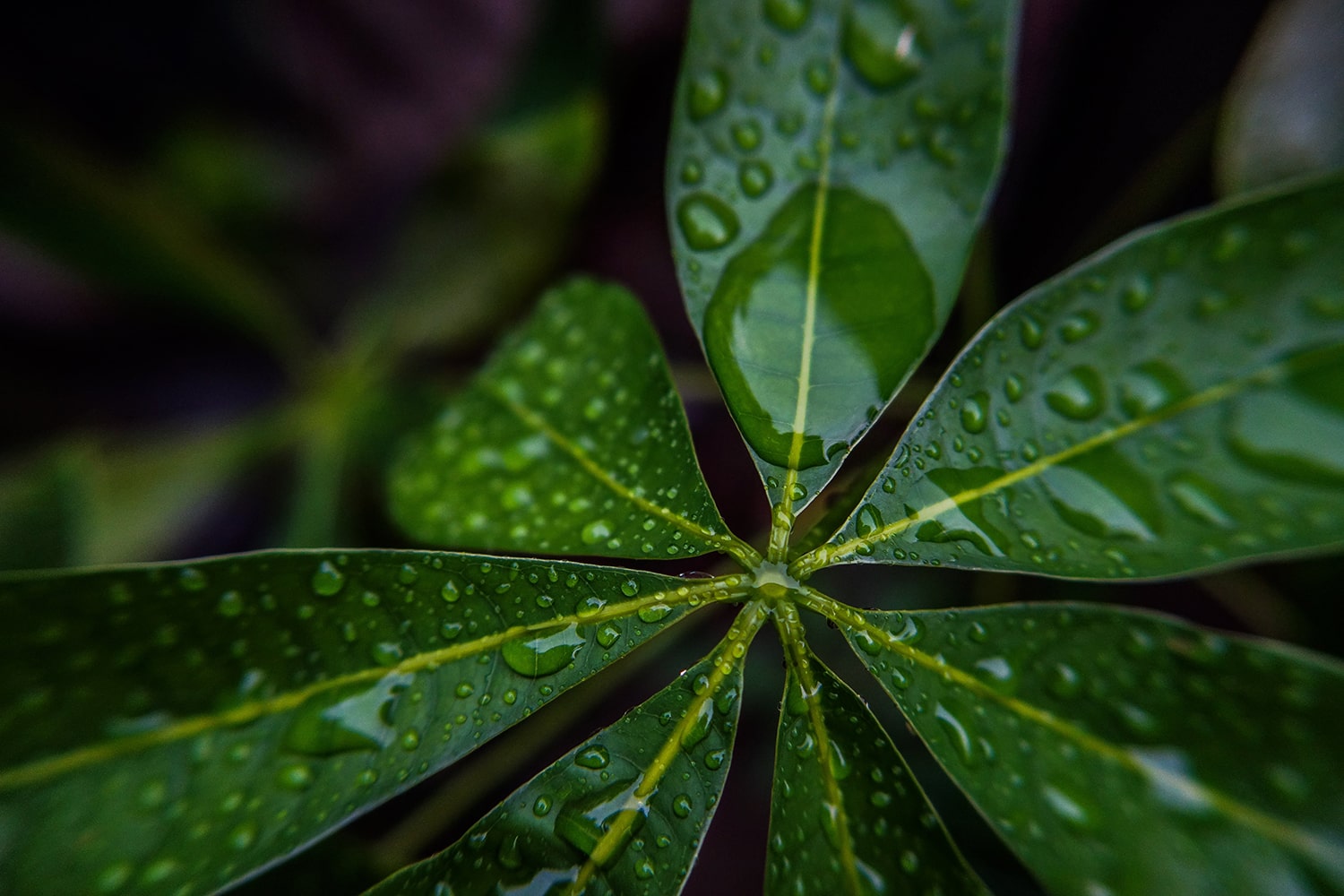
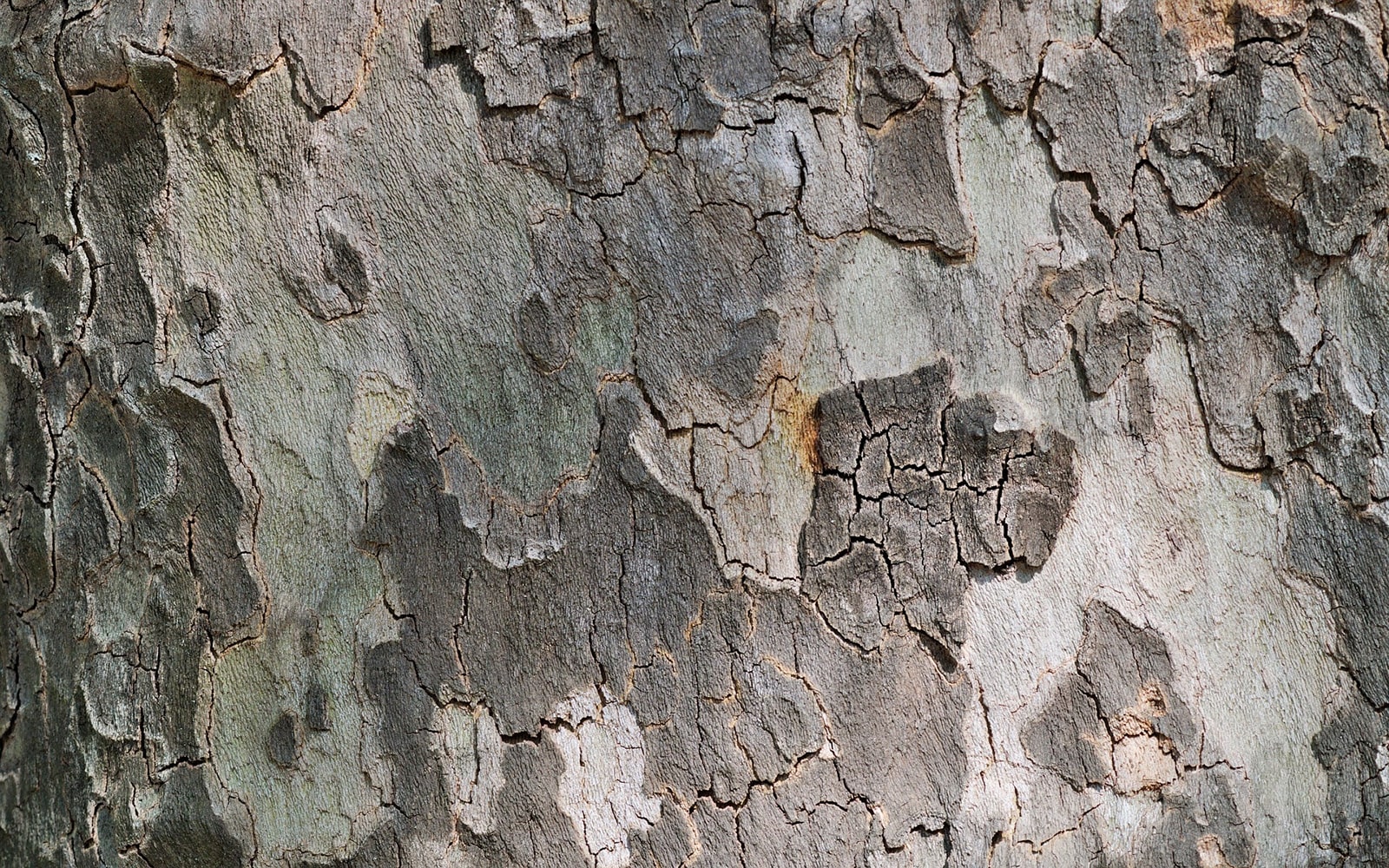
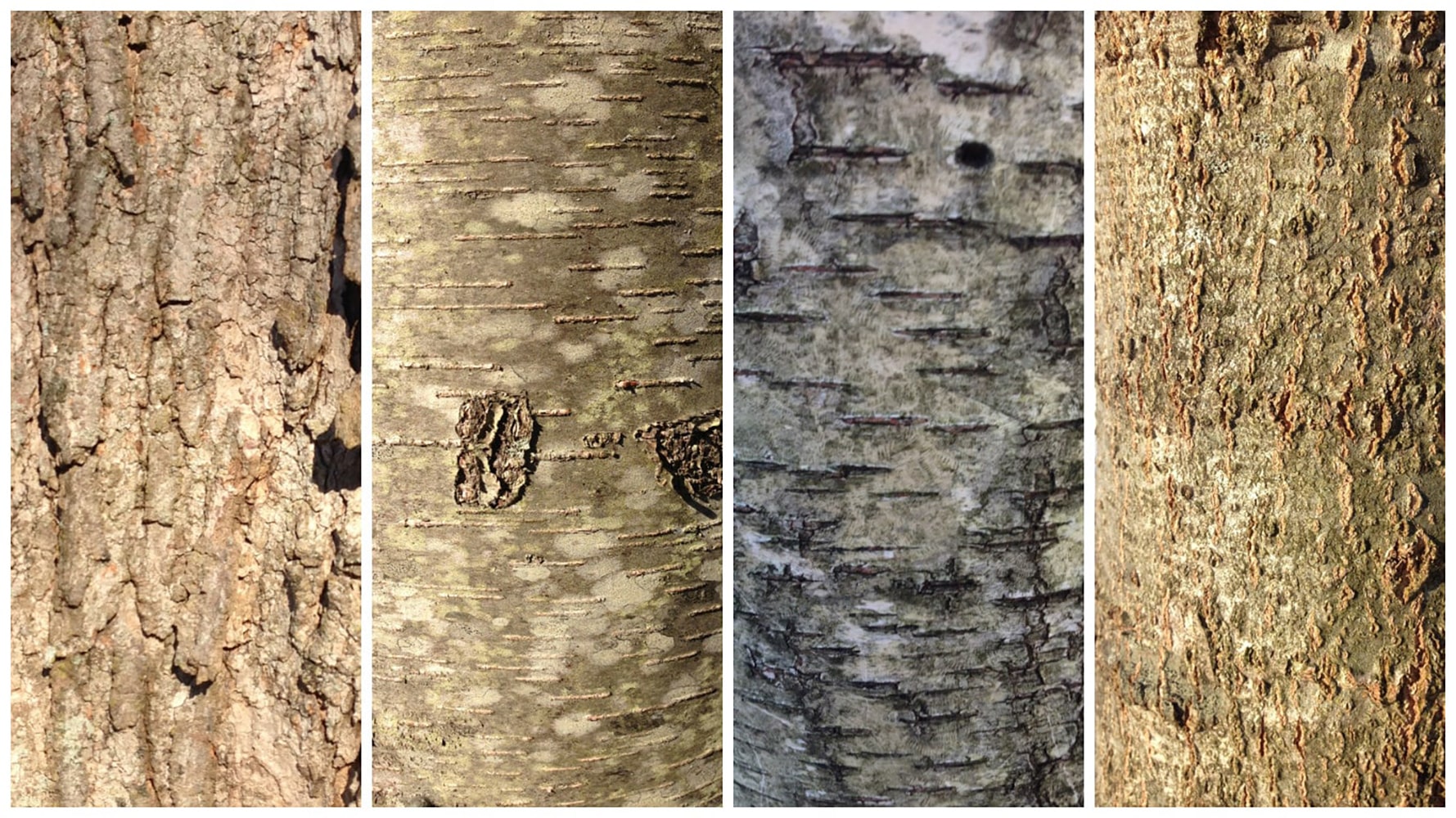
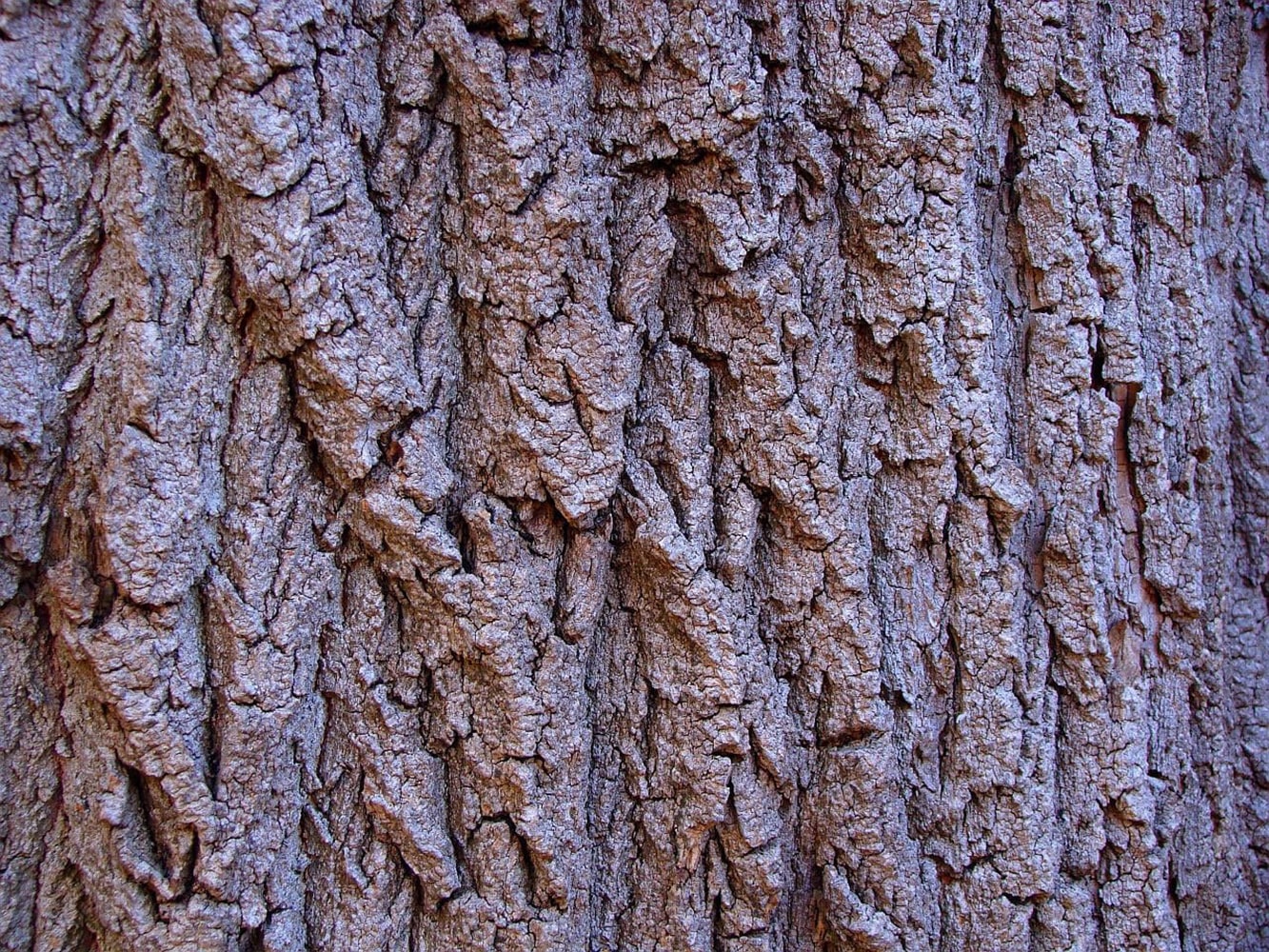
In open spaces, the crown of the White Ash takes on an ovoid shape, while in forested environments, it appears more narrow and pyramidal. The leaves are arranged oppositely and are pinnately compound, typically consisting of 5 to 9 leaflets, with 7 being the most common. The bark is characterized by a yellow-brown to light gray hue, featuring a corky texture with deep furrows that create short, pointed ridges. In spring, small flowers, which are light green to purple and lack petals, bloom in loose panicles. The tree produces a one-winged, dry, flattened samara with a rounded seed cavity that matures in the fall.
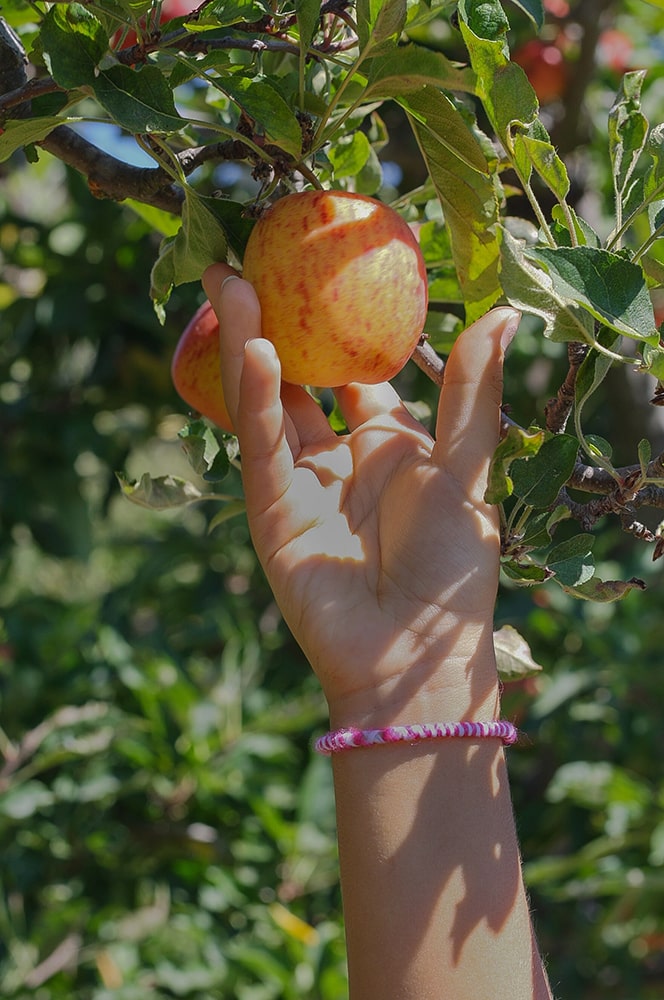
White Ash trees have distinct male and female flowers on separate specimens, with only the female flowers developing into fruit. Opting for male trees can help avoid the nuisance of fallen fruits near walkways. However, planting female trees can be beneficial, as their clustered fruits among the foliage provide an elegant touch to the landscape in late summer. Cultivars of White Ash are generally more desirable than seedling varieties and are worth pursuing, as they tend to transplant and establish easily.
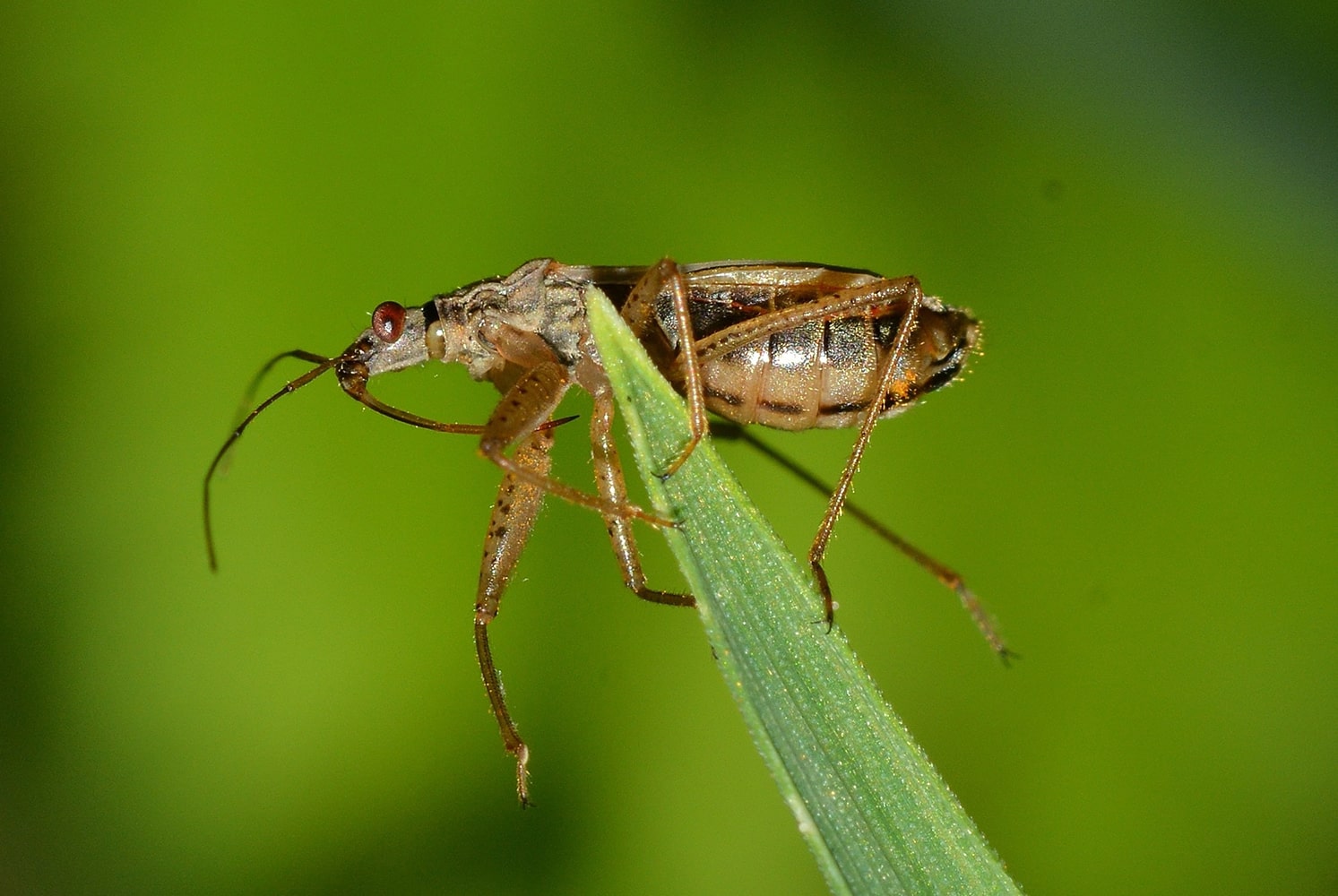
In terms of pests and diseases, planting new ash trees is no longer advisable due to their vulnerability to the emerald ash borer, a pest that burrows beneath the bark and into the wood. Infestation by the emerald ash borer can lead to the death of the tree within 3 to 5 years, and once established, it is challenging to eliminate. Other potential threats include the lilac borer, carpenter worm, oyster shell scale, leaf miners, fall webworms, ash sawflies, and ash leaf curl aphid. Diseases that may affect the tree include fungal leaf spots, powdery mildew, rust, anthracnose, cankers, and ash yellows, along with general ash decline. Additionally, brittle branches are prone to damage from strong winds, snow, and ice.