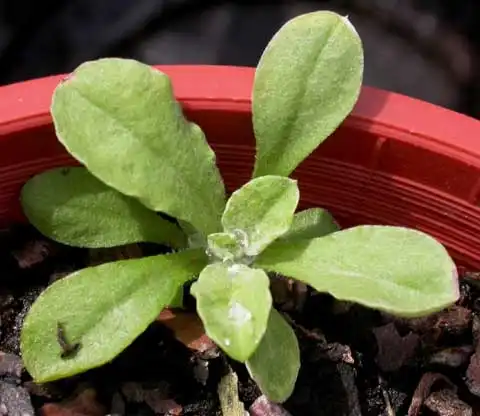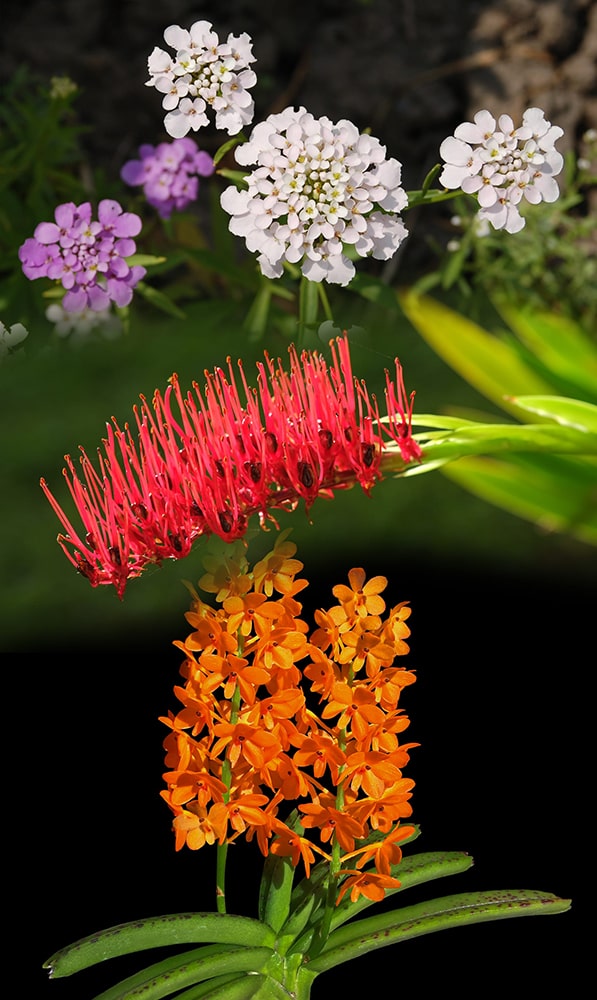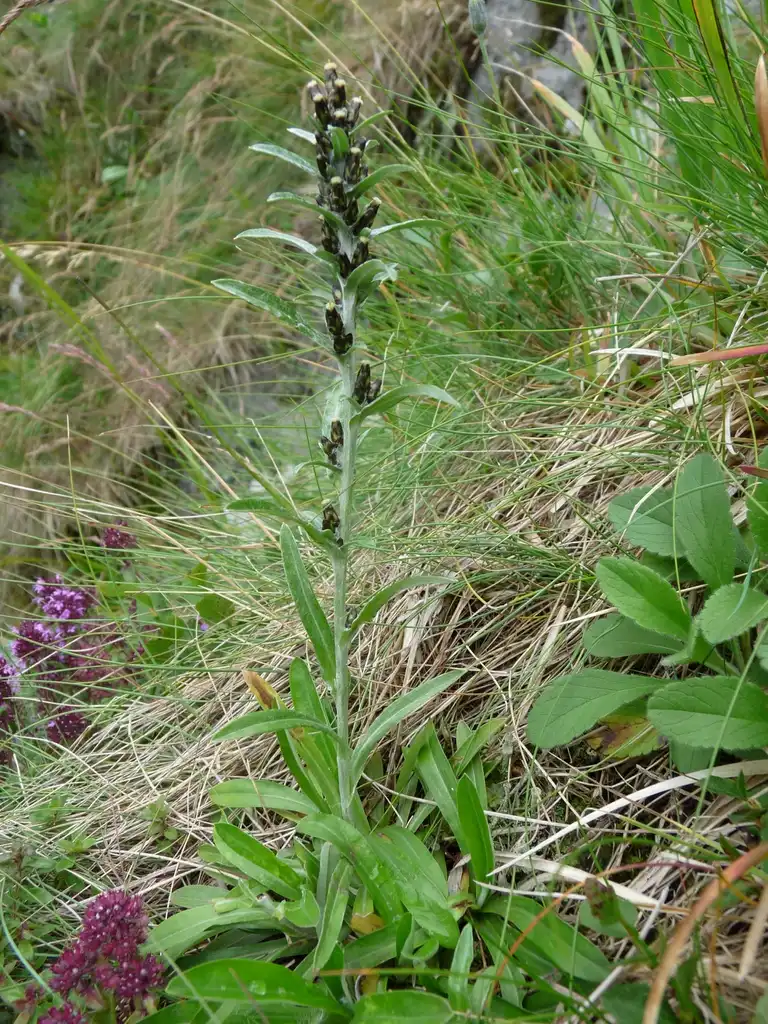
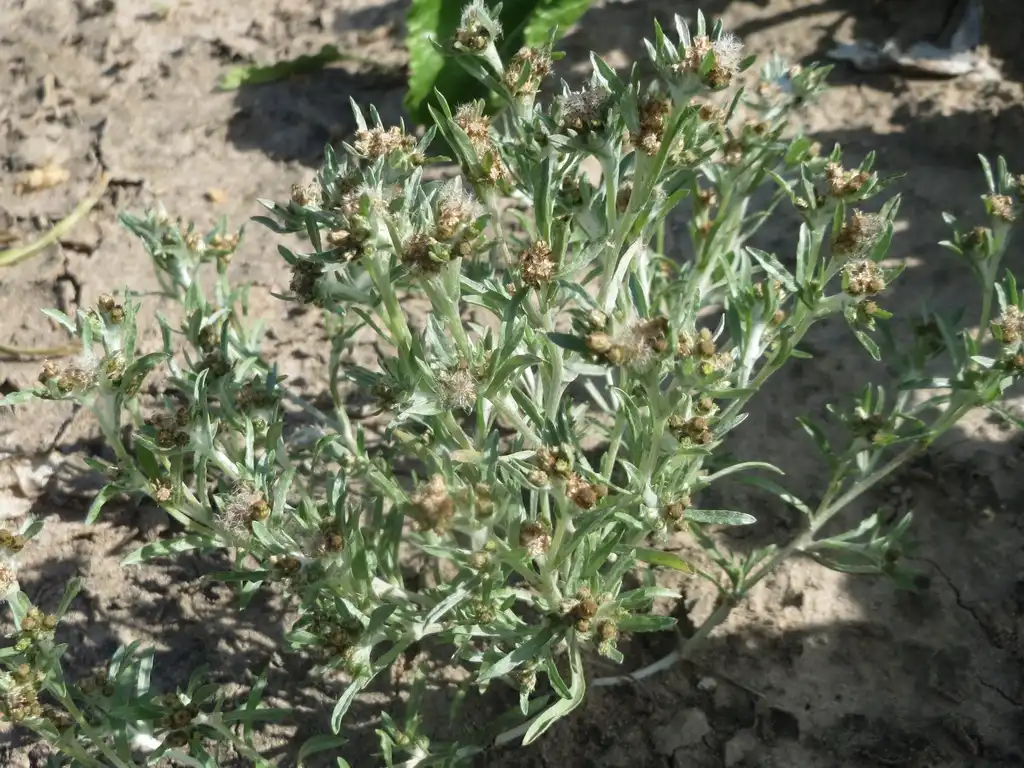
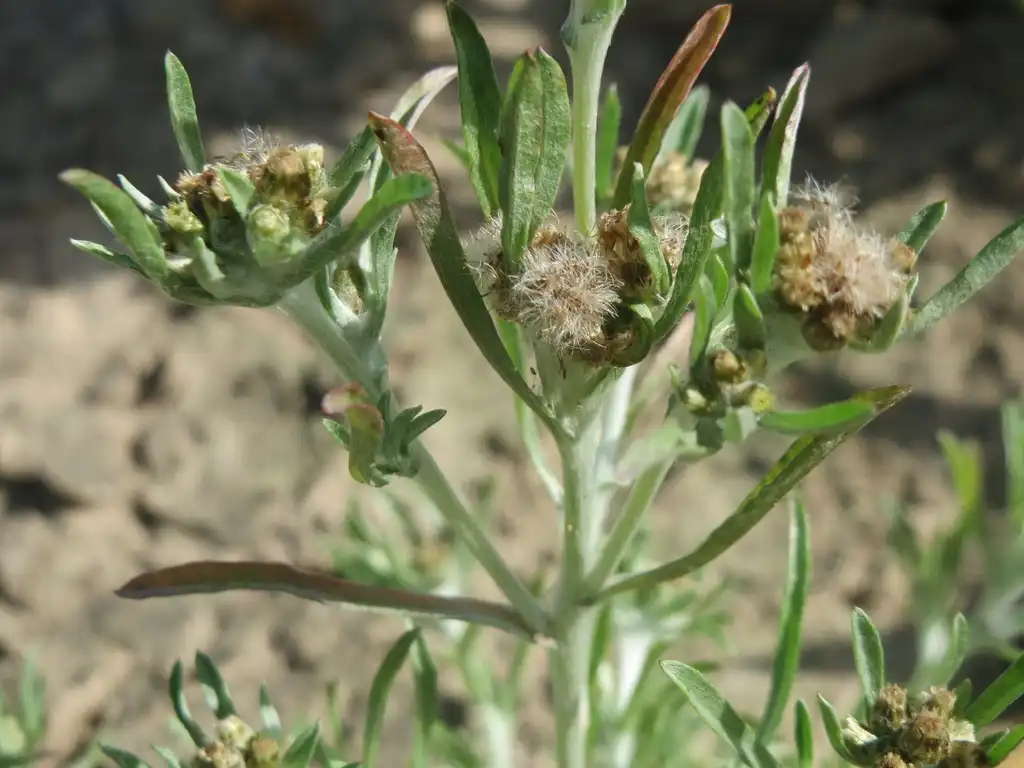
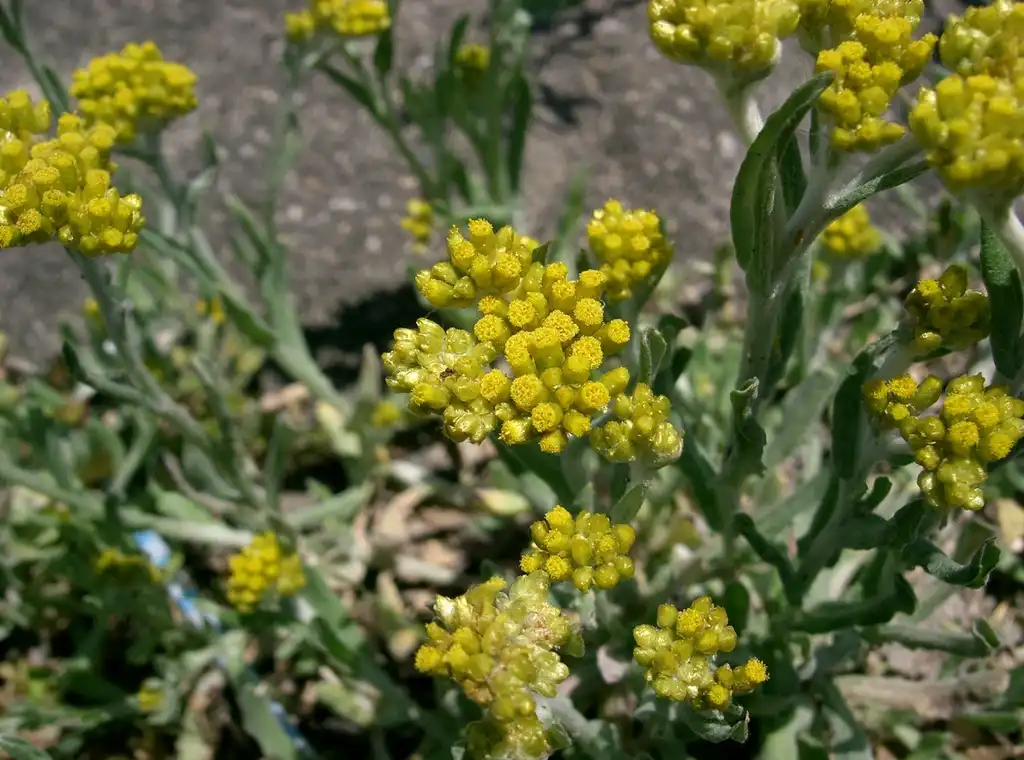
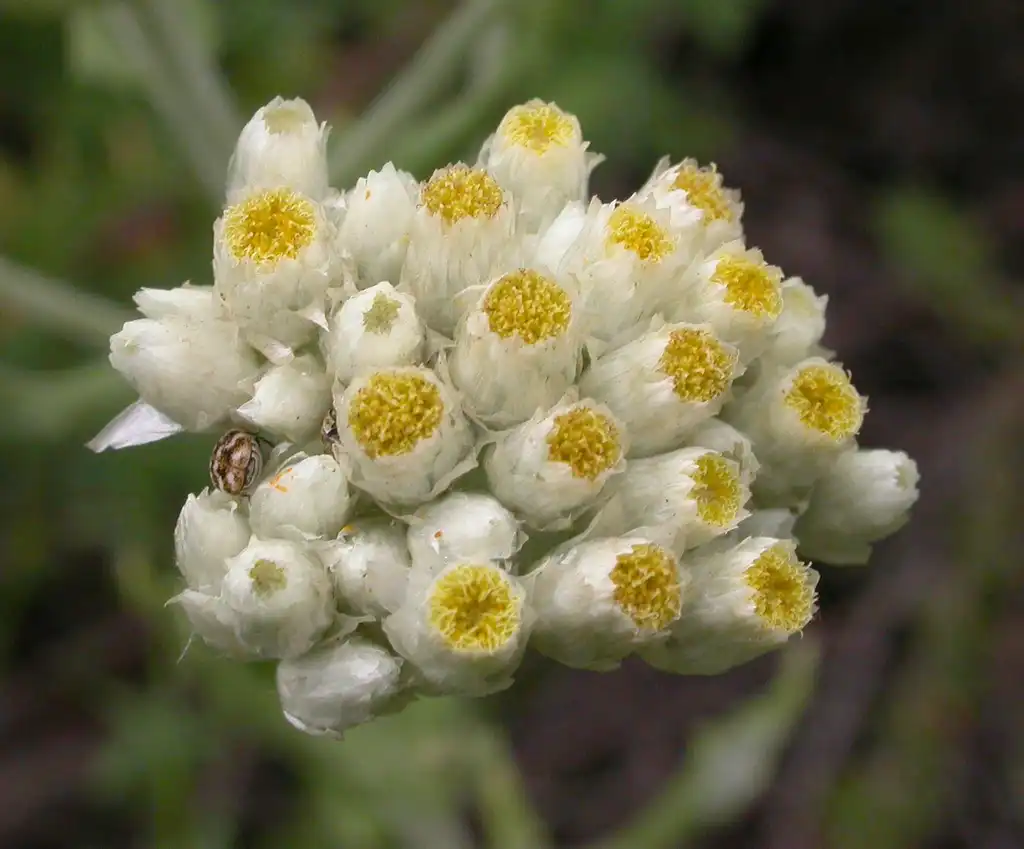
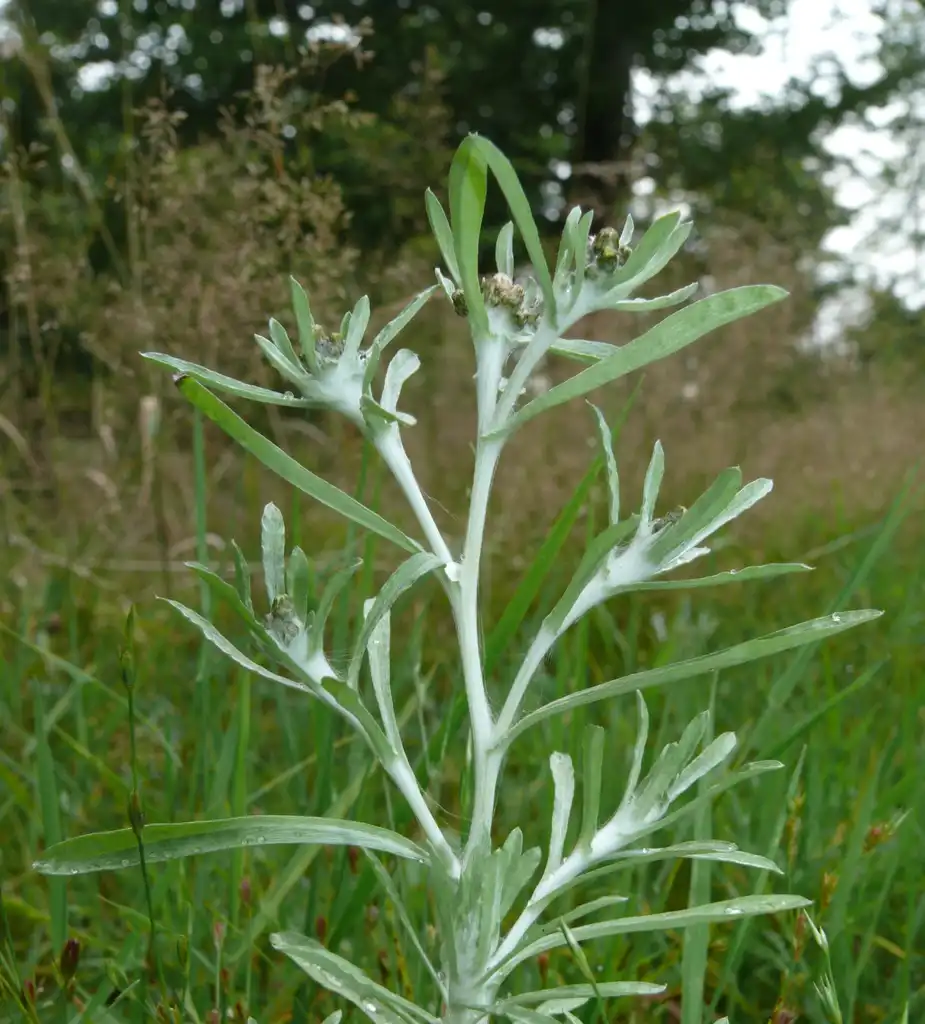
• Photo of Gnaphalium (Gnaphaliums)

Plant Profile: Gnaphalium

Taxonomy: Gnaphalium

Names

Cudweed, Cud Weed

  • Photo of Gnaphalium (Gnaphaliums)

Phonetic Spelling:naf-FAY-lee-um

Genus:Gnaphalium

Species:

Family:Asteraceae

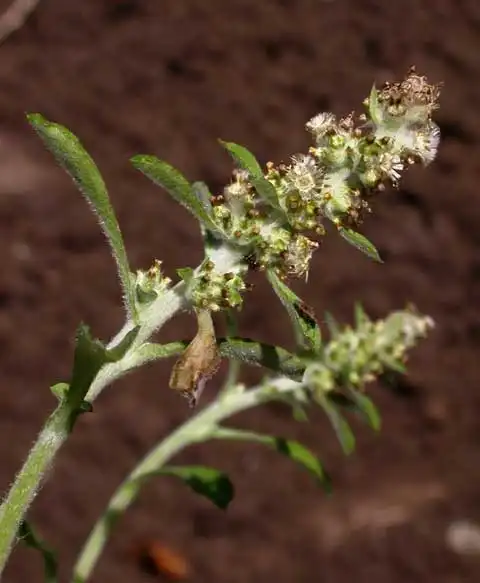
Cudweeds belong to the Asteraceae family, commonly known as the daisy family, and consist of various closely related species that can be classified as either winter annuals or short-lived perennials. These plants produce a large quantity of seeds that are dispersed by the wind. Their stems and the undersides of their leaves are covered in white hairs. The flowers typically appear tannish-white and are accompanied by brown or purple bracts. Cudweeds are often considered weeds that thrive in soils with low fertility. They can be effectively controlled using several preemergence herbicides. Additionally, cudweeds are referred to by their Latin names, Pseudognaphalium spp. and Gamochaeta spp.

Gnaphalium Feature Summary

Gnaphalium Image Gallery

Tags

#perennial
#weed
#weedy
#medicinal
#NC native

Similar Plants

Gnaphalium is often confused with:

Gnaphalium Feature Summary

Attributes
Gnaphalium has been used for pain of the sciatic nerve when pain is associated with numbness.
Northern Hemisphere and parts of Southern Hemisphere
America, Asia, Africa, Australia
Food for American painted lady caterpillars.
Leaves
Cudweeds have basal rosettes and the leaves and seedheads are covered in distinct fine, white "wooly" fibers.
Green
White
Alternate
Whorled
Rosulate
Lanceolate
Oblanceolate
1-3 inches
< 1 inch
Whole Plant Traits
Perennial
Annual
Native Plant
Weed
Medium
Cultural Conditions
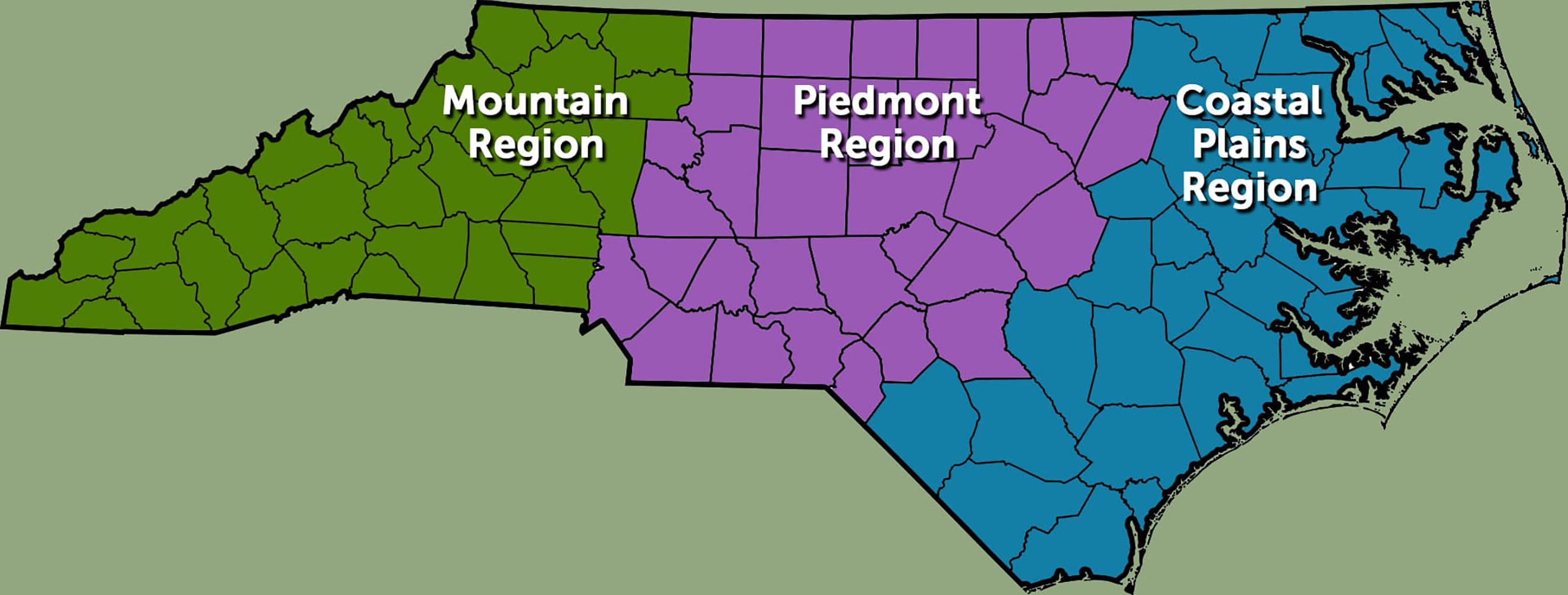
Coastal
Mountains
Piedmont
4a
4b
5b
5a
6a
6b
7a
7b
8b
8a
3a
3b
9a
9b
10a
10b
Flowers
Purple/Lavender
White
Cream/Tan
Landscape

Gnaphalium Attributes

Gnaphalium: Uses (Ethnobotany)

Gnaphalium has been used for pain of the sciatic nerve when pain is associated with numbness.
Gnaphalium: Country Or Region Of Origin

Northern Hemisphere and parts of Southern Hemisphere

Gnaphalium: Distribution

America, Asia, Africa, Australia

Gnaphalium: Wildlife Value

Food for American painted lady caterpillars.

Gnaphalium: Recommended Propagation Strategy

Division
Grafting
Layering
Leaf Cutting
Root Cutting
Seed
Stem Cutting

Gnaphalium Leaves

Gnaphalium: Leaf Description

Cudweeds have basal rosettes and the leaves and seedheads are covered in distinct fine, white "wooly" fibers.

Gnaphalium: Woody Plant Leaf Characteristics

Broadleaf Evergreen
Deciduous
Needled Evergreen
Semi-evergreen

Gnaphalium: Leaf Color

spa
Green
spa
White

Gnaphalium: Leaf Type

Compound (Pinnately , Bipinnately, Palmately)
Fronds
Needles
Sheath
Simple

Gnaphalium: Leaf Arrangement

Alternate
Opposite
Other/more complex
Rosulate
Whorled

Gnaphalium: Leaf Shape

Acicular
Auriculate
Cordate
Cuneate
Deltoid
Elliptical
Filiform
Lanceolate
Linear
Oblanceolate
Oblong
Obovate
Obtuse
Orbicular
Ovate
Palmasect
Palmatifid
Peltate
Pinnatifid
Pinnatisect
Reniform
Rhomboidal
Spatulate
Subcordate
Subulate

Gnaphalium: Hairs Present

No
Yes

Gnaphalium: Leaf Length

< 1 inch
1-3 inches
3-6 inches
> 6 inches

Gnaphalium: Leaf Width

< 1 inch
1-3 inches
3-6 inches
> 6 inches

Gnaphalium Whole Plant Traits

Gnaphalium: Plant Type

Annual
Bulb
Carnivorous
Edible
Epiphyte
Fern
Ground Cover
Herb
Herbaceous Perennial
Houseplant
Mushroom
Native Plant
Ornamental Grasses and Sedges
Perennial
Poisonous
Rose
Shrub
Succulent
Tree
Turfgrass
Vegetable
Vine
Water Plant
Weed
Wildflower

Gnaphalium: Woody Plant Leaf Characteristics

Broadleaf Evergreen
Deciduous
Needled Evergreen
Semi-evergreen

Gnaphalium: Habit/Form

Arching
Ascending
Broad
Cascading
Climbing
Clumping
Columnar
Conical
Creeping
Dense
Erect
Horizontal
Irregular
Mounding
Multi-stemmed
Multi-trunked
Open
Oval
Prostrate
Pyramidal
Rounded
Spreading
Vase
Weeping

Gnaphalium: Growth Rate

Slow
Medium
Rapid

Gnaphalium: Maintenance

Low
Medium
High

Gnaphalium: Texture

Fine
Medium
Coarse

Gnaphalium Cultural Conditions

Gnaphalium: NC Region

Coastal
Mountains
Piedmont

Gnaphalium: USDA Plant Hardiness Zone

thermostat
10a
thermostat
10b
thermostat
3a
thermostat
3b
thermostat
4a
thermostat
4b
thermostat
5a
thermostat
5b
thermostat
6a
thermostat
6b
thermostat
7a
thermostat
7b
thermostat
8a
thermostat
8b
thermostat
9a
thermostat
9b

Gnaphalium Flowers

Gnaphalium: Flower Color

filter_vintage
Cream/Tan
filter_vintage
Purple/Lavender
filter_vintage
White

Gnaphalium: Flower Inflorescence

Catkin
Corymb
Cyme
Head
Insignificant
Panicle
Raceme
Solitary
Spadix
Spike
Umbel

Gnaphalium Stem

Gnaphalium: Stem Is Aromatic

No
Yes

Gnaphalium Landscape

Gnaphalium: Problems

Allelopathic
Contact Dermatitis
Frequent Disease Problems
Frequent Insect Problems
Invasive Species
Malodorous
Messy
Poisonous to Humans
Problem for Cats
Problem for Children
Problem for Dogs
Problem for Horses
Short-lived
Spines/Thorns
Weak Wood
Weedy