Helleborus orientalis: Country Or Region Of Origin
Asia Minor, Eurasia (Turkey, Caucasus)
Phonetic Spelling:hel-eh-BORE-us or-ee-en-TAH-liss
Genus:Helleborus
Species:orientalis
Family:Ranunculaceae
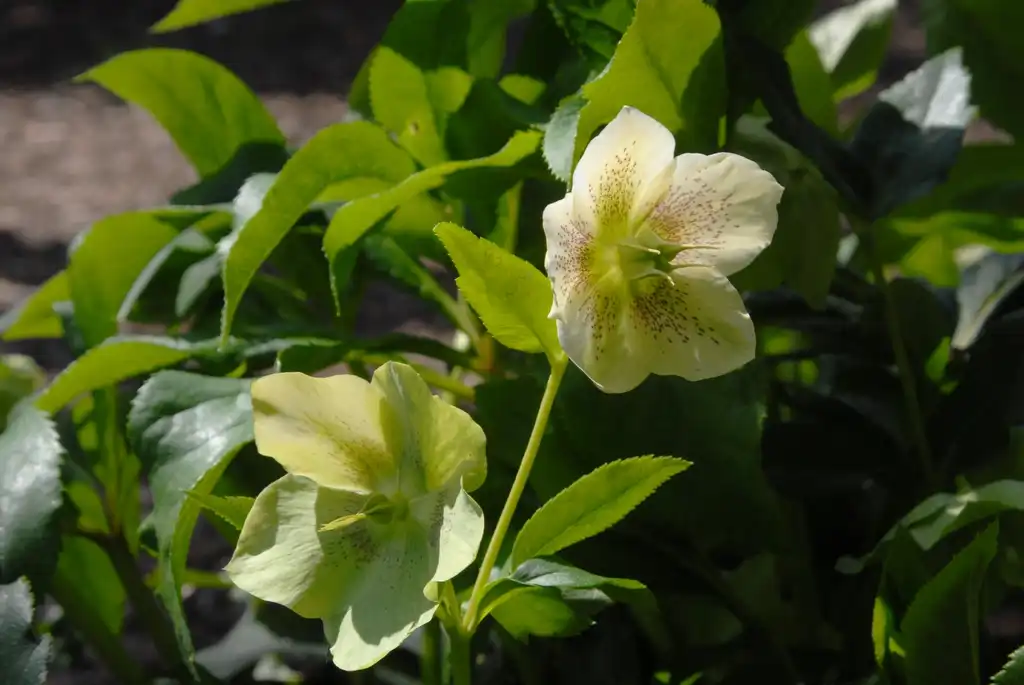
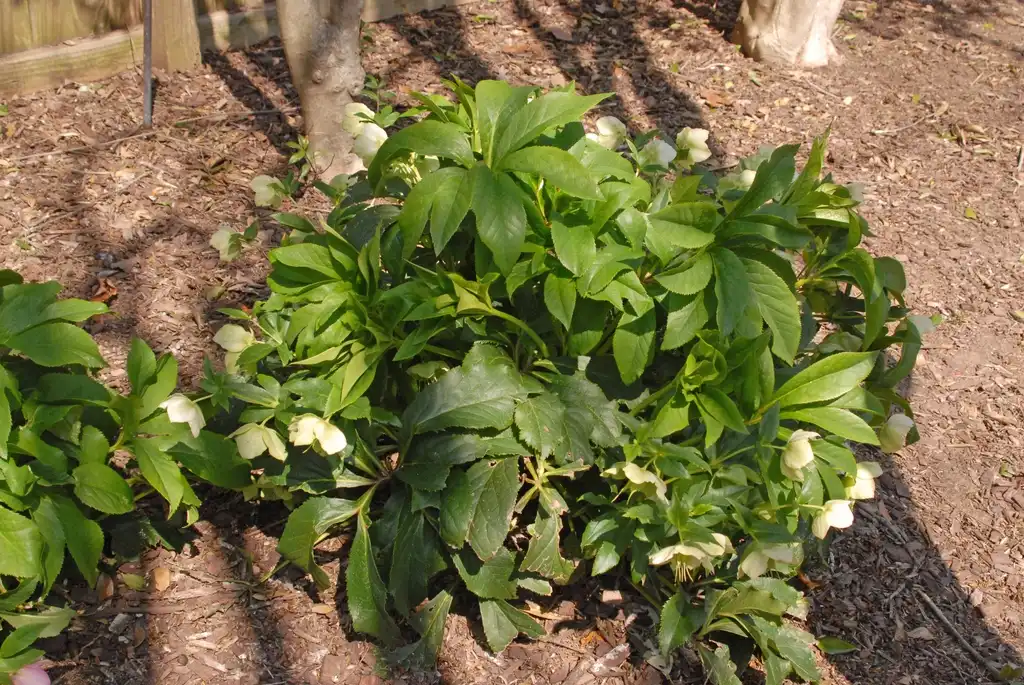
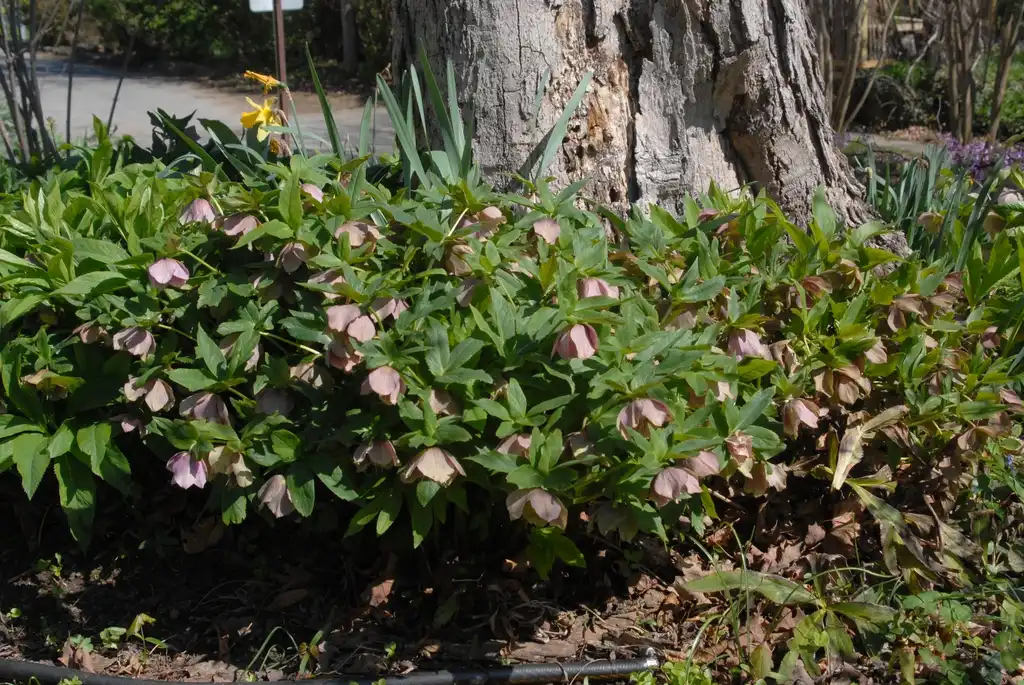
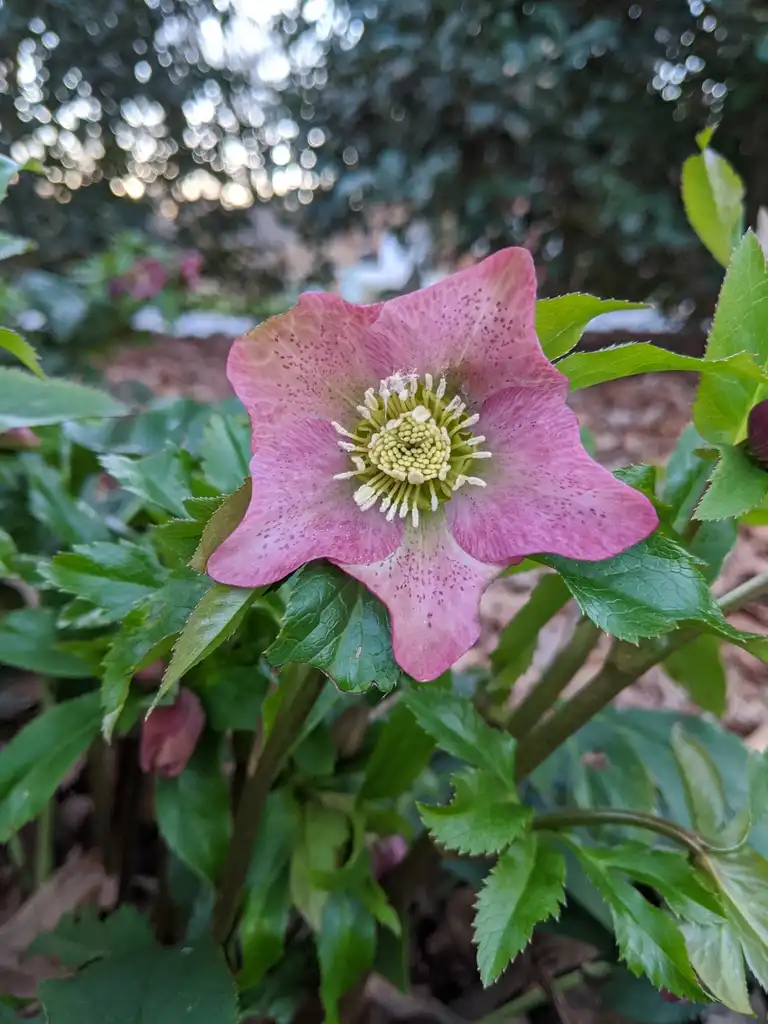
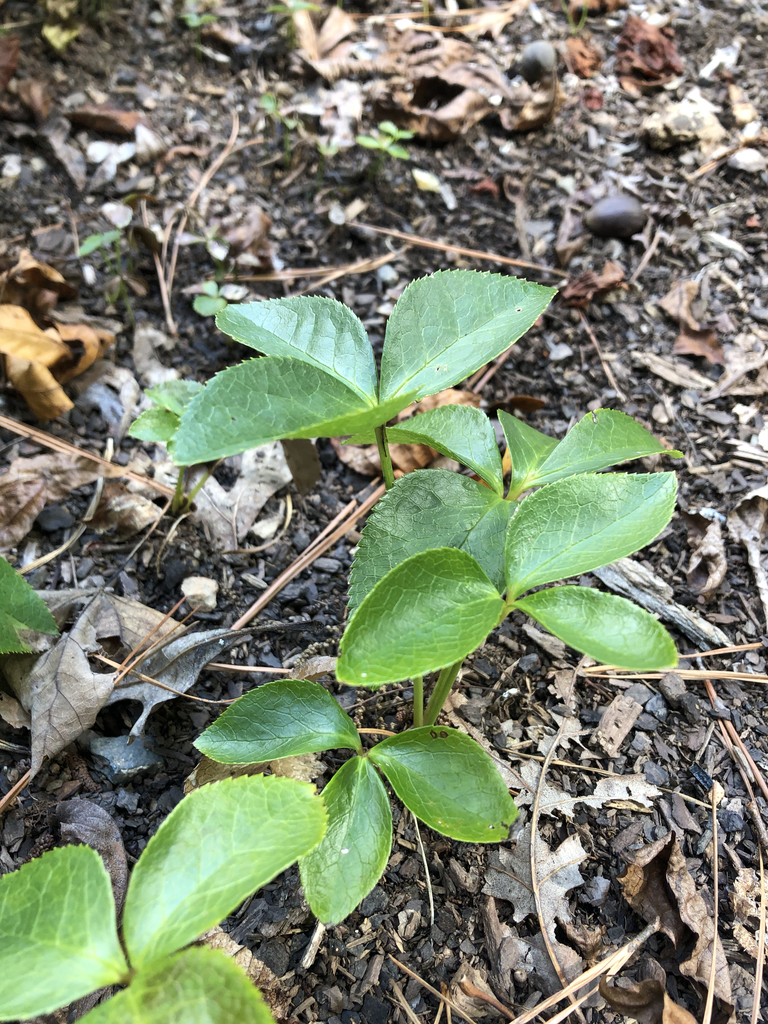
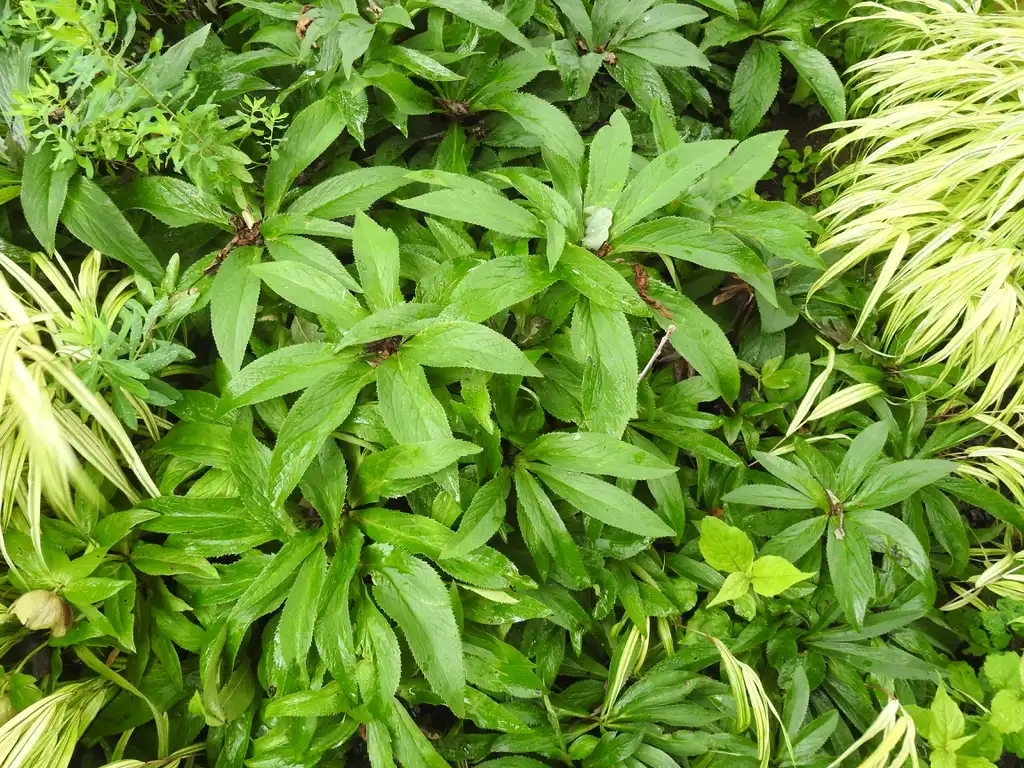
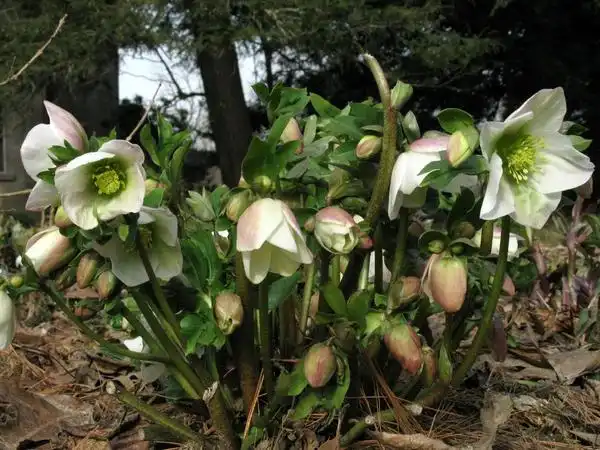
Helleborus orientalis is a low-maintenance plant that thrives in shady areas with moist, well-drained soil. It flourishes best when it can soak up winter sunlight while being shielded from strong winds. Known for their striking, drooping flowers and large, dark green foliage, these plants are a delightful sign of spring.
**Caution:** Toxic if consumed in large amounts; skin irritation may occur but typically lasts only a few minutes.
**Identification Tips:**
- Blooms from late winter to early spring.
- Ideal for borders or patios in sheltered, shady locations.
- Contains poisonous leaves and roots; the name derives from Greek, where 'helein' means to harm and 'bora' means food.
- Excellent choice for a prolonged winter bloom display.
There are many hybrid varieties and species available, which can often be challenging to differentiate. They are frequently misidentified in the market and are collectively referred to as lenten roses, a term historically linked to H. orientalis.
This plant prefers partial to full shade and thrives in soil enriched with organic matter. It does not tolerate bright winter sunlight or high temperatures well, and fungal diseases are a common concern.
For further details on Helleborus, please refer to additional resources.
Helleborus orientalis Feature Summary
Helleborus orientalis Image Gallery