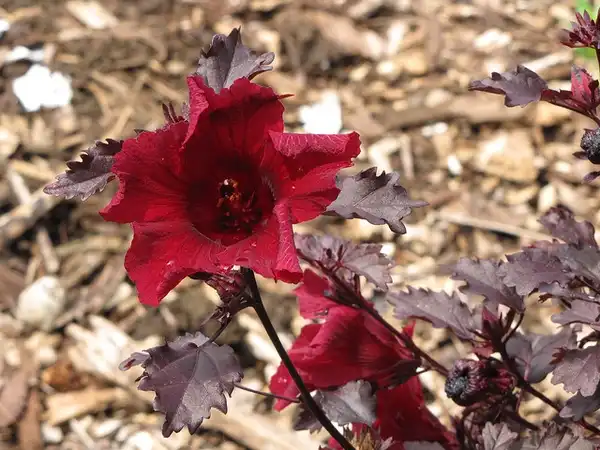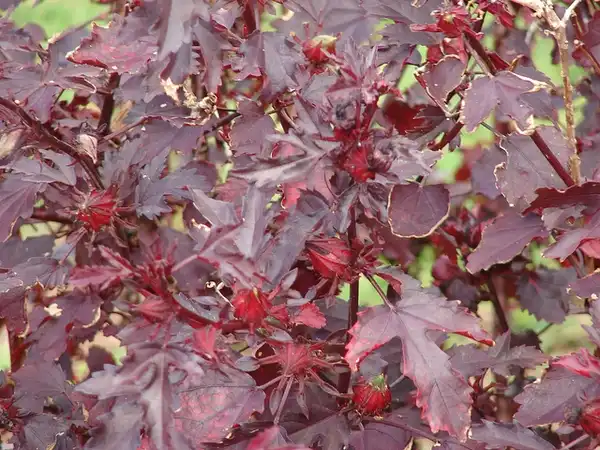
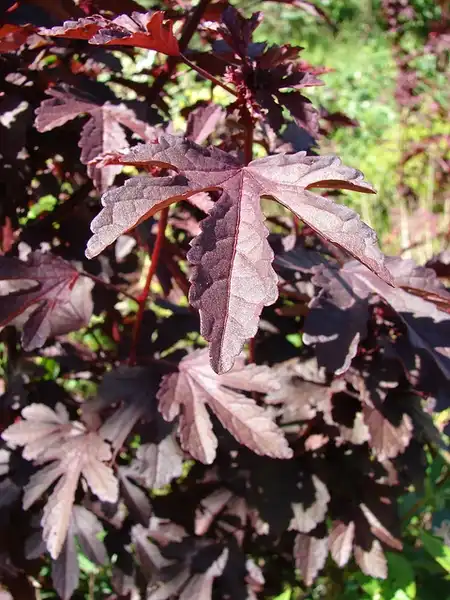
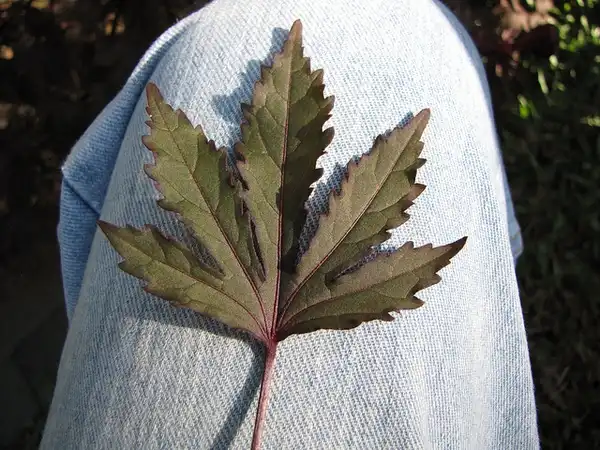
• Photo of Hibiscus acetosella (Hibiscus acetosellas)

Plant Profile: Hibiscus acetosella

Taxonomy: Hibiscus acetosella

Names

African Rosemallow, Cranberry Hibiscus, False Roselle, Maroon Mallow, Red Hibiscus, Red-leaved Hibiscus

  • Photo of Hibiscus acetosella (Hibiscus acetosellas)

Phonetic Spelling:hih-BIS-kus a-sey-toe-SELL-ah

Genus:Hibiscus

Species:acetosella

Family:Malvaceae

When you think of hibiscus, the vibrant flowers likely come to mind, but it's the foliage of Hibiscus acetosella that truly distinguishes it. This plant can grow impressively, reaching up to 2.5 feet in width and 5 feet in height within a single season, thriving best in soil that is average to moist, but not overly saturated.

Ideal Planting Locations: Hibiscus acetosella is well-suited for various settings, including cottage gardens, borders, as a specimen plant, in containers, or as part of a hedge. Even if you choose to cultivate it as an annual, incorporating this plant can enhance the diversity and texture of your landscape. If grown in pots, some pruning may be necessary. For those looking to introduce a splash of color, pairing Hibiscus acetosella's striking leaves with plants that feature green or silver foliage can create a beautiful contrast. Additionally, if you decide to treat it as an annual, it can serve as a lovely houseplant during the winter months.

Wildlife Benefits: The Hibiscus genus is known to attract specific pollinators, including the specialized bee Ptilothrix bombiformis.

Hibiscus acetosella Feature Summary

Hibiscus acetosella Image Gallery

Tags

#full sun tolerant
#maroon
#specimen
#wildlife plant
#red flowers
#crimson
#nectar plant
#showy leaves
#cottage garden
#interesting leaves
#hedges
#specialized bees
#fast growing
#summer flowers
#borders
#bee friendly
#container plants

Similar Plants

Hibiscus acetosella is often confused with:

Hibiscus acetosella Feature Summary

Attributes
Burundi to S. Tropical Africa
Members of the genus Hibiscus support the following specialized bee: Ptilothrix bombiformis.
Perennial
Annual
Wildlife Food Source
Flowers
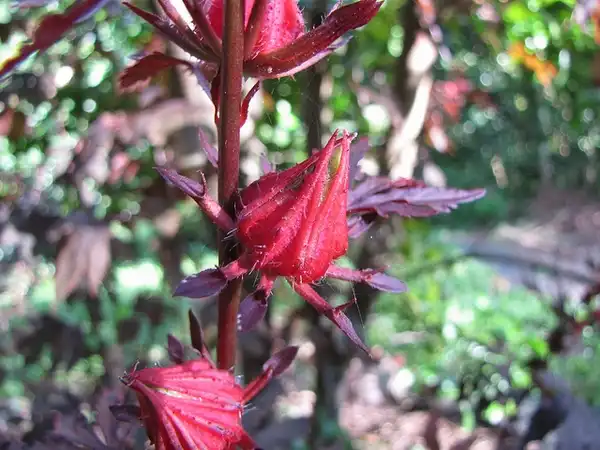
Flowers are usually maroon (brownish-red) or crimson. These inconspicuous flowers are about 2 inches. Unlike most flowers, this plant generally does not bloom in spring and may not even bloom in summer: instead, blooming generally in late summer, fall, and sometimes in winter (short day plant), this plant gives color into your garden when you probably do not have many flowers growing. Depending on the type of Hibiscus acetosella, this plant may bloom in other seasons.
Pink
Purple/Lavender
Gold/Yellow
Red/Burgundy
Brown/Copper
Summer
Fall
Winter
1-3 inches
Leaves
Leaves are usually maroon (brownish-red), dark purple, or crimson but some can have tints of green. This plant has palmate, (unequally) dissected, and lobed or unlobed leaves. While the leaves are interesting in themselves because of the color that they add to the landscape, if you really want to make them stand out, you could add lighter colored plants behind it to make this plant stand out; or grow it in a place where behind sunlight can make this plant really stand out in contrast to its dark leaves.
Green
Variegated
Red/Burgundy
Purple/Lavender
Compound (Pinnately , Bipinnately, Palmately)
Whole Plant Traits
Perennial
Annual
Houseplant
Cultural Conditions
Full sun (6 or more hours of direct sunlight a day)
Good Drainage
Coastal
Landscape
Pollinator Garden
Winter Garden
Cottage Garden
Border
Hedge
Specimen
Container
Houseplants
Bees
Specialized Bees

Hibiscus acetosella Attributes

Hibiscus acetosella: Country Or Region Of Origin

Burundi to S. Tropical Africa
Hibiscus acetosella: Wildlife Value

Members of the genus Hibiscus support the following specialized bee: Ptilothrix bombiformis.

Hibiscus acetosella: Life Cycle

Annual
Biennial
Bulb
Perennial
Woody

Hibiscus acetosella: Recommended Propagation Strategy

Division
Grafting
Layering
Leaf Cutting
Root Cutting
Seed
Stem Cutting

Hibiscus acetosella: Play Value

Attractive Flowers
Attracts Pollinators
Buffer
Colorful
Defines Paths
Easy to Grow
Edible fruit
Fragrance
Pieces Used in Games
Screening
Shade
Sound
Textural
Wildlife Cover/Habitat
Wildlife Food Source
Wildlife Larval Host
Wildlife Nesting
Wind Break
Wind Shimmer

Hibiscus acetosella Flowers

Hibiscus acetosella: Flower Description

Flowers are usually maroon (brownish-red) or crimson. These inconspicuous flowers are about 2 inches. Unlike most flowers, this plant generally does not bloom in spring and may not even bloom in summer: instead, blooming generally in late summer, fall, and sometimes in winter (short day plant), this plant gives color into your garden when you probably do not have many flowers growing. Depending on the type of Hibiscus acetosella, this plant may bloom in other seasons.

Hibiscus acetosella: Flower Color

filter_vintage
Brown/Copper
filter_vintage
Gold/Yellow
filter_vintage
Pink
filter_vintage
Purple/Lavender
filter_vintage
Red/Burgundy

Hibiscus acetosella: Flower Inflorescence

Catkin
Corymb
Cyme
Head
Insignificant
Panicle
Raceme
Solitary
Spadix
Spike
Umbel

Hibiscus acetosella: Flower Bloom Time

Winter
Spring
Summer
Fall

Hibiscus acetosella: Flower Size

1-3 inches
3-6 inches
< 1 inch
> 6 inches

Hibiscus acetosella Leaves

Hibiscus acetosella: Leaf Description

Leaves are usually maroon (brownish-red), dark purple, or crimson but some can have tints of green. This plant has palmate, (unequally) dissected, and lobed or unlobed leaves. While the leaves are interesting in themselves because of the color that they add to the landscape, if you really want to make them stand out, you could add lighter colored plants behind it to make this plant stand out; or grow it in a place where behind sunlight can make this plant really stand out in contrast to its dark leaves.

Hibiscus acetosella: Leaf Color

spa
Green
spa
Purple/Lavender
spa
Red/Burgundy
spa
Variegated

Hibiscus acetosella: Leaf Type

Compound (Pinnately , Bipinnately, Palmately)
Fronds
Needles
Sheath
Simple

Hibiscus acetosella: Hairs Present

No
Yes

Hibiscus acetosella: Leaf Value To Gardener

Edible
Fragrant
Good Cut
Good Dried
Long-lasting
Showy

Hibiscus acetosella Whole Plant Traits

Hibiscus acetosella: Plant Type

Annual
Bulb
Carnivorous
Edible
Epiphyte
Fern
Ground Cover
Herb
Herbaceous Perennial
Houseplant
Mushroom
Native Plant
Ornamental Grasses and Sedges
Perennial
Poisonous
Rose
Shrub
Succulent
Tree
Turfgrass
Vegetable
Vine
Water Plant
Weed
Wildflower

Hibiscus acetosella: Growth Rate

Slow
Medium
Rapid

Hibiscus acetosella Cultural Conditions

Hibiscus acetosella: Light

Dappled Sunlight (Shade through upper canopy all day)
Deep shade (Less than 2 hours to no direct sunlight)
Full sun (6 or more hours of direct sunlight a day)
Partial Shade (Direct sunlight only part of the day, 2-6 hours)

Hibiscus acetosella: Soil Drainage

Frequent Standing Water
Good Drainage
Moist
Occasional Flooding
Occasionally Dry
Occasionally Wet
Very Dry

Hibiscus acetosella: Available Space To Plant

12 inches-3 feet
12-24 feet
24-60 feet
3 feet-6 feet
6-feet-12 feet
Less than 12 inches
more than 60 feet

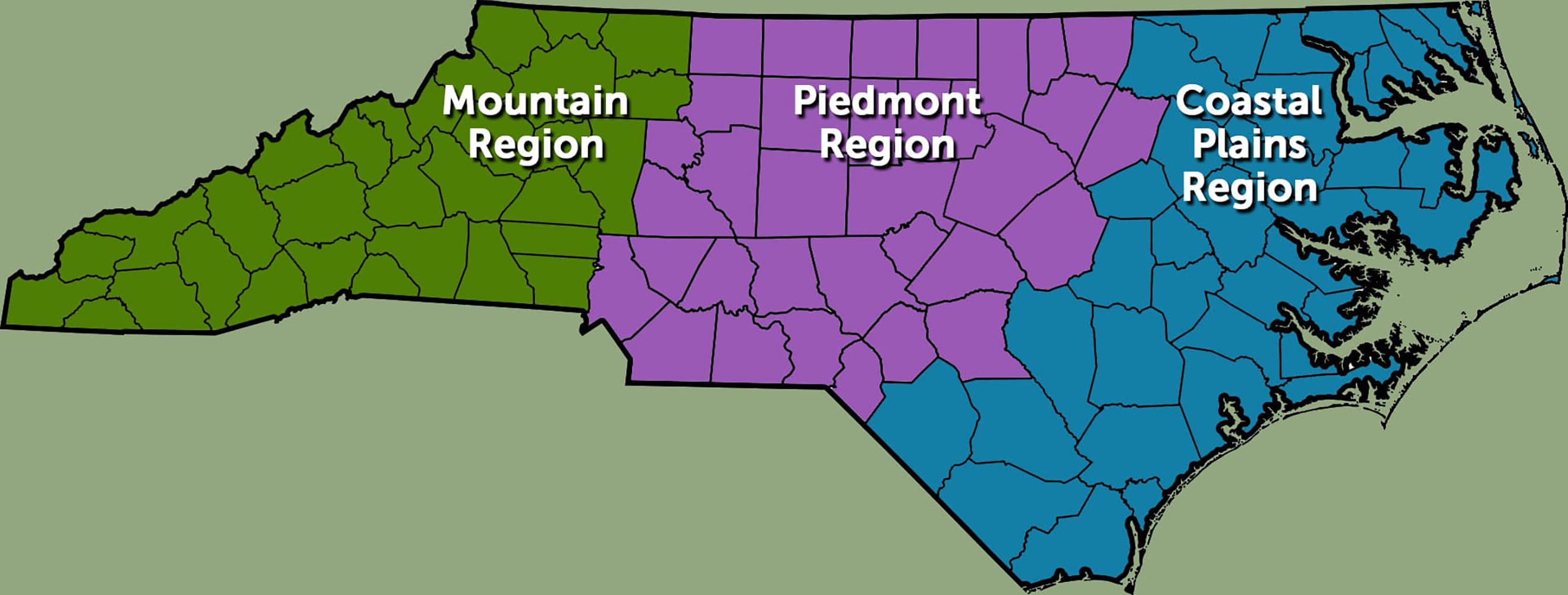
Hibiscus acetosella: NC Region

Coastal
Mountains
Piedmont

Hibiscus acetosella: USDA Plant Hardiness Zone

thermostat
8a
thermostat
8b
thermostat
9a
thermostat
9b

Hibiscus acetosella Stem

Hibiscus acetosella: Stem Is Aromatic

No
Yes

Hibiscus acetosella Landscape

Hibiscus acetosella: Landscape Theme

Asian Garden
Butterfly Garden
Children's Garden
Cottage Garden
Cutting Garden
Drought Tolerant Garden
Edible Garden
English Garden
Fairy Garden
Garden for the Blind
Native Garden
Nighttime Garden
Pollinator Garden
Rain Garden
Rock Garden
Shade Garden
Water Garden
Winter Garden

Hibiscus acetosella: Design Feature

Accent
Barrier
Border
Flowering Tree
Foundation Planting
Hedge
Mass Planting
Screen/Privacy
Security
Shade Tree
Small groups
Small Tree
Specimen
Street Tree
Understory Tree

Hibiscus acetosella: Landscape Location

Coastal
Container
Hanging Baskets
Houseplants
Lawn
Meadow
Naturalized Area
Near Septic
Patio
Pond
Pool/Hardscape
Recreational Play Area
Riparian
Rock Wall
Slope/Bank
Small Space
Vertical Spaces
Walkways
Woodland

Hibiscus acetosella: Attracts

Bats
Bees
Butterflies
Frogs
Hummingbirds
Moths
Pollinators
Predatory Insects
Reptiles
Small Mammals
Songbirds
Specialized Bees