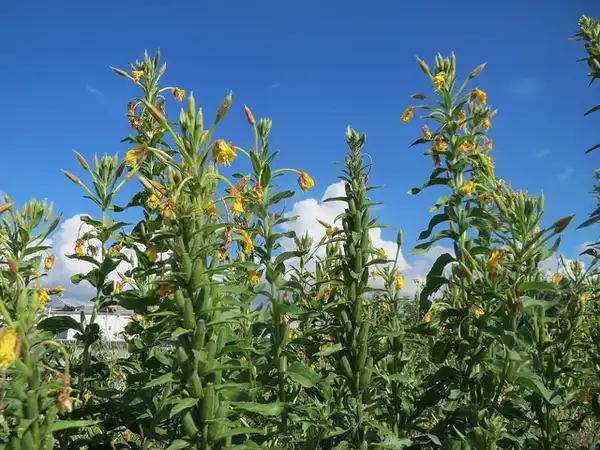
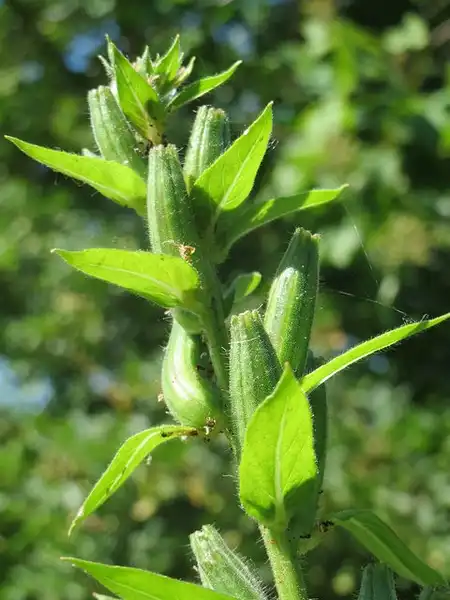
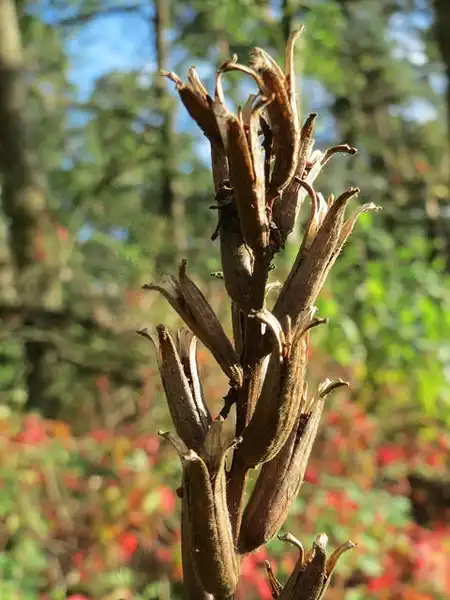
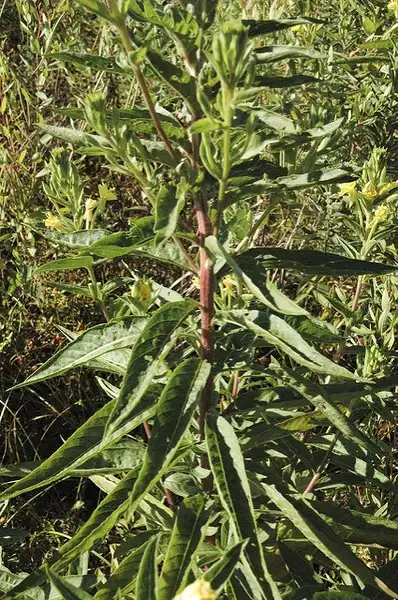
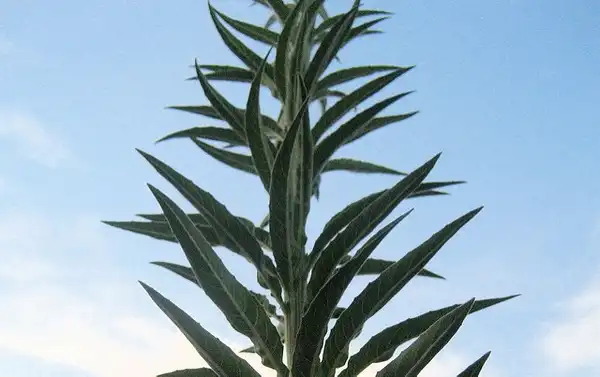
• Photo of Oenothera biennis (Oenothera bienniss)

Plant Profile: Oenothera biennis

Taxonomy: Oenothera biennis

Names

Evening Primrose

  • Photo of Oenothera biennis (Oenothera bienniss)

Phonetic Spelling:ee-no-THEE-ruh by-EN-iss

Genus:Oenothera

Species:biennis

Family:

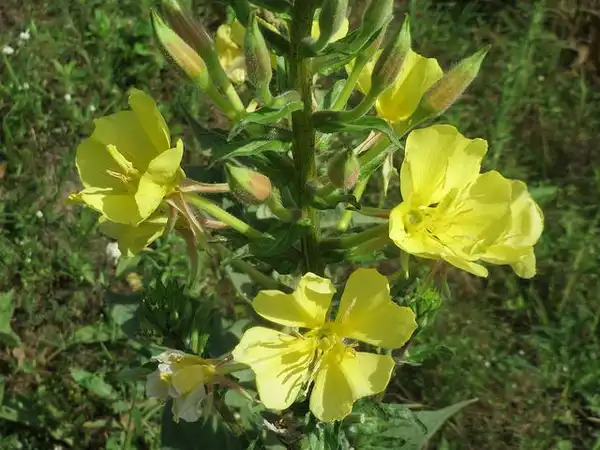
This upright biennial belongs to the Onagraceae family and typically thrives in a variety of environments, including fields, prairies, glades, thickets, disturbed areas, and along roadsides and railway corridors. It is known for its ability to naturalize effortlessly, making it a great choice for borders or as a vibrant addition to wildflower, cottage, or herb gardens. Notably, it exhibits excellent drought resistance. The flowers bloom at dusk and close at dawn when exposed to sunlight, which is why it is commonly referred to as evening primrose. The fruit consists of narrow capsules, measuring up to 1.5 inches long, that burst open when mature to release a multitude of seeds—up to 100 per capsule. After producing seeds, the plants die but often reestablish themselves in the landscape.

Wildlife Value: The flowers attract night-flying moths, drawn in by their subtle lemon scent, as well as bees that visit in the early morning before the blooms close. The seeds are a food source for birds. Additionally, species within the genus Oenothera are known to support specific bees, including Melissodes (Apomelissodes) fimbriatus and Lasioglossum (Sphecodogastra) oenotherae.

Insects, Diseases, and Other Plant Problems: This plant generally faces no significant issues with insects or diseases, although leaf spot and powdery mildew may occasionally occur.

Regions: Predominantly found in eastern and central North America.

Oenothera biennis Feature Summary

Oenothera biennis Image Gallery

Tags

#yellow
#full sun tolerant
#drought tolerant
#perennial
#wildlife plant
#moths
#nectar plant
#fall interest
#cottage garden
#specialized bees
#herb garden
#summer flowers
#naturalizes
#borders
#spring interest
#pollinator plant
#wildflower garden
#bird friendly
#butterfly friendly
#bee friendly

Similar Plants

Oenothera biennis Feature Summary

Attributes
Canada, United States
Perennial
Biennial
Flowers
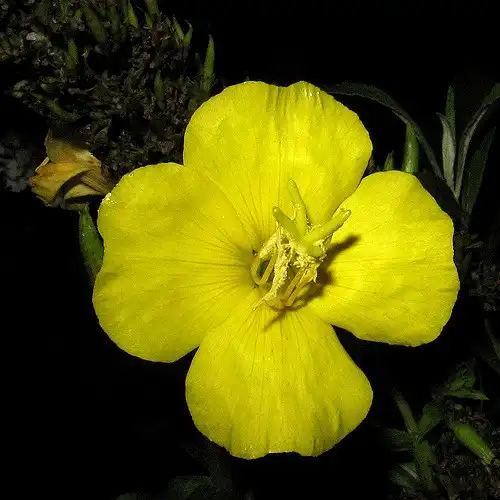
1-2 in. four-petaled, 4-sepals, 8 stamens and a prominent style with a cross-shaped stigma. Petals are pale lemon yellow and bowl-shaped. Flowers bloom in a multi-flowered terminal panicle, they open in the evening and remain open through morning, closing in the heat of day.
Gold/Yellow
Spring
Summer
Fall
4-5 petals/rays
1-3 inches
Leaves
In the first year, it produces a basal rosette of shallow-toothed, lanceolate, light green to olive green leaves (to 4-8” long and 2” wide) Leaves are elliptic to lance-shaped leaves, stalkless, wavy-toothed.
Elliptical
Lanceolate
> 6 inches
1-3 inches
Stem
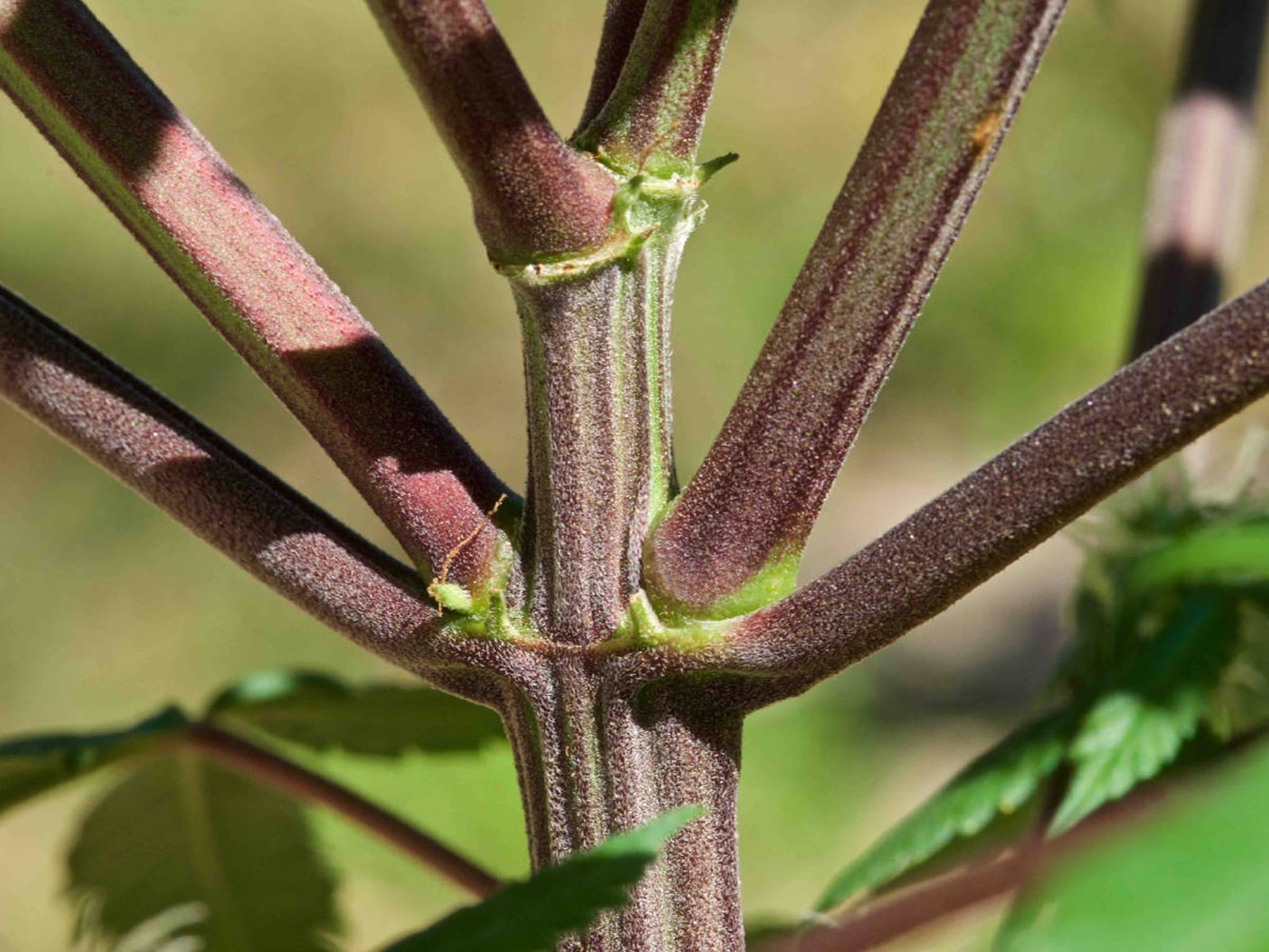
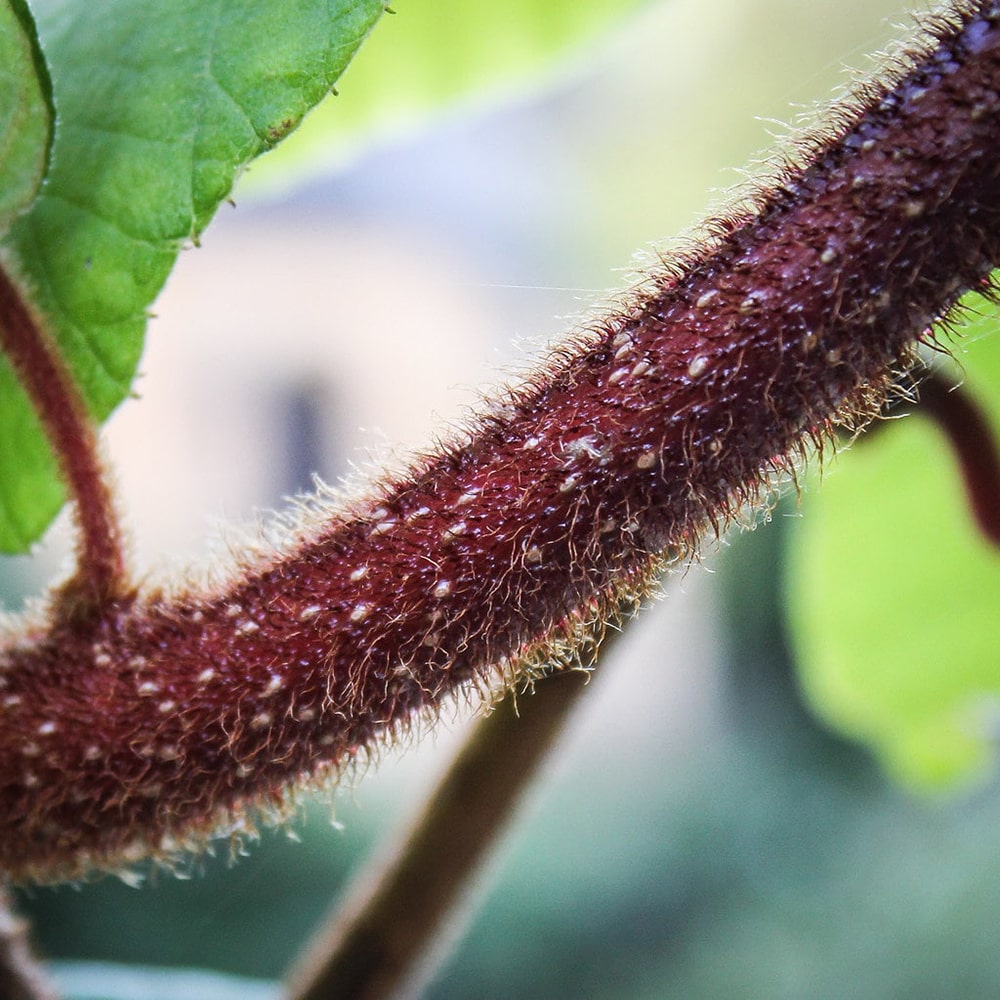
In the second year, and upright, hairy, reddish-green flower stem (can be multiple stems) with spirally arranged leaves rises from the center of the rosette to 3-5’ tall, topped by a showy summer to fall (June to September) bloom.
Green
Red/Burgundy
Whole Plant Traits
Perennial
Wildflower
Cultural Conditions
Full sun (6 or more hours of direct sunlight a day)
Partial Shade (Direct sunlight only part of the day, 2-6 hours)
Good Drainage
Landscape
Cottage Garden
Butterflies
Pollinators
Songbirds
Specialized Bees

Oenothera biennis Attributes

Oenothera biennis: Country Or Region Of Origin

Canada, United States
Oenothera biennis: Life Cycle

Annual
Biennial
Bulb
Perennial
Woody

Oenothera biennis Flowers

Oenothera biennis: Flower Description

1-2 in. four-petaled, 4-sepals, 8 stamens and a prominent style with a cross-shaped stigma. Petals are pale lemon yellow and bowl-shaped. Flowers bloom in a multi-flowered terminal panicle, they open in the evening and remain open through morning, closing in the heat of day.

Oenothera biennis: Flower Color

filter_vintage
Gold/Yellow

Oenothera biennis: Flower Bloom Time

Winter
Spring
Summer
Fall

Oenothera biennis: Flower Petals

2-3 rays/petals
4-5 petals/rays
6 petals/rays
7 - 20 petals/rays
asymmetrical petals
Bracts
Colored Sepals
fused petals
more than 20 petals/rays
Tepals

Oenothera biennis: Flower Shape

Bell
Cross
Crown
Cup
Dome
Funnel
Irregular
Lipped
Radial
Saucer
Star
Trumpet
Tubular
Urn
Wheel

Oenothera biennis: Flower Size

1-3 inches
3-6 inches
< 1 inch
> 6 inches

Oenothera biennis Leaves

Oenothera biennis: Leaf Description

In the first year, it produces a basal rosette of shallow-toothed, lanceolate, light green to olive green leaves (to 4-8” long and 2” wide) Leaves are elliptic to lance-shaped leaves, stalkless, wavy-toothed.

Oenothera biennis: Leaf Color

spa
Green

Oenothera biennis: Leaf Shape

Acicular
Auriculate
Cordate
Cuneate
Deltoid
Elliptical
Filiform
Lanceolate
Linear
Oblanceolate
Oblong
Obovate
Obtuse
Orbicular
Ovate
Palmasect
Palmatifid
Peltate
Pinnatifid
Pinnatisect
Reniform
Rhomboidal
Spatulate
Subcordate
Subulate

Oenothera biennis: Hairs Present

No
Yes

Oenothera biennis: Leaf Length

< 1 inch
1-3 inches
3-6 inches
> 6 inches

Oenothera biennis: Leaf Width

< 1 inch
1-3 inches
3-6 inches
> 6 inches

Oenothera biennis Stem

Oenothera biennis: Stem Description

In the second year, and upright, hairy, reddish-green flower stem (can be multiple stems) with spirally arranged leaves rises from the center of the rosette to 3-5’ tall, topped by a showy summer to fall (June to September) bloom.

Oenothera biennis: Stem Color

grass
Green
grass
Red/Burgundy

Oenothera biennis: Stem Is Aromatic

No
Yes

Oenothera biennis: Stem Buds

Hairy
Hairy tips
Scaly
Smooth/Hairless

Oenothera biennis Whole Plant Traits

Oenothera biennis: Plant Type

Annual
Bulb
Carnivorous
Edible
Epiphyte
Fern
Ground Cover
Herb
Herbaceous Perennial
Houseplant
Mushroom
Native Plant
Ornamental Grasses and Sedges
Perennial
Poisonous
Rose
Shrub
Succulent
Tree
Turfgrass
Vegetable
Vine
Water Plant
Weed
Wildflower

Oenothera biennis Cultural Conditions

Oenothera biennis: Light

Dappled Sunlight (Shade through upper canopy all day)
Deep shade (Less than 2 hours to no direct sunlight)
Full sun (6 or more hours of direct sunlight a day)
Partial Shade (Direct sunlight only part of the day, 2-6 hours)

Oenothera biennis: Soil Drainage

Frequent Standing Water
Good Drainage
Moist
Occasional Flooding
Occasionally Dry
Occasionally Wet
Very Dry

Oenothera biennis Fruit

Oenothera biennis: Fruit Value To Gardener

Edible
Fragrant
Good Cut
Good Dried
Long Bloom Season
Long-lasting
Showy

Oenothera biennis Landscape

Oenothera biennis: Landscape Theme

Asian Garden
Butterfly Garden
Children's Garden
Cottage Garden
Cutting Garden
Drought Tolerant Garden
Edible Garden
English Garden
Fairy Garden
Garden for the Blind
Native Garden
Nighttime Garden
Pollinator Garden
Rain Garden
Rock Garden
Shade Garden
Water Garden
Winter Garden

Oenothera biennis: Attracts

Bats
Bees
Butterflies
Frogs
Hummingbirds
Moths
Pollinators
Predatory Insects
Reptiles
Small Mammals
Songbirds
Specialized Bees