Plant Profile: Hosta plantaginea

Taxonomy: Hosta plantaginea

Names

Funkia, Hosta, Plantain Lily

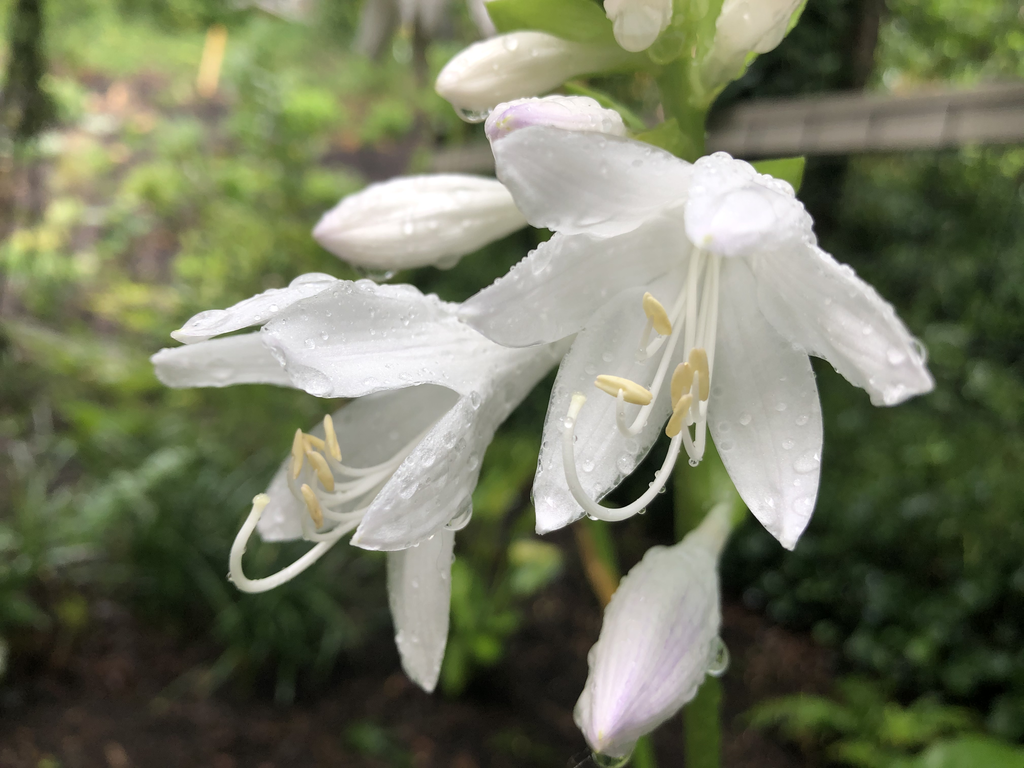
  • Photo of Hosta plantaginea (Hosta plantagineas)

Phonetic Spelling:HOSS-tuh plan-tah-jin-EE-uh

Genus:Hosta

Species:plantaginea

Family:Asparagaceae

The Plantain Lily, belonging to the asparagus family, thrives best in partial sunlight to full shade and requires consistently moist soil rich in organic matter.

Hosta plantaginea Feature Summary

Hosta plantaginea Image Gallery

Tags

#hummingbirds
#showy flowers
#fragrant flowers
#white flowers
#wildlife plant
#cut flowers
#low maintenance
#cutting garden
#nectar plant mid-summer
#nectar plant late summer
#problem for cats
#problem for dogs
#problem for horses
#black walnut toxicity tolerant
#heavy shade tolerant

Similar Plants

Hosta plantaginea Feature Summary

Attributes
Flowers attract hummingbirds
Perennial
Flowers
Considered the best flowers in the Hosta genus due to their showy appearance, fragrance and use as a cut flower.
Fragrant
Good Cut
Showy
Leaves
Bright green-yellow round to heart-shaped glossy leaves
Green
Gold/Yellow
Ovate
Cordate
Poisonous to Humans
Whole Plant Traits
Herbaceous Perennial
Cultural Conditions
Partial Shade (Direct sunlight only part of the day, 2-6 hours)
Deep shade (Less than 2 hours to no direct sunlight)
Good Drainage
Moist
4a
4b
5b
5a
6a
6b
7a
7b
8b
8a
3a
3b
9a
9b
High Organic Matter
Landscape
Cutting Garden
Pollinator Garden
Shade Garden
Black Walnut
Heavy Shade
Hummingbirds
Problem for Cats
Problem for Dogs
Problem for Horses

Hosta plantaginea Attributes

Hosta plantaginea: Country Or Region Of Origin

China
Hosta plantaginea: Wildlife Value

Flowers attract hummingbirds

Hosta plantaginea: Life Cycle

Annual
Biennial
Bulb
Perennial
Woody

Hosta plantaginea Flowers

Hosta plantaginea: Flower Description

Considered the best flowers in the Hosta genus due to their showy appearance, fragrance and use as a cut flower.

Hosta plantaginea: Flower Color

filter_vintage
White

Hosta plantaginea: Flower Value To Gardener

Edible
Fragrant
Good Cut
Good Dried
Long Bloom Season
Long-lasting
Showy

Hosta plantaginea Leaves

Hosta plantaginea: Leaf Description

Bright green-yellow round to heart-shaped glossy leaves

Hosta plantaginea: Leaf Color

spa
Gold/Yellow
spa
Green

Hosta plantaginea: Leaf Type

Compound (Pinnately , Bipinnately, Palmately)
Fronds
Needles
Sheath
Simple

Hosta plantaginea: Leaf Shape

Acicular
Auriculate
Cordate
Cuneate
Deltoid
Elliptical
Filiform
Lanceolate
Linear
Oblanceolate
Oblong
Obovate
Obtuse
Orbicular
Ovate
Palmasect
Palmatifid
Peltate
Pinnatifid
Pinnatisect
Reniform
Rhomboidal
Spatulate
Subcordate
Subulate

Hosta plantaginea: Hairs Present

No
Yes

Hosta plantaginea: Leaf Feel

Fleshy
Glossy
Leathery
Papery
Prickly
Rough
Rubbery
Slippery
Smooth
Soft
Velvety
Waxy

Hosta plantaginea Poisonous to Humans

Hosta plantaginea: Poison Symptoms

Vomiting, diarrhea, depression.

Hosta plantaginea: Poison Toxic Principle

Saponins

Hosta plantaginea: Poison Severity

High
Low
Medium

Hosta plantaginea: Causes Contact Dermatitis

No
Yes

Hosta plantaginea Whole Plant Traits

Hosta plantaginea: Plant Type

Annual
Bulb
Carnivorous
Edible
Epiphyte
Fern
Ground Cover
Herb
Herbaceous Perennial
Houseplant
Mushroom
Native Plant
Ornamental Grasses and Sedges
Perennial
Poisonous
Rose
Shrub
Succulent
Tree
Turfgrass
Vegetable
Vine
Water Plant
Weed
Wildflower

Hosta plantaginea: Maintenance

Low
Medium
High

Hosta plantaginea Cultural Conditions

Hosta plantaginea: Light

Dappled Sunlight (Shade through upper canopy all day)
Deep shade (Less than 2 hours to no direct sunlight)
Full sun (6 or more hours of direct sunlight a day)
Partial Shade (Direct sunlight only part of the day, 2-6 hours)

Hosta plantaginea: Soil Drainage

Frequent Standing Water
Good Drainage
Moist
Occasional Flooding
Occasionally Dry
Occasionally Wet
Very Dry

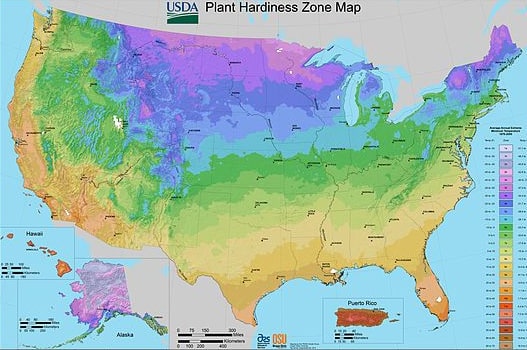
Hosta plantaginea: USDA Plant Hardiness Zone

thermostat
3a
thermostat
3b
thermostat
4a
thermostat
4b
thermostat
5a
thermostat
5b
thermostat
6a
thermostat
6b
thermostat
7a
thermostat
7b
thermostat
8a
thermostat
8b
thermostat
9a
thermostat
9b

Hosta plantaginea: Soil Texture

Clay
High Organic Matter
Loam (Silt)
Sand
Shallow Rocky

Hosta plantaginea Stem

Hosta plantaginea: Stem Is Aromatic

No
Yes

Hosta plantaginea Landscape

Hosta plantaginea: Landscape Theme

Asian Garden
Butterfly Garden
Children's Garden
Cottage Garden
Cutting Garden
Drought Tolerant Garden
Edible Garden
English Garden
Fairy Garden
Garden for the Blind
Native Garden
Nighttime Garden
Pollinator Garden
Rain Garden
Rock Garden
Shade Garden
Water Garden
Winter Garden

Hosta plantaginea: Resistance To Challenges

Black Walnut
Compaction
Deer
Diseases
Drought
Dry Soil
Erosion
Fire
Foot Traffic
Heat
Heavy Shade
Humidity
Insect Pests
Pollution
Poor Soil
Rabbits
Salt
Slugs
Squirrels
Storm damage
Urban Conditions
Voles
Wet Soil
Wind

Hosta plantaginea: Attracts

Bats
Bees
Butterflies
Frogs
Hummingbirds
Moths
Pollinators
Predatory Insects
Reptiles
Small Mammals
Songbirds
Specialized Bees

Hosta plantaginea: Problems

Allelopathic
Contact Dermatitis
Frequent Disease Problems
Frequent Insect Problems
Invasive Species
Malodorous
Messy
Poisonous to Humans
Problem for Cats
Problem for Children
Problem for Dogs
Problem for Horses
Short-lived
Spines/Thorns
Weak Wood
Weedy