Hills of Snow, Hortensia, Hydrangea, Sevenbark, Seven Bark, Smooth Hydrangea, Wild Hydrangea
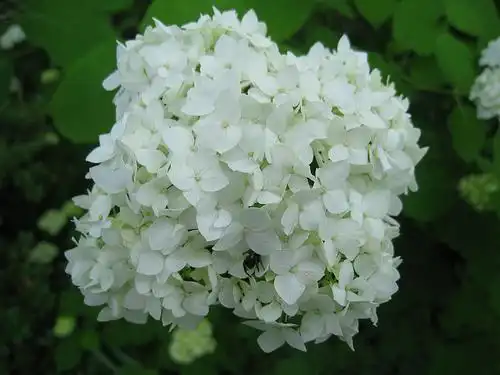
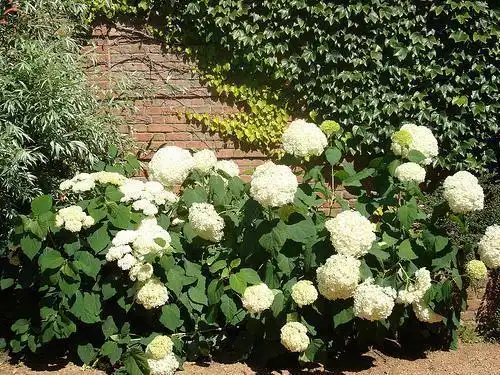
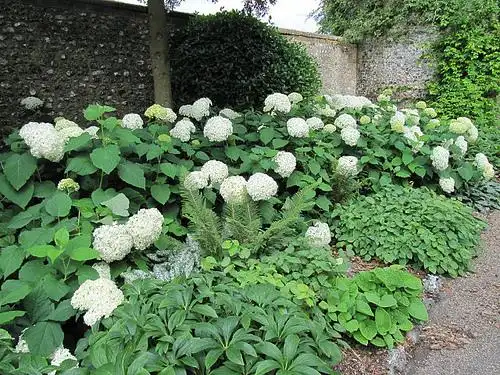
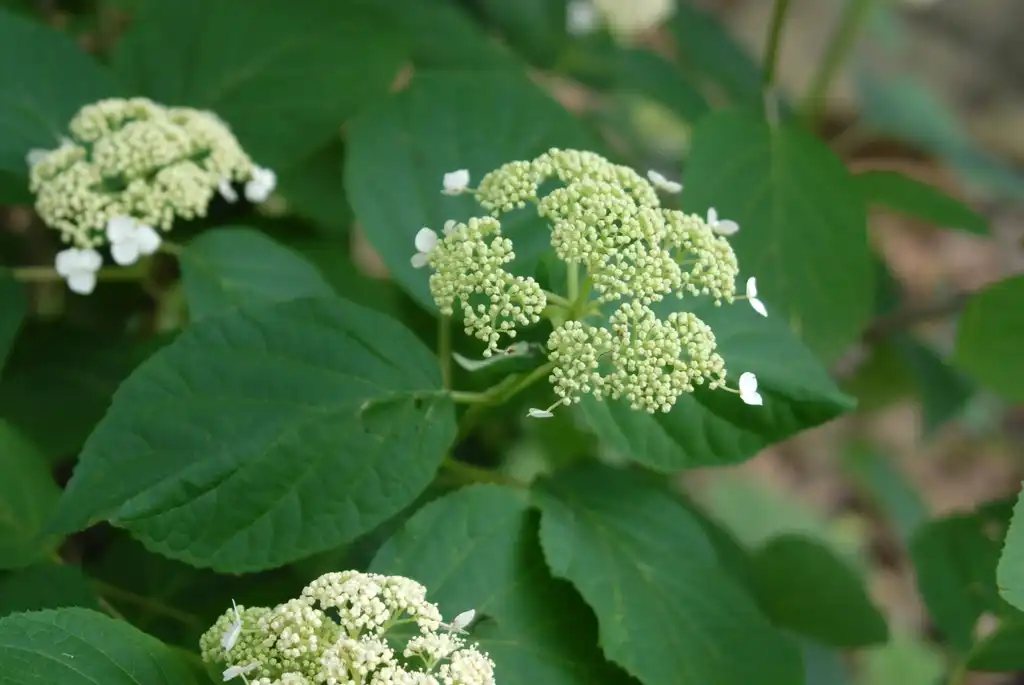
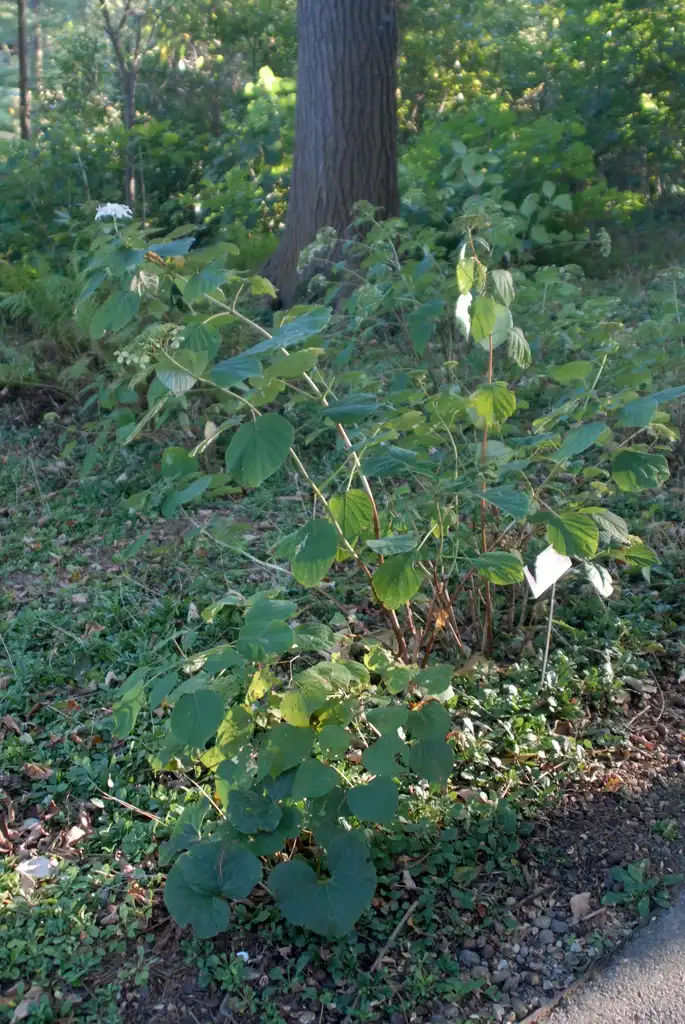
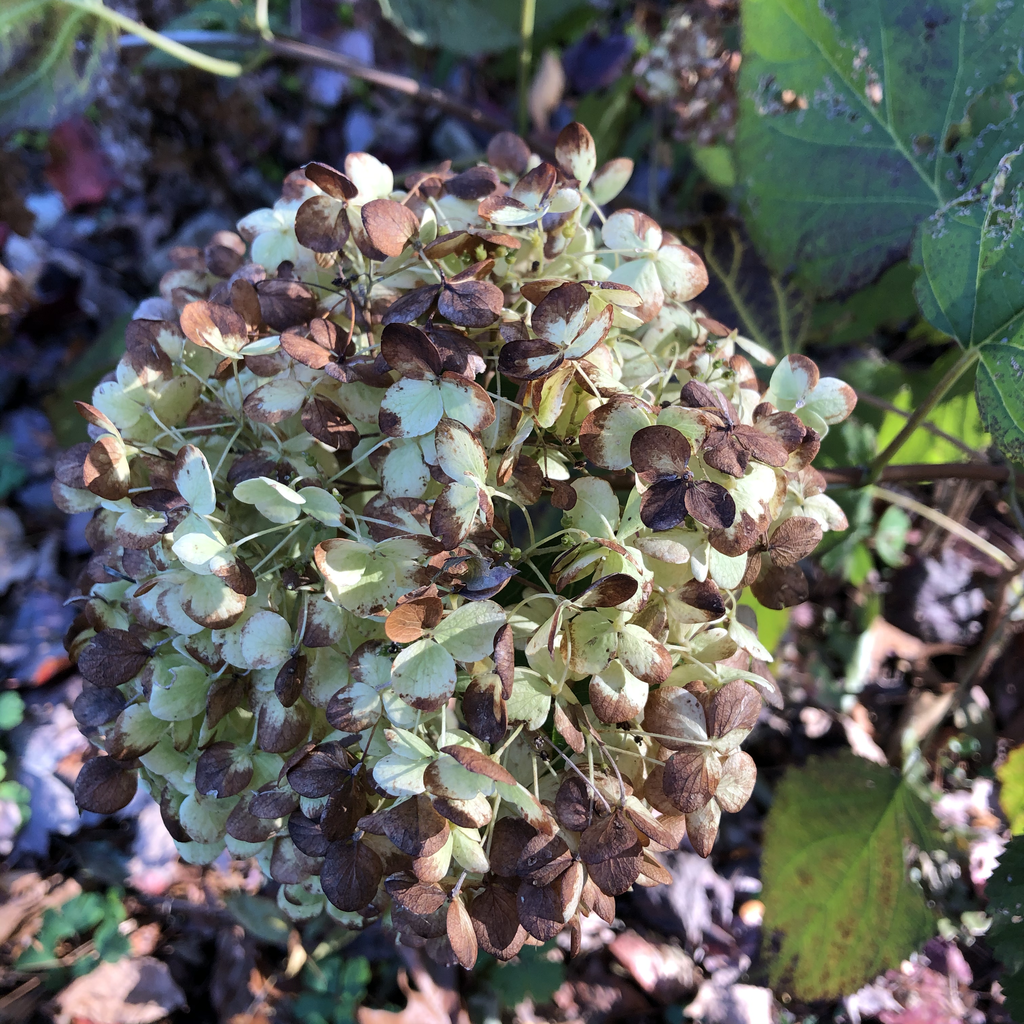
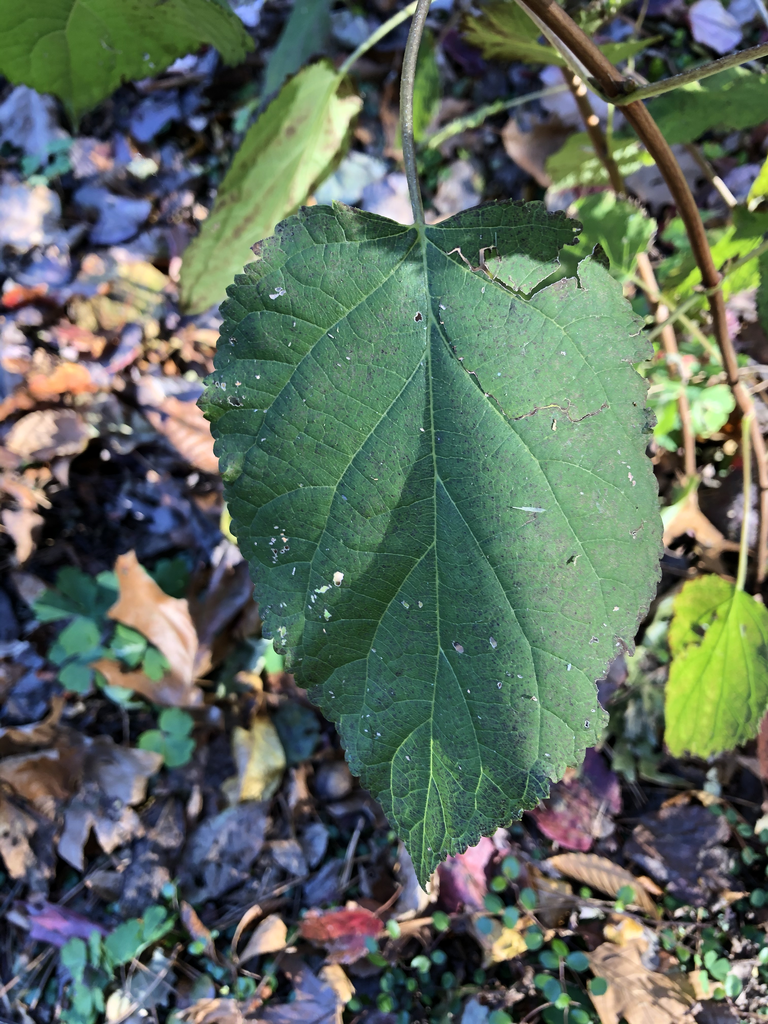
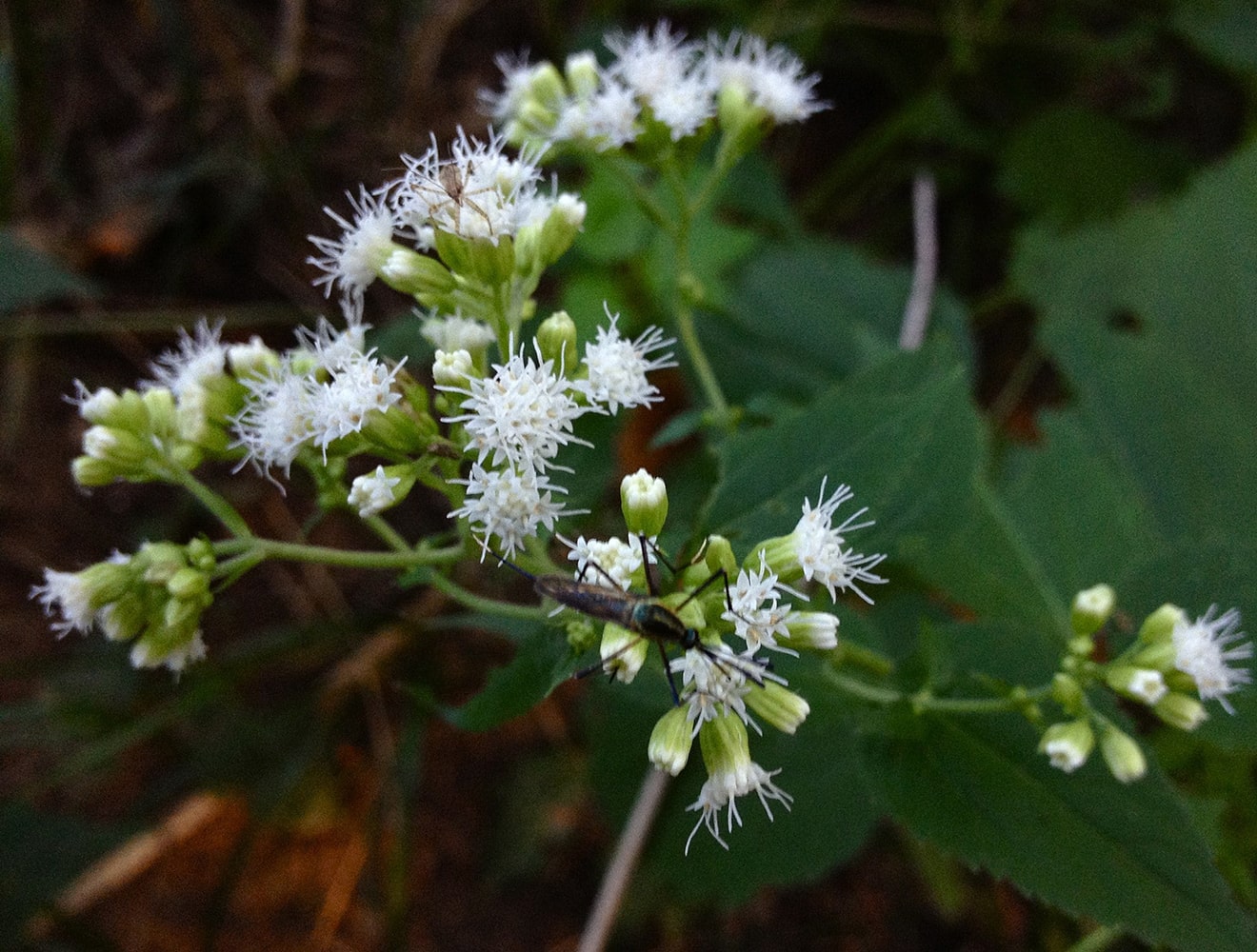
Hydrangea arborescens, often referred to as smooth hydrangea or wild hydrangea, thrives in moist or rocky wooded areas, ravines, along streambanks, and at the bases of bluffs. This species is notably resilient to cold temperatures but can also flourish in warmer regions. In North Carolina, Hydrangea arborescens is the most prevalent variety. It grows best in average, moderately moist, well-drained soils and prefers partial shade, although it can withstand full sun if it receives adequate moisture. However, it is sensitive to drought conditions, and its leaves may suffer in dry spells. This plant produces blooms on new growth, so it is advisable to prune it back close to the ground in late winter to promote robust stem development. If pruning is not performed, any weak or damaged stems should be removed in early spring.
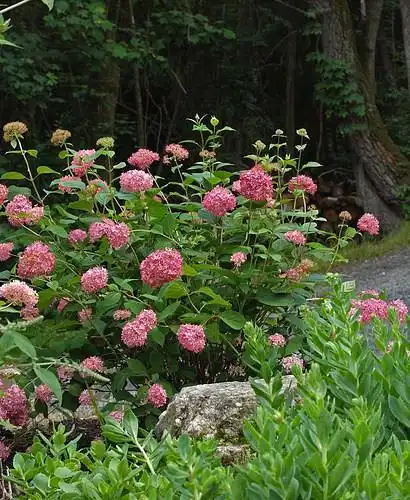
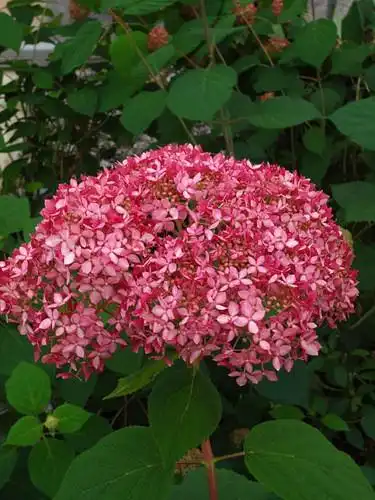
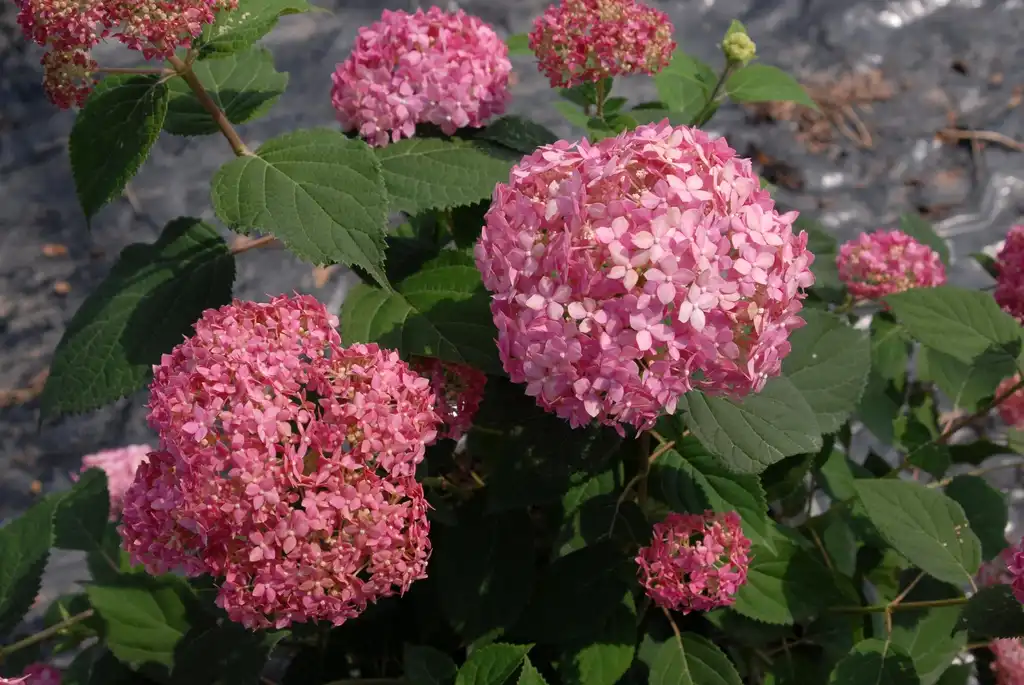
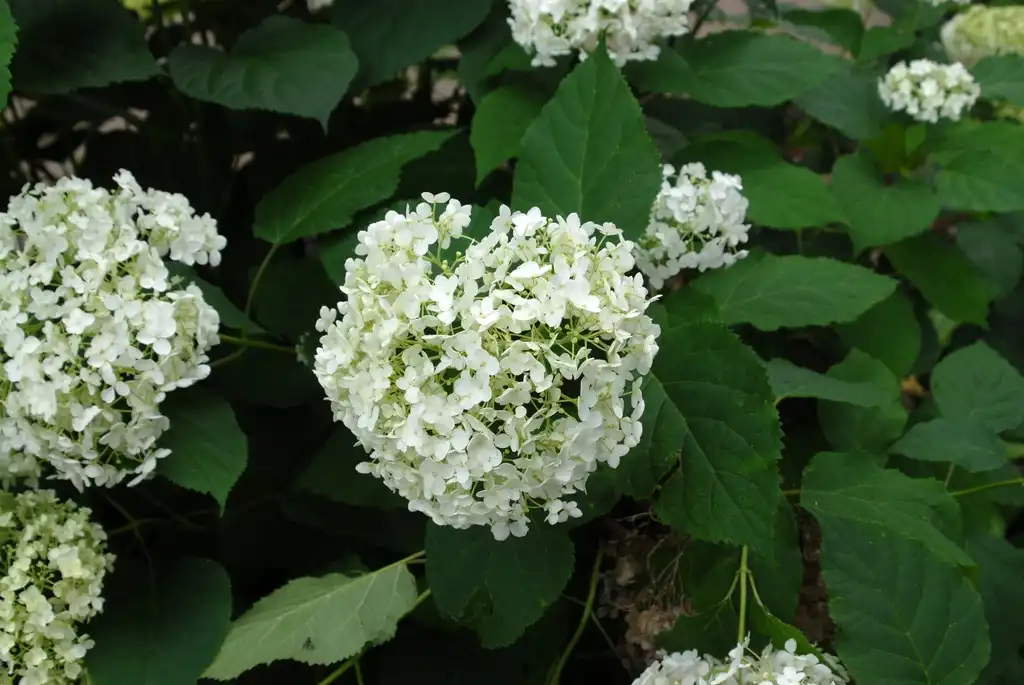
There are several named cultivars that feature sterile flowers, resulting in a rounded bloom shape. Additionally, some modern hybrids have been developed to showcase pink flowers. Unlike many other hydrangea varieties, the color of these flowers remains unaffected by soil pH levels.
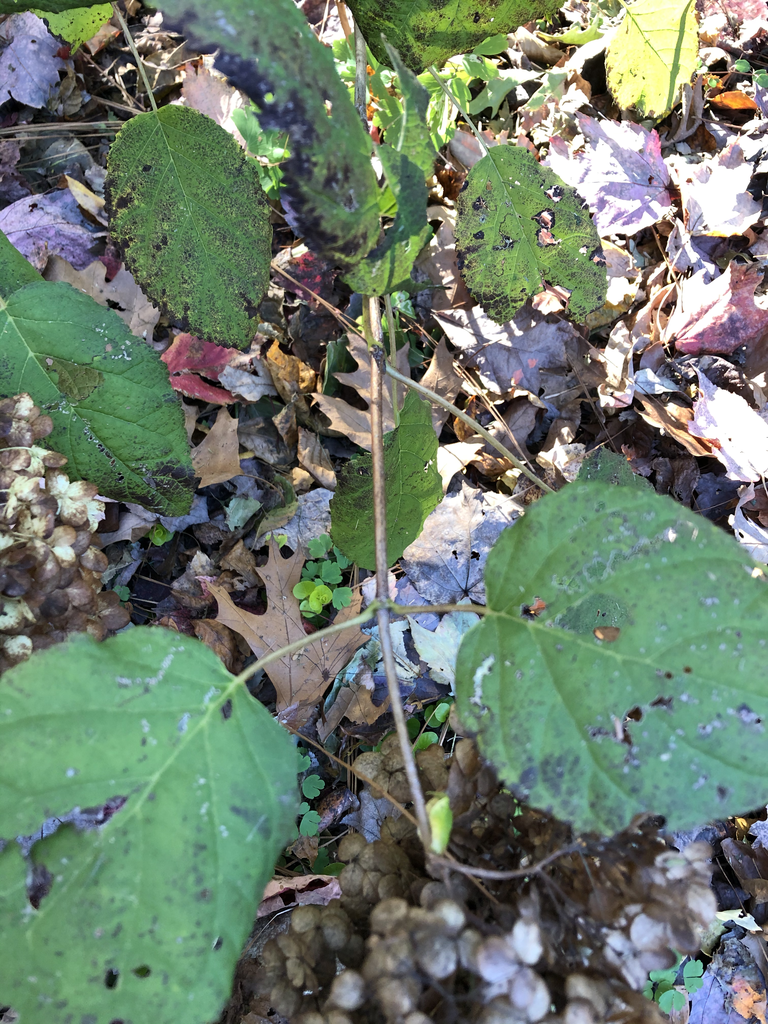
Wild hydrangea is vulnerable to various issues, including bud blight, bacterial wilt, leaf spots, mold, rust, and powdery mildew. It may also face challenges from pests such as aphids, mites, scale, and nematodes.
Regarding fire safety, this plant is rated as having low flammability.
#deciduous
#fall color
#poisonous
#rain garden
#wildlife plant
#showy
#honey bees
#nectar plant
#native shrub
#salt tolerant
#low maintenance
#tsc
#fall interest
#rabbit resistant
#food source
#low flammability
#NC native
#stolon
#neutral ph
#deer resistant
#native garden
#fire resistant
#colonies
#naturalizes
#pollinator plant
#suckers
#food source fall
#food source herbage
#food source pollen
#coastal UPL
#wet soils tolerant
#rocky soils tolerant
#clay soils tolerant
#bird friendly
#nectar plant late spring
#food source hard mast fruit
#butterfly friendly
#nectar plant early summer
#nectar plant mid-summer
#Piedmont Mountains FACU
#problem for cats
#tsc-s
#pollinator garden
#problem for dogs
#bee friendly
#problem for horses
#audubon
#shallow soil tolerant